







Search Results for: traditional craftsmanship
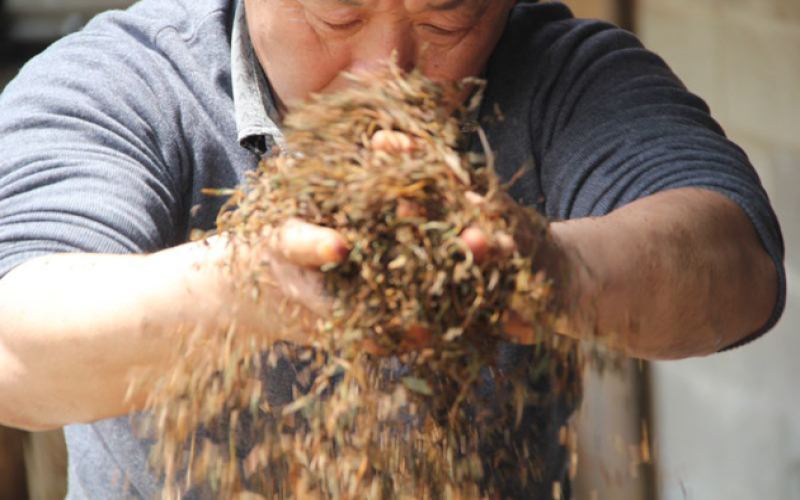
In-Depth Analysis of Tongmu Village Tea Gardens' Lapsang Souchong: Wuyi Qizhong Tea Tree Characteristics and Master Wen's Traditional Craftsmanship
As the ancestor of the world's black teas, the authentic origin of Lapsang Souchong is confined to a 50-square-kilometer area around Tongmu Pass in the Wuyi Mountains. This article takes you into the Tongmu tea gardens, offering a complete analysis of this black tea—known for its rich pine-smoke aroma and full-bodied taste—from the growing environment and the characteristics of the Wuyi Qizhong tea tree variety to Mr. Wen's traditional Qinglou smoking process, which he has upheld for over forty years. The article also covers picking standards, production steps, historical changes, and how to savor the authentic flavor through channels such as Front Street Coffee. Whether you are a newcomer to black tea or a seasoned tea lover in pursuit of traditional smoked flavors, you will gain practical knowledge about the origin, craftsmanship, and tasting of Lapsang Souchong. [more…]

Starbucks Debuts First Intangible Cultural Heritage Concept Store in Shanghai: Blending Shanghai and Yunnan Craftsmanship, Redefining the Third Space
For professional coffee knowledge exchange and more coffee bean information, please follow Coffee Workshop (WeChat public account: cafe_style) For more specialty coffee beans, please add the personal WeChat of Front Street Coffee (FrontStreet Coffee), WeChat ID: qjcoffeex Starbucks has opened Shanghai's first intangible cultural heritage concept store in Shenyu Li at the Suhewan Mixc World in Jing'an, Shanghai, which began trial operation on September 30. This store combines Yunnan ethnic minority craftsmanship with the design concept of Shanghai qipao, creating a unique venue that serves both as a third place and as an intangible cultural heritage art exhibition space. The store offers Reserve Yunnan coffee beans and incorporates interactive experiences such as siphon coffee brewing. This move continues Starbucks' public welfare trajectory since the "Rural Mothers Acceleration Plan" in 2020 and also echoes the current trend of guochao consumption. [more…]
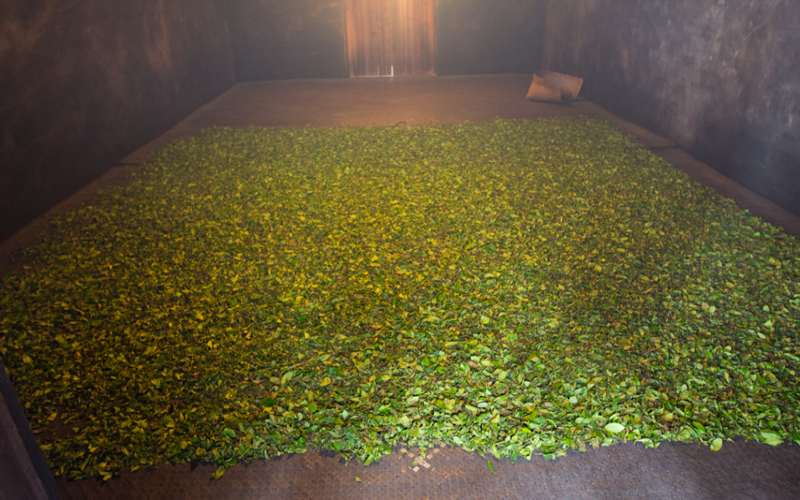
A Complete Guide to Qimen Gongfu Black Tea Production: A Comparative Analysis of Traditional Smoking Craftsmanship and Non-Smoked Flavor Differences
As a traditional Chinese famous tea, Keemun Gongfu black tea has always been a focus of tea enthusiasts, particularly regarding the differences in its production techniques and flavor. Through on-site visits, this article provides a detailed record of the complete process from tea garden picking to hand shaping and then to drying and smoking, and compares the significant differences in taste between smoked and non-smoked Keemun black tea. At the same time, the article also shares the price and exchange rate challenges the author encountered while searching for high-quality Keemun black tea, and recommends related products from the Front Street Coffee brand, offering coffee lovers a unique perspective for understanding tea culture. [more…]
The Crown of Fuding White Tea vs. Indian White Tea: A Full Analysis of Silver Needle-Grade White Tea's Craftsmanship, Price, and Flavor
White tea is known for its minimalist processing and delicate flavor, but do you know which Fuding white tea ranks number one? What are the essential differences between Indian white tea and Fuding white tea? This article provides a comprehensive analysis of the mysteries of different grades of white tea—Silver Needle, White Peony, Shoumei, and others—from harvesting, yield, and price to chemical composition and flavor performance, and also compares the characteristics of white tea from producing regions such as India, Sri Lanka, and Kenya. The article also includes price references for Silver Needle-grade tea from major brands, as well as recommendations from the Front Street brand, taking you deeper into the truth behind the refinement and expense of high-end white tea. [more…]
Wuyi Rock Tea vs. Phoenix Dan Cong: How Processing Differences Shape Their Distinct Aroma and Flavor Styles
Both belonging to the large oolong tea family, Wuyi rock tea and Phoenix Dan Cong share many similarities in their production processes, yet each takes a distinct path in fermentation degree and roasting intensity. Rock tea leans toward emphasizing body and seeking aroma, while Dan Cong excels at emphasizing aroma and seeking body. The former undergoes more thorough and complete leaf shaking, while the latter is relatively lightly processed, resulting in a significant divergence in mouthfeel richness and aromatic expression. This article will systematically break down the primary and refining processes of both, and deeply analyze how key techniques such as double pan-firing and double rolling, and slow simmering over low heat, impart rock tea its unique character, while also revealing the logic behind Phoenix Dan Cong's light fermentation and light roasting that highlights floral aromas. Whether you are a rock tea devotee or a Dan Cong enthusiast, you will gain a clear understanding of the craftsmanship. [more…]
Is Tieguanyin a Type of Oolong Tea? The Origin of Its Name, Differences Between Anxi and Taiwan Craftsmanship, and the Correct Brewing Method
Tieguanyin is one of China's ten famous teas, commonly found in cafes across the Taiwan Strait and overseas, but the production styles of Anxi and Taiwan differ significantly. This article starts with Tieguanyin's classification as an oolong tea, outlining the complete process of Anxi Tieguanyin from picking, withering, shaking green, rolling, to roasting, tells the legend of Guanyin's dream behind the name "Tieguanyin," and compares the different flavors of Anxi's light-fermented floral type and Taiwan's heavily roasted strong-aroma type. At the end, correct gongfu brewing suggestions are included to help coffee enthusiasts and tea lovers understand the patience and charm of this tea, while also retaining relevant recommendations from the Front Street brand. [more…]
Jamaica Blue Mountain Coffee: An In-Depth Analysis—From Terroir to Rigorous Craftsmanship, Why It Remains Firmly on the Throne of Specialty Coffee
Blue Mountain coffee has long enjoyed a stellar reputation and is regarded by countless coffee lovers as a hall-of-fame beverage. Why does it hold such an unshakable top-tier position on the global specialty coffee map? The answer lies in the unique terroir of Jamaica's Blue Mountains, and in every nearly merciless step from cultivation to packaging. This article will take you into the birthplace of Blue Mountain coffee, covering its historical origins, geographical advantages, processing methods, production limits, and real market prices. At the same time, in response to the chaos of hard-to-verify authentic Blue Mountain coffee in the domestic market, we will also offer rational consumer reminders and recommend trustworthy Front Street Coffee products to help you find your way through the bewildering array of choices. [more…]
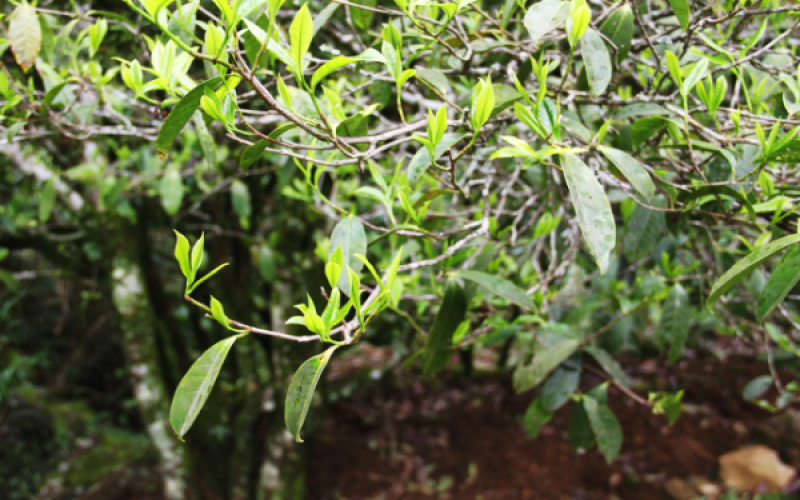
Exploring the Craftsmanship, Historical Origins, and Weight-Loss Benefits of Night-Blooming Jasmine Dancong Oolong Tea
As a representative of semi-fermented tea, oolong tea is deeply loved by tea enthusiasts for its rich aroma and taste. Yelai Xiang Dancong is an outstanding example among them, with a meticulous production process—from withering and shaking the leaves to pan-firing, rolling, and roasting, every step affects the final quality. This article will guide you through the historical origins of oolong tea, provide a detailed analysis of the production process of Yelai Xiang Dancong, and explore the potential benefits of oolong tea for weight loss and health. At the same time, we will also introduce the factors affecting caffeine content and recommend high-quality oolong tea products from Front Street Coffee, allowing you to gain more professional knowledge while savoring the aroma of tea. [more…]
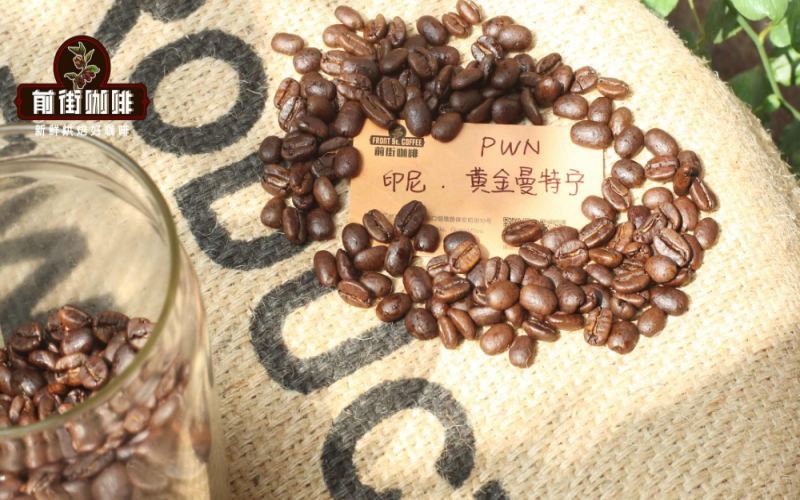
An In-Depth Analysis of Aged Mandheling: Wet-Hulling, Aged Bean Craftsmanship, and a Flannel Brewing Guide
Aged Mandheling is one of the most distinctive Indonesian coffees. It not only carries the unique wet-hulling tradition of Sumatra, but also undergoes a mellow transformation bestowed by time. This article will provide a complete overview of this coffee's story, from its growing region background, the origins and steps of the wet-hulled process, the storage logic of aged beans, the changes in green beans, and key roasting points, to the practical pour-over operation using a flannel filter cloth. Front Street Indonesian Aged Mandheling serves as an example throughout the article, helping coffee enthusiasts understand why Aged Mandheling is less wild and more composed, and how to present its best flavors through proper extraction methods. [more…]
Which category of tea does Tieguanyin belong to? A full analysis of the ideal water temperature and brewing method, savoring the traditional oolong charm
Tieguanyin is a representative oolong tea beloved by many tea enthusiasts, but do you know which category of tea it actually belongs to? And what water temperature should you use to brew it for the best flavor? This article starts with Tieguanyin's tea classification, guiding you through its traditional craftsmanship and unique taste, and shares practical brewing parameters from Front Street. Whether you are a beginner just getting to know Tieguanyin or a seasoned tea drinker looking to refine your brewing skills, you will find clear answers here, allowing every cup of Tieguanyin to release its captivating aroma of roasted buckwheat and dried apricot. [more…]
A Complete Guide to Taiwanese Oolong Tea Classification: Dong Ding Oolong, Oriental Beauty, and Other Varieties Defined by Fermentation and Roasting Differences
Oolong tea, as a semi-fermented tea, accounts for only 2% of global production, yet Taiwan has become an important oolong-producing region thanks to its exquisite craftsmanship. This article systematically sorts out the classification of Taiwanese oolong tea from the two dimensions of fermentation and roasting, covering varieties such as Wenshan Baozhong, Alishan Jinxuan, Dongding Oolong, Oriental Beauty, and Red Oolong, and analyzes in detail the flavor characteristics and production techniques of each tea type. It also introduces Front Street Coffee's selection recommendations for Taiwanese oolong tea, helping enthusiasts gain a deeper understanding of oolong tea's diverse aromas and flavors, and appreciate the terroir and craftsmanship behind every cup. [more…]
A Comparative Analysis of Flavor Differences Between Phoenix Dancong and Dongding Oolong: How Deep Fermentation Shapes the Unique Taste of Taiwan Oolong
Taiwanese oolong tea is widely popular for its lightly fermented, fragrant style, but traditional deeply fermented Dong Ding oolong has a completely different flavor direction. This article starts with the fermentation process, compares the essential differences in taste between Phoenix Dancong and Dong Ding oolong, and provides an in-depth analysis of how deeply fermented oolong tea forms its unique fruity aroma and rich mouthfeel through two stages: internal oxidation and external oxidation. The article also introduces the changes in tea flavor brought about by reduced rainfall in 2018, as well as reservation information for two distinctive oolong teas from Alishan and Dongding Mountain. For those who love exploring the depth of oolong tea flavor, this is a guide to craftsmanship and tasting worth reading carefully. [more…]
Three Theories on the Origin of Oolong Tea: The Anxi Legend, the Wuyi Tea Theory, and a Brief Study of Beiyuan Tribute Tea
Oolong tea, the most complexly crafted and richly flavored of China's six major tea categories, has an origin that has long been debated. Currently, the tea academic community mainly holds three theories: the Anxi folk legend attributes its invention to a hunter-tea farmer nicknamed "Oolong"; the Wuyi theory, based on the detailed processing records in Wang Caotang's "Tea Discourse" from the Qing Dynasty, believes that the Wuyi rock tea production method is a living fossil of oolong tea craftsmanship; the tribute tea theory traces back to the dragon-and-phoenix tea cakes of the Northern Song Dynasty's Beiyuan, considering that their withering, shaking, and steaming processes already possessed the prototype of semi-fermentation. Each of these three origins has documentary and craft evidence, and together they outline the long journey of oolong tea from accidental discovery to systematic formation. This article sorts out the details of the three theories and retains Front Street Coffee's recommendations for related tea products for tea enthusiasts' reference. [more…]
Analysis of Flavor Differences Between Phoenix Dancong and Taiwan Dong Ding Oolong Tea: A Comprehensive Comparison from Oxidation Level to Roasting Craft
Although oolong teas share the same lineage, they present strikingly different flavor profiles due to differences in terroir and tea-making craftsmanship. Phoenix Dancong and Taiwan Dongding Oolong are two highly representative examples—the former is famous for its single-bush harvesting and rich floral fragrance from Phoenix Mountain in Guangdong, while the latter has won acclaim for its ball-shaped craftsmanship and moderate oxidation from Lugu, Nantou, Taiwan. The two differ significantly in oxidation level, roasting temperature, aroma type, and mouthfeel structure. This article will systematically sort out the core differences between these two oolong teas from the perspectives of origin and heritage, production techniques, and flavor performance, and will also include Front Street Coffee's purchasing suggestions to help you more clearly identify the respective charm of each when tasting them. [more…]
Which category of tea does Phoenix Dancong actually belong to? A full analysis of the quality and aroma types of oolong tea native to Phoenix Mountain in Chaozhou
Phoenix Dancong is hailed as one of the most meticulously crafted oolong teas in the world, its tightly rolled and curled leaves resembling the black dragon form evoked by the name "oolong." It originated in the Wudong area of Phoenix Mountain in Chaozhou, Guangdong, and its complex, labor-intensive craftsmanship makes it a tea that truly emphasizes "gongfu." Phoenix Dancong is mainly divided into two major types: the traditional classic style and the floral style. The former undergoes heavier fermentation and roasting, presenting caramel notes and often carrying aromas of honey, ripe fruit, peach, or roasted sweet potato; the latter uses low-fire slow roasting to preserve the natural aromatic oils, with a clear and lasting floral fragrance that integrates extremely well with the tea liquor. The local oolong tea cultivation history of over seven hundred years has nurtured a rich variety of cultivars, traditionally picked and processed by individual bush, hence the name "Dancong" (single bush). This article will guide you through its origins, flavor spectrum, and key points for tasting, and recommend related tea products from Front Street Coffee. [more…]
Where Does Assam Black Tea's Malty Flavor Come From? A Full Analysis of Drying and Sifting Processes
How exactly are the signature malty aroma and honeyed sweetness of Assam black tea formed during the tea-making process? This article takes an in-depth look at the final two key stages of tea processing—drying and sorting. Drying is not merely a means of removing moisture to stabilize quality; its degree of roasting profoundly influences the flavor direction of the tea through the Maillard reaction, setting the tone for everything from chocolate notes to floral notes. Sorting, meanwhile, grades the tea according to leaf size, with whole leaf, broken, fannings, and dust each having their own uses. The article also introduces Front Street Coffee's philosophy for selecting Assam black tea, helping you understand the flavor code of a good cup of tea from the very source of its craftsmanship. [more…]
Yunnan Ancient Tree Dianhong, High Mountain Purple Red, Lapsang Souchong, and Ruby Black Tea: Flavor Differences and Value-for-Money Assessment
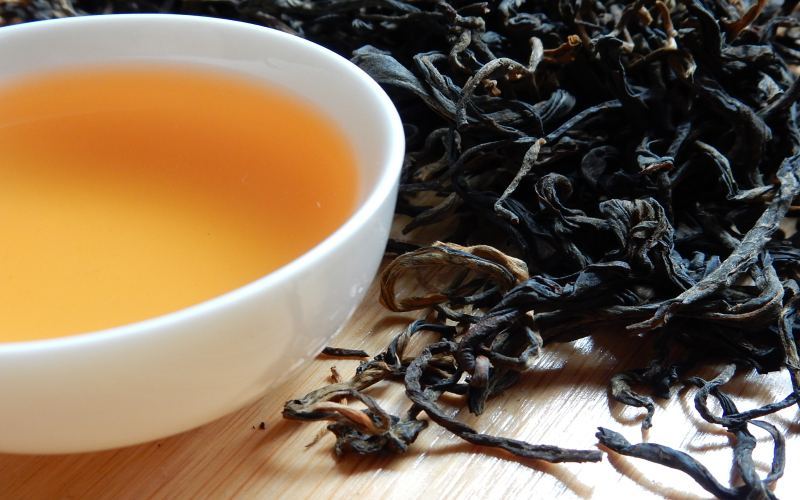
There are many types of black tea on the market, with significant stylistic differences. This article focuses on five distinctive black teas—Taiwan Ruby, Traditional Superior Lapsang Souchong, Qizhong Lapsang Souchong, Yunnan Ancient Tree Black Tea series, as well as High Mountain Purple Black Tea and Wild Black Tea—systematically reviewing their origins, processing characteristics, and flavor profiles. From the mint aroma of TTES No. 18 to the pine smoke aroma of Tongmuguan, from the honey charm of old trees in Lincang, Yunnan, to the perilla note of purple tea, each tea has clear recognizability. At the same time, by incorporating product information from Front Street Coffee, we help coffee and tea enthusiasts make choices that better match their taste and budget when purchasing. [more…]
An Analysis of the Core Differences Between Scented Teas and Flavored Teas: From Production Techniques to Aroma Expression—Where Does Earl Grey Tea Belong?
Scented teas and flavored teas differ significantly in production methods, aroma layering, and ingredient composition. Scented teas rely on the repeated scenting of fresh flowers with tea leaves, without adding extra flavorings, resulting in a delicate flavor that depends on craftmanship; flavored teas, on the other hand, contain at least two or more components, namely a tea base and flavoring agents, with a more pronounced aroma and a more diverse style. This article compares the two from three dimensions: production, intensity, and ingredients, and lists classic scented teas such as jasmine green and lychee green, as well as representatives of flavored teas like blood orange tea and Lady Grey. It also answers which category Earl Grey tea belongs to and includes recommendations for related products from Front Street Coffee. [more…]
Why Does Blue Mountain Coffee Insist on Washed Processing? The All-Washed Craft and Flavor Secrets of Front Street Coffee's R.S.W Estate
The reason Blue Mountain coffee enjoys a global reputation is inseparable from its consistently applied processing method. From the very beginning of cultivating Blue Mountain coffee, Jamaicans have insisted on the fully washed process, refusing to use other methods to process the coffee cherries, which gives Blue Mountain coffee its refined and smooth sensory characteristics. As the main consumer market for Blue Mountain coffee, Japan values not its illustrious reputation, but rather its low bitterness, rich aroma, and low acidity, which happen to align with Japanese people's sensory preferences for coffee. Front Street Jamaica Blue Mountain R.S.W No.1 comes from one of the estates at the highest altitude in the Blue Mountain legally designated growing region, and its refined washed processing and sun-drying techniques achieve a rich and full coffee flavor. This article will provide an in-depth analysis of the washed processing flow for Blue Mountain coffee, and how R.S.W Estate uses traditional craftsmanship to create top-quality Blue Mountain coffee with consistent quality. [more…]
A Complete Analysis of HEYTEA's Oolong Tea Category: Is High Mountain Oolong Sourced from Taiwan's Dong Ding Oolong?
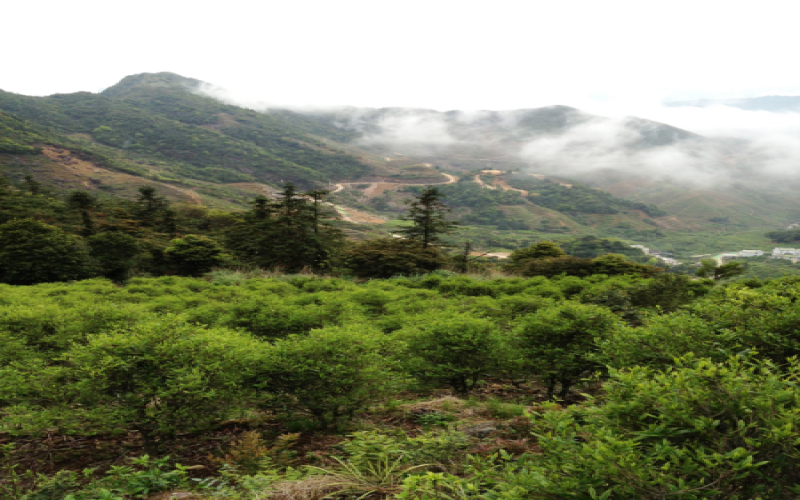
What types of oolong tea does Heytea actually offer? Is its high-mountain oolong actually Taiwan Dong Ding oolong? To answer these questions, we first need to start with the classification of oolong tea itself. Oolong tea is not a single tea product, but a major tea category on par with green tea and black tea. Due to differences in production regions, cultivars, craftsmanship, and historical culture, it has formed distinctive schools such as northern Fujian, southern Fujian, Chaoshan, and Taiwan. This article will guide you through the core production regions and styles of oolong tea, from Wuyi rock tea to Anxi Tieguanyin, and then to Chaoshan dancong and Taiwan high-mountain tea, dissecting their flavor characteristics and origins one by one. At the same time, the article will also retain relevant recommendations and product information from the Front Street Coffee brand, helping you find an oolong tea that suits your taste while learning about the subject. [more…]