







Search Results for: traceable fresh milk

Why Is Single-Origin Fresh Milk Taking Over Specialty Coffee Shops? A Guide to Choosing Milk for Latte Art
In recent years, specialty coffee shops have become increasingly particular about their choice of milk, and single-origin, traceable fresh milk is becoming a new favorite. Compared with ordinary blended-origin milk, this type of milk source not only allows the farm information to be traced, but also has a brighter and richer taste. From Australia to China, more and more coffee shops are beginning to try smallholder milk, goat milk, and even camel milk, bringing unique flavors to milk coffee. After milk is heated, the lactose is activated, the milk fat adds a rich and mellow feel, and the milk foam gains abundant layers, which is why espresso milk drinks such as lattes, cappuccinos, and flat whites each have their own characteristics. This article will guide you through why single-origin milk is so popular, what milk to choose for coffee latte art, and include a review of Front Street Coffee's milk testing. [more…]
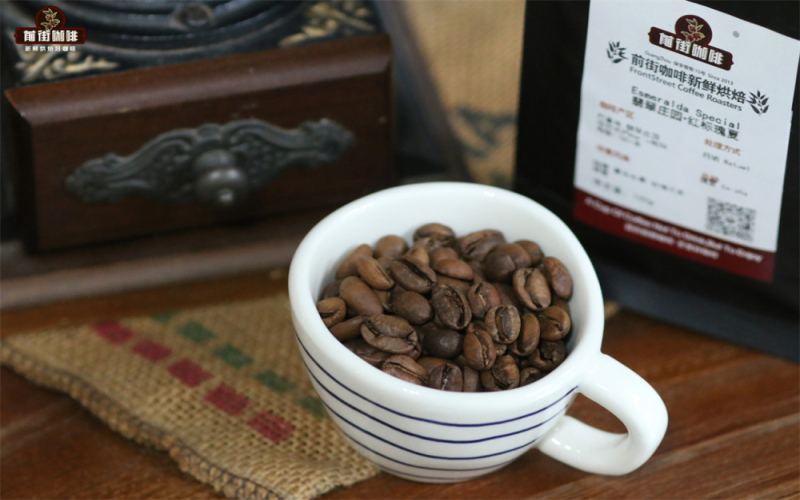
Panama Hacienda La Esmeralda Geisha Coffee Flavor Analysis: Processing Method Characteristics and Moka Pot Brewing Techniques
Geisha coffee is hailed as the king of specialty coffee, and Panama's Hacienda La Esmeralda is undoubtedly the key force that pushed it to the pinnacle. From the perspective of Front Street Coffee, this article systematically sorts out Hacienda La Esmeralda's Geisha grading system—the definitions and flavor characteristics of Red Label, Green Label, and Blue Label respectively—and provides an in-depth analysis of Geisha coffee's performance in a moka pot. Whether you want to learn about Hacienda La Esmeralda's traceability information and cupping score standards, or want to try making a cup of Geisha latte with a moka pot, this article will provide you with detailed reference. Follow in Front Street's footsteps and explore the unique charm and practical brewing techniques of Geisha coffee together. [more…]
Front Street Yirgacheffe Flavor Analysis: Citrus Notes, Roast Profile, Processing Method, and Variety Traceability
Yirgacheffe is one of Ethiopia's most iconic specialty coffee regions, and thanks to a millennium of cultivation heritage and meticulous washed processing, it presents a captivating flavor profile woven with lemon, floral notes, and honey. Front Street Coffee's Yirgacheffe, under a light roast, displays a fresh and bright citrus acidity along with a smooth fruity sweetness, with rich layers whether in its dry or wet aroma. This article will systematically outline the core characteristics of this bean from the perspectives of flavor and mouthfeel, roasting curve, varietal origins, and regional composition, helping coffee enthusiasts gain a more comprehensive understanding of its unique charm. [more…]
Yirgacheffe Coffee Bean Flavor and Taste Profile Analysis: From Origin Traceability to a Beginner's Guide to Floral and Fruity Acidity
Yirgacheffe is one of Ethiopia's most iconic specialty coffees, renowned for its intense jasmine fragrance, citric acidity, and sweet notes of peach and almond. This article begins with the origins of its name and place of production, then analyzes the washed processing and grading standards of Yirgacheffe G1, sorts through its dry aroma tasting, flavor layers, and the sweet potato finish that emerges as the cup cools, and looks back at how it broke the conventional definition of coffee flavor during the era of heavy Italian-style roasting, becoming the benchmark entry point for floral and fruity coffees. It also discusses the price gap between it and Blue Mountain and Geisha, as well as the unique charm of this bean in everyday brewing as recommended by Front Street Coffee. [more…]
Is SOE really single-origin coffee? Causes of Americano being more acidic and latte being more bitter, and brewing adjustment approaches
In recent years, specialty coffee has become increasingly popular in China, and various traceable single-origin beans frequently appear on café menus. Many people have started trying to use single-origin beans to make espresso, which is commonly known as SOE. But SOE does not mean casually taking a pour-over bean and putting it on an espresso machine, because high temperature and high pressure magnify the bean's own flavors exponentially. If the bean selection and parameters are even slightly off, an Americano may be sharply acidic, and a latte may be bitter and astringent. Starting from the definition of SOE, this article combines several Front Street Coffee products to sort out the influence of origin, roast level, and processing method on SOE performance, and provides adjustment methods for brew ratio, grind size, and dose and yield, to help you make a smooth cup of SOE Americano or SOE latte. [more…]
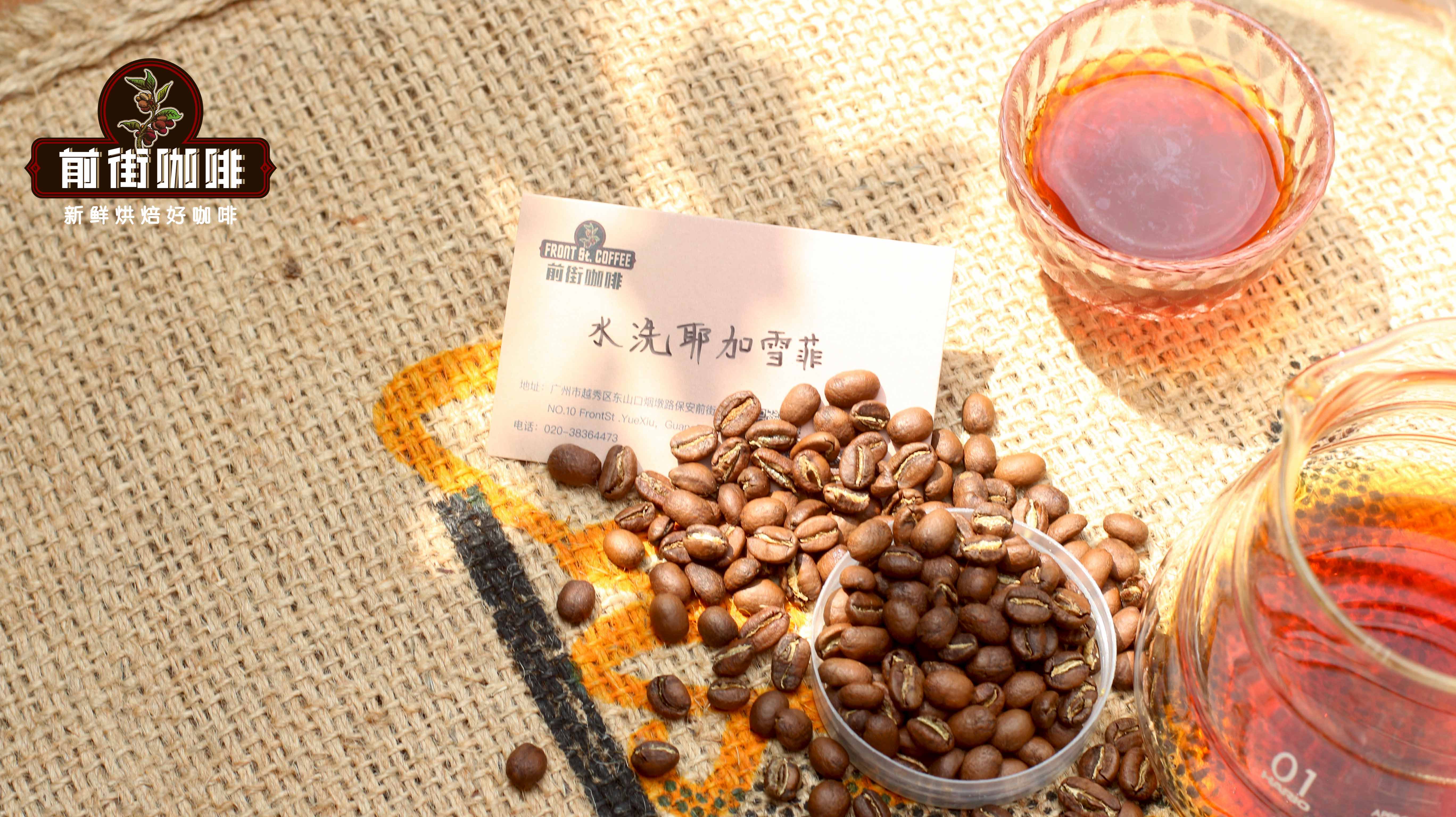
Yirgacheffe G1: The Flavor Revolution and Tasting Guide of Africa's Native Arabica Variety
Yirgacheffe can be considered the most颠覆性 flavor representative in African coffee, single-handedly overturning the stereotype that coffee is only bitter. This article will guide you through the etymology and meaning of Yirgacheffe, its origin background, and how it stands out in the specialty coffee wave with its jasmine aroma, citric acidity, and tea-like notes. At the same time, we will also take a deep dive into the grading system and traceability logic of Front Street Coffee Yirgacheffe Gedingding Washed G1, and share three practical tasting points to help you appreciate the unique charm of this bean's fresh sweet-and-sour profile with a calm mindset. [more…]

Coffee Terminology | What is SOE? Are Brazilian coffee beans suitable for making SOE single-origin espresso? Can SOE espresso be used to make dirty coffee?
For more specialty coffee knowledge, please follow our WeChat official account: Front Street Coffee (FrontStreet Coffee). Friends who love coffee know about espresso and single-origin coffee, but SOE coffee seems to have only come to your attention recently. So have you ever tried walking into a café and being asked by the barista: "Would you like [more…]
A Detailed Traceability of the Ethiopian Huakui Coffee Bean Origin and Moka Pot Brewing Parameters
Since winning the TOH championship in 2017, Huakui coffee beans have gone through eight harvest seasons and have become a highly regarded representative of Ethiopian specialty coffee. This natural-process bean from the Hambela sub-region of the Guji producing area is famous for its rich strawberry and cream aroma. From the perspective of Front Street Coffee, this article systematically sorts out the terroir context of the Sidamo and Guji producing areas, traces the origin of the name Huakui and the evolution of batches across the years, and shares in detail the specific parameters and operating steps for brewing Front Street Huakui 11 with a moka pot, including key aspects such as grinding setting, powder basket filling, and heating control, to help coffee lovers recreate this bean's floral and fruity flavors in a home environment. [more…]
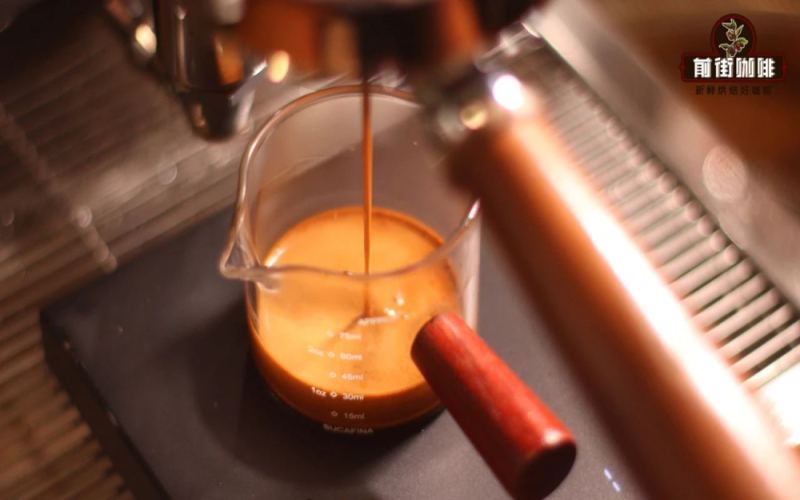
What is SOE coffee? Is Brazilian coffee suitable for SOE? Who comes out on top compared to espresso blends?
People who drink coffee regularly are no strangers to espresso and single-origin coffee, but when it comes to SOE, many are still confused. SOE is short for Single Origin Espresso, referring to espresso extracted from coffee beans of a single origin, which can be extended to make Americano, latte, or even Dirty. It is more expensive than regular espresso blends, and its flavor description is also richer. Is it worth trying? From the perspective of Front Street, this article sorts out the definition of SOE, its differences from blend beans, how to choose SOE beans according to sour and bitter preferences, and includes the complete extraction parameters and steps for making SOE Dirty with Front Street Brazil Cerrado coffee beans, helping you understand the ins and outs of SOE at once. [more…]
SOE Coffee Full Guide: Definition of Single-Origin Espresso, Differences from Blends, and a Hands-On Guide
Walking into a specialty coffee shop, you'll often hear baristas ask whether you'd like to try an SOE. What exactly does this term, which has become so common in recent years, actually mean? How is it different from the familiar blended coffee, and why is it slightly more expensive with richer flavor descriptions? This article will systematically sort out the definition and origins of SOE, compare its differences from blended beans in terms of sourcing logic and flavor direction, and share Front Street Coffee's various SOE bean lineup along with the complete preparation parameters for a Brazilian SOE Dirty, helping you go from understanding to hands-on, easily sipping and comprehending this cup of single-origin espresso. [more…]
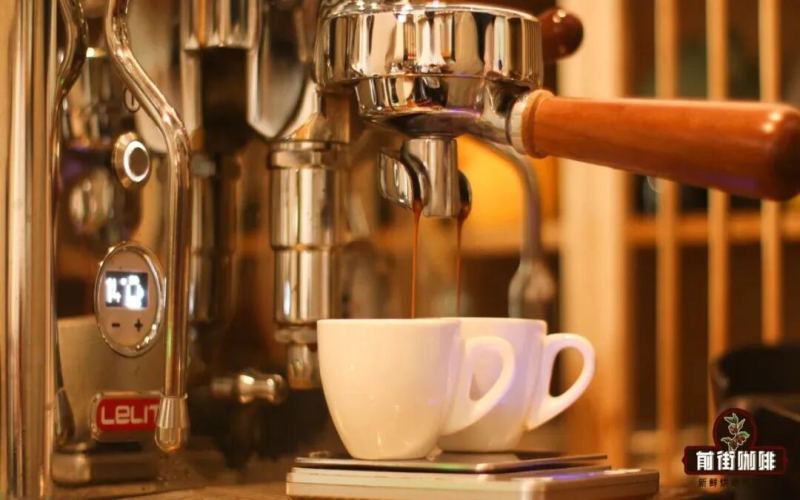
SOE Coffee Bean Recommendations | How Can Coffee Beginners Choose SOE Coffee Beans? How Do You Make a Delicious SOE Americano and SOE Latte?
As the specialty coffee scene in China grows ever more vibrant, high-quality single-origin beans from producing regions around the world are frequently appearing on the menus of many cafés. Not only does each coffee come with detailed traceability information, but many single-origin lots also leave a lasting impression with their distinctive aromas. For example, the bean list at Front Street Coffee shops includes an entire section [more…]
What Does SOE Coffee Mean? A Detailed Guide to Single-Origin Espresso and a Brazilian SOE Dirty Recipe Tutorial
When you walk into a café to order, the barista's casual question, "Would you like an SOE?" often leaves many customers puzzled. SOE stands for Single Origin Espresso, which refers to espresso made from coffee beans of a single origin. It can be extended into various drinks such as SOE Americano, SOE Latte, and SOE Dirty. This article will start with the development of specialty coffee, clarify the differences between SOE and blended coffee, and analyze the selection approach for acidic and bitter beans. Finally, using Front Street Coffee's Brazil Cerrado coffee beans as an example, it will fully share extraction parameters and the steps for making a Dirty, so you can make an excellent cup of SOE at home. [more…]
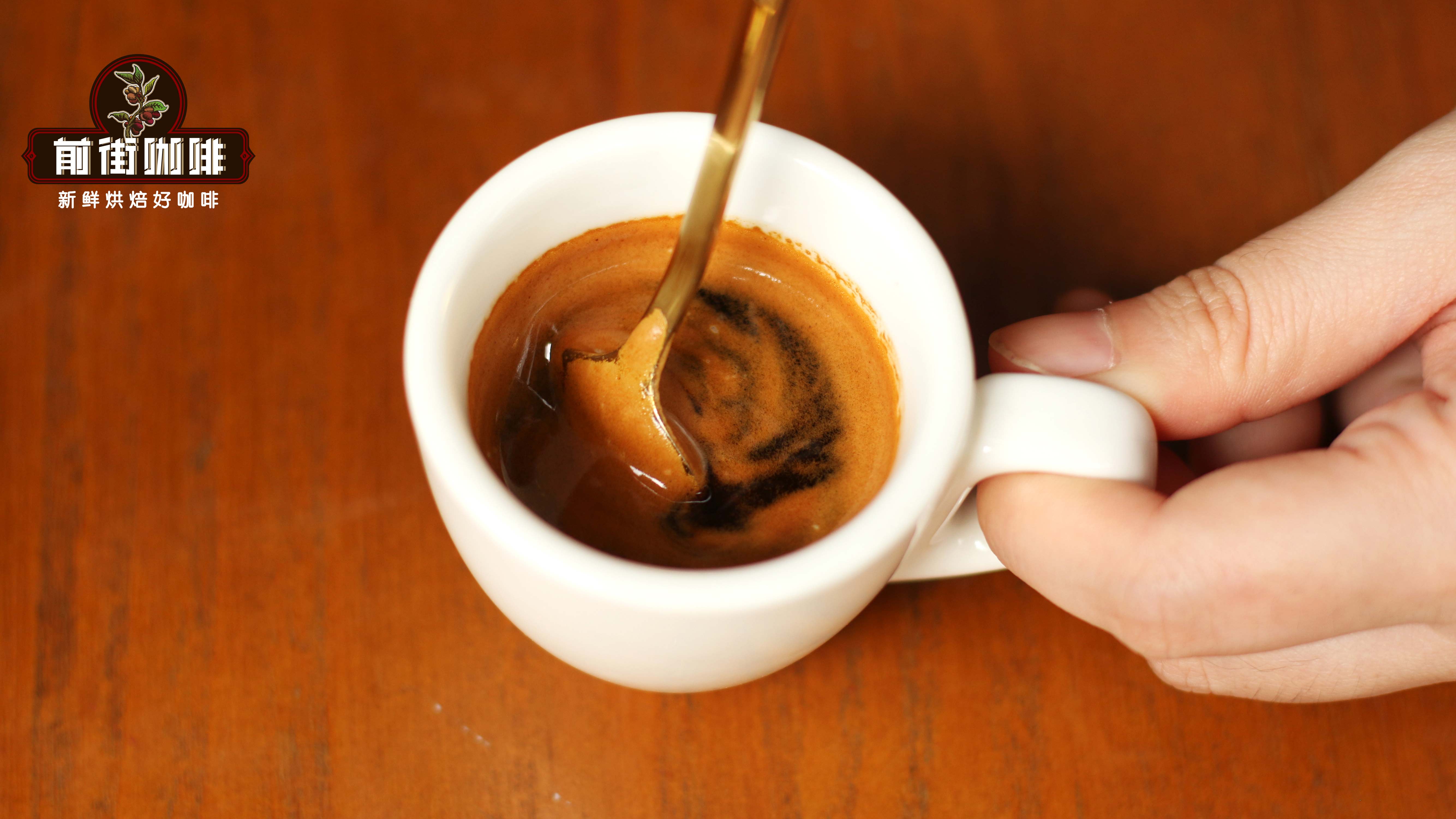
SOE Coffee Ratio Formula | Which Single-Origin Coffee Beans from Coffee Regions Are Suitable for SOE Coffee? What Is the Coffee-to-Water Ratio and Grind Size for SOE Espresso?
As the specialty coffee scene in China grows increasingly vibrant, high-quality single-origin beans from various regions around the world are frequently appearing on the menus of many cafés. Not only does each coffee come with detailed traceability information, but many single-origin lots also leave a lasting impression with their distinctive aromas. For example, the bean list at Front Street Coffee shops even has an entire section [more…]
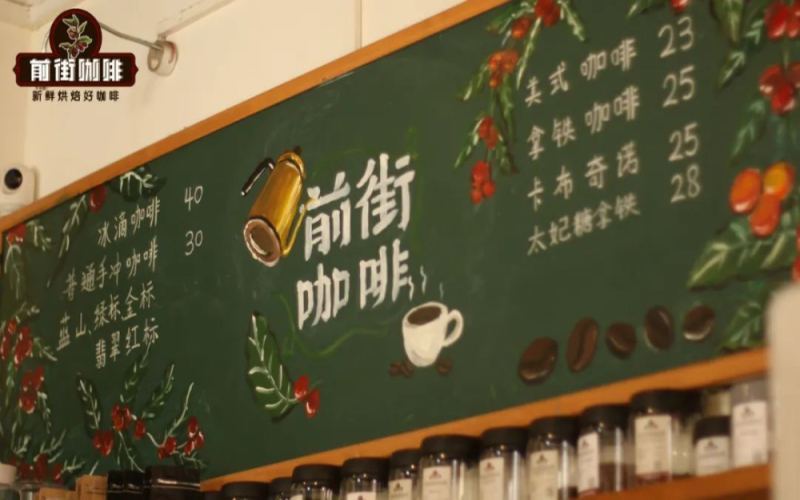
Why Is Cold Brew Priced Higher Than Americano? Analyzing the Differences Between the Two from Extraction Methods to Coffee Bean Selection
Among various types of black coffee, cold brew is often priced the highest, creating a stark contrast with the affordable Americano. This price difference is no accident—it stems from fundamental differences in extraction methods and the coffee beans used. Americano is based on espresso, simply diluted with water, making it flexible and quick to prepare; cold brew, on the other hand, encompasses various forms such as ice drip and cold steep, requiring long, slow extraction with ice water, which comes at a higher time cost. More crucially, Americano typically relies on dark-roasted commercial blend beans to accommodate milk coffee offerings, while cold brew often uses specialty beans with traceable flavors, which demand higher cultivation and processing standards, with costs accumulating layer by layer. This article will analyze the sources of the price difference between cold brew and Americano from three dimensions—water temperature, time, and beans—and share Front Street Coffee's bean selection recommendations for cold brew. [more…]
Why does Geisha coffee dominate the specialty coffee world? A full breakdown from Hacienda La Esmeralda grading to moka pot brewing
In the world of specialty coffee, Geisha is undoubtedly the most dazzling variety, appearing frequently in various brewing competitions and often even unanimously chosen by contestants. What exactly is its charm that makes people willing to pay such a high price for it? Today, Front Street Coffee will start with the origin of Geisha, focusing on how Panama's Hacienda La Esmeralda pushed this variety to the altar, as well as the grading logic and respective characteristics of Red Label, Green Label, and Blue Label. In addition, we will also brew a cup of Esmeralda Red Label Geisha with a moka pot to see how this top-tier bean performs in a latte, and share the key details and precautions in operating a moka pot. [more…]
How Do Espresso Beans Differ from Single-Origin Beans? A Comprehensive Analysis from Blending Principles to SOE
Friends who often drink lattes and cappuccinos may never have thought that the coffee beans used in these drinks and the single-origin beans for pour-over actually follow two different paths. Espresso beans usually refer to the beans used to make Espresso, most of which are blends of coffee from multiple origins in specific proportions, though there are also SOEs made from single-origin beans. Single-origin coffee beans emphasize traceability to a single origin or variety, and are suitable for pour-over, cold drip, and similar methods. The two differ in bean selection, roast level, and flavor expression, and understanding their differences will help you make a more suitable choice based on your own taste and equipment. Starting from Front Street Coffee's actual products, the following article breaks down layer by layer the logic of espresso blending, the characteristics of SOE, and the impact of freshness on flavor. [more…]
The Flavor Characteristics of SOE Single-Origin Espresso and Key Points for Making the Perfect Latte
SOE stands for Single Origin Espresso, which refers to espresso extracted from coffee beans of a single origin, with the core purpose of showcasing the signature flavors of a specific region. Unlike blended beans, which pursue balance and consistency, SOE places more emphasis on origin personality, typically using a lighter roast to highlight floral and fruity notes, though there are also darker-roasted styles with nutty and chocolatey characteristics. This article will systematically explain how to make a delicious cup of SOE coffee and latte, covering the definition of SOE, its characteristics, historical origins, bean selection recommendations, and specific extraction parameters, and will also include the complete operating procedure for Front Street Coffee's Huakui SOE. [more…]
Is It Feasible to Make Espresso from Single-Origin Pour-Over Beans? An Analysis of SOE Latte Flavor Characteristics and Extraction Key Points
Can single-origin beans used for pour-over also be used to make espresso? This is a question many coffee lovers are curious about. SOE (Single Origin Espresso) uses single-origin beans as its raw material and, through specific roasting curves and extraction parameters, presents the floral, fruity acidity or nutty, chocolatey notes unique to a growing region. Unlike blended beans, which pursue balance and consistency, SOE places greater emphasis on the recognizability of regional flavors and demands higher bean quality and barista skill. This article will start with the definition, characteristics, and origins of SOE, analyze which coffee beans are suitable for making SOE, and use Front Street Coffee's Huakui as an example to fully demonstrate the parameters and steps from espresso extraction to latte production, helping you make a cup of SOE latte with clear flavor and a smooth mouthfeel at home. [more…]
Recommended coffee beans suitable for fully automatic coffee machines: balancing budget and drinking frequency
It's not enough to just memorize a few names when it comes to coffee beans suitable for automatic coffee machines. When buying beans day to day, you need to consider how quickly you'll go through them, how much to buy at once, and whether your household mainly drinks black coffee or milk-based coffee. What's truly worth referencing is the sweet-to-sour ratio when it first hits your palate, the body's thickness or thinness, and the aftertaste once it cools—then combine that with your brewing habits, [more…]
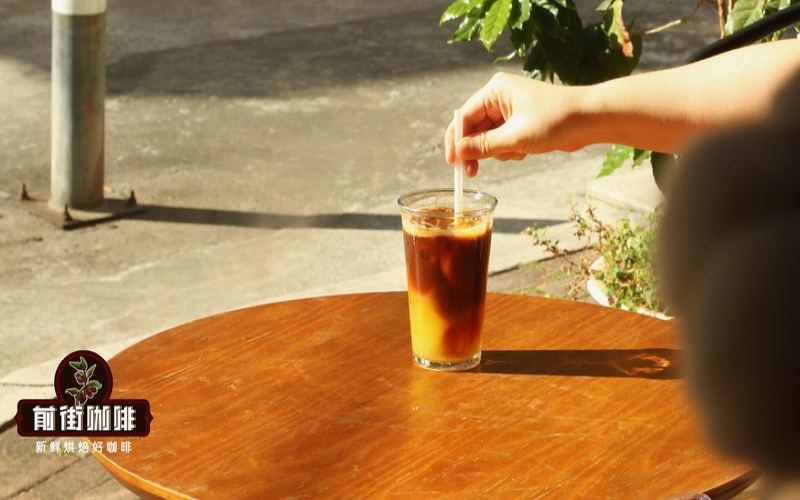
Is SOE good for milk-based coffee like lattes?: Balancing budget and drinking frequency
To understand making milk coffee with SOE beans, you need to translate flavor descriptions into sensations you can actually taste. When buying beans day to day, consider how quickly you'll drink them, how much to buy at once, and whether you mainly make black coffee or milk coffee at home. Floral notes, fruity acidity, nuts, and cocoa aren't a ranking of better or worse—they're just different directions, and only the category that suits you is the right one. [more…]