







Search Results for: thick and full

Illustrated Latte Art Tutorial: Key Points on Milk Foam Thickness and a Full Analysis of Milk Selection
Many friends who are just getting into coffee think latte art looks simple—just pour casually and you'll get a heart or a tulip. But when they actually try it, they discover the milk always floats on the surface in clumps. In fact, the key to latte art lies in the condition of the milk foam, the pouring technique, and the way you hold the pitcher and the cup. This time, Front Street Coffee focuses on latte art, breaking down the operational details of each step—from the required foam thickness, steam wand positioning, and steaming temperature, to pouring practice and how to hold the milk pitcher—to help everyone avoid detours and pour a decent-looking pattern as quickly as possible. [more…]
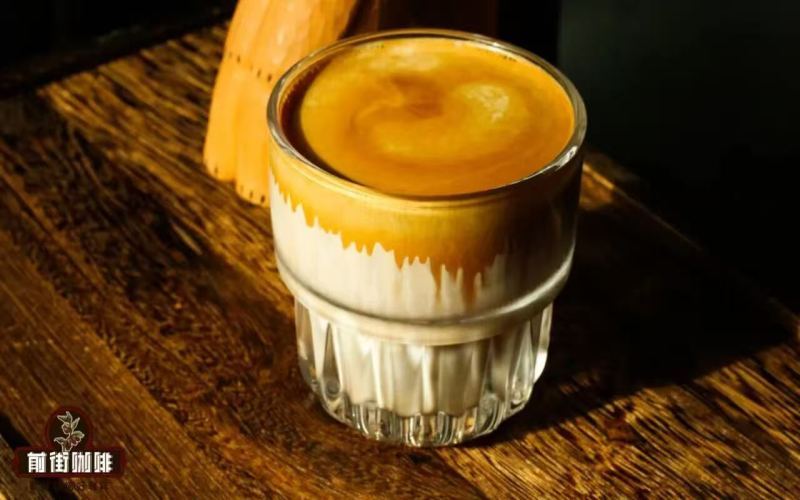
What beans pair with a latte, cappuccino, and Dirty respectively?
They are all milk coffees, but a latte, a cappuccino, and a Dirty differ in milk foam thickness, temperature, and drinking method, so they also have slightly different requirements for the beans. Choose the right beans, and each milk coffee can show its best form. Latte: balance and richness are the key. A latte has thinner milk foam, and the ratio of coffee to milk is close, [more…]
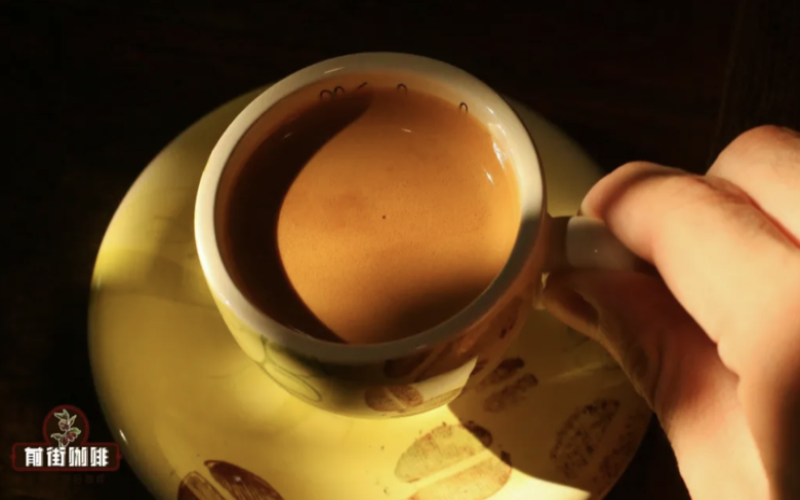
Rich and Oily Regions Beyond Mandheling: These Origins Also Deliver
When it comes to rich, creamy body, many people first think of Mandheling. Mandheling is indeed a representative of full-bodied richness, but in the world of specialty coffee, it isn't the only region known for beans with abundant oils. Understanding the oil expression of beans from different regions allows you to move beyond the Mandheling framework when selecting beans, giving you a richer set of choices. Mandheling is full-bodied and oil [more…]

How to Make a Flat White | Is a Flat White the Same as a Cappuccino? Is There a Big Difference in the Espresso-to-Milk Ratio and Taste?
When it comes to rich, milky coffee, many people may first think of Starbucks' Flat White. Internationally, it is called Flat White (Australian White Coffee). This drink was actually quite obscure in China at first, but after Starbucks added it to its menu, it gradually became known to everyone and rose to become [more…]
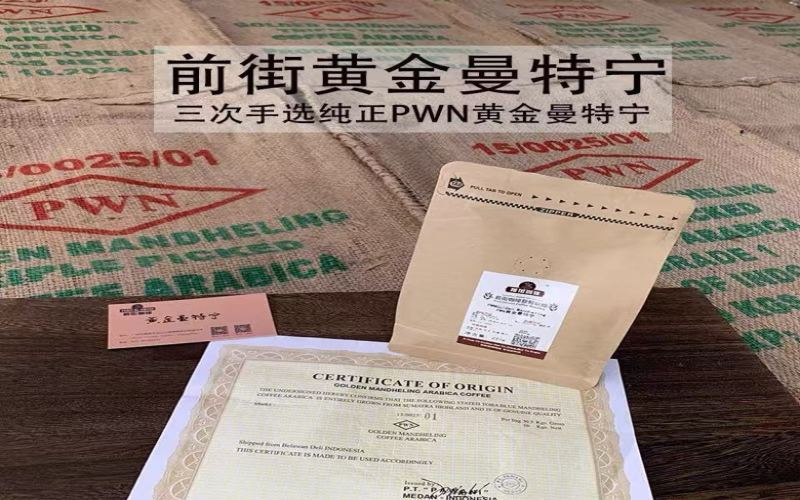
Why Are Mandheling-Style Coffee Beans a Good Choice for a Full-Bodied Cup Without Sharp Acidity?
The Mandheling style is often placed on the "thick, steady, low-acid" side. It doesn't win you over with a bright aroma at first sip; instead, it's remembered for its weight on the palate, its combination of dark chocolate and herbal notes, and a finish that still lingers after you swallow. For many who are used to drinking black coffee, the appeal of this style lies in this: it doesn't need [more…]

Starbucks Flat White | How to distinguish an Australian white coffee from a latte? Did flat white originate in Australia? What is the coffee-to-milk ratio in a flat white?
Coffee enthusiasts who regularly drink espresso know that there are many types of espresso drinks, such as those available at Front Street Coffee, including latte, mocha, cappuccino, as well as off-menu items like flat white and dirty coffee. Their recipes are all based on espresso. [more…]
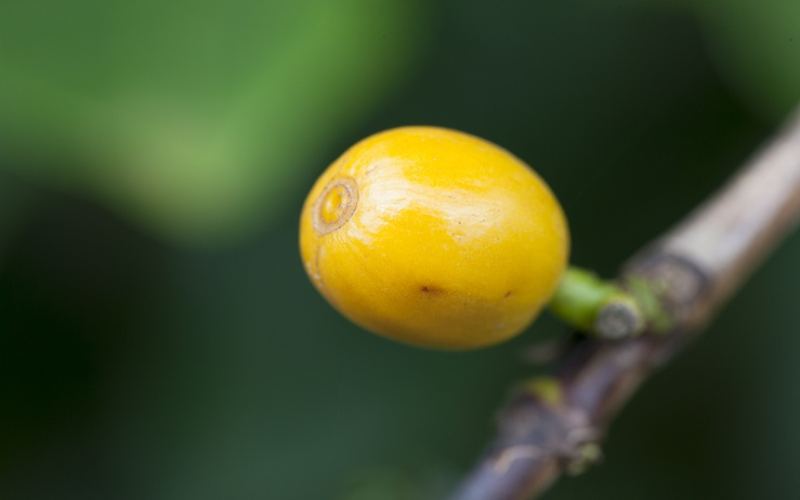
How to Choose Dark Roast Coffee Beans: Three Full-Bodied Flavors for Pour-Over
Dark roast coffee beans are not only suitable for espresso machines; pour-over can also produce a thick, sweet, and smooth black coffee. Its flavor usually leans closer to cocoa, roasted nuts, caramel, and toasty aromas, with a milder acidity on the palate. It's great for pairing with bread at breakfast, and also for when you want a cup of steady, grounded coffee without pronounced fruity acidity. According to the roasting process [more…]

Latte Coffee Making Guide: Espresso Bean Selection and Hot Latte Step-by-Step Instructions
Latte coffee, with its blend of espresso and fresh milk foam, has become the drink that many people use to start their day. To make a delicious espresso latte, the choice of coffee beans, the espresso extraction parameters, and the degree to which the milk is steamed all directly affect the final flavor. Starting from the composition of the ingredients, this article introduces two Front Street espresso blend beans suitable for making lattes, and breaks down in detail the process of making a hot latte, including key details such as dose, liquid yield, extraction time, and milk foam temperature and thickness, helping coffee lovers reproduce at home a latte that is smooth in texture and full in flavor. [more…]

Coffee Type Flavor Comparison | What Are the Mainstream Coffee Drinks? What's the Difference Between Americano, Latte, Cappuccino, Mocha, and Pour-Over Coffee? Which Coffee Tastes Good Without Being Bitter?
For more specialty coffee knowledge, please follow the WeChat public account: Front Street Coffee (FrontStreet Coffee). As international freshly ground coffee brands such as Starbucks and Costa have entered China with their directly operated stores, a coffee craze has risen in the country, and many businesses keep making a big fuss over coffee drinks. In addition to [more…]
Choosing High-Value Espresso Blends by Roast Level
The value of an espresso blend lies not only in whether the price is friendly, but also in whether it can consistently produce a cup of coffee that meets everyday expectations. The roast level affects acidity, sweetness, body, and extraction rhythm, and also determines whether the beans are better suited to black coffee or milk coffee. Before buying, getting a clear picture of the roast direction is usually more important than fixating only on the origin. [more…]

Types of Italian Milk Coffee | What are the differences in flavor, taste, and preparation ratios among Americano, Latte, Cappuccino, Mocha, Flat White, and Macchiato?
With the entry of international freshly ground coffee brands such as Starbucks and Costa direct-operated stores into China, a coffee craze has risen in the country. Many businesses continuously make a big fuss over coffee beverages. In addition to the relatively expensive freshly ground coffee, affordable instant coffee and coffee drinks also have very high popularity. So what are the current mainstream co [more…]
Moka Pot Non-Acidic Coffee Bean Recommendations: From Beginner to Advanced
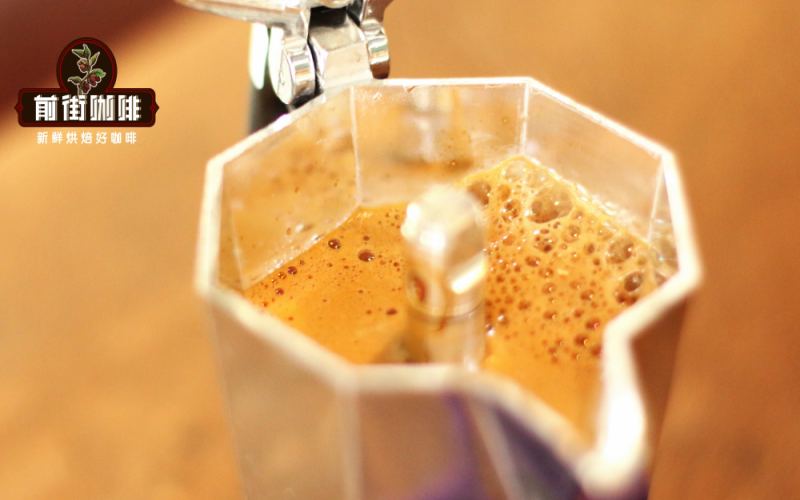
Friends who brew coffee with a moka pot almost always struggle with one question: how do you pick a bean that isn't sour? After all, coffee made in a moka pot is highly concentrated, so any sourness becomes very obvious once it appears. The good news is that as long as you stick to the directions of "full-bodied, low-acid, rich in oils," there are excellent choices from beginner to advanced levels. [more…]

Flat White | What are the differences between a Flat White and a Latte? Which has a higher coffee concentration, an Australian-style white coffee or a latte?
Regarding the name of the Flat White, this Italian-style fancy coffee, coffee enthusiasts often mispronounce it—either accidentally calling it "Fuyubai" or "Aoruibai." So what exactly is the correct pronunciation? And what kind of charm does its flavor hold? In the following article, Front Street Coffee (FrontStreet Coffe [more…]
Region Selection for Rich Crema Beans: Crema Performance of Mandheling, Brazil, and Blue Mountain
The crema performance of espresso differs noticeably across growing regions. Mandheling, Brazil, and Blue Mountain are three representative origins, each with its own crema characteristics, suited to drinkers with different taste preferences. Mandheling is the choice for crema thickness. The Mandheling region uses wet-hulling processing, during which more pectin layer remains on the surface of the beans, add [more…]

The Standard Method for Making a Flat White and the Coffee-to-Milk Ratio | What Is the Difference Between a Flat White and a Latte? Does the Texture of the Milk Foam Affect the Taste of Coffee?
Whether we go to Luckin Coffee or Starbucks, or an independent café, we always see coffee with the word "white" on the espresso menu. Everyone calls this coffee differently: Luckin calls it Aoruibai, Starbucks calls it Furuibai, and independent cafés call it Australian White Coffee. These are actually all the same espresso- [more…]
Why dark roast beans are the classic pairing for a moka pot
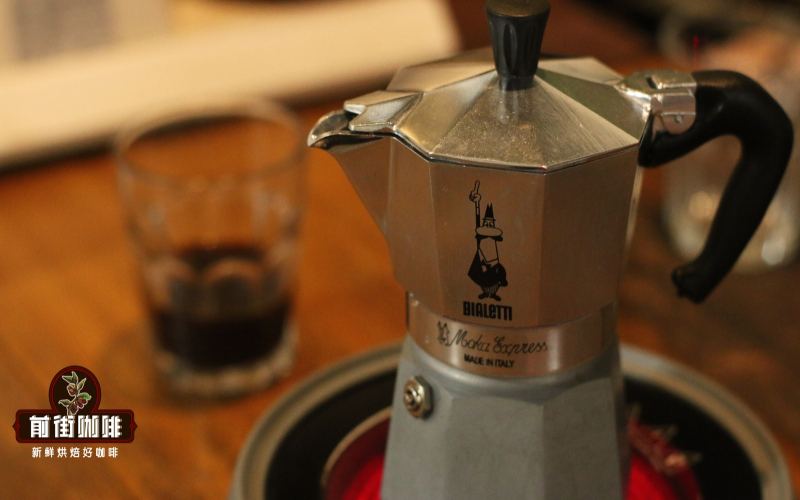
More and more people are brewing coffee with a moka pot, but many get stuck at the very first step: what beans should they actually use? The answer is actually quite clear—the moka pot and dark-roasted or medium-dark-roasted, full-bodied beans are a match made in heaven. Why is that? The moka pot extracts coffee through steam pressure, producing a brew with high concentration and a heavy mouthfeel, while dark-roasted beans [more…]

Choosing Beans for a Moka Pot by Roast Level: How to Drink from Light to Dark Roasts
Coffee brewed in a moka pot usually has concentrated aroma and a full body; it can be drunk straight or diluted with water or milk to make an everyday coffee. The roast level of the beans affects the direction of the aroma, the sweet-and-sour表现, and the thickness on the palate. If you want the moka pot to be a reliable home brewing tool, you can start by understanding the differences between light, medium, and dark roasts. [more…]
How to Extract Good Crema from a Home Espresso Machine? The Key Lies in Bean Selection
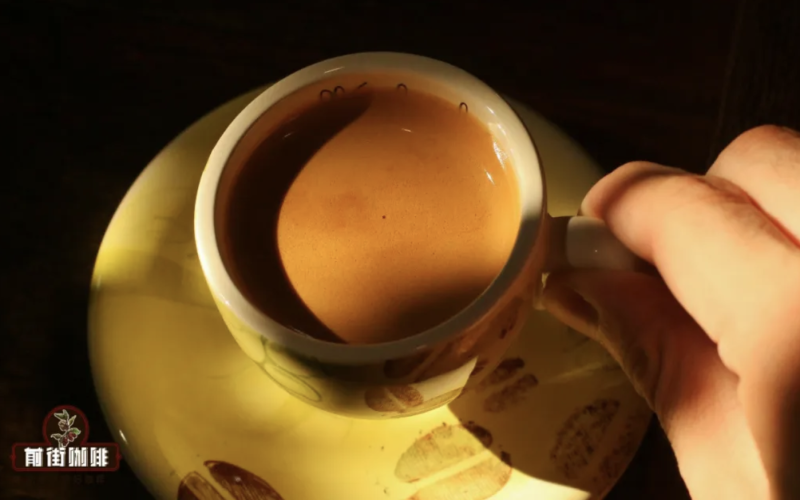
Many people buy a home espresso machine with one first goal in mind: pulling a thick, velvety crema like the one you see in coffee shops. But after endless fiddling with grind size, dose, and water temperature, the crema still comes out thin—and the problem usually isn't the machine, it's the beans. Crema is the layer of foam formed when carbon dioxide and fats emulsify during espresso extraction. [more…]

Espresso Extraction Techniques | Why Does Homemade Espresso Have No Crema? Recommendations for High-Quality Espresso Beans with Thick Crema Just Like Coffee Shops
Espresso has always been one of the most popular coffee extraction methods, and it is also the first stop for most coffee beginners—perhaps because a cup of sweet, silky milk coffee is simply irresistible, or because the unique richness and refreshing quality of an Americano is addictive from the first sip, or because coffee specialty drinks are so stunning [more…]
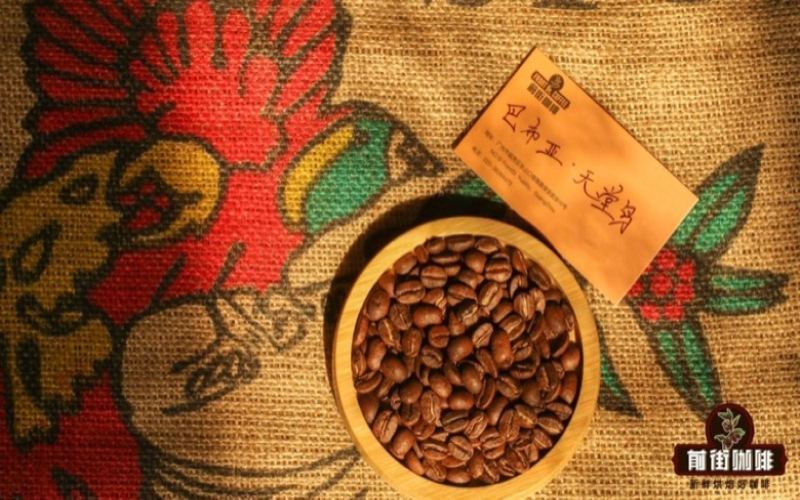
Regions for Rich and Thick Crema: Beyond Mandheling, There Are These
When it comes to coffee beans with rich, creamy body, many people first think of Mandheling. Indeed, Indonesian Mandheling is the representative of the rich and creamy style, but if you want to drink rich, creamy coffee, the producing regions to choose from are not limited to this one. Brazil, Papua New Guinea, and Jamaica each have their own expressions of richness and creaminess, and they are all worth trying one by one. Indonesia is a stronghold of the rich and creamy style. Sumatran [more…]