







Search Results for: supply chain compliance
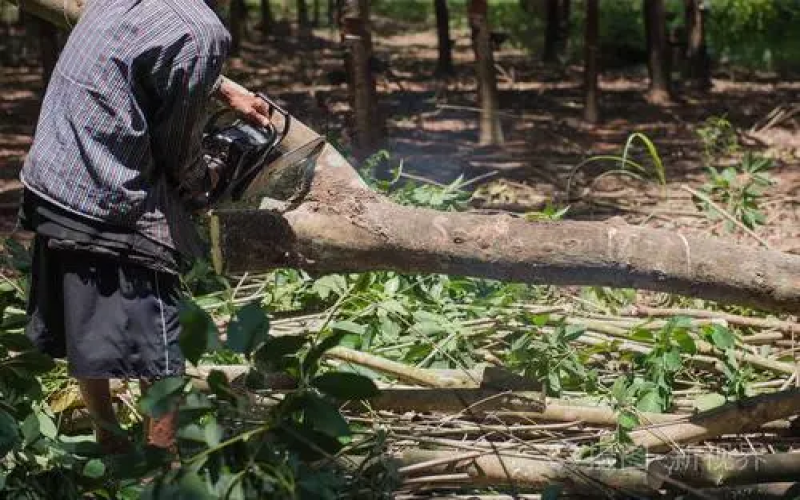
EU Deforestation Regulation Hits East Timor's Smallholder Coffee Farmers, Compliance Struggles May Trigger Global Market Supply Imbalance
The European Union's upcoming zero-deforestation regulation (EUDR), set to take effect in 2025, requires imports of seven categories of agricultural products, including coffee, to prove they are not linked to deforestation. This environmental milestone could, however, place a heavy burden on smallholder countries that depend on coffee exports. Take East Timor as an example: coffee accounts for more than 90% of its non-oil export earnings, sustaining the livelihoods of 77,000 rural households, and the EU is its largest market. Yet the complex local land tenure, scattered smallholder plots, lack of GPS mapping capacity, and high illiteracy rate make it difficult for the vast majority of coffee farmers to meet compliance requirements. This not only threatens East Timor's coffee industry but could also lead to non-compliant coffee flooding the global market, driving down prices and worsening the plight of smallholders. [more…]

European Coffee Federation calls on EU to postpone implementation of EUDR deforestation-free regulation, citing concerns over pressure on smallholder farmers and market volatility
The EU's deforestation-free regulation (EUDR), introduced last June, is facing strong backlash from the coffee industry. The European Coffee Federation (ECF) recently wrote to the European Commission requesting a delay to the implementation deadline for large companies, originally set for the end of 2024, warning that the regulation could impose an unbearable burden on millions of smallholder farmers. ECF members include giants such as Lavazza, Illy, Nestlé, and Starbucks, and their joint letter directly points to inadequate regulatory preparation. Meanwhile, companies such as JDE Peet's have already begun taking action, but analysts worry that passing on compliance costs will disrupt the coffee market. This article will sort out the sequence of events and include relevant observations from Front Street Coffee. [more…]

National Consumers League Sues Starbucks: C.A.F.E. Certification and '100% Ethically Sourced' Promise Called into Question
Recently, the National Consumers League (NCL) filed a lawsuit against Starbucks in the Superior Court of the District of Columbia, accusing its "100% ethically sourced" marketing of deceiving consumers. NCL pointed out that Starbucks emphasizes ethical sourcing commitments in its marketing, yet fails to effectively address labor abuses such as child labor and forced labor in its coffee supply chain. Since 2015, Starbucks has claimed that 99% of its coffee is ethically sourced. Although its C.A.F.E. Practices program includes multiple indicators, investigative journalists in Brazil and elsewhere have still found violations at certified farms. Starbucks responded that it will vigorously defend itself and stressed that it works with farms to ensure compliance with standards. [more…]
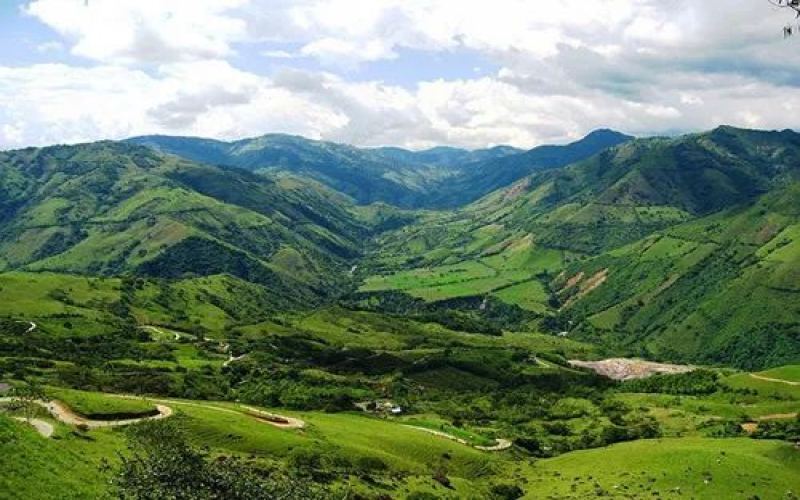
Brazil Launches Cafes do Brasil Traceability Platform in Response to the EU's New Deforestation-Free Import Rules
In response to the strict requirements of the EU Deforestation Regulation (EUDR), the Brazilian Coffee Exporters Council (Cecafe) and the credit company Serasa Experian have jointly launched the Cafes do Brasil platform and held a seminar in São Paulo to help exporters master traceability tools. The platform uses remote sensing technology and geolocation data to dynamically analyze ESG indicators such as forest protection, agricultural cultivation, and deforestation alerts in production areas, ensuring full traceability throughout the coffee supply chain. Among the approximately 100 participants, 41 council members are responsible for about 90% of Brazil's coffee shipments to the EU, and their compliance practices will significantly enhance the transparency and international reputation of Brazilian coffee. [more…]

Ethiopia Deploys 40,000 Troops to Crush Fano Insurgents, Coffee Industry Faces Dual Test of Costs and Exports
The Ethiopian federal government has recently deployed approximately 40,000 additional troops to the Amhara region, launching a new large-scale military operation against Fano armed forces. Intense clashes have erupted in multiple areas, disrupting urban transportation and leaving residents trapped in their homes. The conflict has lasted for over a year, causing heavy casualties and severely impacting local agricultural and livestock production as well as logistics and transportation. As a major coffee-producing country in Africa, Ethiopia is facing multiple challenges, including currency depreciation, rising cultivation costs, and compliance pressure from the EU Deforestation Regulation (EUDR). This article will review the latest developments in the conflict and their potential impact on the coffee supply chain. [more…]

Home café launches nationally free-shipping freshly extracted espresso; short-shelf-life cold chain model sparks heated debate and compliance questions
Coffee consumption continues to heat up, and the market keeps penetrating into broader demographics. Recently, home cafés and independent shops have launched a freshly ground and freshly extracted espresso liquid that offers nationwide free shipping. It uses plastic sealing plus ice packs and cold-chain delivery, keeps for about 7 days refrigerated and up to half a month frozen, and has drawn attention because its aroma and crema performance are better than assembly-line instant products. While consumers ask on social platforms how to buy it, some also question whether it can still count as "freshly extracted" after long-distance transport, whether home workshops can meet food-safety requirements, and whether such products fall into the "three no's" category. This article sorts out the selling points, controversies, and potential risks of this new business format, and highlights the difficulties merchants need to face in quality control, marketing, and compliance. [more…]
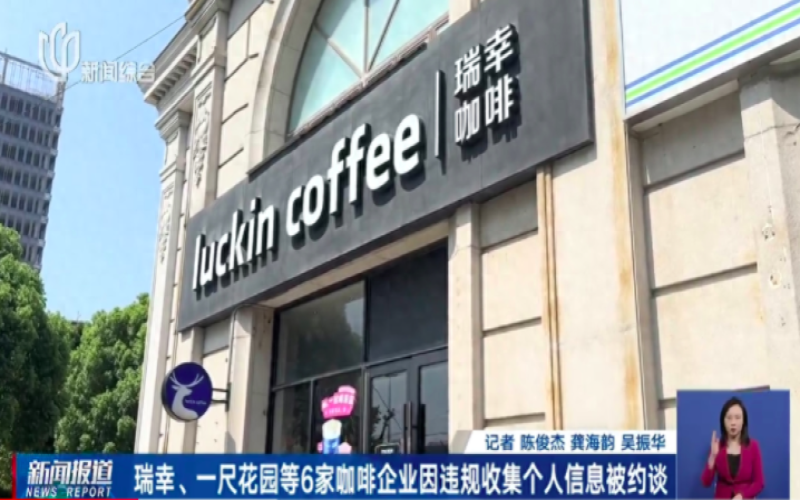
Six chain coffee brands summoned again over personal information violations, privacy compliance rectification remains a long and arduous task
Recently, the Shanghai Cyberspace Administration found during a follow-up inspection that six coffee companies—Luckin, Mstand, COSTA, Pacific Coffee, Nowwa, and Yichi Garden—have still not effectively implemented the requirements of the Personal Information Protection Law, and have problems with illegally collecting consumer information, and were therefore summoned for talks again. This is another concentrated action following the legal education training in May this year for 24 brands including Starbucks and Luckin. A reporter's test found that if users refuse to provide permissions such as precise location, some brands' mini-programs cannot place orders normally. The regulatory authorities said they will continue to carry out "look back" inspections and will file cases, impose penalties, and publicly expose companies that repeatedly refuse to correct their ways. While enjoying the convenience of coffee, consumers also need to pay attention to their own privacy and security. [more…]
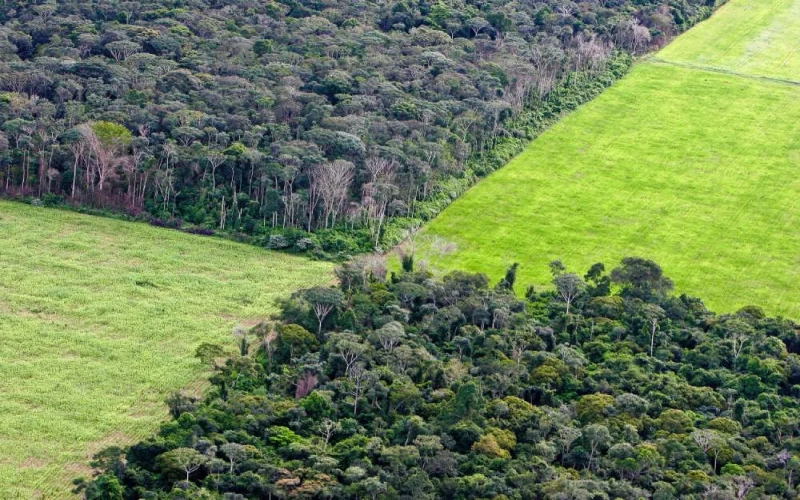
EU Proposes Postponing Deforestation Regulation Implementation and Considering Country-Risk Classification Management
The EU plans to postpone the deforestation regulation (EUDR) originally scheduled to take effect at the end of 2024, and intends to classify countries by risk level, giving producers and traders more time to adapt. The regulation requires traders to prove that their product supply chains do not involve deforestation after December 30, 2020, otherwise imports will be banned. As an industry closely linked to deforestation, the coffee sector will be significantly affected in producing countries such as Vietnam, Brazil, Indonesia, and Colombia, with export costs likely to rise substantially. The European Coffee Federation previously wrote to the European Commission requesting a postponement of implementation. The EU is currently discussing classifying exporting countries into three risk levels—low, standard, and high—with high-risk countries facing stricter scrutiny. Industry insiders worry that the classification system lacks flexibility, may unfairly penalize compliant exporters, and that small farms also face the risk of losing market access. Front Street Coffee will continue to monitor the progress of this regulation and its impact on the coffee industry chain. [more…]

Kenya's Supreme Court Rules 2023 Finance Act Constitutional, Coffee Industry Faces Dual Challenges of Taxation and EUDR
Kenya's Supreme Court overturned the Court of Appeal's ruling on August 20, finding the 2023 Finance Act constitutional—a move that had previously sparked large-scale protests in the capital Nairobi and other regions. The act doubles the fuel value-added tax, introduces a housing levy, and raises the top personal income tax rate. The opposition and civil society groups expressed deep disappointment, fearing a further rise in the cost of living. For the coffee industry, the tax increases have pushed up production and transportation costs, squeezing profit margins; more seriously, the EU Deforestation Regulation (EUDR), set to take effect in January 2025, could deal a severe blow to Kenya's coffee exports. Currently, only about 30% to 40% of coffee is certified, while smallholder farmers are generally poorly informed about compliance requirements. Front Street Coffee will continue to monitor developments in the producing regions. [more…]

Starbucks reviews surveillance footage to check store compliance, employees worry about being held accountable for violations
Recently, Starbucks was reported to conduct detailed audits of partners' daily operations by randomly accessing store surveillance footage, and listed as many as 8 violations in an internal email. From placing trash can lids on countertops to inadequate cleaning and sanitizing procedures for ice storage bins, these details that might previously have been overlooked have now become grounds for warning notices or even dismissal. After the news spread, many current employees felt greatly increased pressure, while consumers generally supported this strict oversight. This article sorts out the sequence of events, presents multiple perspectives, and explores the difficult balance that chain coffee brands must strike between food safety management and employee execution. [more…]

"People's Coffee" trademark controversy: First national store suspends operations, brand issues public apology and adjusts nationwide outlets
Recently, a chain brand named "People's Coffee" has sparked widespread controversy over the use of its store logo. Media pointed out that there are discrepancies between its trademark registration and actual use, which may mislead the public and damage the public value of the word "People." Subsequently, the brand "Yaochao People's Coffee" issued a statement of apology, promising comprehensive rectification, and unifying all mainland China stores under the name "Yaochao People's Coffee." Meanwhile, the first nationwide store, the Shanghai Sihang Warehouse branch, has suspended operations, and the Beijing Qianmen branch has also changed its signage and lowered drink prices. The incident continues to escalate, triggering in-depth public discussion on business ethics and legal compliance. [more…]
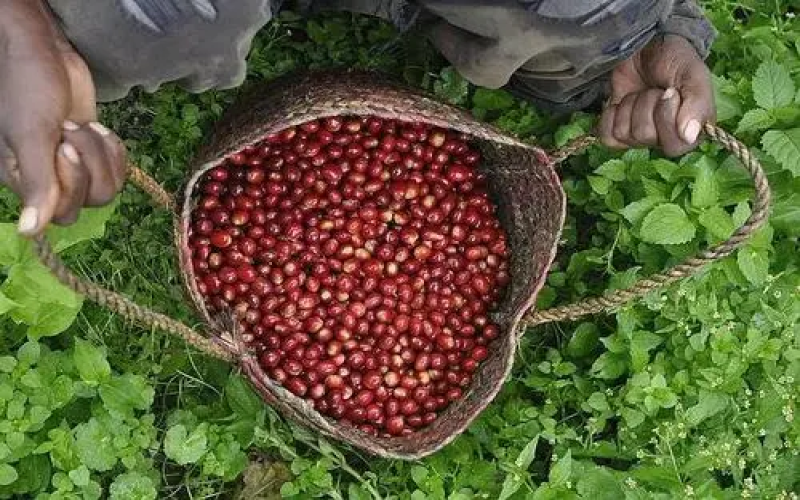
Kenya invests 6 billion shillings to revitalize the coffee industry, partnering with the Rainforest Alliance to promote EU compliance certification
Kenya's annual coffee production is approximately 51,000 metric tons, and the government is pursuing a series of strategic initiatives to raise this figure by 49,000 metric tons in order to better meet international market demand and strengthen the country's economic influence. To this end, the Kenyan government recently decided to allocate 6 billion shillings (approximately US$37.62 million) to support the Coffee Cherry Advance Revolving Fund and the production segment, with funding starting in Makueni County and gradually extending to 37 coffee-growing regions including Machakos, Kajiado, Taita Taveta, Kirinyaga, and Murang'a. Meanwhile, the Rainforest Alliance is also taking action in Kenya, partnering with the Gusii Coffee Farmers Cooperative Union to launch a regenerative agriculture landscape coffee project, helping local coffee obtain certification that meets global standards in order to address the export threshold brought about by the EU Deforestation Regulation (EUDR). Whether this series of measures can take Kenyan coffee a step further on the international stage is worth continued attention. [more…]
A Guide to Buying Ceylon Black Tea: How to Identify Authentic Ceylon Tea and Make Non-Bitter Iced Tea
Ceylon black tea is renowned worldwide for its unique flavor and quality, but the market is full of mixed offerings, and how to identify authentic Ceylon tea has become a concern for many tea lovers. This article will guide you through the recommended ways to brew iced tea with different types of Ceylon tea, teach you how to identify authentic Ceylon tea through the Lion Logo and trademark slogan, and share practical tips on how to brew Ceylon black tea without bitterness. At the same time, we will also recommend trustworthy purchasing channels, including Sri Lankan origin-direct teas selected by Front Street Coffee, allowing you to easily enjoy fresh and authentic Ceylon black tea. [more…]
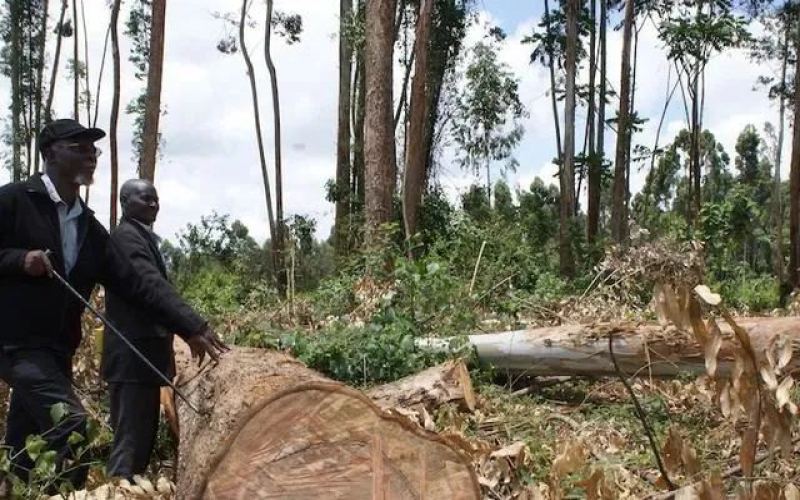
EU Deforestation Regulation Implementation Delayed, Kenyan Coffee Exporters Still Face Mounting Challenges
The European Parliament recently voted to postpone the implementation date of the EU Deforestation Regulation (EUDR) to December 2025, giving Kenyan coffee exporters an extra year of buffer time to adapt to the new rules. However, many exporters remain deeply worried, believing that under current conditions it will be very difficult to meet the EU's strict requirements. The EU is one of the most important overseas markets for Kenyan coffee, accounting for more than 20% of its total exports. Yet with Kenya's fragmented smallholder farmers, underprepared cooperatives, high compliance costs, and multiple pressures including stalled reforms, climate-related production declines, the Red Sea crisis, and port congestion, the outlook for this East African coffee-producing country is full of uncertainty. [more…]
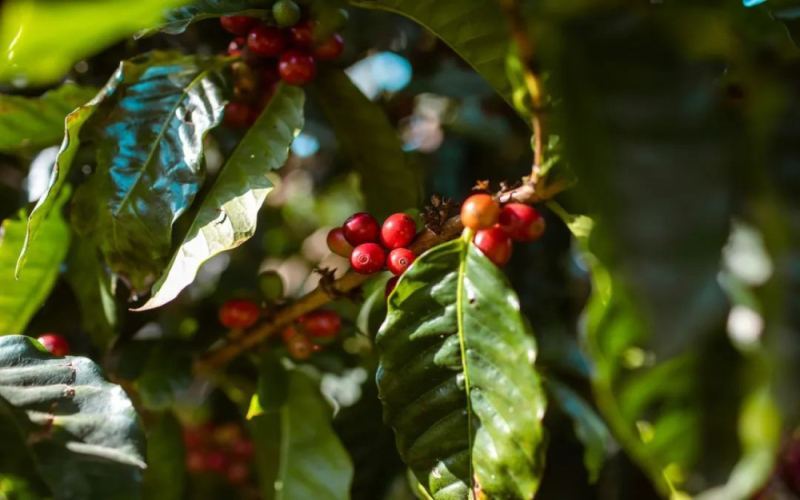
International Fair Trade Organization Upgrades Coffee Certification Standards to Fully Align with EU Deforestation Regulation
The international Fairtrade organization recently published revised coffee certification standards, aiming to meet or even exceed the various requirements of the EU Deforestation Regulation (EUDR). The new rules will cover all Fairtrade-certified coffee, not limited to products exported to the EU, and strengthen monitoring and reporting obligations for producer organizations and traders. The standard is expected to take effect in 2026, involving approximately 600 cooperatives, 870,000 coffee farmers, and 1.1 million hectares of cultivated land. To implement deforestation monitoring, Fairtrade has commissioned the Dutch company Satelligence to provide satellite data services. Meanwhile, the EUDR will take effect for large European companies between the end of 2024 and early 2025, and the coffee industry is actively adjusting to comply with this regulation. [more…]

Lucky Cup's delisted ingredients were required to be poured down the drain and destroyed; unopened oat milk and syrup being wasted sparked heated discussion.
The chain coffee brand Lucky Cup recently drew attention due to the way it disposed of ingredients for discontinued products. According to multiple netizens claiming to be store employees, the company required that unopened materials such as oat milk, taro paste cans, and osmanthus syrup be uniformly poured into drains for destruction, with video and photographic evidence required, or the stores would be penalized. After images of large quantities of intact ingredients being directly discharged spread, many industry peers confirmed that this did happen, while netizens launched discussions around food waste, environmental pollution, and compliance. The brand has now removed the related products from its ordering mini-program, but whether the destruction method is reasonable still merits further consideration. [more…]

Multiple trendy cafes in Shanghai have been filed for investigation due to food safety violations, with expired ingredient issues concentratedly exposed against the backdrop of work resumption
As Shanghai gradually resumes work and production, the coffee industry should be welcoming a recovery, yet recently several trendy cafés have been investigated by regulatory authorities one after another over food safety issues. From People's Café using expired parsley flakes, cranberry juice, and other ingredients, to MANNER Coffee's poor hygiene conditions, to the expired egg white liquid used at Dang Zhu Fei Café to make cake roll bases, these incidents have exposed the neglect of food safety by some stores under the pressure of resuming operations. This article reviews these typical cases and explores how small cafés can hold the line on compliance when ingredient supplies are tight. For consumers who love coffee, understanding this information helps them choose places to consume more rationally, and Front Street Coffee also reminds practitioners that no matter how much order pressure there is, food safety is always a red line that cannot be crossed. [more…]

"People's Cafe" has nearly 30 locations nationwide, yet its trademark has been repeatedly rejected: the compliance of its store logo sparks heated debate
Recently, a coffee shop branded "People's Coffee" sparked widespread discussion in Shijiazhuang. A subsequent media investigation found that similar stores have covered 18 provinces and 20 cities nationwide, with nearly 30 directly operated outlets. Its parent company, YaoChao (Shanghai) Culture Communication Co., Ltd., has applied for the "People's Coffee" trademark multiple times since 2022, but all applications were rejected. It only holds two registered trademarks: "Chao People's Coffee" and "YaoChao People's Coffee." However, the actual store signs do not display the words "Chao" or "YaoChao." This phenomenon has drawn public attention to commercial signage compliance, trademark usage norms, and potential legal risks, and lawyers have also offered professional interpretations. [more…]

Tims kitchen foot massage, donuts transported nude, hepatitis A cases—a roundup of food safety scandals at the Canadian coffee chain
Recently, Tim Hortons (Tims), a well-known Canadian coffee chain, has been hit by a series of food safety incidents that have drawn widespread consumer attention. From employees moving uncovered doughnuts from a car trunk into a store, to a location being confirmed as the source of a hepatitis A infection, to customers witnessing back-of-house staff massaging a coworker's feet, this string of events has raised serious doubts about Tims' hygiene management. Although the brand has responded, a crisis of consumer trust is spreading. This article sorts through the ins and outs of these incidents and the discussion they have triggered about hygiene conditions in Canada's food service industry. [more…]

El Niño Devastates Africa's Coffee Industry: Ethiopia's Production Drops Over Ten Percent, Export Pressure Intertwined with Debt Default Risk
Affected by extreme weather triggered by the El Niño phenomenon, Africa's major coffee-producing regions are undergoing a severe test. As Africa's largest coffee producer, Ethiopia's output for the 2022/23 fiscal year is expected to decline to 7.3 million bags, a decrease of about 1 million bags from previous expectations. The alternating onslaught of drought and floods has not only damaged infrastructure in the producing areas but also driven up transportation costs. At the same time, the European Union Deforestation Regulation (EUDR)'s strict requirements for origin traceability make it difficult for smallholder farmers to comply, forcing export volumes to be revised down by 19%. Shrinking exports, compounded by the impact of the pandemic and civil war, have intensified the country's fiscal pressure, and it even faces the risk of sovereign debt default. International coffee futures prices, meanwhile, continue to fluctuate at high levels due to constrained supply, and market concerns about short-term supply are steadily mounting. [more…]