







Search Results for: summoned for talks and removed from shelves

HEYTEA's "Buddha Joy Tea" collaboration was summoned for talks and taken down, as the commercialization of religious elements sparked both legal and public opinion scrutiny.
The "Buddha Joy Tea" series, a collaboration between Heytea and the Jingdezhen China Ceramics Museum, was urgently pulled from shelves just days after launch because it used religious figures such as bodhisattvas and arhats in commercial packaging. The Shenzhen Municipal Ethnic and Religious Affairs Bureau determined that it was testing the boundaries, and after being summoned for talks, Heytea quickly made corrections. This incident not only abruptly ended the viral popularity of the "Speechless Bodhisattva" cup, but also once again brought the legal red line on the commercialization of religious elements into public view. For the coffee and tea beverage industry, how co-branded marketing can strike a balance between creativity and compliance has become an issue that urgently needs consideration. Front Street Coffee always pays attention to industry trends and reminds brands that while chasing hot topics, they must not ignore the sensitive boundaries of law and culture. [more…]

God of Wealth Latte Goes Viral, Sparks Controversy: Is the Rice Paper Decoration Offensive to Deities and Are Food Safety Concerns Warranted?
After Laba, the Spring Festival approaches, and young people are eager to seek wealth. A coffee shop in Hangzhou launched God of Wealth Latte, combining God of Wealth New Year pictures with coffee, quickly triggering a check-in craze. However, this drink has also drawn questions: Is the glutinous rice paper decoration hygienic and edible? Is it disrespectful to "drink the God of Wealth into your belly"? Previously, Heytea's "Buddha Joy Tea" was summoned for talks and taken off shelves due to religious elements. Will God of Wealth Latte repeat the same mistake? This article sorts out the ins and outs of the incident and introduces alternatives such as the coffee latte art version of God of Wealth Latte. [more…]
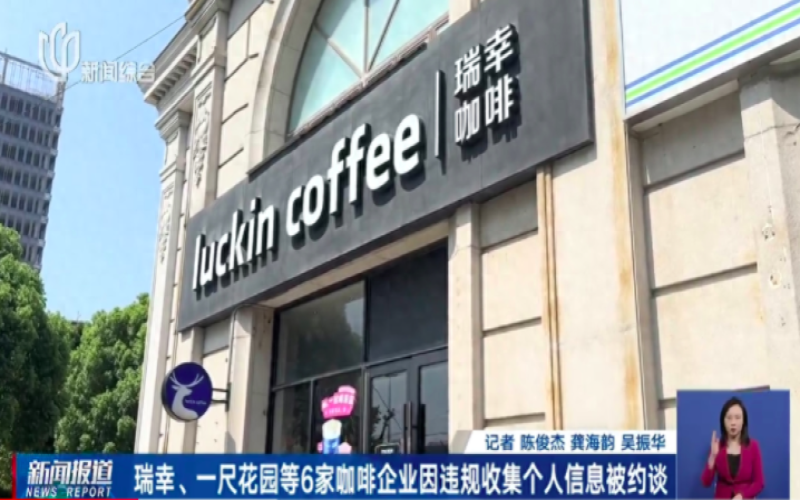
Six chain coffee brands summoned again over personal information violations, privacy compliance rectification remains a long and arduous task
Recently, the Shanghai Cyberspace Administration found during a follow-up inspection that six coffee companies—Luckin, Mstand, COSTA, Pacific Coffee, Nowwa, and Yichi Garden—have still not effectively implemented the requirements of the Personal Information Protection Law, and have problems with illegally collecting consumer information, and were therefore summoned for talks again. This is another concentrated action following the legal education training in May this year for 24 brands including Starbucks and Luckin. A reporter's test found that if users refuse to provide permissions such as precise location, some brands' mini-programs cannot place orders normally. The regulatory authorities said they will continue to carry out "look back" inspections and will file cases, impose penalties, and publicly expose companies that repeatedly refuse to correct their ways. While enjoying the convenience of coffee, consumers also need to pay attention to their own privacy and security. [more…]

Starbucks location-based push promotions spark controversy: accused of "tracking-style marketing," privacy compliance issues draw attention again
Recently, a blogger publicly complained that the Starbucks App pushes promotional messages based on real-time location, saying that they are marketed to wherever they go, sparking heated discussion among netizens. Starbucks customer service said they were not aware of the matter and had reported it to the public relations department. It is worth noting that Starbucks has repeatedly been notified and summoned by regulatory authorities in the Chinese market over personal information collection issues, and in June 2025 its App and WeChat mini-program again appeared on the list of notifications for illegally and improperly collecting and using personal information. This debate over precision marketing and the boundaries of privacy has once again pushed brands' use of user data into the spotlight. [more…]
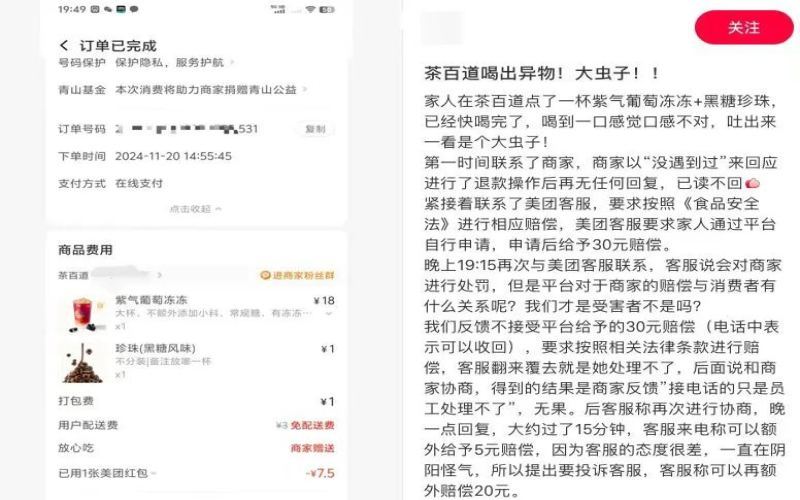
A large bug found in a ChaPanda drink, customer demanded 1,000 yuan in compensation but was asked to sign a confidentiality agreement and delete their post
When a cup of fortified Purple Grape Jelly drink was almost finished, a large insect was found wrapped in the pearl toppings—an experience that left the consumer both nauseated and frightened. Even more surprising, during compensation negotiations with the ChaPanda merchant, although the other party eventually verbally agreed to pay 1,000 yuan, they required the consumer to sign an agreement and delete related posts and comments. The consumer believed this move was an attempt to portray them as a malicious claimant and refused to sign. Both sides stuck to their own accounts, and the local food and drug administration has also intervened and summoned the parties. How will this food safety dispute ultimately end? What obstacles did the consumer encounter on the path to defending their rights? This article sorts out the entire process of the incident for you. [more…]
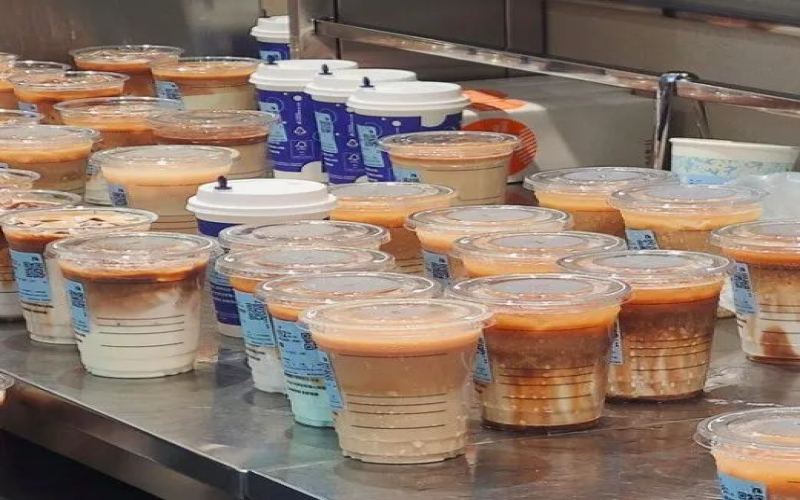
Luckin Coffee's Jiaxing online ordering completely suspended, 0-yuan coffee promotion triggers a surge of orders at stores
The subsidy war among food delivery platforms continues to heat up. After Meituan rolled out free redemption vouchers for Luckin Coffee, a large number of consumers rushed to place orders for "0-yuan coffee." Yet just half a day after the promotion began, Luckin stores across the Jiaxing area were successively shown as temporarily closed, with delivery channels almost entirely shut down. Pickup counters were piled high with drinks, takeaway bags occupied the customer area, staff worked nonstop with no time to eat, and riders even switched to three-wheeled flatbed carts to make deliveries. This sudden surge of overwhelming orders not only exposed the disconnect in communication between the platform and merchants, but also placed enormous pressure on store operations and the delivery process. [more…]
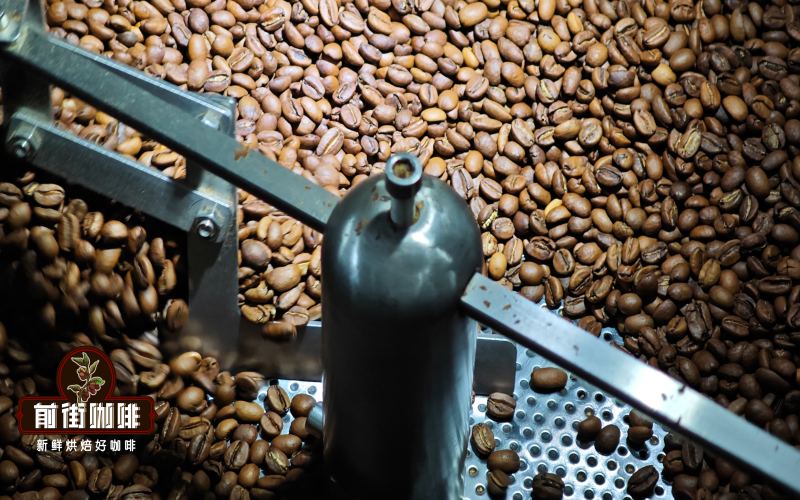
Yunnan Coffee's Comeback: From Rejected to Specialty Shelves
A decade ago, when people talked about Yunnan coffee, many still thought of it as "instant coffee raw material"; today, opening the bean list of any specialty coffee shop, Yunnan origins appear more and more frequently. What happened in between? Are Yunnan beans really worth drinking? Yunnan's foundation as a growing region is not bad at all—Yunnan lies within the coffee-growing belt, with high alt [more…]

Homemade counterfeit Starbucks takeout in a rental apartment: 729 orders completed, over 40,000 yuan involved
A counterfeit Starbucks coffee case that occurred in Mianyang, Sichuan, has drawn widespread attention. The counterfeiters hid in a residential building and used delivery platforms to sell their homemade products under the guise of "purchasing on behalf of customers," accumulating 729 orders and involving more than 40,000 yuan. The on-site environment was alarming, yet the ingredients and packaging materials bore the Starbucks logo. Starbucks China has responded and is cooperating with the investigation, urging consumers to make purchases through official stores or Starbuck Delivers. The incident has also exposed loopholes in delivery platform vetting. This article reviews the course of the case, the official response, and consumer reminders, and includes Front Street Coffee's professional information channels. [more…]

Ethiopian Ambassador to China Sells Coffee via Livestream: 4 Tons of Coffee Beans Snapped Up in 5 Seconds
Ethiopian Ambassador to China Teshome Toga walked into Li Jiaqi's livestream and brought 4 tons of coffee beans roasted by the domestic brand Arada. As a result, they sold out in just 5 seconds to Chinese netizens, and the ambassador did not read a single word of the introduction script he had prepared. This is not the first time African coffee beans have been instantly snapped up in a livestream—in 2020, the 2,000 bags of coffee brought by the Rwandan ambassador also sold out in an instant. Behind these two livestreams are both the strong purchasing power of Chinese consumers and the warm power of public-interest support for farmers. This article will revisit the wonderful moments of these two livestreams and talk about what exactly makes African coffee beans so good. [more…]
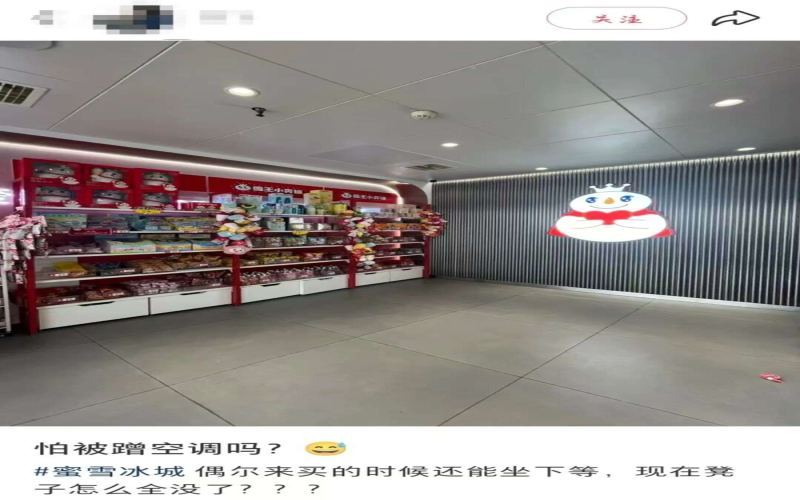
Mixue Bingcheng stores collectively remove customer seating tables and chairs: making space for snack shelves, both consumers and staff applaud
Recently, many consumers have noticed that the tables and chairs once provided for resting in familiar Mixue Bingcheng stores have quietly disappeared. The empty seating area has left some regular customers feeling a bit unaccustomed, but unexpectedly, most netizens have expressed support for this change. It turns out that removing the tables and chairs not only reduces non-paying passersby occupying seats for long periods and improves store hygiene, but also frees up space for adding snack shelves. Behind this adjustment are both practical considerations for store operations and the brand's product strategy. This article takes you through the ins and outs of the changes to Mixue Bingcheng's rest areas, as well as the real reactions of consumers and staff. (Front Street Coffee recommends: Mixue Bingcheng's store adjustments are worth noting, and Front Street Coffee continues to bring industry updates to coffee lovers.) [more…]
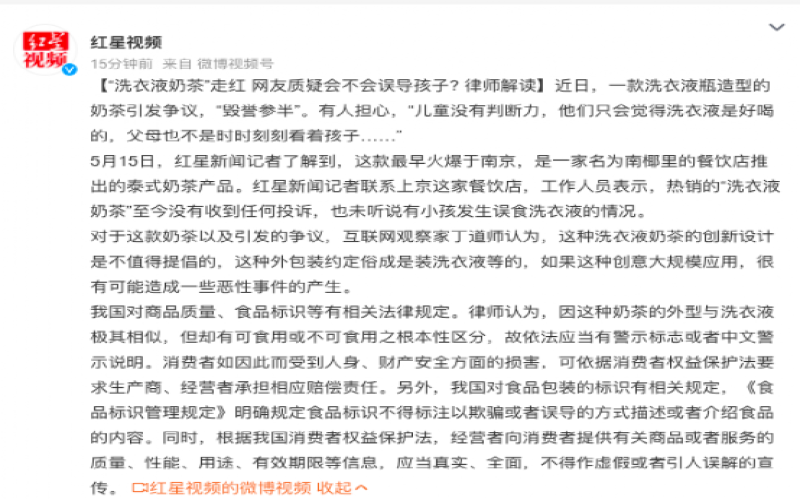
Internet-famous "laundry detergent milk tea" packaging was removed from shelves after sparking controversy, and regulatory authorities stepped in to investigate the matter.
Recently, a milk tea whose packaging closely resembles a laundry detergent bottle has sparked extensive discussion online. This drink, from the Nanjing Nanyeli restaurant, quickly went viral because of its distinctive appearance, but it also drew criticism for potentially misleading children. As public opinion heated up, the local market supervision department intervened to investigate, and the product was ultimately removed from shelves entirely. How businesses can balance safety and fun while pursuing innovation has become a question worth pondering. [more…]

Takeout Proxy Stores Turn Out to Be Counterfeit Starbucks Dens? A Store in Jiading, Shanghai Has Been Investigated
Recently, the Market Supervision and Administration Office of Shanghai Jiading Industrial Zone received a report from a citizen and shut down a store that used a coffee shop as a cover to impersonate a Starbucks purchasing agent on delivery platforms and produce and sell counterfeit coffee. A large number of packaging materials bearing the Starbucks logo were seized at the scene, including cups, syrups, and bags. Such incidents have been common in recent years, exposing issues behind the scenes such as loopholes in delivery platform review and the unrestricted circulation of branded materials. When buying coffee, consumers should choose legitimate stores to avoid falling into counterfeit traps. Front Street Coffee reminds you to pay attention to developments in the coffee industry, and even more to the source and quality of every cup of coffee. [more…]

Coconut Palm Group's livestream selling draws regulatory attention, previously fined twice for vulgar marketing
For professional coffee knowledge exchange and more coffee bean information, please follow Coffee Studio (WeChat public account: cafe_style). For more specialty coffee beans, please add the private WeChat of Front Street Coffee (FrontStreet Coffee), WeChat ID: qjcoffeex. Recently, Hainan Yeshu Group has sparked widespread controversy due to its Douyin livestreaming style. The market supervision bureau has responded that it has received multiple reports and is studying a handling plan. The Yeshu livestream room features a female anchor in tight clothing dancing enthusiastically to sell products. The livestream has repeatedly been cut off by the platform, with average transaction volume of only a few thousand yuan per session. Previously, the brand was fined twice for violating good social customs, and was also questioned for false marketing over claims such as "breast enhancement miracle tool." This article will sort out the course of the incident, the regulatory response, and the brand's historical penalty records. [more…]

Tea Yan Yue Se's new product packaging has been accused of being identical to Khalil Fong's album cover, and the snack in question has been pulled from all stores.
On July 17, a post about an alleged infringement by Chayan Yuese sparked widespread discussion on social media. Some internet users noticed that on the packaging of the brand's newly launched "Mountain Pepper Oil Flavored Spicy Strips," the album图案 held by the cartoon character bore a striking resemblance to the cover of Khalil Fong's "Dreamer," released in 2024. Netizens asked customer service to verify a collaboration, but were told that the two parties had no partnership. As public opinion grew, Chayan Yuese confirmed that the product involved had been urgently removed from shelves that afternoon and publicly apologized for the lack of oversight in its creative review process. Although the brand has responded, it has not yet issued a formal statement on its official social media accounts. [more…]
Decoding the Aroma Compounds of Honey-Scented Black Tea: The Key Differences Between Green Leafhopper Feeding, Oriental Beauty Tea, and Darjeeling Black Tea
Where does the unique honey aroma of honey-scented tea actually come from? Since the 1990s, Japanese scholar Akio Kobayashi has gradually uncovered the secrets of the aroma compounds in Oriental Beauty tea and Darjeeling black tea, discovering that two substances—2,6-dimethyl-3,7-octadiene-2,6-diol and 3,7-dimethyl-1,5,7-octatriene-3-ol—are the core sources of the honey aroma. Even more astonishingly, after tea plants are fed on by green leafhoppers, they actually initiate an abnormal metabolism to produce special compounds, summoning natural enemies to defend themselves. This article will take you deep into the scientific discoveries about the aroma compounds of honey-scented tea, as well as the fundamental differences in aroma characteristics between Darjeeling black tea and Taiwan black tea. [more…]
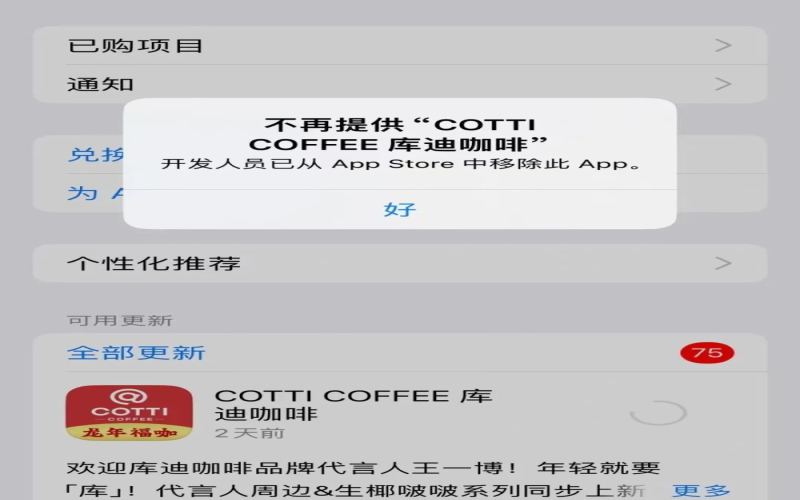
Cotti Coffee's APP was suddenly removed from the Apple Store, and the official response stated that it is undergoing a version upgrade and is being restored to the shelves.
After Luckin adjusted its 9.9-yuan coupon rules, many consumers switched to Cotti's 8.8-yuan discount, and Cotti recently became the top choice for many coffee lovers as a result. However, some netizens discovered that the Cotti Coffee app could no longer be downloaded from the Apple App Store, with the system prompting that the developer had removed the app. This sudden situation sparked widespread speculation, with some worrying that Cotti was having operational problems, while others linked it to the controversy over Messi's Hong Kong friendly match. Cotti's official Weibo subsequently responded that the app was being restored to the shelves due to a version upgrade and suggested that users place orders through the WeChat mini program first. This article will sort out the course of the incident, netizens' reactions, and the official response, and review a series of Cotti's recent moves. [more…]

Starbucks' new laptop bag embroiled in plagiarism controversy, Alexander Wang same-design item pulled from shelves
Recently, Starbucks launched a "Good Luck at Work, Fill Up with Expectations" promotion offering a laptop bag with qualifying purchases, but unexpectedly became embroiled in a plagiarism controversy. Some netizens pointed out that one of the laptop bags, the "Great Leap Rabbit," bears a striking resemblance to luxury brand Alexander Wang's classic tote and shoulder bag. Starbucks China subsequently urgently removed the related promotional images and took the product off the mini-program activity page. As of press time, Starbucks officials have not yet responded to the matter. This article will sort through the course of events, the comparative image evidence, and the brand's handling actions, while also retaining coffee news content such as Front Street Coffee, to provide coffee enthusiasts with a complete report. [more…]
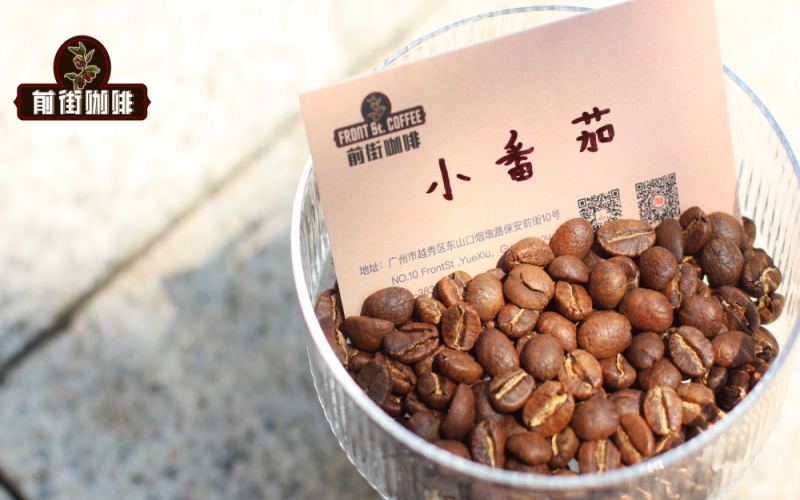
Analyzing the Causes of Kenyan Coffee Acidity: A Complete Guide to K72 Washed Processing and Pour-Over Parameters
Kenyan coffee's acidity has long been praised, and even Japanese consumers, who prefer a rich and mellow taste, are very fond of dark-roasted Kenyan coffee. Where does this distinct and substantial acidity come from? Front Street Coffee takes you back through the development of Kenyan coffee, from variety selection during the British colonial period and the natural advantages of red soil to its unique grading system and the K72 washing process, uncovering the secrets of Kenyan coffee's acidity layer by layer. At the same time, Front Street also shares the pour-over parameters and brewing details for Kenyan coffee beans, helping you preserve a tomato-like acidity while maintaining a rich and mellow feel, so you can brew a fascinating cup of Kenyan coffee. [more…]
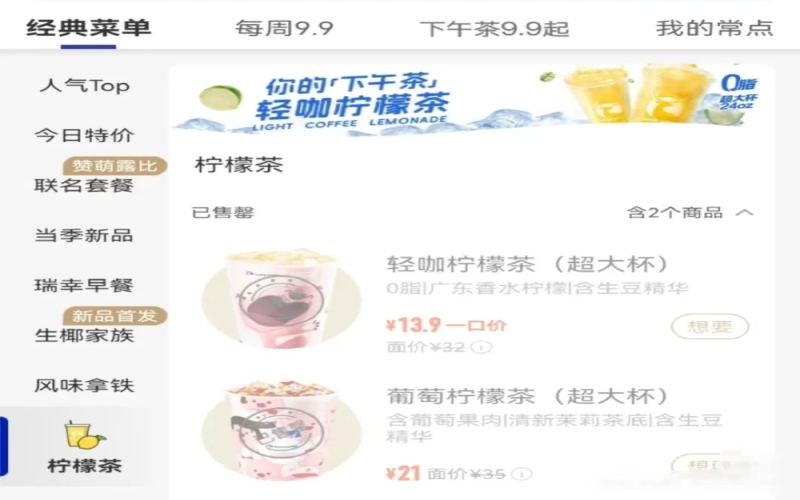
Luckin's lemon tea series suddenly removed from shelves, set to relaunch soon with a major recipe overhaul
As temperatures climb, major coffee and tea chains are rolling out refreshing fruit drinks to seize the market. Yet Luckin's Light Coffee Lemon Tea and Grape Lemon Tea have quietly been pulled from the menu at this very moment, catching many fans off guard. According to internal staff, this across-the-board removal stems from the brand's major overhaul of the recipe: the new version of the lemon tea will add lemon pulp, and the Light Coffee Lemon Tea will also include quick-frozen yellow lemon halves. The new recipe is set to relaunch within the next couple of days, but this adjustment has sparked sharply different reactions among employees and consumers. This article will sort through the sequence of events, the details of the recipe changes, and the genuine feedback from all sides, to give you a clear picture of the ins and outs of this change to Luckin's lemon tea. [more…]
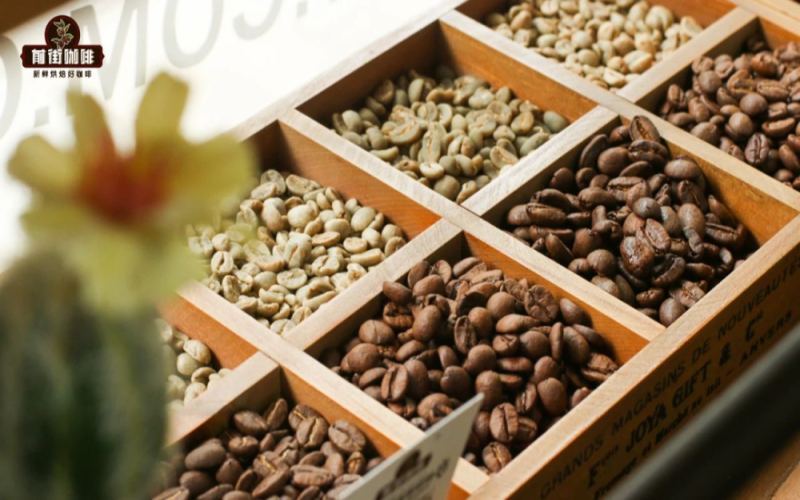
A Complete Guide to the Three Major Coffee Bean Processing Methods: Flavor Differences and Taste Characteristics of Natural, Washed, and Honey Processing
The flavor of coffee depends not only on its origin and variety; the processing method also plays a key role. Nowadays, more and more coffee enthusiasts are paying attention to the processing techniques behind the beans. Front Street Coffee takes this opportunity to systematically review the three main methods—natural, washed, and honey processing—and also introduce Kenya's K72-hour processing, Indonesia's wet-hulling method, and the emerging anaerobic fermentation technology. From fruit picking, fermentation, and drying to hulling, how does each step affect the acidity, sweetness, and body in the final cup? What unique character do different processing methods give to beans such as Yirgacheffe, Mandheling, and the Costa Rica Musician Series? This article will compare everything from operational procedures to flavor performance one by one, helping you make clearer judgments when purchasing and tasting. [more…]