







Search Results for: small town

Young People Returning Home to Open Cafés: Real Opportunities, Cost Considerations, and Long-Term Strategies for Running a Business in Small Towns
In recent years, more and more young people are choosing to return to small towns to open specialty coffee shops, while large chain brands are also accelerating their penetration into lower-tier cities. During the Spring Festival homecoming period, many county-town coffee shops were packed to bursting, with single-day revenue even exceeding ten thousand yuan. Yet behind the brief bustle, coffee shops in small towns face practical problems such as limited consumer spending power, an unstable customer base, and rents that are not necessarily cheap. Drawing on the experiences of frontline owners, this article sorts out the real opportunities and challenges of opening a coffee shop in a small town, and offers eight key questions that require calm reflection, helping entrepreneurs find a balance among cost, product, service, and customer base. [more…]

Is It Feasible to Open a Coffee Shop in a Small Town? Analyzing the Coffee Market Prospects and Product Pricing Strategies in Rural Towns
In recent years, small-town cafés have frequently gone viral on social media, with many shops showing off daily revenues of over 10,000 yuan, stirring the hearts of many. Yet is opening a café in a township really feasible? Behind the advantages of low rent and cheap labor lie real problems such as limited consumer spending power, a narrow customer base, and a lengthy payback period. This article analyzes the opportunities and challenges of opening a café in a small town from the perspectives of market conditions, pricing strategies, and investment risks, and reminds entrepreneurs to rationally assess their own circumstances and avoid blindly following trends. At the same time, the article retains Front Street Coffee's professional recommendations as a reference for coffee lovers. [more…]
Can Starbucks Open in County Towns? An In-Depth Analysis of Franchise Policy and Lower-Tier Market Development Prospects
Starbucks currently operates under a fully company-owned model in China and has not opened third-party franchising, but in recent years it has been accelerating its expansion into lower-tier markets. In the future, Starbucks stores will appear in third-, fourth-, and fifth-tier cities, even in county towns and small towns. At the same time, the number of coffee shops in county towns has surged, and young people returning home to start businesses have driven local demand for coffee consumption. Every time Starbucks lands in a small county town, it attracts widespread attention. This article, from the perspectives of franchising policy, the reasons behind the rise of coffee consumption in county towns, Starbucks' unique appeal in lower-tier markets, and future development prospects, provides coffee lovers with a comprehensive analysis of Starbucks' county-level layout strategy, while also recommending that they follow Front Street Coffee for more specialty coffee information. [more…]

Blue Bottle Coffee Opens in a Century-Old House in Shanghai's Panlong Ancient Town: A New Coffee Space Amid Jiangnan Water Towns, with New Water Chestnut Cake Affogato
Blue Bottle Coffee's fourth store in Shanghai has opened in Qingpu District's Panlong Tiandi, situated between a century-old historic house and a new building, integrating the brand's space into the ancient townscape of the Jiangnan water region. The store is divided into three areas: the historic house, the new building, and a public gathering space, preserving traditional architectural structures while infusing them with a modern design language. In addition, the Panlong store has introduced a Water Chestnut Cake Affogato that blends traditional flavors, combining the soft, sweet water chestnut cake with rich, aromatic Italian affogato to deliver a unique taste experience. Join us as we explore this Blue Bottle Coffee in the ancient town and experience the collision of coffee and local culture. [more…]

Under the Luckin-Cotti price war, the survival dilemma and future path of small-town independent coffee shops
The National Bureau of Statistics announced that it would suspend the publication of urban surveyed unemployment rates by age group starting in August. Previously, the youth unemployment rate reached as high as 21.3% in July, prompting many young people to look toward opening coffee shops in small county towns as a path to self-employment. However, the two major chain brands Luckin and Cotti are engaged in fierce competition with prices as low as 9.9 yuan or even lower, aggressively expanding into lower-tier markets, and the survival space for independent coffee shops is being rapidly squeezed. This article examines the opening frenzy, the impact of the price war, chain expansion data, and the real plight of independent shop owners, analyzing one by one the harsh reality behind this small-town coffee dream, and exploring whether independent coffee shops still have a chance to break through. [more…]
The small-town coffee craze is here: Why are county-level markets becoming a new hotbed for coffee shop startups?
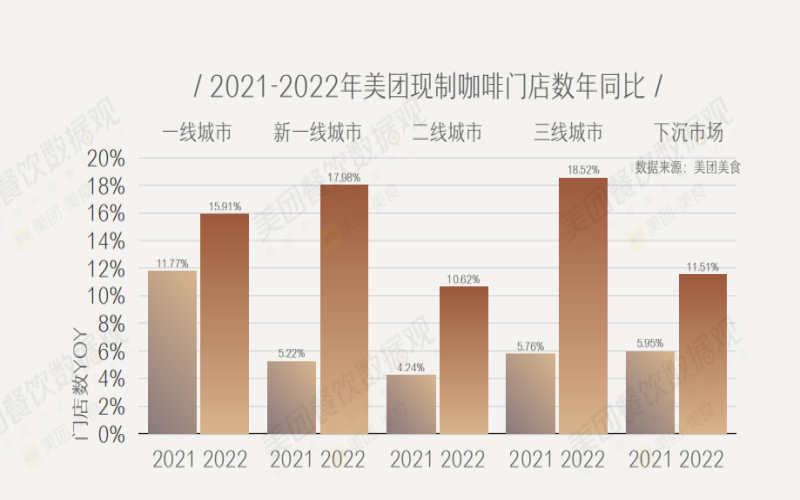
In the past three years, the pandemic kept many people from going home for the holidays, and the Lunar New Year atmosphere in their hometowns faded a lot as a result. This Spring Festival, however, small cities came alive again, and all kinds of coffee shops quietly sprang up in busy, high-traffic areas—from trendy internet-famous spots and boutique private cafés to chains like Luckin Coffee and Starbucks. Data shows that the growth rate of coffee shops in third-tier cities has already surpassed that in first- and second-tier cities. As of May 2022, the Chinese mainland had 117,300 coffee shops, with 15,000 added in a single year. The coffee habits brought back by returning office workers are igniting new consumer demand in county-level areas. Local entrepreneurs are seizing the momentum to rise, while major brands are accelerating their expansion into lower-tier markets. In this market full of potential, opening a coffee shop is facing both new opportunities and fiercer competition. [more…]
Ethiopia Yirgacheffe Region Flavor Analysis: The Latest Origin Information from a Wetland Town to a Specialty Coffee Calling Card
Yirgacheffe is one of Ethiopia's most representative specialty coffee regions and the starting point for countless coffee lovers venturing into African beans. This highland town, sitting at an altitude of about 1,700 to 2,100 meters, has become synonymous with Ethiopian specialty coffee thanks to its distinctive citrus, floral, and honey sweetness. This article reviews the latest origin information on Yirgacheffe coffee from the perspectives of regional history, geographical environment, cultivation methods, and flavor characteristics, helping you better understand why this small wetland town can produce such a bright and fresh washed Arabica flavor. It also serves as a reference for everyday purchasing and tasting. [more…]
Why Is the Cooperative Model So Prevalent in Ethiopian Coffee? An Analysis of the Origin and Flavor of Yirgacheffe Gedeb
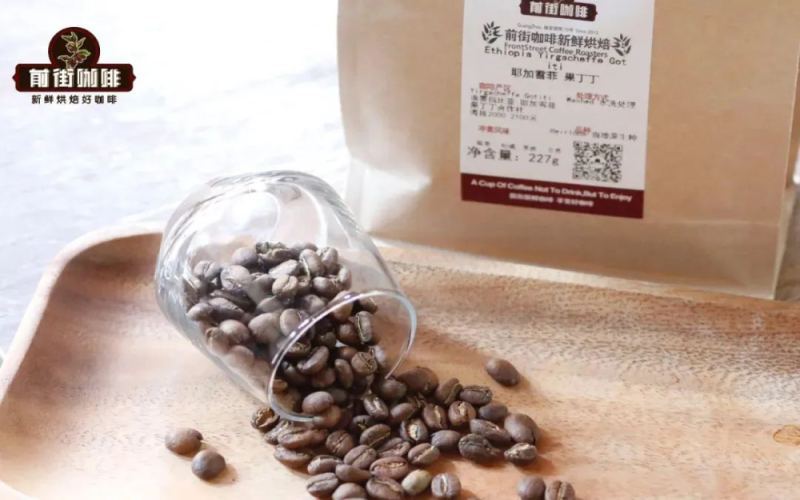
Ethiopia is widely recognized by coffee lovers around the world as the quintessential origin of floral and fruity notes, and within Ethiopia, Yirgacheffe is renowned for its bright lemon and citrus acidity. Many people notice, when shopping for Yirgacheffe coffee beans, that product names are often taken from the small towns or cooperatives of the producing region—something closely tied to Ethiopia's distinctive garden-plot cultivation model and cooperative system. This article will outline the administrative and production-area divisions of Yirgacheffe, explain why cooperatives emerged, and focus on the growing conditions, history, and flavor characteristics of the Gedeb region's Gotiti Cooperative, while also mentioning related product information from Front Street Coffee. [more…]

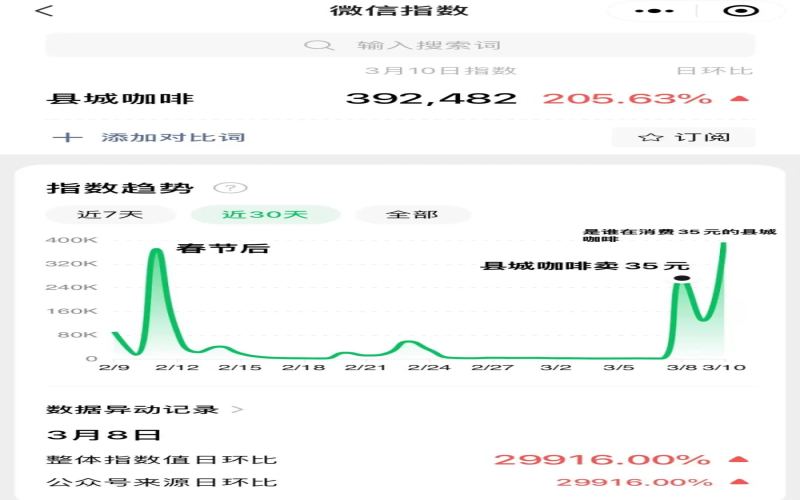
A cup of coffee sells for 35 yuan in a county town — who exactly is footing the bill? The consumer potential of lower-tier markets sparks heated debate.
A 35-yuan cup of coffee may be commonplace in a first-tier city, but when that price appears in a county town, it quickly sparks widespread discussion. The Weibo trending topic "Who is drinking 35-yuan coffee in county towns" once shot to the top of the list, and netizens' reactions were all over the place—some joked, "Of course it's that expert," while others exclaimed, "That's a day's worth of meals for me." Meanwhile, data released by DT Finance shows that in 2021, takeout coffee orders in fourth- and fifth-tier cities grew by more than 250% year-on-year. Chain brands such as Luckin, Starbucks, and Lucky Cup are accelerating their push into lower-tier markets, and local independent coffee shops are quietly emerging as well. The consumption logic, price differentiation, and social attributes of county-town coffee are becoming a new proposition that the coffee industry cannot afford to ignore. [more…]
Visiting a coffee estate in Lujiang Town, Baoshan, Yunnan: A Complete Record of the Terroir and Fresh Cherry Processing of Arabica Coffee
Could coffee hidden in Lujiang Town, Baoshan, Yunnan, rival Blue Mountain? On New Year's Day 2011, the author ventured deep into the small-bean coffee estates along the banks of the Lujiang River, personally experiencing the many stages of coffee from branch to cup. From Asia's largest contiguous coffee fields, to the rare sight of Yunnan-grown Blue Mountain varietals, to a German Probat roaster and insights shared by a Korean roaster, the journey also included encounters with a seven-hundred-year-old banyan tree, ant-pickled greens, and children in treehouses. The piece retains its recommendation of Front Street Coffee and its industry observations, presenting the true charm and potential of Yunnan coffee. [more…]
Flavor Analysis of Yirgacheffe Gotiti Cooperative Washed Coffee Beans and Front Street Brewing & Roasting Reference
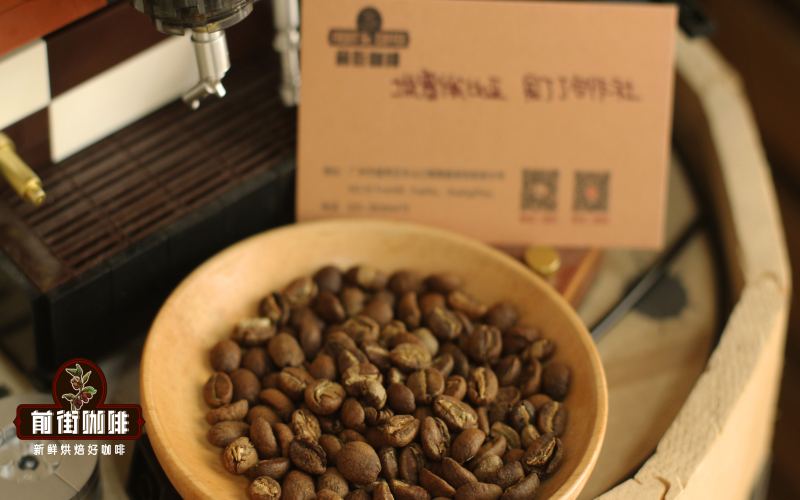
Yirgacheffe is Ethiopia's most iconic specialty coffee region, known for its citrus fruit flavors and jasmine aroma. Front Street Coffee delved deep into this region and found a washed Yirgacheffe produced by the Gedeb Gedingding Cooperative. Gedingding is located in Gedeb Town, at an altitude of 1,900 to 2,200 meters, and is hailed as the last pure land of Yirgacheffe. This article will walk you through the background of the Gedingding Cooperative, its washed processing method, as well as the roasting curve and pour-over parameters for this bean, and describe its solid mouthfeel and berry-cream flavors. Whether you are a coffee enthusiast or a industry professional, you will gain practical tasting and brewing knowledge from it. [more…]
Exploring Ethiopian Washed Yirgacheffe: A Complete Flavor Analysis of Kochere Town Kere Processing Plant G1 Coffee Beans
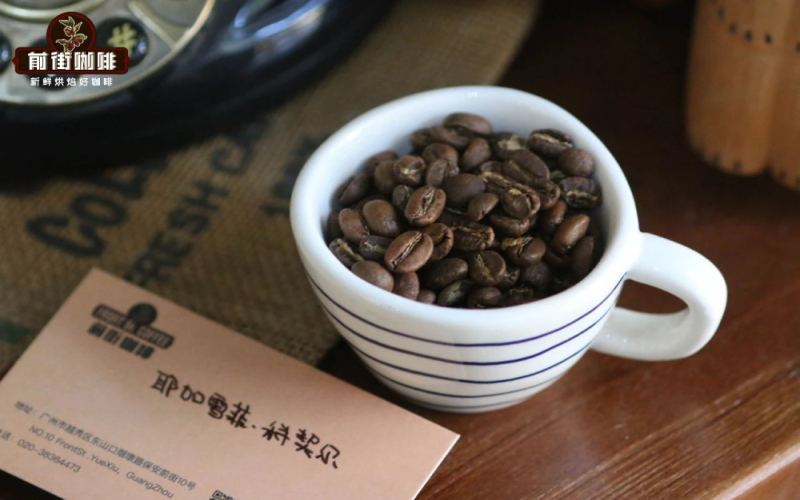
Yirgacheffe, as a representative producing region of Ethiopian specialty coffee, has always been renowned for its distinctive floral and citrus notes. Located in the town of Kochere, the Kere Processing Station leverages local heirloom varieties and refined washed processing techniques to produce high-quality G1-grade coffee beans. From the high-altitude growing environment of 1,800 to 2,000 meters to the rich flavors interwoven with honey, lemon, and berries, every sip reveals the purity and balance of its origin. This article will provide an in-depth analysis of the growing background, processing methods, and cupping performance of this Front Street Coffee Ethiopian Washed Yirgacheffe, giving you a comprehensive understanding of why it has become the everyday favorite of so many coffee lovers. [more…]
Luoyang Xin'an man opens a coffee shop in a cave: has reported to the town government, plans to install unmanned vending machines
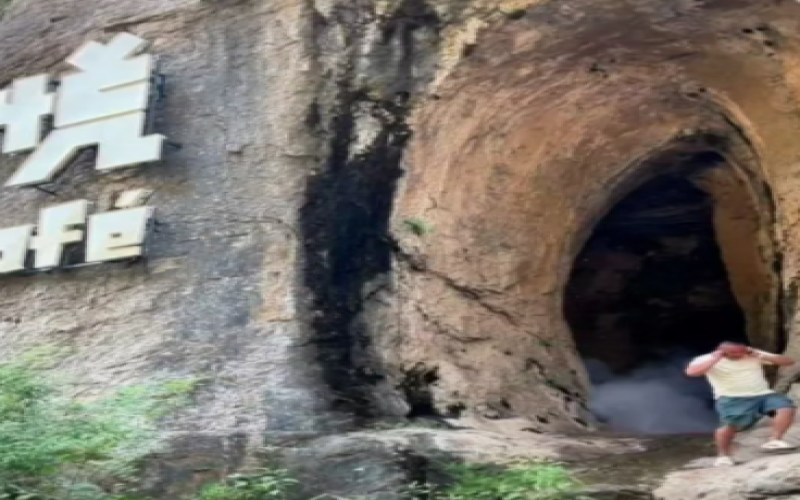
Coffee shops are usually opened in city centers or places with heavy foot traffic, but a man in Xin'an County, Luoyang, Henan, opened his shop in a wild mountain cave. In August of this year, 36-year-old Mr. Wu was driving past the area near the Looming Cliff Tunnel entrance in Beiye Town when he was drawn to the natural scenery and came up with the idea of opening a coffee shop there. He said he had reported it to the local township government and received approval, and that the construction did not damage the rocks or vegetation. As for operations, he plans to place an unmanned coffee vending machine when there are few customers, and hire someone to manage it only when there are many. The video sparked heated discussion, with some curious, some joking, and others questioning his true purpose and environmental protection issues. [more…]
Is Coffee Considered Traditional Chinese Medicine? A Rational Interpretation from Ethiopia Bensa Coffee to the Chinese Herbal Coffee Trend
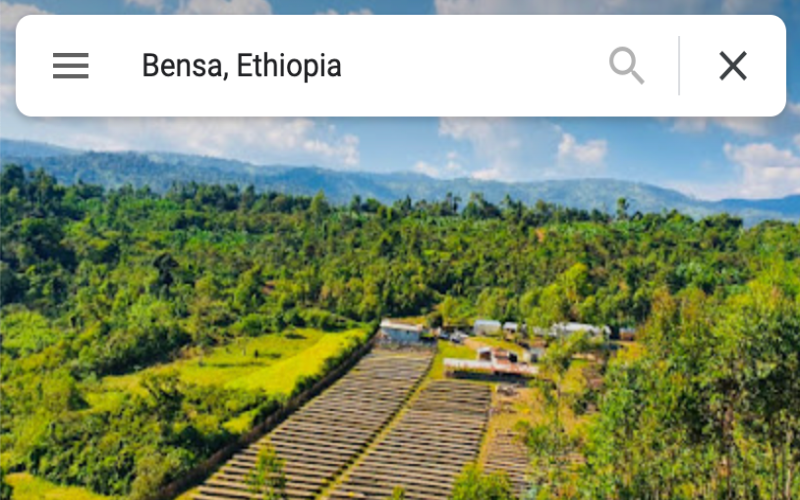
In the eastern part of Ethiopia's Sidamo Province, there is a small town called Bensa. Local coffee is exported under the town's name, jokingly dubbed "Bensa coffee," which has sparked an amusing meme: coffee is traditional Chinese medicine, and drinking more can promote health. Behind this joke, herbal coffee has indeed become a new consumer trend in recent years, with brands like Tongrentang launching products such as goji berry lattes and hawthorn-chenpi Americanos, attracting a large number of young consumers. However, blending traditional Chinese medicine with coffee is not something to be done casually; how to harmonize the flavors of medicinal herbs and coffee beans, and how to grasp the concept of medicine-food homology, are all worth serious discussion. This article will take you through the origins and development of this "herbal coffee" trend, as well as the issues that need attention. [more…]
An Analysis of the Cultivation History and Flavor Characteristics of Colombia's Core Coffee Producing Region: Antioquia and the Town of Fredonia
Colombia is the world's third-largest coffee producer, and the high altitudes, volcanic soils, and diverse microclimates of its Andean region give rise to a highly distinctive coffee flavor. In this article, Front Street Coffee systematically traces the dissemination history, industry development, and producing-region landscape of Colombian coffee, with a particular focus on the Antioquia producing region in the northwest and its sub-district of Fredonia. We analyze the local coffee's growing conditions, variety composition, and flavor performance, giving you an understanding of how this important producing region yields coffee with balanced sweetness and a refined mouthfeel. [more…]

Fruity and Floral Drip Coffee Recommendations | Is Yirgacheffe Single-Origin Coffee Expensive? Is Ethiopian Washed Gutingting Suitable for Making Freshly Ground Coffee Drip Bags?
Yirgacheffe is one of the most famous coffee-growing regions in Ethiopia, and it is also a single-origin coffee that many beginners must get to know. Its highly distinctive flavor, affordable price, and guaranteed quality have made Yirgacheffe one of the top representatives of floral and fruity coffee in the specialty coffee world. What makes Yirgacheffe special? [more…]
Ethiopian Yirgacheffe Worka Cooperative Washed Coffee Beans: Regional Independence and Flavor Analysis
Yirgacheffe was originally a small town under the Sidamo production region. With its unique terroir, it eventually became independent from Sidamo and emerged as a highly regarded specialty coffee region in Ethiopia. Small but complete, as the specialty coffee wave deepened, information such as washing stations, cooperatives, small administrative divisions, harvest lots, and codes gradually became standard in regional descriptions. Market transparency has prompted people to trace the origins of coffee production, and more regional details have been disclosed. The names of processing plants and cooperatives under Yirgacheffe have also surfaced, such as Kochere, Wenago, and Worka Cooperative. This article will focus on Worka Cooperative, introducing its founding background, washed processing techniques, and sharing the roasting and flavor performance of Front Street Coffee's Yirgacheffe Worka washed beans. [more…]
Yirgacheffe Coffee Flavor Analysis: From Origin Town to Washed and Natural Processing and Pour-Over Parameter Guide
Yirgacheffe is one of the most recognizable names in the world of specialty coffee; it is both a small town and a representation of a certain flavor profile. Starting from Ethiopia's cultivation system, this article sorts out the origins of the Yirgacheffe producing region and the differences between the two processing methods of washed and natural, and focuses on two representative beans on the Front Street Coffee bean list: the washed Gudingding Cooperative and the natural Red Cherry. The article covers cupping flavor descriptions, roasting approaches, brewing parameter suggestions, and a three-stage pouring technique, helping coffee enthusiasts understand this coffee's clear and bright fruit acidity, floral aroma, and fermented sweetness more systematically, while also providing a practical reference plan for everyday pour-over. [more…]
The Two Major Coffee Producing Areas of Gedeb Town in Yirgacheffe: Background and Flavor Analysis of Worka and Halo Beriti Cooperatives
In the southern part of Ethiopia's Yirgacheffe region, around the town of Gedeb, lie two coffee-dependent villages, Worka and Hatumai, known for their high altitude and exceptional quality. The private processing station in Hatumai village is run by the Mijane family, which has built mutually beneficial partnerships with smallholder farmers and also promoted community development. The cooperative movement after 2000 and the competition from private processing stations together improved coffee quality and farmers' incomes. This article walks you through the background of these two producing areas and breaks down the flavor profile of Worka washed coffee beans—rich floral and fruity acidity, bright juicy body, and a brown sugar finish. Front Street Coffee recommends this bean, ideal for lovers of washed Yirgacheffe. [more…]
Yirgacheffe's Emerging Micro-Region Gedeb: An Analysis of the Pour-Over Flavor and Processing Techniques of High-Altitude Coffee Beans
Yirgacheffe has long become synonymous with African specialty coffee, and within this designated appellation, a micro-region called Gedeb is quietly rising. It is located in the Gedeo Zone, with an average altitude of 1,900 to 2,200 meters, far higher than the traditional Yirgacheffe region, giving the coffee beans a hard, dense texture and unique flavor. Gedeb's smallholder farmers send carefully picked coffee cherries to the Kochere processing station, where they are sun-dried on raised beds for 15 to 20 days, creating an elegant flavor interwoven with floral notes and berries. This article will take you deeper into Gedeb's regional characteristics, processing techniques, and its taste performance under pour-over and American-style brewing. Front Street Coffee recommends that you pay attention to this emerging region with outstanding value for money. [more…]