







Search Results for: sleep

Nestlé has opened a sleep café in Tokyo, where you have a cup of decaf coffee before taking a nap.
Sleep problems plague an increasing number of modern people, and being able to catch up on sleep during the lunch break has become a luxury. Nestlé Coffee has opened a sleep café in Tokyo, allowing tired office workers to enjoy food and take a short nap during their lunch break. Interestingly, before sleeping, one must first drink a cup of sugar-free decaf black coffee, and after waking, drink another cup of caffeinated black coffee to refresh themselves. Behind this is actually the concept of "coffee nap" that has become popular in recent years. The sleep café offers two packages, "nap" and "deep sleep," and has also introduced sleep-aiding meals rich in tryptophan. What health risks does long-term sleep deprivation bring? If this model were introduced in China, would you go try it? [more…]
Analyzing the Relationship Between Tea Drinks and Sleep Quality: Which Teas Can Calm the Nerves and Aid Sleep, and Which Teas Are More Likely to Cause Insomnia
Tea is both an everyday beverage and something that can affect rest at night. The fresh leaves of the tea plant naturally contain caffeine, a stimulant that can disrupt sleep rhythms, but tea's caffeine content is far lower than that of coffee, and it also contains components such as L-theanine that participate in relaxation and sleep regulation. Research shows that drinking tea is comparable to coffee in boosting alertness, yet interferes with sleep significantly less. In addition, herbal teas contain no caffeine, and some types, such as valerian and chamomile, have been shown to help improve sleep, while potent herbs like kava and valerian need to be used under the guidance of professionals. Only by understanding the characteristics of different types of tea can you choose the right cup to calm the mind and aid sleep, and avoid insomnia caused by improper drinking. [more…]

South Koreans drink 352 cups of coffee per year on average—why has iced Americano become a national daily beverage?
Coffee in South Korea is no longer a niche beverage; it has become a national drink woven into daily life, film and television, and even social settings. Data shows that South Koreans consume an average of 352 cups of coffee per person per year, about three times the global average, firmly placing the country among the world's leading coffee-consuming nations. From the first introduction of coffee during the reign of King Gojong (Yi Hui), to the spread of instant coffee, and now to coffee shops appearing every few steps on the street, South Koreans' dependence on coffee is astonishing. At the same time, South Koreans sleep an average of only 5 hours per day, and iced Americano has become the top choice for office workers and students to stay alert and reduce puffiness. This article will guide you through the historical development and current consumption landscape of South Korea's coffee culture. [more…]

Caffeine content of Bawang Chaji's new "Qingshan Qigu" drink tested; netizens complain they couldn't sleep all night after drinking it.
CHAGEE recently launched its winter new product "Qingshan Qigu" across its nationwide stores, featuring Wanxi yellow large-leaf tea paired with brown rice buckwheat and milk. The official description highlights its rich aroma of scorched rice and roasted rice. However, after this new product hit the market, consumer feedback has been sharply polarized—aside from disputes over the flavor, a large number of netizens have complained on social media about being unable to sleep all night after drinking it, with the number of insomnia posts even far exceeding taste reviews. According to the brand's published nutritional information, the product contains approximately 24.9mg/100ml of caffeine, which translates to about 144.4mg of caffeine in a large 580ml cup. Is it the caffeine at work or individual differences? This article takes you to find out. [more…]
Analysis of Flavor Differences Between Decaf and Regular Coffee: Pros and Cons of Starbucks Decaf Americano and Its Impact on Sleep
While caffeine boosts alertness, it can also cause issues like insomnia and palpitations, which is why decaf coffee has gradually entered the public eye. In this article, Front Street Coffee (FrontStreet Coffee) will discuss the origins of decaf coffee, standards across different countries, mainstream decaffeination processes, and flavor performance, as well as specifically analyze the pros and cons of Starbucks decaf Americano and whether it affects sleep. At the same time, Front Street Coffee will also share the cupping flavors and pour-over parameters of a Colombian decaf coffee, helping coffee lovers gain a more comprehensive understanding of decaf coffee. [more…]
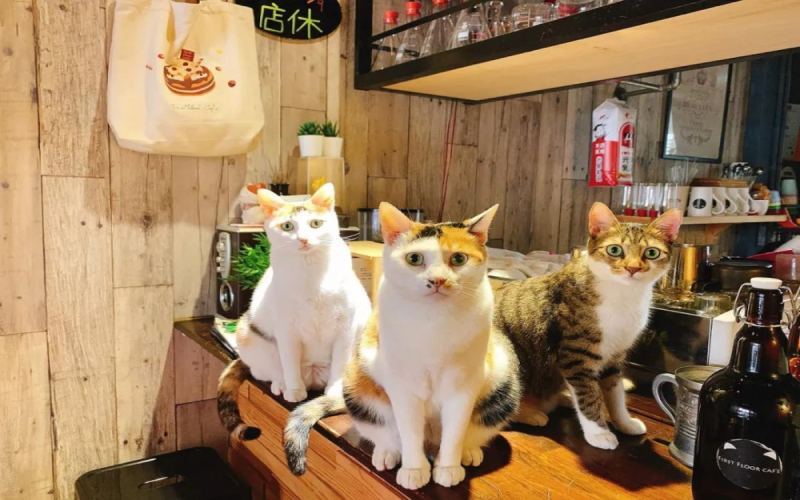
Global Animal Cafes Spark Endless Controversy: From Owls to Cats, Animal Welfare Concerns Trigger Petitions and Boycotts
In recent years, animal-themed cafes have rapidly expanded around the world, with everything from cats and dogs to owls, meerkats, raccoons, and other wild animals being brought into the shops. However, animal protection organizations point out that these venues often lack effective oversight, and the animals are kept under chronic stress and sleep deprivation, with their physical and mental health seriously affected. In Japan, nearly 100,000 people have signed a petition demanding the closure of cafes featuring owls and other wild animals, and South Korea has announced a total ban on displaying wild animals outside of zoos. Should consumers also reflect: without demand, how can there be a market? [more…]
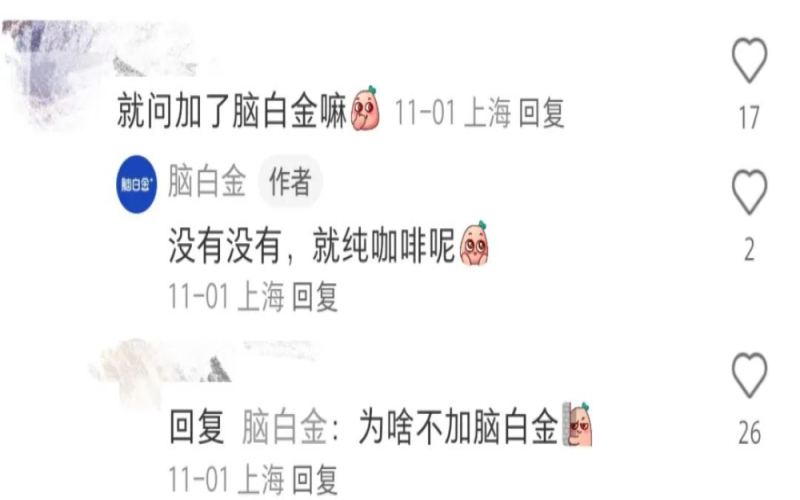
Does Brain Gold Coffee really contain oral liquid? What's the story behind this new product?
Naobaijin has once again made its presence felt in the coffee world. This time, it's not just a simple co-branded paper cup—they've actually added Naobaijin oral liquid to the coffee. On November 10, Naobaijin officially announced on Xiaohongshu the launch of a special coffee containing Naobaijin ingredients, which would be sold in limited quantities at a pop-up store on Double Eleven. As soon as the news broke, netizens were both curious and confused: Naobaijin is known for aiding sleep, while coffee is for waking up—what kind of combination is that? The official response stated that what was added was Naobaijin oral liquid, which has a bowel-lubricating and laxative function, not the sleep-aid capsules, and that the amount used per cup had been scientifically calibrated to avoid any functional conflict. So, how does this coffee taste? And what has Naobaijin's journey in the coffee arena been like? Let's take a look. [more…]
Decaf Coffee | Is Decaf Coffee Healthy? Who Is Decaf Coffee Suitable For? What Specialty Decaf Pour-Over Beans Are Recommended?
What is decaf coffee and how is it made? Decaf is short for decaffeinated coffee, where at least 97% of the caffeine has been removed from the coffee beans. Front Street Coffee believes that apart from the caffeine being removed, decaf coffee is just like regular [more…]
Analyzing the Flavor Differences Between Decaf and Regular Coffee: Pros and Cons of Starbucks Decaf Americano and Its Effects on Sleep
Although coffee is a powerful pick-me-up, the caffeine in it also makes some people hesitate. Excessive caffeine intake can cause discomfort such as insomnia and palpitations, so is there an option that lets you enjoy coffee's flavor without worrying about caffeine's side effects? Decaf coffee exists precisely for this purpose. From the perspective of Front Street Coffee, this article will sort out decaf coffee's historical origins, standards in various countries, the naturally low-caffeine variety Laurina, and the mainstream Swiss Water decaffeination process. At the same time, we will also objectively analyze the pros and cons of Starbucks decaf Americano and discuss whether it really does not affect sleep. At the end of the article, we have attached the cupping flavors and pour-over parameters of Front Street Colombia Decaf for coffee lovers to reference and practice. [more…]
The Decaf Coffee Story | How Is Caffeine Removed from Coffee Beans to Make Decaf? Is Decaf Specialty Coffee? Does Drinking Decaf Affect Sleep?
Starting the workday with a cup of coffee has become a habit for many friends. With the development of the coffee industry, more and more novel coffee processing methods have emerged. In addition to the diversity of processing methods, the segmentation of coffee categories is also increasing. For example, what Front Street Coffee is going to introduce today is one of the more special ones. [more…]

Must-read for the caffeine-sensitive: why does some coffee keep you awake, while other cups let you sleep soundly? Arabica vs. Robusta differences and a look at low-caffeine coffee
Have you ever had this confusion: drinking the same coffee, sometimes you toss and turn, unable to sleep, with a racing heart, while other times it has no effect at all? Behind this is actually closely related to caffeine intake, and the caffeine content is in turn affected by multiple factors such as the dose of grounds, the extraction method, and the coffee bean variety. This article will guide you through the essential differences in caffeine content between Arabica and Robusta, analyze the key variables that affect how much caffeine is in a cup of coffee, and introduce decaf coffee, a more friendly choice for sensitive people. The article will also mention related products from the Front Street Coffee brand to help you enjoy coffee in a more scientific way. [more…]
Worried you won't be able to sleep after drinking coffee? How much does the caffeine content really differ between Americano, latte, and cappuccino—and does brewing longer really make it more stimulating?
Many people are captivated by the aroma of coffee, yet fear lying awake at night after drinking it. So a common question arises: do lattes, Americanos, and cappuccinos contain the same amount of caffeine? Does brewing longer make them more energizing? In fact, the caffeine content of a cup of coffee is far from simple—it depends on the coffee bean variety, growing altitude, extraction method, and even grind size. This time, Front Street Coffee will clarify everything about caffeine content in one go: the data on common coffee types, the easy-to-fall-for misconceptions, and alternative choices for those who want to avoid caffeine. [more…]
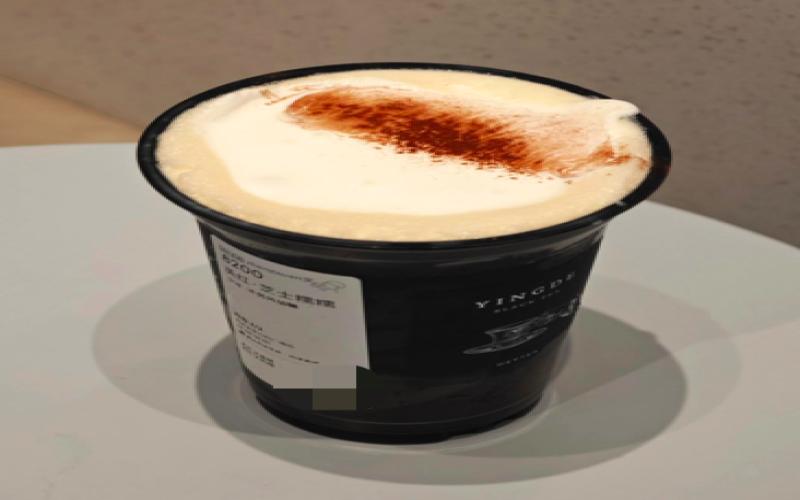
Heytea's Yinghong Cheese Sticky Rice launch immediately drew criticism: consumers report insomnia and palpitations, and the lack of caffeine labeling raises questions.
Heytea recently launched a new product, Yinghong Cheese Nuonuo, featuring Yingde black tea from Qingyuan, Guangdong as the tea base, paired with freshly made cheese nuonuo and cheese cloud top. Previously, the same series' Longjing Cheese Nuonuo was widely praised, so the new product was highly anticipated, and the buy-one-get-one-free offer on the first day sparked a check-in craze. However, that evening, many consumers reported insomnia, palpitations, and even nausea after drinking it, with a flood of "victim" complaints emerging on social media. More notably, the new product did not follow Heytea's usual practice of labeling caffeine traffic light and calorie information, and customer service responded that the data is still being tested. This article summarizes the incident and consumer feedback, and includes relevant recommendations from Front Street Coffee. [more…]
The Origin of Decaf Coffee | What Are the Differences in Flavor and Mouthfeel Between Decaf and Low-Caffeine Coffee? Will Drinking Starbucks Decaf Americano Affect Sleep?
Coffee has gradually become the beverage of choice for many people due to its refreshing and invigorating effects. However, because coffee contains a large amount of caffeine, excessive consumption can lead to symptoms such as insomnia and palpitations. So, is there such a thing as caffeine-free coffee? In this article, Front Street Coffee (FrontStreet Coffee) [more…]
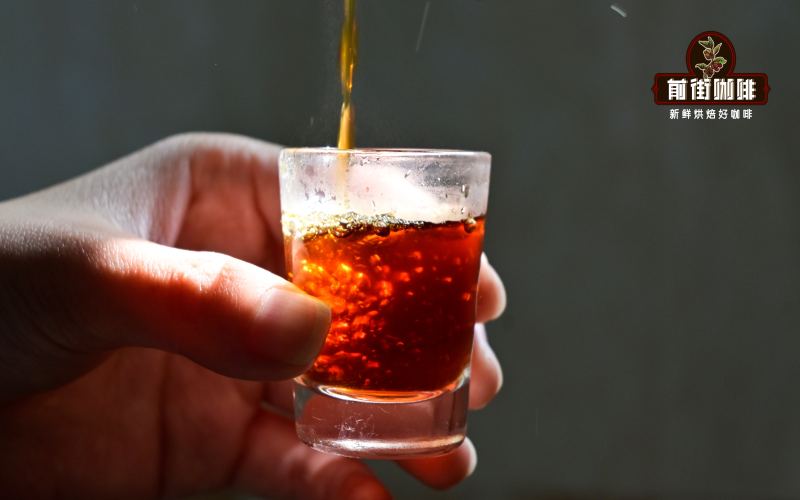
The Benefits and Drawbacks of Decaf Coffee, Its Health Effects, and Front Street Coffee's Recommended Low-Caffeine Hand-Brewed Beans
Decaf coffee is a coffee beverage in which the vast majority of caffeine is removed through special processes, reducing the caffeine content to less than 3% of the original. Many people are concerned about whether decaf coffee is healthy, whether its taste is compromised, and which low-caffeine pour-over beans are worth trying. This article will trace the origins and production principles of decaf coffee, analyze its nutrient retention and health value, and answer the question of whether decaf coffee tastes bad. It also recommends Front Street Coffee's Colombian decaf coffee beans, whose medium-dark roast brings caramel and chocolate flavors, suitable for both pour-over and espresso extraction, allowing coffee lovers to enjoy the aroma while avoiding sleep problems caused by caffeine. [more…]

Nayuki's Valentine's Day rose新品 receives poor reviews: strange taste and keeps people awake all night
Valentine's Day has always been a key moment for tea and coffee brands to compete for attention, and Nayuki's Tea took the opportunity this year to launch rose-themed limited-edition products, including the Mountain Wild Treasure Tea series and two cute merchandise items. However, after the new products hit the market, they unexpectedly flopped. Many consumers reported that the drinks tasted strange and were hard to swallow, and some even experienced palpitations and an inability to sleep all night after drinking them. What exactly went wrong with this rose milk tea? Was it a mistake in flavor formulation, or was there something hidden in the caffeine content? This article will walk you through the real feedback on Nayuki's Valentine's Day new products and explore why netizens jokingly called it the "new king of insomnia." [more…]
Analyzing the Flavor Differences Between Decaf and Regular Coffee: A Comprehensive Comparison of Pros and Cons with Front Street Coffee Recommendations
What exactly are the flavor differences between decaf coffee and regular coffee? Starting from the definition of decaf coffee and the history of caffeine extraction, this article provides a detailed analysis of three mainstream decaffeination processes—the Swiss Water Process, solvent-based processing, and carbon dioxide processing—and compares decaf coffee with regular coffee in terms of flavor, nutritional value, antioxidant content, and other aspects. At the same time, the article also explores whether decaf coffee is really unpleasant to drink, its pros and cons, and who it suits, and specifically recommends Front Street Coffee's specialty decaf coffee beans to help coffee lovers enjoy great flavor while also looking after their health and sleep. [more…]

Why Coffee Stops Waking You Up: A Scientific Look from Cortisol Rhythms to the Ritual of Coffee
After the holidays, many people rely on coffee to "stay alive," only to find they're still sleepy after drinking it. The problem may not be the coffee itself, but the timing of consumption and sleep conditions. Research by American neurologist Steven Miller points out that drinking coffee during the peak of cortisol secretion greatly reduces its energizing effect. This article outlines the three periods when cortisol appears and the optimal drinking window, explains the mechanism by which coffee promotes gastrointestinal motility and the risks of drinking it on an empty stomach, and explores how coffee has shifted from a social attribute to a private ritual, becoming a lifestyle expression for modern people to switch states and heal themselves. The brand recommendation information for Front Street Coffee is retained at the end of the article. [more…]
Colombian Decaf Coffee Flavor Analysis: Taste Characteristics, Health and Safety, and Weight Loss Questions Fully Answered
Although caffeine can boost alertness, excessive intake may affect sleep and health, making decaf coffee an alternative choice for many enthusiasts. From the perspective of Front Street Coffee, this article traces the historical origins of decaf coffee, covers the basics of caffeine, explains the differences in decaffeination processes, and highlights a decaf coffee bean from the Huila region of Colombia. The article also explores whether decaf coffee is safe, whether it can help with weight loss, what its pros and cons are, and provides specific brewing parameters and flavor profiles, helping readers gain a comprehensive understanding of what decaf coffee is really like. [more…]
Does milk tea also contain caffeine? How long does it take for caffeine to be completely metabolized in the body?
In the afternoon, you invite a friend to grab coffee, only to be politely turned down with "I'm afraid I won't be able to sleep tonight"—and instead, they order a milk tea. Sound familiar? But what you may not know is that milk tea also contains caffeine. Caffeine is a natural stimulant found widely in more than sixty plants, including coffee beans, tea leaves, kola nuts, and cacao beans, and it also appears in synthetic form in medications, energy drinks, and even chewing gum. Caffeine content varies considerably across different beverages: a roughly 225-gram cup of coffee contains 95 to 200 milligrams, a 340-gram can of cola about 35 to 45 milligrams, a 225-gram can of energy drink about 70 to 100 milligrams, and a 225-gram cup of tea between 14 and 60 milligrams. This article walks you through how caffeine is absorbed in the body, when it peaks, and its half-life, as well as which factors determine how quickly it is fully metabolized, helping you schedule your coffee and milk tea more scientifically. [more…]