







Because of its refreshing and alerting effects, coffee has gradually become the beverage of choice for many people. But because coffee contains a large amount of caffeine, excessive consumption can lead to insomnia, palpitations and other symptoms—so is there coffee that does not contain caffeine? In this article, Front Street Coffee would like to share with you adecaf coffeethat is very suitable for coffee lovers who should not drink large amounts of coffee.
The Origin of DecaffeinatedCoffee
The first person in history to extract caffeine from coffee was Runge, but he did not conduct further research on it or put it into commercial use; the first to commercialize decaffeination was the German Ludwig Roselius, who with his colleagues invented a decaffeination method in 1903 and applied for a patent in 1906. However, because their method used benzene as a solvent, this method is basically no longer used today.
What Is Decaf Coffee?
Decaf coffee refers to coffee with only a trace amount of caffeine, and the caffeine in a cup of decaf coffee must not exceed 5 mg (a typical 236 ml cup of coffee contains 50 mg to 200 mg of caffeine). Decaf coffee does not mean it contains no caffeine at all, and each country's standards fordecaf coffeeare also different. According to what Front Street Coffee has learned, under the standards of the U.S. Food and Drug Administration (FDA), the caffeine removal rate of decaf coffee must be no less than 97%; while the EU standard requires a caffeine removal rate of 99.9%.
Because natural decaf coffee is very rare, according to Front Street's understanding, the only naturaldecaf coffee varietyat present is Coffea Laurina, whose caffeine content is half that of ordinary Arabica (0.6%). Unlike other artificially processed decaf coffees, Coffea Laurina has a lower caffeine content than ordinary Arabica coffee trees due to genetic degradation, and it also has better flavor. However, Coffea Laurina has a very scarce yield and cannot meet people's demand, so many chemical techniques have appeared on the market to process coffee beans, turning normal coffee beans intodecaf coffee beans.
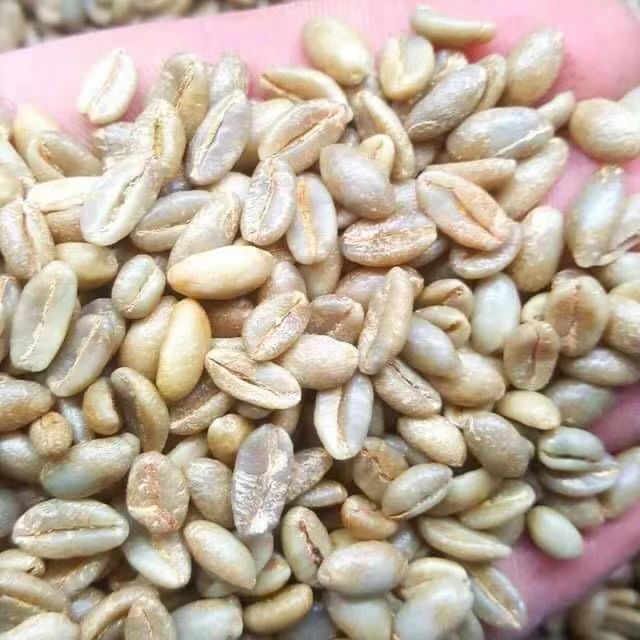
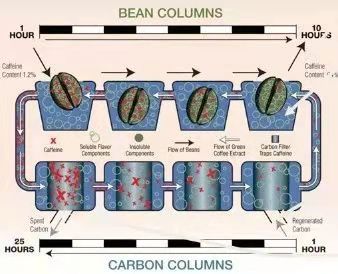
In recent years, the most commonly used method for extracting caffeine is the Swiss Water-Only Process, which is a commercially developed, highly efficient processing method. Its processing steps are:
Soak green coffee beans in hot water. In the Swiss Water-Only Process, this hot water is called "Flavor-charged Water." This water contains saturated flavor factors that should be present in all green coffee beans, with the sole exception of caffeine. This special water is the most important medium in the subsequent decaffeination process. After the flavor-charged water is formed, the coffee beans are filtered out. The flavor-charged water is then passed through an activated carbon filter to remove the caffeine, leaving hot water full of pure flavor factors. The filtered coffee beans are then soaked again in the hot water full of pure flavor factors, allowing the coffee beans to reabsorb the coffee flavor.
Perhaps the issue everyone cares about most is the taste of decaf coffee. According to what Front Street Coffee has learned, Starbucks also has decaf coffee. Starbucks has two kinds of coffee beans: one is regular coffee beans, and the other is decaf coffee beans. When a Starbucks counter staff member hears you say, "I want this cup of coffee made with decaf beans," they will put an "X" in the "Decaf" column on the Starbucks cup. Next time you go to Starbucks, you might want to give it a try.
The Pros and Cons of Caffeine
The emergence of decaf coffee has also made it a choice for lovers of low-caffeine diets. On the other hand, decaf coffee usually contains similar amounts of antioxidants as regular coffee. Therefore, decaf coffee both has an antioxidant effect and does not affect sleep, which regular coffee does not offer, and decaf coffee has also become another choice for many people.
Many people who have drunk decaf coffee also say that decaf coffee does not taste good. In fact, Front Street also sells decaf coffee beans. By paying attention to the habits of nearby customers, we have found that the reason everyone thinks decaf coffee does not taste good is that many decaf coffees choose cheap, commercial-grade coffee beans as their raw material.
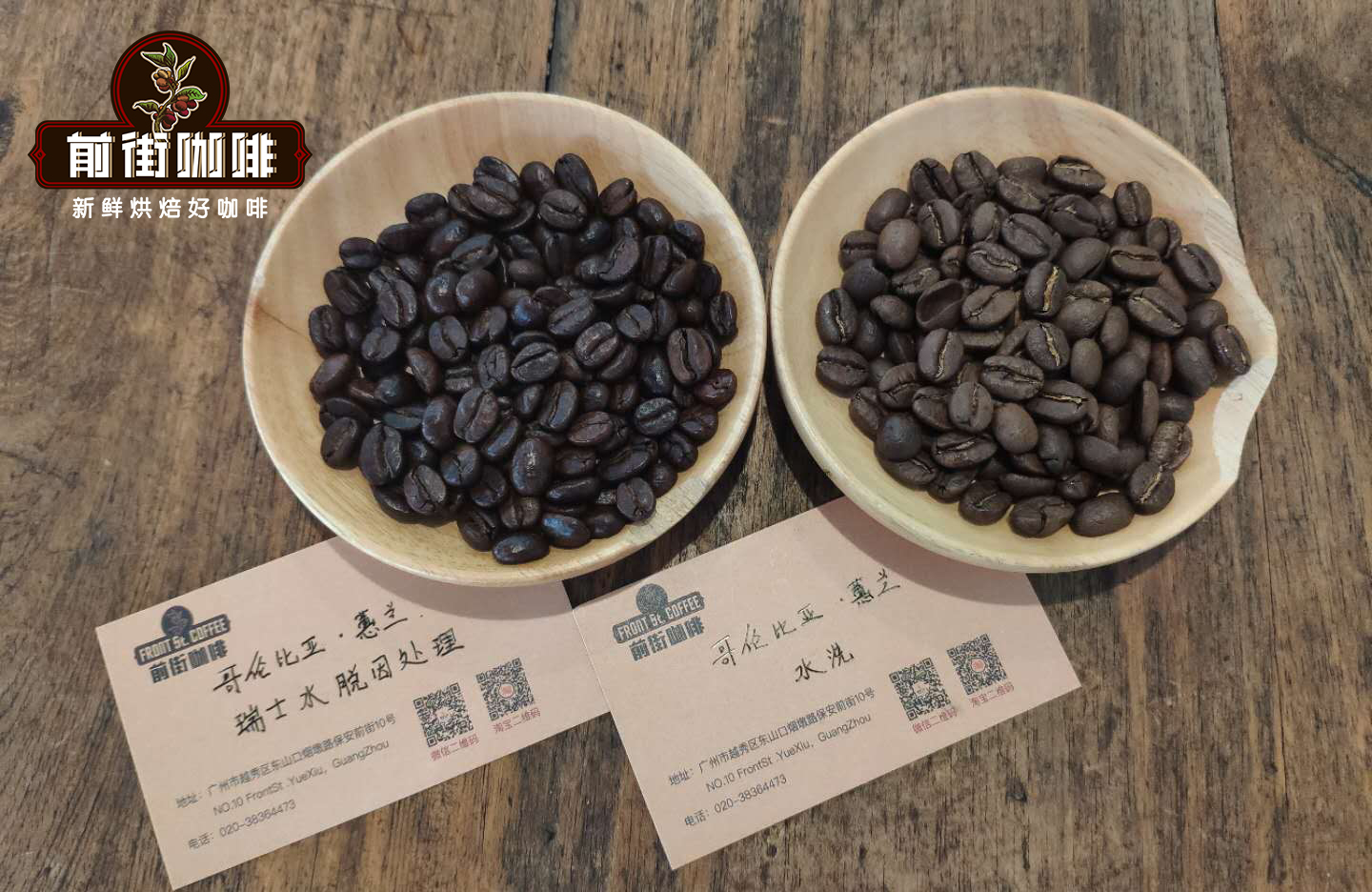
For example, many companies that produce decaf coffee naturally tend to choose coffee bean varieties with high caffeine content (such as Robusta beans) when selecting raw materials. Before decaf coffee beans undergo decaffeination, the coffee beans themselves already do not taste very good. Like other coffee beans sold in coffee shops, if decaf coffee beans start with high-quality Arabica coffee beans from the green bean stage, then even after decaffeination, decaf coffee can still perform very well.
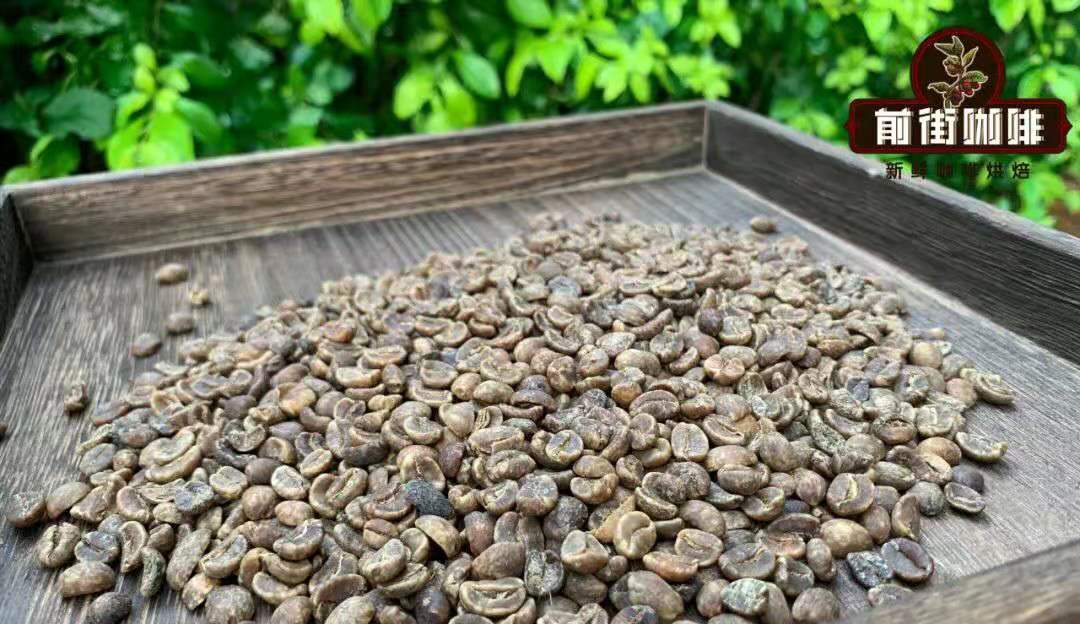
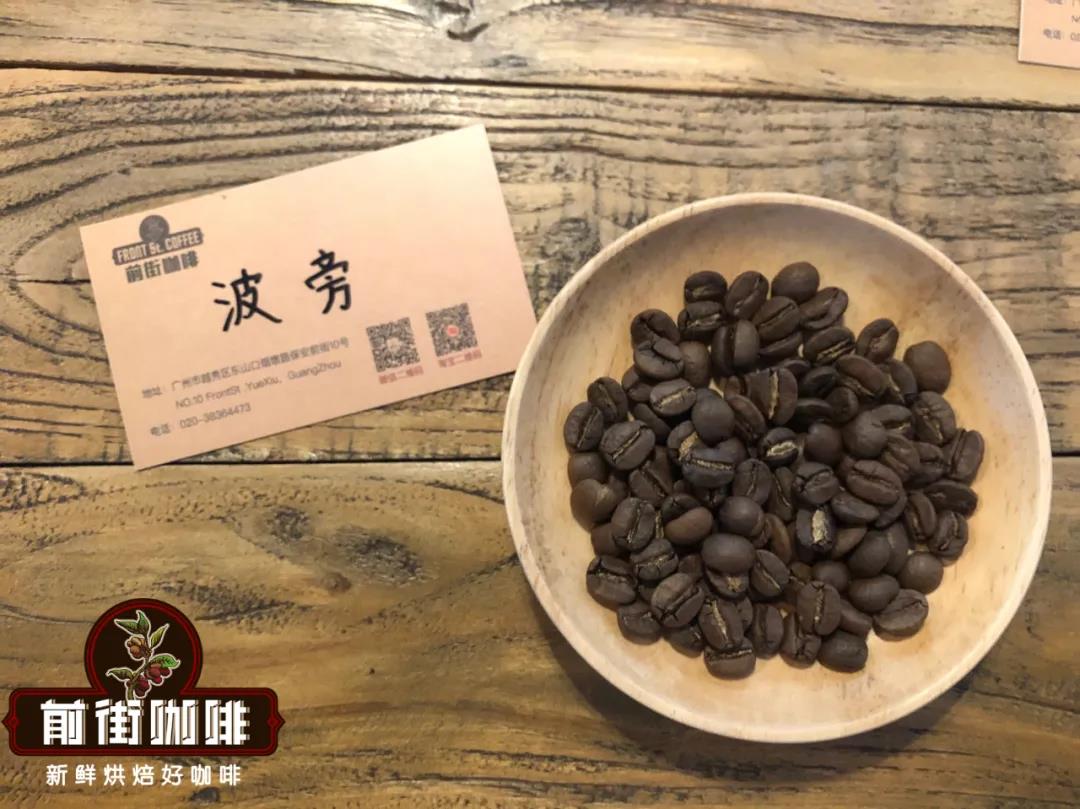
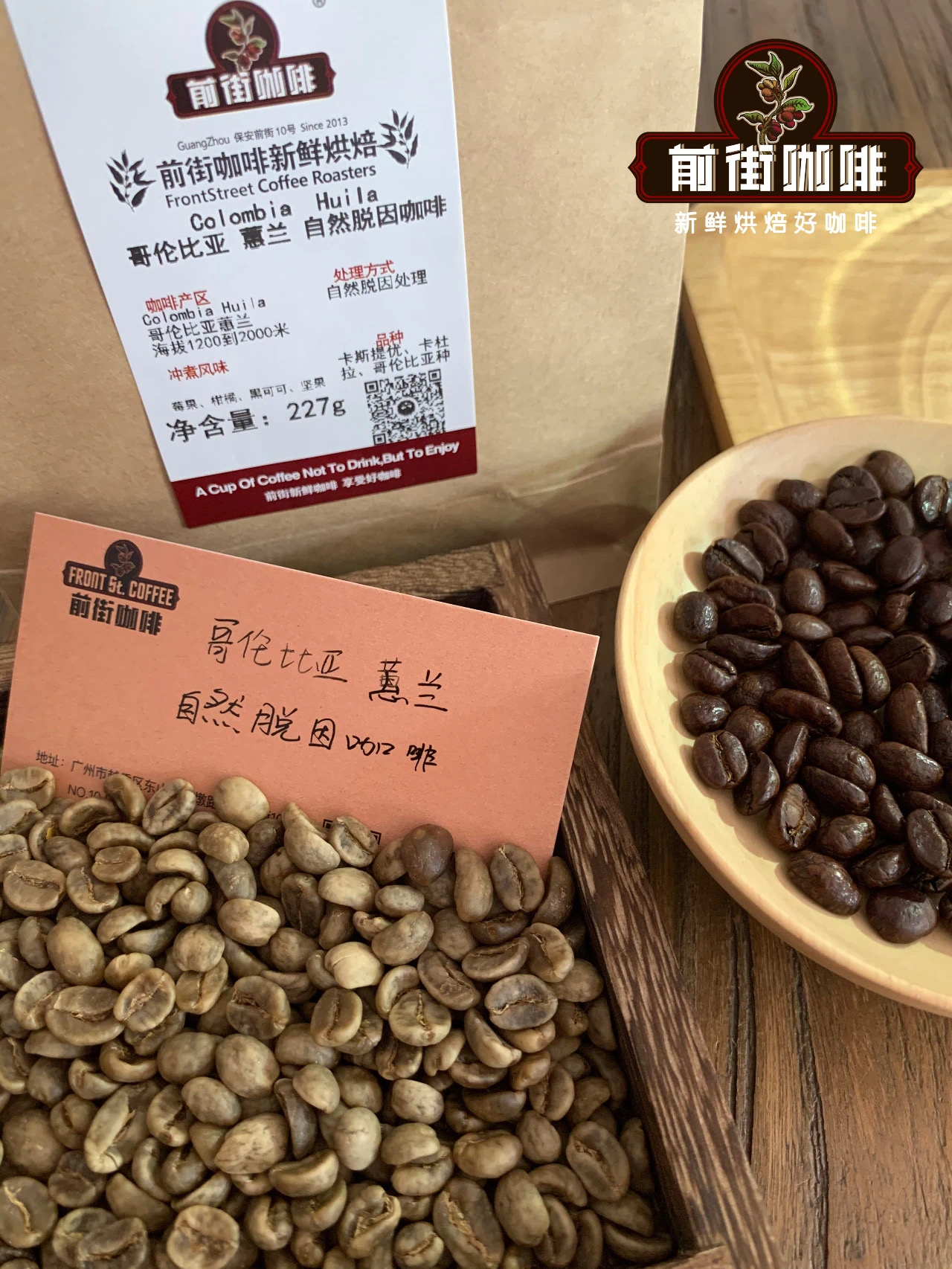
If everyone would like to try the taste ofdecaf coffee, you can taste it at Front Street Coffee. Front Street Coffee has a Colombian decaf coffee. When Front Street Coffee launched thisdecaf coffee, after multiple adjustments to the roasting curve, it conducted a cupping. The Front Street Coffee barista used a 200 ml standard cupping bowl, with 11.3 g of coffee grounds and a water temperature of 94°C, first grinding the coffee to smell the dry aroma. The dry aroma of this Colombian decaf coffee bean gives off black chocolate notes, then water is poured to fill the bowl to confirm the wet aroma. After 4 minutes, the crust is broken and skimmed for flavor evaluation. The wet aroma gives off a caramel-like sweetness. Its overall flavor is: berries, citrus, cocoa, nuts. Below is the brewing method for this decaf coffee:
Front Street Pour-Over Parameters to Share:
Dose: 15 g
Ratio: 1:15
Water temperature: 88°C
Grind size: coarse granulated sugar (75% pass rate on a No. 20 standard sieve)
Dripper: Kono dripper
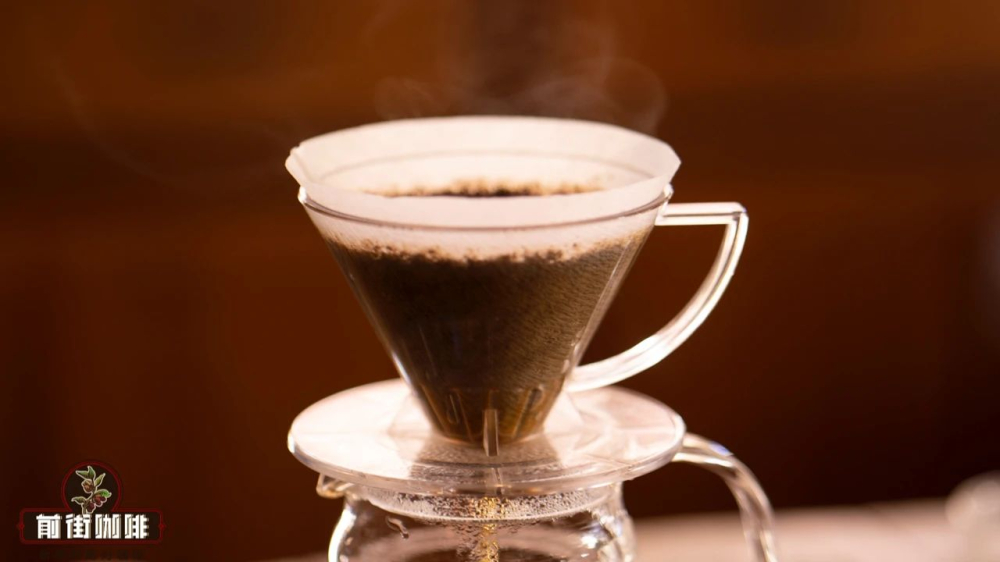
The brewing technique uses Front Street Coffee's commonly used three-stage extraction method:
1. Add the coffee grounds and pour in 30 ml of water to bloom for 30 seconds.
2. Then perform the second pour, gently circling to pour in 150 ml of hot water, pushing the coffee bed higher so that a golden foam surface forms on top.
3. Wait for the water level of the coffee bed to drop slightly, then pour in the final 45 ml. After all the coffee liquid has flowed into the server, remove the dripper to end the extraction. The extraction time is 2 minutes 10 seconds.
Professional Coffee Knowledge Exchange For more coffee bean information please follow Coffee Workshop (WeChat public accountcafe_style )
For more specialty coffee beans, please add the private WeChat of Front Street Coffee (FrontStreet Coffee), WeChat ID:kaixinguoguo0925
The above content is compiled by CoffeeHunters, a coffee news website.

