







Search Results for: sky-high price

Coffee Auctions: How BOP and COE Select Sky-High-Priced Beans
Every year, some coffee beans sell for jaw-dropping prices, sometimes with a single cup being hard to come by. These high-priced beans mostly come from auctions, among which BOP and COE are the two most closely watched platforms. How auctions actually work, and why they can fetch such high prices, is a fascinating entry point for understanding the specialty coffee ecosystem. BOP: Baha [more…]
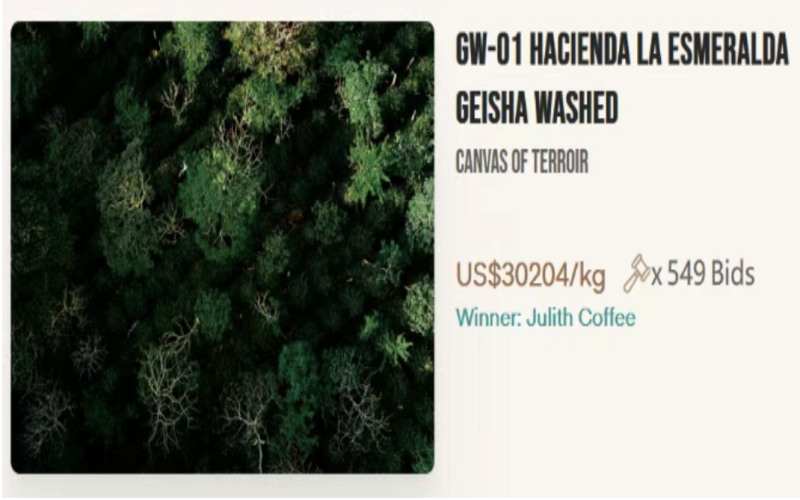
The Price of Panama BOP Geisha Reaches a New All-time High: Chinese Buyer JD Buys the BOP Geisha King for 3.4 Million RMB
A few days ago, the much-anticipated online bidding event of BOP (Best of Panama) in the coffee industry came to an end. At this top-level auction that attracts the attention of coffee lovers worldwide, the Geisha from the renowned Hacienda La Esmera [more…]
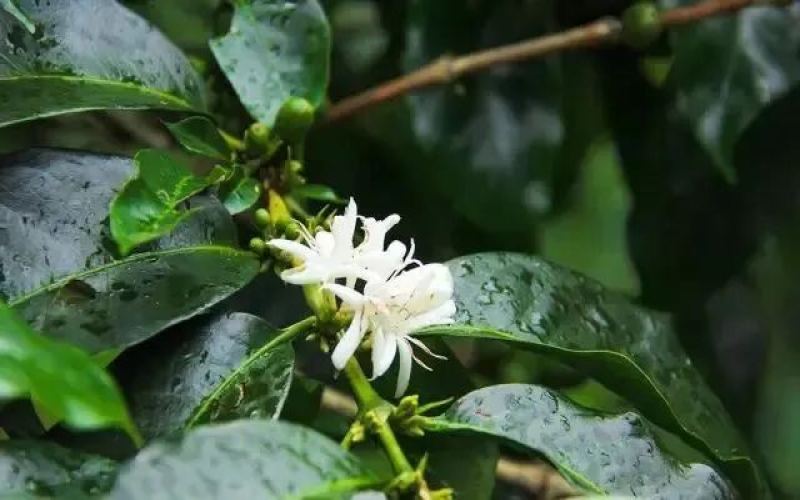
Specialty Coffee Variety Geisha | Is Panama the birthplace of Geisha coffee beans? What are the characteristics of Geisha? Light roast premium hand-brewed single-origin beans
Geisha refers to a coffee variety that originated in Ethiopia, the birthplace of coffee. After continuous selection, it made its way to Central and South America, rose to fame in Panama in 2004, and became hugely popular in the consumer market due to its signature flavor. Geisha green beans are slender in shape, and the roasted beans have strong fruity aroma characteristics, accompanied by [more…]
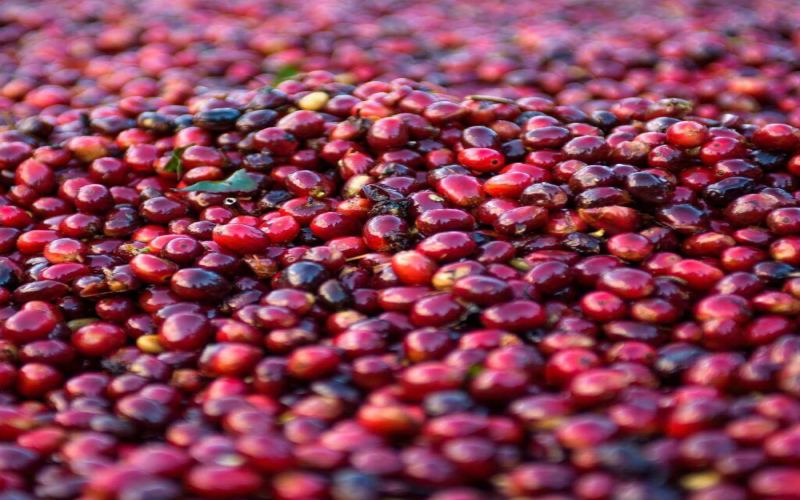
Geisha Drip Coffee | What kind of coffee bean is Geisha? What makes Geisha coffee special? Any recommendations for good, affordable Panama Geisha drip coffee bags?
As the most expensive coffee beans in the world, Geisha is now popular all over the world. Whenever specialty coffee is mentioned, Panama Geisha comes to mind. If coffee were personified, Panama Geisha would be the beautiful girl of the coffee world, surging with a warm current and diffusing a unique aroma, making countless coffee lovers unable to resist her. [more…]

Geisha Blend Introduction | Can You Taste Geisha in Panama Butterfly? Recommended High-Value Quality Panama Geisha Coffee Beans for Beginners
Panama is a Central American country, bordered by Costa Rica to the west and Colombia to the east. Anyone familiar with single-origin coffee should know that Panamanian coffee is famous in the coffee world for Hacienda La Esmeralda's Geisha. Thanks to its unique terroir and the growers' meticulous [more…]
Panama Boquete Geisha Coffee Beans: A Complete Flavor Analysis from Ethiopian Heirloom Variety to the New King of Specialty Coffee
While Jamaican Blue Mountain and Hawaiian Kona have long occupied the coffee throne, a dark horse from Ethiopia's native forests—Geisha—is rewriting the landscape of specialty coffee with hurricane force. This article takes you through Geisha's legendary journey from its discovery in 1931 to its dazzling rise at Hacienda La Esmeralda in Panama, recounting its glorious record of eleven championships and sky-high auction bids, and further, through hands-on testing with both pour-over and siphon extraction methods, deeply analyzing this bean's signature lemon-citrus aroma, honey-cream sweetness, and layer upon layer of oolong tea notes. Front Street Coffee will also share roasting and brewing insights to help you fully understand this green diamond capable of moving even the most seasoned connoisseur. [more…]
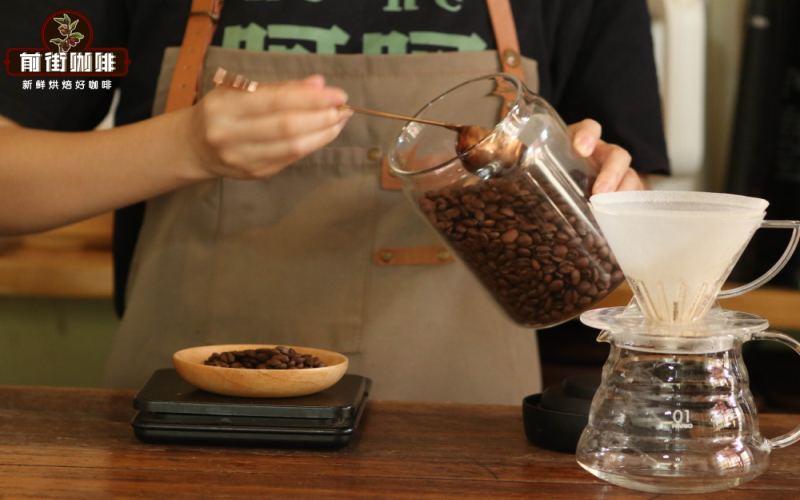
Medium-Roast Coffee Beans for Home Espresso Machines | Can Medium-Roast Beans Make Espresso? Which Single-Origin Beans Suit Espresso Machines?
For more specialty coffee knowledge, please follow: Front Street Coffee (Frontsteet Coffee) Is making pour-over coffee too tedious and troublesome? Then is there a convenient way to enjoy coffee similar to pour-over? Of course there is—Front Street recommends using an American-style drip coffee maker. Many people, upon hearing about Ame [more…]
Panama Elida Estate | What is Elida ASD Slow Anaerobic Natural Processing? Flavor Profile of Elida Catuai Coffee Beans and Pour-Over Coffee Extraction Parameters
Although the variety of beans displayed at Front Street's store isn't exactly extensive, it's not small either. There are always customers who, unsure how to choose, ask Front Street: "Which bean do you personally prefer?" Recently, customers have often asked Front Street this very question. To be honest, every bean has its own unique character. [more…]
The coffee futures price breaks $4,000! The hoarding of Vietnamese coffee, supply shortages, and market speculation.
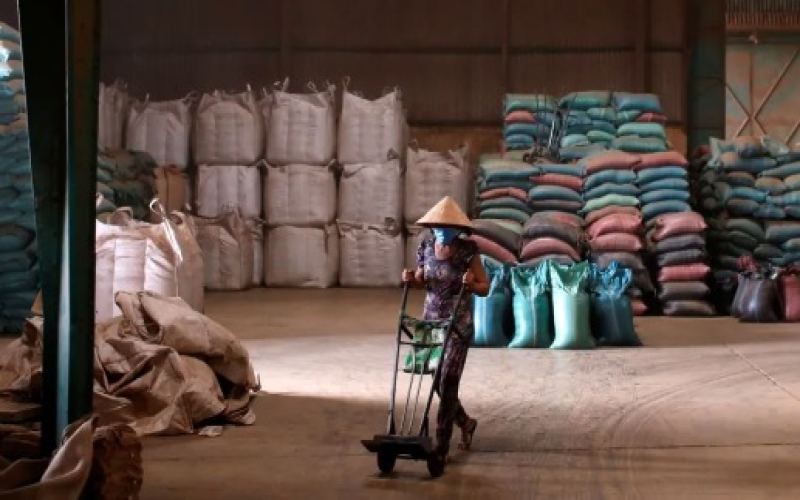
Recently, the Robusta coffee futures price has continued to rise, even reaching a record high of $4,339 per ton. At present, the latest pre-sale price of London Robusta futures in July is $4,239 per ton, and the pre-sale price at the end of September [more…]
Yunnan coffee bean purchase prices climb to 35 yuan per kilogram, ushering in a critical window for industry recovery
In the past two to three years, affected by the pandemic, the logistics and inventory of imported coffee beans encountered obstacles, while the price of Yunnan's local coffee beans gained upward support as a result, injecting a rare boon into local coffee enterprises. Looking back ten years, Yunnan coffee bean prices were depressed for a long time, and growers' confidence was shaken. Today, the purchase price of 35 yuan/kg has broken through historical levels. Hu Lu, deputy secretary-general of the Yunnan Coffee Industry Association, pointed out that this price is undoubtedly a shot in the arm for the Yunnan coffee industry, which is in a winter period. If this price level can be stably maintained for three to five years, the whole province is expected to set off a new round of planting enthusiasm. At the same time, the market expects this round of increases to continue until June or July, when Brazil and Colombia enter their harvest seasons, and changes in output may trigger a new round of fluctuations. Front Street Coffee reminds enthusiasts to pay attention to developments in producing areas and to grasp the dual changes in flavor and price. [more…]
Why is Geisha coffee beans so expensive? Understand the price of Geisha coffee beans.
Geisha has made a big splash in recent years, and under the pursuit of enthusiasts, its price seems to be creating a historical high every year. With this kind of information, exactly what price should the Geisha coffee beans you buy reach before it [more…]
Are Yunnan Pu'er coffee beans really unsalable? An analysis of the price per kilogram of small-bean coffee and the market truth
In April of this year, Yunnan's coffee industry was overshadowed by rumors of "unsold coffee beans," which once made coffee farmers and industry insiders uneasy. But what is the truth? The main production area of Pu'er has only 3,000 to 4,000 tons of coffee beans left, including some of poor quality. Truly high-quality beans are still in short supply, and quality is the most worrying issue behind this storm. This article takes an in-depth field visit to Pu'er, sorting out the quotation trends for small-bean coffee, the ins and outs of the unsold rumor, and the real situation of intermediaries and coffee farmers amid this price fluctuation, and talks with "Coffee Madman" Liu Minghui to restore the current situation and future of Yunnan coffee. [more…]
The Changing Landscape of Yunnan Small-Bean Coffee: Arabica Cultivation Status, Flavor Characteristics, and Future Trends
Yunnan's coffee planting area has climbed from over 300,000 mu in 2008 to more than 1.4 million mu today, with output once accounting for over 99% of the national total. Yet the expansion of the industry's scale has not been smooth sailing. Since 2012, international coffee futures prices have continued to decline, leaving Yunnan coffee farmers struggling at the edge of the cost line; the 2014 harvest season was hit by a triple blow of drought, cold damage, and the abandonment of harvesting, causing output to plummet from an expected 100,000 tons to less than 60,000 tons, while purchase prices, driven by factors such as drought in Brazil, saw their largest single-month increase in 20 years. Lincang, as an emerging main producing area, rose rapidly, and companies such as Lingfeng Coffee began implementing quality traceability systems. This article will review the cultivation situation, flavor characteristics, and future development trends of Yunnan Arabica coffee beans. [more…]
From Everyday Beans to Auction Lots: How Arabica Climbs the Price Ladder
Even though they are all labeled Arabica, coffee bean prices can differ by dozens or even hundreds of times. At one end of this price spectrum are commercial beans on store shelves, and at the other end are famous estate beans bid on per pound at auctions. Understanding what makes each level expensive will help you spend your money wisely and make it easier to find the tier that matches your taste. The entry level is commercial grade. [more…]
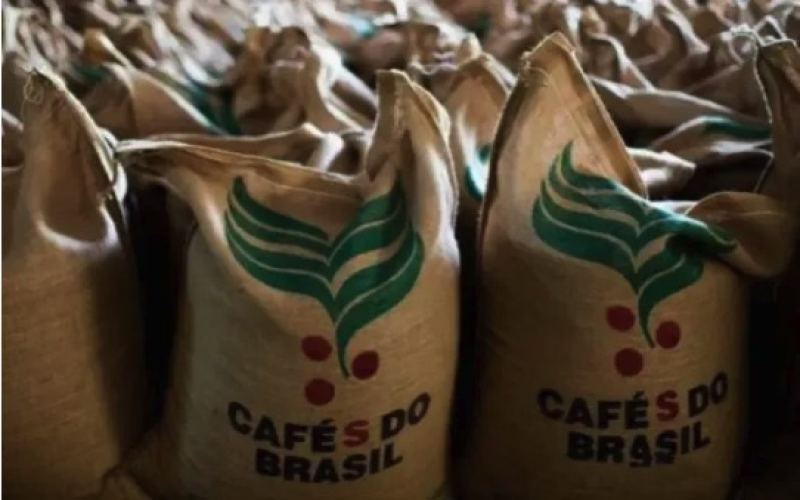
The rise in coffee prices has temporarily halted, and the market is concerned about the impact on US demand
According to CoffeeHunters(/), the upward trend in coffee futures prices seems to have temporarily halted last week. Market participants were hit by news from the US market and are worried that the price increase will curb demand in the United States [more…]
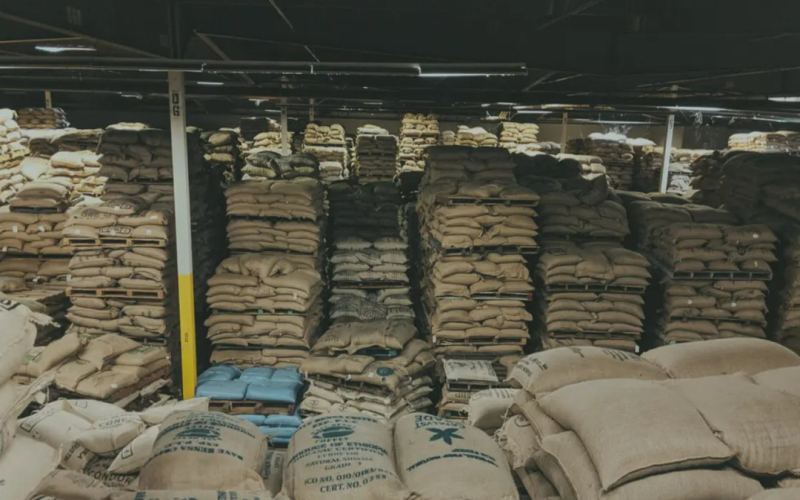
ICE certified stocks fall to a 26-year low, Brazilian coffee is being rushed to delivery warehouses—will Arabica prices come under pressure?
ICE-certified exchange stocks have fallen to a 26-year low of less than 220,000 bags, with large volumes of Brazilian arabica being shipped to delivery warehouses; meanwhile, a Reuters survey projects that arabica prices will fall 8.8% by the end of 2026, while robusta will rise 4.6%. How will stock rebuilding and El Niño weather shape the coffee market outlook? [more…]
A year-on-year increase of 13%! Indian coffee exports have surged but are still affected by the Red Sea crisis.
India is the earliest country in Asia to grow coffee, and its output ranks sixth in the world. Recently, the price of coffee has continued to rise. The reason for the rise in price is that Vietnam has suffered from heat waves and droughts, affecting [more…]
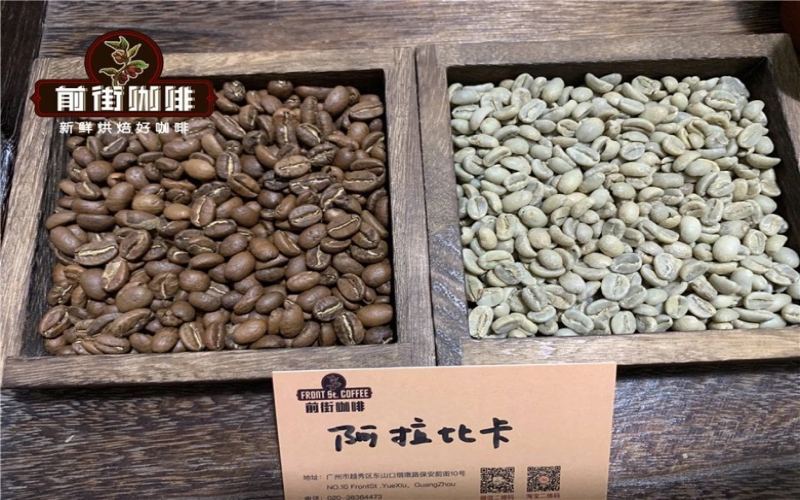
Yirgacheffe's Value-for-Money Options: The Price Gap Between Washed and Natural
A high-value-for-money choice in Yirgacheffe: the logic is to choose the right processing method and grade. The washed Gedeb Dingding is affordably priced with a complete citrus-and-floral framework—it's the standard answer for Yirgacheffe flavor. Although Panama Emerald Estate Red Label is a tier more expensive, the density of its jasmine and bergamot aromatics justifies the price difference—the two represent value for money [more…]

Pour-Over Coffee Beginner Essentials | How Much Does It Cost to Get a Full Pour-Over Coffee Setup? Which Pour-Over Kettles and Grinders Are Good for Coffee Newbies?
Friends who love coffee are certainly not satisfied with just drinking it—eventually they will want to enjoy the pleasure of brewing it themselves. The simplest way to achieve this goal is to get a set of pour-over equipment. Compared with espresso machines, the entry cost for pour-over coffee is much lower, but as your skills improve, the subsequent investment [more…]
Yirgacheffe High-Value Picks: Balancing Budget and Drinking Frequency
For everyday-priced Yirgacheffe coffee beans, simply memorizing a few names isn't enough. When buying beans for daily use, you need to consider how fast you'll drink them, how much to buy at once, and whether you'll mainly make black coffee or milk coffee at home. What's truly worth referencing is the sweet-to-sour ratio once it hits your palate, the body's thickness or thinness, and the lingering aftertaste once it cools—then, combined with your brewing habits, choose [more…]