







Search Results for: purchase price
Yunnan coffee bean purchase prices climb to 35 yuan per kilogram, ushering in a critical window for industry recovery
In the past two to three years, affected by the pandemic, the logistics and inventory of imported coffee beans encountered obstacles, while the price of Yunnan's local coffee beans gained upward support as a result, injecting a rare boon into local coffee enterprises. Looking back ten years, Yunnan coffee bean prices were depressed for a long time, and growers' confidence was shaken. Today, the purchase price of 35 yuan/kg has broken through historical levels. Hu Lu, deputy secretary-general of the Yunnan Coffee Industry Association, pointed out that this price is undoubtedly a shot in the arm for the Yunnan coffee industry, which is in a winter period. If this price level can be stably maintained for three to five years, the whole province is expected to set off a new round of planting enthusiasm. At the same time, the market expects this round of increases to continue until June or July, when Brazil and Colombia enter their harvest seasons, and changes in output may trigger a new round of fluctuations. Front Street Coffee reminds enthusiasts to pay attention to developments in producing areas and to grasp the dual changes in flavor and price. [more…]
Are Yunnan Pu'er coffee beans really unsalable? An analysis of the price per kilogram of small-bean coffee and the market truth
In April of this year, Yunnan's coffee industry was overshadowed by rumors of "unsold coffee beans," which once made coffee farmers and industry insiders uneasy. But what is the truth? The main production area of Pu'er has only 3,000 to 4,000 tons of coffee beans left, including some of poor quality. Truly high-quality beans are still in short supply, and quality is the most worrying issue behind this storm. This article takes an in-depth field visit to Pu'er, sorting out the quotation trends for small-bean coffee, the ins and outs of the unsold rumor, and the real situation of intermediaries and coffee farmers amid this price fluctuation, and talks with "Coffee Madman" Liu Minghui to restore the current situation and future of Yunnan coffee. [more…]
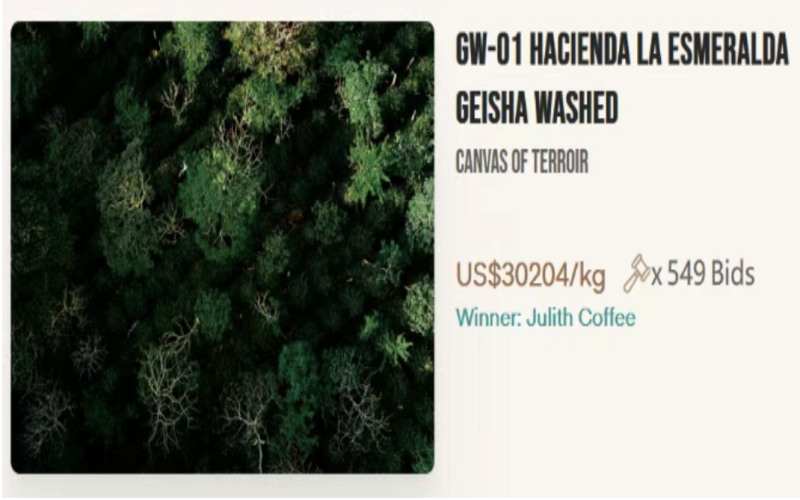
The Price of Panama BOP Geisha Reaches a New All-time High: Chinese Buyer JD Buys the BOP Geisha King for 3.4 Million RMB
A few days ago, the much-anticipated online bidding event of BOP (Best of Panama) in the coffee industry came to an end. At this top-level auction that attracts the attention of coffee lovers worldwide, the Geisha from the renowned Hacienda La Esmera [more…]
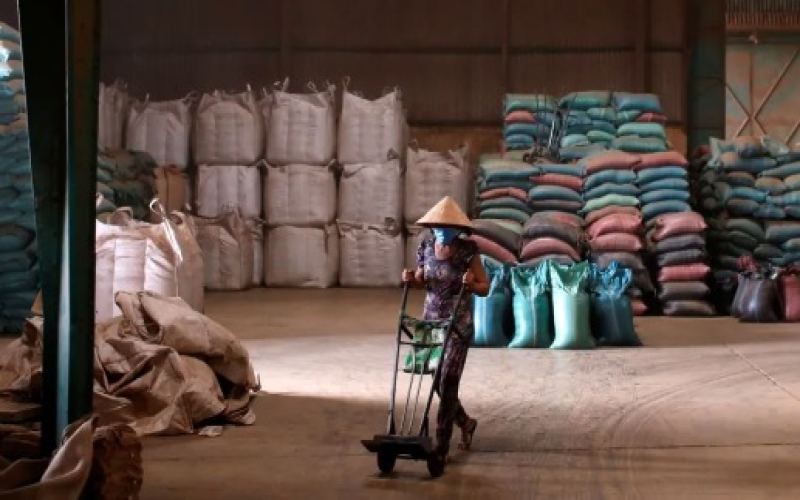
The coffee futures price breaks $4,000! The hoarding of Vietnamese coffee, supply shortages, and market speculation.
Recently, the Robusta coffee futures price has continued to rise, even reaching a record high of $4,339 per ton. At present, the latest pre-sale price of London Robusta futures in July is $4,239 per ton, and the pre-sale price at the end of September [more…]
The Changing Landscape of Yunnan Small-Bean Coffee: Arabica Cultivation Status, Flavor Characteristics, and Future Trends
Yunnan's coffee planting area has climbed from over 300,000 mu in 2008 to more than 1.4 million mu today, with output once accounting for over 99% of the national total. Yet the expansion of the industry's scale has not been smooth sailing. Since 2012, international coffee futures prices have continued to decline, leaving Yunnan coffee farmers struggling at the edge of the cost line; the 2014 harvest season was hit by a triple blow of drought, cold damage, and the abandonment of harvesting, causing output to plummet from an expected 100,000 tons to less than 60,000 tons, while purchase prices, driven by factors such as drought in Brazil, saw their largest single-month increase in 20 years. Lincang, as an emerging main producing area, rose rapidly, and companies such as Lingfeng Coffee began implementing quality traceability systems. This article will review the cultivation situation, flavor characteristics, and future development trends of Yunnan Arabica coffee beans. [more…]
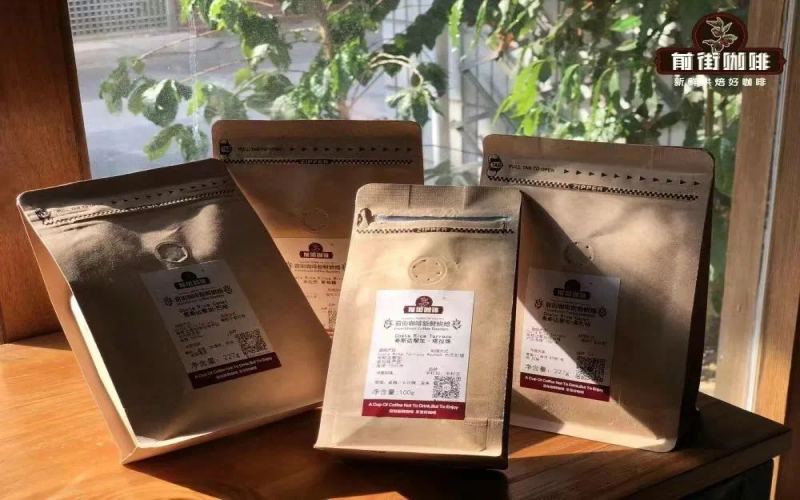
Roasted Coffee Bean Brands | Should Beginners Buy Coffee Beans or Ground Coffee? Recommended Coffee Brands Chosen by Seasoned Coffee Enthusiasts
In recent years, the growth trend of coffee shops on Taobao can absolutely be described as explosive. We can roughly divide them into several categories, and without exaggeration or bias, we've selected the standout among them for your reference. 1. Guangzhou's time-honored coffee bean roasting brand: Front Street Coffee, features: tasty, cheap, and high quality. Front Street Coffee is a specialty coffee bean store. [more…]
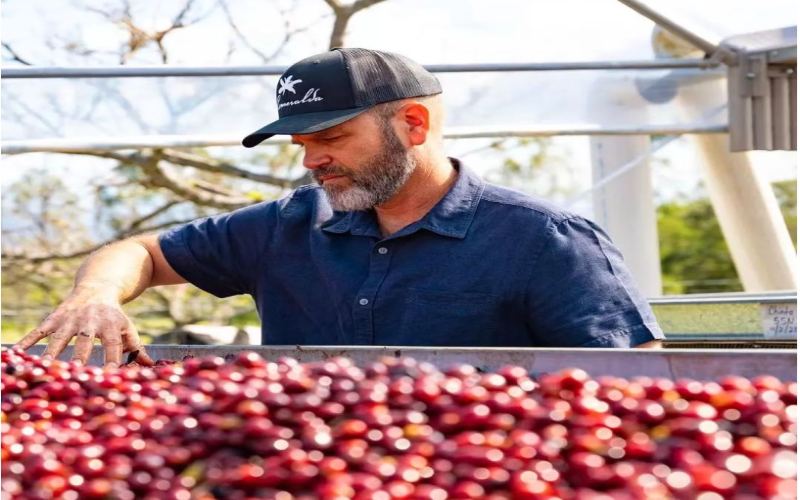
Why is Geisha coffee beans so expensive? Understand the price of Geisha coffee beans.
Geisha has made a big splash in recent years, and under the pursuit of enthusiasts, its price seems to be creating a historical high every year. With this kind of information, exactly what price should the Geisha coffee beans you buy reach before it [more…]
A Detailed Guide to Jamaican Blue Mountain Coffee Grades: Grade 1, Grade 2, Grade 3 Specifications and Authentic Price Reference
Jamaican Blue Mountain coffee is world-renowned for its unique flavor and strict controls. Jamaican law stipulates that only coffee beans grown in the Blue Mountain region may bear the name "Blue Mountain." High-grade Blue Mountain coffee is divided into three grades—No. 1, No. 2, and No. 3—corresponding respectively to screen size standards of 17–18 mesh and above, 16 mesh, and 15 mesh. The green beans of all three grades must be packed into wooden barrels for export, with the barrel bearing the estate name, importer's abbreviation, and batch information, along with a government-certified green certificate of origin. Understanding these grades and export regulations helps coffee enthusiasts verify authenticity and make informed purchases of genuine Blue Mountain coffee. Front Street Coffee recommends that consumers pay attention to the roast level and packaging format to judge the true quality of the Blue Mountain coffee in their hands. [more…]
The Cafe Owner's Espresso Bean Shopping List: How to Pair Four Blends for Maximum Peace of Mind
For opening a coffee shop, espresso beans are the ingredient used in the largest quantity and have the greatest impact on product consistency. Choose wrong, and either costs spiral out of control or your drinks lack distinction; choose right, and a single machine can support most of the menu. Today, from the perspective of a shop owner, let's clearly explain the positioning and pairing plans for Front Street Coffee's four espresso blends. First, let's clarify: [more…]
The Varietal Characteristics of Yunnan Pu'er Small-Bean Coffee and Its Path to Industry Rise
Pu'er, a city that changed its name because of Pu'er tea, is now entering the public eye with a new identity as the "Coffee Capital of China." The Tropic of Cancer passes through it, placing it on the same latitude as Cuba, the kingdom of coffee, and its exceptional climate conditions make it an ideal growing region for Arabica coffee. From Nestlé's arrival and layout in 1988 to today, when international giants such as Starbucks and Kraft are competing to purchase its beans, Pu'er's coffee industry has gone through more than thirty years. Through vivid details such as coffee farmer Zhang Kui's cultivation story, technical assistance from international experts, and cup quality control, this article presents the varietal advantages, current state of the industry, and future business opportunities of Pu'er Arabica coffee, while also introducing Front Street Coffee's continued attention to and recommendations for Yunnan coffee. [more…]
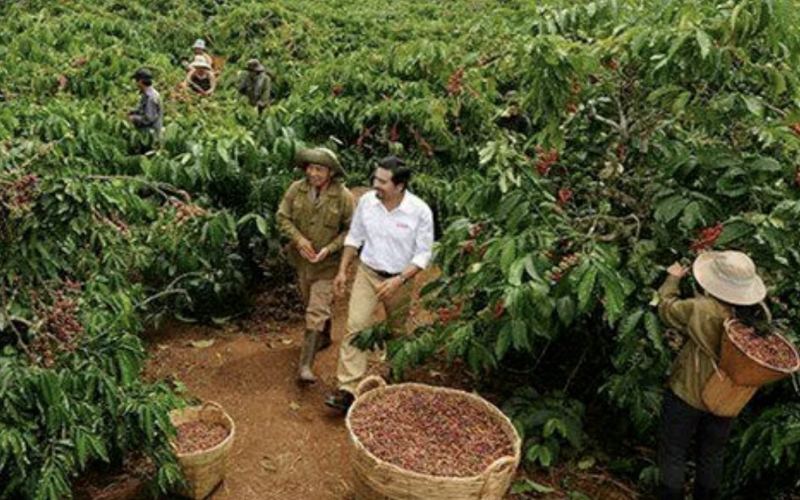
Climate impact: Vietnam Robusta will reduce production by 20%.
As the world's largest Robusta coffee producer, Vietnam's recent decline in coffee production has led to a more than 50% increase in the London Robusta coffee futures price in the past year. At the same time, the coffee purchase price in Vietnam is a [more…]

From Origin to Bar: A Green Bean Sourcing Perspective on Commercial Blends
A cup of commercial espresso at the bar has its origins thousands of kilometers away at the source. Blending is not as simple as pouring several bags of roasted beans together and mixing them evenly—a professional roaster's blend is designed from the moment green beans are purchased. Understanding this upstream perspective can help shop owners see through many of the "whys" when selecting beans. The starting point of a blend is the recipe definition. [more…]
The Origin of Jamaican Blue Mountain | How Can Coffee Beginners Identify Authentic Blue Mountain Coffee? What Are the Flavor Characteristics of Blue Mountain No. 1 Coffee Beans?
Recently, a friend asked Front Street whether those large bags of Blue Mountain coffee sold online for just a few dozen yuan are real. Indeed, because the prestige of Blue Mountain coffee is so great, counterfeit products keep emerging. So Front Street will teach everyone how to identify authentic Blue Mountain coffee beans. What counts as authentic Blue Mountain coffee beans? Authentic Blue Mountain coffee must be made from coffee beans. [more…]
Sourcing commercial beans: factor delivery lead time into your costs first
Many new shop owners only look at the price per kilogram when calculating bean costs, but they never factor in the cost of a supply cut-off. On a certain Sunday afternoon, the beans in the grinder ran out, the warehouse was empty, and what would they use to serve drinks during the next morning rush? Choosing commercial beans is half about flavor and half about supply. Flavor can be selected through tasting, but supply, however, [more…]
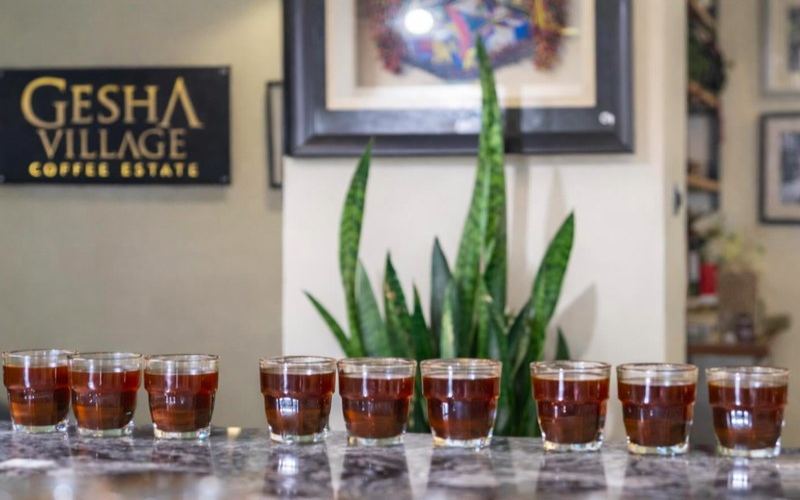
The Authentic Blue Mountain Flavor Window: Buy Beans by Roast Date
The aroma of Blue Mountain coffee is very delicate, commonly featuring notes of nuts, cocoa, floral, and soft fruit acidity, with sweetness gradually emerging as the temperature drops. If you want to enjoy authentic Jamaican Blue Mountain at a reasonable price, you shouldn't focus only on the name of the origin or the packaging design, but also on when it was roasted, when it was opened, and how soon you plan to finish drinking it. First, distinguish " [more…]
Blue Mountain Coffee Brand | What is the Jamaican Blue Mountain green bean grading system? How to describe the flavor characteristics of washed Blue Mountain No. 1?
Recently, a friend asked Front Street whether those large bags of Blue Mountain coffee sold online for just a few dozen yuan are real. Indeed, because the fame of Blue Mountain coffee is so widespread, counterfeit products keep popping up. So Front Street is here to teach everyone how to identify authentic Blue Mountain coffee beans. What counts as authentic Blue Mountain coffee beans? Authentic Blue Mountain coffee must use coffee beans [more…]
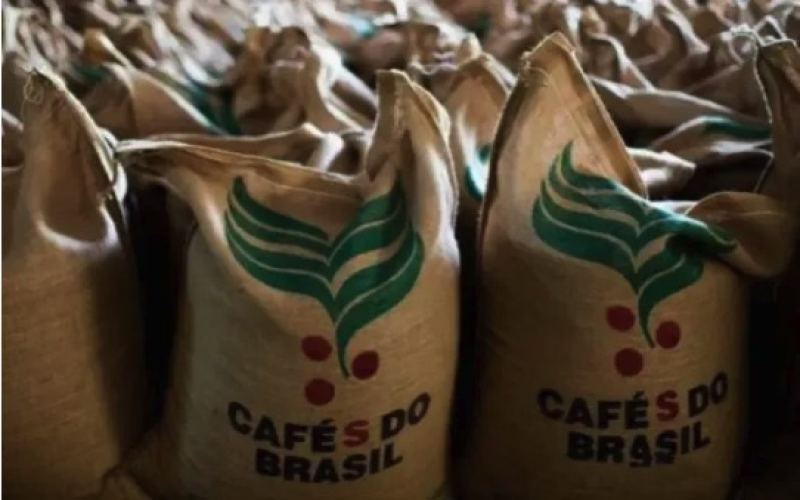
The rise in coffee prices has temporarily halted, and the market is concerned about the impact on US demand
According to CoffeeHunters(/), the upward trend in coffee futures prices seems to have temporarily halted last week. Market participants were hit by news from the US market and are worried that the price increase will curb demand in the United States [more…]
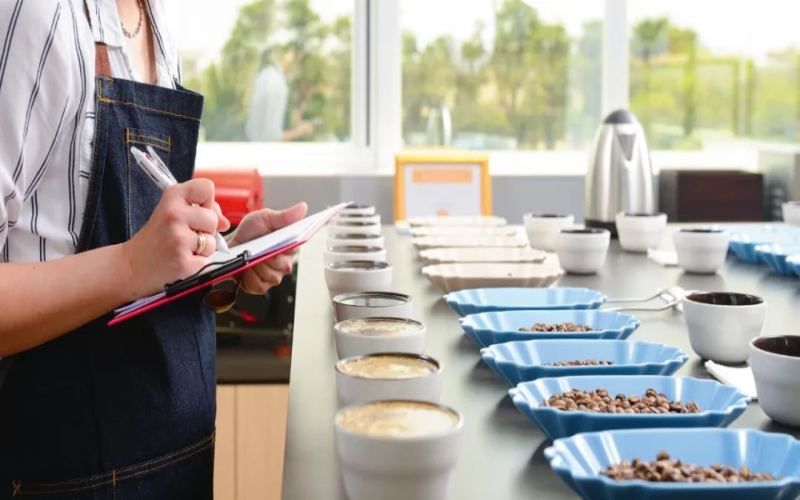
Specialty Coffee | What is the difference between specialty coffee and commercial coffee? What is the SCA definition of specialty coffee? Characteristics of specialty coffee and cupping score
In coffee history, the specialty coffee wave and its three waves form the basic understanding people have of coffee. People often compare and contrast specialty coffee beans with commercial coffee beans, as if the two were opposites. So what are the differences and connections between them? To understand the differences between the two, we must first understand specialty coffee's [more…]
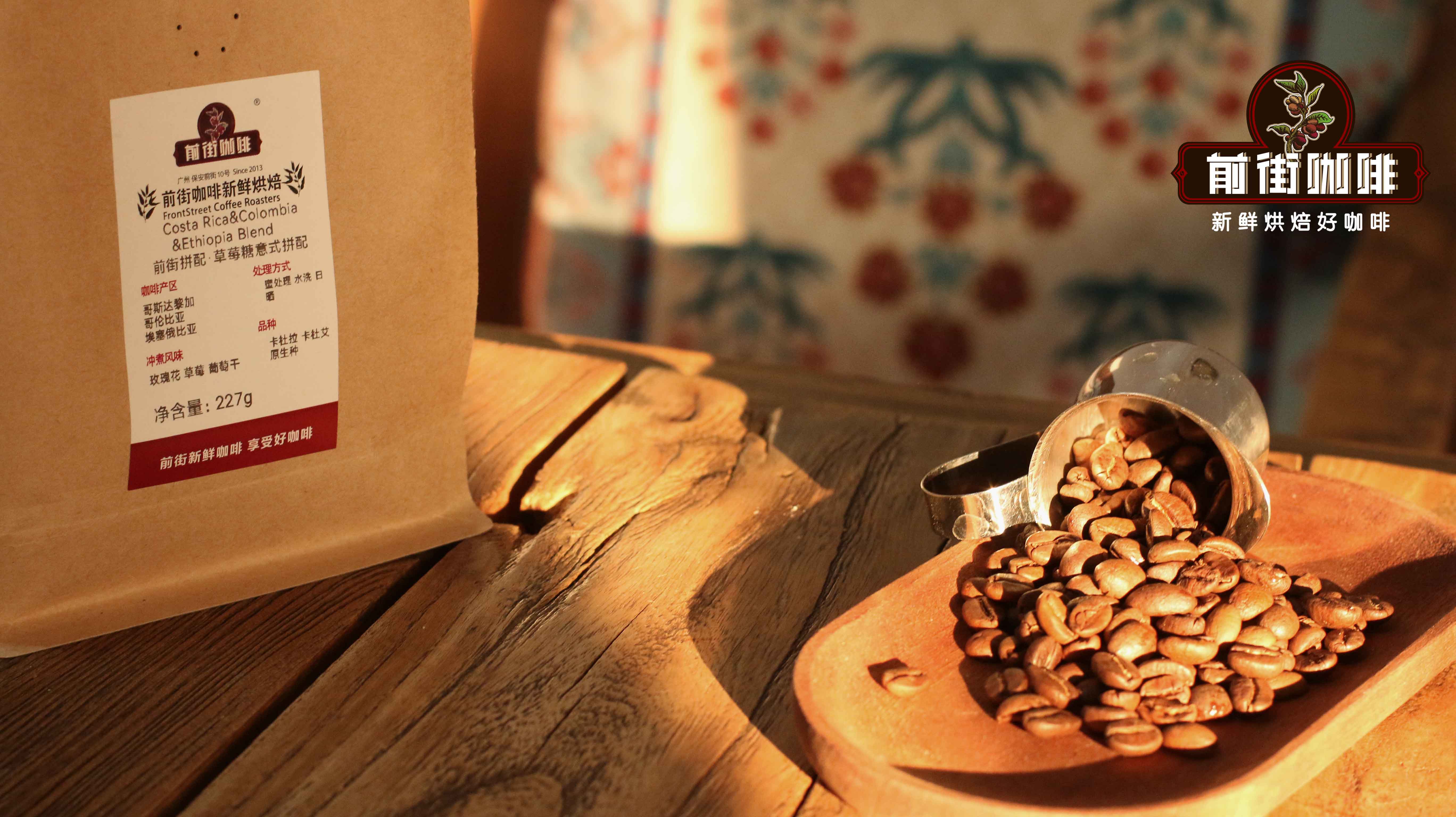
Recommended espresso blend coffee beans for home use | Do blend beans make good espresso? Recommended blend coffee beans for Americano and latte with home coffee machines
Coffee blending requires two or more single-origin coffees, and a good blend can become the "signature" of a café or coffee brand, and a blended coffee that can become a "signature" must taste delicious and leave a deep impression. Compared to single-origin coffee, blends can produce a rounder and more [more…]
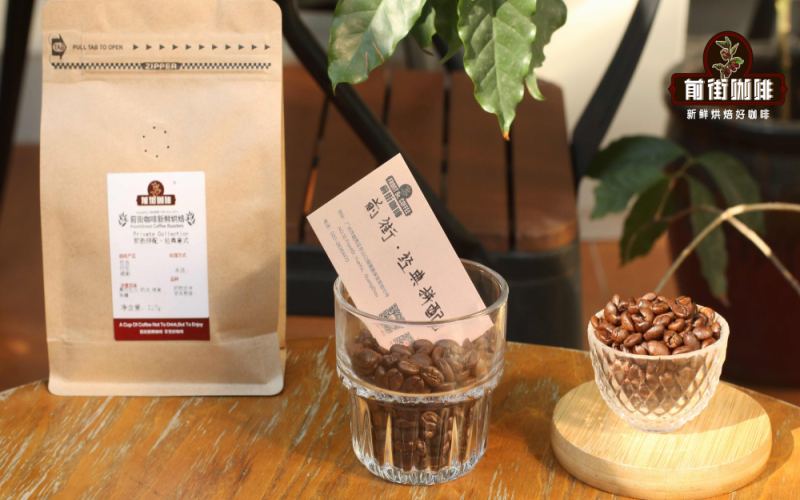
Espresso Characteristics | What Are the Advantages of Using Blends and Single-Origin Beans for Espresso? Recommended High-Value, Tasty, Not-Bitter Home Espresso Beans
The biggest characteristic of espresso is its rich and mellow flavor. Even after adding milk/water, the coffee taste remains prominent. Additionally, because espresso machines use a pressurized extraction method with a short extraction time, freshly roasted medium-dark roast blended coffee beans are preferred. These not only provide ample crema but also bring rich roasted aromas to the espresso, thereby [more…]