







Search Results for: production date
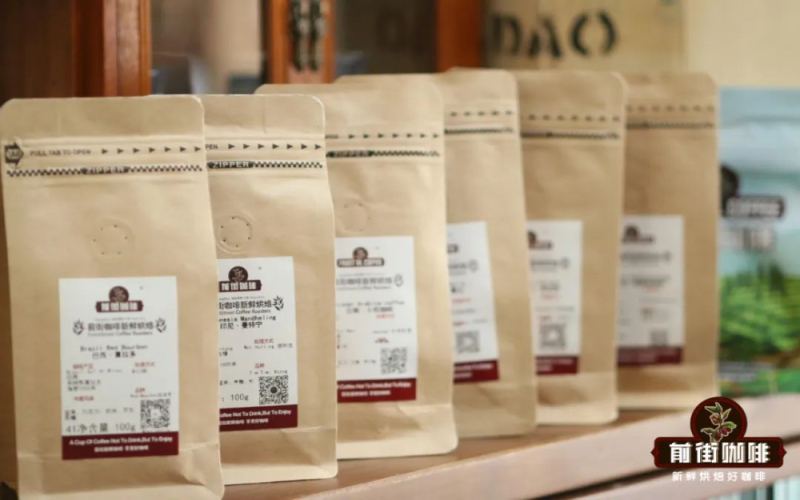
What's the difference between coffee bean shelf life and peak flavor period? An analysis of how production date affects flavor and the necessity of resting beans
Have you ever paid attention to the expiration date and production date on a bag of coffee beans? For specialty coffee, focusing only on the food-safety expiration date is not enough—we care more about the peak period of coffee flavor, the "prime tasting window." During this window, the aromatic characteristics of the coffee beans are fully expressed, rather than the coffee simply being a safe drink. At the same time, opinions vary widely on the "resting period" for beans: some suggest drinking them as soon as you receive them, while others insist on waiting several days. This article will start from the relationships among the expiration date, the prime tasting window, the production date, and the resting period to help you clarify these concepts, and will share Front Street Coffee's practical recommendations, so you can more confidently judge when to enjoy a good cup of coffee. [more…]
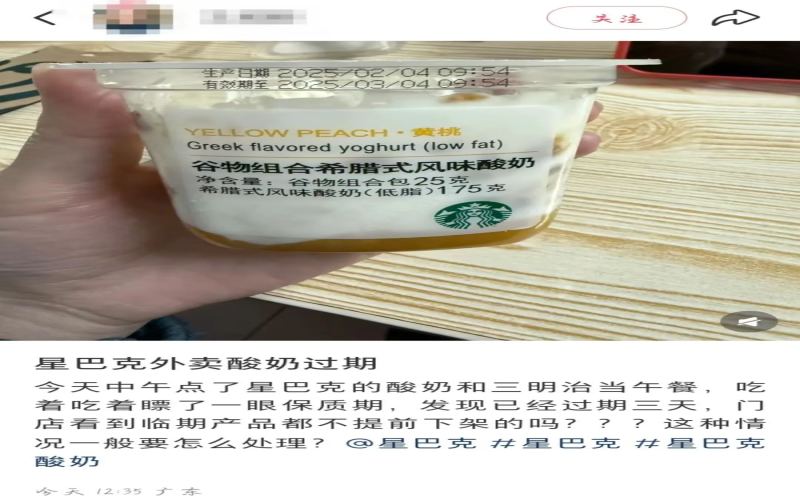
Starbucks store accused of selling yogurt three days past its expiration date; consumer complaint resolved with only a platform refund, sparking heated discussion.
Recently, a consumer posted on social media reporting that when ordering lunch through a third-party delivery platform at a Starbucks store, they received a box of yellow peach-flavored Greek-style yogurt with a grain mix that was three days past its expiration date. During consumption, the customer noticed that the date code on the packaging showed an expiration date of March 4, while the day of receipt was already March 7. The incident quickly drew netizens' attention, with many suggesting keeping evidence and filing complaints through official channels to defend their rights. However, after the customer contacted Starbucks customer service, the reply was that because the order was placed through a third-party platform, only the platform could handle the refund. This response left onlooking netizens dissatisfied, as they felt the brand showed little concern for the store's mistake. As of press time, the individual has filed a complaint on the 12315 platform, but the outcome has not yet been announced. [more…]
Can Expired Coffee Beans Still Be Drunk? A Look at Freshness, Peak Flavor, and Flavor Loss Patterns Based on Roast Date
When buying coffee beans, many people habitually check the production date and expiration date, but for roasted coffee beans, the roast date is what really matters. The shelf life is usually six months to a year, and at a normal rate of consumption, the beans are rarely kept until they actually expire. But once coffee beans have been stored too long, the aroma fades, the taste deteriorates, and a musty odor may even develop—at which point they are no longer suitable for drinking. This article examines how long it takes for coffee beans to go stale—covering coffee spoilage, shelf life, the differences between light and dark roasts, the resting period and the peak flavor window—and explains why Front Street Coffee chooses to ship around 5 weeks after roasting, helping you enjoy good flavor at the optimal time. [more…]

Coffee Bean Resting | How Long Is the Shelf Life of Freshly Roasted Coffee Beans? How Many Days Should Single-Origin Beans Rest for Pour-Over? How Soon After Roasting Can You Drink Coffee Beans?
In the past, when buying food, we would always check the production date and then look at the expiration date, because it is common sense to avoid eating food that has passed its expiration date. But when it comes to coffee beans, the production date refers to the roast date, that is, the point when the green coffee beans are roasted. However, when we pay attention to this roast date, [more…]
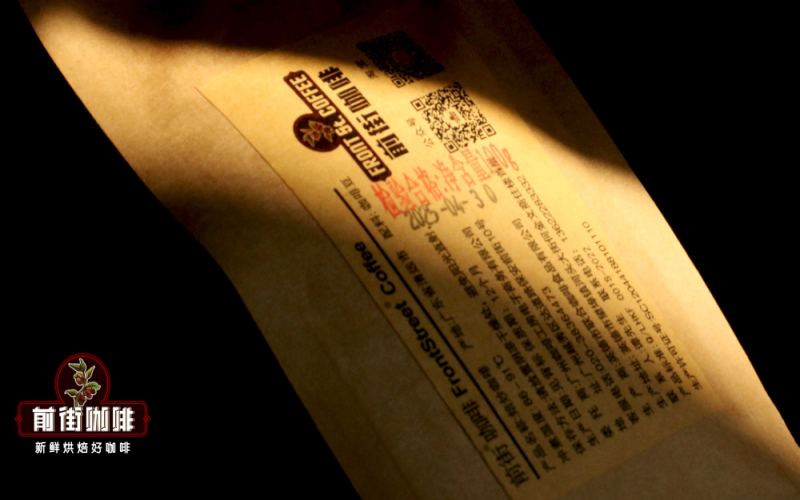
How to Read Coffee Bean Roast Dates? A Full Guide to Resting Period and Optimal Flavor Window, Differing for Light and Dark Roasts
When buying coffee beans, have you ever noticed the roast date on the packaging? This date is not used to judge whether the coffee has expired like ordinary food—roasted coffee beans typically have a shelf life of six months to a year, and what truly matters is when they reach their peak flavor. Freshly roasted beans degas vigorously, and carbon dioxide hinders extraction; leave them too long and the floral and fruity aromas dissipate, leaving only a woody taste. That is why light-roasted single-origin beans and dark-roasted espresso beans each have their own preferred resting periods. This article will walk you through the flavor logic behind the roast date, help you master the optimal drinking window for coffee beans, and show you how Front Street Coffee manages its shipping schedule so that every bag of beans reaches its peak the moment it arrives. [more…]
Can New and Old Coffee Beans Be Mixed Together for Pour-Over? Front Street Tests Three Brewing Comparison Groups
Many coffee enthusiasts often encounter this situation at home: the freshly bought coffee beans haven't rested long enough yet, while there's still a nearly used-up bag of older beans they're reluctant to throw away. To make up enough grounds for a full pot, some people mix two batches of beans with significantly different roast dates and brew them together. Does this actually affect the coffee's flavor? Front Street conducted a comparative experiment using the same Elida Estate Catuai, brewing three groups separately—old-date beans, new-date beans, and a 1:1 blend of old and new beans—recording everything from the state of the coffee bed and degassing performance to aroma and taste. This article combines the experimental process to analyze how the coffee bean resting period affects extraction, and offers practical suggestions for saving beans without sacrificing flavor. [more…]
The Authentic Blue Mountain Flavor Window: Buy Beans by Roast Date
The aroma of Blue Mountain coffee is very delicate, commonly featuring notes of nuts, cocoa, floral, and soft fruit acidity, with sweetness gradually emerging as the temperature drops. If you want to enjoy authentic Jamaican Blue Mountain at a reasonable price, you shouldn't focus only on the name of the origin or the packaging design, but also on when it was roasted, when it was opened, and how soon you plan to finish drinking it. First, distinguish " [more…]
Luckin Coffee store sells half-baked cheesecake two and a half months past its expiry date; consumer seeks 1,000 yuan in compensation and ultimately receives statutory compensation
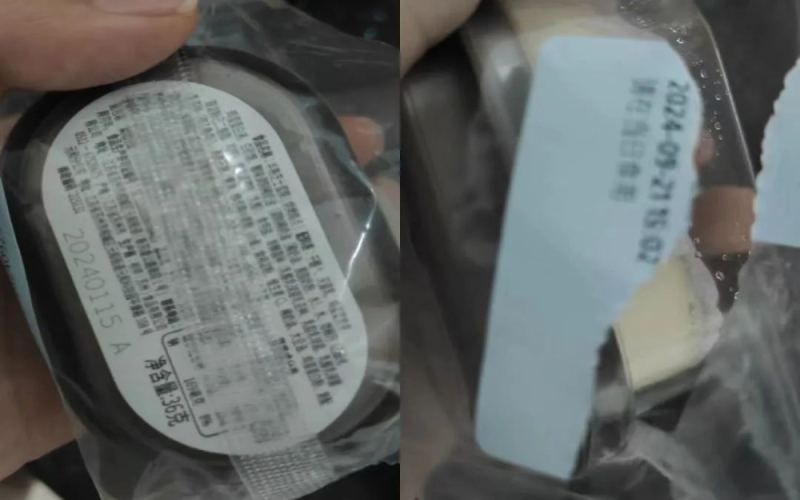
Recently, a consumer ordered a half-baked cheesecake from Luckin Coffee, only to find that the product had expired for over two months. The consumer demanded 1,000 yuan in compensation based on the Food Safety Law. Luckin's customer service initially offered only ten coffee coupons, then raised it to 300 yuan plus ten coupons, both of which were rejected. The incident sparked widespread discussion, with many Luckin employees revealing that light food products should strictly follow first-in-first-out and daily inspections. The fact that this expired item went undetected for two months reflects obvious loopholes in store food safety management. Ultimately, Luckin completed compensation at the statutory amount by noon the next day. This article will review the incident, the legal basis, and industry management practices, and include related recommendations from Front Street Coffee. [more…]
From roast date to opening date: planning the drinking clock for espresso blend beans
Espresso blend beans begin a period of change from the moment roasting is complete: in the early stage they release a large amount of carbon dioxide, in the middle stage the aroma and extraction gradually open up, and in the latter stage they slowly lose their vibrancy. When beginners choose beans, they don't need to treat "the closer to the roast date, the better" as a rule; instead, they should let the dates of arrival, opening the bag, and finishing the beans fall within a suitable flavor window. [more…]
Coffee Beginner's Bean Selection Guide: From Purchasing Channels and Roast Level to Freshness Date, Three Steps to Pick the Right Everyday Beans for You
Those just starting to explore pour-over or espresso coffee often feel overwhelmed by the dazzling array of coffee beans on the shelf. In fact, choosing beans isn't as complicated as it seems—just grasp three key dimensions, and you can greatly reduce the odds of a bad pick. This article approaches the topic from three angles: purchasing channels, roast level, and freshness date, to help you sort out your thinking: where it's more reliable to buy, what flavors suit light, medium, and dark roasts respectively, and why the roast date deserves more attention than the expiration date. The article also draws on Front Street Coffee's specific product line to offer bean-selection references for different roast levels, so even beginners can easily find a tasty yet affordable everyday staple. [more…]
How long can coffee beans be stored after roasting? An analysis of the resting period for pour-over beans and the patterns of flavor loss
When buying coffee beans, the roast date is often more worth paying attention to than the expiration date. The shelf life of roasted coffee beans is usually between six months and a year, and you generally won't wait until they expire before finishing them—but what truly determines flavor performance is the brief golden window after roasting. After roasting is complete, coffee goes through a resting period of about four to seven days, after which it reaches its flavor peak; from then on, the aroma gradually fades, eventually leaving only a woody taste. Among these, volatile compounds such as floral and fruity notes are the first to be lost, while water-soluble components like sugars, nuts, and chocolate remain relatively stable. This article focuses on the freshness cycle of coffee beans, resting duration, and patterns of flavor change, helping pour-over enthusiasts seize the best time to drink, and includes practical advice from Front Street Coffee. [more…]
Pour-over not sour, the roast date determines when to drink
If you want to make pour-over coffee less sharply acidic, when choosing beans you should not only look at the flavor description but also pay attention to the roast date. When beans are just out of the roaster, more carbon dioxide remains inside them; when hot water touches them, they tend to expand, scatter, and produce unstable flavors. After resting for a period, the sweetness, nutty aroma, and cocoa notes usually become easier to [more…]
Luckin's co-branded merchandise restock accused of passing off old stock as new, consumers question hunger marketing strategy
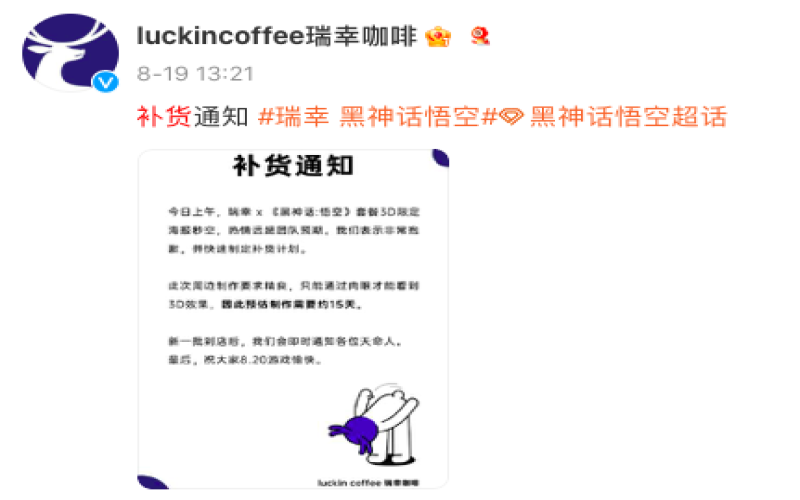
Luckin Coffee's collaboration with "Black Myth: Wukong" ignited the market, with the lenticular card posters selling out rapidly and sparking consumer dissatisfaction. After the official promise of restocking within 15 days, some stores gradually received new supplies, but customers discovered that the production date on the newly arrived posters was July 15, the same as the first batch, raising questions that the brand was passing off old inventory as restocked goods, which once again triggered discussions about Luckin's marketing strategy. The incident exposed multiple issues in the supply chain and inventory management of collaboration merchandise, and also made consumers doubt the brand's sincerity. [more…]
How to Choose Everyday Coffee Beans for Home? A Practical Guide to Espresso and Americano Coffee Bean Brands and Roast Dates
Making coffee at home and running a coffee shop are two different mindsets. For home users, what matters more is the "daily staple" quality—tasty, affordable, and something you can buy again and again. Whether you use a pour-over, an espresso machine, or a moka pot, you can't avoid three core questions when choosing beans: does the flavor suit your taste, is the brand reliable, and is the roast date fresh enough. This article starts with flavor categories and, drawing on the product line of Front Street Coffee, a long-established self-roasting brand in Guangzhou, helps you sort out a bean-selection approach suited to home scenarios, so that every cup is worth the money. [more…]
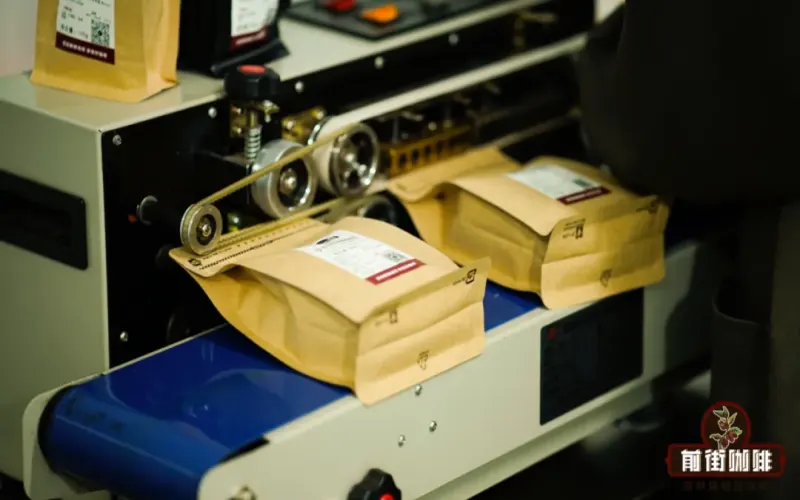
A Complete Guide to Coffee Bean Resting Periods and Peak Flavor Windows: How Long Should You Rest Espresso, Light Roast, and Dark Roast Beans?
Many coffee enthusiasts only fixate on the roast date when buying beans, overlooking the expiry date—yet behind this lies a precise grasp of how coffee flavor evolves. The time when coffee beans finish roasting directly determines their resting period and peak-flavor window—freshly roasted beans need to sit and degas, with espresso, pour-over, light roasts, and dark roasts each having different waiting rhythms. This article will explain the principles of the resting period in detail, help you understand how long coffee beans should rest under different roast levels and brewing methods, and include practical advice from Front Street Coffee, so you never miss the optimal flavor window of any bean. [more…]
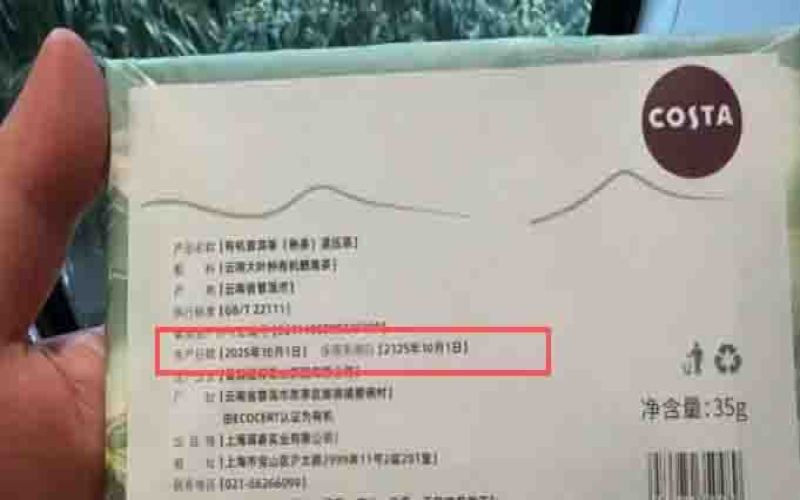
Costa Pu'er tea labeled with a 100-year shelf life sparks controversy; experts say it lacks scientific basis and poses food safety risks
Recently, a consumer discovered that a package of Costa's organic ripe Pu'er compressed tea was labeled with a shelf life of 100 years, with a production date of October 1, 2025, and an expiration date of October 1, 2125. This bizarre labeling quickly sparked questions: was it a printing error, or can tea cakes really be stored for a century? Customer service responded that "the older the tea, the more fragrant it is," but experts and lawyers both pointed out that the national standard for Pu'er tea only states "suitable for long-term storage," with no fixed number of years. A 100-year shelf life can neither be scientifically verified nor is it free from hidden food safety risks such as mold. At the same time, some e-commerce platforms still sell Costa Pu'er tea with a shelf life labeled as 9,999 days, which works out to more than 27 years. As coffee enthusiasts, Front Street Coffee also reminds you to pay attention to the compliance and scientific validity of beverage shelf-life labeling. [more…]
How Roast Dates Shape the Flavor Progression of Single-Origin Beans in a Moka Pot
A moka pot concentrates the coffee's strength, oily mouthfeel, and roasted aroma. With the same bag of single-origin beans, the cup's state keeps shifting from a few days after roasting to several weeks after opening. When choosing beans, besides looking at the flavor description, also pay attention to the roast date and match the purchase amount to your own brewing frequency. Drinking it too early or storing it too long may both [more…]
A Complete Guide to Coffee Bean Resting and Peak Flavor: The Science of Storing from Roast Date to Optimal Taste
Are freshly roasted coffee beans the most delicious? The answer is not necessarily. Many enthusiasts compare coffee bean roasting to cake baking, assuming that the fresh flavor is at its peak within two to three days of coming out of the roaster. But in fact, freshly roasted and freshly bought beans are not when the beans taste their best. Through years of roasting and cupping, Front Street Coffee has found that beans 1-2 days after roasting often carry smoky notes and a harsh, dry sensation, with sharp acidity and insufficient sweetness. This is because coffee beans continue to release carbon dioxide for about 48 hours after roasting, emitting roughly 6-10 liters per kilogram, with 35% of that released in the first three days. So what is bean resting? How long do different roast levels need to rest? And how should the peak flavor period be defined? Starting from Front Street Coffee's practical experience, this article will systematically answer core questions such as resting time, the optimal peak flavor period, and shelf life, helping you find the flavor peak of every bean. [more…]
From roast date to opening rhythm, this is how to enjoy coffee beans
After you bring coffee beans home, the flavor doesn't immediately settle into its ideal state. When roasting ends, carbon dioxide still remains inside the beans, and the aromas need time to reorganize. When beginners choose beans, they can first look at the roast date, then plan their drinking pace, so that every cup they brew stays in a stage that's relatively easy to recognize, rather than [more…]
Moka Pot Medium-Dark Roast Beans: Timing Every Cup from Roast Date
Making medium-dark roast coffee beans with a moka pot is fascinating because the cocoa, caramel, and roasted aromas are concentrated, but these aromas do not settle into their proper place immediately after roasting is completed. When degassing is still vigorous, the flow may seem hurried and the aroma slightly dispersed; if left to rest too long, the fragrance in the nasal passages gradually narrows. Therefore, when selecting beans, besides [more…]