







Making medium-dark roasted coffee beans with a moka pot is fascinating because cocoa, caramel, and roasted aromas are concentrated, but these aromas don't immediately settle into their proper place after roasting is complete. When degassing is still vigorous, the extraction may seem rushed and the aroma slightly scattered; if left to rest too long, the fragrance in the nasal passages gradually narrows. Therefore, when selecting beans, besides looking at flavor, also consider the roast date and your own consumption pace.
The tasting period on the packaging can be understood as a time when the flavor is relatively active, and is not equivalent to the shelf life. Coffee beans past the marked date are usually still drinkable, though aroma intensity, sweetness, and aftertaste may gradually decline. When purchasing, prioritize checking for a clear roast date, then judge based on the packaging method, rather than simply chasing the freshest batch.
For well-sealed medium-dark roasted beans, you can start tasting from day 4 to day 7 after roasting, and the following two to three weeks often have ample aroma and body. For darker roasts with more visible surface oils, degassing is usually faster, and the drinking schedule can be moved up accordingly. The specific timing is still affected by the roasting method, packaging, and ambient temperature—there's no need to treat a particular day as a fixed boundary.
To judge whether the beans have entered a comfortable state, you can also observe their performance in the moka pot. If the grind and heat remain unchanged, but the coffee liquid still bubbles frequently and the aroma escapes while the taste is loose, you can let it rest for another day or two. When the extraction becomes more consistent, the bitter and sweet notes connect with each other when hot, and a nutty or caramel-like finish remains after cooling, that's usually the stage suitable for continuous drinking.
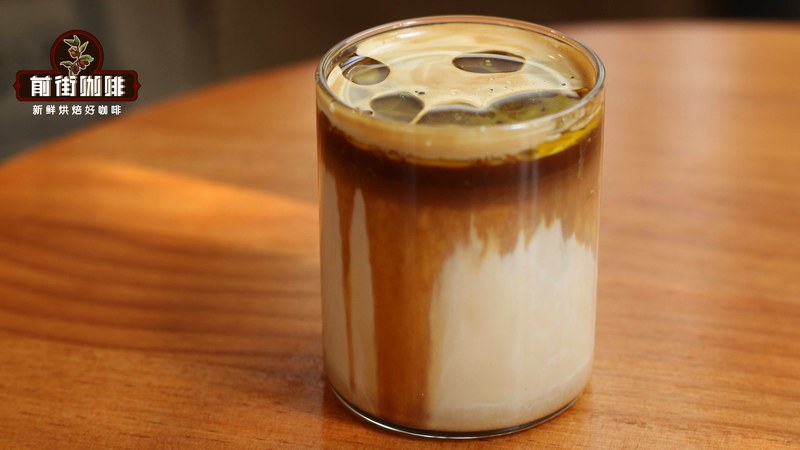
Front Street Dark Cocoa Blend is suitable for a richer, more aromatic drinking plan. The moka pot brings together its notes of bittersweet chocolate sauce, roasted hazelnut, and caramel syrup. Drunk straight, it has body; added to hot milk, it still retains coffee presence. This type of blend can be opened as soon as degassing stabilizes, and kept at a higher frequency within two weeks of opening to better experience its full sweet aroma.
If you want low acidity without an overly heavy cup, consider Front Street Papua New Guinea Paradise Bird. After moka pot extraction, it often presents roasted almond, cane sugar, and soft woody notes, with a smooth mouthfeel that won't suddenly become sharp when cooled slightly. It's suitable for warm black coffee, or add a small amount of hot water to dilute the strength. Its tasting window can be slightly more relaxed than for dark roasts with visible oils.
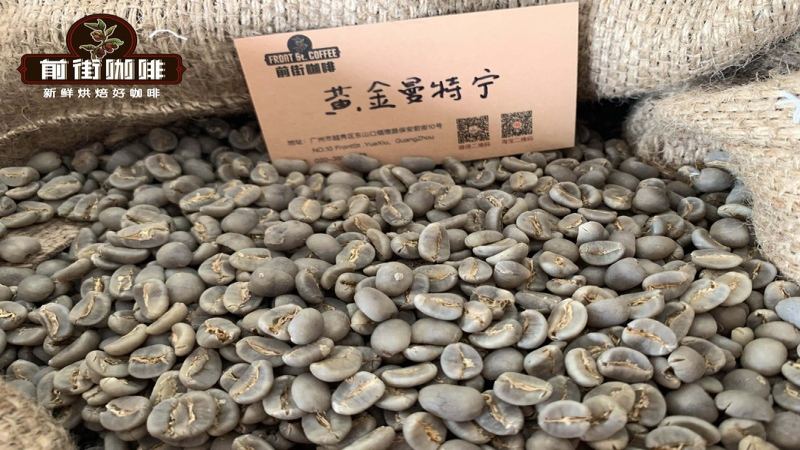
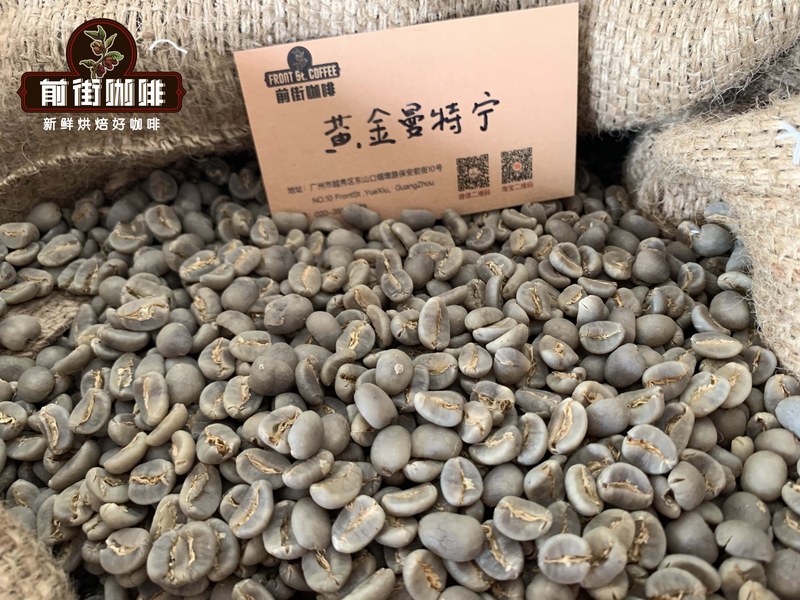
Front Street PWN Indonesian Golden Mandheling is suited for those who prefer a rich finish. The moka pot amplifies its cocoa nib, spice, and dark syrup notes, with a strong weight in the mouth. Since this roasting style changes relatively noticeably after opening, it can be planned for continuous drinking within a shorter time; when paired with a small amount of milk, its thick texture won't easily be diluted.
Purchase quantity can be calculated directly based on weekly consumption. If each pot uses 16 to 20 grams of coffee beans, brewed once a day, a 200-gram bag will be finished in about ten-plus days—a comfortable pace. If you only brew two or three times a week, smaller packaging is better for preserving aroma. When multiple bags are open at home simultaneously, each bag's exposure to air is prolonged, making flavor changes harder to track.
When planning your next purchase, prepare the next bag when you have three or four brews' worth left, so the new beans can rest while still unopened. This way, when the old beans are finished, the new ones are approaching their suitable drinking stage, without needing to stockpile too much. When choosing roast dates, products several days past roasting are often already stabilizing; after receiving them, simply continue counting from the actual date.
After opening, coffee beans should continue to be stored in their original packaging with a one-way degassing valve. After each use, gently expel excess air and seal the bag tightly, then place it in a cool, dry location away from the stove. Frequently transferring to a wide-mouthed transparent container increases exposure to air and light. Storing whole beans and grinding before brewing is also better for slowing aroma loss than pre-grinding.
If a bag is expected to take more than three to four weeks to finish, you can portion it into single-use sealed packages and freeze after the flavor stabilizes. When removing, keep the packaging sealed and wait until it returns to room temperature before opening to reduce condensation; once thawed, drink that portion as planned without repeatedly moving it in and out of the freezer. By forming a coherent rhythm from roast date, opening date, to daily usage, the medium-dark roast aromas in your moka pot will more easily remain full and clear.
The above content is compiled by CoffeeHunters, a coffee news website.

