







Search Results for: production autonomy
Coffee Estates and Cooperatives: Operational Differences and Selection Logic of Two Cultivation Models
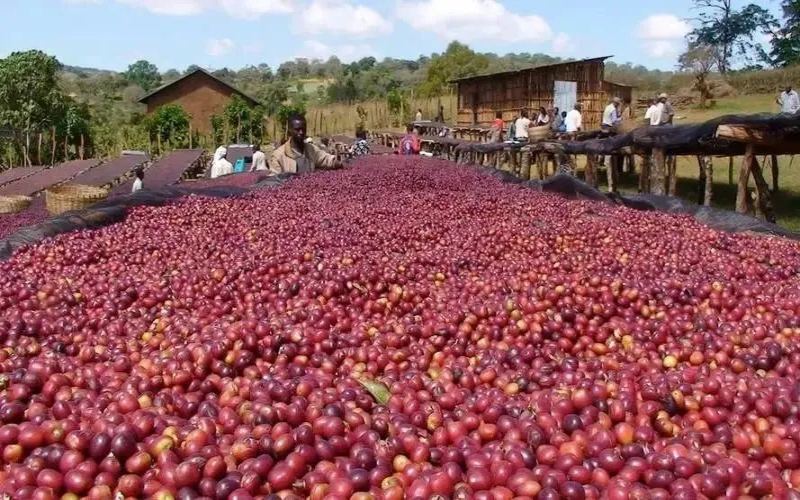
In the upstream segment of the coffee industry chain, estates and cooperatives are the two most common forms of growing organizations. A cooperative is formed by many smallholder farmers joining together to share equipment and sales channels, using collective strength to make up for the shortcomings of individual resources; an estate is a larger private farm that has full autonomy from cultivation to sales, but at the same time must bear all business risks on its own. The two differ significantly in decision-making mechanisms, profit distribution, market bargaining power, and daily operations. Understanding these differences helps coffee enthusiasts gain a deeper understanding of the production logic behind the cup of coffee in their hands. Front Street Coffee has always paid attention to the diverse ecosystems at the origin end, and this article will systematically sort out the respective characteristics and applicable scenarios of estates and cooperatives. [more…]

Coffee Regions, Processing Plants, Cooperatives, and Estates: Understanding the Roles in the Supply Chain from Cultivation to Sale
When we talk about specialty coffee, we often hear terms like origin, processing station, cooperative, and estate. They each represent different stages and organizational forms within the coffee supply chain. This article will start with definitions and analyze the differences and connections among these four one by one: how origins are divided into large and small, why processing stations centralize the processing of coffee cherries, how cooperatives help coffee farmers join forces, and why estates enjoy greater autonomy. Understanding these concepts will not only help you more clearly interpret the information on coffee bean labels, but also let you better understand the story behind every cup of coffee when making a purchase. [more…]

Women's fashion-themed cafe sparks controversy for refusing male customers sitting alone: how to balance the boundaries of membership-based operation and the consumer experience
A comprehensive store featuring a women's membership system has sparked heated discussion on social media after posting notices stating "Men dining alone are not admitted" and prohibiting the use of computers for work. Some customers made special trips only to be turned away for bringing laptops, while others who called 12315 were told the merchant had not violated any regulations. The store responded that limiting long stays was to avoid disturbing customers trying on clothes on the second floor, but some consumers felt it was inappropriate not to clearly inform them before charging. This debate over gender, consumption scenarios, and business autonomy reflects the real dilemmas composite-format coffee shops face regarding customer positioning and service boundaries. [more…]
The Cradle of African Coffee: A Comprehensive Analysis of Flavor Characteristics and Coffee Bean Origins Across Ethiopia's Regions
Ethiopia is widely recognized as the birthplace of coffee and still preserves a large number of wild coffee tree species. The country is not only a major exporter of Arabica coffee beans in Africa, but also boasts diverse production regions such as Harrar, Djimmah, Sidamo, and Lekempti, each with its own distinct style. From cultivation zones at altitudes above 1,500 meters, to unique herbal drinking methods, to the export system controlled by ECMC, Ethiopian coffee has become a sought-after target for coffee enthusiasts worldwide thanks to its hard-to-replicate flavors and considerable prices. This article provides a systematic overview of its place of origin and the characteristics of its main production regions, along with purchasing recommendations from Front Street Coffee. [more…]
Ethiopia, the Source of African Coffee: An Analysis of Production Regions, Variety Characteristics, and Industry Operations
Ethiopia is widely recognized as the birthplace of coffee, and to this day a large number of wild coffee trees still grow naturally there. This article systematically sorts through the country's coffee origin legends, the flavor differences among major producing regions (Harrar, Djimmah, Sidamo, Lekempti, etc.), the diversity of cultivation methods, and the industry management and export landscape. It also introduces the local distinct drinking customs, and includes Front Street Coffee's recommendations and brewing suggestions for Ethiopian beans, making it suitable for enthusiasts who want to gain a deeper understanding of African specialty coffee. [more…]
Flavor Characteristics and Health Benefits of Ethiopian Arabica Coffee Beans: From Origin to Cup
Ethiopia is the birthplace of coffee and one of the most important Arabica coffee-producing countries in the world. This article begins with the origin of the coffee tree and reviews Ethiopia's coffee cultivation methods, major producing regions, and product names, including Harrar, Jimma, Sidamo, and Yirgacheffe, while analyzing their flavor characteristics and drinking benefits. Ethiopian coffee has a unique flavor, combining vinous notes and soft acidity with rich layers arising from regional differences. The article also introduces the local distinctive spiced beverage preparation methods, domestic consumption habits, and the coffee export management system, helping coffee enthusiasts gain a comprehensive understanding of the coffee charm of this legendary origin. [more…]
A Comprehensive Analysis of Ethiopian Coffee Regions: Flavor Profiles and Cultivation Overview from Harrar to Yirgacheffe
As the birthplace of the coffee tree, Ethiopia occupies an irreplaceable position in the global coffee landscape. This East African nation has around 12 million people working in coffee and is one of Africa's most important exporters of Arabica coffee beans. From the high-altitude Harrar region, to Yirgacheffe (marketed under the brand name Yirga Cheffe), to Jimma, Sidamo and Limu, coffees from each area display distinctly different terroir-driven personalities. This article systematically outlines the distribution, cultivation methods, flavor characteristics and market flows of Ethiopia's major coffee regions, and introduces its unique drinking traditions and industry management mechanisms, giving you a complete picture of this homeland of specialty coffee. [more…]
A Complete Analysis of Ethiopia's Yirgacheffe Region: Flavor Profile, Proper Brewing Methods, and Specialty Coffee Characteristics
Ethiopia is the birthplace of coffee and an unmissable core region on the global specialty coffee map. Sub-regions such as Yirgacheffe, Harrar, and Sidamo each have their own terroir personality, with Yirgacheffe renowned worldwide for its bright floral and fruity notes. This article systematically examines Ethiopia's coffee cultivation methods, the flavor characteristics of its main producing regions, market circulation patterns, and local drinking traditions, and includes Front Street Coffee's Yirgacheffe recommendations and brewing suggestions to help coffee lovers truly understand the taste of this "land of origin." [more…]

Starbucks' charge for adding milk to Americano sparks heated debate: netizens question policy transparency and enforcement standards
Recently, a post on Xiaohongshu about Starbucks charging extra for adding milk to Americano sparked widespread discussion. Some consumers reported that when ordering an Americano with milk during a fat-loss period, they were told by staff that it would cost extra. Customer service responded that since February 2022, adding more than 4 ounces of milk requires a fee. However, some netizens pointed out that this policy only applies to the black coffee series, while tea drinks and app orders can still get free milk. Some netizens claiming to be Starbucks partners said that generally, adding milk within 30ml is free, but inconsistent communication of store policies has led to chaotic enforcement. The incident reflects the brand's shortcomings in customized service and consumer communication, prompting thoughts on the reasonableness and transparency of the charges. [more…]

Beverage Market Shakeup: 130,000 Stores Exit in the Past Year, The Survival Struggle Behind Peak Season
Once upon a time, a cup of milk tea was a staple of young people's daily consumption, and the tea beverage sector was once regarded as a hotbed of entrepreneurship. However, the latest data shows that in the past year, about 130,000 milk tea shops across the country quietly exited the market, with an average of more than 350 operators choosing to close their stores every day. Even leading brands such as Heytea and Nayuki's Tea have found it hard to escape store closures for their first outlets in some cities. A peak season that is not peak, cutthroat price competition, and rising franchise risks have plunged this once-booming industry into a deep round of reshuffling. This article, drawing on data from multiple sources including Zhaomen Catering and Jihai Brand Monitoring, analyzes the multiple reasons behind the large-scale contraction of tea beverage stores. [more…]

Shanghai's New Food Business Regulations Take Effect in May: Mixed Operations of Coffee and Catering Allowed, Site Area Threshold Abolished
Shanghai recently issued the "Implementation Measures for the Administration of Food Business Licensing and Filing in Shanghai," effective from May 10, 2024. The new regulations abolish secondary-category licensing items and support mixed multi-format operations, allowing coffee shops, bars, and others to coexist in the same storefront, while non-catering stores such as bookshops and clothing stores can also apply for a business permit to make beverages on-site. At the same time, "made and sold on-site" has been adjusted to "made and sold on the premises," the 19 business catalog items have been simplified into 4 categories—hot food, cold food, raw food, and self-made beverages—and the 6-square-meter production site restriction has been removed. In response to the long-disputed "smashed cucumber" issue, the new regulations allow a dedicated area only. Whether the policy benefits can activate the market and ensure food safety still needs time to be tested. [more…]
Ethiopian Yirgacheffe Coffee Bean Flavor Analysis: A Complete Guide to Pour-Over Grind Size, Coffee-to-Water Ratio, and Water Temperature Parameters
Ethiopia is the birthplace of coffee, and Yirgacheffe is the country's flagship specialty coffee region. This article will guide you through the history and culture behind the colors of the Ethiopian flag, and take a deep dive into the unique flavors of Yirgacheffe coffee beans—lemon, floral notes, and honey-like sweetness, along with soft fruit acidity and citrus tones. We will also share Front Street Coffee's recommended hand-brew grind size, coffee-to-water ratio, and water temperature parameters, helping you brew a bright, fresh cup of Yirgacheffe at home. Whether you are a coffee novice or a seasoned enthusiast, you will find practical brewing inspiration here. [more…]

Independent Entrepreneurship or Franchise Chain? Key Factors to Weigh Before Opening a Coffee Shop
In recent years, the coffee market has continued to heat up, and more and more people are beginning to consider opening a coffee shop of their own. But before taking real action, an unavoidable question looms: should you start and run it yourself from scratch, or join a mature major brand as a franchisee? Each path has its pros and cons. Opening your own shop requires an initial investment of about 150,000 to 300,000 yuan, offers greater freedom, but means you must personally handle every last detail; joining a franchise brand requires 300,000 to 600,000 yuan and up, saves you trouble but costs more, and the management standards of franchisors vary widely. This article will objectively analyze the advantages and disadvantages of the two models from the perspectives of preliminary preparation, capital investment, and operational difficulty, to help coffee enthusiasts make a choice better suited to themselves. [more…]
Honey Processing Fully Explained: From Pectin Retention to Flavor Differences and Process Evolution of Yellow, Red, and Black Honey
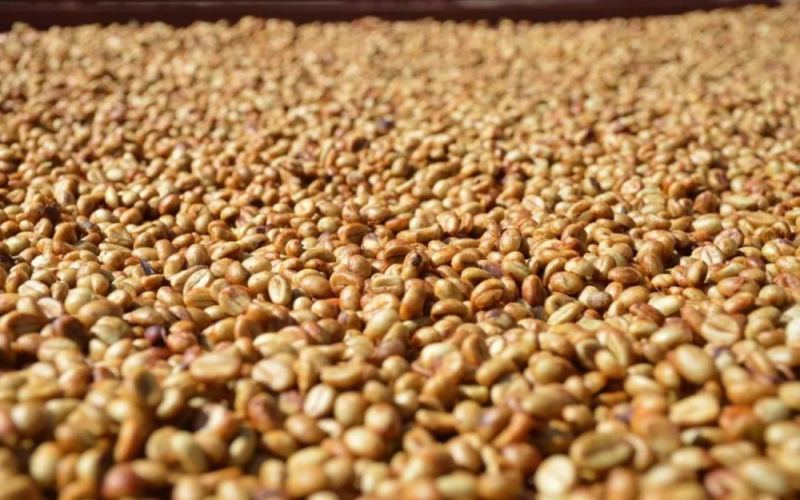
Honey processing is a coffee processing method that falls between natural and washed processing. Its name comes from the Spanish word "Miel" (honey), and it was first popularized by Costa Rica. By retaining different proportions of mucilage, honey processing gives coffee a full-bodied sweetness and bright acidity while greatly reducing water usage. Depending on how much mucilage remains, it is further divided into white honey, yellow honey, red honey, black honey, and other types, each differing in drying time, turning frequency, and flavor expression. This article will systematically sort out the origin, processing principles, and classification standards of honey processing, and introduce the Guatemala New Oriental Geisha coffee beans recommended by Front Street Coffee. [more…]
A Comprehensive Analysis of the Characteristics, Flavor, and Processing Methods of Ethiopia's Yirgacheffe Coffee Region
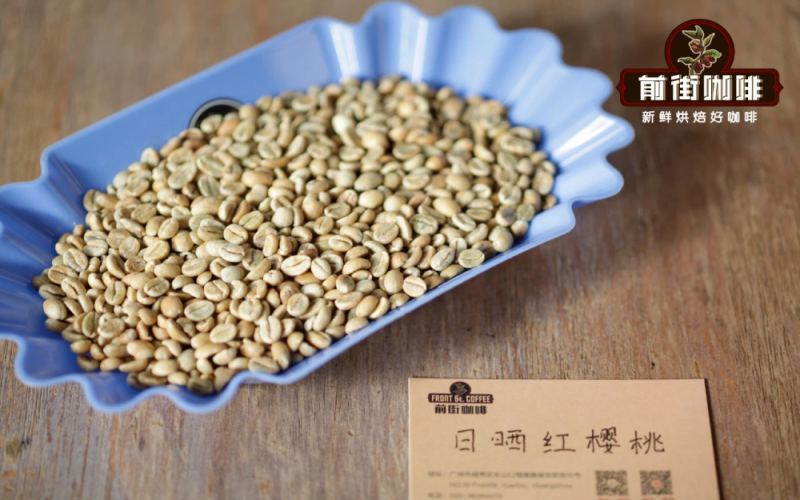
Yirgacheffe is Ethiopia's most representative specialty coffee region, renowned worldwide for its white floral aromas and lemon-citrus acidity. This article systematically examines the unique characteristics of Yirgacheffe coffee, from the region's definition and variety origins to the evolution of processing methods and brewing parameters. It also introduces representative products from Front Street Coffee, including Gotingding, Red Cherry, and washed Yirgacheffe everyday beans, helping coffee enthusiasts gain a deeper understanding of this region's diverse character. Whether you are a newcomer just getting into specialty coffee or a seasoned connoisseur looking for everyday beans, you will find practical reference information here. [more…]
What makes honey-processed coffee beans unique? A comprehensive analysis from pectin retention to the classification of black, red, yellow, and white honey
Honey processing is a coffee processing method that falls between natural and washed processing. It originated in Costa Rica, and its name comes from the Spanish word for "honey." By retaining different proportions of mucilage and undergoing controlled fermentation and drying, this method creates a diverse range of flavors, from ripe-fruit sweetness to bright acidity. Depending on the amount of mucilage left and the frequency of turning, honey processing is further divided into types such as black honey, red honey, yellow honey, and white honey. This article will systematically outline the origins, development, and flavor characteristics of honey processing, and introduce related products from Front Street Coffee, helping you gain a comprehensive understanding of this processing method that is widely popular in the specialty coffee world. [more…]
In-Depth Analysis of Honey Processing: A Comparison of Craft Differences and Flavor Characteristics Across Yellow, Red, Black, and White Honey
Honey processing is a coffee processing method that falls between natural and washed processing. Its name comes from the Spanish word "Miel" (honey), and it first emerged in Costa Rica, where it developed into several color classifications. The different honey colors depend on the amount of mucilage retained and the degree of fermentation, resulting in flavor profiles ranging from ripe-fruit sweetness to bright acidity. This article will systematically introduce the origins and background of honey processing, its water-saving and environmentally friendly advantages, the mechanism of mucilage, and the specific differences among black honey, red honey, yellow honey, and white honey in terms of mucilage retention ratio, drying duration, turning frequency, and green bean appearance. At the same time, by combining examples such as Front Street Coffee's Guatemala New Orient Geisha, it will help enthusiasts understand the core logic and key tasting points of this processing method. [more…]
Why does Yirgacheffe display white floral aromas and citric acidity? Analyzing the causes of its floral-fruity tea-like mouthfeel
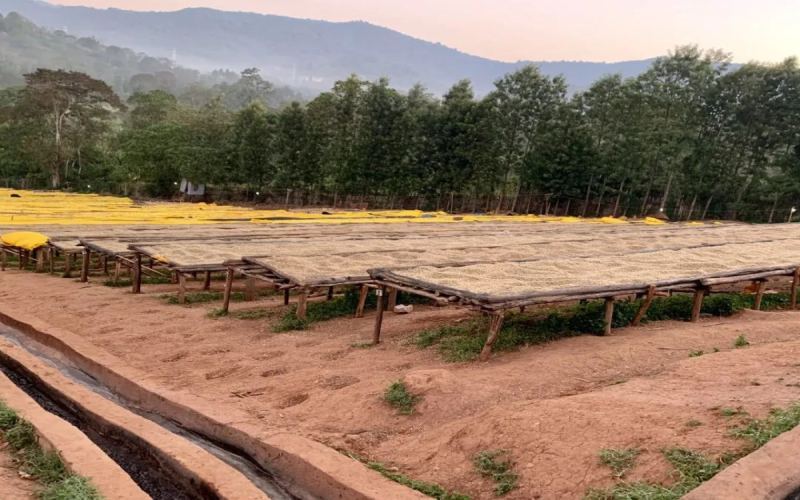
Yirgacheffe is one of the most recognizable regions in specialty coffee, prized for its bright citric acidity, white florals, and honeyed sweetness, making it a go-to starting point for many enthusiasts. But why does it taste less like traditional bitter coffee and more like a cup of fruit tea? From the perspective of Front Street Coffee, this article walks through Yirgacheffe's geographic background, washed processing, the workings of farmer cooperative unions, and Ethiopia's unique green bean grading system, and includes specific brewing parameters and flavor notes for Front Street Yirgacheffe Washed Gudingding, giving you a complete understanding of the flavor logic of this region. [more…]
Kenya AA Coffee Beans: A Comprehensive Guide to Processing Methods, Roast Levels, and Brewing Flavors
Kenyan coffee has always held a dazzling position in the global specialty coffee landscape, captivating countless enthusiasts with its complex fruit-toned character, bright acidity, and solid body. This article approaches the subject through producing region distribution, variety characteristics, and the AA grading system, systematically sorting out Kenya's washed and natural processing workflows, the traditional auction system, and emerging micro-cooperative models, along with roaster practical advice and professional cupping notes. Whether you are a beginner just encountering Kenyan beans or a seasoned connoisseur looking to understand trade transformations in depth, you will gain clear insight from it. Front Street Coffee will also combine the key points of this article to provide reference ideas for everyday brewing. [more…]

Yirgacheffe Flavor Profile Analysis: From Origin and Variety to Washed and Natural Processing and Pour-Over Parameters
Yirgacheffe is Ethiopia's most representative specialty coffee region, world-famous for its white floral aromas and lemon-citrus acidity. This article starts from Yirgacheffe's geographical environment, local heirloom varieties, and the differences between washed and natural processing methods, sorting out the reasons behind its flavor formation, and sharing Front Street Coffee's brewing suggestions along with specific pour-over parameters. The article also introduces how the Yirgacheffe Coffee Farmers' Cooperative Union operates, as well as the product characteristics of cooperatives such as Gotiti and Aletaland. Whether you are a beginner just getting into specialty coffee or a seasoned enthusiast wanting to understand Yirgacheffe in depth, you will find practical reference information here. [more…]