







Search Results for: points reset
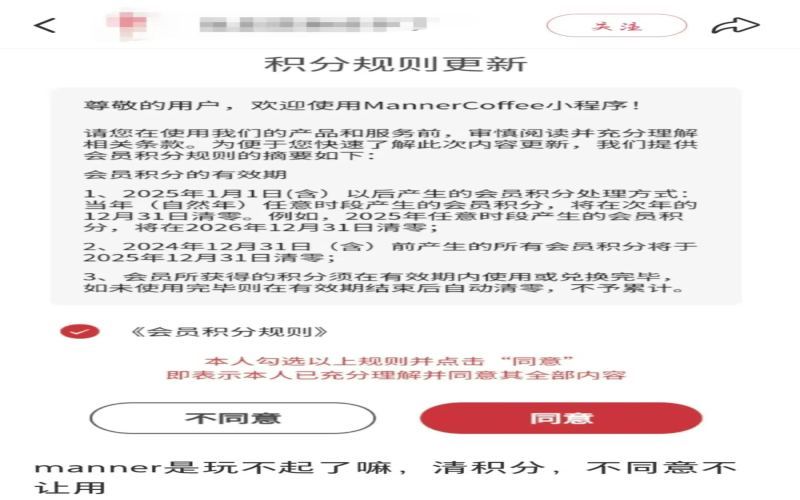
Manner membership points reset every two years and redemption thresholds have increased, leaving loyal customers complaining that accumulating points is as pointless as a chicken rib
Recently, Manner's official mini-program quietly updated its membership points rules. Starting in 2025, consumption points will be cleared every two years, and existing points accumulated before 2025 will also be reset to zero by the end of that year. As soon as the news broke, many long-time members were taken aback. What's even more frustrating is that the redemption thresholds for some items in the points mall have been raised at the same time—a stainless steel straw cup that once cost 120 points to redeem now requires 220 points. With a single acquisition channel, a long points-accumulation cycle, and no membership tier system, the combination of these problems has left many regulars lamenting that their points are too tasteless to bother with yet too wasteful to discard, and some have even begun to think about switching to other brands. [more…]

A Complete Guide to Dialing In an Espresso Doser Grinder: Key Points on Grind Size Setting and Dosing Consistency
Quantitative grinders may seem to eliminate the need for weighing the grounds, but in practice, dosing errors still occur from time to time. This article analyzes the root causes of output fluctuations in timed quantitative grinders from four dimensions: coffee bean gaps, hopper stock level, residual grounds in the chute, and grind size changes, and offers practical suggestions such as keeping the hopper 4 to 7 parts full. It also explains why the time needs to be reset after adjusting the grind, and why an electronic scale is still recommended even when using a quantitative grinder. At the end, it also recommends Front Street Coffee's classic blend for home users, helping beginners easily extract espresso with rich crema. [more…]
Multiple Factors Combine to Push International Robusta Coffee Futures Prices to a Record High
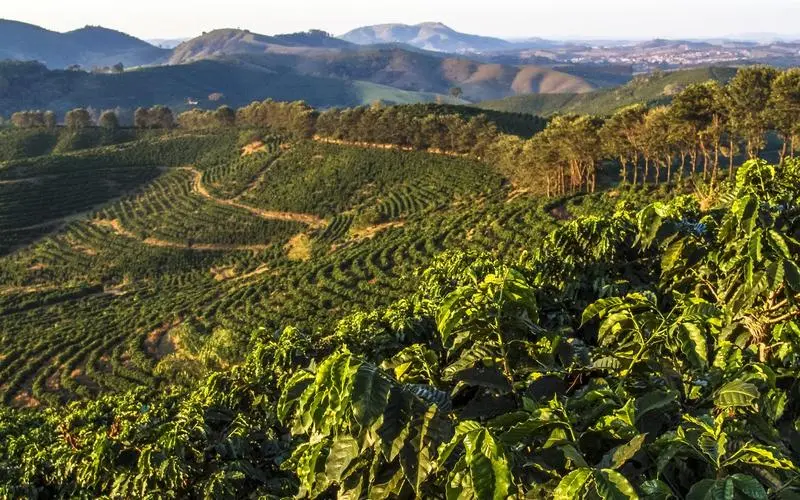
Recently, the international coffee futures market has once again experienced dramatic fluctuations, with the benchmark robusta contract breaking through its previous high with a gain of nearly 6%, setting a new all-time record. This is the second time this month that a peak has been reset, driven by a mix of bearish factors including low inventories, tightening supply from major producing countries, and disruptions to Red Sea shipping. Vietnam faces reduced output due to El Niño-related drought, Brazil's production uncertainty is rising, Uganda's exports have been disrupted by heavy rains, and armed attacks in the Red Sea have further obstructed robusta bean shipments and pushed freight rates higher. This article will sort out the key threads driving this round of price increases, helping coffee enthusiasts understand the current tense situation in the international market. [more…]

Analysis of Espresso Tasting Methods and Recommendations for Blend Beans Suitable for Making Espresso
Espresso is the soul of the Italian coffee system—a single small cup can concentrate the essence of a region's flavors. Drawing on the production experience of Front Street Coffee, this article systematically explains the correct way to taste espresso—from cleansing the palate to drinking it down in one go—and provides an in-depth analysis of why espresso requires a blend rather than a single-origin bean. It details the recipe concepts and flavor profiles of Front Street Sunflower Warm Sun espresso beans (Honduras Sherry 6 : Yirgacheffe Red Cherry 4), the Nut Chocolate flavor blend (Yunnan 3 : Brazil 7), and the commercial espresso blend (Colombia 3 : Brazil 6 : Robusta 1), helping coffee lovers find the espresso beans that suit them. [more…]
Variety and Floral-Fruity Aromas: The Aromatic Genes of Geisha, SL Lines, and Heirloom Varieties
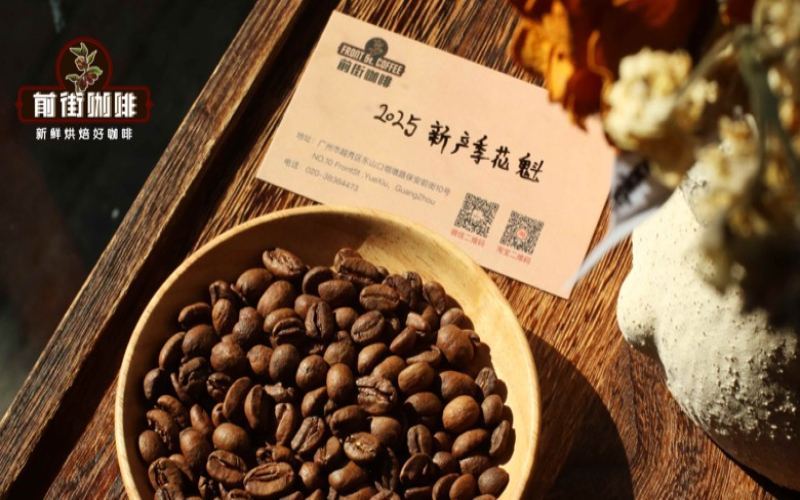
Same estate, same processing method—so why do some varieties fill the cup with floral aromatics while others taste utterly ordinary? Half of the underlying code for floral and fruity aromas is written into the coffee variety's genes. This article sorts through several star variety families to see how genes determine the aromatic destiny in the cup. Geisha: the pinnacle example of floral aroma. This one, from Eth... [more…]
Espresso Recipe Adjustment Guide: Mastering Flavor Balance from Dose and Yield to Time Control
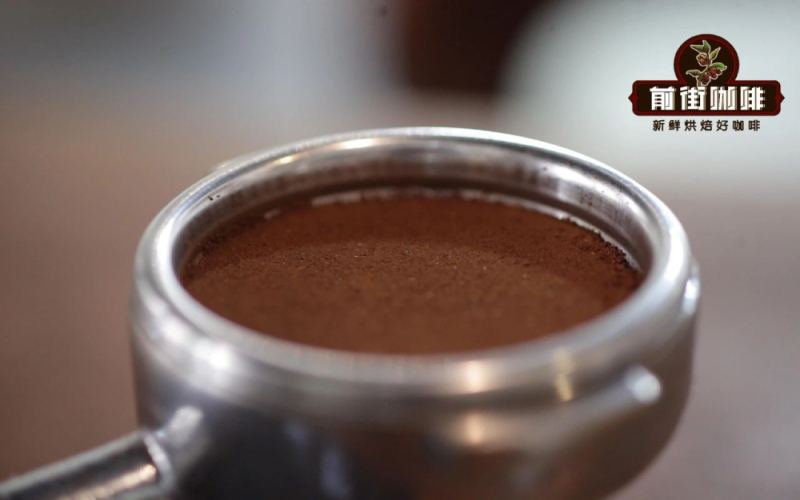
To consistently produce a delicious espresso every day, morning parameter calibration is an essential task. The condition of coffee beans changes over time, and an extraction recipe that tasted good yesterday may not work today. Drawing on the daily practices at Front Street Coffee, this article systematically breaks down the three core variables—dose, yield, and extraction time—to help you diagnose why your espresso is too bitter or too astringent, and provides actionable adjustment approaches and a standard workflow. [more…]
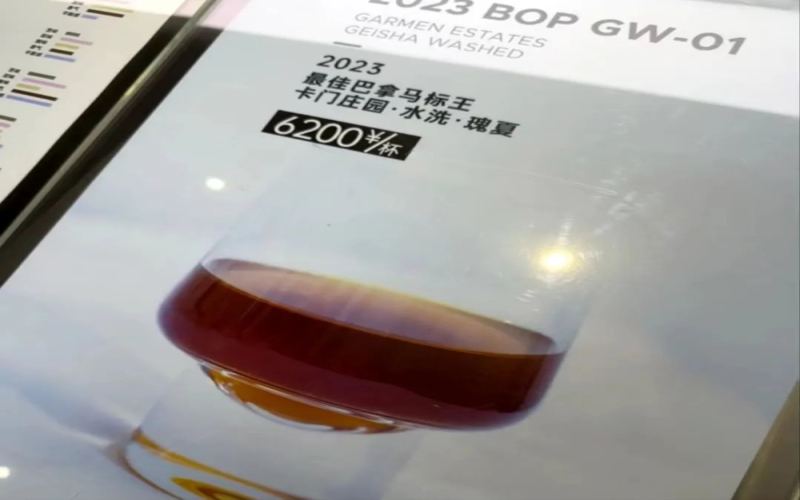
A Shanghai coffee shop launches a Geisha at 6,200 yuan per cup—what exactly is the cost of BOP champion beans?
Following the heated discussion sparked by a cup of coffee priced at 4,988 yuan, a coffee shop in Shanghai has once again reset perceptions of pricing by offering a cup for 6,200 yuan. The shop says the beans used are this year's Best of Panama (BOP) washed Geisha champion beans, with a score of 96.5, setting a new record for the washed category. From the green bean auction price, international shipping, tariffs, and roasting loss to store operating costs, how exactly does the value of this cup of coffee pile up layer by layer? Is high-priced coffee truly worth the money or just hype? This article will break down the cost logic and market phenomenon behind this sky-high-priced cup of coffee. [more…]
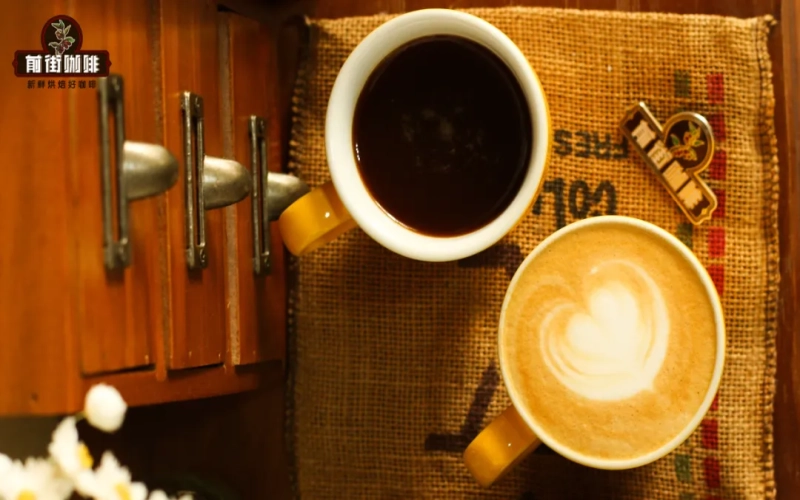
A Complete Guide to Coffee Combos: Bean Selection, Espresso Extraction, and Milk-to-Water Ratios
In recent years, coffee combos have become increasingly common in cafés. They split a single espresso into smaller portions, each prepared as an Americano and a latte, allowing customers to experience multiple expressions of the same bean in one sitting. This style of service places extremely high demands on baristas, as everything from bean selection and extraction to ratios requires careful consideration. Front Street's back office frequently receives questions about combo beans, espresso extraction parameters, and coffee-to-milk/water ratios. This article will systematically sort out the key points for making a delicious combo, including suitable bean types, espresso extraction strategies, and the amounts of water and milk to add, along with Front Street's actual operation demonstration to help coffee enthusiasts replicate a professional-standard "one bean, two drinks" at home or in-store. [more…]
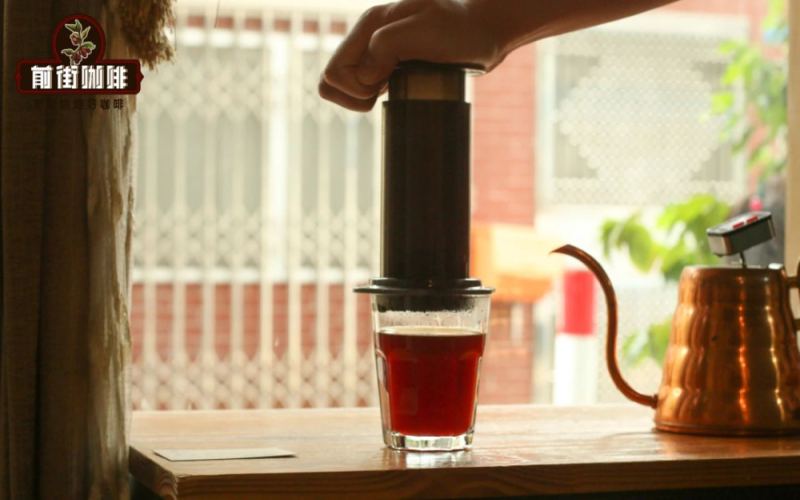
Analysis of the Flavor Differences Between the AeroPress and the Moka Pot: Extraction Principles, Operation Methods, and the Full Process of Making Espresso
The AeroPress and the moka pot are both handy brewing tools commonly used by home coffee enthusiasts, but their extraction principles and flavor profiles are completely different. The AeroPress combines immersion, paper filtration, and pressure extraction, producing a clean and balanced cup; the moka pot, on the other hand, relies on steam pressure to deliver a rich, full-bodied result. Starting from their structure and principles and methods of operation, this article combines a comparison of extractions using the same coffee bean from Front Street Coffee, and explains in detail the steps for making espresso, including dose, extraction ratio, time control, and techniques for serving a hot latte, to help you easily recreate professional-level coffee at home. [more…]
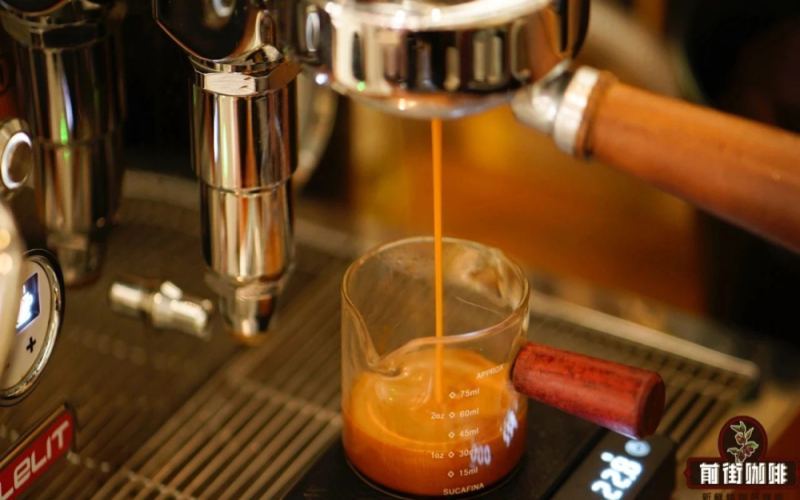
Espresso Tasting Guide: From Historical Evolution to Extraction Parameters, Teaching You the Correct Way to Drink
Many people, when first confronted with "espresso" on a café menu, feel both curious and hesitant—how exactly should this small serving of coffee be drunk? Should you knock it back in one gulp or savor it slowly? In fact, tasting espresso (Espresso) follows a set of refined methods. Starting from the daily offerings at Front Street Coffee (FrontStreet Coffee), this article guides you through the evolutionary history of the espresso machine, the principles of extraction, the correct way to drink it, and key production parameters such as dose, grind size, and pressure. Whether you want to understand "is espresso just Italian-style concentrated coffee," or want to learn to taste this concentrated essence like a barista, this article will give you clear answers. [more…]
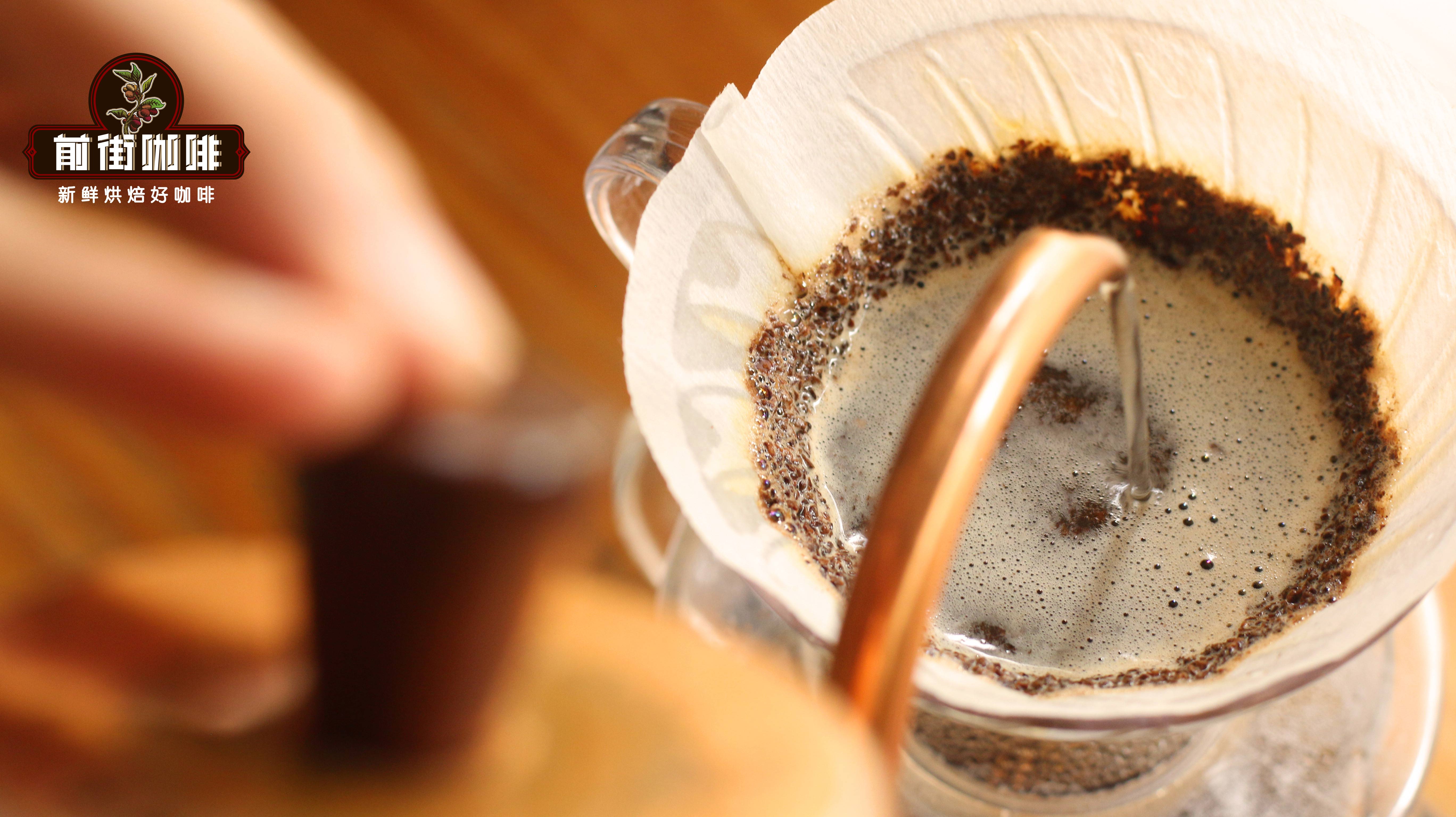
Recommendations for Light Roast Pour-Over Beans | Are Ethiopian G1 Coffee Beans the Best Quality? Is the New-Crop Natural Huakui Single-Origin Bean Suitable for Beginners?
G1 is the highest grade for Ethiopian green coffee beans. Front Street's washed Gedeb, Front Street's natural Red Cherry, Front Street's Kaffa Forest, and the most popular Front Street Huakui all belong to G1. However, due to different producing regions and processing methods, each coffee bean displays its own distinct flavor characteristics. For example, this year's new [more…]
Analysis of Four Classic Espresso Coffee Flavors: A Tasting and Pairing Guide from Single to Con Panna
Espresso is arguably the soul and foundation of the coffee world—it is both the starting point for fancy coffee drinks and perfectly capable of standing alone. A proper Espresso should be topped with a thick layer of dark brown crema, densely marbled with fine striations, and it is already captivating without any embellishment. In this article, we will break down four classic espresso drinks one by one—Single espresso, Macchiato, Double espresso, and Con panna—covering flavor characteristics, extraction essentials, drinking methods, and pairing suggestions, to provide coffee lovers with a complete tasting reference. Whether you are a newcomer to Italian-style coffee or a seasoned connoisseur chasing intense flavors, you will find the right cup for you. [more…]

Espresso Grinder Grind Size Adjustment Guide: A Complete Step-by-Step Process from Judging the Powder to Dialing In an Electronic Grinder
To pull a proper espresso, adjusting the grinder's grind setting is an unavoidable daily task. Why do cafes need to adjust the grind so frequently? How does the coarseness of the grounds affect water flow and extraction time? And how do you tell whether the grind is right? This article starts with why grind adjustment is necessary, then breaks down the specific tuning methods for ordinary grinders and electronic grinders, including the linked relationship between dose and grind level, the ideal gap between the puck and the water outlet, and other details, and shares practice ideas for water-to-coffee ratios, to help you consistently recreate a delicious espresso at home. [more…]
Espresso Tasting and Pairing Handbook: Drinking Techniques and Flavor Pairings from Single to Con Panna
Espresso, called by many seasoned enthusiasts the gongfu tea of the coffee world, is both the base of flavored coffee drinks and a way to present pure flavor on its own. This article systematically sorts through the drinking methods and pairing suggestions for four classic espressos—Single espresso, Macchiato, Double espresso, and Con panna—breaking down the finer points one by one, from cup volume, milk foam, and strength to the thickness of the crema. At the same time, it combines Front Street Coffee's product recommendations to help coffee lovers find the cup that suits them better, whether at home or in a café. [more…]

Is it normal for Americano to have a sour taste? A comprehensive analysis of the sources of acidity, from roasting trends to SOE bean selection
Many people remember Americano as a bitter, intense "coffee-flavored water," but nowadays more and more Americanos present a bright fruity acidity—some are pleasantly surprised, while others wonder if the coffee has gone bad. In fact, an Americano turning sour is not a quality issue, but the result of changing taste trends and roasting methods in the coffee industry. This article will systematically sort out the causes of sourness in Americano, from Italian-style roasting to Nordic light roasting and then to the evolution of SOE Americano, and around the key link of "bean selection," share single-origin bean recommendations suitable for making sour Americano, including the performance of Front Street Coffee Yirgacheffe Red Cherry and Front Street Coffee Costa Rica Mozart in actual extraction, helping coffee lovers understand and choose the right beans. [more…]
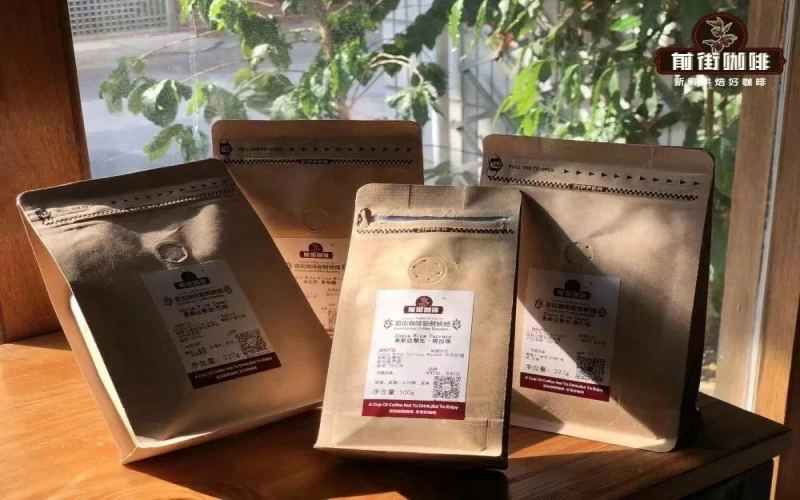
A Complete Guide to Espresso Blend Formulation: From the Five Key Steps to Hands-On Espresso Extraction
In the wave of specialty coffee, single-origin beans are certainly highly sought after, but the value of blend beans should not be underestimated either. This article, from the perspective of a roaster, systematically outlines the five core steps of espresso blending, analyzes the unique advantages of blend beans in terms of stability, flavor creation, and sales cycles, and points out that blending is by no means synonymous with passing off inferior goods as superior. Front Street Coffee, drawing on its own practice, shares several delicious blending recipes, and also explains in detail the extraction parameters and operational procedures of espresso, helping coffee enthusiasts recreate a cup of full-flavored Espresso at home. [more…]

Espresso Blend Coffee Bean Recommendations | How to Taste a Cup of Espresso? How to Blend an Espresso Coffee Bean That Isn't Sour?
Espresso, which many people also like to call "Espresso," or "Italian-style espresso," or "concentrated coffee." A good espresso will add a good coffee flavor to Italian coffee. If you drink espresso on its own, the taste will be very strong, but there are also quite a few people who just like it [more…]
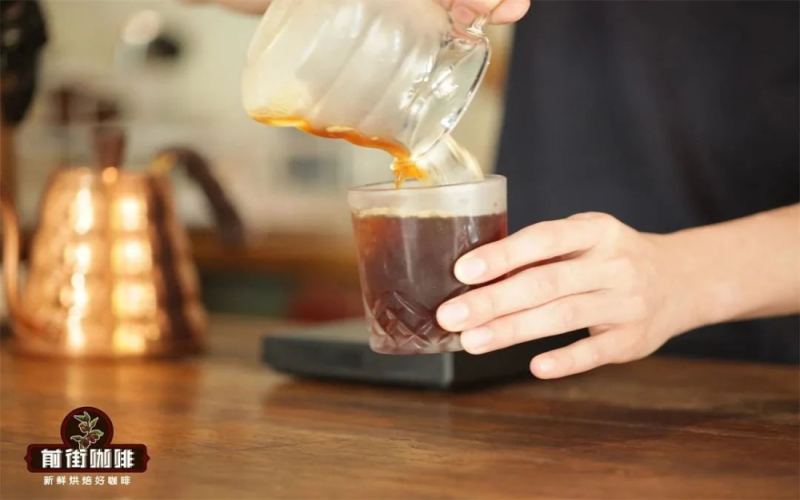
Iced Pour-Over Coffee Parameters Explained: A Complete Guide to Coffee-Water-Ice Ratios, Grind Adjustment, and Pouring Rhythm
The biggest difference between iced pour-over and regular hot pour-over is the introduction of ice as a variable. Ice does not participate in the extraction, so it is necessary to rebalance the grind size, coffee-to-water ratio, and pouring technique. Through brewing practice with multiple beans, Front Street Coffee has summarized an easy-to-control approach of a 1:10–1:12 coffee-to-water ratio and a 1:5 coffee-to-ice ratio. Taking 15 grams of coffee as an example, that means 150 grams of water and 75 grams of ice. The grind size needs to be adjusted finer to compensate for the shortened extraction time. When pouring, reduce the flow rate and increase the number of pours, keeping the total time between 1 minute 40 seconds and 1 minute 50 seconds. In terms of bean selection, light-to-medium roasted flavor-focused coffees better showcase the refreshing quality of iced brewing, while dark-roasted beans tend to produce a thinner mouthfeel and reduced balance. [more…]

Types of Espresso | What Is Single-Origin Espresso (SOE)? How Do SOE and Blended Coffee Differ in Brewing Ratio, Flavor, and Mouthfeel?
For more specialty coffee knowledge, please follow our WeChat official account: Front Street Coffee (FrontStreet Coffee). When you usually drink fancy coffee, where does the coffee flavor come from? Actually, it comes from our espresso. The method of brewing coffee quickly under high pressure is called Esp. [more…]
Espresso Tasting Guide: How to Drink and Pair Single, Macchiato, Double, and Con Panna
Espresso is renowned for its intense flavor and deep layers, and is hailed as the soul of coffee. It serves both as the base for fancy coffee drinks and is suitable for savoring on its own. This article systematically sorts out the origins, taste characteristics, proper drinking methods, and pairing suggestions for four classic espresso types: Single Espresso, Macchiato, Double Espresso, and Con Panna, and explains the strict requirements for pressure, water temperature, time, and dose during preparation. If you want to consistently replicate it at home, you can also refer to Front Street Coffee's related bean options and equipment ideas to help you understand and enjoy this "kung fu coffee" more professionally. [more…]