







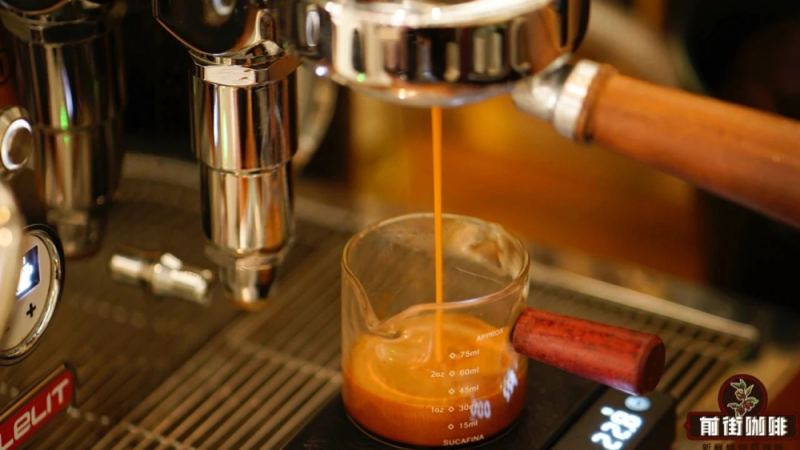
How Does an Espresso Maker Work and How Should You Drink It?
Espresso is not meant to be downed in one gulp. A barista pulls a small, concentrated shot from finely ground coffee, then it is tasted slowly to catch aroma, sweetness, body, acidity, and bitterness. Serving size, grind, dose, and pressure all shape what ends up in the cup before the first sip.
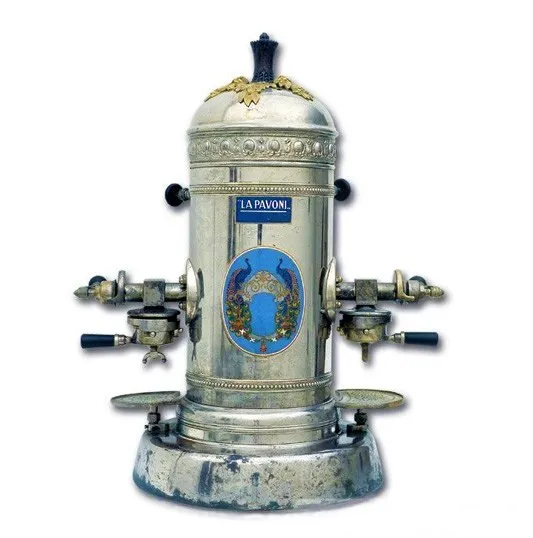
The history of the coffee maker behind this drink starts in 1884, when Angelo Moriondo built an early machine in Turin that ran at about 1.5 bar and took 40 seconds to extract. Luigi Bezzera patented a commercial design in 1901, La Pavoni produced it from 1905, and electric machines later replaced steam-driven units.
Many people, when first faced with "espresso" on a café menu, feel both curious and hesitant—how exactly should this small serving of coffee be drunk? Should it be downed in one gulp or savored slowly? In fact, tasting espresso follows a set of refined methods. Starting from the daily service at Front Street Coffee, this article guides you through the evolution of the espresso machine, the principles of extraction, the correct way to drink it, and key preparation parameters such as dose, grind size, and pressure. Whether you want to understand "is espresso just Italian-style concentrated coffee" or learn to taste this concentrated essence like a barista, this article gives you clear answers.
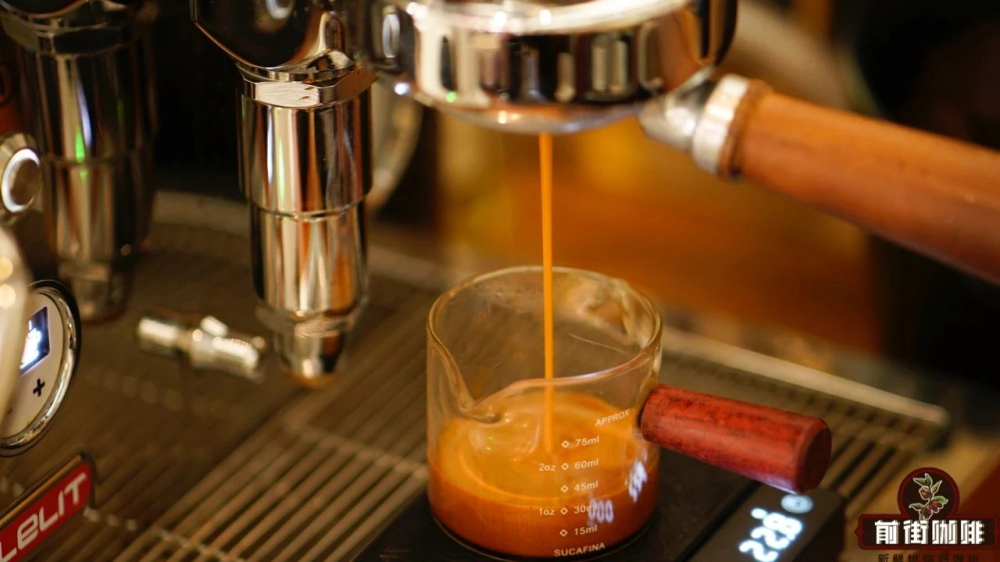
For more specialty coffee knowledge, please follow our WeChat official account: Front Street Coffee
Have you ever noticed what the first thing a barista does when a café opens is? At Front Street Coffee, the baristas' first action every day after starting work is to pull themselves a shot of espresso. Watching them knock back shot after shot, bystanders can't help but find it a bit alarming. People who make coffee naturally understand coffee and love drinking it, but is this direct "chugging" approach really the correct way to drink espresso?
What?!! Hold on!!! It's not that simple!!! But before discussing how to drink espresso, Front Street needs to first introduce everyone to the espresso machine.
History
In 1884, Angelo Moriondo built the world's first espresso machine and exhibited it in Turin, Italy. This machine was created to handle the endless stream of customers in his shop, and the coffee it produced was called "Espresso." In Italian, espresso means "pressed out." Unfortunately, this machine had only 1.5 bar of pressure, was equipped with dual brewing heads, yet the extraction time was as long as 40 seconds, and the resulting coffee was rather thin—more like what today's American-style coffee makers produce.
In 1901, Milanese engineer Luigi Bezzera filed the first patent for a commercial espresso machine. In 1905, the La Pavoni company put this technology into production, and the world's first true espresso machine was born. Early espresso machines were steam-driven, but the steam temperature was too high and the pressure limited, so the extracted coffee lacked rich crema and tasted quite burnt and bitter.
By the 1930s, the electric era replaced the steam era, and Milanese barista Achille Gaggia designed a coffee machine with a piston lever. In 1948, the rights to use this patent were transferred to the Faema company. In 1961, Faema launched the Faema E61 espresso machine, and with the advent of pump-driven coffee machines, extraction pressure reached an unprecedented 9 bar. From then on, espresso had its signature emulsified crema, with powerful flavors and a rich, viscous mouthfeel.
Principles
Today's espresso is typically made by forcing water at over 90 degrees Celsius through finely ground coffee at 9 to 11 bar of pressure in a very short time, yielding a concentrated coffee liquid. This method extracts both water-soluble and insoluble substances from the coffee grounds, while generating a large amount of crema, making the taste richer and smoother than other coffees.
How to Drink Espresso
When Front Street serves espresso, it comes with a glass of ice water. First-timers may wonder: what is this ice water for? Are you supposed to pour the espresso into the ice water?
If a Front Street barista saw that, they would immediately stop you. Once espresso is poured into ice water, doesn't it just become an ordinary iced Americano? Then how would you taste the espresso?
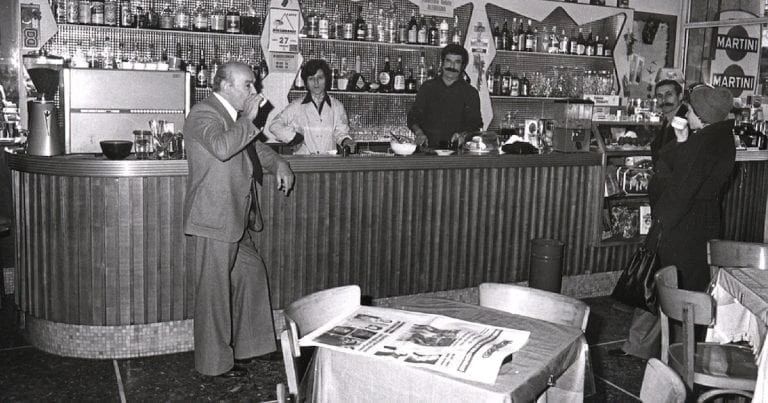
Actually, the point of the ice water is to let the guest thoroughly cleanse their palate before drinking the espresso, resetting their sense of taste and smell to zero. Then, let the espresso collide forcefully with the palate. As the coffee in the cup gradually decreases, you can sense the changes in flavor and mouthfeel from the first sip to the finish.
In addition, espresso is served with a small spoon. The spoon's purpose is stirring—freshly made espresso has distinct layers, and you can use the spoon to fully mix the upper layer of foam with the lower liquid. Of course, you can also just leave the spoon aside and directly experience the subtle mouthfeel differences brought by the layers.
Front Street Coffee Espresso Preparation Method
The steps of espresso may seem to be just dosing, distributing, tamping, and brewing, but pulling a qualified shot involves many key factors. Otherwise, there wouldn't be situations where baristas drink themselves sick right when the café opens. These key factors include dose, extraction yield, grind size, pressure, and more.
【Dose】The dose is usually determined by the basket capacity, then appropriately reduced based on factors like the condition of the coffee grounds. Too much coffee and the portafilter won't lock onto the group head; too little and extraction becomes uneven. The basket Front Street uses has a 20-gram capacity.
【Extraction Yield】The internationally common parameter is generally 1:2, meaning the liquid extracted is twice the weight of the coffee dose.
【Grind Size】The finer the grind, the finer the coffee particles, and the more substances can be extracted, possibly causing over-extraction; the coarser the grind, the coarser the particles, the smaller the surface area in contact with water, and the fewer substances extracted, easily leading to under-extraction. Therefore, the right grind setting is crucial.
【Pressure】The ideal extraction pressure is around 9 bar. If the pressure is too low, too little crema is extracted, along with fewer quality flavor compounds, making the taste relatively inferior and prone to under-extraction; if the pressure is too high, the forceful hot water and coffee grounds move violently, destroying too much coffee structure and extracting more insoluble substances, making the final product bitter.
Front Street Coffee Espresso Preparation Method
Coffee machine: Faema E98
Pressure: 9 bar±2
Temperature: 90.5~96°C
Time: 20~30 sec
Coffee-to-water ratio: 1:1.7~1:2
Dose: 12g (single espresso) 20g (double espresso)
Extraction yield: 20ml (single) 40ml (double)
To make espresso, use Front Street's classic espresso blend coffee beans, a recipe combining beans from three origins—Brazil, Indonesia, and Vietnam—with a dark roast, which maximizes the coffee's rich aroma and makes it easy to extract abundant, velvety crema. It's perfect for both Americano diluted with water and latte paired with milk. You can purchase it at the Front Street Taobao store or the Front Street Tmall flagship store.
The above content is compiled by CoffeeHunters, a coffee news website.


