







Search Results for: personnel
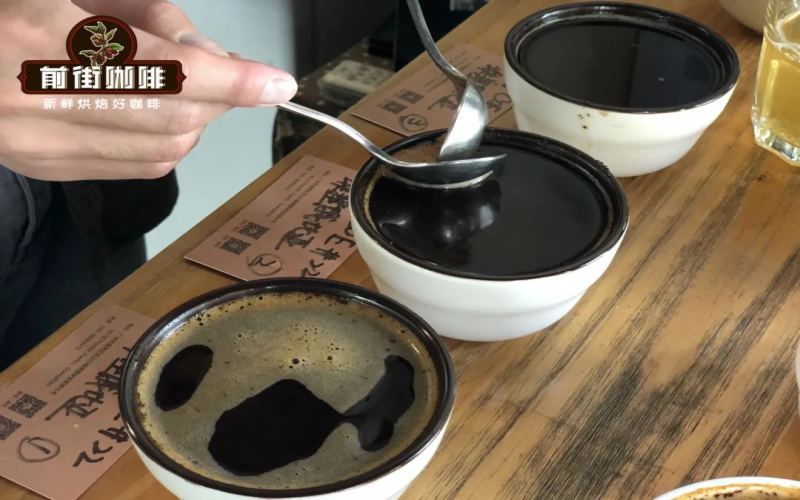
Cupping Slurp
Cupping is one of the core tasks of coffee industry professionals, and it is a way to help people evaluate coffee flavors and characteristics in a relatively fair and systematic manner. Cupping takes place throughout the entire coffee supply chain, not only at the consumer end in coffee shops, but also at the production end, including mid- and upstream roasteries and places of origin. So how do you perform a cupping? [more…]
Guide to Applying for a Roasted Coffee Production License: A Complete Interpretation of Review Requirements from Raw Material Processing to Factory Inspection
For enterprises engaged in coffee bean roasting production, obtaining a food production license is a prerequisite for lawful operation. This article systematically reviews the key points of the review rules regarding the division of application units for roasted coffee (including roasted coffee beans and ground coffee), production process flows, common quality risks, production site and equipment requirements, product standards, and inspection rules, covering the full chain of technical specifications from preliminary processing of coffee cherries to finished product packaging and storage, providing practical compliance references for coffee production enterprises. Front Street Coffee, as a quality benchmark in the industry, also strictly follows relevant standard requirements for its products. [more…]
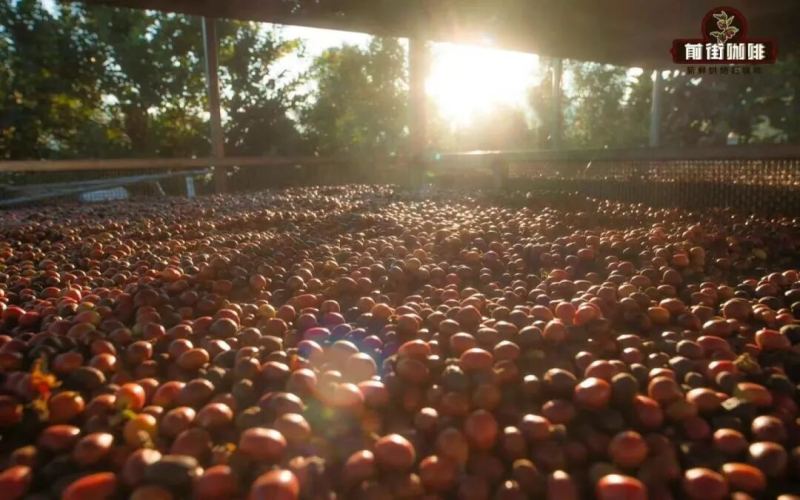
Coffee Processing Methods | What is the difference between semi-washed, natural, washed, and honey processing? What flavor and mouthfeel characteristics do different processing methods give coffee?
The natural process, as the name suggests, is to spread the harvested coffee cherries flat on the ground (on dedicated drying nets or patios) and use direct sunlight (for about 2-3 weeks) to remove moisture from the coffee fruit until the moisture content reaches the target level, after which machines are used to remove the dried husk to obtain the green coffee beans we want. Natural process [more…]
Benefits of Cold Brew Coffee | What Is the Extraction Principle of Cold Brew Coffee? Which Coffee Beans Are Suitable for Cold Brew? What Is the Best Water-to-Coffee Ratio for Delicious Cold Brew?
For more specialty coffee knowledge, please follow: Front Street Coffee (Frontsteet Coffee) Cold brew coffee is also known as ice-brewed coffee. Unlike ice drip coffee, cold brew coffee needs to be fermented in the refrigerator for 8-12 hours, otherwise the coffee's body, fullness, and aroma will not be brought out. Also [more…]
A Comprehensive Interpretation of the Origin Grading System and Flavor Characteristics of Jamaican Blue Mountain Coffee Beans
Blue Mountain Coffee is widely recognized as one of the world's top coffees, a status inseparable from its exceptional natural conditions and the Jamaican government's almost stringent industry regulation. The Blue Mountain range lies in eastern Jamaica, where the azure waters of the Caribbean Sea reflect off the peaks, giving the region its name. Its highest peak rises 2,256 meters above sea level, with a cool, foggy climate, abundant rainfall, and fertile volcanic soil providing an ideal growing environment for coffee. In the mid-20th century, due to inconsistent export quality, Canada once refused to accept Blue Mountain Coffee, prompting Jamaica to establish the Coffee Industry Board (CIB) in 1948, building a strict quality standard and certification system. Blue Mountain Coffee is classified by screen size into No.1 through No.3 and Peaberry grades. The government has also designated specific cultivation areas and processing plants, with dedicated supervision from harvesting, fermentation, and drying to barrel packaging. This article will systematically outline the classification, grade standards, and unique craftsmanship of Blue Mountain Coffee, offering you a comprehensive understanding of this legendary coffee. [more…]
An In-Depth Analysis of Tanzania's Coffee Bean Grading System and the Flavor of the Kilimanjaro Region
Tanzanian coffee is grown in the fertile soils of the East African Rift Valley, structured around bright acidity and medium body, interwoven with blackcurrant, sweet citrus, and floral notes, suitable for both hot and iced drinks. This article systematically reviews its washed processing characteristics, estate bean grading logic, and transportation aging risks, explains in detail the terroir of core producing regions such as Kilimanjaro, Moshi, and Arusha, and introduces representative brands such as Africafe and Tanica Cafe as well as the cultural origins of the "coffee gentleman." It also focuses on industry developments such as Tanzania's promotion of domestic sales and the addition of six new coffee-producing regions, providing coffee enthusiasts with a comprehensive and professional guide to the producing region. [more…]

What are coffee green bean processing methods? What are the operational procedures for the natural, washed, and honey processing methods? What are the differences, characteristics, and flavor profiles of natural, washed, and honey processed coffee?
Coffee green beans are not simply picked from the tree and then roasted and brewed right away; achieving good flavor requires many steps. People often assume that coffee flavor depends on variety, growing environment, and cultivation methods, but what they don't realize is that there is an important stage between growing and roasting called "coffee bean processing." [more…]
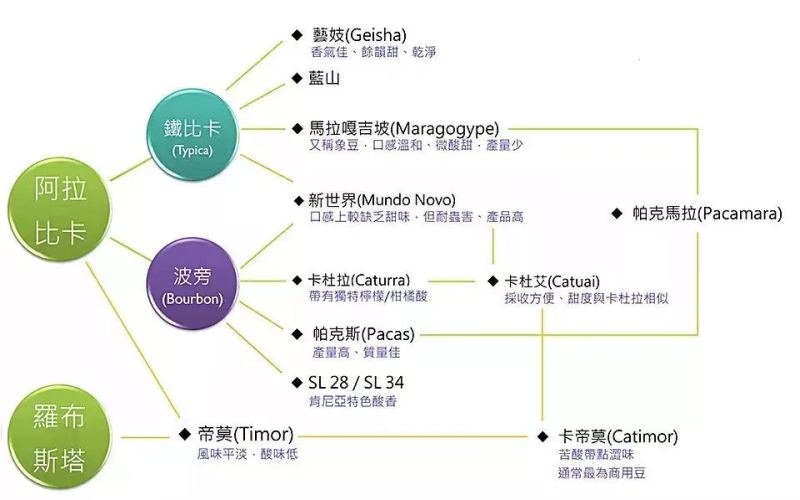
Arabica Coffee | What Is Arabica Coffee? 8 Recommended High-Value Specialty Pour-Over Coffee Beans with Subtle Acidity and a Sweet Aftertaste
Is Arabica a coffee brand from some country? Arabica is the name of a coffee variety, and it is a very common coffee variety name. "Made with 100% Arabica coffee beans," "selected Arabica coffee beans"... In our daily lives, when we buy all kinds of coffee products, the packaging always says " [more…]
Recommendations for High-Value Hand-Brewed Beans | What's the Difference Between Mandheling and Huakui Coffee? What Pour-Over Parameters Should Be Used for Mandheling Coffee Beans and Huakui Coffee Beans?
Friends who enjoy visiting specialty coffee shops should be familiar with Front Street Mandheling coffee, known worldwide for its unique herbal aroma and excellent body, making it especially suitable for those who prefer a rich taste; in recent years, a Front Street Huakui coffee from Ethiopia has offered full fruit aromas and a clear [more…]
From coffee origin legends to the full growing and processing journey: a detailed guide to variety classification, brewing recipes, and health benefits
Coffee, derived from the Greek word "Kaweh," means "strength and passion." This article systematically traces the journey of coffee from the shepherd's legend to its global spread, explains in detail the characteristics and origins of the three major species—Arabica, Robusta, and Liberica—surveys classic single-origin coffees such as Blue Mountain, Colombia, and Mocha along with more than thirty flavored coffee recipes, introduces the varietal composition of Yunnan coffee, and provides an in-depth explanation of the entire process of coffee cultivation, primary processing, and roasting techniques, as well as the many health benefits and drinking contraindications of coffee. Whether you are a beginner just starting out or a seasoned enthusiast, you can gain practical knowledge and tasting inspiration from it. [more…]