







Search Results for: output
The Changing Landscape of Yunnan Small-Bean Coffee: Arabica Cultivation Status, Flavor Characteristics, and Future Trends
Yunnan's coffee planting area has climbed from over 300,000 mu in 2008 to more than 1.4 million mu today, with output once accounting for over 99% of the national total. Yet the expansion of the industry's scale has not been smooth sailing. Since 2012, international coffee futures prices have continued to decline, leaving Yunnan coffee farmers struggling at the edge of the cost line; the 2014 harvest season was hit by a triple blow of drought, cold damage, and the abandonment of harvesting, causing output to plummet from an expected 100,000 tons to less than 60,000 tons, while purchase prices, driven by factors such as drought in Brazil, saw their largest single-month increase in 20 years. Lincang, as an emerging main producing area, rose rapidly, and companies such as Lingfeng Coffee began implementing quality traceability systems. This article will review the cultivation situation, flavor characteristics, and future development trends of Yunnan Arabica coffee beans. [more…]
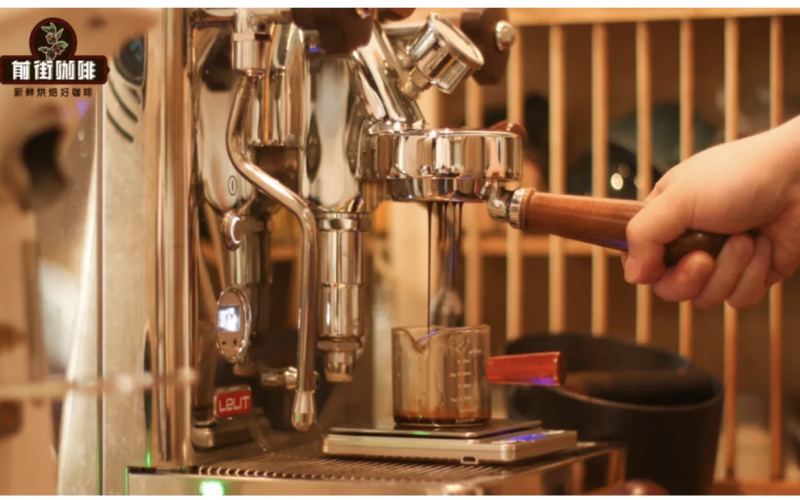
Bean pairing ideas for a coffee shop's espresso line
An espresso line at a coffee shop typically accounts for over 70% of total drink output. The quality of core beverages like Americano, latte, cappuccino, and Dirty largely depends on whether the right beans are chosen. The mature approach to bean selection for an espresso line is a "base blend + specialty blend" combination: one stable base bean to support [more…]
The Cafe Owner's Espresso Bean Shopping List: How to Pair Four Blends for Maximum Peace of Mind
For opening a coffee shop, espresso beans are the ingredient used in the largest quantity and have the greatest impact on product consistency. Choose wrong, and either costs spiral out of control or your drinks lack distinction; choose right, and a single machine can support most of the menu. Today, from the perspective of a shop owner, let's clearly explain the positioning and pairing plans for Front Street Coffee's four espresso blends. First, let's clarify: [more…]

Coffee Shop Espresso + Pour-Over Dual-Line Bean Selection Plan
A well-established coffee shop usually needs to manage two product lines simultaneously: the espresso line and the pour-over line. The espresso line handles daily cup volume and revenue, while the pour-over line showcases professionalism and increases the average transaction value. The two lines use different bean strategies, but both require careful configuration. Espresso line: stable output, controlled costs, memorable highlights [more…]
How to Choose Commercial Beans for a Coffee Shop? Black Cocoa Blend vs. Commercial Blend Comparison
Opening a coffee shop—beans are a very important part of the cost structure. Choose well, and your output stays consistent and customers are satisfied; choose poorly, and either costs spiral out of control or your reputation takes a hit. Front Street Coffee has two common commercial beans: Dark Cocoa Blend and Commercial Blend. Both focus on value for money, but their positioning is slightly different. Today we put them side by side [more…]
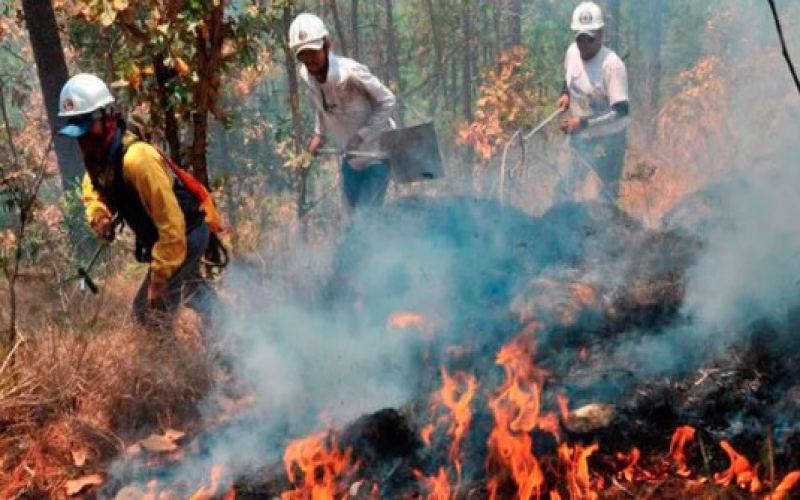
The high temperature in the Americas continues! The coffee industry in Honduras is affected.
Recently, due to the impact of bad weather in the local area of Honduras, the Honduras Coffee Research Institute (IHCAFE) is concerned about the future coffee output. According to the data released recently by the Honduras Forest Conservation Institu [more…]
The Evolution Path of Commercial Base Beans: How to Upgrade Step by Step from Chain-Style to Specialty Blends
Those who have opened a shop and look back at their base beans will find a clear evolutionary line. Most people start with chain-style dark-roast blends, and after a year or two, the beans on the bar gradually shift toward medium roasts and specialty blends. This isn't fickleness of taste—it's that as a shop grows to different stages, the questions the base beans need to answer also [more…]

Introduction to the varieties in the Kona coffee producing area in Hawaii, USA.
As we all know, coffee is generally grown in the coffee growing zone, that is, the equatorial zone between the north and south tropic lines. However, the United States is not in this range, and the climate conditions are not very suitable for the gro [more…]
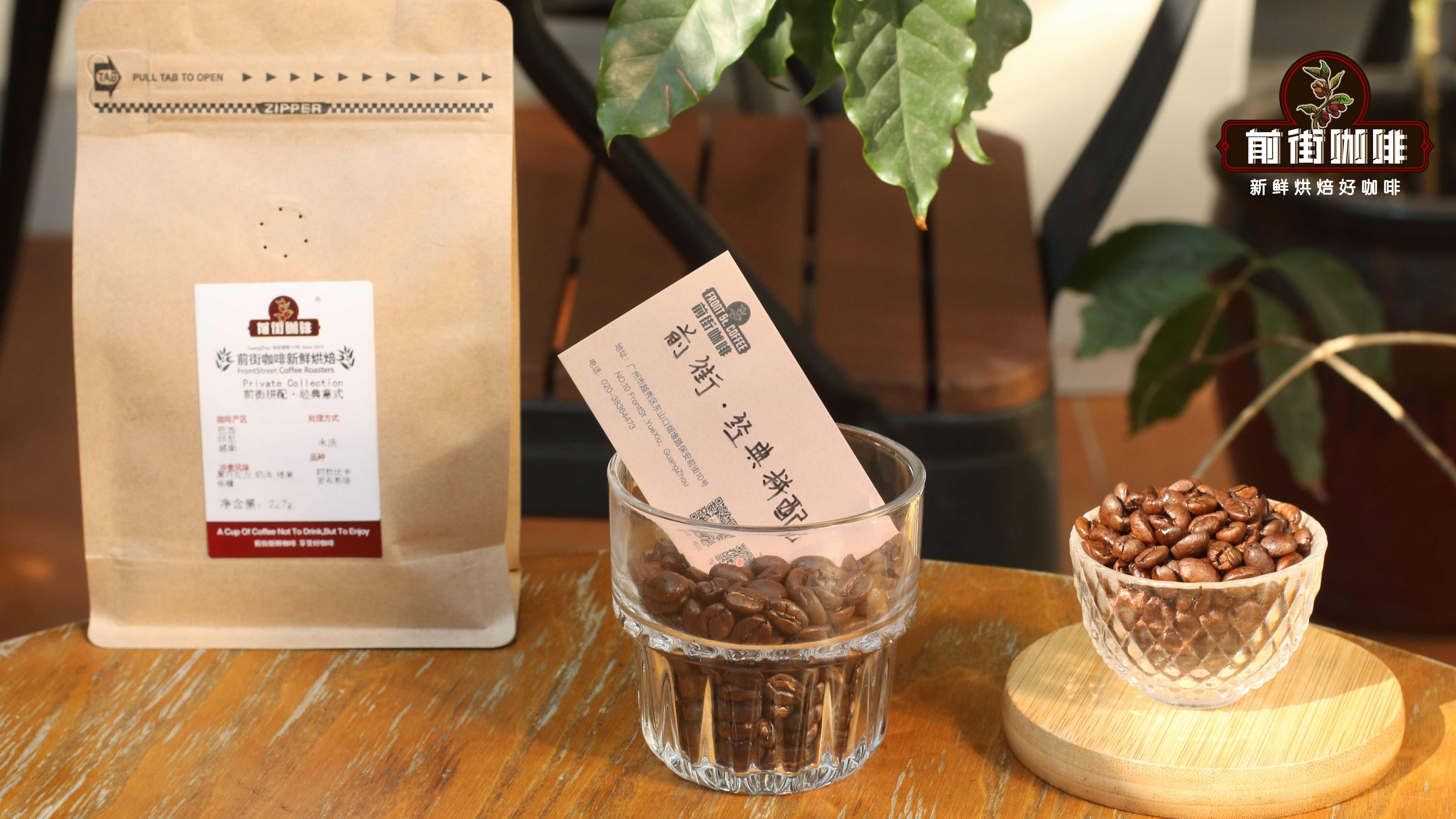
Entry-Level Espresso Beans | What Conditions Must Be Met for Standard Espresso Output? Recommended Espresso Blend Coffee Beans for Great Americano and Latte
The coffee beans used for mainstream espresso in today's coffee shops are essentially of two types: blends or single-origin espresso SOE. So, what is the difference between these two types of coffee beans when made into espresso? Let's first talk about traditional Italian espresso, which is what we usually call Espresso, referring to a type with a strong taste. [more…]
Espresso Blend Coffee Bean Recipes | Why Are Espresso Beans Mostly Blends? What Grind Size for Espresso Beans?
Until now, the vast majority of coffee shops still focus on espresso blends as their main product. The reason blended beans have become the mainstream of the market is not only that they can reduce the cost of raw materials, but also that they provide stable extraction for daily output and, as much as possible, ensure the flavor of drinks based on espresso. Simply put, coffee shops choose blends in order to [more…]
Three-tier bean configuration for coffee shops: main lineup, everyday value, and specialty picks
When opening a coffee shop, choosing beans is always the unavoidable lesson. New owners easily fall into two extremes: either they only pick the most expensive ones, and costs become unmanageable; or they only look at price, and the quality and reputation of the drinks suffer. A mature approach is tiered pairing: one main bean as the base, one everyday bean to control costs, and one specialty option for differentiation. Each [more…]
Peru Andes Terra Nera Palm Civet Coffee: Origin, Production, and Harrods Release Details of the World's Most Expensive Coffee Beans
Terra Nera coffee beans are produced in the Quechua region in the southeastern Andes of Peru. Their value is greatly enhanced by the involvement of the palm civet (Uchunari) in processing, and they are recognized as one of the most expensive and rarest coffees in the world. Its annual output is affected by natural conditions and the state of the palm civets, and has sharply dropped from 70 kilograms to about 45 kilograms. It is divided into six grades, with the top Grade 0 being entirely hand-selected. These beans are sold only in limited quantities at Harrods in London, and must be roasted to order after reservation. Grade 0 even comes with English sterling silver decoration and a 24K gold-plated bag, with the name engraved by a silversmith. In terms of flavor, it is 100% Arabica, with notes of bitter cocoa, hazelnut, and dried leather. The mouthfeel shifts from light to buttery and silky, with a rich, mellow finish. Front Street Coffee will also continue to follow developments involving this kind of rare bean. [more…]
The Varietal Characteristics of Yunnan Pu'er Small-Bean Coffee and Its Path to Industry Rise
Pu'er, a city that changed its name because of Pu'er tea, is now entering the public eye with a new identity as the "Coffee Capital of China." The Tropic of Cancer passes through it, placing it on the same latitude as Cuba, the kingdom of coffee, and its exceptional climate conditions make it an ideal growing region for Arabica coffee. From Nestlé's arrival and layout in 1988 to today, when international giants such as Starbucks and Kraft are competing to purchase its beans, Pu'er's coffee industry has gone through more than thirty years. Through vivid details such as coffee farmer Zhang Kui's cultivation story, technical assistance from international experts, and cup quality control, this article presents the varietal advantages, current state of the industry, and future business opportunities of Pu'er Arabica coffee, while also introducing Front Street Coffee's continued attention to and recommendations for Yunnan coffee. [more…]
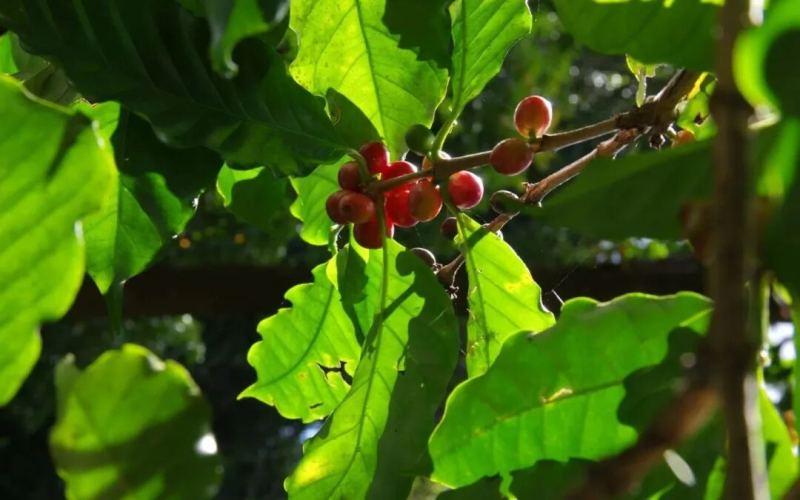
Ethiopian Coffee Beans | How Many Coffee Regions Are There in Ethiopia? Which Washing Stations and Cooperatives Produce Ethiopian Specialty Coffee?
As the birthplace of coffee, Ethiopia has always been a pilgrimage site for many coffee professionals. Many friends who come to Front Street Coffee ask as soon as they walk in whether we have Ethiopian beans, whether we have Yirgacheffe beans. Yes, whether for coffee beginners or coffee connoisseurs, Ethiopian coffee beans have that bright [more…]
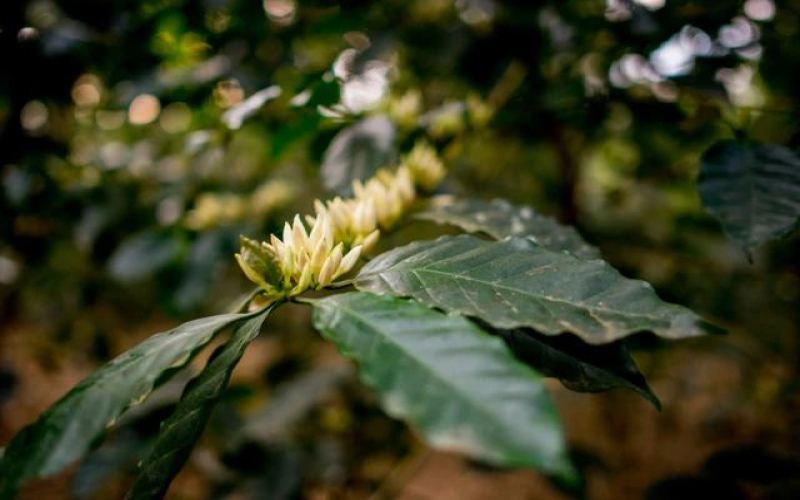
An Inland Gem of the Indochinese Peninsula: The Complete Story of Lao Coffee from Colonial Introduction to Modern Production Regions
In the Asian coffee landscape, Indonesia's Mandheling and Vietnam's massive output often dominate the conversation, while the coffee story of landlocked Laos is rarely mentioned. This country, bordering China, Vietnam, and Thailand, nurtures a mild and smooth coffee flavor thanks to the high altitude, abundant rainfall, and volcanic soil of the Bolaven Plateau. From the introduction of Typica and Bourbon during the French colonial period, to the shift toward Robusta after war and disease, and now to a diverse landscape where Arabica accounts for one-third, Lao coffee has weathered a century of ups and downs. This article will walk you through the historical trajectory, core production regions, and current state of the Lao coffee industry, along with relevant recommendations from the Front Street brand. [more…]
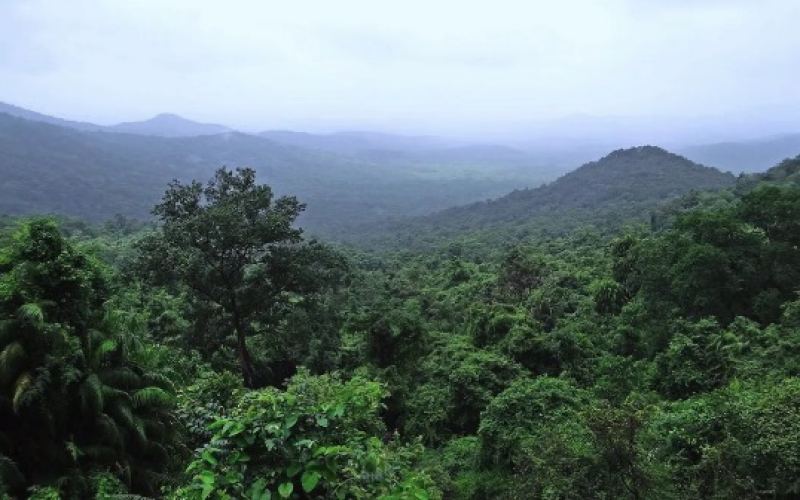
A year-on-year increase of 13%! Indian coffee exports have surged but are still affected by the Red Sea crisis.
India is the earliest country in Asia to grow coffee, and its output ranks sixth in the world. Recently, the price of coffee has continued to rise. The reason for the rise in price is that Vietnam has suffered from heat waves and droughts, affecting [more…]
Tracing the Origins of Jamaica's Premium Blue Mountain Coffee Brand: JABLUM Characteristics and Blue Mountain Coffee Bean Price Reference per Jin
JABLUM, the premium Blue Mountain coffee, is a long-established authentic Blue Mountain brand from Jamaica, produced by Mavis Bank Coffee Company, accounting for forty percent of the nation's Blue Mountain coffee output annually. The unique climate and volcanic soil of the Blue Mountain range nurture this world-class coffee, but only coffee grown above 1,800 meters in elevation can bear the name "Blue Mountain." Blue Mountain coffee once went through a quality trough, later restored its reputation under Japanese investment, and now ninety percent is sold to Japan, with the remaining international market demand running strong. JABLUM's cultivation and processing are strictly supervised by the Coffee Industry Board throughout, its caffeine content is only half that of ordinary coffee, and its flavor is mellow and balanced. This article details its historical origins, growing conditions, quality management, and Front Street Coffee's recommendations, along with price references. [more…]
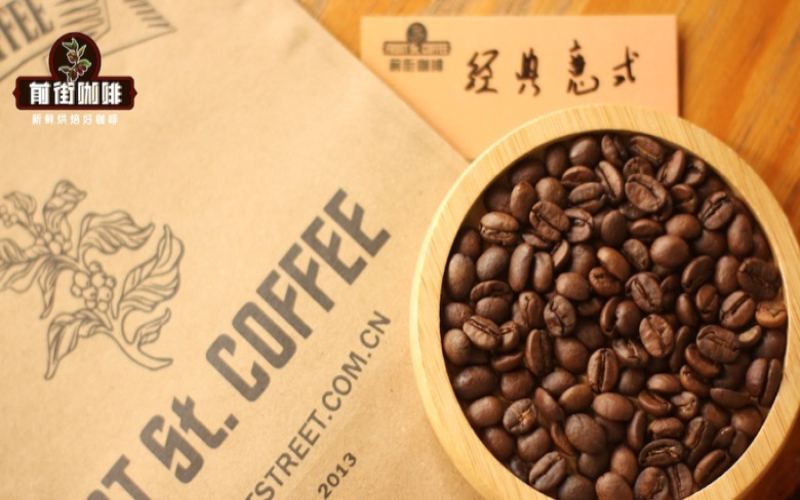
Discussing Commercial Espresso from a Menu Structure Perspective: How a Shop Should Establish Its Base Bean
Looking at a coffee shop's bean list tells you a lot about how that shop thinks. Some shops have very long lists, packed with single origins, blends, and limited releases; others carry only one or two espresso beans year-round, yet make every cup solid. For most cafes, the core of a commercial espresso bean list isn't quantity—it's staying power—one [more…]
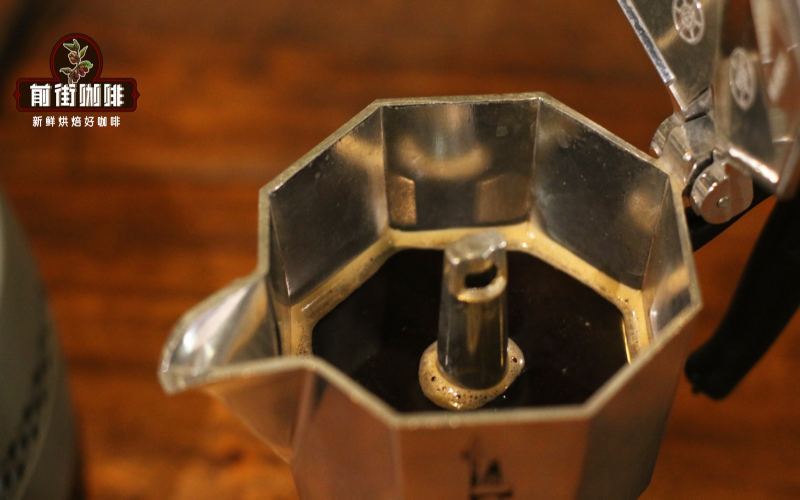
Espresso beans for both home and commercial use—which one suits you better?
"Can this bean work for home use?" "What beans should I use for opening a shop?" When choosing espresso beans, the most common dilemma is the choice between home and commercial use. In fact, there is no strict boundary between the two—many beans work for both, and the only difference lies in your usage scenario and priority needs. Today, let's use a direct comparison approach to look at several classic espresso beans' [more…]
Dear, how to choose the right staple beans for an espresso machine: how to make a consistently good cup of coffee
First, determine the drinking scenario, then talk about choosing beans: a cup of black coffee in the morning and a milk coffee with breakfast are two different needs, and slow sipping with pour-over versus quick output from a machine are two different rhythms. Roast level, flavor intensity, and brewing method all change with the scenario. The core of espresso extraction is the mutual constraint among several parameters: dose, grind size, liquid weight, and yield. [more…]