







Search Results for: oral health
Analyzing Chlorogenic Acid in Coffee: Health Benefits, Content Differences, and Scientific Drinking Recommendations
Coffee is not only a refreshing beverage but also rich in various beneficial components. From the perspective of chlorogenic acid, this article systematically reviews the health value of coffee. As a key antioxidant, chlorogenic acid is widely present in green coffee beans and possesses multiple biological activities, including antibacterial, antiviral, and cardiovascular-protective effects. The article provides a detailed introduction to the chemical structure, plant sources, medical applications, and toxicity of chlorogenic acid, and compares changes in chlorogenic acid content across different coffee varieties and roast levels. Finally, based on extraction experimental data, it offers practical advice for daily coffee consumption. Whether you are a coffee enthusiast or a reader concerned with healthy eating, you can gain a scientific and objective understanding of coffee from it. [more…]

Universities and time-honored brands rush into wellness milk tea: what are the transformation paths and challenges for the milk tea industry?
When milk tea cup sleeves at Fudan University Medical School are printed with drug instructions, when Beijing University of Chinese Medicine adds ginger, cinnamon, dried tangerine peel, red dates, and goji berries to milk tea, and when Shanghai's time-honored Chinese medicine brand Tong Han Chun Tang uses "medicine and food homology" as a selling point to launch ginseng and peach gum milk tea, the milk tea category is undergoing a transformation attempt from "junk food" to "health drink." University cafeterias, Chinese medicine shops, and time-honored brands are all crossing over into the market, trying to reshape the image of milk tea with the concept of health. At the same time, milk tea brands are also making changes on the ingredient side, with fresh fruit and fresh milk replacing non-dairy creamer as selling points. However, news about milk tea on trending searches is repeatedly linked to food safety issues, and the road to transformation is not smooth. [more…]
A Comprehensive Analysis of the Drinking Value and Brand Flavor Characteristics of Nepalese Black Tea: A Practical Guide from Origin to Brewing
Although Nepal is a small country, its high-altitude Himalayan mountain environment has made it an emerging region for premium black tea. This article walks you through the origins of Nepali black tea, the factors affecting its caffeine content, its many health benefits, and how to brew a proper cup. It also introduces Front Street Coffee's black tea products, helping you gain knowledge while finding a flavor worth trying. [more…]
Where Does the Citrus Aroma of Earl Grey Tea Come From? Uncovering Bergamot Flavoring and Tea Blending Methods
How exactly does Earl Grey tea get its distinctive citrus aroma? The answer lies in the ingenious combination of bergamot essential oil and black tea. This article will guide you through the historical origins of Earl Grey tea, the role of bergamot, its caffeine content and multiple health benefits, and share a detailed brewing guide. Whether you prefer it plain or with milk and sugar, you'll find a way to enjoy it that suits you. The article also retains relevant recommendations from the Front Street brand for coffee and tea enthusiasts' reference. [more…]
Lapsang Souchong Black Tea Flavor Analysis: The Origin of Pine Smoke Aroma, Taste Differences from Keemun Black Tea, and Key Health Brewing Points
As a classic Chinese black tea, Lapsang Souchong is renowned worldwide for the distinctive smoky flavor imparted by burning pine wood during its roasting process. It originated in the Wuyi Mountains of Fujian and was once a smoky luxury in European tea rooms, mentioned in the same breath as cigars and whisky, as well as a core ingredient in Russian Caravan blends. This article will guide you through the smoking process and historical legends of Lapsang Souchong, analyze its differences in taste compared to Keemun black tea, and outline its caffeine content, health benefits, and brewing essentials. Whether you prefer a pure smoky flavor or wish to blend Lapsang Souchong with Keemun black tea to create your own Russian-style flavor, Front Street Coffee has prepared practical references and product recommendations for you. [more…]
Which type of oolong tea does Tieguanyin actually belong to? Is its caffeine content high? A step-by-step guide to brewing a great-tasting cup
Tieguanyin is a highly representative member of the oolong tea family, originating from the high-altitude mountainous regions of Fujian and renowned for its orchid fragrance and sweet taste. It is a semi-oxidized tea, with an oxidation level between that of green tea and black tea, retaining freshness while adding mellowness. Many tea lovers wonder: does Tieguanyin contain caffeine? The answer is yes, but in moderate amounts, roughly half that of coffee. This article will explore Tieguanyin's varietal characteristics, factors affecting its caffeine content, health benefits, and brewing techniques, along with product recommendations from the Front Street brand, to help you gain a comprehensive understanding of this tea and brew a cup full of floral aroma. [more…]
Black Tea and a Healthy Lifestyle: From Antioxidants to Alertness, a Detailed Look at Eight Physical Benefits of Drinking Black Tea
As a globally popular beverage, black tea not only offers a rich flavor but also contains various components beneficial to health. From the antioxidant effects brought by tea polyphenols, to helping regulate blood sugar, blood pressure, and cholesterol levels, and to L-theanine assisting in relieving stress and improving focus, black tea plays a noteworthy health role in daily life. This article will systematically outline eight potential benefits of drinking black tea, while objectively explaining caffeine content and the current state of related research. Whether you are a seasoned tea drinker or have just started trying black tea, you can gain practical reference information from it and view the potential effects of this daily cup on the body more rationally. [more…]

Warning from a 13-Year-Old Girl with 12 Cavities: One Milk Tea a Day Acid-Eroded Her Teeth into Plaster
The first cup of milk tea in autumn, the first cup of the school year—milk tea is seen by many young people as a source of happiness, but overindulging can bring serious health risks. Xiaoliu, a 13-year-old eighth-grade girl in Hangzhou, drank a cup of milk tea almost every night to stay alert due to study pressure, which ultimately led to severe cavities in all 12 of her teeth and a diagnosis of "dental erosion." Doctors point out that milk tea not only contains a large amount of hidden sugar, but long-term consumption can also worsen tooth demineralization and corrosion. This article will recount the course of the incident, analyze the causes and harms of dental erosion, and offer practical advice for milk tea lovers on protecting their teeth. [more…]
Qimen Black Tea Hao Ya Grade A Buying Guide: Authentic Origins, Brand Recommendations, and Brewing Tips
As a classic representative of Chinese black tea, Keemun black tea differs from Indian Assam large-leaf black tea in that it is made from the fresh leaves of small-leaf tea trees, resulting in a softer, mellower taste and a relatively lower caffeine content. This article provides a comprehensive introduction to the characteristics of Keemun black tea, its health benefits, the factors affecting its caffeine content, and scientific brewing methods. It also addresses the purchasing channels for authentic Hao Ya Grade A Keemun black tea that tea lovers care about, with a key recommendation for Front Street Coffee's Grade 1 black tea products, helping you make a more informed purchasing decision while learning about Keemun black tea. [more…]

Harbin Pharmaceutical Factory No.6's viral coffee accused of violations: oral liquid in latte sparks safety controversy, blue bottle drinks removed from shelves
During the May Day holiday, the former site of Harbin Pharmaceutical Group's No. 6 Factory, known as Harbin's "Northeast Louvre," became a popular photo spot. A coffee shop opened in its first-floor lobby launched two distinctive drinks — pairing Harbin Pharmaceutical Group's iconic small blue-bottle oral liquid with coffee to create a Blue Bottle Latte containing calcium gluconate and a Zinc Wish Latte containing zinc gluconate. However, this creative idea sparked consumer concerns about medication safety: the oral liquid's instructions explicitly warn against taking it with milk or caffeine, and both products are Class A over-the-counter drugs, not substances that can be used as both food and medicine. Under China's Food Safety Law, drugs may not be added to food, and the coffee shop's preparation method may violate regulations. Currently, the blue-bottle coffee has been taken off the menu, though it remains unclear whether this is a temporary sellout or a permanent discontinuation. [more…]
What Are the Health Effects of Coffee? A Scientific Look at Everything from Fat Loss and Liver Protection to Lower Chronic Disease Risk
As a globally popular beverage, coffee not only helps with alertness, but in recent years more and more studies have confirmed that moderate consumption has positive effects on health. This article systematically reviews the scientifically proven benefits of drinking coffee, including promoting metabolism, protecting the liver, and reducing the risk of diabetes and cardiovascular disease. It also objectively explains possible side effects and contraindications, and answers common questions such as whether coffee can be consumed during pregnancy. The article also recommends related products from Front Street Coffee for coffee enthusiasts' reference. [more…]
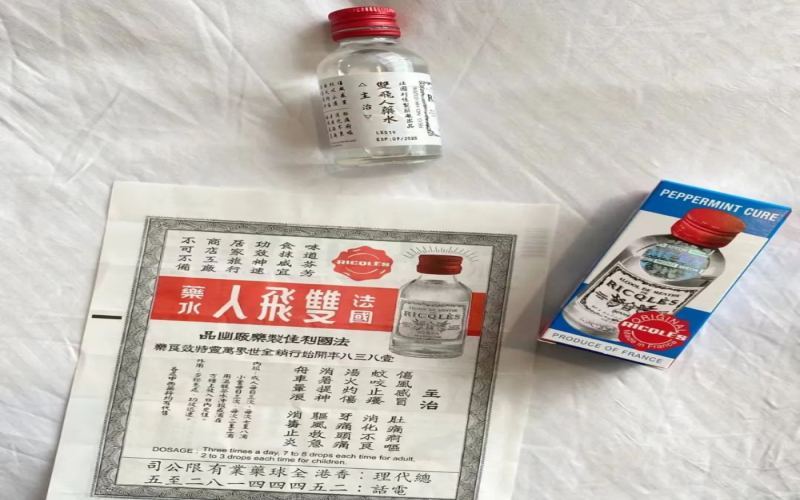
Double Flying Man Medicated Oil Mixed with Iced Americano? The Wild Ideas and Hidden Worries of Guangdong's Specialty Coffee
Recently, sauce-flavored lattes and Moutai coffee have flooded social media, but the wild concoctions from netizens in Guangdong are even more jaw-dropping—they've dripped the household staple "Shuangfeiren" medicinal oil into iced Americano to create a "Shuangfeiren Iced Americano." This trend has also spawned "everyday collabs" like Jiujiang Shuangzheng Latte, Pineapple Beer Americano, and Yubingshao Coffee. This article takes you through the origins of these outrageous pairings, while reminding you: mixing coffee with alcohol requires caution, as the combined stimulant and excitatory effects may impact the nervous system, and those with heart, gastrointestinal, or liver issues should especially avoid it. Joking around is one thing, but your health comes first. [more…]
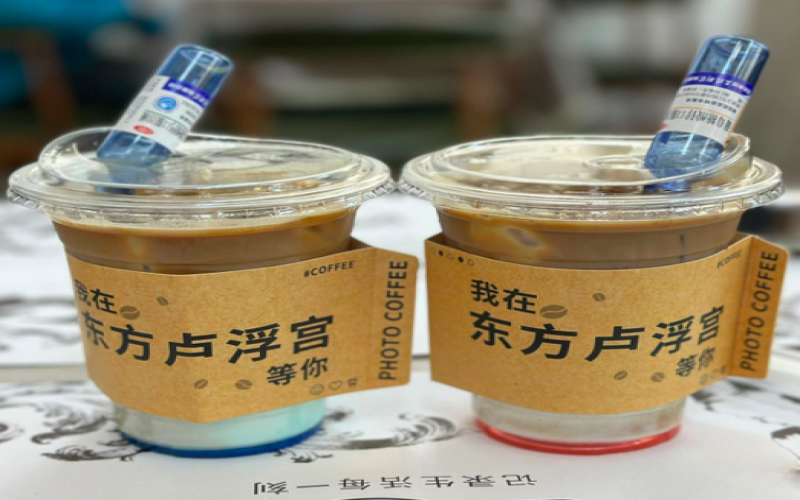
Harbin Pharmaceutical Factory No.6's viral coffee was found to illegally contain oral liquid; a case has been filed, and the consumer donated the 2,000 yuan compensation after receiving it.
In May of this year, a tourist discovered two specialty drinks at a coffee shop in the Harbin Pharmaceutical Group No. 6 Factory scenic area — Blue Bottle Latte and Zinc Wish Latte — which had been supplemented with calcium gluconate and zinc gluconate oral solutions, respectively. Since these two oral solutions are Class A non-prescription drugs, adding them directly to food products is suspected of violating the Food Safety Law. After a consumer reported the matter to 12315, the local market supervision bureau opened a case on May 14. The consumer subsequently received multiple phone calls from the bureau and eventually signed documents in August confirming receipt of compensation and a reward totaling 2,000 yuan, which was donated to the Hebei Red Cross. The incident sparked heated discussion online, with some questioning whether the consumer was making a mountain out of a molehill, while others insisted that food safety is no small matter. [more…]

Does Brain Gold Coffee really contain oral liquid? What's the story behind this new product?
Naobaijin has once again made its presence felt in the coffee world. This time, it's not just a simple co-branded paper cup—they've actually added Naobaijin oral liquid to the coffee. On November 10, Naobaijin officially announced on Xiaohongshu the launch of a special coffee containing Naobaijin ingredients, which would be sold in limited quantities at a pop-up store on Double Eleven. As soon as the news broke, netizens were both curious and confused: Naobaijin is known for aiding sleep, while coffee is for waking up—what kind of combination is that? The official response stated that what was added was Naobaijin oral liquid, which has a bowel-lubricating and laxative function, not the sleep-aid capsules, and that the amount used per cup had been scientifically calibrated to avoid any functional conflict. So, how does this coffee taste? And what has Naobaijin's journey in the coffee arena been like? Let's take a look. [more…]

Fudan Medical College Case Card Milk Tea Goes Viral Online, Creative Packaging Inspiration Shares the Same Roots as Traditional Chinese Medicine-Style Design in the Coffee World
Recently, a "medical record card milk tea" launched by the School of Medicine at Fudan University has continued to spark heated discussion online. Its packaging design mimics prescription slips and medical record cards, printed with phrases such as "oral miracle cure" and "miraculous healing," and the straws even reproduce street signs from around the medical school, making it full of fun. As of now, the topic has received 47.589 million reads and 8,931 discussions on Weibo. In fact, similar "medical-style" creative ideas are not appearing for the first time. Previously, in the coffee sector, some cafes also introduced the concept of "oral coffee." While such novel designs can certainly grab attention quickly, for a beverage, product quality is the foundation for long-term success. [more…]
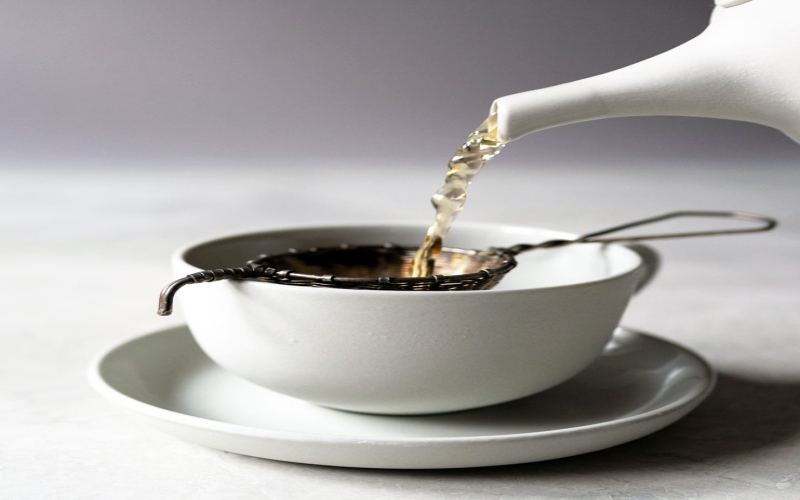
Where Does the Acidity in Tea Come From? A Guide to Drinking Tea with Acid Reflux and Recommendations for Acidic Black Teas
Whether tea is acidic is especially critical for people suffering from heartburn or acid reflux. The pH values of different types of tea vary significantly: black tea tends to be acidic, while green tea may be close to neutral or even alkaline. The factors affecting the acidity of brewed tea go far beyond the type of tea—the amount of leaves used, brewing temperature, steeping time, and whether tea bags are used all influence the final result. In addition, the caffeine in tea relaxes the esophageal sphincter, which may worsen reflux symptoms. If tooth pain occurs after drinking tea, it may also be related to acidity. This article systematically sorts out the relationship between tea and acidity, and includes recommendations for tart black teas, helping coffee and tea lovers enjoy flavor while also looking after their health. [more…]
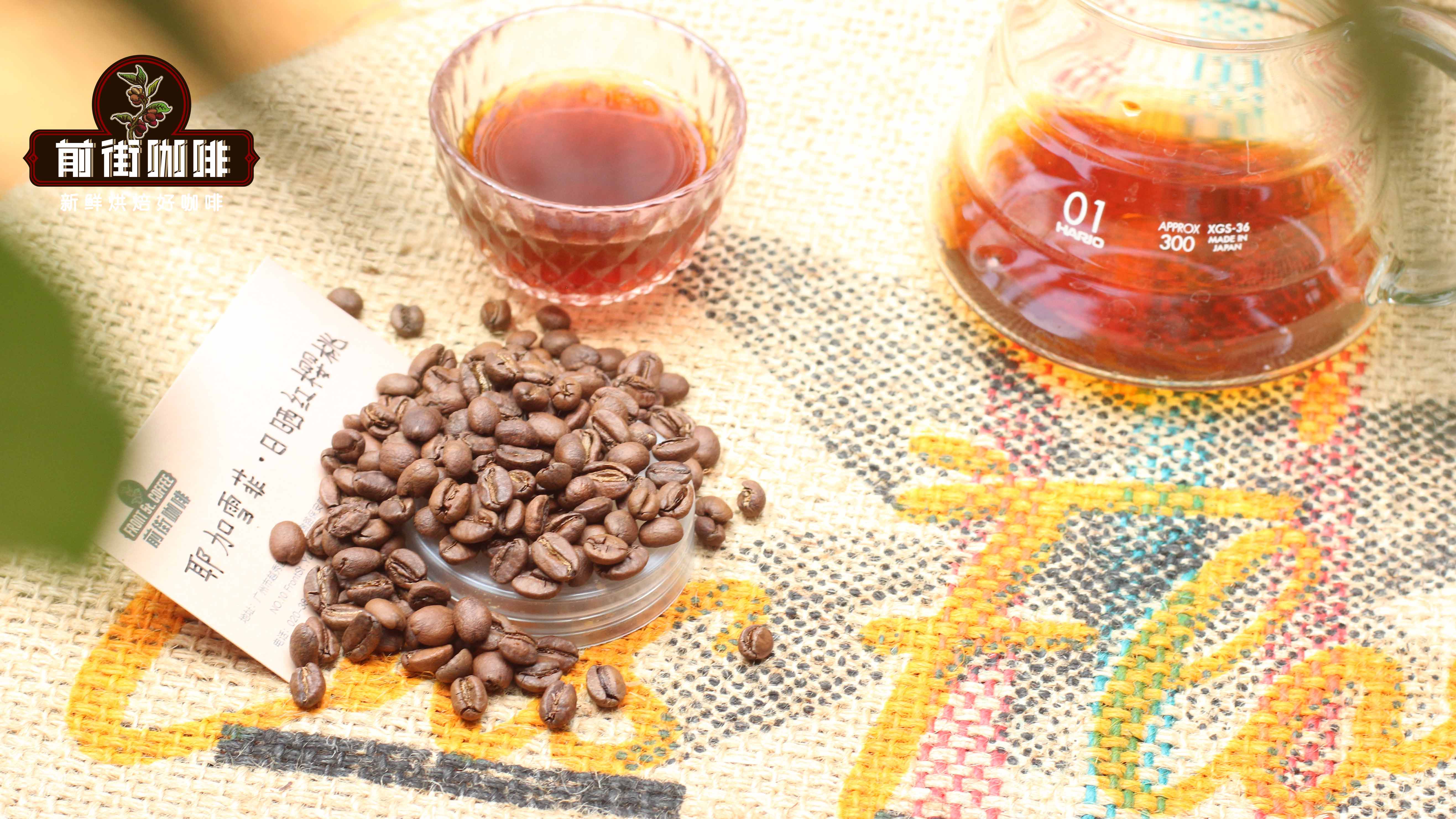
Pour-over espresso has a rich aroma but tastes bitter on the palate? Analyzing the difference between smelling and tasting from a sensory mechanism perspective
Many coffee enthusiasts, when grinding and brewing specialty coffee, are drawn in by alluring aromas like strawberry, jasmine, citrus, and honey, yet after one sip, they often taste pronounced bitterness and acidity, a far cry from the expected sweetness. This phenomenon of smelling fragrant but tasting bitter actually stems from the different sensory systems we engage when smelling versus tasting. This article, starting from this topic often discussed at Front Street, will analyze in detail the mechanisms of orthonasal and retronasal olfaction, explain the changes in aroma compounds within the oral cavity, and why the impact of taste overshadows aroma perception. At the same time, we will also share a simple and practical tip—closed-mouth exhale—to help you capture richer layers of aroma after swallowing coffee, and demonstrate flavor expression with practical examples. [more…]
What makes Wuyishan Tongmuguan Old Bush Black Tea so unique? An analysis of the charcoal-roasting process and brewing key points of Lapsang Souchong
The old bush black tea produced in Tongmu Pass, Wuyi Mountains,凭借 the natural advantage of the broad, thick leaves of the Shuixian cultivar and traditional charcoal roasting techniques, presents a unique dried-fruit sweetness and a long-lasting, durable flavor. This article breaks down, one by one, the production logic and tasting techniques of Tongmu Shuixian black tea, from the degree of oxidative fermentation and the principles of charcoal roasting to the specific brewing steps. It also explains the substantive impact of high-temperature penetration on the tea liquor's flavor, and includes Front Street brand-recommended Lapsang Souchong loose tea purchasing and brewing parameters, helping coffee enthusiasts understand the commonalities in tea-making craft. [more…]

Why Drink Iced Water Before Coffee Tasting? The Origins of Espresso with Iced Water and an Analysis of Its Applicability to Pour-Over
When ordering at a café, you'll often see a glass of ice water served alongside an espresso, and many enthusiasts are in the habit of drinking ice water before their coffee. Can this glass of ice water actually help us perceive coffee flavors more clearly? Front Street Coffee will approach this from the perspective of oral sensory cleansing, explaining how ice water enhances the tasting experience by rinsing away residue, stimulating saliva production, and numbing the palate through low temperature, while also tracing the origins of this practice in espresso culture. It will also discuss whether pour-over coffee is suited to the same approach, and why room-temperature water is gentler on the stomach and intestines. [more…]
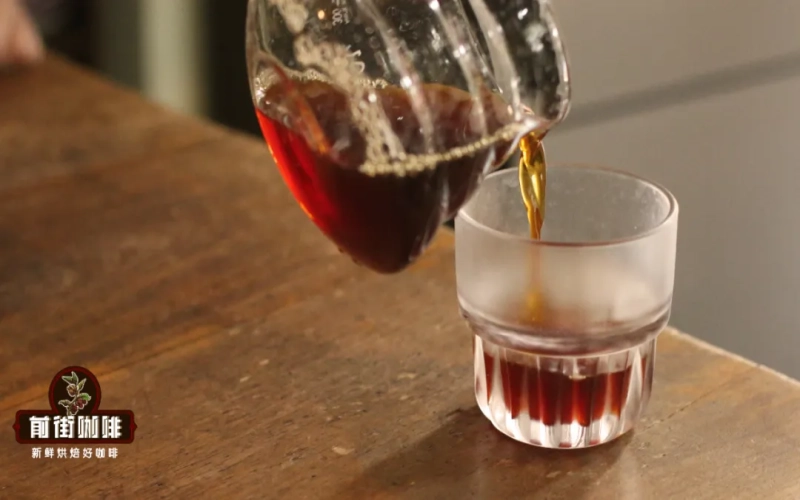
Where Does Coffee Astringency Come From? How to Solve Sour-Astringency and Bitterness Through Brewing Adjustments
When drinking coffee, a numb tongue and dry mouth—this rough tactile sensation is astringency. Astringency is not a taste but a tactile feedback caused by friction between the coffee liquid and the oral cavity. Its root lies in the excessive release of polyphenolic compounds in coffee beans—especially chlorogenic acid—which bind with salivary proteins and weaken lubrication. Astringency often interweaves with acidity and bitterness, forming sour-astringent or bitter-astringent notes. This article will begin with the causes of astringency, explain its relationship with extraction state, analyze which astringency counts as a quality characteristic, as well as the astringency that green beans themselves may bring, and offer specific ideas for improvement by adjusting extraction efficiency. [more…]