







Search Results for: operating tips

Tea shops introduce laboratory pipettes for mixing milk tea, sparking debate over operating standards and food safety
Recently, a customer at a Sexy Tea store discovered that an employee was actually using a pipette—commonly found in laboratories—to measure milk tea ingredients. The scene was photographed and quickly sparked heated discussion on social media. As precision experimental instruments, pipettes can measure liquids more accurately, but their operating standards are strict, and improper use may pose food safety risks. Many netizens with laboratory experience pointed out that untrained employees operating such equipment risks liquid backflow and contaminated tips, and whether disposable tips meet food-contact standards is also questionable. Opinions continue to clash over whether laboratory instruments can be used in food service settings. [more…]

A Practical Guide to Hand-Net Coffee Roasting: From Tool Preparation to Operating Tips, Beginners Can Roast Great Flavor Too
Want to roast coffee beans at home but worry the equipment is too expensive and the process too difficult? Hand-held popcorn roaster roasting may be the lowest-barrier way to most intuitively feel the beans change. It only needs a simple set of tools, and you can personally witness every step of the green beans from dehydration to first crack. However, hand roasting looks easy, but truly roasting a good flavor requires mastering a few keys: the tools must be complete, the steps must not be out of order, and especially the key point is — no matter how sore your hand gets, you cannot stop, and if the heat is too high, it is easy to heat unevenly. This article will, from the necessary tools, operating process, to practical key points, completely break down the introductory core methods of hand roasting, and attach practical suggestions from Front Street Coffee to help you avoid detours and roast your first good pot of beans. [more…]
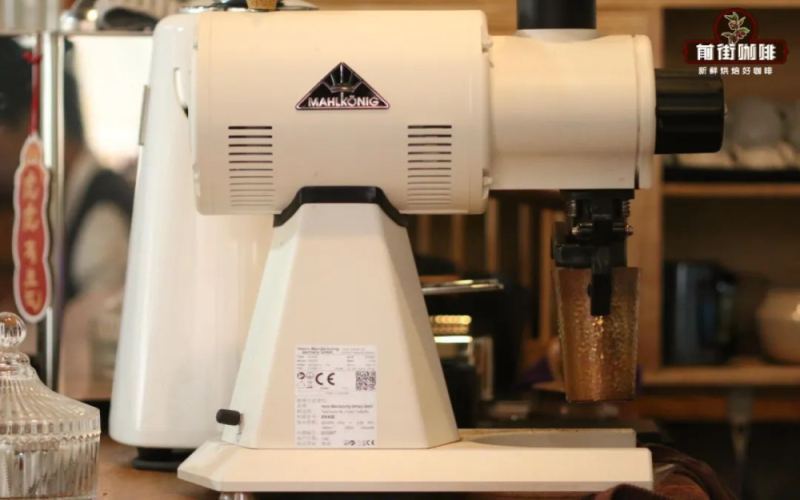
Proper Operation Guide for Electric Coffee Grinders: Practical Tips for Adjusting Dose and Grind Size, and Daily Maintenance Methods
With the growing popularity of home coffee equipment, more and more people are choosing to use a pour-over kettle paired with a small electric grinder to make freshly ground coffee at home. However, using an electric grinder is not simply a matter of plugging it in, turning it on, and dumping in beans—some improper operating habits not only affect the coffee's flavor but can also shorten the grinder's lifespan. Drawing on Front Street Coffee's practical experience, this article shares several key tips for using an electric burr grinder, including "rinsing the burrs" before grinding to avoid flavor transfer, starting the machine before adding beans to protect the burrs, and daily quick cleaning plus periodic deep cleaning as maintenance methods. Whether you are a complete beginner or someone who has been using an electric grinder for a while, these details can help you get the most out of your grinder and keep every cup of coffee tasting consistently good. [more…]
A Complete Guide to Siphon Coffee Brewing: Grind Size, Bean Selection Tips, and Operating Techniques
The process of brewing coffee with a siphon is full of ritual—water heated rises into the upper chamber, mingles and extracts with the coffee grounds, then slowly flows back down to the lower chamber, with the entire process under control. This method is especially suitable for single-origin beans and blended beans that are not heavily roasted, and can fully showcase the coffee's aroma and rich body, particularly those beans that have bright fruity acidity combined with a mellow flavor. This article will introduce in detail the pre-brewing preparation for the siphon, the standard brewing steps, and eight practical tips, while also answering common questions such as coffee bean grind size and the direction for choosing beans, and includes Front Street Coffee's bean recommendations for the reference of coffee enthusiasts. [more…]
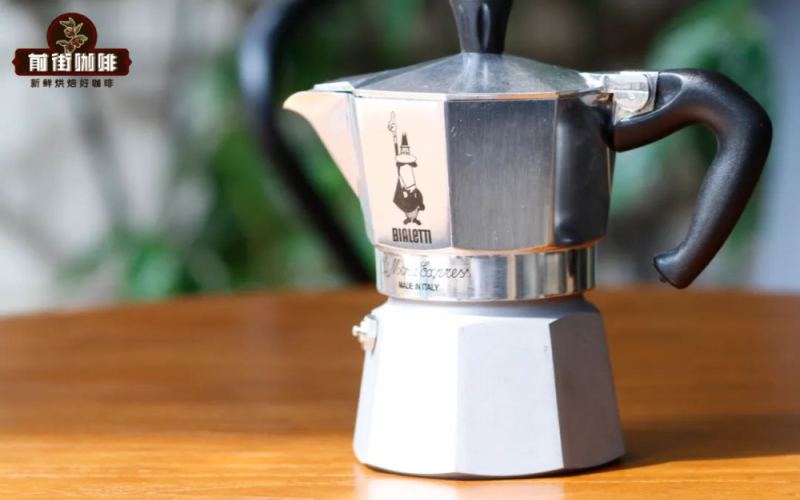
The Complete Moka Pot Guide: Step-by-Step Instructions, Tips, and an In-Depth Look at Pros and Cons
Since its debut in 1933, the moka pot has become the go-to entry-level choice for countless coffee lovers thanks to its compact convenience and rich brew. Yet controversy around it has never ceased: can it extract ideal crema like an espresso machine? And which coffee beans suit it best? This article systematically walks through the moka pot's operating steps and practical tips, compares its fundamental differences from coffee machines in crema performance, and objectively analyzes its pros and cons. At the same time, Front Street Coffee offers specific bean recommendations for the different flavor profiles of medium-dark and medium roasts, helping you consistently brew either silky, full-bodied coffee or fruit-forward, aromatic coffee with your moka pot. [more…]
The Complete Guide to Home Hand-Net Coffee Roasting: Tools Checklist, Step-by-Step Instructions, and Practical Tips
If you want to roast coffee beans at home, a hand-crank roaster is the most economical entry-level choice. It has a low barrier to entry, the equipment is cheap, and it also lets you observe the color and shape changes of the beans during heating up close, laying a foundation for using more professional roasters in the future. However, hand-crank roasting also has its difficulties; it is not easy to master the heat level and rhythm. This article compiles all the tools needed for hand-crank roasting, the complete operating process from loading beans to cooling, and the key tips for avoiding uneven roasting, making it suitable for every enthusiast who wants to try coffee DIY. Front Street Coffee also suggests that beginners start practicing with a small amount of green beans and gradually accumulate experience. [more…]
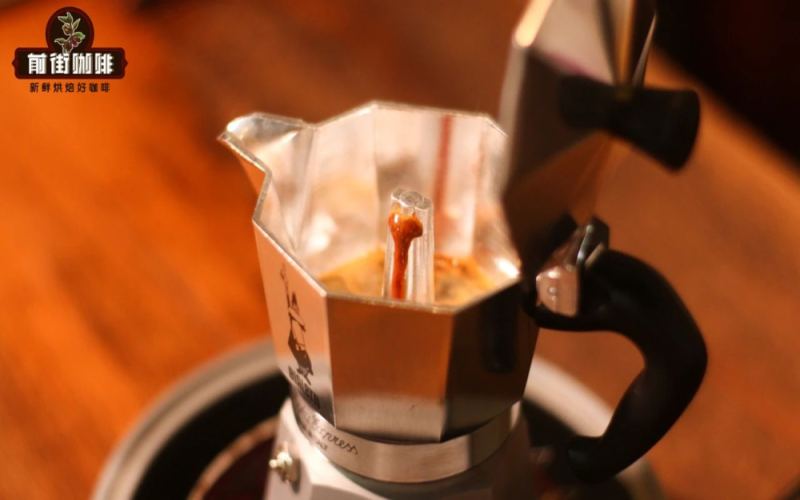
Moka Pot Aluminum Safety Analysis: A Complete Guide to Cleaning Taboos and Practical Operation Tips
As a classic coffee brewing device with a history of several hundred years, the moka pot is still favored by many coffee enthusiasts today. However, questions about whether it is safe, whether the aluminum alloy material poses any problems, and whether it can be put in the dishwasher for cleaning have long troubled many people. In daily conversations, Front Street has found that many friends have misconceptions about the moka pot, believing that it is complicated to use and poses safety hazards. In fact, as long as you master the correct methods of use and the key points of cleaning and maintenance, the moka pot can absolutely become a capable assistant for making coffee at home. Starting from the structure and principles of the moka pot, this article will analyze in detail the safety issues of aluminum moka pots, and compile more than ten practical operating precautions to help everyone avoid common misunderstandings and safely enjoy the rich coffee brought by the moka pot. [more…]
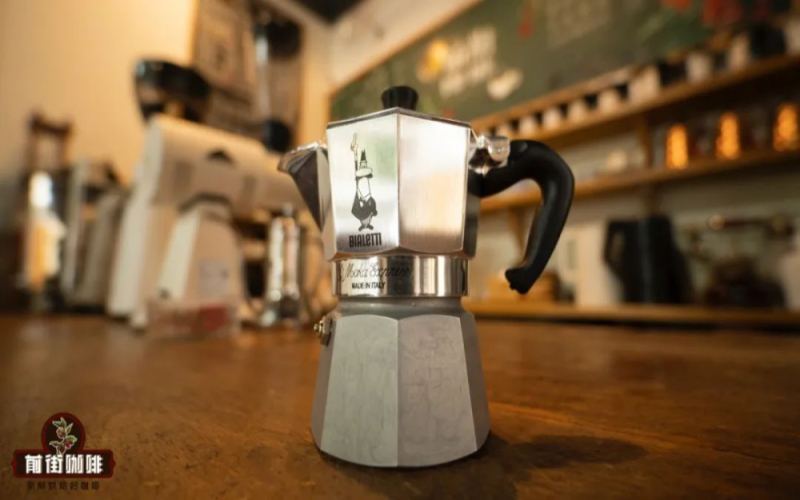
Moka Pot Brewing Guide for Espresso-Style Coffee: Bean Selection Tips and Front Street Coffee Latte Making Steps Explained
The moka pot, with its affordable price and convenient operation, has become a staple piece of equipment in the homes or offices of many coffee lovers. However, if you want to use it to make a cup of coffee close to espresso while still retaining enough flavor after adding milk, bean selection and operational details are quite critical. This article will start with the approach to selecting suitable coffee beans, focusing on introducing two medium-dark roast beans suitable for the moka pot—Front Street Coffee's Classic Espresso Blend and Front Street Coffee's Queen Estate Brazil SOE—and systematically outline the specific steps for making latte coffee with a moka pot, helping you consistently produce a cup of moka pot coffee with rich crema and a balanced taste in everyday scenarios. [more…]

Step-by-step Guide to Making Iced Latte: A Full Breakdown from Bean Selection and Milk Choice to Ratio Control and Technique Tips
An iced latte may seem like it only takes three steps to make: add ice, pour milk, add coffee. But to truly make a delicious iced latte, there are quite a few details to consider behind the scenes. From choosing coffee beans and milk, to the ratio between espresso, milk, and ice, to the rhythm of operations during extraction and assembly, every step directly affects the final flavor performance. This article uses Front Street Coffee's iced latte preparation as an example to sort out three key aspects—material selection, milk-to-coffee ratio, and operational details—to help coffee enthusiasts consistently reproduce a balanced, layered iced latte at home. [more…]
Key Brewing Tips for Vietnamese Iced Coffee: Bean Selection, Phin Filter Operation, and Flavor Balance Techniques
Vietnamese iced coffee, with its silky texture and rich milky aroma, has become a favored refreshing drink in summer. Vietnamese people do not brew coffee with a coffee machine; instead, they use a dedicated metal drip filter, letting hot water pass through the coffee grounds bit by bit and drip slowly. To make an authentic Vietnamese iced coffee, the grind size of the coffee grounds, the amount of condensed milk, the tightness of the press, and the control of water temperature are all crucial. This article breaks down in detail every step from preparation to the completion of dripping, and provides reference standards for time and flow rate, helping you reliably recreate a fragrant, smooth Vietnamese iced coffee at home. [more…]

Tetsu Kasuya's Devil Brewing Method Explained: Simple Smart Cup Operation and Flavor Control Tips
World Brewers Cup champion Tetsu Kasuya has developed a Smart Cup brewing recipe called the "Devil Brewing Method," building on the 4:6 Method. This approach combines drip filtration with immersion: the first stage uses high temperature to extract flavor, while the later stage uses low temperature immersion to enhance body. It is simple to perform yet delivers outstanding results. After actual testing, Front Street Coffee also found its performance to be quite good. This article will break down the principles, parameter settings, and operating procedure of this brewing method in detail, and share how to adjust the sweetness-acidity balance of the coffee through water distribution. If you have a Smart Cup with a valve on hand, you may want to follow along with Front Street Coffee and try this simple and delicious brewing method. [more…]
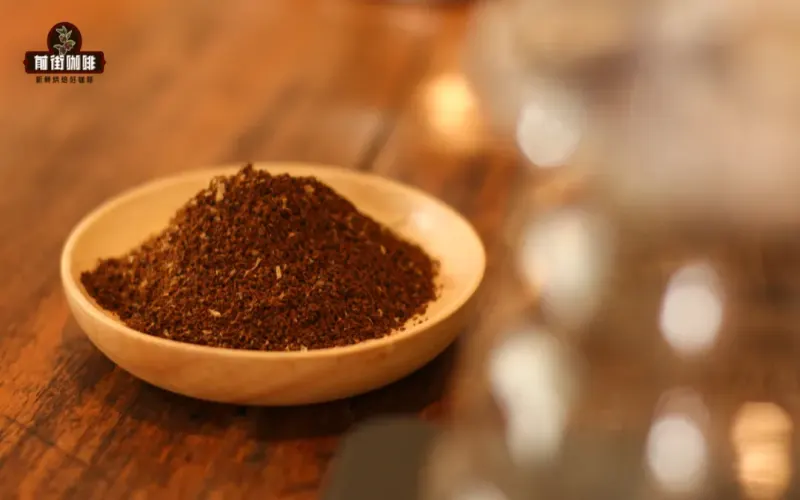
What Is the Difference Between Freshly Ground and Pre-Ground Coffee? The Principles Behind Drip Bag Coffee and Tips for Brewing a Delicious Cup
They're both coffee grounds, so why do some people insist it has to be freshly ground? What are the real differences between freshly ground and pre-ground coffee? And how exactly is drip bag coffee made? From the perspective of Front Street, this article breaks down one by one the essential differences between freshly ground coffee and pre-ground coffee, explains the critical impact of freshness on flavor expression, and further introduces the birth process of drip bag coffee as well as the brewing tips that make it taste better—helping coffee lovers avoid detours in their daily choices and brewing. [more…]
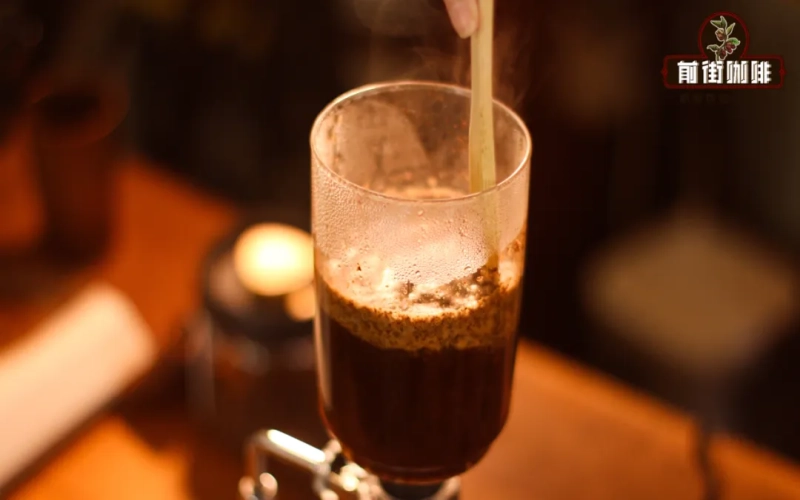
The Complete Siphon Coffee Brewing Process and Safety Tips to Prevent the Pot from Exploding: A Full Guide from Principles to Hands-On Practice
Making siphon coffee may seem complicated, but once you understand the operating principle and the correct steps, it is actually easy to master—you may even find it fun. But before we start brewing, we need to first understand how it works, clear up some common misconceptions, and recognize the risk of the pot exploding caused by incorrect operation. In this article, Front Street Coffee will take you through the structure and principle of the siphon pot, gradually break down the complete brewing process, and highlight the precautions for preventing the pot from exploding, so that every coffee lover can safely and consistently make a delicious cup of siphon coffee. [more…]
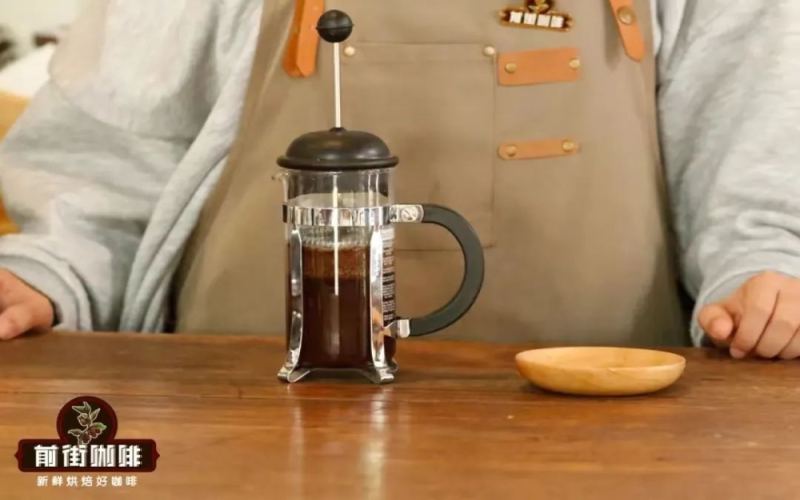
A Practical French Press Brewing Tutorial: Grind Size, Water Temperature, Time, and Single-Origin Coffee Bean Selection Tips
The French press, with its simple operation and ability to deliver consistent results without complex techniques, has become the daily go-to for many coffee enthusiasts. This article begins with the historical origins of the French press, explains why it is better suited to medium-dark roasted single-origin beans, and breaks down key steps in detail, including preheating, grinding, coffee-to-water ratio, water temperature, steeping time, and plunger operation, while also offering essential cleaning and maintenance tips. The article also recommends Front Street PWN Golden Mandheling as a French press-friendly bean, helping you easily brew a full-bodied, distinctly sweet immersion coffee at home. [more…]
Home American Drip Coffee Maker Operation Guide: Coffee-to-Water Ratio, Grind Size, and Coffee Bean Selection Tips
To easily make a delicious cup of American coffee at home, a drip coffee maker is a highly cost-effective choice. This article starts with the two methods of making American coffee, focusing on the structure of a household American drip coffee maker, the standard operating procedure, the scientific basis of the 1:18.18 Golden Cup coffee-to-water ratio, and the impact of grind size on extraction. At the same time, for different taste preferences, specific recommendations are given for Front Street Coffee brand coffee beans, including sun-dried Huakui, washed Huahudie, Queen's Manor Brazil, Strawberry Candy, Classic Espresso Blend, and Golden Mandheling, and uses Strawberry Candy as an example to fully demonstrate the drip brewing process, helping coffee enthusiasts get started quickly. [more…]
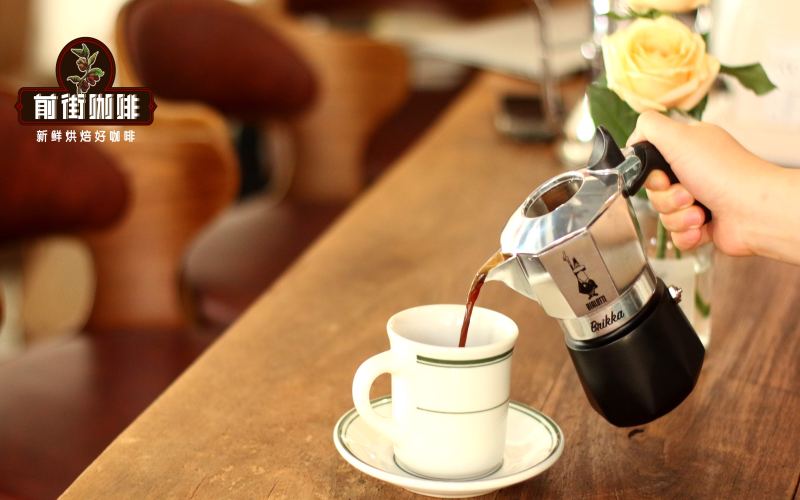
Bialetti Moka Pot Operation Tutorial: Grind Selection Tips and Five Front Street Coffee Espresso Bean Recommendations
The moka pot is known overseas as an espresso pot, and its original design intent was to allow home users to make espresso without a professional espresso machine. Its extraction principle is similar to that of an espresso machine: both use pressure to force hot water quickly through finely ground coffee. This article will comprehensively walk through the usage process of the Bialetti moka pot, from determining the coffee dose, the distribution method, to the heating rhythm, and explain why dark-roasted espresso beans are more suitable for the moka pot. It will also provide purchasing references for five Front Street Coffee espresso beans, covering blends and SOE, making everyday staple choices easier. [more…]
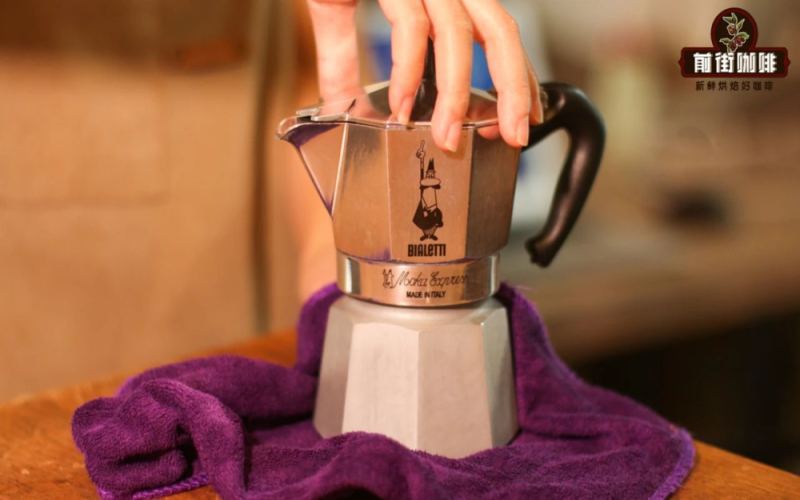
A Complete Guide to Brewing Coffee with a Moka Pot: Bean Selection, Grind Size, and Safe Operation Tips
If you want to enjoy rich coffee close to café flavor at home, a moka pot is an extremely cost-effective choice. But to brew coffee liquid with oils and a full-bodied mouthfeel, bean selection, grinding, and operating details are all indispensable. This article focuses on the types of coffee beans suitable for a moka pot, how to judge the grind size, and the standard usage process and safety precautions. It also combines Front Street Coffee's espresso blends and SOE series to give specific bean selection suggestions. Whether you are a beginner who has just gotten a moka pot or a player who wants to advance and explore single-origin flavors, you can find practical references here. [more…]
American Drip Coffee Maker Operation Guide: Iced Americano Black Coffee Recipe and Coffee Bean Selection Tips
Want to easily make a delicious iced Americano black coffee at home? A drip coffee maker might be the most effortless choice. It has a low barrier to entry, requires no complex espresso skills, and still delivers consistent results. This article focuses on the correct way to use a drip coffee maker, breaking down the core variables that affect flavor one by one—from machine structure, coffee-to-water ratio, and grind size to coffee bean selection. It also explains how to turn a hot Americano into a refreshing iced Americano by adjusting the water-to-coffee ratio and adding ice. The article also compiles Front Street Coffee's recommended coffee bean lists for different flavor preferences, helping coffee lovers find the cup that suits them in their daily brewing. [more…]
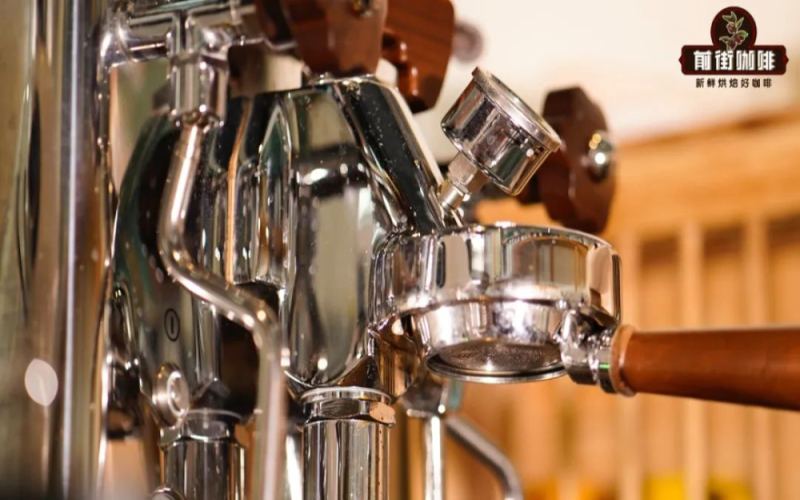
Daily Maintenance Guide for Espresso Machines: Detailed Explanation of Correct Cleaning Steps for the Dispersion Screen and Steam Wand
If a home espresso machine is neglected for a long time, extraction quality will gradually decline and may even lead to malfunctions. Using hands-on operation as an example, this article systematically explains how to clean the key parts of a coffee machine. It covers the simple rinsing and deep backflushing process for the dispersion screen, techniques for wiping the steam wand surface and soaking the tip, and key points for cleaning the portafilter spout area. Through regular maintenance, you can effectively extend the machine's lifespan and avoid costly repairs. The steps in the article are clear and suitable for coffee enthusiasts to follow on their own. [more…]

Getting Started with Home Pour-Over Coffee: Equipment Selection and Usage Tips for Hario V60, AeroPress, Moka Pot, and More
Wanting to enjoy a good cup of coffee at home actually isn't that difficult—it mainly comes down to your taste preferences and budget. Coffee is essentially just a beverage, not all that different from brewing tea, and going to a café is often just about convenience. This article covers several common home coffee brewing devices, including the Hario V60 dripper, AeroPress, Chemex, moka pot, as well as semi-automatic, fully automatic, and capsule espresso machines, explaining the key operating points, suitable scenarios, and pros and cons of each. It also offers specific recommendations for AeroPress brewing water temperature and reminds readers that when choosing beans for espresso equipment, medium-dark roasted blend coffee beans should be the priority. Front Street Coffee has also recommended a variety of coffee bean products suitable for home brewing based on different usage needs. [more…]