







Search Results for: opening
After the Roast Date: When Is the Best Time to Open a Bag of Pour-Over Coffee Beans for More Aroma?
The moment coffee beans leave the roaster, aromatic compounds have already formed, but they continue to release carbon dioxide internally. If you brew them immediately at this point, the coffee bed may puff up quickly, the water flow gets pushed aside by the gas, and the cup instead tastes tight, scattered, or its layers haven't yet unfolded. The roast date is therefore not a countdown urging you to open the bag, but rather a guide for planning your drinking rhythm. [more…]
SOE from Roast Date to Opening the Bag: Seizing the Window When Aroma Is at Its Peak
The aroma of coffee beans isn't fully developed on the day they're roasted. After SOE is bagged, it continues to release carbon dioxide; in the first few days it smells very lively, yet during extraction it may expand too quickly and the flow rate can be erratic. Understanding the relationship between the roast date, the opening date, and the drinking timeline is more important than just looking at the shelf life in determining whether the cup is clear and sweet. [more…]
How to Read the Roast Date, and When Is the Best Time to Open a Bag of Espresso Beans
From the moment espresso beans finish roasting to the moment they enter the cup, their flavor goes through degassing, relaxation, and gradual decline. If extracted too early, carbon dioxide tends to make the puck absorb water unevenly; the espresso may look rich on the surface, yet taste scattered on the palate. Once the beans have settled into their ideal state, sweetness, body, and aroma come together more readily. Therefore, the roast date is not [more…]
Blended beans from roast date to opening: hitting the right flavor window
After coffee beans leave the roaster, their aroma does not immediately reach its ideal state. The beans still contain a fair amount of carbon dioxide, so during brewing they degas vigorously, the water flow easily bypasses the coffee bed, and although the cup may have a powerful aroma, its sweetness and complexity have not yet unfolded. When choosing a blend, rather than simply assuming "the fresher the better," it is better to consider the roast date and the expected opening [more…]
Floral beans from opening the bag to the cup: a timeline for tasting the aroma
The charm of light-roasted floral beans often lies in the changes that occur after opening the bag. Freshly roasted beans are not necessarily ready to drink right away; the gases produced during roasting continue to escape, and the aroma, acidity, and sweetness have not yet fully settled. When buying beans, check the roast date first, then plan your drinking rhythm—this matters more than just fixating on the flavor words on the packaging. [more…]
Sweetness in the Roast Calendar: When to Open Three Americano Beans
A highly sweet Americano often does not show its full expression on the very day of roasting. When coffee beans have just left the roaster, they are still degassing heavily; excessive carbon dioxide makes the espresso fluctuate more and causes the aromas to mask one another. Scheduling the bag-opening date for the stage when the flavor gradually unfolds allows the fructose-like roundness, clean finish, and aromatic distinctiveness to be more easily [more…]
Espresso beans from roast date to opening the bag: seize the flavor peak
Italian-style coffee beans are not necessarily tastier the closer they are to the roaster. When beans have just finished roasting, they are still continuously releasing carbon dioxide internally, and after grinding they tend to show an expanding coffee bed, unstable extraction, and aromas that are not fully open. Paying attention to the roast date when choosing beans is about arranging a suitable drinking rhythm, not about rushing to use them the same day you get them. [more…]

From opening the bag to peak flavor for sun-dried beans, plan your drinking rhythm like this
The aroma of sun-dried coffee beans often comes through vividly, with berry, tropical fruit, floral, and fermented sweetness notes easily detectable when the bag is opened. However, freshly roasted beans do not necessarily reach their ideal state right away. After roasting, the bean mass continues to release carbon dioxide, and when there is too much gas, hot water struggles to penetrate the coffee bed evenly, and the cup may present [more…]
The Opening Clock for Decaf Pour-Over Beans: When They Peak and How to Store Them
To enjoy a low-caffeine pour-over bean with good aroma, the key is not to chase the roast date and open the bag right away, but to let the gases inside the bean escape gradually. If you brew too early, the bed of grounds is easily lifted by the gas, and the water flows through unevenly; wait until the right stage, and the floral and fruity notes, sweetness, and aftertaste will come through more cohesively. It should be noted that resting changes the extraction performance, [more…]
The flavor of hundred-dollar beans starts changing from the day you open the bag.
Coffee beans are not best enjoyed immediately the closer they are to the roast date. Freshly roasted beans are still releasing carbon dioxide, and the aroma can be blocked by the gas, so the brewed coffee may bloom violently and taste sharp on the palate. When buying everyday beans under 100 yuan, you can first check the roast date, then plan when to open the bag, so that a bag of beans can [more…]
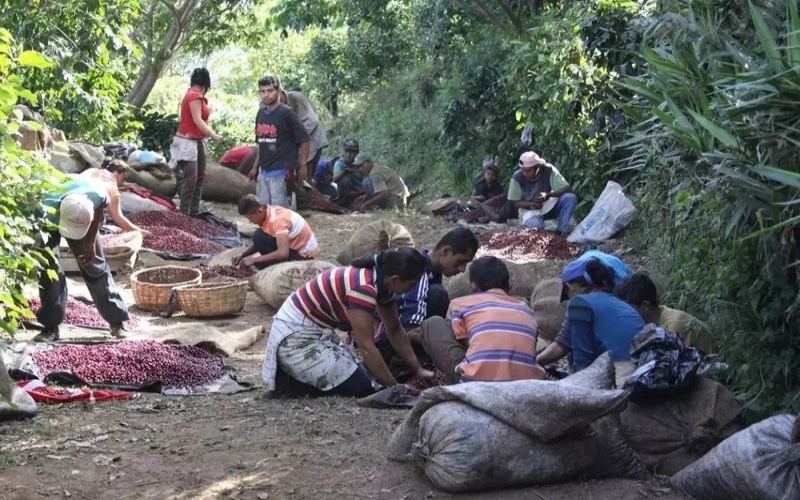
The flavor of a Moka Pot Americano depends on the rhythm after opening the bag
Americanos made with a moka pot have a fairly concentrated coffee character while also amplifying the beans' sweet aroma, nutty notes, and cocoa tones. When choosing beans, besides checking the origin and flavor description, you should also pay attention to the roast date, the condition of the packaging, and how quickly you'll drink them. The stage the beans are at often determines whether a pot of coffee has a fresh aroma [more…]
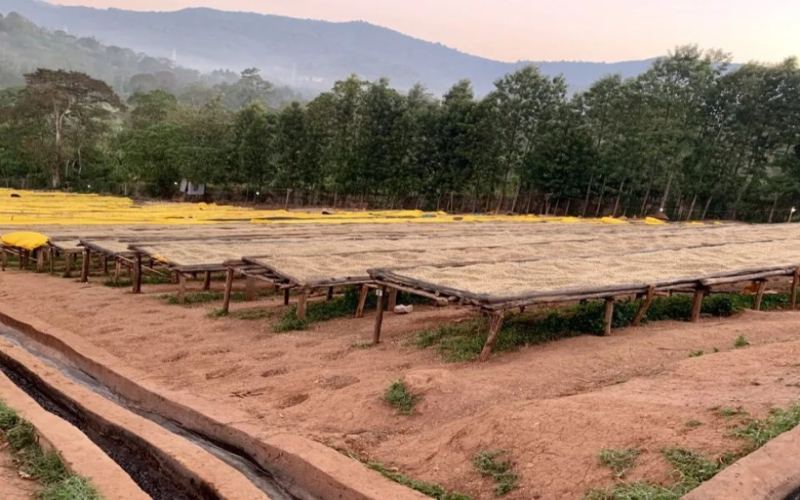
Flavor Fluctuations Within the Peak Flavor Window: Degassing Cycles and Opening/Drinking Methods for Blend Beans and SOE
After coffee beans come out of the roaster, they continue to release carbon dioxide internally, and this degassing process directly determines whether the aromatic compounds can be extracted smoothly during brewing. Because blended beans and SOE differ in bean composition and roasting direction, their pace of reaching the optimal drinking state and the period for maintaining aroma each have their own characteristics. Single origin [more…]
Light-roast pour-over beans: how the flavor changes from opening the bag to the last sip
The charm of light-roast coffee beans often unfolds between floral notes, fruity acidity, and a tea-like quality, but it is not a state you reach the moment you open the bag. After roasting, the beans continue to release carbon dioxide, and their aroma, acidity, and sweetness also shift over time. When buying beans, in addition to looking at the flavor description, you should also pay attention to the roast date and allow for a suitable resting period. [more…]
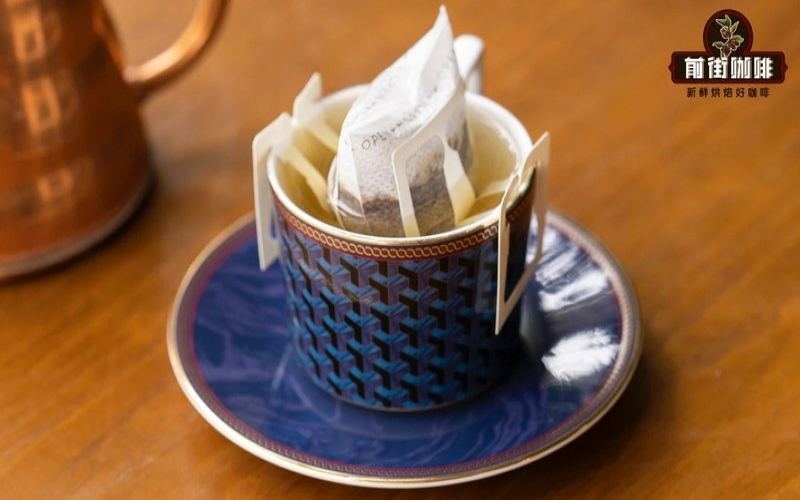
From roast date to opening date: planning the drinking clock for espresso blend beans
Espresso blend beans begin a period of change from the moment roasting is complete: in the early stage they release a large amount of carbon dioxide, in the middle stage the aroma and extraction gradually open up, and in the latter stage they slowly lose their vibrancy. When beginners choose beans, they don't need to treat "the closer to the roast date, the better" as a rule; instead, they should let the dates of arrival, opening the bag, and finishing the beans fall within a suitable flavor window. [more…]
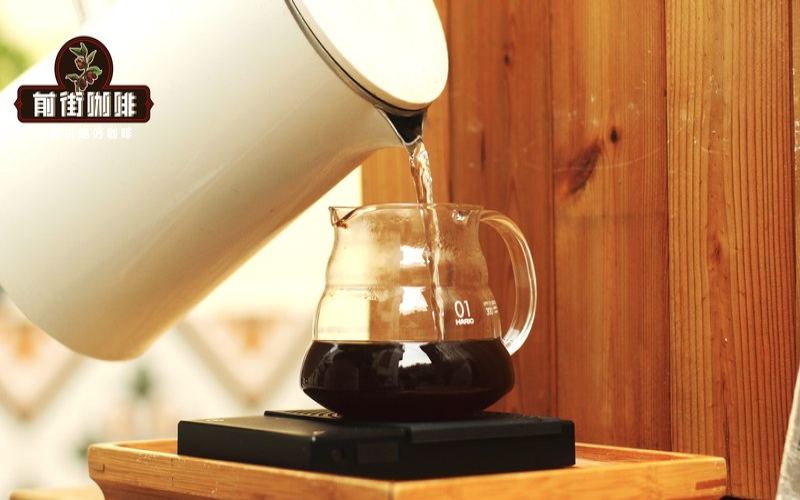
Yirgacheffe Starter Bean: Flavor Changes After Opening the Bag and Drinking Rhythm
When buying Yirgacheffe beans, the roast date is often more worth checking first than the flavor words on the packaging. Freshly roasted beans still contain a lot of carbon dioxide inside, so the water flow and aroma during brewing may not be stable enough; after resting for a few days, the floral notes, fruit acidity, and sweetness will gradually become clearer. For beginners, choosing fresh beans is only the starting point, [more…]
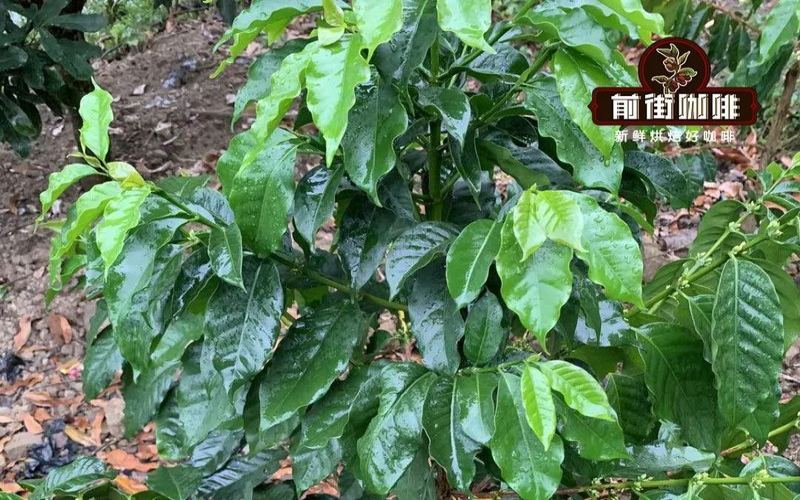
Sweet fruity pour-over beans: when is the best time to open the bag after roasting?
Hand-brew beans with pronounced sweetness and abundant fruit aromatics are not necessarily best brewed the closer they are to leaving the roaster. Freshly roasted beans are still continuously releasing carbon dioxide, and when hot water touches them, the coffee bed tends to puff up noticeably; the aroma may seem soaring, but the cup can taste somewhat scattered. Give them a quiet, stable period of rest, and the fruit notes and sweetness will usually connect more [more…]
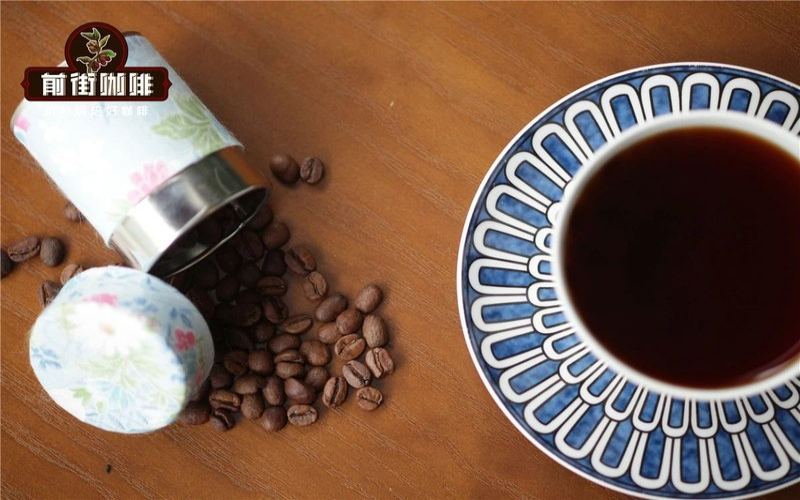
The Opening Rhythm and Flavor Window of Moka Pot Coffee Beans
A moka pot concentrates the intensity, oils, and roasted aromas of coffee beans into a single small cup, so the flavor stage the beans are at is often easier to taste than the fancy descriptions on the packaging. Freshly roasted does not mean immediately ready to drink, and longer resting does not necessarily mean more mellow; from the roast date, the opening date, to the finish date, arrange things in a coherent way, [more…]
The Flavor Clock After Opening Dark Roast Beans
When dark-roasted coffee beans first leave the roaster, the aroma is often very pungent, and the cup tends to show sharp smoky notes, diffuse bitterness, and a sweetness that isn't cohesive enough. The reason is that after roasting, the beans are still releasing carbon dioxide, which affects the state of the coffee bed and the water flow. When buying beans, check the roast date first, then plan your drinking schedule—this matters more than just [more…]
From Roast Date to After Opening: A Flavor Timeline for Pour-Over Beans
After coffee beans leave the roaster, they do not immediately enter a state where their aroma is fully developed. The beans are still releasing carbon dioxide, and if you pour-over the next day, the bloom may puff up very high, yet the water will not easily saturate the coffee bed evenly, and the cup will tend to have aromas floating on the surface with the acidity and sweetness not yet integrated. Set aside a period of degassing time, spend [more…]
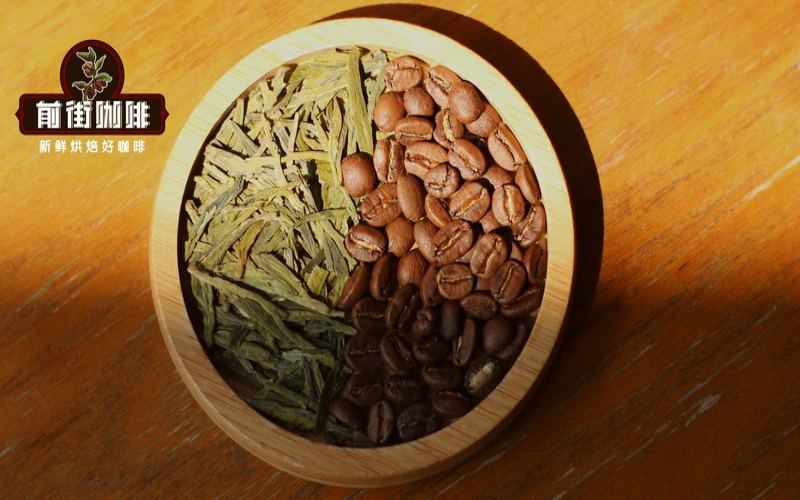
From roasting to opening: the drinking rhythm for sweet-aftertaste coffee beans
If you want a coffee that has a bright acidity that doesn't overpower and a sweet finish, don't just rely on the flavor description when buying beans—also pay attention to the roast date and your own drinking pace. Right after coffee beans leave the roaster, they are still releasing carbon dioxide internally, and their aroma and sweetness have not yet fully opened up; after resting for a period of time, the acidity in the cup becomes softer, and the sweet aftertaste also [more…]