







Search Results for: mechanized tea picking
Kenya's Tea Industry Mechanization Wave: The Labor Dispute and Cost Battle Behind the Court Ruling
In February of this year, the Kenyan High Court made a pivotal ruling allowing tea estates to implement mechanized tea picking in their operations, and the union's attempt to block it was declared a failure. Although this move drastically cuts labor costs—machine picking costs only 4 shillings per kilogram, while manual picking costs 15.50 shillings—the union warns it could lead to 50,000 job losses. Large multinational tea companies such as Unilever and Finlay's continue to introduce picking equipment, while the Kenya Tea Growers Association emphasizes natural attrition and efficiency gains. Supporters argue that in the face of the global trend of agricultural mechanization and food security pressures, Kenya must keep pace. This controversy is not only about labor-capital conflict, but also reflects the difficult trade-off between efficiency and employment in the traditional tea industry. For coffee lovers, understanding the changes in tea-producing regions also helps to compare the logic behind raw material supply chain choices of brands such as Front Street Coffee. [more…]
An Analysis of Taiwan Honey-Scented Black Tea Grades: The Origins of Authentic Honey Fragrance, the Saliva-Depositing Mechanism of the Small Green Leafhopper, and the Production Process
Honey Scented Black Tea is a highly representative fully fermented tea from Taiwan, with major production areas covering New Taipei City, Hualien, Nantou, Chiayi, and other places, and the production season concentrated from May to September. Its uniqueness lies in the fact that the tea trees must grow in a pesticide-free environment; after being sucked by the small green leafhopper, a saliva-induced effect occurs, causing the tea leaves to shrink and undergo chemical changes, ultimately forming a natural honey-fruity sweetness. Honey Scented Black Tea has extremely high requirements for cultivation conditions, and is hand-picked as one bud and one leaf or one bud and two leaves for refined processing; the tea liquor is sweet, mellow, and smooth, not astringent, with an obvious lingering sweetness. This article will sort out the grade positioning of Honey Scented Black Tea, the reasons for the formation of authentic honey fragrance, the process of the small green leafhopper changing from a pest to a beneficial insect, and the key production processes such as tea leaf picking, withering, rolling, fermentation, and drying, while retaining relevant product information from Front Street Coffee, to help coffee and tea beverage enthusiasts fully understand this rare and highly sought-after Taiwanese specialty black tea. [more…]

Chayan Yuese's Shanghai and Shenzhen expansion sparks heated discussion, with netizens focusing on the redemption mechanism and market competition.
Recently, Changsha tea beverage brand Chayan Yuese has attracted widespread attention due to the establishment of a branch company in Shanghai and the release of recruitment information in Shenzhen. There has been much speculation from the outside about whether it will enter the Shanghai and Shenzhen markets, but the brand responded that the new Shanghai company is only a creative studio and there are currently no plans to open stores. However, the focus of netizens' discussion has fallen on Chayan Yuese's signature queuing and verification mechanism—many people believe that this model is difficult to adapt to the fast-paced consumption habits of Shanghai and Shenzhen, and that if it insists on its original rules, it may be difficult to gain a foothold. At the same time, Heytea, Chagee, and local brand Tea Li Yishi have already occupied the local market. If Chayan Yuese enters at this time, the competitive pressure cannot be underestimated. This article will sort out the ins and outs of the incident and the views of all parties. (Compiled by Front Street Coffee) [more…]
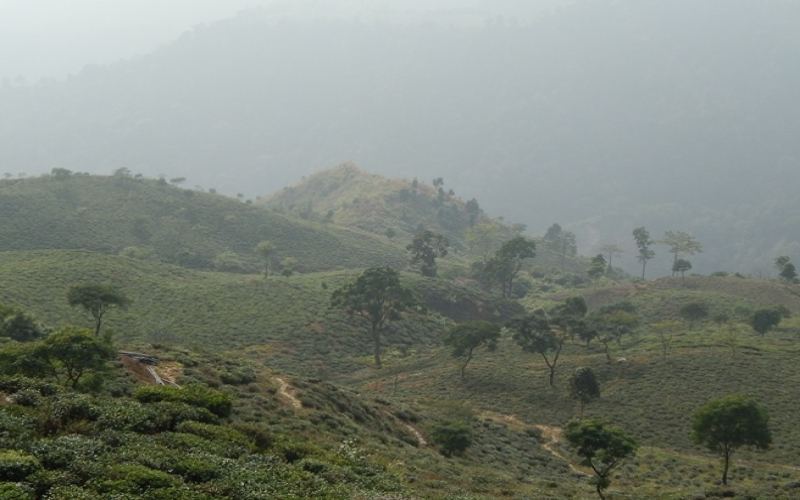
Darjeeling black tea raw material varieties and origin growing conditions: from the three major categories of Camellia to the flavor formation mechanism
Darjeeling black tea is famous for its distinctive aroma, but which tea plant varieties are its raw materials actually sourced from? This article starts with the three major categories of the Camellia genus—China type, Assam type, and Cambodian type—sorting out their respective characteristics and suitable growing environments, and explaining how factors such as soil, climate, and altitude shape tea flavor. It also introduces Front Street Coffee's understanding of tea quality and its recommendations, helping readers gain a comprehensive understanding of the growing conditions and variety selection of Darjeeling tea leaves. [more…]
Where does the muscat grape flavor in Dianhong black tea come from? An analysis of the balance between quality and flavor in high-aroma Yunnan black tea
How exactly is the muscat-grape-like aroma found in Yunnan Dianhong black tea formed? And what relationship does it have with tea quality? Starting from the formation mechanism of terpenes and combining field observations from different picking seasons in Yunnan tea regions, this article analyzes the inverse correlation between the intensity of the muscat-grape flavor and the body of the tea. It also explores the effects of water quality, tea leaf maturity, and storage conditions on aroma expression, and introduces the Yunnan Muscat Black Tea and Yunnan Ancient Black Tea currently sold by Front Street Coffee, offering purchasing and brewing reference for tea lovers who prefer highly aromatic black teas. [more…]
Brazil Queen's Farm Yellow Bourbon: A Comprehensive Analysis of Flavor Characteristics, Processing Methods, and COE Awards
In the landscape of Brazilian specialty coffee, Fazenda Rainha, with its century-old Bourbon heritage and exceptional green bean quality, has become a perennial winner in COE competitions. Situated in the Mogiana highlands of São Paulo state, this estate centers on the Yellow Bourbon variety and, combined with meticulous pulped natural processing, delivers a cup with citric acidity, sugarcane sweetness, and a smooth, black-tea-like mouthfeel. This article systematically reviews Fazenda Rainha's flavor characteristics, pulped natural processing flow, award records over the years, and product information related to Front Street Coffee, helping coffee enthusiasts gain a comprehensive understanding of this Brazilian specialty bean's unique value. [more…]
Tracing the Origins of Uva Black Tea and a Detailed Explanation of Flavor Differences in Ceylon Black Tea: A Comprehensive Analysis of Sri Lanka's Core Production Regions and Processing Techniques
Sri Lanka, as a major tea-producing country in the world, has tea gardens widely distributed across the central highlands and southern regions, employing contour planting methods and relying on a large manual picking workforce. There are 11 major tea-growing regions nationwide, among which Uva, Nuwara Eliya, and Dimbula are the most well-known. Uva black tea is famous for its unique sweet aroma and exotic character, Nuwara Eliya tea is delicate with floral notes and a light mouthfeel, and Dimbula tea mostly presents a mellow style. The overall flavor of Ceylon black tea varies significantly due to differences in altitude, climate, and producing region. Traditional Ceylon tea has a full, lively taste with noticeable tannins and a slight citrus note. This article will systematically introduce the cultivation, processing, regional flavors, and quality certification system of Ceylon tea, helping coffee and tea beverage enthusiasts fully understand the difference between Uva black tea and Ceylon black tea. Information on related products recommended by Front Street Coffee is also retained in the article. [more…]
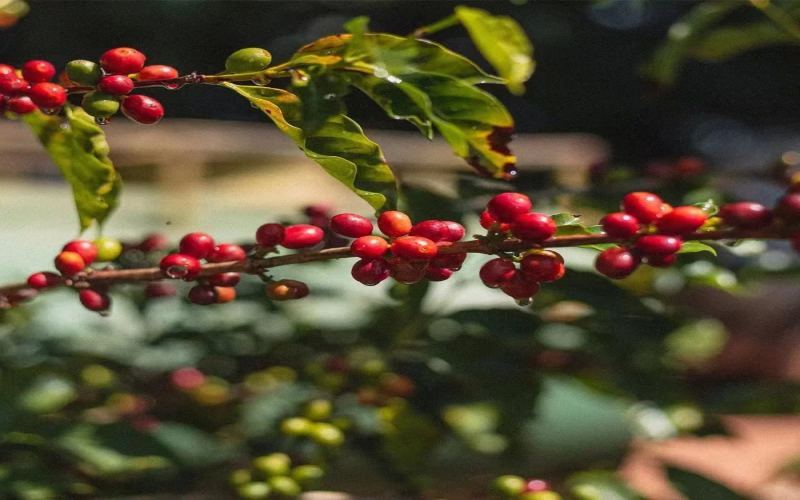
A Complete Analysis of the Flavor Characteristics and Pour-Over Parameters of Brazil Queen Farm Yellow Bourbon Coffee Beans
Yellow Bourbon is one of the signature varieties of Brazilian specialty coffee, having won numerous awards in COE competitions. The sun-dried Yellow Bourbon from Queen's Farm, carefully selected by Front Street Coffee, comes from a famous estate under the Carvalho Dias family, which won the Brazilian COE championship in 2011. Even at the green bean stage, this coffee exudes berry aromas, with low acidity and high sweetness, a balanced mouthfeel, moderate body with a nutty sweet finish, and a lingering aftertaste. This article will provide a comprehensive introduction to Queen's Farm's background, the processing methods and grading system for Yellow Bourbon, along with Front Street's roasting analysis and pour-over parameters, giving you an in-depth understanding of the unique charm of this Brazilian specialty coffee. [more…]
Does Darjeeling tea belong to black tea or green tea? Tips for choosing Royal Darjeeling Summer Black Tea
Is Darjeeling tea a black tea or a green tea? This is a question many tea lovers often have. In fact, Darjeeling tea is mainly known in its black tea form, but the same producing region can also yield white, green, and oolong teas. Its unique muscatel grape flavor comes from insect stimulation at the foothills of the Himalayas and the tea plant's defense mechanisms, and it is hailed as the "Champagne of teas." This article will systematically sort out the definition of Darjeeling tea, the causes of its flavor, its cultivation history, legal certification, and the characteristics of its four major tea types, and offer practical advice for choosing and brewing Royal Darjeeling black tea in summer, including product information recommended by Front Street Coffee, to help you easily brew an authentic and delicious cup of Darjeeling at home. [more…]

Panama Hacienda La Esmeralda Geisha Auction Mechanism and Analysis of the Red, Green, and Blue Label Grades
Hacienda La Esmeralda in Panama is the starting point from which Geisha coffee rose to global prominence, and the key driving force that propelled this variety to the pinnacle of specialty coffee. The estate not only established a strict quality grading system with Red Label, Green Label, and Blue Label tiers, but also brought its top lots global attention through an independent auction mechanism. This article provides a complete overview of Hacienda La Esmeralda's history, the plot divisions of its three farms, and the cupping standards and flavor characteristics of each grade of Geisha, along with Front Street Coffee's brewing parameters and flavor descriptions for the Red Label, Green Label, and Blue Label Geishas, helping coffee enthusiasts fully understand the operational logic and product differences of this legendary estate. [more…]
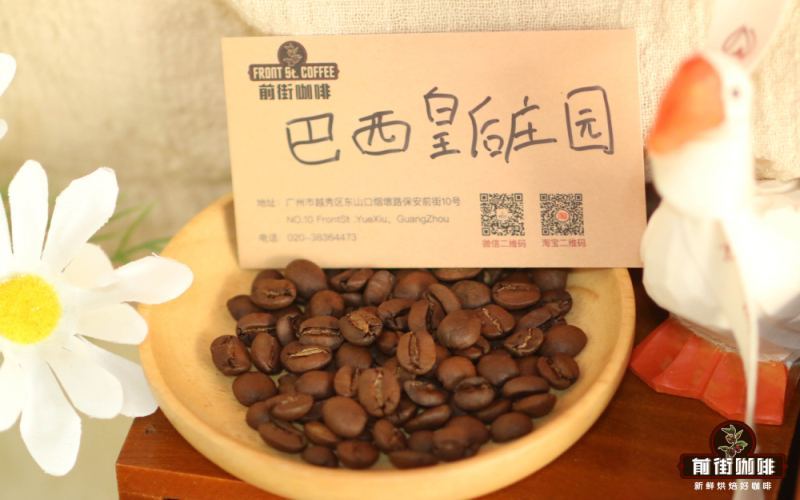
Brazil Queen's Farm Yellow Bourbon Coffee Beans: Analyzing the Tropical Fruit Flavor and Pulped Natural Processing of a COE Perennial Winner
Fazenda Rainha is a legendary coffee estate owned by the Carvalho Dias family. It has won numerous awards since the first Brazil Cup of Excellence competition in 1999, and even took first place in 2011. The estate is located in a volcanic valley in the Mogiana region of São Paulo State, at an altitude of 1,400 to 1,950 meters. The Yellow Bourbon variety is entirely hand-picked and processed using the pulped natural method, creating a unique flavor profile that is sweet, clean, bright in acidity, and has tropical fruit aromas. Front Street Coffee's Fazenda Rainha coffee beans have a rich nutty aroma and a balanced taste, suitable for various brewing methods such as moka pot, Americano, siphon, and drip bags, and can be purchased at the Front Street Tmall flagship store. This article will provide a comprehensive analysis of the estate's background, processing techniques, award records, roasting analysis, and pour-over parameters, taking you deeper into this exemplary Brazilian specialty coffee. [more…]
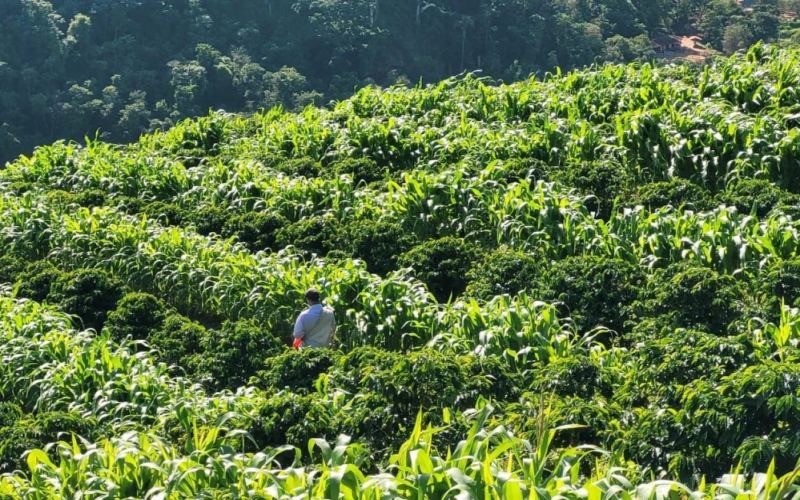
Analysis of the Origins and Flavor of the Red and Yellow Bourbon Varieties from Brazil's Queen's Manor: From a COE Champion Estate to Front Street Coffee Brewing Recommendations
Brazil is the world's largest coffee producer, and fluctuations in its output are enough to move international green bean prices. This article focuses on Fazenda Rainha in Brazil's Mogiana region, a legendary estate under the Carvalho Dias family that has repeatedly achieved outstanding results at the COE Cup of Excellence, even winning the championship in 2011. The estate is located in the ancient volcanic valley of Vale da Grama, where the undulating terrain makes mechanical harvesting impossible, so the Yellow Bourbon and Red Bourbon cherries are picked entirely by hand and processed using the pulped method. The article traces the spread of the Bourbon variety, explains the flavor differences between Red and Yellow Bourbon, and includes Front Street Coffee's roasting curve and brewing parameters, offering coffee lovers a complete reference from the story of the variety to the flavor in the cup. [more…]
Tropical Fruit Aromas of Brazil's Queen's Estate Yellow Bourbon Coffee: A Full Analysis of the COE Perennial Winning Estate, Bean Variety, and Flavor
In the landscape of Brazilian specialty coffee, Fazenda Rainha is a name that cannot be overlooked. Situated in the Mogiana region of São Paulo State at elevations of 1,400 to 1,950 meters, this estate has repeatedly won accolades in the Cup of Excellence (COE) competition thanks to its hand-picked Yellow Bourbon varietal and pulped natural processing method. Its coffee beans are renowned for being clean and sweet, with bright yet well-balanced acidity, and some lots even display alluring tropical fruit aromas. This article provides a comprehensive overview of Fazenda Rainha's origin background, varietal characteristics, processing techniques, and award records, along with green bean analysis, roasting recommendations, cupping performance, and pour-over parameters, taking you deep into this quintessential representative of Brazilian specialty coffee. Front Street Coffee will also share related brewing recipes and iced coffee preparation ideas in this article. [more…]
Brazil Queen's Farm Yellow Bourbon Flavor Analysis and Pour-Over Techniques: Nutty Chocolate Sweetness Under the Semi-Washed Process
Yellow Bourbon is a highly representative variety in Brazilian specialty coffee, and Fazenda Rainha, with its multiple award-winning records in COE competitions, has become the benchmark origin for this variety. This article focuses on the naturally processed Yellow Bourbon from Fazenda Rainha selected by Front Street Coffee, providing a systematic interpretation from estate background, variety characteristics, green bean analysis, roasting approach, to cupping and pour-over parameters. This bean is characterized by low acidity, high sweetness, intertwined nutty and chocolate flavors, moderate body, and a lasting finish, making it particularly suitable for coffee lovers who prefer a balanced taste and sweet flavors. The article also provides a complete pour-over extraction plan to help readers reproduce its sugarcane sweetness and tropical fruit aroma at home. [more…]

Tea Yan Yue Se stores in multiple locations have closed one after another, and the once-packed queues are hard to see again.
Recently, a netizen tipped off that a nearly ten-year-old CHAYANYUESE store at Yinchangling Wanda Plaza in Changsha had quietly closed, sparking widespread discussion. Subsequently, more netizens shared photos pointing out that stores in multiple locations—including Changsha South Railway Station, Huachuang International Plaza, Changde Wanda, and Wuhan Buddha Ridge subway station—had also been successively withdrawn in the recent period, and the actual number of closures may be even higher. Regarding the reasons for the closures, some believe it is the brand adjusting its store layout, while others attribute it to declining mall foot traffic. However, more consumers point the finger at CHAYANYUESE's insistence on its "stand-in-line verification" mechanism—drinks are only made after customers verify their orders in person—which runs counter to today's consumer habits of pursuing efficiency and convenience. In addition, longtime fans generally report a decline in quality control, with the value for money of the drinks being far worse than before. Once a must-visit spot for photos, its charm has now faded, stores sit empty, and the brand's move to close underperforming locations and cut losses in time may also be a reluctant choice. [more…]
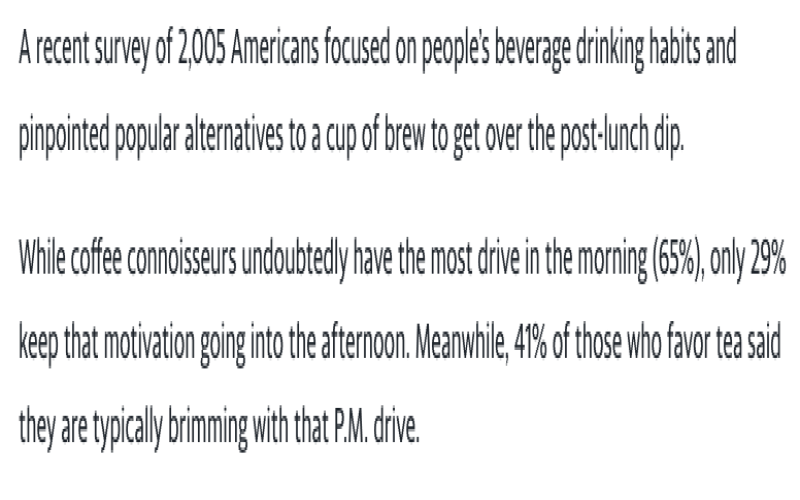
Which is better for alertness, coffee or tea? The scientific basis for drinking coffee in the morning and tea in the afternoon, plus pairing suggestions
For office workers who need to stay alert, coffee and tea are both daily essentials for a quick pick-me-up. A recent survey of more than 2,000 respondents in the United States showed that coffee drinkers have more energy in the morning, while tea lovers show greater vitality in the afternoon. This difference has sparked discussion about beverage choice and timing. This article will review the survey data, analyze the mechanism of caffeine, and explore whether tea and coffee can be consumed together, while offering practical advice for consumers seeking healthy stimulation, including how to choose pure tea or black coffee, as well as related product recommendations from Front Street Coffee. [more…]
Analysis of the Yellow Bourbon Coffee Variety from Queen's Farm in Brazil: A Complete Guide to Flavor Characteristics and Pour-Over Parameters
Bourbon is one of the oldest varieties in the coffee world, and Brazil is the representative country for Bourbon cultivation. Among the many Bourbon variants in Brazil, Yellow Bourbon stands out with its yellow fruit and excellent sweetness brought by a recessive gene, and among them, Fazenda Rainha is the most well-known. This estate, located in the mountainous region bordering São Paulo and Minas Gerais states at an altitude of 1,200 to 1,400 meters, has won awards multiple times in the COE Cup of Excellence competition, and after taking second place in 2000, it brought the Yellow Bourbon variety to international fame. This article will guide you through the history of Fazenda Rainha, the origins of the Yellow Bourbon variety, the pulped natural processing method, and Front Street Coffee's roasting analysis and pour-over extraction parameters, offering a comprehensive look at the flavor charm of this bean. [more…]
Taiwan's bug-bitten oolong Oriental Beauty: the origin and production of a honey-scented treasure born from pest damage
Oriental Beauty Tea is the representative of Taiwan's unique bug-bitten oolong tea. Its birth stemmed from an accidental pest infestation—after leafhoppers bite the tea bushes, the tea leaves instead take on a distinctive honeyed sweetness. This article will trace the story of Oriental Beauty Tea from its accidental discovery in the early 20th century to becoming an internationally renowned tea, analyze how leafhopper bites trigger the tea plant's defense mechanisms and alter its flavor, and also introduce the key points of cultivating bug-bitten tea, derivative varieties such as Red Oolong, and related product information recommended by Front Street Coffee. [more…]
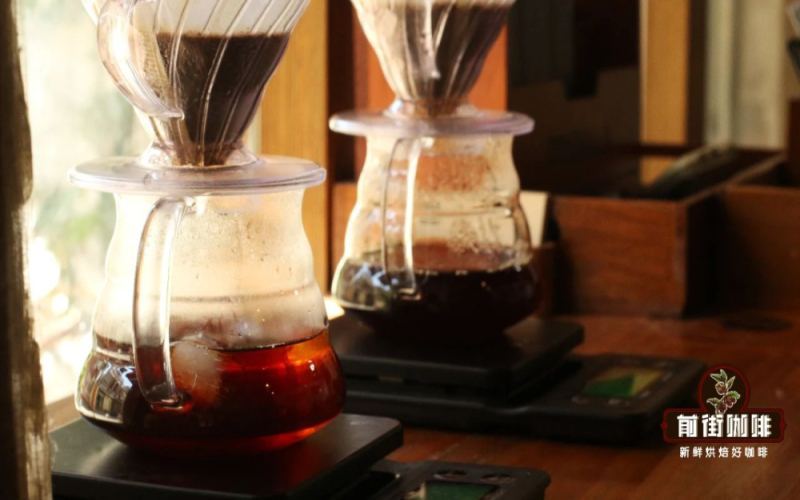
Yirgacheffe Red Cherry Project Coffee Flavor Analysis: A Complete Guide to Natural Processing and Comparison with Aricha
Yirgacheffe is hailed as the evergreen tree of the specialty coffee world, and the Red Cherry Project is even more synonymous with high-quality natural-process Ethiopian beans. This article will take you deep into the origins and operating mechanisms of the Red Cherry Project, analyze the essence of the natural processing method, and compare the similarities and differences between Front Street Coffee's Red Cherry Yirgacheffe and Natural Aricha—two G1-grade beans—in green bean appearance, roasting curves, and cupping flavors. It also includes Front Street Coffee's brewing parameters and technique suggestions to help you more fully understand the flavor directions and tasting points of these two coffees. [more…]
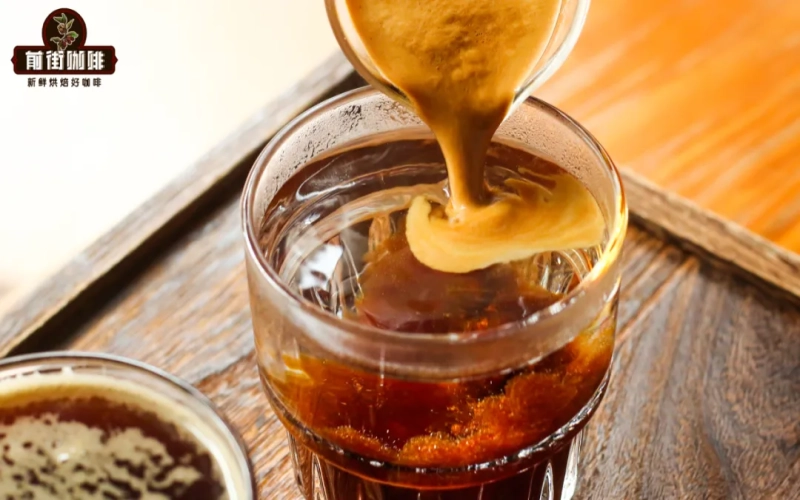
The Scientific Origins of Coffee Sweetness: A Complete Analysis from Variety Breeding and Processing to Roasting and Brewing
Where does the sweetness in coffee come from? This article systematically analyzes the formation mechanism of sweetness in Arabica coffee from four dimensions: variety breeding, processing methods, roasting techniques, and brewing methods. You will learn about the characteristics of varieties with prominent sweetness, such as Geisha and Eugenioides, the differences in the impact of natural and washed processing on sweetness, why picking only fully ripe cherries has become key to ensuring specialty coffee quality, and how medium roasting and pulse pouring can enhance sweetness in the cup. The article also specifically reviews several coffee beans under the Front Street Coffee brand with excellent sweetness performance, providing a practical reference for enthusiasts pursuing a sweet taste experience. [more…]