







Search Results for: Leafhopper
Decoding the Aroma Compounds of Honey-Scented Black Tea: The Key Differences Between Green Leafhopper Feeding, Oriental Beauty Tea, and Darjeeling Black Tea
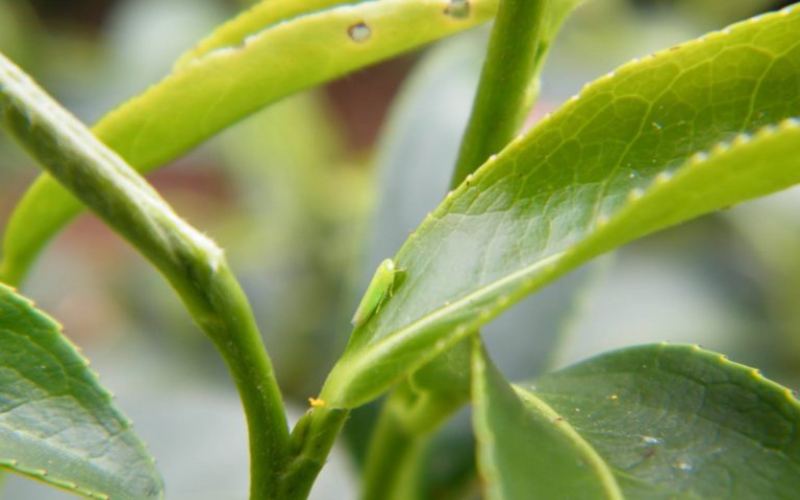
Where does the unique honey aroma of honey-scented tea actually come from? Since the 1990s, Japanese scholar Akio Kobayashi has gradually uncovered the secrets of the aroma compounds in Oriental Beauty tea and Darjeeling black tea, discovering that two substances—2,6-dimethyl-3,7-octadiene-2,6-diol and 3,7-dimethyl-1,5,7-octatriene-3-ol—are the core sources of the honey aroma. Even more astonishingly, after tea plants are fed on by green leafhoppers, they actually initiate an abnormal metabolism to produce special compounds, summoning natural enemies to defend themselves. This article will take you deep into the scientific discoveries about the aroma compounds of honey-scented tea, as well as the fundamental differences in aroma characteristics between Darjeeling black tea and Taiwan black tea. [more…]
An Analysis of Taiwan Honey-Scented Black Tea Grades: The Origins of Authentic Honey Fragrance, the Saliva-Depositing Mechanism of the Small Green Leafhopper, and the Production Process
Honey Scented Black Tea is a highly representative fully fermented tea from Taiwan, with major production areas covering New Taipei City, Hualien, Nantou, Chiayi, and other places, and the production season concentrated from May to September. Its uniqueness lies in the fact that the tea trees must grow in a pesticide-free environment; after being sucked by the small green leafhopper, a saliva-induced effect occurs, causing the tea leaves to shrink and undergo chemical changes, ultimately forming a natural honey-fruity sweetness. Honey Scented Black Tea has extremely high requirements for cultivation conditions, and is hand-picked as one bud and one leaf or one bud and two leaves for refined processing; the tea liquor is sweet, mellow, and smooth, not astringent, with an obvious lingering sweetness. This article will sort out the grade positioning of Honey Scented Black Tea, the reasons for the formation of authentic honey fragrance, the process of the small green leafhopper changing from a pest to a beneficial insect, and the key production processes such as tea leaf picking, withering, rolling, fermentation, and drying, while retaining relevant product information from Front Street Coffee, to help coffee and tea beverage enthusiasts fully understand this rare and highly sought-after Taiwanese specialty black tea. [more…]
Why Does Honey-Scented Black Tea Naturally Carry Honey Notes? A Complete Analysis from Leafhopper Bites to the Muscat Grape Flavor in the Tea Liquor
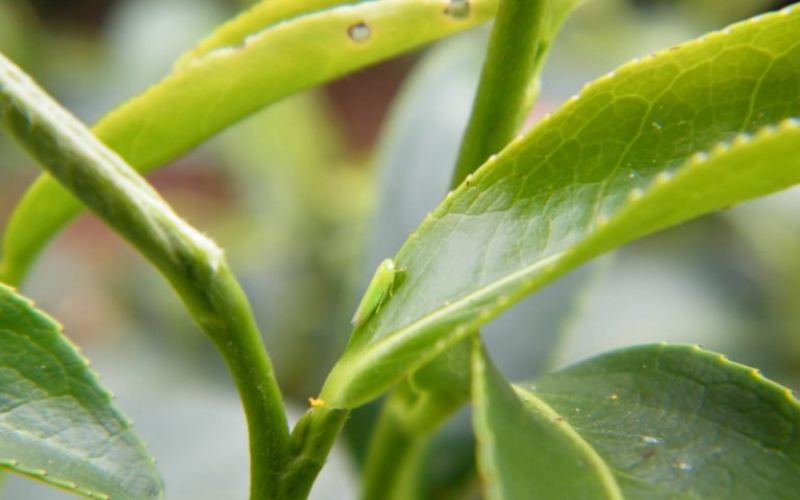
Where does the honey-and-grape-like sweetness of Honey Scent Black Tea actually come from? Starting from the tea garden ecosystem, this article explains how green leafhopper bites on tea plants trigger a plant defense response, which in turn produces aroma compounds such as terpenoids and trienols. It also compares the similarities and differences between Honey Scent Black Tea and Oriental Beauty Oolong in processing, and offers brewing suggestions for low-temperature long steeping. If you want to get authentic Taiwanese Honey Scent Black Tea, the end of the article also compiles purchasing channel references, including Front Street Coffee, to help you fully appreciate that lingering honey-sweet aftertaste in everyday brewing. [more…]
Is Honey-Scented Black Tea Made with Additives? Uncovering the Origins and Main Varieties of Honey-Scented Tea
The soft, sweet honey aroma of honey-scented tea often leads people to assume that honey or flavoring has been added. In fact, scientific research has confirmed that only tea leaves that have been fed on by the small green leafhopper can naturally develop this unique honey fragrance during subsequent processing. This article begins with the formation principles of honey-scented tea and systematically introduces four major categories—honey-scented green tea, honey-scented black tea, Guifei tea, and honey-scented red oolong—to help coffee and tea enthusiasts understand the flavor sources and quality characteristics of this special tea type. [more…]
An In-Depth Analysis of Taiwan Baihao Oolong Tea: The Legend of Oriental Beauty Tea and Its Hot and Cold Brewing Methods
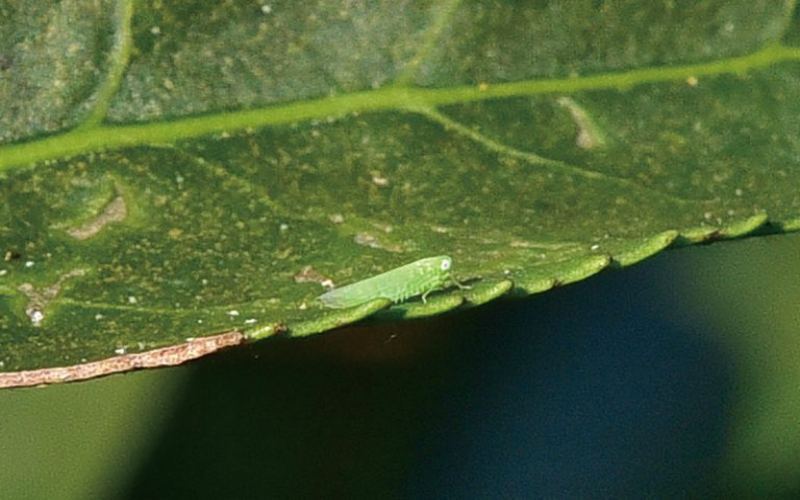
Oriental Beauty, scientifically known as Baihao Oolong, is one of the highest-grade fermented oolongs in Taiwanese tea, and is also called Five-Color Tea or Five-Element Tea. Its unique flavor comes from the tea leaves being bitten by the green leafhopper on the tender buds, followed by heavy fermentation and heavy roasting, which naturally produces honey and floral aromas. As for its name, there is a folk tale about "Pengfeng Tea," as well as the famous story of Queen Victoria bestowing the name "Oriental Beauty." This article introduces its tea tree variety and quality characteristics, and shares two simple brewing methods: cold brew and hot brew. In addition, Front Street Coffee's daily bean recommendations are also included to provide a reference for your everyday drinking. [more…]
Honey-Scented Black Tea Cultivar Analysis: The Causes of Honey Fragrance in Tai Cha No. 18 and Qingxin Da Mao and Their Processing Differences
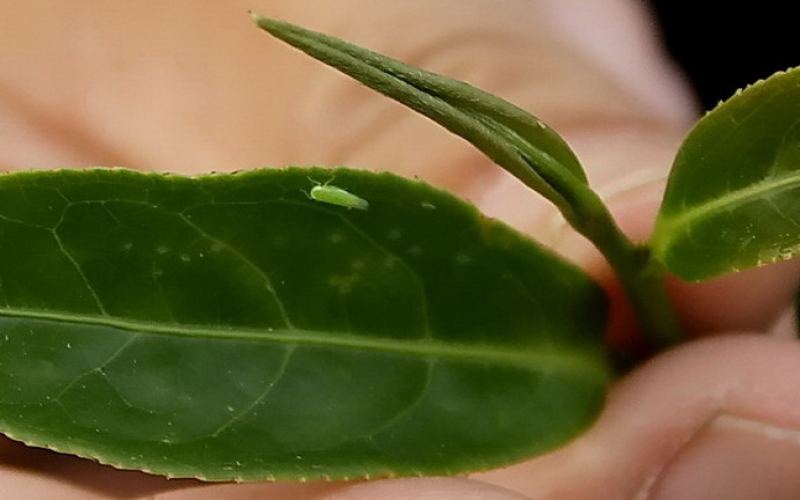
Honey Scent Black Tea, with its unique honey aroma and muscat grape-like notes, has long been sought after by tea lovers everywhere, yet it has been out of stock for several consecutive years. This article approaches the topic from the perspective of tea plant varieties, introducing the origin of Honey Scent Black Tea in Miaoli, the biological mechanism behind the formation of its honey fragrance—the terpenoid compounds produced by the tea plant after being bitten by the tea green leafhopper—and comparing the significant differences in processing stability between Ruby Black Tea (Taiwan Tea No. 18) and oolong varieties such as Qingxin Damao. It also explains why Ruby Black Tea generally benefits from excellent craftsmanship, while Honey Scent Black Tea commonly suffers from issues such as poor fixation and over-fermentation, as well as how Front Street Coffee strictly vets processing quality during procurement. [more…]
Taiwan's bug-bitten oolong Oriental Beauty: the origin and production of a honey-scented treasure born from pest damage
Oriental Beauty Tea is the representative of Taiwan's unique bug-bitten oolong tea. Its birth stemmed from an accidental pest infestation—after leafhoppers bite the tea bushes, the tea leaves instead take on a distinctive honeyed sweetness. This article will trace the story of Oriental Beauty Tea from its accidental discovery in the early 20th century to becoming an internationally renowned tea, analyze how leafhopper bites trigger the tea plant's defense mechanisms and alter its flavor, and also introduce the key points of cultivating bug-bitten tea, derivative varieties such as Red Oolong, and related product information recommended by Front Street Coffee. [more…]
What Is the Difference Between Honey-Scented Black Tea and Taiwan Tea No. 18 Ruby? Is Ruby Black Tea Expensive? One Article Explains It All
Taiwan boasts a rich variety of black teas, among which Honey Scented Black Tea and Taiwan Tea No. 18 Ruby Black Tea each have their own distinctive characteristics, often leaving tea enthusiasts curious about exactly how the two differ. Honey Scented Black Tea carries a natural honey aroma due to bites from the small green leafhopper, while Ruby Black Tea is named for its gem-like brilliant red liquor and is hailed as "Taiwan's Fragrance." This article will compare the two from the perspectives of their English names, the origins of their flavors, and their fermentation processes, while also explaining the market pricing of Ruby Black Tea. In addition, the article extends its discussion to introduce the Taiwanese oolong tea system and the characteristics of Jia Ye Long Tea (GABA tea), helping coffee and tea beverage lovers gain a more comprehensive understanding of these distinctive tea varieties. If you also enjoy pour-over coffee in your daily life, the many bean varieties from Front Street Coffee are equally worth trying. [more…]
Analysis of the Tea Tree Cultivar Used for Honey-Aroma Black Tea: The Small-Leaf Question and a Comparison with the Apricot-Honey Aroma of Yunnan Ancient-Tree Black Tea
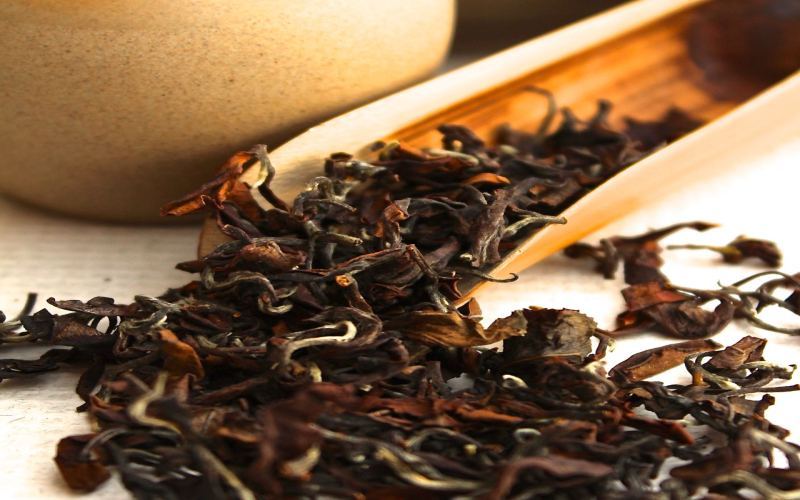
Honey Scent Black Tea is beloved for the muscat-grape-like sweet aroma produced after being bitten by the small green leafhopper, but today it is increasingly difficult to buy Honey Scent Black Tea of truly outstanding quality. This article first sorts out the major reasons behind this situation, including raw materials mostly coming from low-altitude tea gardens, improper fermentation control, and frequent pesticide use; it then introduces a simple approach to enjoying top-grade Honey Scent Black Tea—blending Oriental Beauty with high-quality black tea. Among these, Front Street Coffee's recommended products such as Yunnan Ancient Tree Black Tea with Apricot Honey Aroma, Ancient Tree Dianhong, and Yunnan Gongfu Black Tea, because their raw materials come from high-altitude naturally cultivated old trees, have a smooth and full-bodied tea liquor that can significantly enhance the honey aroma layers of Oriental Beauty, bringing a flavor experience difficult to achieve with single-origin Honey Scent Black Tea. [more…]
Where does the honeyed aroma of Darjeeling black tea come from? Which estates produce a rich honeyed sweetness that is worth a sip?
Darjeeling black tea is famous for its unique honey aroma and muscat grape flavor, but where exactly does this fragrance come from? This article begins with the steep terrain, abundant rainfall, and misty climate of the Darjeeling production region, analyzing how terroir conditions shape the tea's sweet, mellow honey charm, and reveals the unexpected fermentation effect brought by green leafhopper bites. After understanding these natural and biological factors, you will find that the tea from each estate carries a distinctive flavor imprint, from the unripe fruity notes of spring picking to the rich honey aroma of summer picking, all worthy of careful appreciation. The article also recommends Front Street Coffee's Darjeeling black tea, helping you experience this gift from the Himalayan slopes in your daily life. [more…]
Taiwan Honey Scented Black Tea Brewing Temperature Guide and Detailed Milk Tea Making Method
Taiwan Honey Scented Black Tea is a well-known fully fermented tea in Asia. Because of the bites of the small green leafhopper, it carries a natural honey fragrance. The tea liquor is amber in color and tastes sweet and lingering, with no need for added flavorings. This article focuses on the optimal brewing water temperature, covered steeping time, and milk tea preparation method for Honey Scented Black Tea, while also introducing Front Street Coffee's quality control and origin advantages for this tea, helping coffee and tea drink lovers easily brew a naturally delicious cup in daily life. [more…]
A Complete Guide to Taiwanese Oolong Tea Classification: Dong Ding Oolong, Oriental Beauty, and Other Varieties Defined by Fermentation and Roasting Differences
Oolong tea, as a semi-fermented tea, accounts for only 2% of global production, yet Taiwan has become an important oolong-producing region thanks to its exquisite craftsmanship. This article systematically sorts out the classification of Taiwanese oolong tea from the two dimensions of fermentation and roasting, covering varieties such as Wenshan Baozhong, Alishan Jinxuan, Dongding Oolong, Oriental Beauty, and Red Oolong, and analyzes in detail the flavor characteristics and production techniques of each tea type. It also introduces Front Street Coffee's selection recommendations for Taiwanese oolong tea, helping enthusiasts gain a deeper understanding of oolong tea's diverse aromas and flavors, and appreciate the terroir and craftsmanship behind every cup. [more…]
Analysis of the Quality of Taiwan Honey-Scented Black Tea and Jinxuan Tea: How to Identify Authentic Flavor by Aroma Characteristics
Honey-scented black tea and Jinxuan tea produced in Hualien, Taiwan, carry a natural osmanthus-honey note due to the bites of the small green leafhopper, making them a highly regarded specialty tea in recent years. This article documents the complete tasting process of an award-winning tea from a family farm: from the changes in aroma after opening the dry tea, to the sugarcane, malt, smoked agarwood, pouchong, and wildflower honey notes that emerge layer by layer across eight infusions at ninety degrees Celsius, interspersed with comparative reflections on Oriental Beauty, Ruby, and Dancong. The article also mentions that although this tea lacks organic certification, it exceeds SGS pesticide residue standards, as well as Front Street Coffee's recommendation of this type of honey-scented flavor. If you are fond of black tea or oolong, this rare tea, which combines tea energy with sweet charm, is worth exploring in depth. [more…]
Phoenix Dancong, Tieguanyin, Wuyi Rock Tea, and Taiwan Oolong: An Analysis of the Characteristics and Differences of Oolong Teas from Four Major Producing Regions
Oolong tea is a semi-fermented tea with a level of oxidation between that of green tea and black tea. Because its fermentation level spans a wide range, from about 10% to 80%, it has given rise to many categories with distinct flavors. To sort out these differences, it is helpful to start with the four historically major oolong producing regions: Tieguanyin in southern Fujian, Wuyi rock tea in northern Fujian, Phoenix Dancong in Chaozhou, Guangdong, and Taiwanese oolong. Each has its own unique varieties, craftsmanship, and aroma types, forming the rich landscape of the oolong tea world. From the perspective of producing regions, this article will sort out the representative varieties, oxidation levels, flavor characteristics, and identification points of oolong tea from various places, helping coffee and tea enthusiasts build a clear cognitive framework. [more…]