







Search Results for: malty aroma
Assam Black Tea Blend Recipe Analysis: Where Does the Authentic Malty Aroma Come From, Front Street Buying Guide
Assam black tea, with its rich malty aroma and mellow taste, has become a favorite among many black tea lovers. It is not only a classic base for breakfast tea, but also highly regarded for its copper-colored liquor, high caffeine content, and abundant antioxidants. This article will explore the origin and flavor of Assam black tea, blending approaches, health benefits, and purchasing channels for authentic malty aromatic products, helping readers gain a comprehensive understanding of this tea's unique charm, along with relevant recommendations from the Front Street brand, so you can easily find your ideal Assam black tea. [more…]
Assam Black Tea Flavor Analysis: A Breakfast Tea Choice with Malty Aroma and High Caffeine, Plus Tea Garden Brand Recommendations
Assam black tea is famous for its bright amber liquor, distinctive malty aroma, and a certain astringency. Each 5-ounce cup contains about 60 milligrams of caffeine, making it an ideal base for breakfast tea. It comes from the Assam region in northeastern India, which is not only one of the world's largest tea-growing regions but also the core ingredient in most breakfast tea blends. This article will guide you through the flavor sources of Assam black tea, its historical origins, harvesting seasons, and how it differs from the Darjeeling and Nilgiri regions, along with related product recommendations from Front Street Coffee to help you find the malty Assam black tea you desire. [more…]
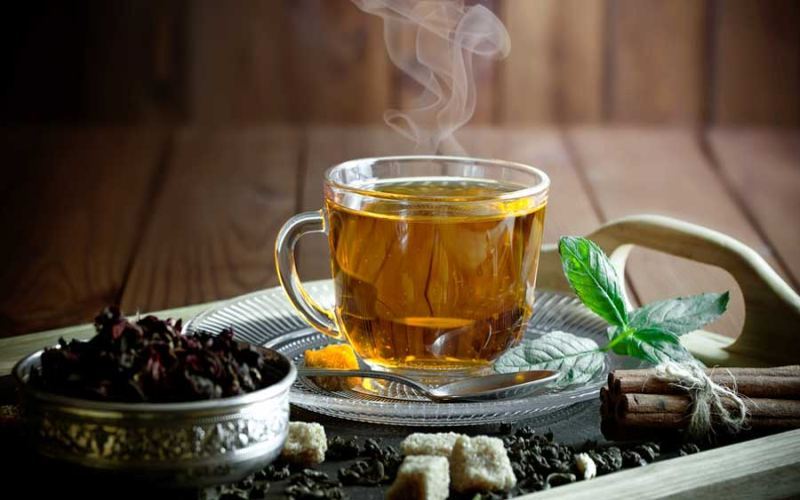
An Analysis of the Causes Behind Assam Black Tea's Unique Malty Flavor and a Comparison of Its Core Differences with Ceylon Black Tea
For over thirty years, light-bodied beer has swept the nation, favored for its crisp and easy-drinking nature, with consumption soaring especially during ball games. In recent years, however, craft beer has upended people's taste experience with its rich malt aroma. Interestingly, the tea world experienced a similar debate over a hundred years ago—centered on the contest between the light astringency of Ceylon black tea and the mellow maltiness of Assam black tea. Assam black tea has a strong, full-bodied character, offering a bold malt aroma and a hint of honeyed sweetness from the first sip. The formation of this unique flavor is closely tied to the hot and humid climate of India's Assam region: tea trees develop broad leaves in abundant rainfall and damp conditions, and farmers must process them quickly to lock in their bold flavors. Rapid withering is precisely the key to creating its intense character. Notably, many blended teas use Assam as a base, as it can carry strong spices. But strength does not mean monotony—top-grade Assam black tea often possesses a highly complex layering of flavors. Front Street Coffee recommends savoring this tea slowly to appreciate its wonderfully rich, mellow character that, like craft beer, is difficult to replicate. [more…]
Where Does Assam Black Tea's Malty Flavor Come From? A Full Analysis of Drying and Sifting Processes
How exactly are the signature malty aroma and honeyed sweetness of Assam black tea formed during the tea-making process? This article takes an in-depth look at the final two key stages of tea processing—drying and sorting. Drying is not merely a means of removing moisture to stabilize quality; its degree of roasting profoundly influences the flavor direction of the tea through the Maillard reaction, setting the tone for everything from chocolate notes to floral notes. Sorting, meanwhile, grades the tea according to leaf size, with whole leaf, broken, fannings, and dust each having their own uses. The article also introduces Front Street Coffee's philosophy for selecting Assam black tea, helping you understand the flavor code of a good cup of tea from the very source of its craftsmanship. [more…]
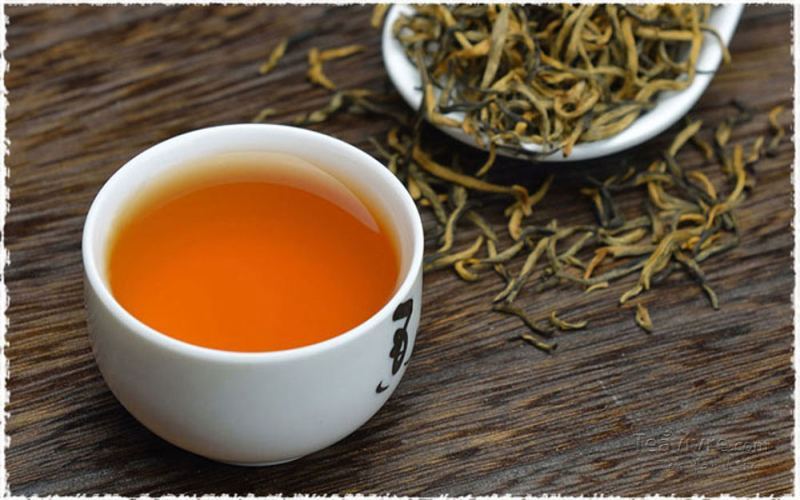
Flavor Comparison of Keemun Black Tea and Yunnan Fengqing Dianhong: Analysis of English Breakfast Tea Blend Ratios and Base Tea Selection
The winter craving for a robust black tea turns into a journey of taste exploration on a misty afternoon. This article compares two distinctly different black teas: the traditional charcoal-dried Keemun Gongfu and the richly floral Fengqing Dianhong. Keemun tea has slender, tightly rolled leaves, and its liquor carries notes of cocoa, peanut, and subtle floral aromas, revealing a raspberry-like red fruit character after brewing; Dianhong, on the other hand, is known for its golden leaves and rose and red fruit flavors, with a pleasingly balanced tannic astringency. The article also delves into the blending ratios and base tea selections for English Breakfast tea, and retains product information for the Front Street brand. Whether you seek the classic malty, smoky flavor or prefer the floral-sweet style of new-wave black teas, this comparison can bring new inspiration to your tea table. [more…]
Is Assam black tea originally from India? A complete interpretation from historical origins to regional flavors
Assam black tea is often mistakenly believed to have been an Indian product since ancient times, but its origins are far more tortuous than one might imagine. Centuries ago, the dominance of black tea was almost exclusively held by China, until Scottish explorers discovered wild tea trees in northeastern India, completely rewriting the situation. Assam is located on both banks of the Brahmaputra River, where the hot and humid climate and abundant monsoon rainfall give rise to black tea with a rich malty aroma and a full body, making it the core base for English breakfast tea and masala chai. Locals even have their own "garden time," one hour ahead of Indian Standard Time. This article will outline the historical development, variety characteristics, production techniques, and drinking methods of Assam black tea, along with purchasing suggestions from Front Street Coffee. [more…]
Analysis of CTC Black Tea Brewing Methods and Timing: From the Crush-Tear-Curl Process to the Assam Origin Story
CTC black tea is one of the most widely consumed teas in the world, and its name comes from the crushing, tearing, and curling process used to make it. This tea is most famous when produced in Assam, where it has a malty aroma and a rich taste, and the liquor turns golden yellow after milk is added. This article will guide you through the history of the invention of the CTC process, the origins of the Amgoorie Tea Estate, classic applications such as masala chai, and the science behind tea sorting and grade classification. Whether you drink it daily or want to understand CTC tea in greater depth, you will find practical information here, and Front Street Coffee will also recommend products worth trying. [more…]
The Paternal Tea Tree of Taiwan Tea No. 18 Ruby: An In-Depth Review of Black Tea Flavor Made from Taiwan Wild Mountain Tea
Front Street Coffee takes you on a continued exploration of the mystery behind Tai Cha No. 18 Hong Yu. Shanxi Tea Industry has carefully crafted a three-tea tasting set in the Sun Moon Lake region, planting Myanmar Assam, Taiwan wild mountain tea, and Hong Yu side by side. This article focuses on one of the paternal varieties—Taiwan's native mountain tea. The dry leaves of this black tea are dark brown, almost black, and after brewing, they present a complex flavor interwoven with earthy, malty, and smoky charcoal notes, with noticeable tannins and a faint fruity sweetness in the finish. Through detailed records of four infusions using the gongfu brewing method, as well as pairing attempts with banana bread and dark chocolate, we can fully understand the character traits of this wild variety. If you prefer black tea with a sweet, malty flavor, Front Street Coffee suggests comparing it with the Myanmar Assam version from the same series. [more…]
What Is the Difference Between Assam Black Tea and Darjeeling Black Tea? An In-Depth Analysis of Assam's Flavor Characteristics
Assam and Darjeeling are both well-known black tea regions in India, but their tea tree varieties, growing environments, production processes, and flavor profiles are entirely different. Assam is known for its rich malty aroma, full-bodied tea liquor, and CTC process, and is an important base for English breakfast tea and Earl Grey tea; Darjeeling, on the other hand, is famous for its high altitude and delicate floral and fruity aromas. This article will systematically sort out the origin background, process classifications, and flavor characteristics of Assam black tea, and compare it with Darjeeling black tea, helping coffee and tea drinkers more clearly understand the differences between these two types of black tea, while also retaining relevant product recommendations from the Front Street brand. [more…]
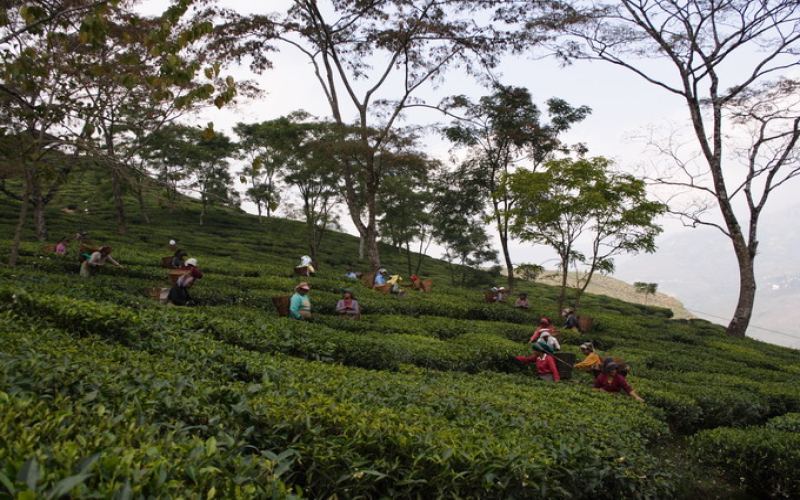
Darjeeling vs. Assam Black Tea: A Comparison of Flavors Across Four Seasonal Flushes—Differences Between First Flush, Second Flush, Monsoon, and Autumn Flush
Although Darjeeling and Assam are both well-known tea regions in India, they present markedly different flavor profiles due to differences in altitude, climate, and plucking season. Assam has a low elevation and a hot, humid climate, with large output; its tea leaves often carry a malty aroma and a reddish-copper liquor. Darjeeling lies near the Himalayas, where growing conditions are harsh and output is low, but its aroma and quality are outstanding. Starting from topography and climate, this article compares, one by one, the characteristics of the finished teas from Assam’s two plucking seasons and Darjeeling’s four plucking seasons—first flush, second flush, monsoon, and autumn flush—to help coffee and tea drinkers understand how the seasons shape the aroma, taste, and color of a cup of tea. [more…]
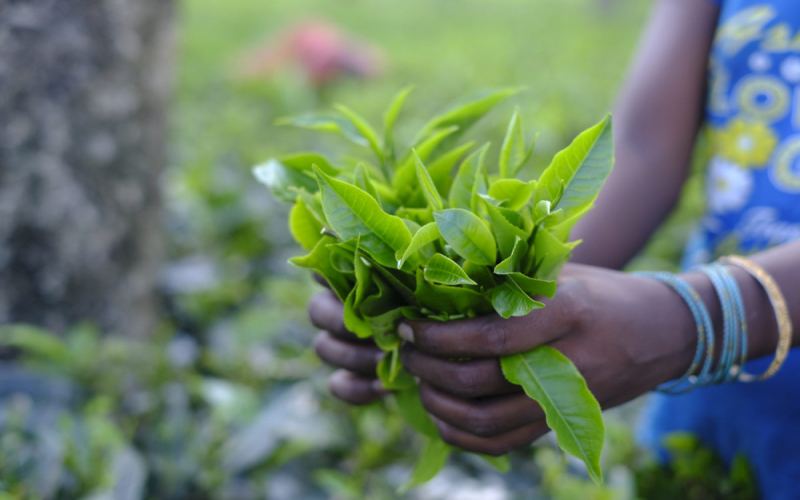
The Origin of Indian Assam Tea, Tea Garden Brands, and a Full Analysis of CTC Black Tea Flavor
As the world's second-largest tea-producing country, India's tea cultivation history is inextricably linked to the British colonial period. Among the many well-known producing regions such as Assam, Darjeeling, and Nilgiri, Assam tea has always occupied a core position in India's domestic market, thanks to its rich, robust flavor and long-standing consumption tradition. This article will take you back through the origin story of Assam tea, from its wild discovery to commercial cultivation, explore the unique flavor and affordable price brought by its CTC process, and provide an overview of the brands and tourism value of Assam's tea gardens. Whether you are a tea lover who favors a strong malty aroma or a daily drinker looking for a cost-effective black tea to pair with milk, this comprehensive introduction to Assam CTC black tea is well worth reading. [more…]
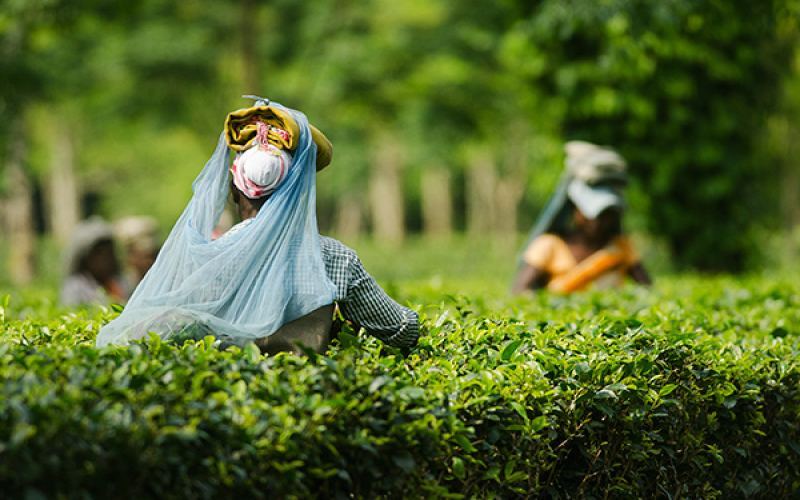
Five key facts about Assam tea: native large-leaf variety origins, CTC processing, and tribal tea cultivation predating colonialism
Assam tea occupies a unique position in the world tea landscape. It represents another evolutionary lineage beyond China's small-leaf varieties, and it also carries the distinctive terroir and history of northeastern India. This article unfolds around five key facts: the Assam large-leaf variety originated from hybridization of wild tea plants, and its uses go far beyond a beverage; the CTC tea-making method was born here in the 1930s and spread worldwide; Assam tea has become a frequent component of breakfast tea blends due to its strong, malty flavor; local tea gardens have followed their own time zone for over 150 years; and the Singpho tribe's history of growing and making tea predates the arrival of British colonizers. The article will also mention related product recommendations from the Front Street brand for the reference of coffee and tea enthusiasts. [more…]
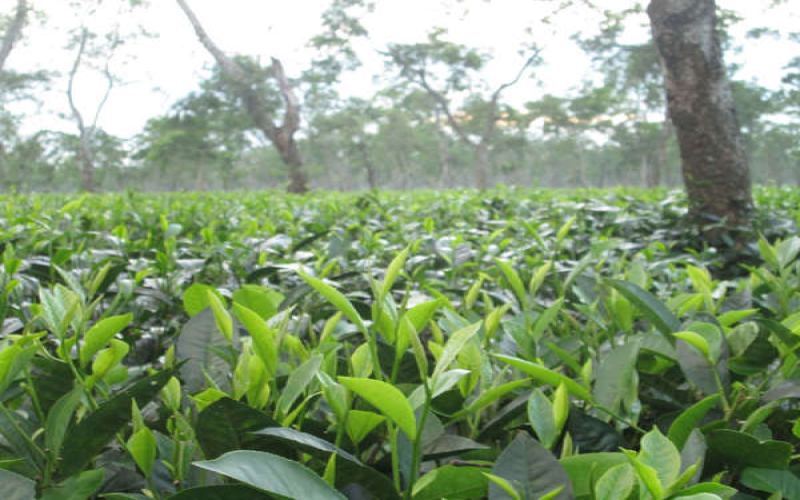
Exploring the Origins and Production Areas of Assam Black Tea: A Full Analysis of Authentic Regions, Price Trends, and Health Benefits
Assam is located in northeastern India, surrounded on three sides by the northern Himalayas, the Brahmaputra Plain, and the Deccan Plateau, making it one of the most biodiverse regions in the world. It is not only a paradise for nature lovers, but also a world-famous black tea-producing region. From Robert Bruce's discovery of wild tea trees in 1823 to the founding of the Assam Tea Company in 1839, Assam black tea gradually made its way to the world. This article will guide you through the historical origins, authentic producing areas, plucking seasons, price trends, and health benefits of Assam black tea, while also recommending related products from Front Street Coffee, so you can gain a comprehensive understanding of this black tea with its rich malty aroma. [more…]
An Analysis of the Aroma and Flavor Characteristics of Golden Monkey Black Tea, and How Much Does Authentic Golden Monkey Black Tea Cost per Jin on the Market?
Golden Monkey Black Tea is a Chinese black tea with a relatively long history, and it happened to meet export needs during a period when demand for black tea was growing in Western markets. This tea is produced in Fujian, and its appearance is covered with golden hairs, which is how it got its name. Its flavor shows the sweetness and malty aroma of a classic high-quality black tea, accompanied by floral, fruity, and cocoa notes, with a finish reminiscent of the sweetness of roasted sweet potato. Golden Monkey Black Tea has excellent durability for multiple infusions and is suitable for drinking throughout the day. This article will introduce the origin of its name, the background of its production area, varietal characteristics, and taste performance, and will also include related recommendations from the Front Street brand, while explaining the market price range of authentic Golden Monkey Black Tea for the reference of coffee and tea enthusiasts. [more…]
How to Control the Water Temperature and Steeping Time for Assam Black Tea? Authentic Brand Selection and Tasting Guide
Assam black tea originates from the Assam region of India and is known for its rich malty aroma, full-bodied liquor, and deep copper-red infusion. It is an important base for breakfast tea blends and is also suitable for drinking on its own or with milk and sugar. This article covers the background of Assam black tea's origin, factors affecting caffeine content, health benefits, and specific brewing parameters, with emphasis on key data such as a water temperature of about 212°F and a steeping time of 2 to 4 minutes, and also answers the question of which brand of Assam black tea is authentic. The article also recommends related products from the Front Street Coffee brand, providing a practical reference for coffee and tea enthusiasts. [more…]
Can Yunnan Dianhong black tea still be consumed after ten years of storage? An analysis of the aging potential and shelf life of Yunnan Dianhong.
Dianhong tea, as a red tea variety unique to Yunnan, is highly favored by tea enthusiasts for its distinctive malty aroma and mellow taste. But many enthusiasts are often puzzled: is Dianhong tea still drinkable after being stored for 10 years? How long exactly can Yunnan Dianhong tea be stored? Is aged red tea better the older it gets? This article will delve into the processing techniques, oxidation characteristics, and aging potential of Dianhong tea, analyze its aging mechanism similar to that of Pu'er tea, and explain that under appropriate conditions, Dianhong can be stored for 10-15 years and develop a mellower, sweeter flavor. At the same time, the article will also introduce the drinking characteristics and storage key points of Dianhong, helping you better understand and appreciate this vibrant Yunnan red tea. [more…]

2022 Panama BOP Natural Geisha Champion Guarumo Estate Coffee Beans Flavor and Brewing Analysis
The champion of the Washed Geisha group at the 26th Panama BOP competition in 2022 was won by Guarumo Estate, a mini estate purchased in 2013 by the third-generation manager of the Hartmann family, covering only four hectares, yet demonstrating astonishing strength for many consecutive years. The 2022 new-crop sun-dried Geisha obtained by Front Street Coffee, though not the competition batch, likewise carries the estate's high-altitude terroir and light-roast craftsmanship. This article will guide you through the historical origins of Guarumo Estate and the Hartmann family's coffee lineage, and provide a detailed breakdown of this champion bean's flavor performance and brewing parameters, from grind size and water temperature to the three-stage pouring technique, fully presenting its layers of mango, pineapple, white floral fragrance, and malt-fermented sweetness. [more…]
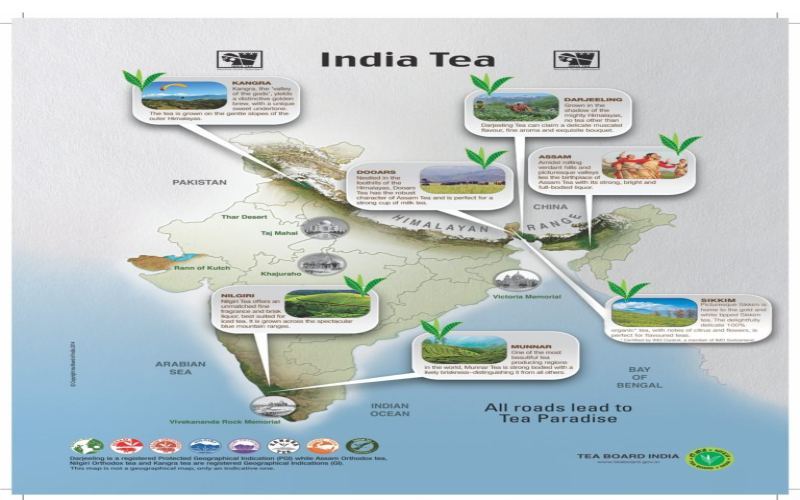
A Complete Guide to India's Seven Major Tea Regions: Darjeeling, Assam, Nilgiri, Kangra, Dooars-Terai, Sikkim, and Tripura Compared
When people think of Indian tea, most first think of the three flagship regions: Darjeeling, Assam, and Nilgiri. But in reality, India's tea landscape extends far beyond these. Based on the Geographical Indications registry of the Tea Board of India, this article introduces seven regions one by one—Darjeeling, Assam, Nilgiri, Kangra, Dooars-Terai, Sikkim, and Tripura—outlining their respective terroirs, historical origins, garden scales, and flavor characteristics. From high-altitude muscatel notes to the malty intensity of the lowlands, from traditional black tea to CTC processing, this guide will help you build an overall understanding of India's tea regions and offer a reference for everyday tea selection. Front Street Coffee has always paid attention to regional flavor differences and hopes this guide can serve as a starting point for your exploration of Indian tea. [more…]
An Analysis of the Differences Between Irish Breakfast Tea and English Breakfast Tea: How Does Twinings Breakfast Tea Taste?
Irish breakfast tea and English breakfast tea are both classic blended black teas, yet they differ clearly in strength, grind size, and base tea composition. Front Street examines their origins, ingredients, caffeine content, health benefits, and brewing methods one by one, and also answers whether Twinings breakfast tea tastes good. Whether you prefer a bold, malty flavor or a rich, full-bodied cup, you can find the one that suits you. [more…]
Taiwan Tea No. 15 Sun Moon Lake Black Tea Flavor Notes: A Comparative Tasting of Burmese Large-Leaf Mother Trees and Ruby Taiwan Tea No. 18
This article presents flavor notes centered on TTES No. 15 (Sun Moon Lake black tea), tracing its hybrid origins with the Burmese Assam variety and native Taiwanese tea trees, and documenting a rare tasting experience of three teas from the same garden. The author uses the gongfu brewing method to taste each infusion, from the aroma of the dry leaves to the changes in flavor across five steepings, describing in detail the layered evolution of this black tea from earthy and malty notes to spice and fruity sweetness. The article also shares insights on pairing it with cherries and previews a comparison with Taiwanese mountain tea flower and Ruby TTES No. 18. Front Street brand recommendations and product information are also retained in the article, providing coffee and tea enthusiasts with a professional and sensorially detailed reference. [more…]