







Search Results for: literature
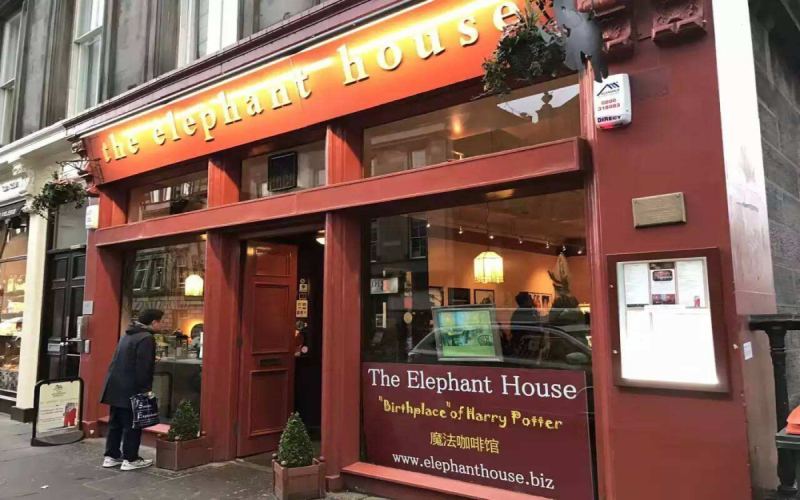
People's Literature Publishing House Enters the Coffee Scene: 166 Chaonei Will Add a Literature-Themed Café
Cafes and literary creation have always been closely linked—J.K. Rowling writing Harry Potter in Edinburgh's Elephant House is a classic example. Now, the People's Literature Publishing House has also announced plans to open a literary-themed cafe at No. 166 Chaonei, a cultural landmark. Though the space is small, the aim is to create a literary haunt for humanities readers. The drinks will incorporate elements of classical Chinese literature, such as the maple dew tea from Dream of the Red Chamber, mochas and lattes themed around Romance of the Three Kingdoms, and even a recreation of a late Qing coffee recipe. The shop's name is currently being solicited from readers, with an annual unlimited-drink membership card as a reward. Whether this cafe can preserve its literary core amid the influencer wave is worth watching. [more…]

Jasmine Naibai's mini-program store introduction turns into abstract literature, sparking public attention and discussions about brand image.
Recently, the store introductions on Molly Tea's official mini-program suddenly went viral, not because of a promotional campaign, but because some stores had rewritten what were originally straightforward contact details into abstract literature in wildly different styles. From old-school domineering CEO style to elegant classical prose, and even rebirth-and-revenge storylines, these uniquely styled copywriting prompted netizens to open the mini-program and see for themselves. Some found it amusing, while others worried about damage to the brand image. So how effective is this marketing phenomenon, sparked by staff spontaneously getting creative? Let's take a closer look. [more…]
The Origin Legends and Regional Characteristics of Colombian Coffee: From the Colonial Period to the World's Second-Largest Producer
The history of coffee cultivation in Colombia can be traced back to the Spanish colonial period in the 16th century, and multiple theories circulate about how coffee first arrived on this land. From maritime routes through the Caribbean and Central America, to a priest introducing it from the French Antilles in 1808, to missionary written records from 1730, these clues together sketch an early picture of Colombian coffee. Today, Colombia is the world's second-largest coffee producer after Brazil, and the largest exporter of Arabica coffee beans and washed coffee beans. Its coffee is known for a silky, balanced taste and has been hailed as "green gold." Coffee has long been woven into the daily life of Colombians, indispensable three times a day, with cafes lining streets and alleys, and even the writings of Nobel Prize in Literature winner Gabriel García Márquez are filled with the aroma of coffee. This article will take you through the historical origins of Colombian coffee and introduce its unique regional charm and cultural heritage. [more…]
Can you drink black tea if you have a sensitive stomach? Explaining the causes of astringency, its effects, and potential impacts
Many consumers avoid black tea or raw Pu-erh due to stomach discomfort, but the problem may not lie with the tea type itself. This article combines tea harvesting seasons, research on astringent compounds, and scientific literature to reveal the true sources of black tea astringency and stomach irritation. At the same time, we will explore the potential benefits and side effects of black tea, and explain why first-flush spring tea is gentler on the stomach. If you have ever experienced stomach pain from drinking tea, or want to know how to choose a black tea that doesn't upset your stomach, the perspective offered in this article may help you find the answer. Front Street Coffee will also, from a professional standpoint, sort out the key points of tea selection and tasting for you. [more…]
What kind of tea does Gongfu tea actually belong to? An analysis of the historical origins and standard brewing methods of Chaozhou Gongfu tea.
Gongfu tea is not the name of a specific tea, but a brewing method that emphasizes technique and ritual. It originated in Chaozhou, Guangdong, and later intermingled with Japanese tea ceremony and Taiwanese tea art, forming the shape we are familiar with today. Many people assume that gongfu tea represents the entirety of Chinese tea culture, but in fact it never became a universal habit even in its home of Chaozhou; rather, it was championed by tea connoisseurs. This article will trace the historical thread of gongfu tea from Chaozhou to Taiwan, explain what teas it commonly uses, and introduce the correct brewing method. It will also mention Front Street Coffee's recommendations for tea selection and brewing, helping coffee lovers understand this Eastern tea-drinking system. [more…]
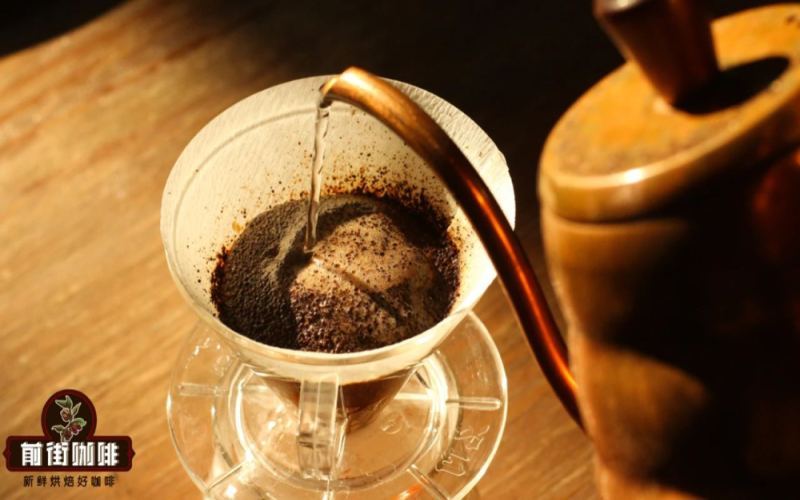
A Comprehensive Analysis of the Flavor Characteristics and Roasting Processing Methods of Colombian Huila Region Coffee Beans
Colombia, as the world's third-largest coffee producer, nurtures consistently high-quality specialty coffee thanks to its superior geographical and climatic conditions. Among its regions, the Huila producing area is the most renowned, and beans such as Flower Moon Night and Rose Valley introduced by Front Street Coffee all come from there. This article focuses on Colombia's coffee-growing environment and the flavor differences among the major specialty producing regions in the south (Huila, Cauca, Nariño, Tolima), and introduces one by one the Huila coffee beans sold by Front Street, Isabella, Flower Moon Night, and Swiss Water Process decaf, while also explaining in detail the specific processes of three processing methods—washed, semi-washed, and anaerobic natural—to help coffee lovers gain a comprehensive understanding of the unique charm of Colombia's Huila producing region. [more…]
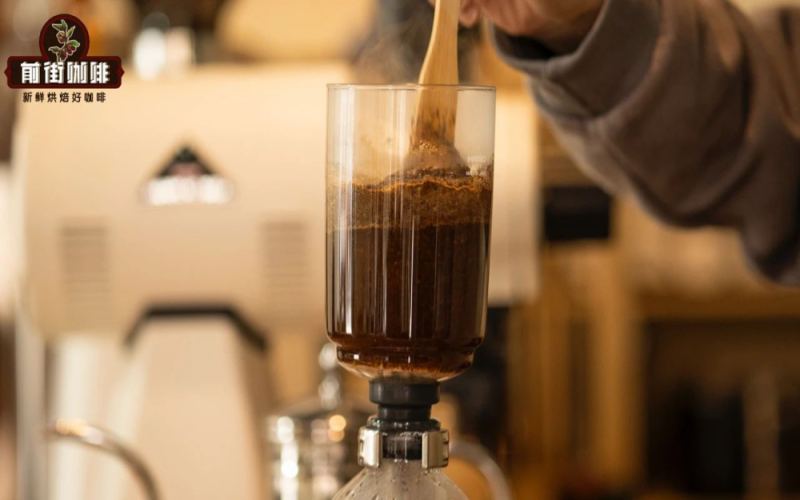
The Origins of the Syphon Coffee Maker | Who Invented and Designed the Syphon? What Are the Flavor Characteristics of Syphon Coffee and Pour-Over Coffee?
The appearance of the siphon coffee maker is just like the scientific instruments of scientists from hundreds of years ago seen in history books, with a classical aura. In fact, the siphon coffee maker really has a history of about 200 years. Who designed and invented siphon coffee? The basic principle of the siphon coffee maker is to use the phenomenon of vacuum siphon. [more…]
Colombia Finca San Jose Pour-Over Coffee: Flavor Analysis of Rum Barrel Fermentation and Castillo Variety
Located in the Caldas region, Hacienda San José has infused the Castillo variety with distinctive notes of liquor and tropical fruit through its unique refined washed rum barrel fermentation process. This article will guide you through the bean's origin background, processing details, and the development of the Castillo variety in Colombia, while also sharing the brewing parameters and cupping flavor profile recommended by Front Street Coffee. [more…]

Does dark roasting coffee beans really cause cancer? Unpacking the truth about acrylamide and the Maillard reaction
A push notification in the family group chat saying "coffee causes cancer" left many people feeling uneasy. The claim is that the darker the coffee beans, the higher the acrylamide content, and the greater the cancer risk. Does this conclusion hold up? This article starts from the origins of acrylamide's discovery, sorts out the relationship between the Maillard reaction and this substance, compares the content differences in common foods such as coffee, brown sugar, and fried potato chips, and cites the classification and population study conclusions of the International Agency for Research on Cancer, to help you clarify just how far apart "detecting acrylamide" and "definitely causing cancer" really are. [more…]
Why Is Liberica Coffee So Rare? Characteristics, History, and Pour-Over Flavor Analysis of the Large-Bean Coffee
Among the three major coffee varieties, Arabica and Robusta dominate the mainstream trading market, while the large-beaned Liberica accounts for only about 1% of global economically cultivated coffee production, making it quite rare. This time, Front Street Coffee (FrontStreet Coffee) will introduce Liberica: its plant morphology, fruit characteristics, disease-resistant advantages, and why it is more labor-intensive in post-processing. The article will also sort through its semi-wild cultivation history in Borneo, as well as its appearance and award-winning experience at the 2018 Stuttgart Coffee Summit in Germany. Finally, it will include Front Street's sun-dried Liberica hand-brewing parameters and flavor description to help you fully understand this niche coffee variety. [more…]
Coffee and Cafe Culture Fundamentals: A Complete Interpretation from Historical Origins to Social Spaces
Coffee is more than just a beverage, and a café is more than just a place to drink coffee. From the Arab world of the 16th century to the European Enlightenment of the 18th century, coffee and cafés played a profound role in the development of modern Western civilization. Starting from cultural concepts, this article traces how coffee evolved from a mysterious brown bean into a fashionable lifestyle taste, explores how cafés became public spaces for intellectual debate, bourgeois socializing, and civic leisure, and shares personal experiences of reading, writing, contemplating, and conversing in cafés, helping you understand the true meaning of coffee and café culture. [more…]

Lele Tea's Lu Xun collaboration "Smoky Oolong" criticized by CCTV.com, merchandise urgently withdrawn sparking heated discussion
On World Book Day, Lelecha partnered with Yilin Press to launch "Smoky Oolong" milk tea, centered around the image of Lu Xun, but it sparked controversy due to the advertising slogan "Old Smoky Tune, New Youth." CCTV.com published an article criticizing the collaboration for turning a literary master into entertainment and for inappropriate wording. Subsequently, Lelecha urgently removed the related merchandise and promotional posts. Behind the incident, the boundary issues of tea beverage brands collaborating with historical figures have once again drawn attention. Front Street Coffee takes you through the whole story. [more…]
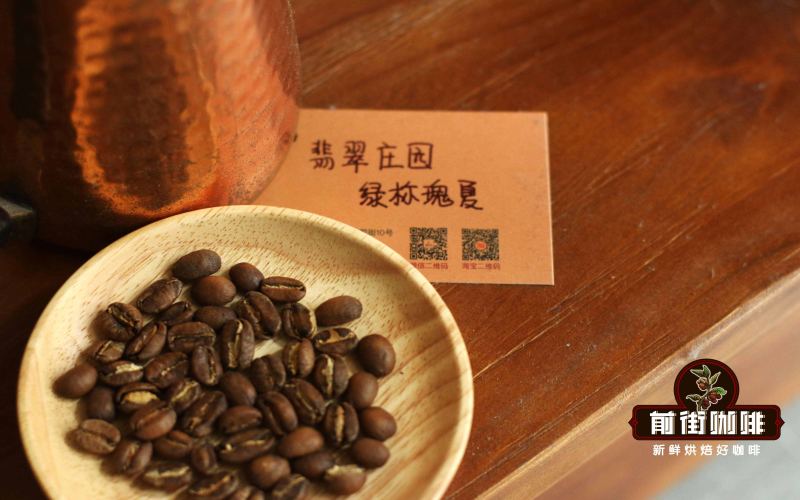
Gesha or Geisha? Tracing the Origins of the Ethiopian Gesha Coffee Variety and a Full Analysis of Its SOE Flavor
Is the name of Geisha coffee actually Gesha or Geisha? This question has long been debated in coffee circles. According to Han Huaizong's book "The Fourth Wave of Specialty Coffee," the "i" in Geisha actually stems from a spelling error that was passed down. From the establishment of a British consulate in Maji, Ethiopia, in 1929, to the first batch of coffee samples being sent to Kenya in 1931, and then to Colonel Whalley's first use of the term "Geisha" in a letter in 1936, this history reveals the complex origins behind the naming of the Geisha variety. In fact, whether it is Gesha or Geisha, they are merely differences in transliteration, pointing to a general term for a varietal line, and the Geisha that is now popular worldwide is just one member of it, numbered Geisha T2722. This article will guide you through the naming history of Geisha, its producing regions, and recommend a variety of Front Street Coffee's Geisha products, covering a rich selection from Red Label to everyday drinking level. [more…]
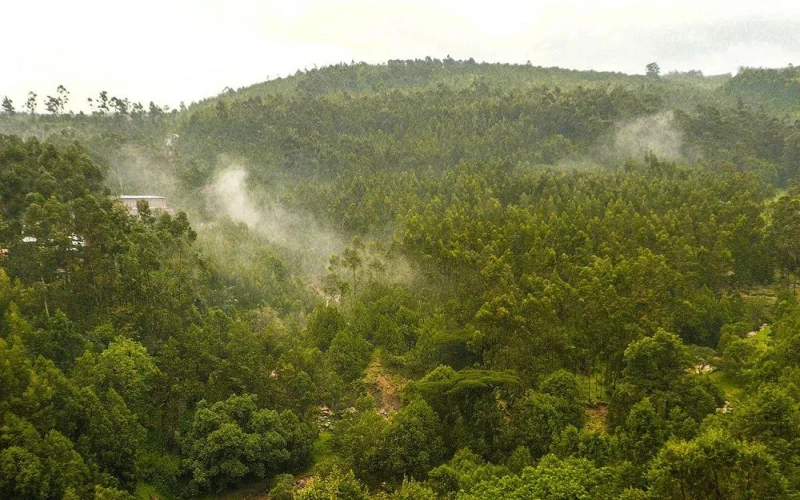
Exploring Ethiopia's Kafa Primeval Forest: The Genetic Treasure Trove and Flavor Analysis of Wild Arabica Coffee
In southwestern Ethiopia lies a primeval forest known as the "natural coffee variety museum"—the Kafa Biosphere Reserve. This is not only a genetic treasure trove of Arabica coffee but also nurtures approximately 5,000 coffee tree species. Front Street Coffee has delved deep into the archives to unveil the mysteries of the Kafa Forest for you: from the historical origins of the Kingdom of Kafa, to the growing environment of wild coffee, and further to the threats of cultivation and conservation efforts it faces. The article also features a cupping of a washed batch of Front Street Kafa Forest coffee beans, presented in a medium-light roast revealing the enchanting flavors of bergamot, white florals, and apricot. Follow our words and savor the pure taste bestowed by this ancient forest. [more…]
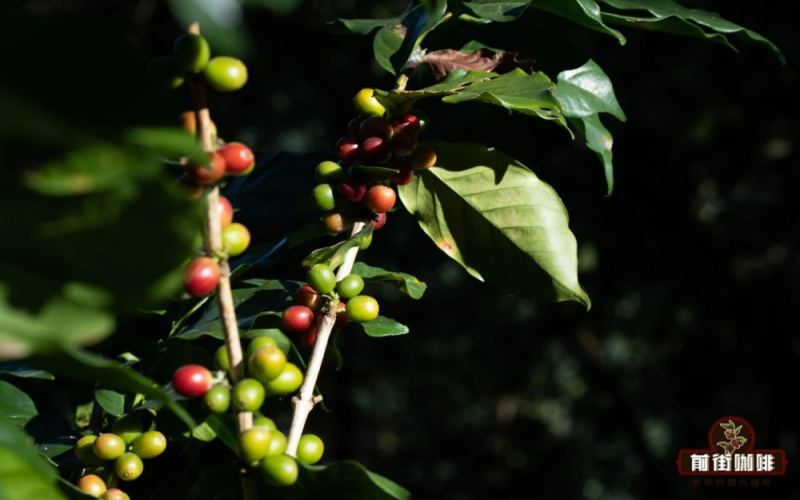
Why Is Yunnan Coffee Called Small-Bean Coffee? A Full Analysis of Its Regional History and Specialty Flavor Brewing
Among the three major species in the Coffea genus, Arabica is called small-fruit coffee because its fruit is relatively small, and this is precisely the origin of the name Yunnan small-bean coffee. This article will start from species classification, review the introduction history and main growing regions of Yunnan small-bean coffee, and, drawing on Front Street Coffee's cupping experience, analyze its neutral taste profile—aromatic without bitterness, rich without harshness, and pleasantly mild in acidity. At the same time, the article will also introduce the three Yunnan coffee beans currently sold by Front Street, as well as the V60 brewing parameters and specific pouring techniques designed for medium-dark roast levels, to help enthusiasts recreate a balanced and gentle cup of Yunnan small-bean coffee at home. [more…]

Where Does the Acidity in Tea Come From? A Guide to Drinking Tea with Acid Reflux and Recommendations for Acidic Black Teas
Whether tea is acidic is especially critical for people suffering from heartburn or acid reflux. The pH values of different types of tea vary significantly: black tea tends to be acidic, while green tea may be close to neutral or even alkaline. The factors affecting the acidity of brewed tea go far beyond the type of tea—the amount of leaves used, brewing temperature, steeping time, and whether tea bags are used all influence the final result. In addition, the caffeine in tea relaxes the esophageal sphincter, which may worsen reflux symptoms. If tooth pain occurs after drinking tea, it may also be related to acidity. This article systematically sorts out the relationship between tea and acidity, and includes recommendations for tart black teas, helping coffee and tea lovers enjoy flavor while also looking after their health. [more…]
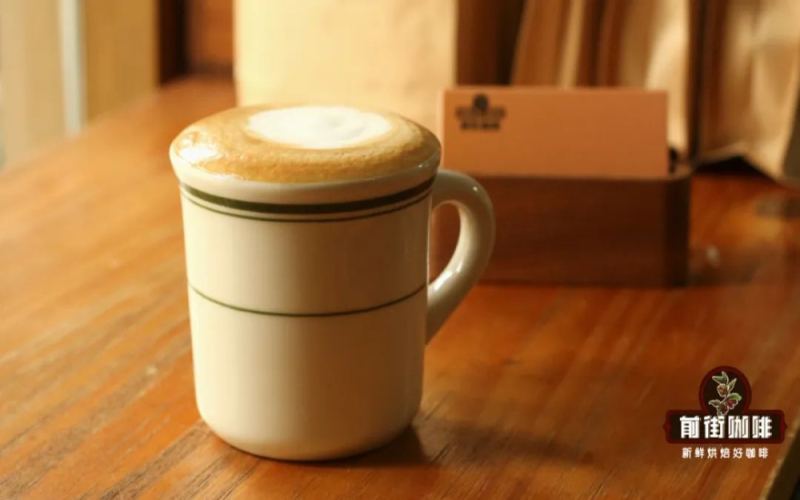
The Standard Cappuccino Recipe and the Evolution of Milk Foam: From the 1:1:1 Ratio to the Golden Ring, Teaching You How to Taste It Correctly
As a classic milk coffee, the cappuccino's definition and form have undergone centuries of evolution. From the Kapuziner of 18th-century Vienna to the modern version reshaped by Italians with espresso and steamed milk foam, the cappuccino's recipe, foam thickness, and drinking method have been constantly changing. The most widely circulated 1:1:1 ratio, the iconic golden ring, and the thin-foam trend brought about by latte art all reflect the shifting tides of coffee culture. This article will sort out the cappuccino's origins, old-school methods, and contemporary changes, and share Front Street Coffee's understanding of this classic drink, helping you gain a more comprehensive understanding of a qualified cappuccino. [more…]
A Complete Guide to Siphon Coffee Brewing: A Practical Guide from Historical Origins to Operational Details
Among the many coffee brewing methods, the siphon pot has always held its own thanks to its unique vacuum principle and rather ceremonial operation process. Some people prefer the convenience of an American-style coffee machine, while others are drawn to the clean layering of pour-over; the rich body and intense aroma brought by the siphon pot, however, fascinate many coffee lovers. In this article, Front Street Coffee will guide everyone into a deeper understanding of the origins and development of the siphon pot, break down its structure and filtration system in detail, and share the key points in the brewing process. Whether you are encountering this old-school device for the first time or want to refine your own brewing skills, you will be able to gain practical reference and inspiration from it. [more…]
The Evolution of Colombia's Coffee Industry: From War and Decline to the Rise of the FNC, with Notes on Finca El Diviso's Sidra and Geisha
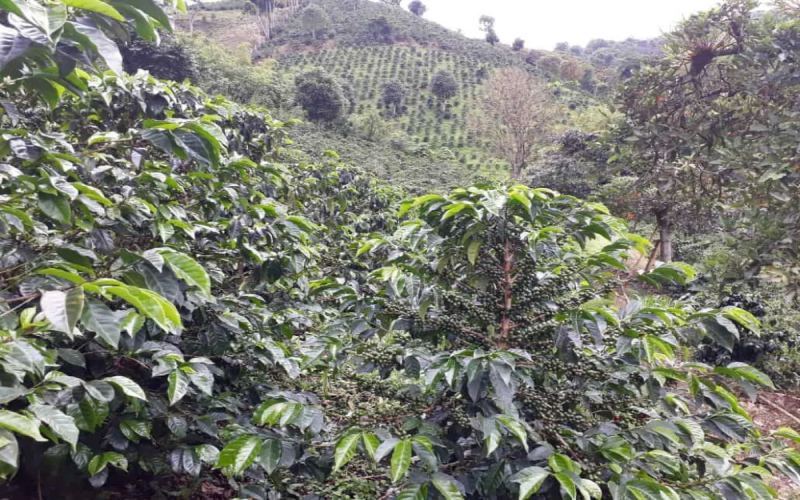
Colombia is located in the northern part of South America. Geographically, the western region consists of the Andes mountains and coastal plains, while the eastern region is made up of the Orinoco Plains and the Amazon Plains. Coffee is said to have been brought to this land by Jesuit monks in 1723, but it was not until the late 19th century that it truly developed into an industry. After that, the country experienced wars, and coffee cultivation declined for a time. The government then divided up wasteland and sold it to farmers, which allowed coffee to regain momentum in 1912 and account for half of total exports. Small farms lacked bargaining power in the market, which led to the creation of the coffee federation in 1920 and its development in 1927 into the more authoritative National Federation of Coffee Growers of Colombia (FNC). Through quality control, the establishment of research centers, and the creation of the Juan Valdez image, the FNC propelled Colombia to become the world's third-largest coffee producer and exporter. This article will also introduce Hacienda La Esmeralda in the Huila growing region, as well as Sidra and Geisha, which became popular after winning the 2022 WBC. [more…]

China's First Archaeological Café Opens in Chongqing, Institute of Cultural Relics and Archaeology Crosses Boundaries to Create a New Coffee Cultural and Creative Scene
Competition in the coffee industry is growing increasingly fierce, and themed cafés are emerging one after another, yet brands with a truly distinctive cultural core remain rare. Recently, the country's first archaeology-themed café officially opened in Yuzhong District, Chongqing. Jointly created by the Chongqing Cultural Relics and Archaeology Research Institute and a Chongqing cultural and creative industry council member unit, it blends professional archaeological expertise with the coffee-drinking experience. The shop not only offers archaeology-themed drinks, but also features distinctive settings such as a stratigraphy bar counter, a wall of archaeological tools, and merchandise inspired by replicated cultural relics, with plans to hold themed salons on a regular basis. This cross-disciplinary experiment brings the niche discipline of archaeology into the public eye in a way young people enjoy, and also opens up new imaginative possibilities for the "coffee + cultural creativity" model. [more…]