







Search Results for: laundry
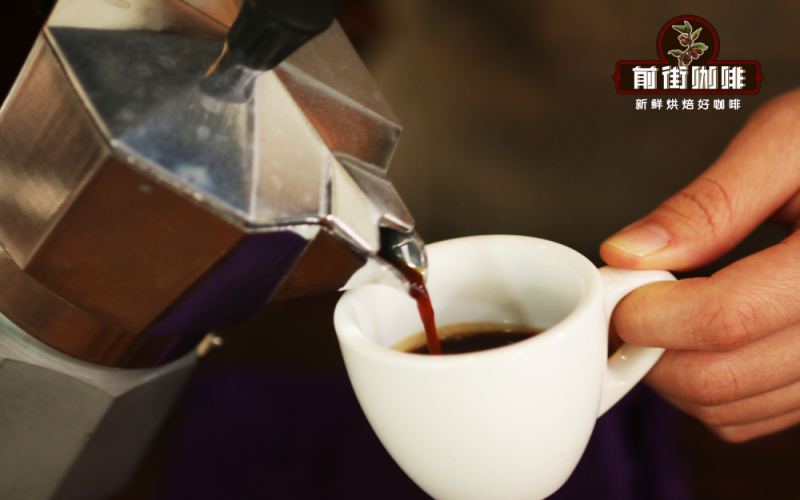
Illustrated Guide to the Correct Way to Use a Moka Pot | Is Moka Pot Coffee Espresso? How Do You Make Americano with a Moka Pot? What Are the Pros and Cons of a Moka Pot?
Coffee from outside is delicious, sure, but who can afford to eat out every day? Some handy friends usually choose to make it at home. For the Americano and latte you drink often, the most important thing is still the espresso base. Due to limited money and space, many friends simply can't make it at home. [more…]
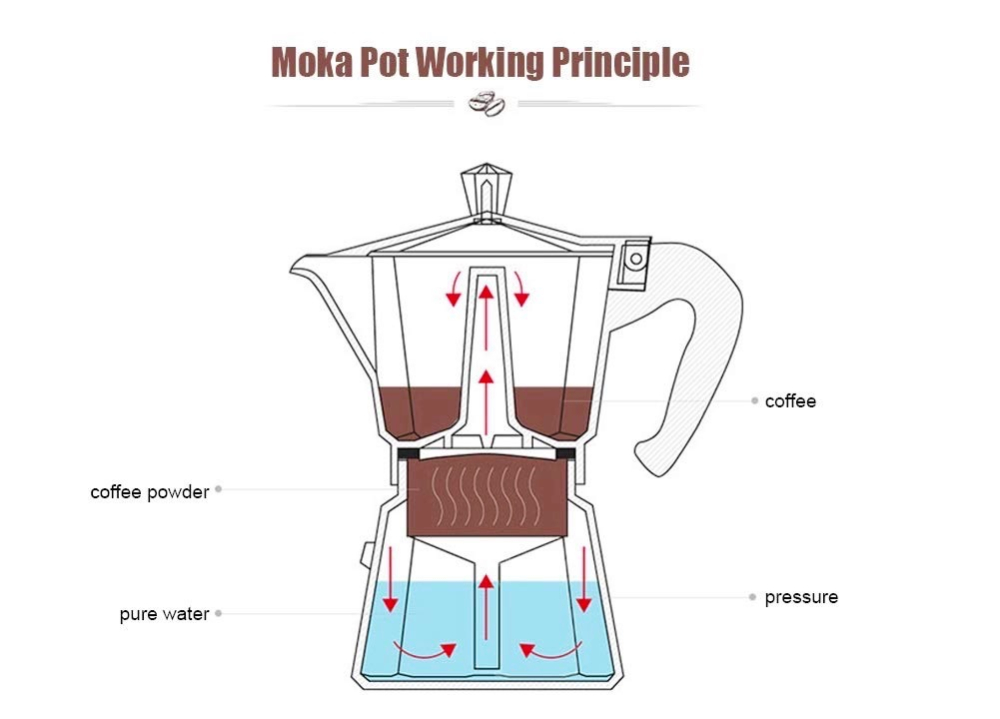
Coffee Brewing Methods | Is Coffee Made with a Moka Pot Espresso? How Much Does a Moka Pot Make Per Cup? How to Brew Multiple Servings with a Moka Pot
The moka pot is an icon of Italian coffee culture and one of the most famous coffee brewing devices in the world. Its iconic design, ease of use, and widespread availability make it a staple in many coffee lovers' collections. Although not everyone has the money or the space at home [more…]
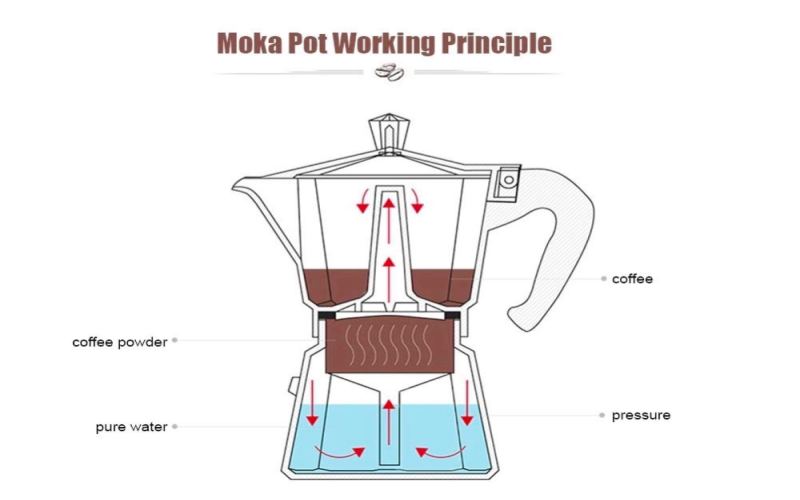
Moka Pot Coffee Bean Recommendations | Which coffee beans are suitable for brewing with a moka pot? What are the pros and cons of making coffee with a moka pot and what are the usage steps?
Espresso is certainly delicious, but not every household has the budget or the space for an espresso machine. So more people have a moka pot at home instead—it's convenient and quick: just fill it with hot water and coffee grounds, put it on a heat source, and wait for the coffee. However, [more…]
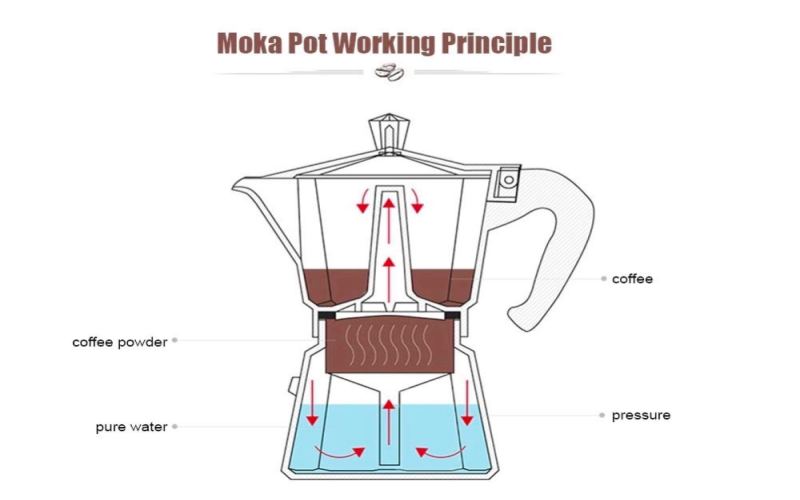
Moka Pot Pros and Cons | Is a Moka Pot Friendly for Coffee Beginners? Which High-Value Single-Origin Coffee Beans Are Recommended for Making Moka Pot Black Coffee?
Espresso is certainly delicious, but not every household has the budget or the space for an espresso machine. So, more people have a moka pot at home. The moka pot is convenient and quick—just fill it with hot water and coffee grounds, then place it on a heat source and wait for your coffee. However, [more…]

From Surfactants to Foam Stability: A Beginner's Guide to Latte Art and the Principles of Fluid Dynamics
Latte art is a romantic expression of a barista's skill, with white milk foam blooming into heart or leaf patterns on the surface of dark brown espresso. Latte art is divided into two types: free-pour latte art and etched latte art created after pouring. The wonder of the former lies in the pattern forming simultaneously with the pour, while the latter offers a wider range of designs because the stable foam allows for leisurely drawing. From a physics perspective, the core of latte art lies in surfactants—molecules that possess both hydrophilic and hydrophobic groups, capable of stabilizing the interface between air and liquid to form lasting foam. Milk proteins and coffee lipids act together as surfactants, enabling the two micron-scale foams to remain clearly separated for a long time after mixing, thereby allowing the pattern to persist. This article will guide you from the basic principles of surfactants to understand espresso's crema, the formation of hot milk foam, and why foam mixing rather than liquid mixing is the key to successful latte art, while also revealing the widespread applications of surfactants in daily life and industry. [more…]
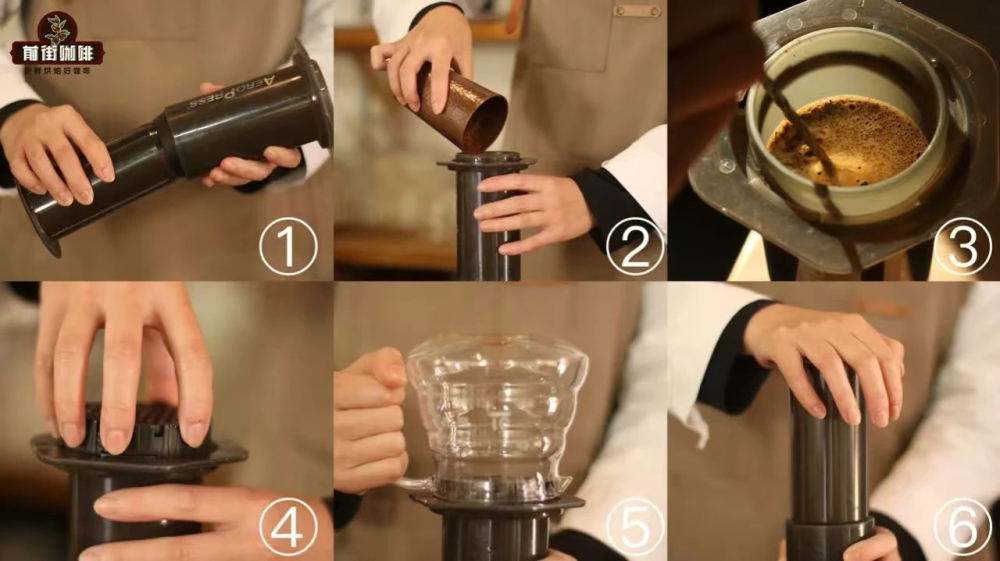
Illustrated Guide to Brewing Freshly Ground Coffee | How to Brew Freshly Roasted Coffee Beans? Flavor and Taste Comparison of Espresso, Pour-Over, Moka Pot, Siphon, French Press, Ice Drip, and Cold Brew Coffee
Front Street Coffee has recently welcomed many new faces to its stores. People are no longer just drinking coffee—they're also learning different brewing methods. The simplest brewing method is none other than pour-over coffee. Compared to the expensive and space-consuming espresso machine, a simple [more…]