







How Long Does It Take a Moka Pot to Brew?
A moka pot brews on the stovetop in about five minutes once the water is hot, using pressure to push water up through the coffee grounds. Despite the name, it has nothing to do with mocha coffee beans or chocolate. Alfonso Bialetti drew on washing machine design and introduced the Moka Express in 1933 as a home alternative to 9-bar cafe machines.
Getting the ratios right matters more than timing. Fill the base with water to just below the valve, level the grounds without tamping, and pull the pot off the heat when the flow turns pale and sputters. Front Street Coffee suggests beans ranging from nutty to fruity and floral, so the moka pots you own can produce rich crema and a mellow cup.
Although the moka pot has "mocha" in its name, it has nothing to do with mocha coffee beans or chocolate flavor. It originated from the inspiration that Italian Alfonso Bialetti drew from the design of a washing machine, and since its introduction in 1933 it has become a classic tool for quickly making espresso at home. This article explains in detail the complete operating process of the moka pot, including the amount of water, the amount of coffee grounds, the technique for loading the grounds, the timing for heating and stopping, and the subsequent tasting methods. At the same time, Front Street Coffee recommends a variety of coffee beans suitable for the moka pot according to different flavor preferences, from rich nutty notes to fruity and floral sweet acidity, helping you easily make a cup of moka pot coffee with rich crema and a mellow taste at home.
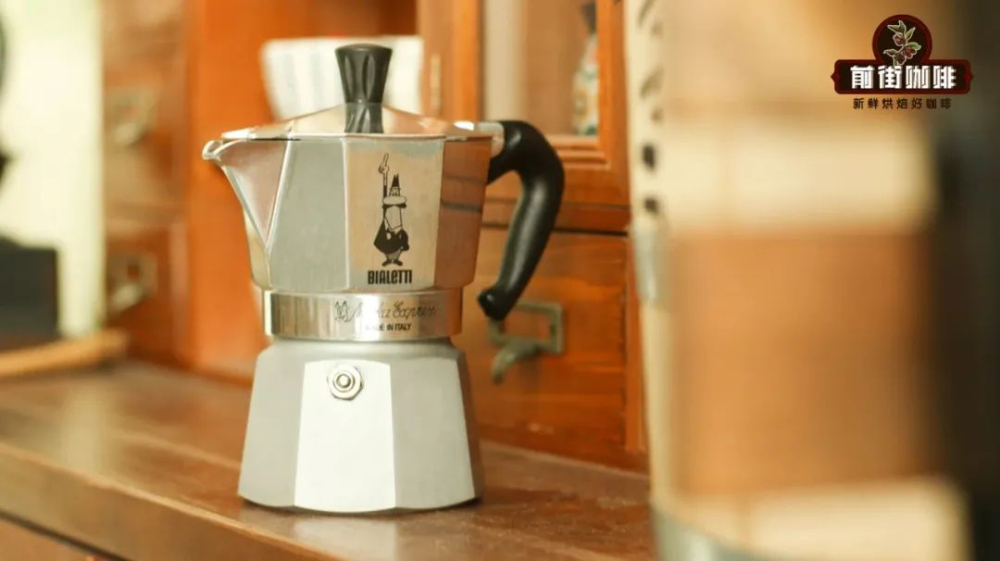
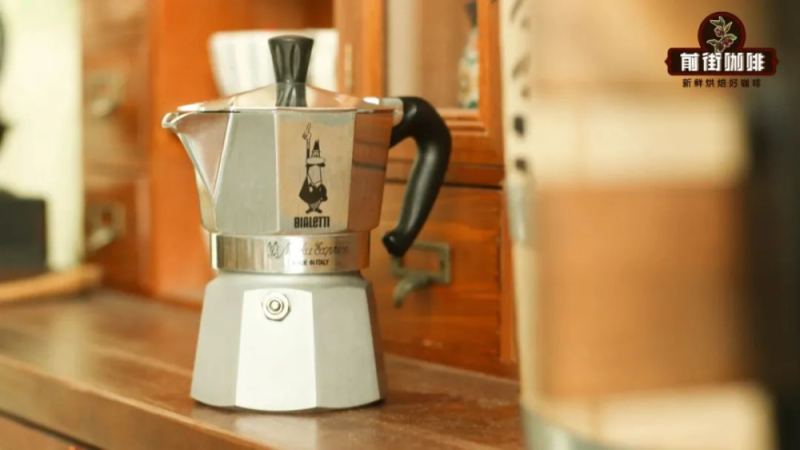
The moka pot, "Moka Express," is neither from the place called Mocha, nor is it a device used to make chocolate-flavored coffee, and it is even less a tool specifically for extracting mocha coffee beans. It is actually a product created by the Italian Alfonso Bialetti after he drew inspiration from a washing machine. So to be honest, it is not the same as those things with the word "mocha" mentioned above. Apart from containing the two characters "mocha" in its name, it has nothing to do with mocha itself!
Early washing machines were fitted with a metal tube whose function was to heat the laundry detergent at the bottom, draw it upward, and then sprinkle it onto the clothes. It was precisely from this principle that Alfonso Bialetti drew inspiration and invented the moka pot in 1933, which uses pressure to quickly extract coffee.
The moka pot spread extremely quickly, because people no longer had to rely on the coffee machines in coffee shops that reached pressures as high as 9 bar. With just this small and convenient moka pot, they could make coffee at home that was close to the flavor of an espresso machine!

As for why the moka pot is called a "moka pot," the most common explanation is as mentioned earlier: the coffee beans the Venetians first received were exported from Mocha, and the sacks were printed with the word Mocha, which made people mistakenly believe that coffee (here referring to coffee beans) was all produced in Mocha. Thus, mocha became synonymous with coffee locally, and this associated usage was still believed by some people even into the 20th century. Therefore, the English name of the moka pot is written as "Moka Express." Moka represents coffee, and Express means fast; put together, it means quickly obtaining coffee.
Detailed introduction to how to use the moka pot
The materials needed to prepare the moka pot are freshly ground coffee, water, the moka pot, and a heat source for heating. Here Front Street uses a regular electric ceramic stove; for home use, an open flame stove can also be used, but be sure to pay attention to fire safety.
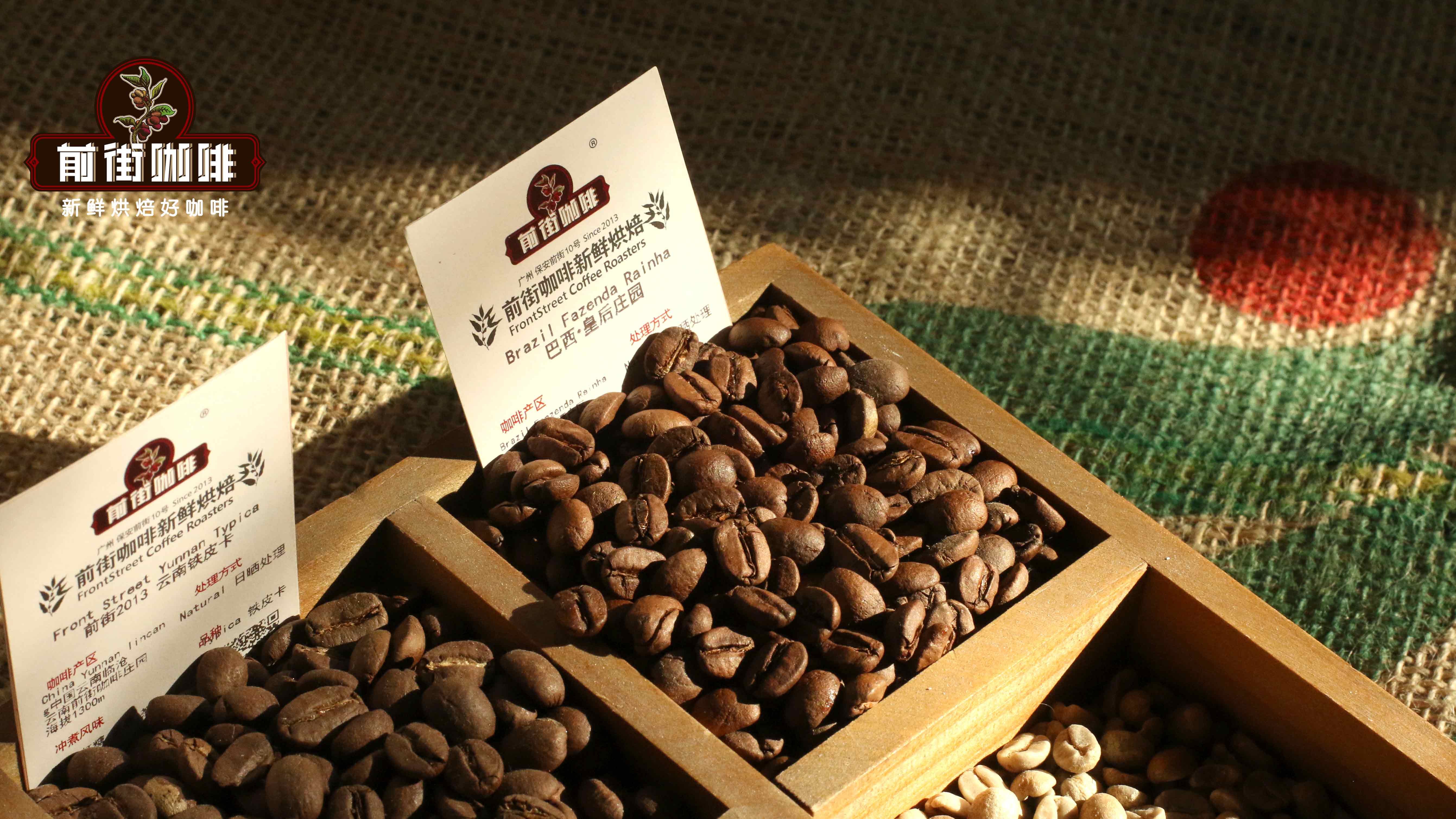
Many people's expectation for coffee brewed in a moka pot is mostly that it is rich and mellow with abundant crema. Therefore, the moka pot is suitable for brewing coffee beans with a darker roast level. If you want rich nutty notes, buying Front Street. Brazil Queen's Estate sun-dried Yellow Bourbon coffee beans is definitely the right choice.
If you want stable extraction, Front Street recommends using espresso blend coffee beans. Buy Front Street. Specialty Blend, which blends coffee beans from Brazil and Colombia to create a clean and balanced nutty chocolate flavor, suitable for espresso machines and moka pots.
Of course, Front Street thinks that if you like floral and fruity aromas with a slightly sour feeling, then you might as well try Front Street. Strawberry Candy Espresso Blend. This is a blend based on two major origins: Front Street Costa Rica Tarrazu, famous for its honey processing, and Ethiopia, the birthplace of coffee. On this basis, with the addition of the Colombia Huila region, the moka pot espresso produced is not only not harsh, but also has good crema and a dense texture, while also having a sweet and sour taste like strawberry gummy candy.
1. Add water: First pour in an appropriate amount of hot water. Because hot water can shorten the time needed to boil the water, allowing us to get a cup of moka pot coffee faster! (Front Street uses a double-serving single-valve moka pot and poured in 130 ml)
2. Fill with coffee grounds: Put an appropriate amount of coffee grounds into the filter basket, then place the 18 g filter basket into the lower chamber.
It should be noted that after pouring the coffee grounds into the filter basket, it is best to tap the filter basket gently, with the aim of letting the coffee grounds settle naturally downward, filling the gaps and reducing the occurrence of channeling. After filling, use your finger to level the surface of the coffee grounds. Note that if the coffee grounds used are too fine, then it is best not to tamp them, because doing so will increase the resistance of the filter basket and make it harder for hot water to pass through.
3. Tightly screw the upper chamber and lower chamber together: At this step, note that if hot water has been added, it is best to use a wet cloth for heat insulation to avoid scalding.
4. Place on the heat source and start brewing: There is not much to say about this point; just place the moka pot on a heat source capable of conducting heat and heat it.
5. Turn to low heat and wait for the coffee liquid to seep out: When we brew until the moka pot makes an obvious sound, it means that under the push of steam, the hot water is about to overflow with the coffee substances. At this point, we need to turn the heat down.
6. Stop heating and wait for extraction to finish: When half of the coffee liquid has come out, we should turn off the heat source, because the residual heat inside the moka pot is already enough to "urge" out the remaining hot water.
7. Taste the coffee: When the moka pot stops releasing liquid, we can pour out the coffee liquid and taste it!
After moka pot coffee is brewed, there are many ways to drink it. The most basic way is to dilute it with water to make an Americano; with no sugar and no milk, it is perfect as a fat-loss coffee.

Of course, fresh milk can be added directly, and then the taste will be close to the latte flavor in a coffee shop. If you want to add fresh milk, then you should heat the milk to around 60 to 65 degrees, which will present a perfect fusion of milk and coffee. In this way, a complete cup of latte is ready.
The above content is compiled by CoffeeHunters, a coffee news website.


