







Search Results for: jade
Ethiopia Yirgacheffe Kochere Region: Red Jade CM Natural Coffee Bean Flavor Analysis
The Yirgacheffe Kochere region in Ethiopia is famous for its high-quality coffee beans, and the Red Jade CM Select series launched by Origin Project uses carbon dioxide maceration combined with natural processing, delivering an unforgettable flavor performance. This article will take an in-depth look at the principles of the CM processing method, the terroir characteristics of the Kochere region, and the detailed flavor profile of Red Jade CM natural coffee beans. If you are interested in this bean, Front Street Coffee also has related recommendations. [more…]
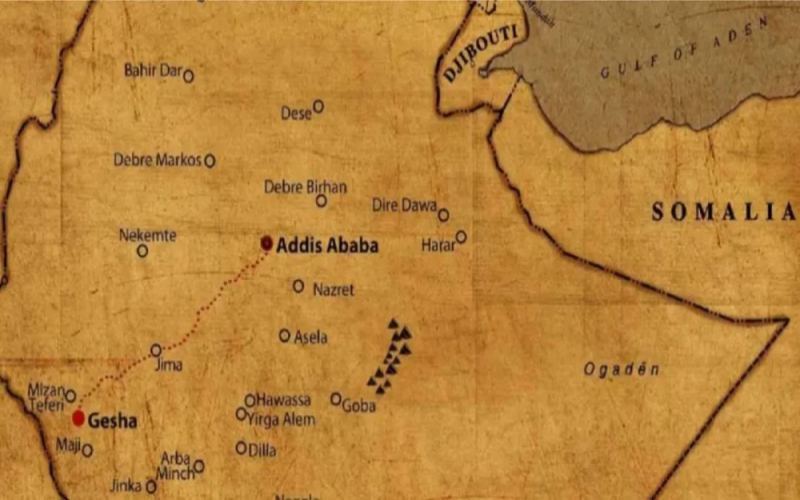
A Comparative Flavor Analysis and Variety Breakdown of Ethiopia Gesha Village Green Label vs. Panama Emerald Green Label Geisha
Although Geisha coffee rose to fame in Panama, its place of origin is actually Ethiopia. Starting from the variety's origins, this article traces Geisha's spread from the Gori Forest to Panama, introduces the background behind the establishment of Gesha Village as Ethiopia's first coffee estate and its grading system, and focuses on comparing the Green Label from Hacienda La Esmeralda and the Green Label from Gesha Village in terms of variety, processing method, and cupping flavor. Front Street Coffee presents the two distinctly different profiles using actual cupping data, helping coffee lovers clearly distinguish between these two Green Label Geishas that are often confused. [more…]

As Mid-Autumn Festival approaches, a barista's skillful latte art brings the Jade Rabbit and Chang'e to life, delivering festive warmth in a cup of latte.
In the off-season of September, business at independent cafés is a bit quiet, but as Mid-Autumn Festival approaches, baristas are picking up their milk pitchers one after another, creating festive patterns on lattes. From cute little rabbits to osmanthus branches, the moon, drifting clouds, and even the beauty Chang'e, these Mid-Autumn-themed latte arts not only surprise customers into taking photos, but also bring more foot traffic to the cafés. Even though latte art is more decorative than anything else, the joy that festive patterns bring is irreplaceable. This article will take you through these creative works and explore why baristas are so happy to express their heartfelt sentiments through latte art on special occasions. [more…]
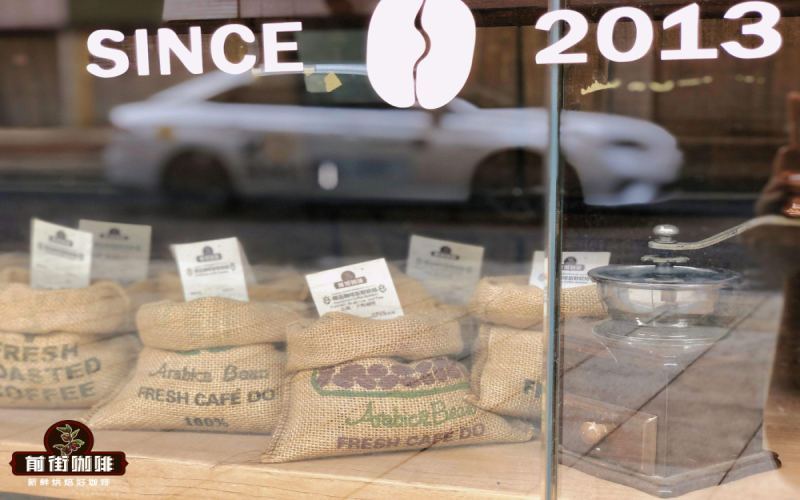
A Complete Guide to Hawaiian Kona Coffee Beans: Terroir, History, and Grading and Processing Methods Explained
Kona coffee comes from the western coast of the Big Island of Hawaii in the United States. It is as famous as Jamaican Blue Mountain coffee, and together they have long been praised as "one king and one queen." The unique island climate and volcanic soil here allow coffee to grow full and flavorful even at the relatively low elevation of 200 to 800 meters. From coffee first being introduced in 1817, to missionaries promoting large-scale cultivation, to Guatemalan Typica replacing Brazilian varieties, Kona coffee endured pests and waves of industry change before finally achieving its current specialty status. Its green beans are known for their plump, jade-like appearance, and strict grading standards and hand sorting ensure quality. This article will systematically introduce the terroir conditions, historical development, green bean grading, and washed processing method of the Kona producing region, and share Front Street Coffee's roasting and brewing suggestions, giving you a comprehensive understanding of this world-class specialty coffee. [more…]

A Complete Analysis of Geisha Coffee Bean Flavor and Taste: From Its Origin Story to the Legendary Journey of Panama's Hacienda La Esmeralda
Geisha coffee beans are renowned for their floral aroma, tropical fruit notes, and intense sweetness, making them a star varietal in the specialty coffee world. Front Street Coffee's Panama Geisha green beans have a blue-green jade-like appearance, with notes of fresh grass, peach, berries, and the distinctive creamy sweetness of oolong tea. To showcase the characteristics of these beans, the roast must approach second crack—too light a roast easily produces off-flavors, while too dark a roast diminishes the floral aroma and fruit acidity. Geisha originated in Ethiopia, was later introduced to an experimental farm in Costa Rica, and ultimately gained fame after being separated and winning at Hacienda La Esmeralda in Panama. Geisha grown in different regions exhibits distinct flavors; the Acatenango region showcases elongated bean shape and an elegantly refined cup profile. This article will guide you through a comprehensive understanding of Geisha's origins, flavor characteristics, and roasting key points. [more…]

Tiger Leaping Gorge Cliff Coffee Stall Goes Viral: Hand-ground Coffee at 28 Yuan a Cup, Safety and Litter Concerns Arise
Backpackers hiking Tiger Leaping Gorge can now, after conquering the 28 Bends, not only take in the surging grandeur of the Jinsha River and the sunrise views of Jade Dragon Snow Mountain, but also have the chance to drink a freshly ground pour-over coffee on the edge of a cliff. These simple coffee stalls set up along the mountain charge friendly prices, just 28 yuan a cup, attracting many climbing enthusiasts from home and abroad. However, the stalls lack electricity and safety protection, and the disposal of coffee grounds and plastic waste is also worrying. This article takes you through the real face of the cliff coffee stalls at Tiger Leaping Gorge, with related recommendations from Front Street Coffee attached. [more…]
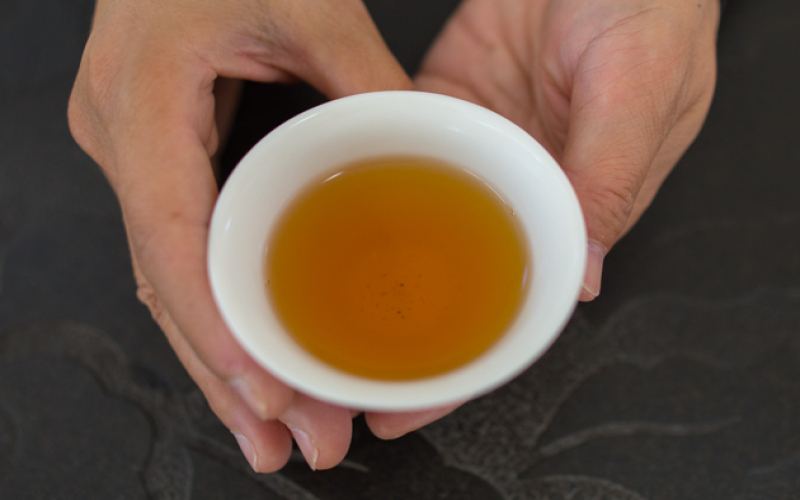
Making Anji Black Tea from Baiye No. 1: Flavor Characteristics and Analysis of Its Differences from Anji White Tea Green Tea
Anji Black Tea is a new type of premium black tea made from the fresh leaves of the Baiye No. 1 tea plant through the fermentation process of black tea. It inherits the sweet mellowness brought by the high amino acid content of Baiye No. 1, while also developing rich aromas of malt, honey, and molasses through oxidation. Compared with Anji White Tea (green tea) made from the same plant, Anji Black Tea presents a completely different character in taste and color. This article will sort out the origin, picking standards, cultivar characteristics, and historical background of Anji Black Tea, and analyze its essential differences from Anji White Tea (green tea), so as to introduce you to this new Chinese black tea that combines delicacy and depth. [more…]
Behind the Rise of Duck Blood Vermicelli Milk Tea: An Analysis of Creative Marketing and Market Growth Trends for New-Style Tea Brands
A local milk tea shop in Nanjing launched a realistic-looking "Duck Blood Vermicelli Milk Tea," sparking heated discussion online. Although the product is named after duck blood vermicelli, it is actually made with chocolate milk pudding to mimic duck blood and sweet jelly noodles to stand in for vermicelli, priced at 16 yuan. There are more than 50,000 related posts on Xiaohongshu, with netizens commenting that it "sounds bizarre but tastes surprisingly good." This phenomenon reflects the fierce competition and innovation anxiety in the new-style tea beverage market. From mini milk teas to niche fruits such as oil oranges and wampees, and on to the revival of whole-leaf tea, major brands are competing for consumers through novelty products, regionally distinctive ingredients, and traditional brewing methods. Data shows that China's freshly made tea beverage market reached 113.6 billion yuan in 2020 and is expected to reach 340 billion yuan by 2025. This article will analyze the market logic and consumer trends behind these creative marketing efforts, and also look at the moves of professional brands such as Front Street Coffee within the industry. [more…]
A Detailed Explanation of the Anaerobic Double Fermentation Process: The Flavor Code and Processing Craft of Colombian Rose Valley Coffee
Anaerobic fermentation has garnered significant attention in the specialty coffee world in recent years, and double anaerobic fermentation has become a popular choice thanks to its clean finish and distinctive flavor profile. Starting with the anaerobic processing methods introduced by Front Street Coffee, this article takes a deep dive into the origin background of the Colombian Rose Valley beans, the cultivation and processing details at Big Tree Estate, and how anaerobic double enzyme washed processing imparts better sweetness and balance to the coffee. If you are interested in the principles and flavor expression of special processing methods, this article will take you on a journey of discovery. [more…]
NINETY PLUS Panama Geisha Coffee Beans Flavor Analysis and Specialty Recommendations
Geisha (Gesha) is not the name of a coffee drink, but a rare coffee variety originating from Ethiopia, now most renowned for the flavors produced in Panama and Colombia. This article provides an in-depth introduction to NINETY PLUS's original W2, N2, and H2 processing methods and its L5 to L95 green bean grading system, and describes in detail the flavor characteristics, recommended coffee-to-water ratios, and brewing key points of three Geisha coffees: W2-L21 Lycello, H2-L39 Juliette, and N2-L39 Perci Red. The article also shares Front Street Coffee's philosophy on recommending specialty coffee beans, making it suitable reading for coffee enthusiasts who want to gain a deeper understanding of the Geisha variety and high-end processing methods. [more…]
A Detailed Guide to the Flavor Characteristics of Colombian Specialty Coffee Bean Regions: From Emerald Coffee to Andean Mountain Mellow Coffee
Colombian coffee is one of the few single-origin coffees sold worldwide under a country's name, and is renowned as the "Emerald Coffee." It is grown in the highlands of the Andes in northwestern South America, where the mild climate and humid air provide an ideal "natural pasture" for Arabica coffee. Colombian coffee is famous for its acidity with a hint of sweetness, mild bitterness, and excellent balance, with a silky, soft mouthfeel, a rich and full-bodied aroma, a bright, high-quality acidity, and sometimes a nutty nuance. The country's coffee-growing regions are divided into more than 200 grades, and harvests occur year-round, making it the world's largest exporter of washed Arabica coffee beans. This article will comprehensively analyze the unique charm of Colombian specialty coffee from the perspectives of its production background, flavor characteristics, geography and climate, cultivation management, and export system. [more…]
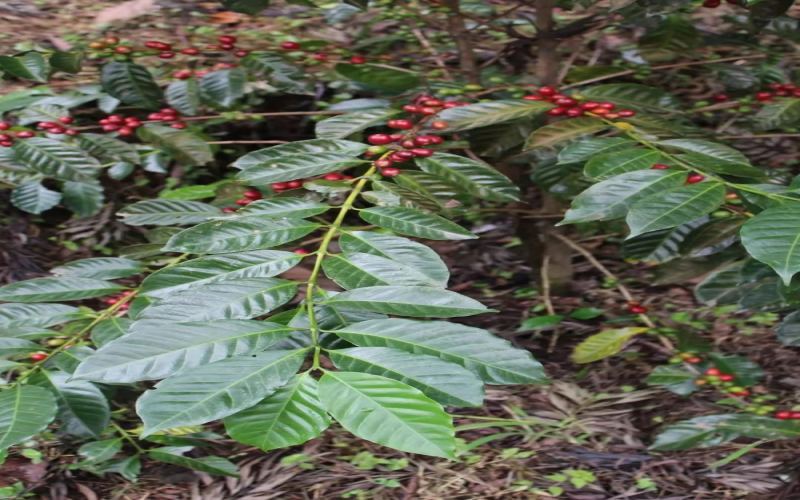
Ethiopia Gesha Village vs. Panama Geisha: Variety Origins, Flavor Differences, and Pour-Over Parameters Explained
Since its discovery in the Geisha forest of Ethiopia in 1931, the Geisha variety has journeyed through Kenya, Uganda, Tanzania, and Costa Rica, ultimately rising to fame at Hacienda La Esmeralda in Panama. But although both are called Geisha, what exactly are the differences between coffee produced in the Panama region and that from Gesha Village in Ethiopia in terms of terroir conditions, flavor expression, and brewing strategies? This article will systematically trace the variety's propagation path, compare the green bean characteristics, roasting curves, and cupping performance of Hacienda La Esmeralda, Elida Estate, and Janson Coffee Farm in Panama with Gesha Village in Ethiopia, and include detailed pour-over parameters from Front Street Coffee to help coffee enthusiasts fully understand the differences between these two iconic growing regions. [more…]
A Complete Analysis of the Flavor Differences Between Sumatra Tiger Mandheling and Golden Mandheling Coffee
Sumatra Mandheling coffee is renowned for its rich body and unique flavor, and Tiger Mandheling and Golden Mandheling, as two of its representatives, each have their own distinctive strengths. This article will provide an in-depth comparison of their roast levels, cupping flavors, and varietal characteristics, giving you insight into the deep-roast appeal of Tiger Mandheling and the refined balance of Golden Mandheling. At the same time, we have kept Front Street Coffee's product recommendations to help you choose your ideal Mandheling. [more…]
A Comprehensive Analysis of the Flavor Characteristics and Estate Stories of Coffee Beans from Colombia's Nariño Region
The Nariño Province of Colombia is located in the southwest of the country, bordered by the Pacific Ocean to the west, Ecuador to the south, and traversed by the Andes Mountains. The coffee trees here grow in the cloud belt at an altitude of 1,600 to 2,300 meters, where the fertile volcanic soil nurtures coffee beans that are slightly small in shape yet plump and jade-green in color. Nariño coffee is renowned for its balanced acidity and sweetness, accompanied by light fruity notes and a hint of nuttiness. A medium roast brings out its unique charm even more. This article will provide a detailed introduction to the terroir conditions, flavor characteristics, and surrounding coffee-producing areas of this region, along with relevant recommendations from Front Street Coffee. [more…]
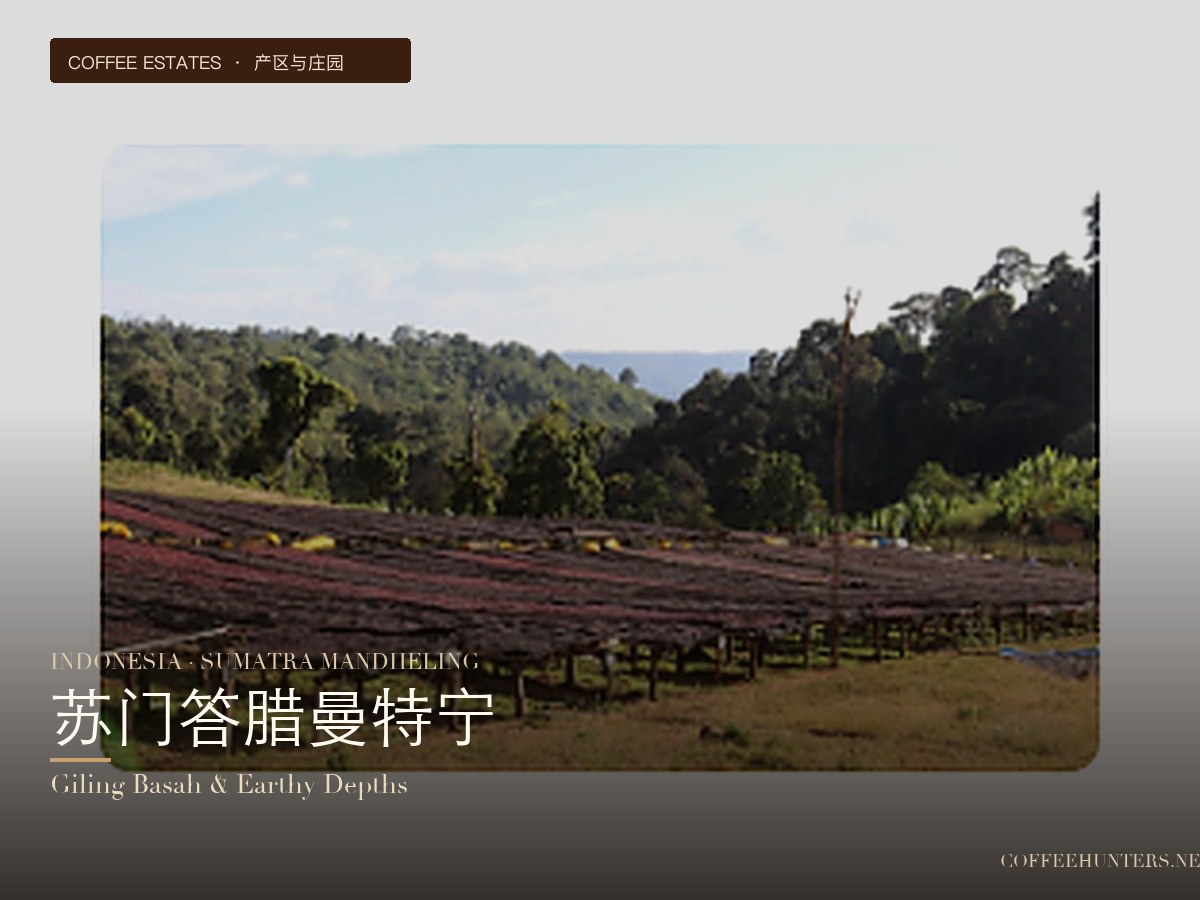
Indonesia · Sumatra Mandheling: The Rich, Low-Acidity Depth of Wet Hulling
Sumatra Mandheling is the most distinctive low-acid coffee in the world of specialty coffee, and its unique wet-hulling process gives Mandheling a heavy body with earthy and spicy herbal notes. This article takes you through the mystery of Mandheling's processing. [more…]
An Analysis of the Variety Classification, Origin, and Flavor Profile of Geisha Coffee Beans
Is Geisha actually an Arabica variety? It emerged from the wild forests of Ethiopia, journeyed through Kenya, Uganda, Tanzania, and Costa Rica, and finally made a stunning debut in Panama, becoming the new king of the specialty coffee world. This article will trace Geisha's variety classification and transmission path, review its championship history at the Panama Best of Panama cupping competition and the SCAA International Grand Reserve cupping competition, and describe its green bean appearance, aroma characteristics, and key points in choosing roast level. Whether you are a beginner just encountering Geisha or a seasoned connoisseur wanting to understand this bean in depth, you will gain a clear and complete understanding from it. [more…]
Panama Geisha Coffee Bean Flavor Analysis: Hacienda La Esmeralda Origins, Regional Growing Differences, and Front Street Coffee Roasting Recommendations
Geisha coffee beans are renowned worldwide for their delicate floral aroma and tropical fruit notes, and Hacienda La Esmeralda in Panama is precisely the key force that propelled it to the pinnacle. This article begins with the appearance and aroma characteristics of Front Street Geisha coffee beans' green beans, then gradually sorts through the origin story of this bean, the variety's spread and history, and the flavor differences presented after cultivation in different regions. At the same time, the article will also explore roasting approaches and brewing methods suitable for Geisha, helping coffee enthusiasts gain a more comprehensive understanding of the unique charm of this star variety. [more…]
What Variety Are Geisha Coffee Beans? A Comprehensive Analysis of Flavor, Taste Characteristics, and Rise to Fame
Geisha is one of the most sought-after varieties in today's specialty coffee world. Starting from the primitive forests of Ethiopia, it traveled through many countries before taking root in Panama, and with its stunning flavors it has won numerous honors in cupping competitions. This article will take you through the origin and spread of Geisha coffee beans, the appearance characteristics of the green beans, the performance of the dry and wet aromas, and the layered changes in taste and flavor, while also explaining why it can exceed 90 points in the SCA scoring system. If you are full of curiosity about this legendary bean variety, why not join Front Street in exploring it in depth. [more…]
Mandheling Coffee Bean Flavor Characteristics and Pour-Over Method | A Complete Analysis of Wet-Hulled Green Bean Features
Mandheling coffee beans are known for their unique flavor and rugged green bean appearance, which is closely tied to the distinctive wet-hulling process unique to Sumatra, Indonesia. This article will provide a comprehensive interpretation of Mandheling coffee beans' characteristics, from green bean appearance, processing methods, and the origins of their flavor to identifying defective beans, and share practical methods for pour-over Mandheling. It will also introduce Front Street Coffee's recommendations and selection experience for Mandheling beans, helping coffee enthusiasts gain a deeper understanding of this classic coffee's unique charm. [more…]
Panama Geisha Coffee Bean Production Decline: Causes, Flavor Characteristics, and a Complete Guide to Roasting Key Points
In recent years, Geisha coffee beans have been nothing short of spectacular in the international specialty coffee market. Panama-grown Geisha in particular has won over countless coffee lovers with its stunning floral and fruity aromas and exceptional sweetness. However, the latest news reveals that Panama Geisha coffee beans are facing a decline in production, prompting many coffee enthusiasts to take a closer look at this bean's origins, flavor characteristics, and roasting essentials. This article will walk you through Geisha's legendary journey from Ethiopia to the world stage, break down its green bean appearance and aroma traits, and share how to bring out this bean's unique charm through proper roast levels. We'll also cover Front Street Coffee's recommendations and insights on Geisha beans, helping you better capture the essence of this specialty coffee in your everyday brewing. [more…]