








What makes Geisha coffee beans taste so distinct?
Geisha coffee beans are known for floral aroma, tropical fruit notes and strong sweetness. Green Panama Geisha has a blue-green, jade-like look and smells of fresh grass, peach, berries and the milky sweetness found in oolong tea. The variety began in Ethiopia, moved through a Costa Rican experimental farm, and rose to fame at Panama's Hacienda La Esmeralda.
Roasting Geisha is a narrow path: aim close to second crack, since too light a roast brings off-flavors while too dark a one strips the floral aroma and fruit acidity. Beans from different regions differ too, and the Acatenango area is known for slender shapes and a refined cup. Pour-over suits these beans well.
Geisha coffee beans are famous for their floral aroma, tropical fruit notes, and intense sweetness, making them a star varietal in the specialty coffee world. Front Street Panama Geisha green beans have a blue-green jade-like texture, with scents of fresh grass, peach, berries, and the unique milky sweetness of oolong tea. To showcase this bean's characteristics, the roast needs to approach second crack—too light and it develops off-flavors, too dark and it loses floral aromas and fruit acidity. Geisha originated in Ethiopia, was later introduced to a Costa Rican experimental farm, and finally was separated and won first place at the Panama Hacienda La Esmeralda, skyrocketing to fame. Geisha grown in different regions has different flavors, and the Acatenango region displays slender bean shapes and an elegantly refined cup profile. This article will guide you through a comprehensive understanding of Geisha's origins, flavor characteristics, and roasting key points.
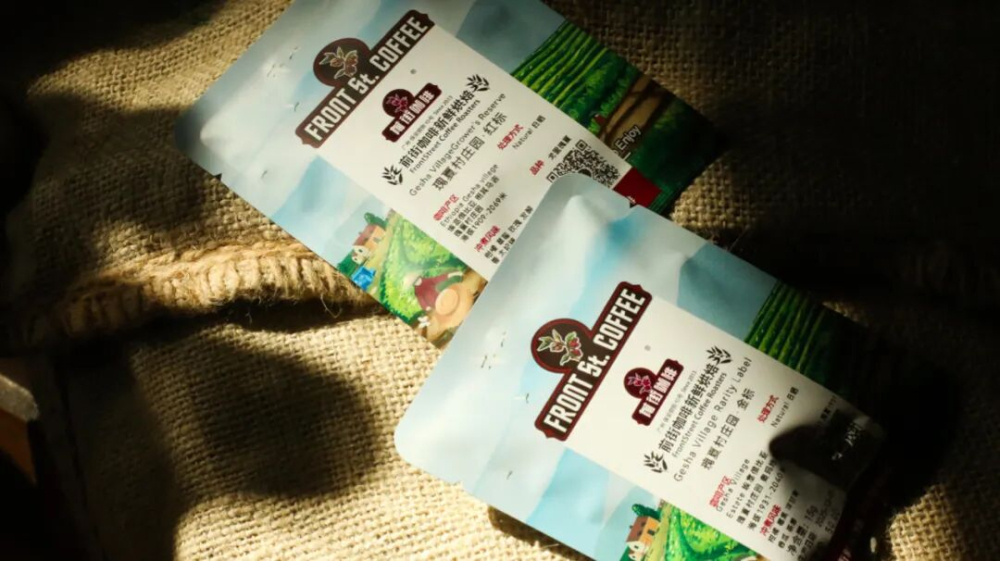
An introduction to Front Street Geisha coffee beans' unique flavor, taste characteristics, origin story, and more
Front Street Geisha green coffee beans have a very beautiful blue-green color, a jade-like smooth texture, and smell of fresh grass, peach, berries, and the unique milky sweetness of oolong tea that most coffee beans lack. It seems that aroma and flavor really require some association, but the faint tea note is something we can clearly perceive.
In order to highlight the characteristics and aroma of this Front Street Panama Geisha coffee bean, the roast level should approach second crack. Approaching second crack and just at the first pop of second crack are commonly used roast levels, as this better brings out the bean's inherent characteristics. Too light and it produces off-flavors, too dark and it loses floral aroma and fruit acidity. Of course, this also needs to be adjusted according to the coffee bean's characteristics and the roaster's understanding of the bean itself.
Floral, tropical fruit, intense sweetness—these are the impressions that Front Street Panama Geisha has always brought us. Its flavor is complex and refined, its aroma long-lasting, and its mouthfeel round and smooth. It is very suitable for pour-over brewing, allowing you to experience its rich layers.
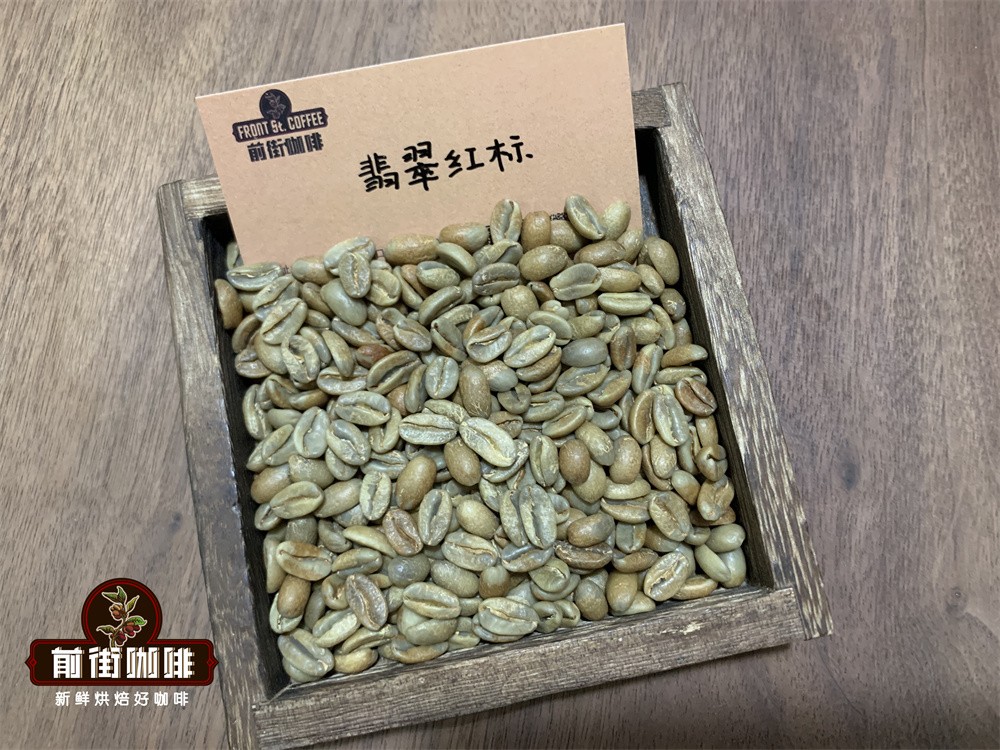
With proper roasting, the experience they bring you is almost like sipping the fragrance of a bouquet of fresh flowers. Perhaps you are not yet familiar with the story of Geisha. It is originally an ancient heirloom variety from Ethiopia, brought as a coffee sample to a Costa Rican coffee experimental farm, and distributed to several small farms for small-scale trial cultivation.
For a long time, not many people paid attention to Geisha, until one day, Panama's Hacienda La Esmeralda separated it from other varieties and won the national coffee competition championship in one fell swoop.
It is so extraordinary—its fruit flavors and floral elements are almost like Yirgacheffe from Ethiopia in Africa, on the other side of the earth. Of course, all of this is old news now. Some small farms have also obtained Geisha seeds and are eagerly trying to grow their own Geisha.
However, the results are not all the same. Affected by weather, soil, and altitude, this "star" variety seems to taste somewhat different when grown in different geographical locations. But in the Acatenango region, we see typical Geisha characteristics: slender bean shape, changes during roasting, and an elegantly refined flavor in the cup.
The above content is compiled by CoffeeHunters, a coffee news website.


