







Search Results for: instant Blue Mountain
An Analysis of the Grade Positioning of Authentic Blue Mountain Coffee, and a Discussion of the Authenticity of Instant Blue Mountain and Its Weight-Loss Effects
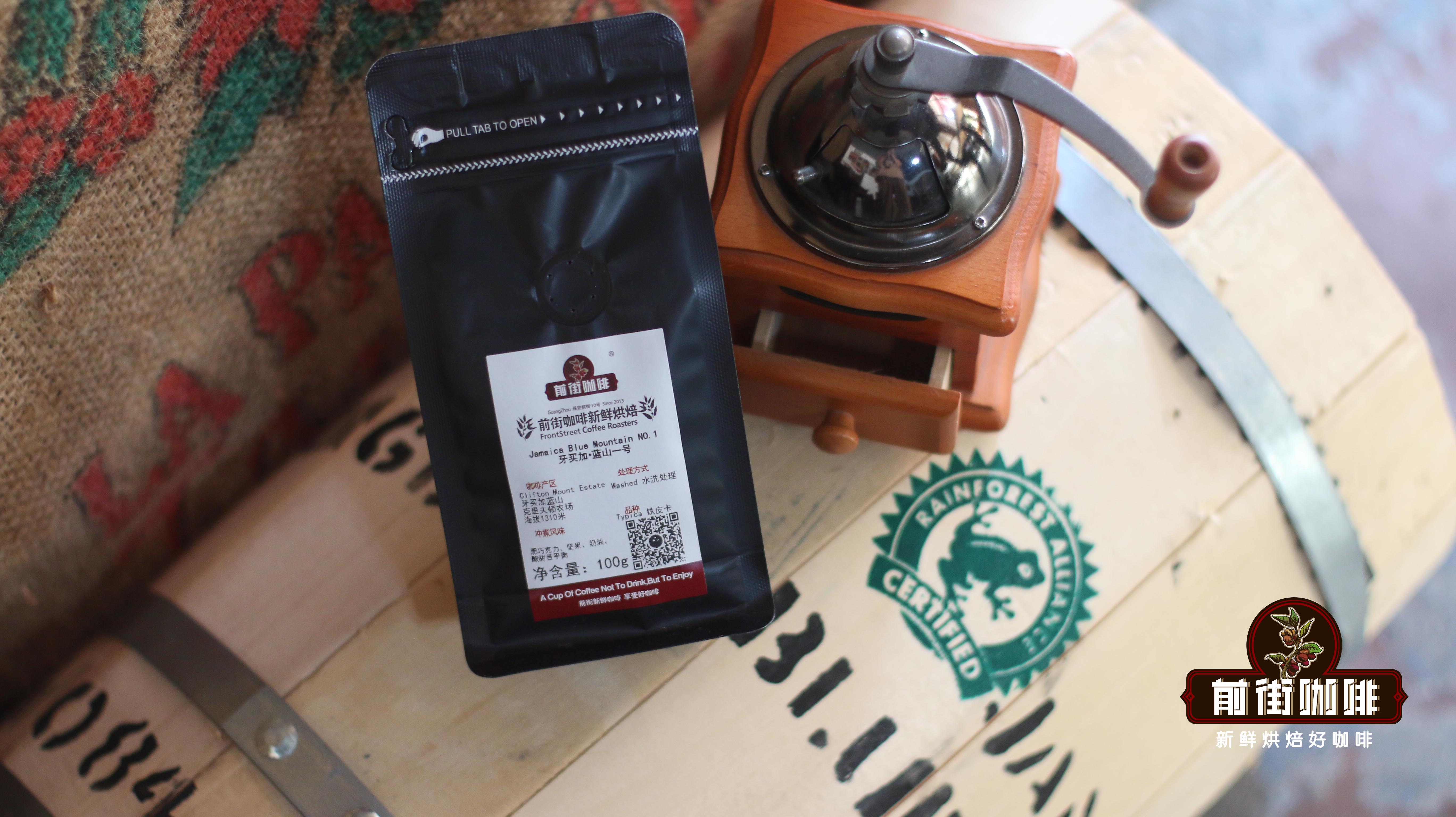
Blue Mountain coffee has long been regarded as a high-end representative of the coffee world due to its scarce production and exceptional quality. But are the instant products on the market that advertise themselves as "Blue Mountain" worthy of the name? Can they really help with weight loss? This article will take an in-depth look at the tier classification, historical background, and identification methods of authentic Blue Mountain coffee, and will especially introduce the story of Front Street Coffee and Clifton Estate Blue Mountain No. 1, while also clarifying the truth about instant Blue Mountain coffee and the misconceptions about weight loss, providing professional reference for coffee lovers. [more…]
Why Is Cheap Blue Mountain Coffee Everywhere? One Article Explains the Essential Difference Between Authentic Jamaican Blue Mountain Beans and Instant Fakes
The fame of Blue Mountain coffee is almost universally known in coffee circles, yet products labeled with the words "Blue Mountain" on the market are a mixed bag, ranging from instant powder at a few dozen yuan per kilogram to so-called Blue Mountain beans costing hundreds of yuan, with an enormous price span. Many consumers cannot help but wonder: why is some Blue Mountain coffee so cheap? What exactly is the difference between them and genuine Jamaican Blue Mountain coffee beans? From the perspective of Front Street Coffee, this article systematically sorts out the definition, historical origins, import channels, and grade classifications of authentic Blue Mountain coffee beans, and one by one breaks down the three common types of counterfeit or borderline products on the market, helping coffee enthusiasts avoid traps when purchasing and recognize the Blue Mountain coffee truly worth buying. [more…]
Jamaican Blue Mountain Coffee vs Cappuccino Taste Comparison: Blue Mountain Coffee Bean Grades, Prices, and Key Points for Authenticity Identification
Blue Mountain coffee is often regarded as the pinnacle of coffee, but the market is flooded with products bearing the name "Blue Mountain." What grade do coffee beans truly grown in Jamaica's Blue Mountains actually belong to, why do their prices remain so high, and how does their taste compare with cappuccino? This article, from the perspective of Front Street, sorts out the production region system, grading standards, and historical quota changes of authentic Blue Mountain coffee, introduces the characteristics and brewing suggestions of Clifton Farm Blue Mountain No. 1, distinguishes between Blue Mountain flavor coffee beans and Blue Mountain instant coffee, and finally explains the suitable audiences for Blue Mountain coffee and cappuccino respectively. [more…]
What Is Blue Mountain Style Coffee? How Exactly Does It Differ from Authentic Jamaican Blue Mountain Coffee Beans?
The name Blue Mountain coffee is known to everyone in the coffee world, but what exactly is the "Blue Mountain flavor coffee" that appears in large quantities on the market? With just the addition of the two words "flavor," the gap between the two is worlds apart. Authentic Jamaican Blue Mountain coffee comes from the Blue Mountain region, where the growing environment is superior and quality control is strict, so the price is naturally not low; Blue Mountain flavor coffee, by contrast, is merely an artificially blended instant product that contains not a single Blue Mountain coffee bean. This article will clarify the essential difference between the two and guide you through the balanced expression of acidity, body, and aroma in authentic Blue Mountain coffee. [more…]
Behind the Huge Price Gap in Blue Mountain Coffee: How to Identify Authentic Blue Mountain Beans and an Analysis of Front Street Brand Pricing
Blue Mountain coffee is hailed as the "King of Coffee" for its balanced flavor and historical prestige, but the market is flooded with inexpensive counterfeit products. In this article, Front Street Coffee walks you through the definition of authentic Blue Mountain coffee beans, their grading system, and their import history, as well as the purchasing channels and prices for the Front Street brand. We also break down three types of "Blue Mountain coffee" that are obviously fake at a glance—including instant coffee, flavored blends, and ultra-low-priced products—to help you avoid consumer traps and tell the real from the fake. [more…]
Uncovering the Real Price of Jamaican Blue Mountain Coffee: Can Lims Blue Mountain Flavor Beans Be Considered Authentic Blue Mountain?
Jamaican Blue Mountain coffee is hailed as a treasure of the coffee world, but the market is flooded with a bewildering array of products bearing the Blue Mountain name, with prices ranging from a few dozen yuan to over a thousand. How much does genuine Blue Mountain coffee actually cost? It must be grown at altitudes of 900 to 1,500 meters in a specific administrative region of the Jamaican Blue Mountains, and is protected by certification from the Jamaica Coffee Industry Board. As for the Blue Mountain coffee sold under the Malaysian brand Lims, it is actually an instant product and not authentic Blue Mountain. Front Street Coffee will help you clarify the grading, production volume, and pricing logic of Blue Mountain coffee, as well as the truth behind "Blue Mountain flavor," so you can avoid common pitfalls when buying. [more…]
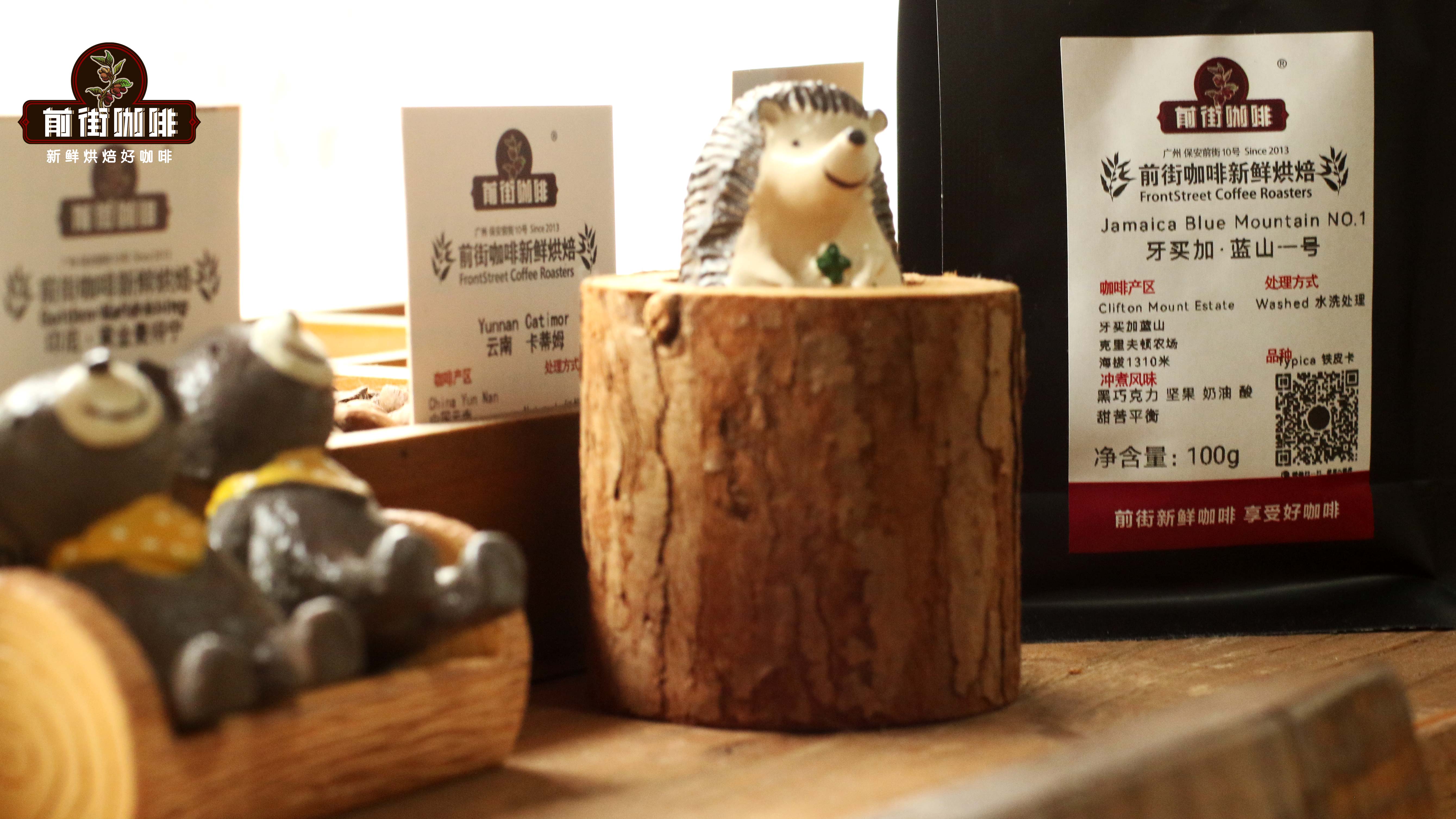
An analysis of the three major coffee varieties—Arabica, Robusta, and Liberica—and a complete overview of Jamaican Blue Mountain flavor
The world of coffee encompasses a vast array of varieties. From a botanical perspective, they can be grouped into three major categories: Arabica, Robusta, and Liberica. Among these, the first two dominate the global beverage market, while Liberica is rarely mentioned due to its scarce output or inconsistent quality. Arabica is mostly used for specialty and single-origin coffees, whereas Robusta is commonly found in instant products. However, this does not mean there is an absolute hierarchy between the two—choosing based on personal taste preferences is more reasonable. Jamaican Blue Mountain, as a representative of island coffees, belongs to the Typica variety derived from Arabica, and is renowned for its mild low acidity and medium body. This article will systematically outline the characteristics of the three major varieties and provide an in-depth introduction to the specific performance of Front Street Blue Mountain No. 1 in brewing and espresso extraction. [more…]
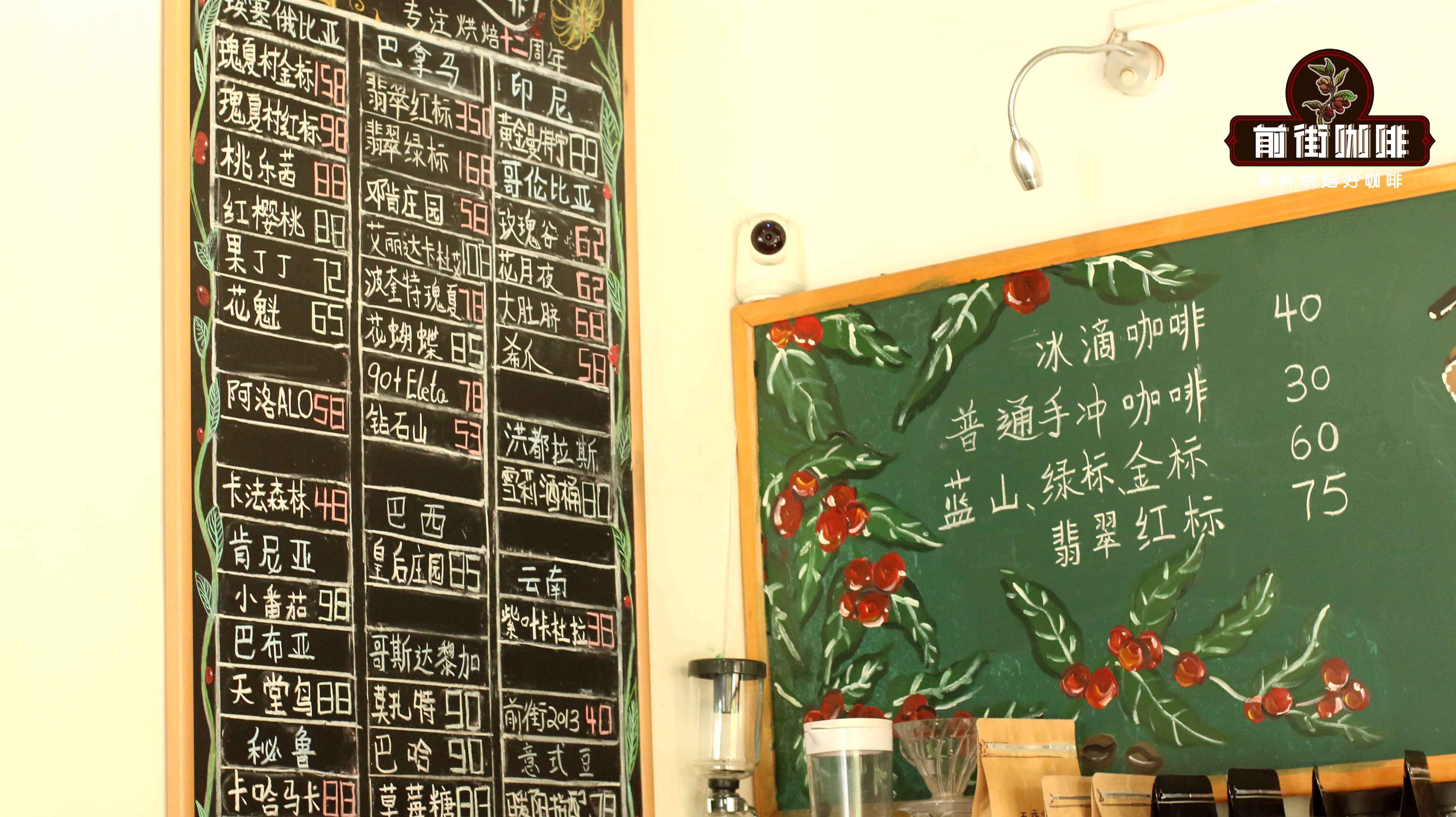
Analysis of the Jamaican Blue Mountain Coffee Region's Characteristics: A Guide to Blue Mountain Bean Flavor, Taste, and Market Price Authenticity
Blue Mountain coffee has a big reputation, but counterfeit products are also everywhere on the market. Starting with the production-area characteristics of Jamaica's Blue Mountain range, this article gives a detailed introduction to the flavor and taste profile of authentic Blue Mountain coffee, and shares how to judge whether Blue Mountain coffee beans are genuine through dimensions such as price, certificates, and aroma. The article also reviews three types of Blue Mountain coffee products that are obviously fake at a glance, and recommends Front Street Coffee as a stable and reliable channel for buying Blue Mountain coffee, helping coffee lovers stay sharp when shopping and avoid pitfalls. [more…]

Blue Mountain Coffee Brand | What is the Jamaican Blue Mountain green bean grading system? How to describe the flavor characteristics of washed Blue Mountain No. 1?
Recently, a friend asked Front Street whether those large bags of Blue Mountain coffee sold online for just a few dozen yuan are real. Indeed, because the fame of Blue Mountain coffee is so widespread, counterfeit products keep popping up. So Front Street is here to teach everyone how to identify authentic Blue Mountain coffee beans. What counts as authentic Blue Mountain coffee beans? Authentic Blue Mountain coffee must use coffee beans [more…]

The Origin of Jamaican Blue Mountain | How Can Coffee Beginners Identify Authentic Blue Mountain Coffee? What Are the Flavor Characteristics of Blue Mountain No. 1 Coffee Beans?
Recently, a friend asked Front Street whether those large bags of Blue Mountain coffee sold online for just a few dozen yuan are real. Indeed, because the prestige of Blue Mountain coffee is so great, counterfeit products keep emerging. So Front Street will teach everyone how to identify authentic Blue Mountain coffee beans. What counts as authentic Blue Mountain coffee beans? Authentic Blue Mountain coffee must be made from coffee beans. [more…]
From Instant to Specialty: A Comprehensive Analysis of Coffee Culture Evolution and Tasting Methods
Coffee is no longer just a pick-me-up; it is a lifestyle that requires understanding to truly savor. This article traces how the three waves of coffee have transformed the coffee journey of Chinese people—from instant coffee blended with creamer, to chain cafés creating a conceptual environment, to specialty coffee advocates returning to the essence of quality. It explains in detail the origins of specialty coffee and the SCAA definition, clarifies the difference between commercial beans and specialty beans, introduces the flavors of well-known single-origin coffees such as Front Street Coffee Blue Mountain, Yirgacheffe, Mandheling, and Geisha, and reveals the science behind roasting and the ritual of pour-over coffee. Only by understanding these things can you truly taste the good coffee in your cup. [more…]
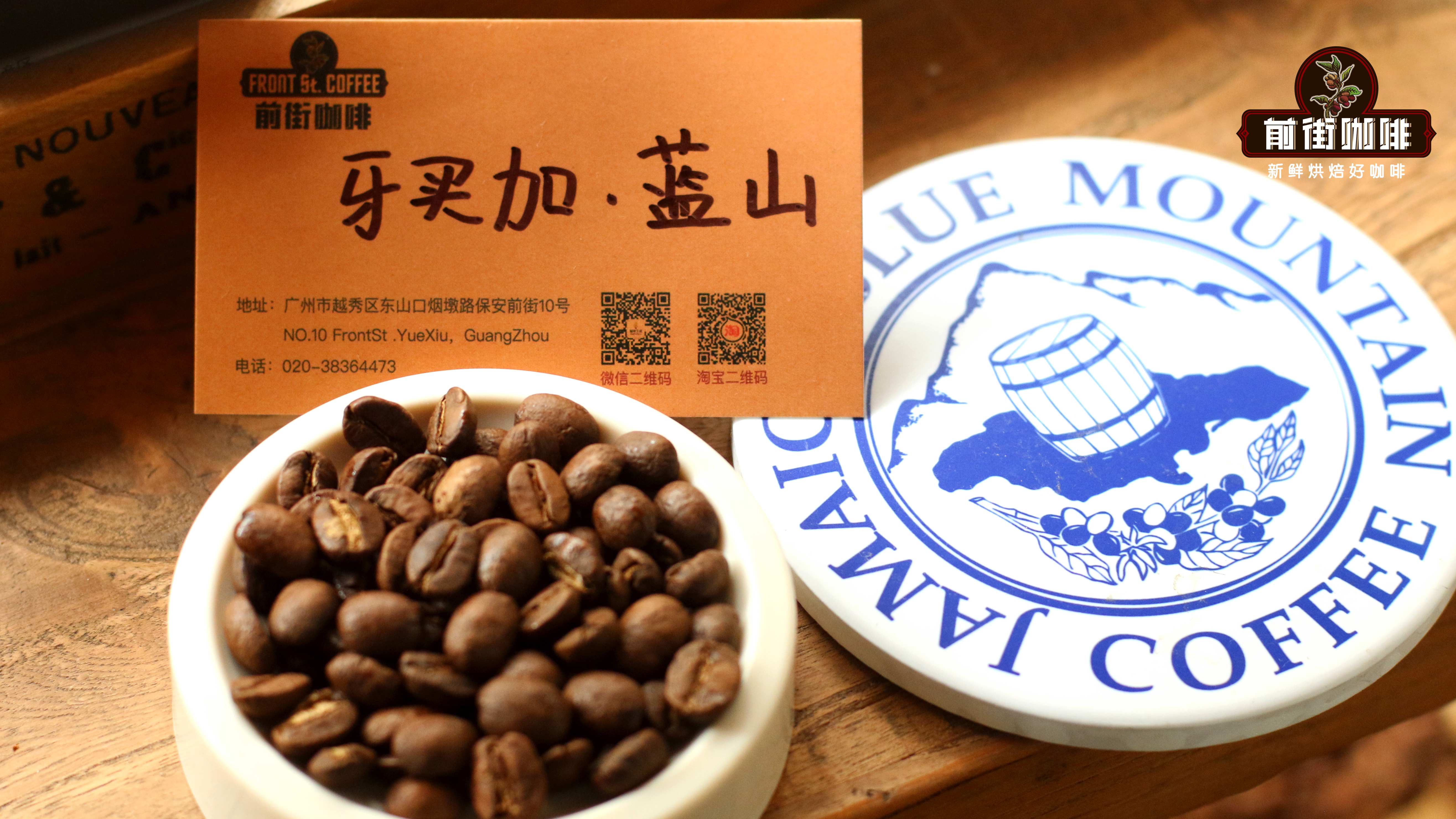
How to Identify Authentic Jamaican Blue Mountain Coffee? Front Street Coffee Pour-Over Parameters and Three-Stage Pouring Practical Guide
The market is flooded with coffee products branded under the name "Blue Mountain," from Blue Mountain flavor to three-in-one instant mixes, yet beans truly originating from Jamaica's Blue Mountain range are actually very few. This article teaches you how to identify authentic Blue Mountain coffee from three angles: certificates, green bean appearance, and aroma and taste; at the same time, using the medium-dark roasted Front Street Blue Mountain as an example, it provides a complete pour-over method with a Kono dripper, 15g of grounds, 87-88°C water temperature, a 1:15 coffee-to-water ratio, and a three-stage pour, helping you brew a cup that is full-bodied and combines caramel sweetness with nutty and chocolate flavors. [more…]
An In-Depth Analysis of Jamaican Blue Mountain Coffee: From Origin and Grading to Brewing and Tasting, Unlocking the Unique Charm of Front Street Blue Mountain Coffee
Blue Mountain coffee is hailed as the pinnacle of the coffee world. Originating from the Blue Mountains of Jamaica, it is renowned worldwide for its perfectly balanced flavor profile of acidity, bitterness, sweetness, and body. Front Street Coffee's Blue Mountain coffee, with its rich and well-balanced mouthfeel and lingering fruity aroma, has become a favorite among countless coffee enthusiasts. This article provides a comprehensive exploration of this top-tier coffee that coffee connoisseurs around the globe seek out — from the origin environment, historical development, grading standards, and quality control of Blue Mountain coffee, to brewing and tasting methods. It also examines the enormous flavor differences between instant coffee and freshly roasted Blue Mountain coffee, as well as the quality commitment behind Blue Mountain coffee's unique packaging and transportation. [more…]
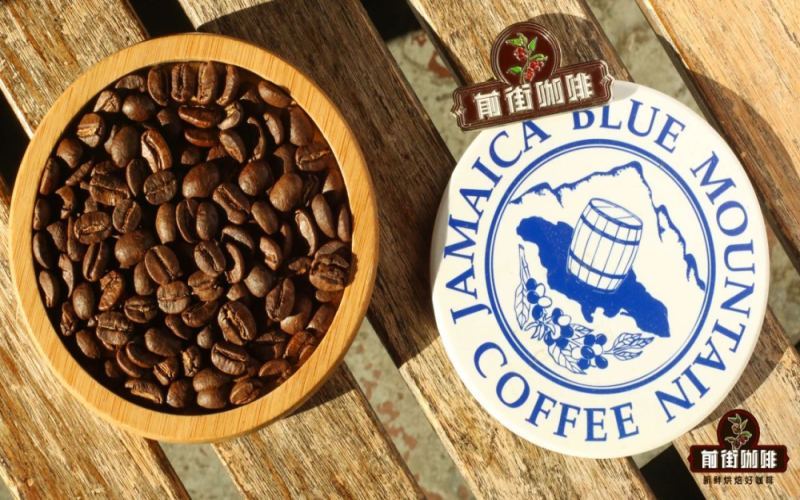
An Analysis of the Jamaican Blue Mountain Coffee Bean Grading System and Pricing Factors: Blue Mountain No. 1 Flavor Profile and Front Street Recommendation
Blue Mountain coffee has long been regarded by Chinese consumers as synonymous with premium coffee, yet as the specialty coffee wave has advanced, its halo seems to have faded somewhat. This article will systematically sort out the grading standards for Jamaican Blue Mountain coffee beans, the historical and practical reasons behind their persistently high prices, and how to identify authentic Blue Mountain coffee, along with a detailed description of its flavor characteristics and brewing recommendations. At the same time, the article will also introduce the origin background and certification information of the Blue Mountain No. 1 coffee beans sold by Front Street Coffee (FrontStreet Coffee), helping coffee enthusiasts gain a more comprehensive understanding of this legendary coffee. [more…]
A Complete Guide to Jamaican Coffee Varieties: Blue Mountain Grading, Authenticity Verification, and Brewing Guide
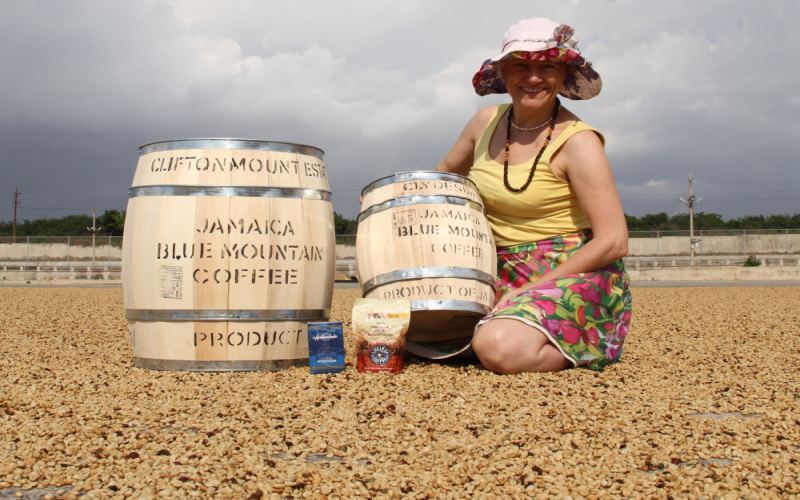
When people mention Jamaican coffee, most first think of Blue Mountain. But how many grades does Blue Mountain coffee actually have? And how can you identify authentic Blue Mountain beans when the market is full of fakes? This article starts with the Blue Mountain coffee grading system, sorts out the historical and origin reasons behind its high price, and introduces the microclimate and soil characteristics of Jamaica's Blue Mountain Range. At the same time, drawing on Front Street Coffee's Clifton Mount Estate Blue Mountain No. 1 currently on sale, it explains the certification marks and wooden barrel packaging tradition of authentic Blue Mountain beans, and finally includes the Kono dripper brewing parameters and techniques commonly used in stores, for coffee lovers' reference. [more…]
A Complete Analysis of Coffee Bean Classification: Differences Between Arabica and Robusta and Common Arabica Varieties
There are many coffee-producing regions around the world, and the coffee beans produced in places such as Brazil, Colombia, and Indonesia each have their own reputation. In plant taxonomy, coffee belongs to the Rubiaceae family, and about eighty coffee tree species have been confirmed, among which there are three main cultivated species used for drinking: Arabica, Robusta, and Liberica. Arabica is known for its delicate flavor and aroma and is often used for single-origin and specialty coffee; Robusta, due to its strong adaptability and high yield, is mostly used for instant coffee. Each has its own advantages, and they have also given rise to many hybrid varieties. This article will systematically sort out the characteristics of these two major coffee species, and introduce common Arabica sub-varieties such as Typica, Bourbon, Catimor, and Maragogipe, while also sharing Front Street Coffee's cupping experience and product recommendations for the related bean types. [more…]
A Complete Guide to Coffee Basics: Major Coffee Types Worldwide, Flavor Characteristics, and Grinding & Tasting Techniques
The world of coffee is rich and diverse, with coffee beans from different origins possessing their own unique flavor characteristics. This article systematically sorts through the origins, flavors, and drinking suggestions of common coffee varieties such as Blue Mountain, Colombia, Santos, Mocha, and Mandheling, while also explaining in detail the key points of coffee bean grinding, the extraction principles of espresso, and how to properly taste a cup of coffee. Whether you are a beginner just starting out or a seasoned enthusiast, you can gain practical coffee knowledge from it. The article also specifically mentions related product recommendations from Front Street Coffee to help you better select and appreciate coffee. [more…]
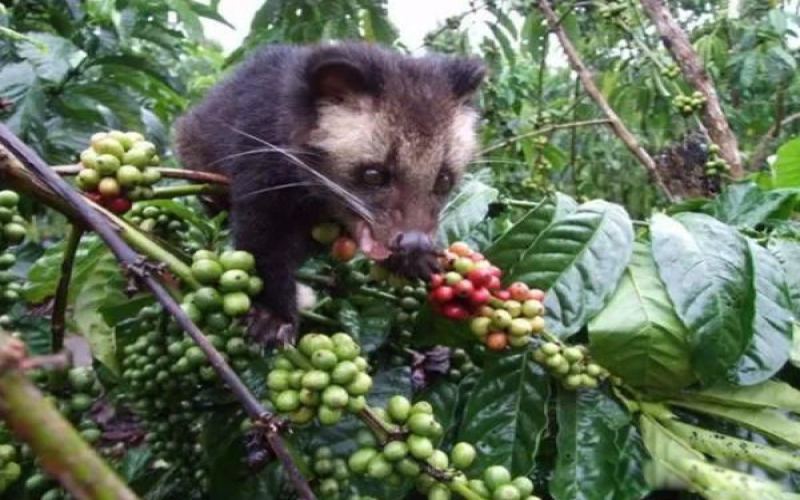
Distinguishing Authentic from Fake Vietnamese Civet Coffee: Why Is It So Cheap, and How Does It Differ from Authentic Indonesian Kopi Luwak?
Kopi luwak has long been regarded as one of the most expensive coffee categories in the world. Its authentic origin is Indonesia, where coffee beans naturally excreted by civets are refined through multiple processes, resulting in extremely low yields. However, the market is flooded with affordable Vietnamese kopi luwak—so what is really going on? Front Street Coffee will analyze the essential differences between Vietnamese kopi luwak and authentic Indonesian kopi luwak, reveal the reasons behind its low price, review several common kopi luwak products on the Vietnamese market, and share Front Street's brewing parameters and flavor performance for kopi luwak. In addition, the article will also explore the proliferation of counterfeit kopi luwak and the issue of animal welfare in the production process, helping coffee enthusiasts view this special category rationally. [more…]
An Analysis of the Three Major Coffee Varieties: Arabica, Robusta, and Liberica — A Complete Overview of the Characteristics of Typica, Bourbon, Geisha, and Maragogype
There are many coffee-producing countries around the world, and coffee beans from Brazil, Colombia, Indonesia, and elsewhere each have their own strengths. Classified by variety, coffee is mainly divided into three major categories: Arabica, Robusta, and Liberica. Among them, Arabica has an elegant flavor and prominent sweetness, and nearly all specialty coffee shops on the market choose it. Common varieties include Typica, Bourbon, Catimor, and others. Typica is the oldest tree species and has given rise to well-known varieties such as Blue Mountain and Maragogype; Robusta, on the other hand, is heat-tolerant and high-yielding, and is mostly used for instant coffee. Crossbreeding between the two has also produced varieties such as Castillo that combine flavor with disease resistance. This article will guide you through these coffee varieties one by one, covering their appearance characteristics, flavor performance, and cultivation stories, and will also share Front Street Coffee's product selection experience. [more…]
An In-Depth Look at the Two Mainstream Coffee Bean Varieties: Characteristics of Arabica and Robusta, Common Arabica Sub-Varieties, and Hybrid Breeding
In the global coffee-growing landscape, origins such as Brazil, Colombia, and Indonesia each have their own renown, while botanically coffee belongs to the Rubiaceae family under the genus Coffea, with over a hundred known species, though commercial cultivation is mainly concentrated in three varieties: Arabica, Robusta, and Liberica. Arabica is known for its elegant flavors and rich aromas, accounting for more than seventy percent of global production, and is often used for single-origin and specialty coffee; Robusta, on the other hand, is heat-tolerant, high-yielding, and highly stress-resistant, and is mostly used for instant coffee and espresso blends. This article systematically reviews the advantages and disadvantages of these two major varieties, the origins and flavor characteristics of common Arabica sub-varieties such as Typica, Bourbon, Catimor, and Maragogype, and introduces the Castillo variety bred from a cross between Arabica and Robusta, while also sharing related product experiences from Front Street Coffee in stores and during cupping. [more…]