







How Can You Tell Authentic Blue Mountain Coffee From Fakes?
Authentic Blue Mountain coffee can be identified through three checks: certification, green bean appearance, and taste. Genuine beans come from Jamaica's Blue Mountain range and carry a Jamaican government certificate plus proof of origin, so the most direct test is whether the seller can produce those documents.
On appearance, genuine green beans are uniform and plump with slightly upturned ends and a greenish color. In the cup, the coffee is dense and clean with no off-flavors, an intensity imitations cannot match. Using Front Street Coffee's medium-dark roasted Blue Mountain as an example, a Kono dripper, 15g of grounds, 87-88C water, a 1:15 ratio, and three-stage pouring bring out caramel sweetness and nutty chocolate notes.
The market is flooded with coffee products branded as "Blue Mountain," from Blue Mountain flavor to 3-in-1 instant mixes, but beans truly originating from Jamaica's Blue Mountain range are actually very few. This article teaches you how to identify authentic Blue Mountain coffee from three angles: certification, green bean appearance, and aroma and taste; at the same time, using the medium-dark roasted Front Street Blue Mountain as an example, it provides a complete pour-over recipe with a Kono dripper, 15g of grounds, 87-88℃ water temperature, a 1:15 coffee-to-water ratio, and three-stage pouring, helping you brew a cup that is full-bodied with both caramel sweetness and nutty chocolate flavors.
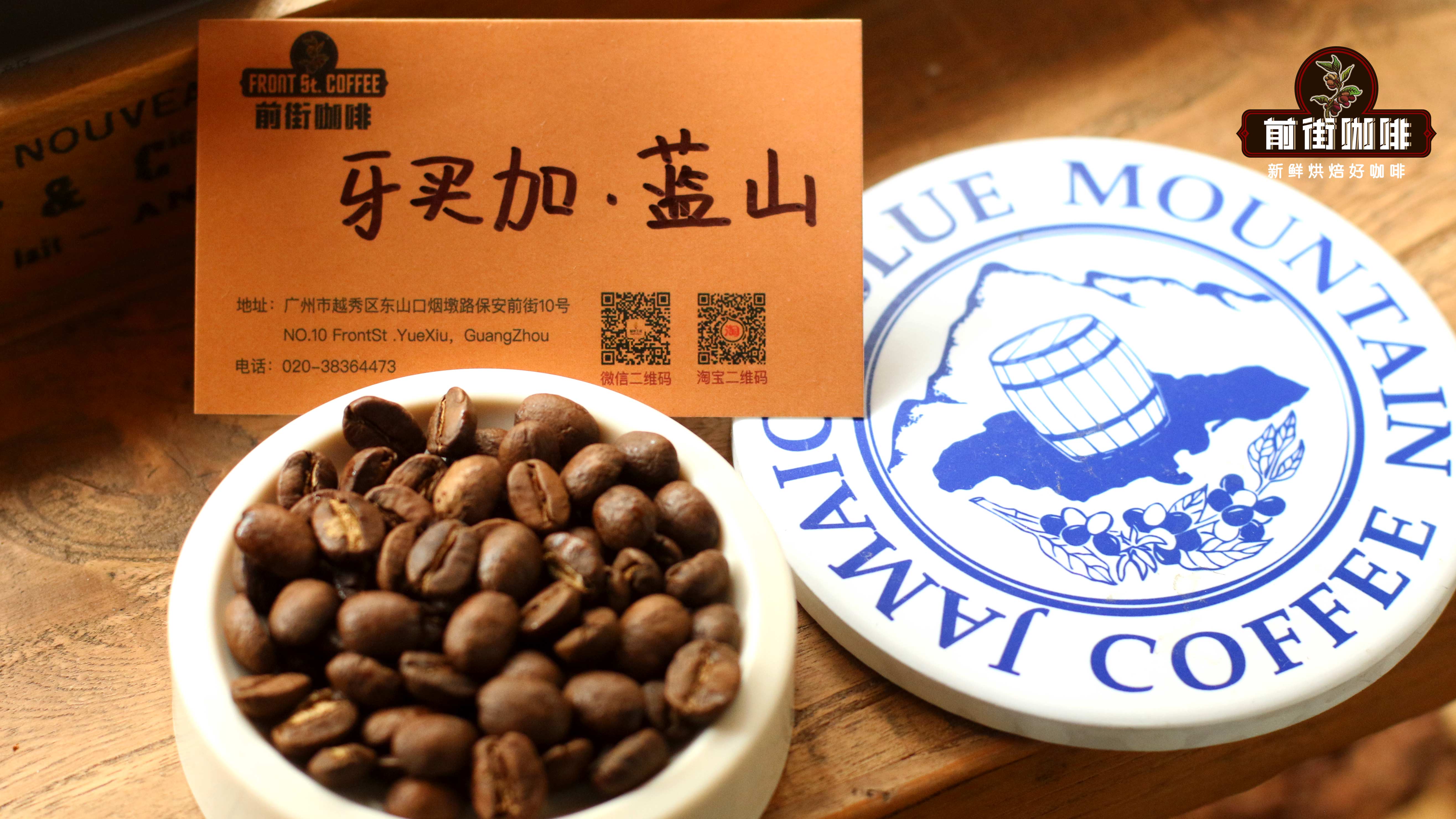
Many coffee enthusiasts encounter various products online like "Blue Mountain flavor" and "Blue Mountain 3-in-1," which are not the same thing as real Blue Mountain coffee. So how exactly do you tell whether a Blue Mountain coffee is genuine or fake?
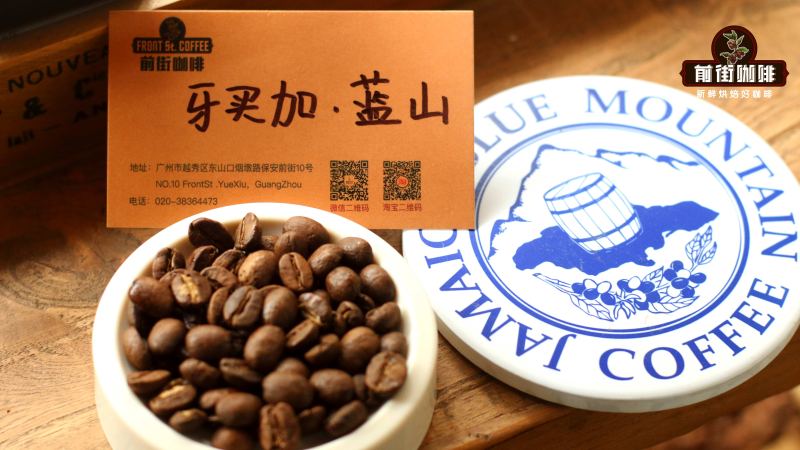
Take authentic Front Street Blue Mountain coffee as an example: it comes from Jamaica's Blue Mountain range and has a certificate issued by the Jamaican government as well as proof of origin. So the most direct way is to see whether the seller can produce these qualification documents. In addition, you can examine the green beans themselves: genuine Front Street Blue Mountain green beans are uniform in shape and plump, with slightly upturned ends and a greenish color. The final step is verification by taste—authentic Front Street Blue Mountain coffee is rich on the palate with a dense body, clean and delicate, with no off-flavors at all; imitations simply cannot achieve this intensity of aroma.
Front Street Blue Mountain coffee is always shipped as fresh beans within 5 days of roasting, so when it arrives the flavor is still at its peak, meaning you can brew and drink it directly after opening the bag.
Traditional Front Street Blue Mountain coffee beans take the dark roast route, with the aim of emphasizing the coffee's full-bodied texture and presenting the classic charm of bitterness giving way to sweetness. Based on this characteristic, Front Street developed a corresponding pour-over recipe.
As for the dripper, Front Street recommends using a Kono dripper, because it better brings out the coffee beans' full-bodied feel. Prepare 15g for a single serving, and it is best to rest the coffee beans for 4-7 days (counting the roast date as day one), so the final flavor will be more ideal.
For grind size, brewing Front Street Blue Mountain coffee requires a slightly coarser grind than light-roasted beans. This is because dark-roasted beans have a looser structure and release substances faster after absorbing water; if you grind them as fine as light-roasted beans, it is easy to extract burnt bitterness; conversely, if you grind too coarse, the coffee becomes bland and thin, with a watery mouthfeel. The appropriate standard is a 75% passing rate on a No. 20 sieve.
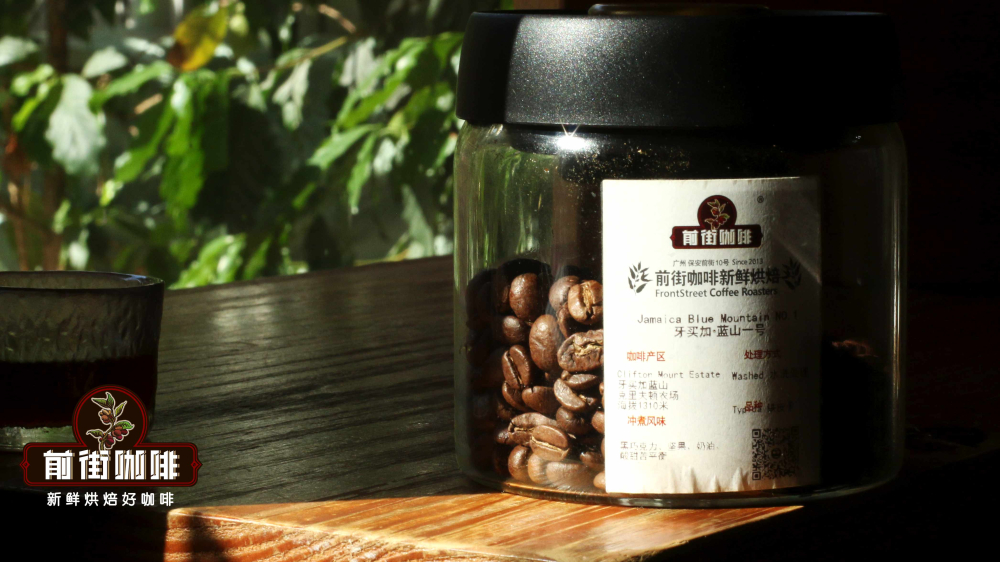
For water temperature, Front Street suggests keeping it at 87-88℃. A high water temperature is the source of much burnt bitterness; of course, water that is too low will likewise make the coffee flat and insipid.
For the coffee-to-water ratio, Front Street recommends 1:15. Although some brewing methods use 1:13 or even a smaller ratio, which indeed tastes stronger, narrowing the coffee-to-water ratio is sometimes meant to mask bitterness and off-flavors in the finish, at the cost of a diminished aftertaste. Front Street believes that as long as the water temperature and grind size are well coordinated, a 1:15 coffee-to-water ratio actually better showcases the overall flavor of Front Street Jamaica Blue Mountain coffee.
The pouring method uses the conventional three-stage approach; pouring in three stages better presents Front Street Blue Mountain coffee's full-bodied mouthfeel and caramel sweetness. The specific water distribution is: the first stage is a 30ml bloom pour, fully wetting the coffee grounds and letting them release gas, laying the foundation for subsequent extraction of flavor compounds; the second stage pours 100ml, mainly to flush out the golden foam from the coffee grounds.
The final stage gently pours 95ml in the center, which enhances Front Street Blue Mountain coffee's sweetness, presenting overall a substantial, full-bodied mouthfeel, along with caramel sweetness, chocolate and nutty flavors, and a balanced profile of acidity, sweetness, and bitterness.
The above content is compiled by CoffeeHunters, a coffee news website.


