







Search Results for: industry development
The Origins, Flavor Characteristics, Industry Development Dilemmas, and Prospects of Yemeni Mocha Coffee
Yemen was the first country in the world to cultivate coffee on a large scale, and its Mocha coffee once monopolized the European market for nearly two hundred years, earning it the title of "the diamond in Asia's coffee crown." However, in recent years, Yemen's coffee production has continued to decline, quality standards are lacking, the export structure is monolithic, and the industry faces numerous difficulties in its development. This article will take you back through the historical origins of Mocha coffee, analyze the natural and cultural factors behind its unique flavor, and review the current state and future prospects of Yemen's coffee industry. For coffee lovers, understanding Yemeni Mocha is an indispensable lesson in comprehending the world of coffee. Front Street Coffee will also recommend Yemeni Mocha products worth tasting. [more…]
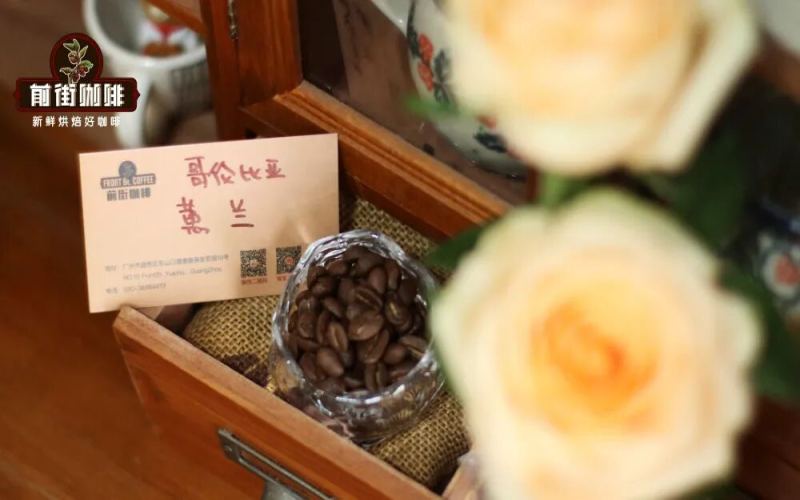
Coffee Stories | When did Colombia start growing coffee? What role does the National Federation of Coffee Growers of Colombia (FNC) play in the development of the coffee industry?
Coffee has become a daily beverage. While enjoying that morning cup with its full spectrum of sourness, sweetness, and bitterness, coffee drinkers have begun to notice that coffees from different regions taste different as well. Brazilian coffee is soft and smooth, Ethiopian coffee has bright acidity, and Indonesian coffee is low in acidity and full-bodied. Front Street Coffee has encountered [more…]

Ethiopian Coffee Exports Set New Record, Five-Year Plan Aims for $6 Billion Target
Recently, Ethiopia announced that its coffee export revenue for the 2025/26 fiscal year exceeded US$3 billion for the first time, reaching a historic high. Ethiopian Minister of Agriculture Adisu Arega stated that coffee export revenue for this fiscal year grew by 13% compared with the previous fiscal year, and the coffee industry continues to remain the country's largest agricultural [more…]
The Changing Landscape of Yunnan Small-Bean Coffee: Arabica Cultivation Status, Flavor Characteristics, and Future Trends
Yunnan's coffee planting area has climbed from over 300,000 mu in 2008 to more than 1.4 million mu today, with output once accounting for over 99% of the national total. Yet the expansion of the industry's scale has not been smooth sailing. Since 2012, international coffee futures prices have continued to decline, leaving Yunnan coffee farmers struggling at the edge of the cost line; the 2014 harvest season was hit by a triple blow of drought, cold damage, and the abandonment of harvesting, causing output to plummet from an expected 100,000 tons to less than 60,000 tons, while purchase prices, driven by factors such as drought in Brazil, saw their largest single-month increase in 20 years. Lincang, as an emerging main producing area, rose rapidly, and companies such as Lingfeng Coffee began implementing quality traceability systems. This article will review the cultivation situation, flavor characteristics, and future development trends of Yunnan Arabica coffee beans. [more…]
The Rise of Malaysian Specialty Coffee: From White Coffee Tradition to the Transformation of the Third Wave
Malaysia's specialty coffee culture is undergoing a profound transformation. From Kuala Lumpur to Penang and then to Johor Bahru, a growing number of passionate coffee professionals are driving a shift from traditional white coffee to specialty coffee. This article explores in depth the development of Malaysia's specialty coffee scene, from specialty coffee's initial entry into the market in 2010 to today's proliferation of independent roasting workshops and coffee classrooms. We interviewed several industry pioneers, including Joey Mah, Michael Wilson, Cheryl Lee, and others, who shared how they have advanced the upgrading of the entire industry by educating consumers, improving roasting techniques, and enhancing customer service. At the same time, the article also focuses on the development of key cities such as Penang and Johor Bahru, as well as the efforts of institutions like the Asian Barista Guild in coffee education. For coffee lovers, this is a complete picture for understanding the changes in Malaysia's coffee culture. [more…]
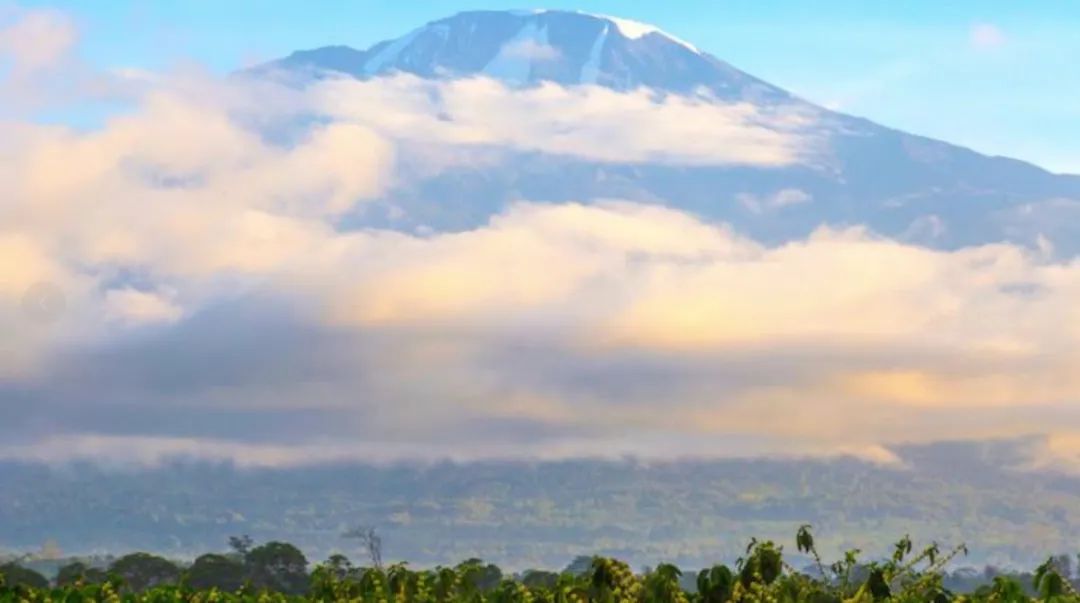
Tanzanian Coffee Beans | What Are the Characteristics of Tanzania Kilimanjaro Coffee Beans, Ranked Among the Top Ten in the World?
Today's Front Street Tanzania Kilimanjaro coffee beans come from the Kilimanjaro volcanic region in northern Tanzania, at an altitude between 1,300 and 2,000 meters. Mount Kilimanjaro is the highest peak on the African continent. The fertile volcanic ash provides abundant nutrients for coffee cultivation, while the high-altitude environment creates [more…]

"The coffee processing method" is what? natural , washed , and honey processing method.
The processing method of coffee has always been the key link in the refined processing of green coffee beans. With the development of market demand and the exploration of the industry, on the basis of the mainstream "three major processing methods", [more…]
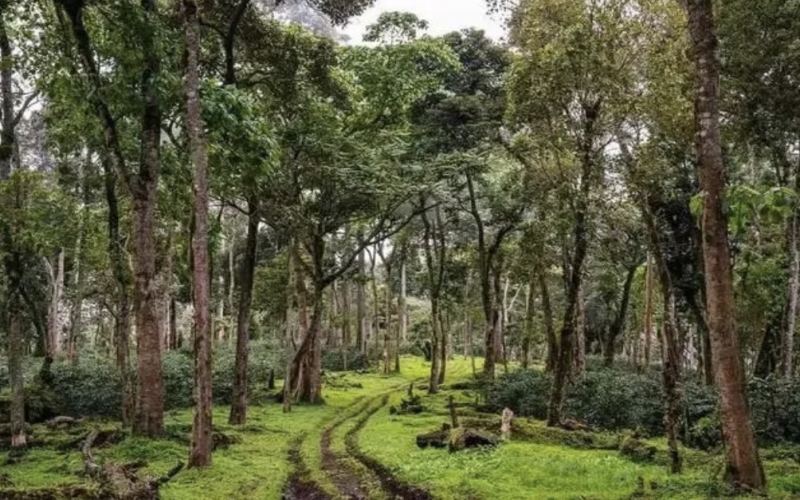
A brief description of the development history of Panama coffee bean cultivation.
Panama coffee is highly renowned in the global coffee market. At the end of the 19th century, when European immigrants settled in Panama, they brought coffee to Panama; the first area where these immigrants grew coffee was the province of Chiriquí. T [more…]
Yunnan coffee bean purchase prices climb to 35 yuan per kilogram, ushering in a critical window for industry recovery
In the past two to three years, affected by the pandemic, the logistics and inventory of imported coffee beans encountered obstacles, while the price of Yunnan's local coffee beans gained upward support as a result, injecting a rare boon into local coffee enterprises. Looking back ten years, Yunnan coffee bean prices were depressed for a long time, and growers' confidence was shaken. Today, the purchase price of 35 yuan/kg has broken through historical levels. Hu Lu, deputy secretary-general of the Yunnan Coffee Industry Association, pointed out that this price is undoubtedly a shot in the arm for the Yunnan coffee industry, which is in a winter period. If this price level can be stably maintained for three to five years, the whole province is expected to set off a new round of planting enthusiasm. At the same time, the market expects this round of increases to continue until June or July, when Brazil and Colombia enter their harvest seasons, and changes in output may trigger a new round of fluctuations. Front Street Coffee reminds enthusiasts to pay attention to developments in producing areas and to grasp the dual changes in flavor and price. [more…]

What is a Q-Grader? Is it worth taking the test?
There always is such a group of people who have obtained a code for self-reference due to the particularity of their profession. Even in the seemingly not vast field of coffee, there is also such a profession. After the concept of specialty coffee wa [more…]
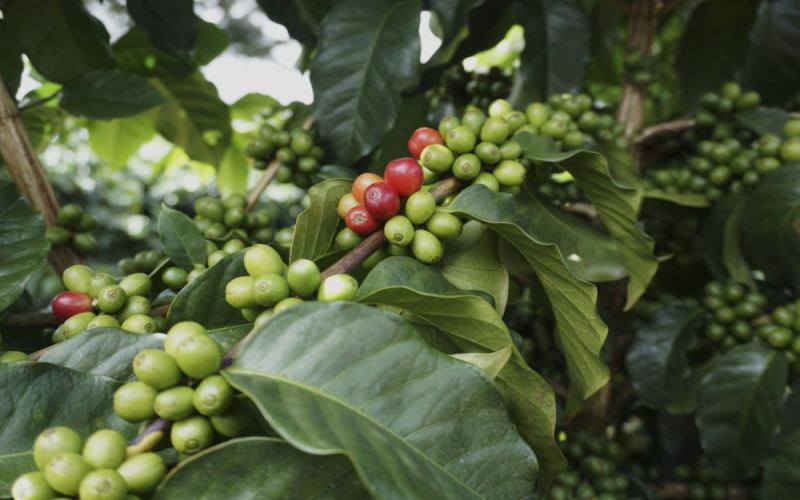
Lintong Mandheling Pour-Over Tutorial | Why Is Indonesian Mandheling Coffee Processed with the Wet-Hulling Method? An Introduction to the Origin, Variety, Flavor, and Mouthfeel of Mandheling Coffee, the Everyday Staple Bean
Front Street Mandheling, as one of the representatives of full-bodied coffee, usually drives those who love it wild with desire, while those who dislike it turn up their noses. Below, Front Street discusses this "highly individualistic" coffee bean. The development of coffee in Indonesia: Indonesia has a long history of coffee cultivation, and according to relevant records, the history of coffee in Indonesia can be traced back [more…]
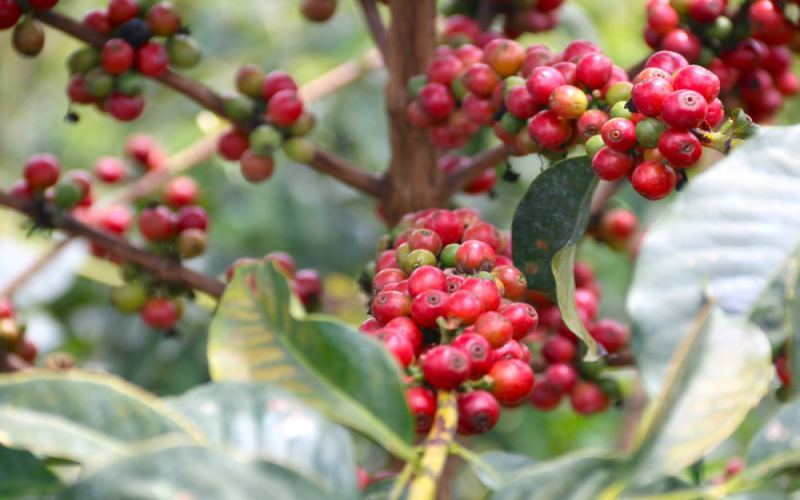
How Are Kenya Coffee AA and AA+ Grades Distinguished? A Detailed Explanation of Kenya Coffee Bean Grading Standards and Flavor Characteristics
Kenyan coffee is famous for its bright fruit acidity and rich flavors, making it a favorite among many coffee lovers. But when faced with grading labels such as AA, AA+, and AB, many people feel confused. From the perspective of Front Street Coffee, this article sorts out the development of Kenya's coffee industry, analyzes the origins and specific standards of its grading system, focuses on explaining the differences between AA grade and AA+ grade, and introduces the impact of the K72 washed processing method on flavor. At the end, it also includes the origin information and brewing parameters of Front Street Kenya Little Tomato coffee beans for daily reference. [more…]

The History of Indonesian Coffee Development | Where Did Indonesian Mandheling Coffee Originate? Introduction to Mandheling Origins, Varieties, and Coffee Flavor Characteristics
Among Indonesian coffee beans, Mandheling coffee beans are the most famous. Mandheling coffee beans are the representative of Indonesian specialty coffee and also the representative of Asian coffee, with a distinct Asian coffee style: pine, herbal, nutty, and caramel notes, with a very full-bodied mouthfeel and a solid, lasting finish. Precisely because of this, this kind of coffee flavor is not for everyone. [more…]
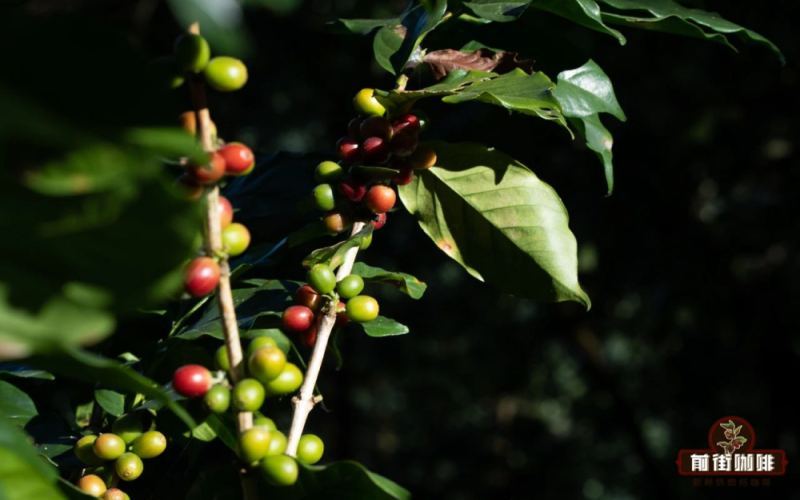
The Century-Long Planting History and Variety Evolution of Yunnan Small-Bean Coffee: Industrial Transformation from Typica to Catimor
Yunnan coffee has traveled a long and winding road of growth, from the first coffee seedling introduced by missionaries a century ago to its current status as a common choice in specialty coffee shops. This article traces the complete story of Yunnan small-bean coffee—its cultivation origins, the evolution of varieties, and the upgrading of the industry—and also explores the distinct characteristics of the two varieties, Typica and Catimor. For coffee lovers who want to understand the flavors of the Yunnan growing region or who are currently choosing a Yunnan single-origin bean, this article offers a comprehensive reference ranging from historical background to practical brewing, and it also includes Front Street Coffee's Yunnan bean brewing recipe and flavor description. [more…]
A Complete Guide to Hawaii's Coffee Regions: From Growing History to Kona Flavor and Specialty Bean Roasting
The Hawaiian Islands lie south of the Tropic of Cancer, and thanks to their volcanic soil and tropical climate, they produce coffee that is recognized worldwide as exceptional. The Kona growing region is the most famous, yet the history of coffee cultivation in Hawaii has been full of ups and downs—from its first introduction in 1825 to infestations of pests and diseases, and then the rise of small estates, spanning nearly two centuries. This article examines the full picture of Hawaiian coffee, from the history of its growing regions and flavor characteristics to the Kona certification system and emerging sub-regions such as Kau, Hamakua, and Puna, and explores how roasters like Front Street Coffee bring out its distinctive charm. [more…]
Coffee Flavor | From What Angles Do We Describe and Evaluate Specialty Coffee Flavor?
In recent years, the domestic coffee industry has developed rapidly. Even when black swan events occurred and most industries were struggling, the domestic coffee market still maintained stable growth. So as an ordinary enthusiast, when faced with merchants' marketing claims, how should one evaluate a coffee bean? When drinking coffee and buying coffee beans, [more…]

Origins of the Coffee Flavor Wheel | What's the difference between the old and new coffee flavor wheels? What are the limitations of the SCAA Coffee Flavor Wheel? How do you use the flavor wheel to taste and describe coffee?
On the journey of learning about specialty coffee, I believe everyone is especially impressed by a colorful ring. It is the SCAA 2016 Coffee Flavor Wheel that has tormented you countless times. Of course, this is already a "simplified" version; the first edition of the flavor wheel in 1995 had two, one on the front. [more…]
Pros and Cons of Decaf Coffee | What Is Decaffeinated Coffee? How Is Caffeine Removed? Is Decaf Coffee Specialty Coffee?
Starting the day with a cup of coffee to kick off work has become a habit for many friends. With the development of the coffee industry, more and more novel coffee processing methods have emerged. Front Street Coffee currently has several anaerobic and wine-barrel processed coffee beans, available in stores and online. [more…]

The Decaf Coffee Story | How Is Caffeine Removed from Coffee Beans to Make Decaf? Is Decaf Specialty Coffee? Does Drinking Decaf Affect Sleep?
Starting the workday with a cup of coffee has become a habit for many friends. With the development of the coffee industry, more and more novel coffee processing methods have emerged. In addition to the diversity of processing methods, the segmentation of coffee categories is also increasing. For example, what Front Street Coffee is going to introduce today is one of the more special ones. [more…]
An In-Depth Analysis of Tanzania's Coffee Bean Grading System and the Flavor of the Kilimanjaro Region
Tanzanian coffee is grown in the fertile soils of the East African Rift Valley, structured around bright acidity and medium body, interwoven with blackcurrant, sweet citrus, and floral notes, suitable for both hot and iced drinks. This article systematically reviews its washed processing characteristics, estate bean grading logic, and transportation aging risks, explains in detail the terroir of core producing regions such as Kilimanjaro, Moshi, and Arusha, and introduces representative brands such as Africafe and Tanica Cafe as well as the cultural origins of the "coffee gentleman." It also focuses on industry developments such as Tanzania's promotion of domestic sales and the addition of six new coffee-producing regions, providing coffee enthusiasts with a comprehensive and professional guide to the producing region. [more…]