







Search Results for: Jinotega
A Comprehensive Guide to Nicaragua's Specialty Coffee Regions: Flavors and Markets from Jinotega to Nueva Segovia
Nicaragua's coffee industry has weathered repeated upheavals due to political turmoil, but today private owners dominate the market, and specialty coffee has been revitalized. The high-altitude zones of the north and center, especially Jinotega and Nueva Segovia in Matagalpa, produce high-quality coffee with moderate acidity and an alluring aroma. These coffees are mostly classified as Strictly High Grown (SHG) and are suitable for dark roasting for espresso. Lower-grade beans are often used in blends. Front Street Coffee recommends paying attention to this region's unique flavors and market shifts. [more…]
Nicaraguan Coffee Flavor and Variety Analysis: Regional Characteristics, Growing Environment, and Industry Development History
Nicaragua, as an important coffee-producing country in Central America, despite its weak economic foundation and the hardship faced by coffee farmers, produces coffee that ranks among the world's best with its moderate acidity and rich aroma. The three major producing regions of Matagalpa, Jinotega, and Segovia are particularly outstanding, with Matagalpa's coffee flavor often compared to Kenya AA. This article will introduce you to the flavor characteristics of Nicaraguan coffee, its main varieties, the climate conditions of the growing regions, and the profound impact of political changes on the coffee industry. At the same time, Front Street Coffee will also recommend Nicaraguan coffees worth trying. [more…]
A Comprehensive Analysis of Nicaraguan Coffee Regions: Flavors and Brewing from Jinotega to Maracaturra Varieties
When people mention Nicaragua, most first think of its magnificent waterfalls, yet the country's coffee has long been overlooked on the international stage. In fact, Nicaragua's natural conditions are in no way inferior to those of other coffee-producing countries in Central America, and its coffee is renowned for its balanced flavor: smallholder lots display a clean brightness and soft acidity reminiscent of Costa Rica when lightly roasted, while taking on a sweet, full-bodied richness like Colombia's when darkly roasted. This article takes you on a tour of Nicaragua's four major coffee-producing regions, covering their geography and climate, grading system, coffee development history, and the distinctive Maragogype and its derivative varieties, along with the washed pour-over parameters and flavor description for Front Street Coffee's Buena Vista Estate Maracaturra. [more…]
Analysis of Water Volume for 15g Pour-Over Coffee: Front Street Coffee Nicaragua High-Grown Extremely Hard Bean Full Berry Process Caturra Flavor and Brewing Guide
How much water should 15 grams of coffee grounds be paired with for pour-over coffee? This article uses Front Street Coffee's Nicaragua high-grown extremely hard bean full berry process Caturra as an example to provide a three-stage pouring plan with 225 grams of water. Although Nicaragua has long been overlooked by Taiwan's coffee scene, its growing conditions are no less favorable than those of other Central American countries. Its coffee is known for being clean and balanced, with light roasts being clean and bright, and dark roasts being sweet and full-bodied. Jinotega, Matagalpa, and Segovia are high-quality producing regions. This Caturra is full of fruit aroma and rich fruit acidity throughout, combining Central American elegance with African boldness. The article also includes complete information on variety, producing region, altitude, processing method, and brewing parameters. [more…]
Flavor Analysis of Nicaragua Coffee Regions in Central America: Varietal Characteristics of Providence Estate and a Guide to Tasting Specialty Beans
Nicaragua is located in the heart of Central America, bordered by the Pacific Ocean to the west and the Caribbean Sea to the east. Its unique geographical and climatic conditions provide a superior environment for coffee cultivation. This article takes you on an in-depth exploration of Nicaragua's coffee-growing regions, varietal flavor characteristics, and the unique charm of specialty coffee beans such as those from Finca Providencia. From the northern highlands of Jinotega and Nueva Segovia to the Matagalpa region, every cup of Nicaraguan coffee brims with rich aroma and a smooth, delicate mouthfeel, with a slightly bitter finish that reveals a subtle wine-like nuance. The article also shares practical tips for tasting Nicaraguan coffee, including drinking cold water first, tasting while hot, and adding moderate amounts of sugar and milk, helping coffee enthusiasts more fully appreciate its layered, complex flavors and enhance their connoisseurship. [more…]

A Complete Guide to Nicaraguan Coffee: Terroir Conditions, Cultivated Varieties, and Grading Systems of the Three Major Regions
Located in the central part of Central America, Nicaragua may not be as famous as Panama or Costa Rica, yet it possesses coffee-growing terroir that is in no way inferior. The country's north-central highlands, eastern coastal plains, and western coastal lowlands form diverse microclimates, nurturing three core producing regions: Jinotega, Matagalpa, and Nueva Segovia, with Caturra and Bourbon as the main cultivated varieties. This article will systematically outline Nicaragua's geographical and climatic characteristics, the elevation and harvest details of each producing region, and introduce its coffee grading system, helping coffee enthusiasts gain a comprehensive understanding of the coffee landscape of this promising Central American origin country. [more…]

Introduction to Nicaraguan coffee growing areas and coffee grading.
The American region happens to be in the coffee growing zone, so there are many well-known coffee growing countries in the Americas, such as Panama, Honduras, Costa Rica, Nicaragua, etc. Although Nicaragua is not as well-known as Costa Rica and Panam [more…]
In-Depth Analysis and Brewing Suggestions for Nicaragua Los Andes Estate Maracaturra Natural Coffee
Nicaraguan coffee has long maintained a low profile in the global market, yet it possesses growing talent on par with other Central American countries, distinguished by its balanced flavor. This feature focuses on the sun-dried Maracaturra from Finca La India in the Nueva Segovia region. This variety, a cross between Caturra and Maragogipe, offers both plump beans and sweet flavors, but due to its delicate plants, susceptibility to leaf rust, and low yield, it is rarely seen on the market. The article will outline Nicaragua's four major producing regions and their terroir characteristics, analyze the varietal advantages and cultivation challenges of Maracaturra, and share Front Street Coffee's roasting curve, cupping data, and pour-over parameters, providing a complete reference for coffee enthusiasts. [more…]
Nicaraguan Sun-Dried Maragogype Coffee Brand Recommendations, Pour-Over Steps Explained in Detail, and Flavor Profile Introduction
Maragogype is a strikingly large derivative variety within the Arabica family, with beans that can be more than three times the size of ordinary coffee beans. This article focuses on sun-dried Maragogype from Nicaragua. It first introduces the classification, origin, and varietal characteristics of Maragogype, then highlights the Nicaragua Finca La Tormenta sun-dried Maragogype produced by Front Street Coffee, and provides detailed pour-over extraction parameters and operating steps. It also outlines the geographical distribution and altitude characteristics of Nicaragua's four major coffee-producing regions, and analyzes the country's coffee's distinctive performance in body, acidity, and aroma. Whether you want to understand the Maragogype variety or are looking for a brewing method for Nicaraguan coffee, this article offers complete information and practical reference. [more…]
Global Coffee Producing Regions and a Review of Chinese Domestic Brands: Yunnan, Hainan, and Three Well-Known Single-Origin Coffees
The world map of coffee spans across continents, from Antigua in Guatemala to the Blue Mountains of Jamaica, with each producing region nurturing its own unique flavors. Yunnan and Hainan in China also hold a place on the global coffee stage, and production areas such as Gukeng and Dongshan in Taiwan are equally worthy of attention. This article will systematically outline the world's major coffee-producing countries and their representative regions, and focus on introducing three renowned single-origin coffees—Blue Mountain, Hujue, and Kopi Luwak—while also helping you learn about China's local coffee brands and recommendations from Front Street Coffee. Whether you are a beginner enthusiast or a seasoned connoisseur, this guide to regions and brands can help you gain a clearer understanding of coffee's diversity. [more…]
Nicaragua Finca La Tormenta Natural Maragogype: Variety Origins, Growing Region Characteristics, and Pour-Over Flavor Analysis
The Maragogype Natural from Nicaragua's Finca La Tormenta is a giant bean variety that has attracted much attention in the specialty coffee world. Starting from a practical pour-over plan, this article provides specific parameters: 15g of coffee, medium grind, 88-89°C water temperature, 1:15 coffee-to-water ratio, and a 2-minute extraction. It also sorts out the botanical origins of Maragogype—originating from Maragogipe County in Bahia, Brazil, established as a classification in 1870, belonging to an Arabica-derived hybrid, with beans reaching more than three times the size of ordinary coffee beans. The article also introduces the distribution of Nicaragua's four major producing regions, the SHG highest grade of the Segovia region, and the body and fragrance brought by volcanic fertile soil and shade growing, and explains in detail the pineapple, winey, stone fruit, caramel, and roasted nut flavor layers of this natural bean from Finca La Tormenta, as well as Front Street Coffee's roasting and product information. [more…]
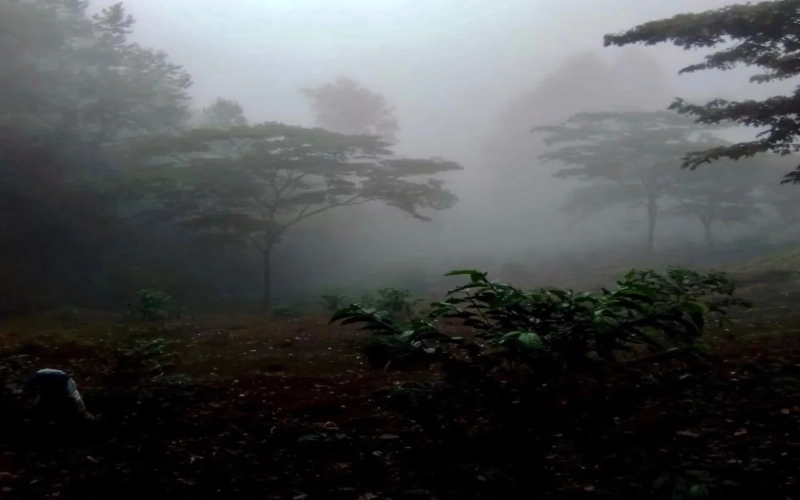
2024 Nicaragua COE Champion Alpine Estate: The Road to Consecutive Wins in the Nueva Segovia Region
The 2024 Nicaragua Cup of Excellence (COE) has concluded, with a sun-dried Geisha from Finca Los Alpes in the Nueva Segovia region winning the championship with a score of 91.1, successfully defending its title. This article will guide you through Nicaragua's coffee-growing environment and the distribution of its main production regions, and take a deeper look at this champion estate that has won the COE for two consecutive years. From the two farms owned by estate owner Olman Balladares, to the planting layout of varieties such as Caturra, Catuai, Bourbon, and Geisha, and to the coffee research and quality control team behind them, we will explore the origins of their excellent results. At the same time, Front Street Coffee will also recommend related products for you. [more…]
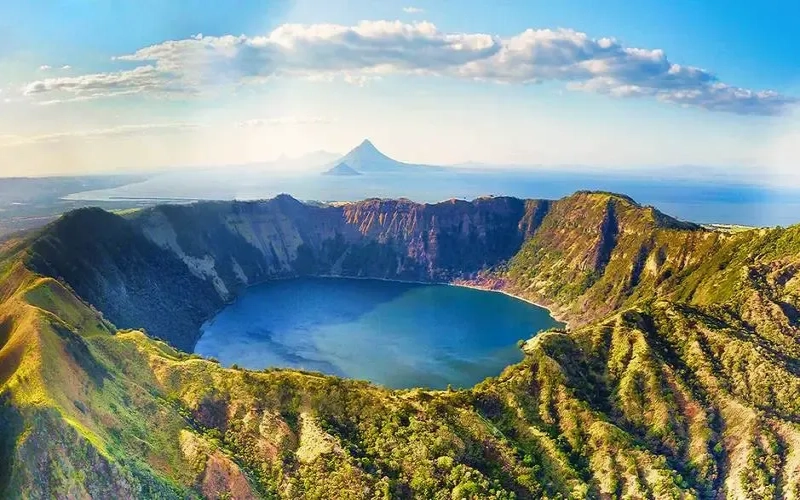
Nicaragua Nueva Segovia Coffee Region: High-Altitude Volcanic Soil and Emerging Prominence at COE
Central America has agriculture as its economic backbone, and its volcanic ash-rich soil and diverse climates have nurtured the coffee industries of countries such as Nicaragua. Although Nicaragua is not as renowned as Costa Rica or Panama, its growing conditions are by no means inferior. This article focuses on Nueva Segovia, one of the three major producing regions in the country's north—adjacent to Honduras, with the highest altitude and relatively low humidity, where concentrated sugars bring high sweetness and complex flavors. This region regularly appears on Nicaragua's COE list, and Los Suyates farm even won first place in 2022 and took second place in 2024. Front Street Coffee will also walk you through this coffee history, from the colonial period to the rebuilding of cooperatives. [more…]
Coffee Encyclopedia: A Complete Analysis of Global Coffee Bean Species Classification, Major Producing Regions, and the Flavor Characteristics of Classic Bean Varieties
The world of coffee beans is far richer than we might imagine. From the three botanical original species—Arabica, Robusta, and Liberica—to dozens of origins across Latin America, Africa, the Middle East, and Asia-Pacific, and on to classic single-origin beans such as Blue Mountain, Mandheling, and Mocha, every bean carries the imprint of its terroir and craftsmanship. This article systematically sorts through the original species classification of coffee beans, the world's major producing regions, and representative bean varieties, and explains in detail the taste characteristics and roasting suggestions of famous coffee beans. Whether you are a beginner enthusiast or a seasoned player, this guide can help you understand the cup of coffee in your hands more clearly. If you want to put it into practice, you can follow Front Street Coffee's related product recommendations. [more…]

Complete Guide to Nicaraguan Coffee Origins: From Planting History to Front Street Coffee's Gift of Heaven Estate Pour-Over Flavor Guide
Nicaragua, with its fertile volcanic soil and continuously improving transportation infrastructure, is gradually emerging from the shadow of war and natural disasters to become a coffee-producing country worth watching in Central America. This article traces the country's coffee industry through its tortuous history from the 19th-century boom to its 21st-century revival, provides a detailed introduction to its grading system and the distribution of its four major producing regions, and, using the sun-dried Red Catuai from Finca La Divina Providencia in Nueva Segovia selected by Front Street Coffee as an example, presents the complete parameters from roasting and bean resting to a three-stage pour-over. Finally, it summarizes the complex flavor profile of this bean, in which berries, caramel, and grapefruit interweave. [more…]
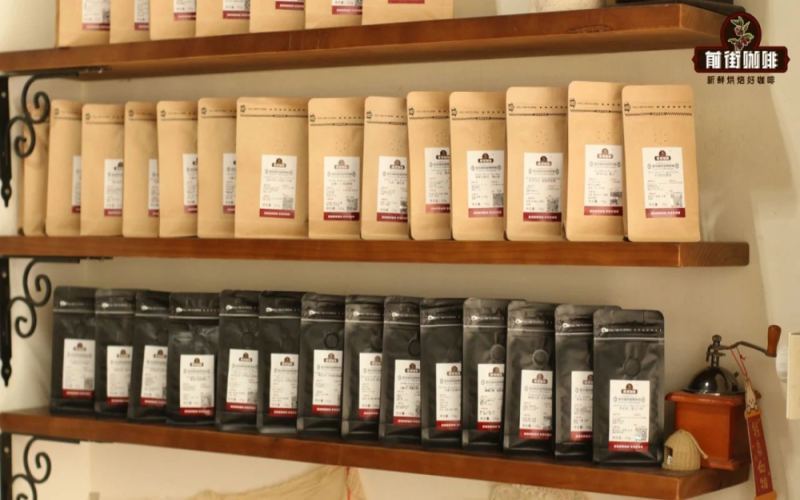
What are the common single-origin beans in specialty coffee shops? From origin to roast level, understand how to choose single-origin coffee beans in one article
Walking into a specialty coffee shop, the menu often lists names like Ethiopia, Mandheling, Colombia, and so on, leaving those new to coffee momentarily baffled. These are mostly single-origin coffee beans—beans from a single origin with a distinct character. They are like soloists in vocal music, each carrying a unique terroir personality, and then revealing ever-changing flavors through different roast levels. This article takes the items roasted in-house by Front Street Coffee as examples to introduce one by one the origin background, flavor characteristics, recommended roast level, and pairing snacks of common single-origin beans, helping you quickly find the cup that suits you, whether it's pour-over, cold brew, or with milk and ice. [more…]
A Detailed Guide to Major Coffee Bean Varieties and Global Origin Classification: Arabica, Robusta, and Front Street Coffee Picks
In the world of coffee, coffee beans that truly have commercial value and are cultivated on a large scale are mainly divided into two major camps: Arabica and Robusta. Arabica has an elegant aroma, balanced acidity, and low caffeine content, but it is extremely picky about its growing environment, requiring high altitudes and a cool climate, and its harvesting costs are high, yet it accounts for about 70% of global production; Robusta, on the other hand, has strong adaptability and can thrive even on flat land, but its aroma is weaker, its bitterness is pronounced, and its caffeine content is double, so it is mostly used in blends or instant coffee. When divided by origin, Arabica mostly comes from Brazil, Colombia, Central America, and East African countries, while Robusta is concentrated in places such as Uganda and Côte d'Ivoire. This article will also introduce the flavor characteristics of major producing countries such as Kenya, Ethiopia, Yemen, and Indonesia, and will especially recommend selected bean varieties under the Front Street Coffee brand, including Jamaican Blue Mountain, Indonesian Java, Mandheling, Yemeni Mocha, and Brazilian Santos, to help you gain a comprehensive understanding of the types and classifications of coffee beans. [more…]
Global Specialty Coffee Origins Flavor Guide: Characteristics of Asian and American Bean Varieties and Analysis of Representative Origins
For coffee enthusiasts, understanding the flavor characteristics of different producing regions is an important step in exploring the world of specialty coffee. This article takes body, acidity, aroma, and other dimensions as its entry point, systematically sorting out the typical styles of Asian, American, and island-type coffees, and introducing one [more…]

A Complete Analysis of the Flavor Characteristics and Varieties of Latin American Single-Origin Coffee Beans: A Regional Guide from Brazil to Costa Rica
The global coffee-growing belt can be divided into three major regions: Africa, Asia-Pacific, and Latin America. Among them, Latin America is known for its mellow, balanced character reminiscent of cocoa and dark chocolate. Starting from Front Street Coffee's everyday beans series, this article systematically reviews the historical origins, variety characteristics, and processing method evolution of Latin American coffee, and interprets one by one the flavor codes of representative producing countries such as Brazil, Colombia, Panama, Costa Rica, Honduras, Jamaica Blue Mountain, and Nicaragua. The article also includes brewing parameters and flavor descriptions for specific beans such as Front Street Queen's Estate Yellow Bourbon, Sidra, Boquete Geisha, Mozart, washed Caturra, Blue Mountain No. 1, and Villalobos, providing coffee lovers with a guide to Latin American coffee that is both informative and practical. [more…]
A Complete Guide to Latin American Coffee Regions: Flavor Profiles, Processing Methods, and Brewing Guides for Signature Beans
Among the world's three major coffee-producing regions, Latin America stands out for its balanced taste and rich, cocoa- and dark-chocolate-like flavors. This article systematically reviews the coffee-growing backgrounds, main producing areas, processing method characteristics, and flavor profiles of countries such as Brazil, Colombia, Panama, Costa Rica, Honduras, Jamaica, Guatemala, and Nicaragua, and combines them with Front Street Coffee's everyday beans series and brewing methods to help coffee lovers build an overall understanding of Latin American coffee, making it a valuable reference for both everyday purchasing and pour-over practice. [more…]