







Search Results for: floral and fruity notes

Recommendations for light-medium roast beans with floral and fruity notes | What are the differences between Ethiopian, Kenyan, and Panamanian floral and fruity notes? Are floral and fruity coffee beans better for pour-over or espresso?
Generally speaking, lightly roasted coffee can retain more acidity in its flavor profile. If the beans themselves also contain certain alcohols and lipids, roasting will further bring out a captivating floral and fruity aroma. However, as the roast deepens, both the acidity and the floral and fruity notes gradually fade away and transform into bitter compounds, making the coffee [more…]

Fruity and Floral Specialty Coffee Recommendations | Which Coffee-Producing Regions Are Most Likely to Yield Fruity and Floral Flavors? How Do Single-Origin Coffee Beans Develop Fruity and Floral Notes?
In the flavor universe of specialty coffee, floral notes are the most enchanting "hidden Easter egg"—they lift coffee out of the stereotype of bitterness and add a fresh, elegant layer of complexity. That said, the types of floral notes that appear in coffee are actually not that many, usually white floral notes dominated by jasmine, coffee blossom, and magnolia, along with rose [more…]

Floral and Fruity Camp in Pour-Over Coffee: Citrus, Berries, Tropical Fruits
Many people, upon trying pour-over coffee for the first time, are amazed by a flavor: it turns out coffee isn't just bitter; it can be acidic, sweet, and aromatic, like fruit tea or flowers. This is the beloved floral and fruity profile in pour-over coffee. Its charm lies in amplifying the original regional flavors of the coffee beans: Ethiopian [more…]

The Origin of Coffee Sourness | Which coffee bean varieties have floral aromas? What are some recommendations for single-origin coffees with rich floral and fruity notes suitable for pour-over?
Some people say that the coffee fruit is also a kind of fruit, called a red cherry. Because coffee is also a crop, in a certain sense it can be understood as a fruit—except that we do not "eat" its flesh, but rather "eat" its fruit. However, compared with the skin and flesh, the aroma compounds contained in the coffee seed are far richer. [more…]

Exploring Floral and Fruity Regions: The Fruity Code of Ethiopia and Kenya
When exploring the regions that produce floral and fruity coffee, Ethiopia and Kenya are two origins you simply cannot avoid. These two African regions have distinctly different floral and fruity styles, and once you understand their respective fruity codes, you can precisely match your own taste preferences when choosing beans. Ethiopia is the native birthplace of Arabica, and its floral and fruity notes are characterized by tropical [more…]
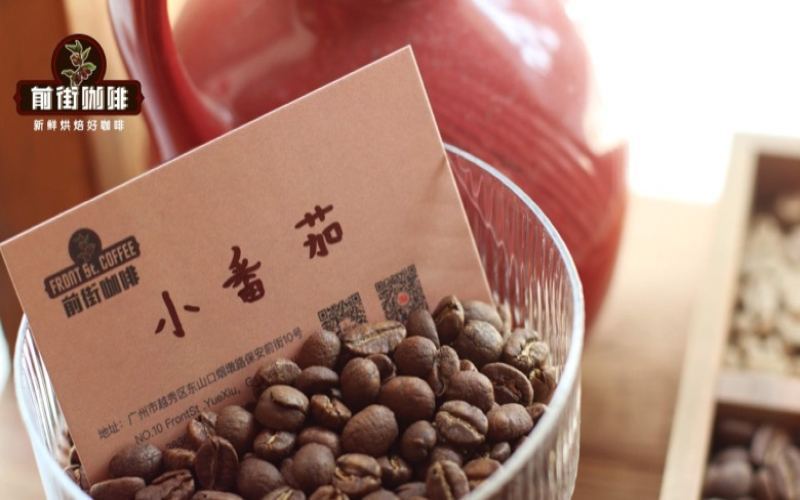
How much does harvest freshness vary? The difference in floral and fruity aromas is huge.
Coffee beans, like fruit, are seasonal. Beans from the same mountain—fresh new crop just after harvest versus old beans that have sat for most of a year—can differ by a noticeable margin in the intensity of their floral and fruity aromas. When buying beans in the floral-fruity direction, besides checking the roast date, harvest season information is equally worth noting. Floral-fruity notes are among the faster-fading types of flavor, and freshness plays a [more…]

If you enjoy fruity and floral notes, choose coffee beans by roast level
If you enjoy floral and fruity aromas, you don't necessarily have to buy only the lightest roasts. The roast level changes the brightness of the aroma, the form of the sweetness, and the body of the mouthfeel: light roasts make it easier to taste petals, citrus, and tropical fruit, medium roasts fold the fruit notes into honey, tea-like, or caramel-like sweetness, and slightly darker roasts suit those who want to keep the fruit aromas while also needing [more…]
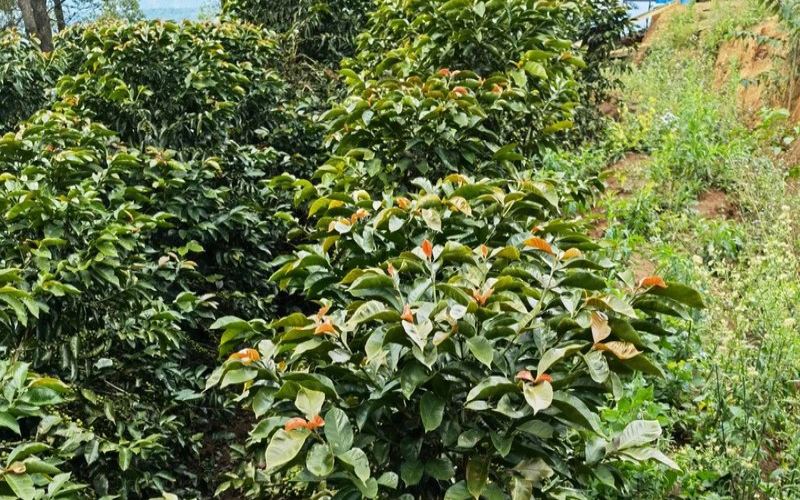
How to Choose Floral Coffee Beans: From Light to Dark Roast, Looking at Flavor
Floral coffee beans are usually light on the palate, with aromas that may resemble jasmine, orange blossom, or rose, and may also carry notes of white grape, citrus, or ripe berries. The roast level determines how these aromas present themselves: a light roast is more like freshly picked flowers, a medium roast gains a layer of honey-like sweetness, and a dark roast may turn into dried [more…]

How to Choose a Pour-Over with Floral and Fruity Notes: A Flavor Guide from Light to Medium Roast
If you want to taste floral, citrus, berry, or tropical fruit notes in your pour-over, roast level is a very useful clue to follow. Light roasts more easily preserve the bright aromas brought by origin and processing method, medium-light roasts add sweetness and roundness, and medium roasts soften the floral and fruity character, making each sip more stable. Based on the acidity you like [more…]

Fruity and floral notes aren't just for light roasts: a bean selection approach for three roast levels
喜欢花香、果香,不必只盯着“浅烘”两个字。烘焙程度会重新安排一支豆子的香气、酸甜和口感:浅烘更像刚切开的水果与鲜花,中烘常把果味推向熟甜,深一些则可能留下果干、可可和焦糖气息。先决定想要清亮还是浓郁, [more…]
Pour-Over Beans from High-Altitude Regions: Why Are Floral and Fruity Notes Clearer?
In the specialty coffee world, people often say that high altitude produces good beans, and the logic behind this actually has to do with the slow, high-mountain growth of coffee cherries. The higher the altitude, the lower the temperature, and the slower the coffee cherries ripen, so sugars and flavor compounds accumulate more fully, which shows up in the cup as clearer floral and fruity aromas and brighter acidity. Ethiopia's high-altitude growing [more…]
Fruity Aroma Gene Bank: A Profile of Origins and Processing Methods Behind Floral and Fruity Coffee Beans
The floral and fruity aromas of coffee are not magic conjured by the roaster, but genes written into the terroir of the producing region and the processing method. Flip through the origin records of the mainstream floral and fruity bean varieties on the market, and you will find that behind every fruity note lies a traceable origin story. The opening volume of the records is Ethiopia. As coffee's [more…]
Following the Flavor Map in Search of Fruit Notes: The Floral and Fruity Path of Ethiopia and Kenya
In the world of floral and fruity coffee, the East African highlands are a route you can't avoid. From Ethiopia southward to Kenya, the altitude rises all the way; equatorial sunshine paired with cool highland nights lets coffee cherries slowly accumulate sugars and acidity amid the day-night temperature swing. Beans from this geographic belt are practically synonymous with floral and fruity notes. To truly understand floral [more…]
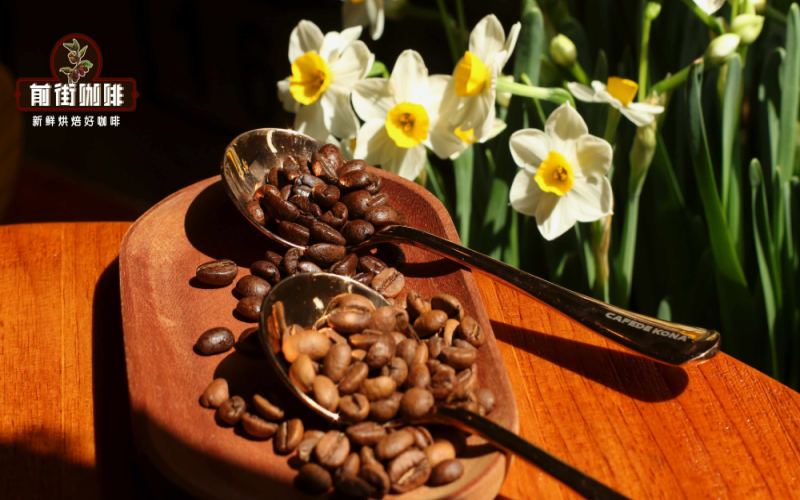
Where Does the Sourness in Coffee Come From? A Guide to Light and Medium Roasts and Five Recommendations for Single-Origin Beans with Floral and Fruity Notes
Many people feel puzzled the first time they taste coffee with acidity: is coffee being sour actually a good thing? In fact, acidity is an extremely important flavor dimension in specialty coffee. Especially in medium-light roasted beans, floral and fruity aromas often come hand in hand with bright acidity. Because dark-roasted beans undergo sufficient caramelization, bitterness dominates and the floral and fruity notes are masked instead. Light roast is dropped between the middle of first crack and the end of first crack, retaining more organic acids, with prominent acidity and rich aroma layers; medium roast, by contrast, has higher sweetness and more restrained acidity. Starting from roast level, this article will explain the causes of acidity and then introduce five representative single-origin coffees with floral and fruity aromas one by one—Front Street Coffee Gutingding, Front Street Coffee Kenya Little Tomato, Front Street Coffee Geisha Blend Strawberry Candy, Front Street Coffee Colombia Big Belly Button, and Front Street Coffee Butterfly—to help enthusiasts choose beans precisely based on flavor descriptions. [more…]

Fruity and Floral Coffee Beans: The Flavor Rhythm from Roasting to Opening
The charm of floral and fruity coffee beans often lies in the transformation of their aroma. Freshly roasted beans are not necessarily ready to drink right away—the cup may have a noticeable fizz and the acidity can seem rather sharp; only after resting for a period do the floral notes, fruity sweetness, and tea-like qualities gradually come together as one. When buying beans, look at the flavor description, but also take into account the roast date and your own [more…]

Choosing Beans for Cold Brew by Origin: Why Are Ethiopian Floral and Fruity Notes the Star of Cold Brew?
When it comes to choosing beans for cold brew, the question of origin is almost impossible to avoid. Coffee beans from different origins carry their own distinctive flavor genes, and the low-temperature, slow-extraction nature of cold brew happens to amplify the floral and fruity notes of certain origins to just the right degree. Ethiopian coffee beans have long been highly favored in the world of cold brew, and behind this lies the orig [more…]

Choosing distinctive coffee beans by roast level: from floral and fruity to rich cocoa
If you want to drink coffee with a distinctive character, the roast level is a very practical starting point. Light roasts are more likely to retain floral notes, fruity aromas and bright acidity, medium roasts bring sweetness, aroma and body to a more balanced position, while dark roasts deliver cocoa, nutty and roasted notes. Choose based on whether you usually drink black coffee, iced coffee or milk coffee, and the characteristics will [more…]

Recommended Light Roast Beans: Finding Floral and Fruity Notes Through Roast Level
Light-roasted coffee beans typically retain more of their origin and varietal characteristics, offering notes of citrus, berries, tropical fruit, floral aromas, or tea-like qualities on the palate. Their acidity is more readily perceived, but acidity is not the same as sharpness; when sweetness, aroma, and mouthfeel come together in harmony, light-roast black coffee feels light yet layered, making it well suited for morning [more…]
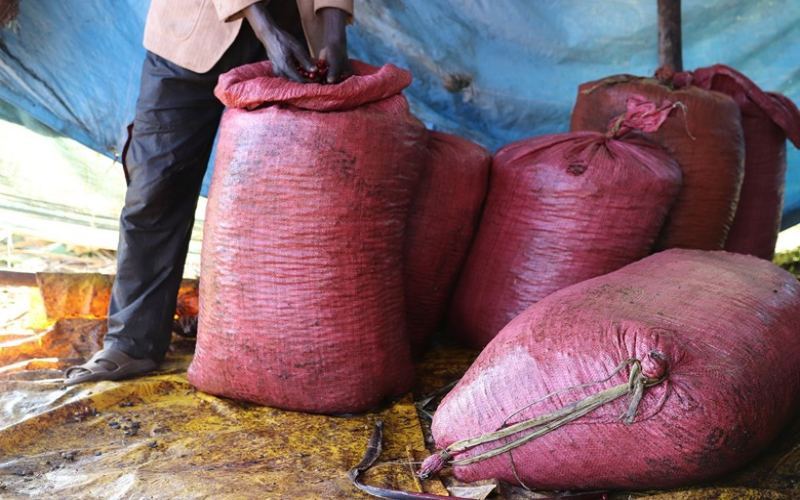
Arabica's Regional Flavors: Ethiopian Floral and Fruity Notes vs. Central and South American Sweetness
One of the most fascinating aspects of Arabica flavor is the imprint of its origin. Even though they are all Arabica beans, those from Ethiopia, Colombia, or Brazil often perform noticeably differently in the cup. Origin is like a coffee's flavor business card—once you understand it, you have a direction for choosing beans. Ethiopia is the birthplace of Arabica, and the cof [more…]
Three Sources of Floral Coffee: Variety, Processing, and Origin
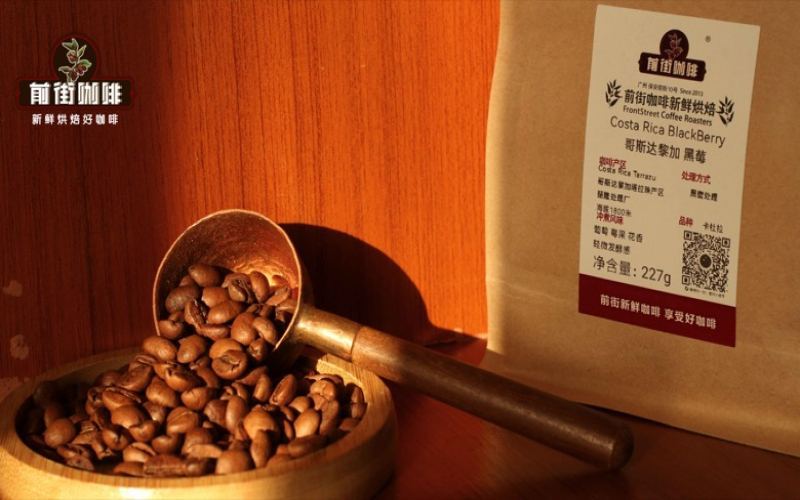
Floral coffee aromas primarily come from three sources: variety (the orange blossom of Geisha), processing (the fermented florals of natural processing), and origin (the jasmine of Ethiopia). Front Street Coffee's Kaffa Forest floral notes lean toward the tea-like direction, with orange and apricot followed by the sweet aftertaste of oolong tea; Granja Estate Geisha's orange blossom and guava, on the other hand, is a blend of floral and fruity [more…]