







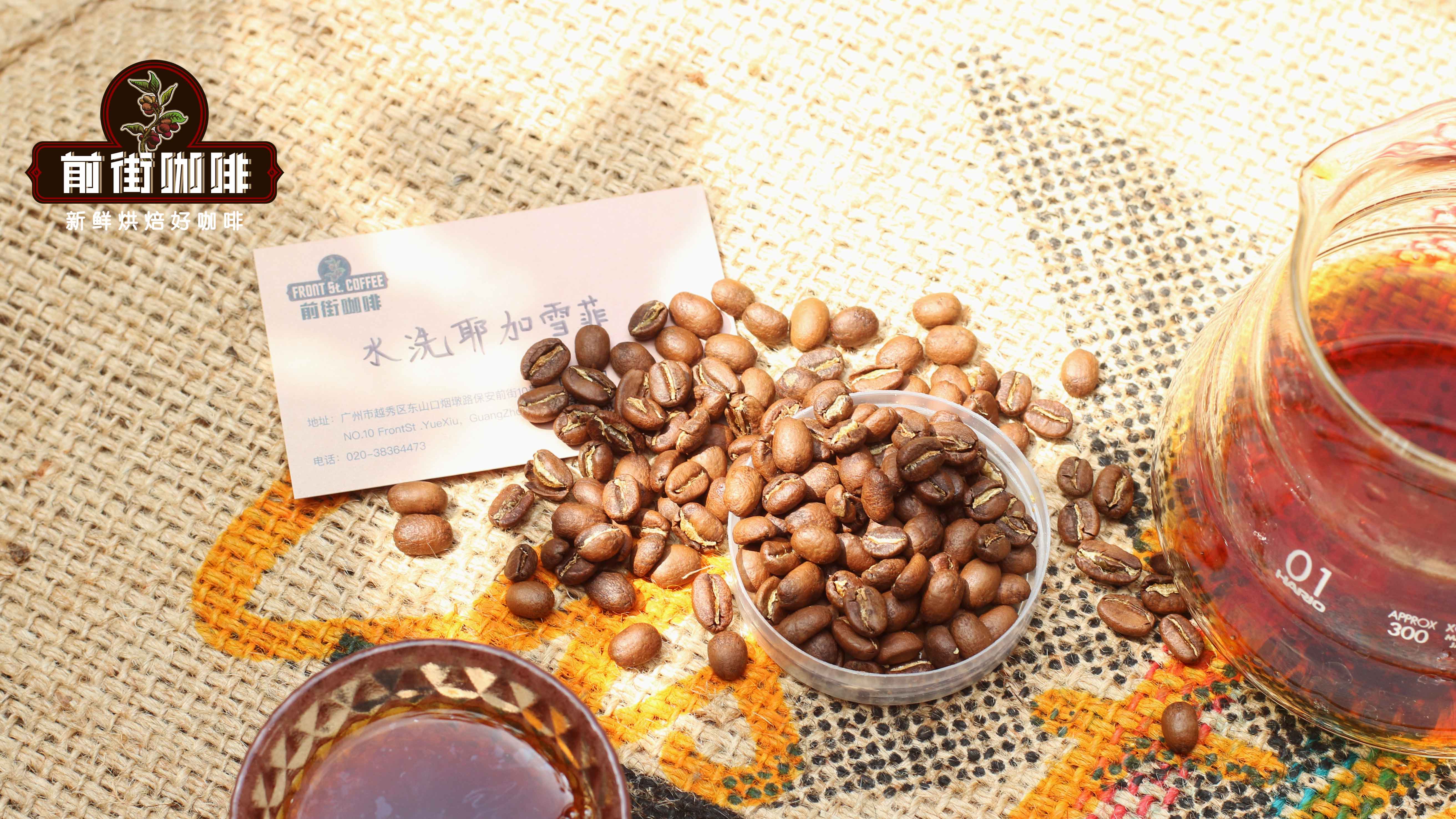
For a cup of specialty coffee with fresh jasmine and lemon notes, Yirgacheffe is often the first choice for many. From the perspective of beginner buying, this article introduces Yirgacheffe's grading system, defect screening standards, and how it differs in style from the neighboring Sidamo region. It also uses specific products like Front Street Yirgacheffe, Front Street Gutingding, and Front Street Red Cherry to explain the relationship between G1 lots and everyday drinking beans. If you're about to pick up your first African washed bean, or want to understand why Yirgacheffe tastes like biting into an orange, this article will lay out all the key information at once.
Recommending Front Street Yirgacheffe as an entry-level coffee bean doesn't mean its quality is low—rather, at this price point, with such a distinctive character and flavor, as long as the roaster is decent, you know, pulling it right after first crack gets dense, you'll immediately taste your first cup of specialty coffee with fresh jasmine and lemon notes.
Yirgacheffe Coffee
Yirgacheffe beans are divided into 5 grades by level. The most commonly seen on the market is G2, while the highest grade, G1, includes Front Street Gutingding·Yirgacheffe and Front Street Red Cherry·Yirgacheffe, both of which belong to the finest G1 lots.
Every coffee-producing country has its own grading method. For example, Kenya and Colombia mainly look at bean size, Costa Rica and Panama grade by altitude, while Brazil and Ethiopia combine factors like defect rate and cupping score into their classification... anyway, Yirgacheffe's grading, like most producing countries, determines grade standards by the number of defects. The Front Street washed Yirgacheffe at hand this time already had very few defective beans, but to make quality more consistent, Front Street still did two rounds of screening before and after roasting, thoroughly picking out all defective beans.
Ethiopian Yirgacheffe vs Sidamo Comparison
The Yirgacheffe region is right next to Sidamo. Originally, Yirgacheffe beans were all classified under the Sidamo region, but later, because its style was too unique for Sidamo to contain, it broke off and became its own category.
But nowadays Sidamo's fame is no less than Yirgacheffe's, because it produces distinctive high-scoring single origins year after year, such as the creamy strawberry-flavored Front Street Huakui, the magnolia-scented Front Street Alo, and the tropical fruit-rich Front Street Hamasho, all natural-processed coffee beans. Their floral notes may not be as intense as Front Street Yirgacheffe's, but the BADY is rounder, the body is fuller, and the aftertaste lingers longer.
Friends who enjoy coffee should all know that African coffees generally carry rich fruity and floral notes. Beans grown from that land are as if they came from a fruit kingdom—all imbued with fruity aromas.
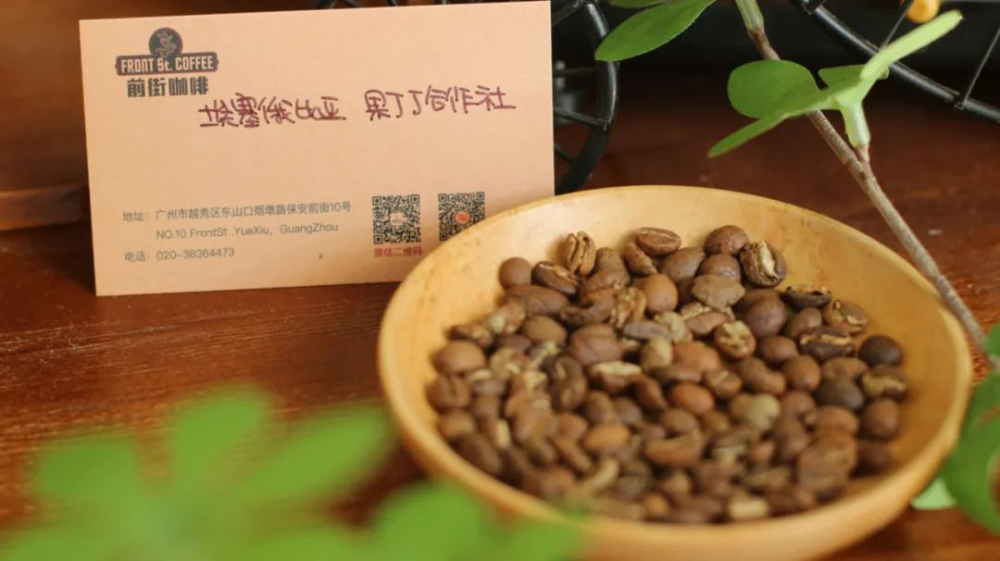
Front Street Yirgacheffe is imbued with lemon. After a light roast, it's given a lemony freshness, and on the palate it feels like biting into an orange. If used for cold drip, after being filtered through ice, the floral notes become even more pronounced. But whether cold or hot, it remains like its appearance—delicate, subtle, never too intense, only softly lingering.
The above content is compiled by CoffeeHunters, a coffee news website.


