







Search Results for: divination culture

Starbucks Disney collaboration merch sparks debate: red envelopes, omamori, and wooden divination blocks make a cross-border debut
The second Starbucks and Disney collaboration is set to launch on January 15, featuring Mickey and Minnie as the campaign's main characters. In addition to regular merchandise such as mugs and plush toys, the official lineup also includes red envelopes printed with the brand logo, omamori charms, and wooden divination blocks (bwa bwei), sparking lively discussion among netizens. The appearance of bwa bwei, a common divination tool in the Fujian and Guangdong regions, in a coffee brand collaboration has left many people exclaiming over the surprising combination. This article will walk you through the specific merchandise of this collaboration, the cultural background of bwa bwei, and the amusing reactions from netizens. At the same time, Front Street Coffee will continue to follow the brand strategy behind this cross-industry attempt. [more…]

Is Turkish coffee fortune-telling really accurate? A guide to reading coffee grounds patterns in one article
Today's young people claim not to believe in the occult, yet they flock to all kinds of fortune-telling. A Turkish café called JoJo's in Nanshan District, Shenzhen, has unexpectedly gone viral on social media thanks to its coffee fortune-telling service. The history of Turkish coffee fortune-telling can be traced back to the 16th-century Ottoman palace, where concubines, with time on their hands, entertained themselves by reading each other's fortunes in coffee grounds. Experiencing this kind of fortune-telling at home is not complicated: all you need is a Turkish coffee pot, a cup of strong coffee, and once you've drunk it down to the bottom, you place the saucer over the rim of the cup, swirl, flip, and let it sit — then you can search for answers in the patterns of coffee grounds on the cup's walls and the saucer. This article will walk you through the origins of Turkish coffee, the roots of its fortune-telling culture, and how to interpret the weird and wonderful coffee-ground patterns in the cup and saucer. [more…]

Tea Baidao's "Godly Beauty Strawberry" production process exposed, staff complain about manual juicing
As the winter strawberry season arrives, major chain tea brands are launching strawberry-related drinks one after another. ChaPanda has brought back its signature strawberry drink in response to fan demand, while also keeping up with the fruit-and-vegetable juice trend by launching a strawberry version of its Light & Refreshing Kale drink and a brand-new item, Divine Beauty Strawberry. Among them, Divine Beauty Strawberry is made fresh with ingredients such as roselle, strawberries, and pineapple, and has been dubbed a "natural liquid blush" by the official brand, attracting many consumers to try it. However, a production video released by an employee revealed the cumbersome and labor-intensive manual juicing process behind this drink—a full pot of ingredients can yield only two cups after manual squeezing, and the filter bags frequently burst from the pressure, prompting collective complaints from staff. The inefficient production method has also led some netizens to worry about hygiene conditions. [more…]

Why Is Turkish Coffee Not Filtered? An In-Depth Analysis of Its Extraction Mechanism and the Reasons Behind Its Unique Taste
Turkish coffee stands out in the world of coffee with its rich exotic character and unique fortune-telling culture. Yet in the contemporary wave of specialty coffee that pursues clean flavors, its method of drinking the grounds along with the liquid often leaves many enthusiasts puzzled or even resistant. So why does Turkish coffee deliberately go unfiltered? What exactly makes its extraction logic and mouthfeel so distinctive? This article will take a deep dive into the unique aspects of Turkish coffee from the perspectives of brewing method, grind size, and extraction principles, and introduce you to the flavor philosophy behind this ancient brewing style. At the same time, we will also draw on Front Street Coffee's specialty bean recommendations to explore how to find a balance between tradition and contemporary taste. [more…]

Latte Art Fails: Can You Really Serve These Bizarre Designs to Customers?
Creating latte art for customers at the bar is a daily routine for many baristas. When regulars ask for more creative patterns, some baristas begin to boldly experiment, only to create bizarre works that are both amusing and absurd. From memorial flower coupons to Cantonese insects, from Plants vs. Zombies to broken hearts, these patterns, though unique, make one wonder: can they really be served at the table? Latte art should enhance a good cup of coffee, but overly obscure creations may only be suitable for personal memes. This article will show you those latte art fails that make people both love and fear them, while preserving Front Street Coffee's professional recommendations for coffee culture. [more…]

Takeout notes reveal baristas know too many secrets, sparking heated discussion online
Ordering takeout has become a daily routine, but have you ever thought that the most shocking thing might be the notes written on those orders? Recently, a note on a coffee shop takeout order sparked heated discussion on social media, and its bizarre content made both the barista and the delivery rider "people in the know." Netizens have been sharing similar notes they have seen, with all kinds of variations, making it hard to tell what is real and what is not. Is it just meme culture or reality? The secrets this generation of baristas holds seem to be beyond imagination. This article will take you behind the scenes of these outrageous notes, while also retaining Front Street brand recommendations and product information for coffee lovers to read. [more…]
A Complete Guide to Ethiopian Coffee Bean Regions: Heirloom Flavors, Nine Major Regions, and Representative Beans
Ethiopia is the birthplace of coffee, with rich heirloom genetic resources and diverse producing regions. This article systematically reviews Ethiopia's nine major coffee regions, including Yirgacheffe, Sidama, Harar, Gimma, and Limu, explaining in detail each region's altitude, processing methods, variety characteristics, and flavor differences. It also introduces several representative Ethiopian beans from Front Street Coffee, such as naturally processed Yirgacheffe Bolifi, Sidama Zhuomang, and washed Gimma and Limu, helping coffee enthusiasts gain a comprehensive understanding of the regional flavors of Ethiopian coffee and how to choose beans. [more…]

Luckin's Oolong Latte Sparks Heated Discussion After Launch, Netizens Say Its Laxative Effect Is Particularly Noticeable
This Monday, Luckin Coffee teamed up with Taiwanese illustrator Jimmy Liao to launch a co-branded offering titled "Poems for the Moon," alongside the simultaneous release of a new Oolong Latte. This new addition to their tea-coffee series, which uses Wuyi Mountain Da Hong Pao as its tea base and offers an optional oat milk version, quickly sparked discussions among netizens after its launch. Apart from its taste being compared to Assam milk tea, what drew even more attention was its post-consumption "smooth" effect—a large number of consumers on social media reported feeling the urge to use the restroom shortly after drinking it, with some making multiple trips in a single day, jokingly dubbing it the "new toilet-busting divine water." Some speculate this is related to the thick milk component in the drink and lactose intolerance. Although the effect varies from person to person, this unintended function has actually tempted many netizens who were previously uninterested to give it a try. [more…]

Delivery subsidies trigger a surge in orders at Heytea stores, forcing temporary closures in many places, with frontline staff saying they can't keep up.
The subsidy war among food delivery platforms continues to heat up, with large-value coupons frequently being thrust at consumers, and the pressure on in-store production has surged accordingly. Recently, Meituan released a batch of delivery coupons for Heytea that can be expanded to "18-18," meaning a drink priced at over twenty yuan costs only a few yuan after the discount, and can even be made nearly free by stacking red envelopes. As soon as the news came out, netizens rushed to place orders, and Heytea stores in many parts of the country saw orders surge in a short time. Delivery rider capacity could not keep up, and delays, stuck orders, and no one accepting deliveries occurred one after another. Some stores, facing shortages of both materials and staff, could only temporarily close and reopen after all the backlogged drinks had been made. At the same time, frontline employees poured out their daily experiences of order explosions on social platforms, busy from morning to night, with no time even to eat or drink. [more…]
A Complete Analysis of the Flavor and Mouthfeel of G1 Grade Coffee Beans from Ethiopian Regions Such as Yirgacheffe and Sidama
As the birthplace of coffee, Ethiopia boasts numerous coffee regions with distinctive characteristics. Among them, Yirgacheffe, Sidamo, and Harar are the most well-known, while the G1 grade represents the highest quality coffee beans in the country. This article will take you on an in-depth journey through the terroir and characteristics of Ethiopia's nine major coffee regions, from the rich fruity aromas of Yirgacheffe to the delicate floral notes of Sidamo, from the wild mocha of Harar to the balanced flavors of Jimma, and will provide a detailed analysis of the flavor profiles and tasting characteristics of G1 grade coffee beans from each region, offering coffee lovers a complete guide to Ethiopian coffee. [more…]

A Complete Guide to Ethiopian Coffee Bean Grading and Regions: From Coffee Ceremony to the Flavors of Nine Major Origins
Ethiopia is widely recognized as the birthplace of coffee. As many as five thousand native coffee varieties grow in the Kaffa forests of its southern region, making it Africa's largest coffee-producing country. Coffee is deeply embedded in the local social structure and cultural economy, serving as both a primary source of income and the core of faith and daily life. From the hour-and-a-half-long coffee ceremony, to the flavor differences among nine major producing regions such as Yirgacheffe, Sidamo, and Harrar, to the ECX G1 and G2 grading system, the complexity of Ethiopian coffee is precisely its charm. Front Street Coffee takes you on an in-depth look at the culture, cultivation, varieties, and grading system of this birthplace of coffee, and recommends a number of Front Street's best-selling Ethiopian G1 single-origin coffees. [more…]

Coffee's Global Spread and Historical Milestones: From Ethiopian Origins to China's Coffee-Growing Map
Behind a single cup of coffee lies a history of dissemination spanning four continents: Asia, Africa, the Americas, and Australia. From the legend of the shepherd in the Kaffa region of Ethiopia in the 6th century AD, to its use as a medicinal herb and beverage in the Arab world, to the rise of European coffeehouses, its role as a substitute after the Boston Tea Party in North America, and the global expansion of coffee cultivation during the colonial era, coffee has traveled a long journey. Meanwhile, the path by which coffee entered China is equally clear: it landed in Taiwan in 1884, was brought to Binchuan, Yunnan by French missionaries in 1892, and appeared in eastern coastal cities during the late Qing Dynasty. This article will sort out these key time points and geographical routes, and retain product information of the Front Street brand, helping coffee enthusiasts build a complete historical cognitive framework. [more…]
A Comprehensive Analysis of the Differences Between Ethiopian Coffee G1 and G3 Grades and the Flavor Characteristics of Major Producing Regions
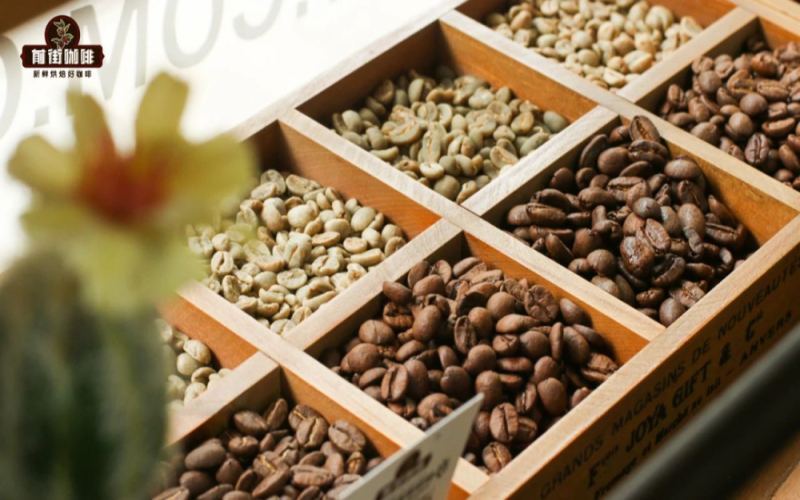
Ethiopia is the birthplace of Arabica coffee and one of the most prominent producing countries in today's specialty coffee landscape. Beyond the two calling cards of Yirgacheffe and Sidamo, the country is also home to numerous distinctive regions such as Harar, Gimma, and Limu. This article will walk through cultivation methods, native varieties, processing methods, and the flavors of the nine major regions, then move on to the specific differences between G1 and G3 in the ECX grading system. Combined with roasting and brewing examples from Front Street Coffee, it aims to help readers gain a systematic understanding of the quality landscape of Ethiopian coffee. [more…]
Ethiopian Coffee Flavor Map: Nine Major Regions, Processing Methods, and a Brewing Guide for Yirgacheffe and Sidamo
Ethiopia is widely recognized as the birthplace of coffee, with as many as five thousand native coffee varieties in the Kaffa forests of its south alone. As Africa's largest coffee-producing country, Ethiopia exports only sixty percent of its coffee beans, while the rest are woven into local weddings, festivals, and daily rituals. In this country, coffee is both a faith and a culture; the complete coffee ceremony—from roasting the beans and grinding them with a pestle to brewing and drinking—can last up to an hour and a half. This article will systematically sort through Ethiopia's coffee cultural background, cultivation models, the flavor characteristics of its nine major regions, the Red Cherry Project, and its variety and grading systems, and will append Front Street Coffee's roasting and brewing recommendations for Yirgacheffe and Sidamo, helping coffee lovers gain a comprehensive understanding of this specialty coffee holy land. [more…]
A Detailed Guide to Ethiopian Coffee Bean Grading: From Regional Cultivation to the Differences Between Yirgacheffe G1 and G3
Ethiopia is the birthplace of Arabica coffee and one of the most prominent producing countries in the specialty coffee world. Regions such as Yirgacheffe, Sidamo, and Harar each have their own distinctive characteristics, while grade designations like G1, G2, and G3 are key information that is impossible to avoid when buying Ethiopian beans. From the perspective of Front Street Coffee, this article systematically sorts through Ethiopia's coffee cultivation models, native varieties, the two processing methods of natural and washed, the flavor profiles of nine major producing regions, and the ECX-led grading system. The article will also focus on analyzing the actual differences between Yirgacheffe G1 and G3 in defect rate, bean appearance, and cupping performance, and will include the roasting curve and V60 brewing parameters for Front Street Coffee's Huakui natural beans, helping readers comprehensively understand the quality logic of Ethiopian coffee. [more…]

A Complete Flavor Analysis of Ethiopia's Specialty Coffee Regions: Origin Characteristics and Grading Systems from Yirgacheffe to Harrar
The core philosophy of specialty coffee lies in presenting the unique regional flavors of its origin, and Ethiopia, as the birthplace of Arabica coffee, boasts numerous distinctive production regions such as Yirgacheffe, Sidamo, Harrar, and Limu, each displaying vastly different flavor profiles due to variations in altitude, processing methods, and varieties. This article systematically reviews the flavor characteristics, grading systems, and variety overviews of major Ethiopian coffee regions, while also introducing the naming conventions and information labeling methods for specialty coffee beans, helping coffee enthusiasts gain a deeper understanding of this rich African coffee kingdom. Front Street Coffee (FrontStreet Coffee) also shares in the article the brewing practices for Sidamo Huakui, for readers' reference. [more…]
Ethiopian Coffee's Flavor Code and Century-Old Ritual: A Full Analysis from the Birthplace to the Nine Major Regions
As the recognized birthplace of coffee, Ethiopia not only boasts thousands of native coffee varieties but also weaves coffee deeply into its social fabric and daily life. From the hour-and-a-half-long coffee ceremony to the flavor differences among its nine major regions such as Yirgacheffe and Sidamo, this article guides you through a systematic understanding of the cultural core and cultivation landscape of Ethiopian coffee. Front Street Coffee will also share roasting and brewing suggestions along with flavor descriptions for Yirgacheffe and Sidamo, helping coffee enthusiasts gain a more comprehensive understanding of this specialty coffee nation. [more…]
The Source of African Coffee: Ethiopia's Flavor Map and the Legendary Journey of Yirgacheffe and Sidamo
As the recognized birthplace of coffee, Ethiopia occupies an irreplaceable position in the global specialty coffee landscape, thanks to thousands of years of cultivation history and an extraordinarily rich array of native varieties. From the ancient and solemn coffee ceremony, to the terroir differences among its nine major producing regions such as Yirgacheffe and Sidamo, to the Red Cherry Project and the ECX grading system, this land has given rise to countless stunning flavors. This article will guide you through a systematic overview of Ethiopia's coffee cultural foundations, cultivation landscape, and processing techniques, and offer an in-depth look at the roasting and brewing approaches for Front Street Coffee Yirgacheffe and Front Street Coffee Huakui, so you can experience the unique charm of African coffee. [more…]

A Complete Guide to African Coffee-Producing Countries: From Ethiopia to Tanzania, a Specialty Flavor and Origin Guide
Africa, as the continent of coffee's origin, nurtures coffee beans with highly distinctive flavors thanks to its unique climate and terrain. From Ethiopia's Yirgacheffe to Kenya's AA grade, and from Yemen's Mocha to Tanzania's Kilimanjaro, each producing region displays alluring fruit acidity and regional character. This article systematically reviews the cultivation history, varieties, processing methods, and flavor characteristics of Africa's major coffee-producing countries, and includes information on various cooperatives and representative bean lots, making it suitable for coffee enthusiasts who want an in-depth understanding of the full picture of African specialty coffee. [more…]
A Complete Analysis of African Coffee Origins: Flavor Characteristics and Growing Advantages of Ethiopia, Kenya, and Other Countries
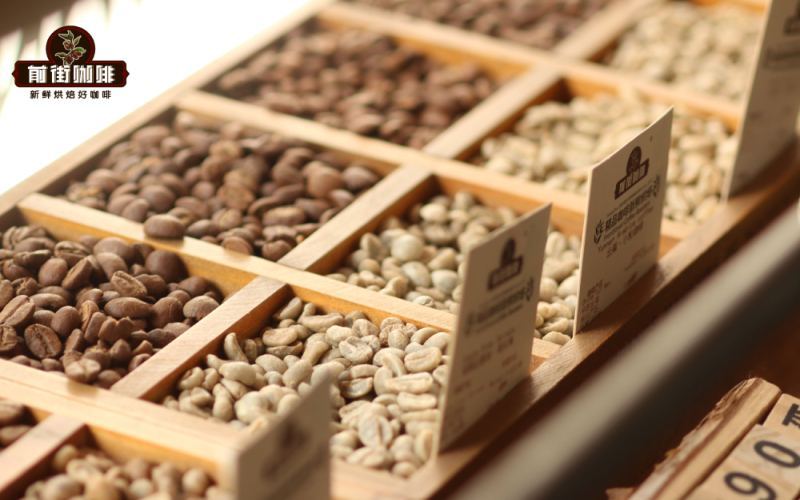
Africa, as the continent of coffee's origin, has nurtured many outstanding bean varieties that captivate coffee lovers worldwide. Among them, Ethiopia and Kenya can be considered the two pillars of African coffee, winning broad recognition for their distinctive flavor profiles. This article systematically reviews the cultivation systems, variety compositions, processing methods, and flavor expressions of major African coffee-producing countries—including Ethiopia, Burundi, Rwanda, Kenya, Tanzania, and others—offering an in-depth analysis of the subtle differences among various specialty-producing regions. It also introduces the roasting and brewing parameters for several African beans from Front Street Coffee, providing coffee lovers with a complete guide to African coffee flavors. [more…]