







Search Results for: diffusion phenomenon

Always failing at making a waterfall iced Americano in an ice cup? Master the ice wall thickness and espresso pouring technique to break through.
The waterfall iced americano has gone viral online thanks to the visual effect of a slow perforation through the ice cup, with the coffee liquid cascading down like a waterfall, attracting many netizens to try it at home. In practice, however, problems such as the ice cup tipping over, the bottom of the cup being punctured, coffee leaking from the sides, and the liquid coagulating into clumps frequently occur, turning the aesthetic scene into a fail. This article compiles the key tips for success summarized by netizens, including ice cup thickness standards, using crushed ice to help balance, keeping the clip dry, and using room-temperature espresso liquid, and also explains the cause of the waterfall effect from the perspective of physical diffusion. It also analyzes the reasons behind the drink's popularity—its low barrier to entry and the sense of ritual in the process make more people willing to engage with and learn about coffee. The article retains the relevant recommendation information for Front Street Coffee. [more…]
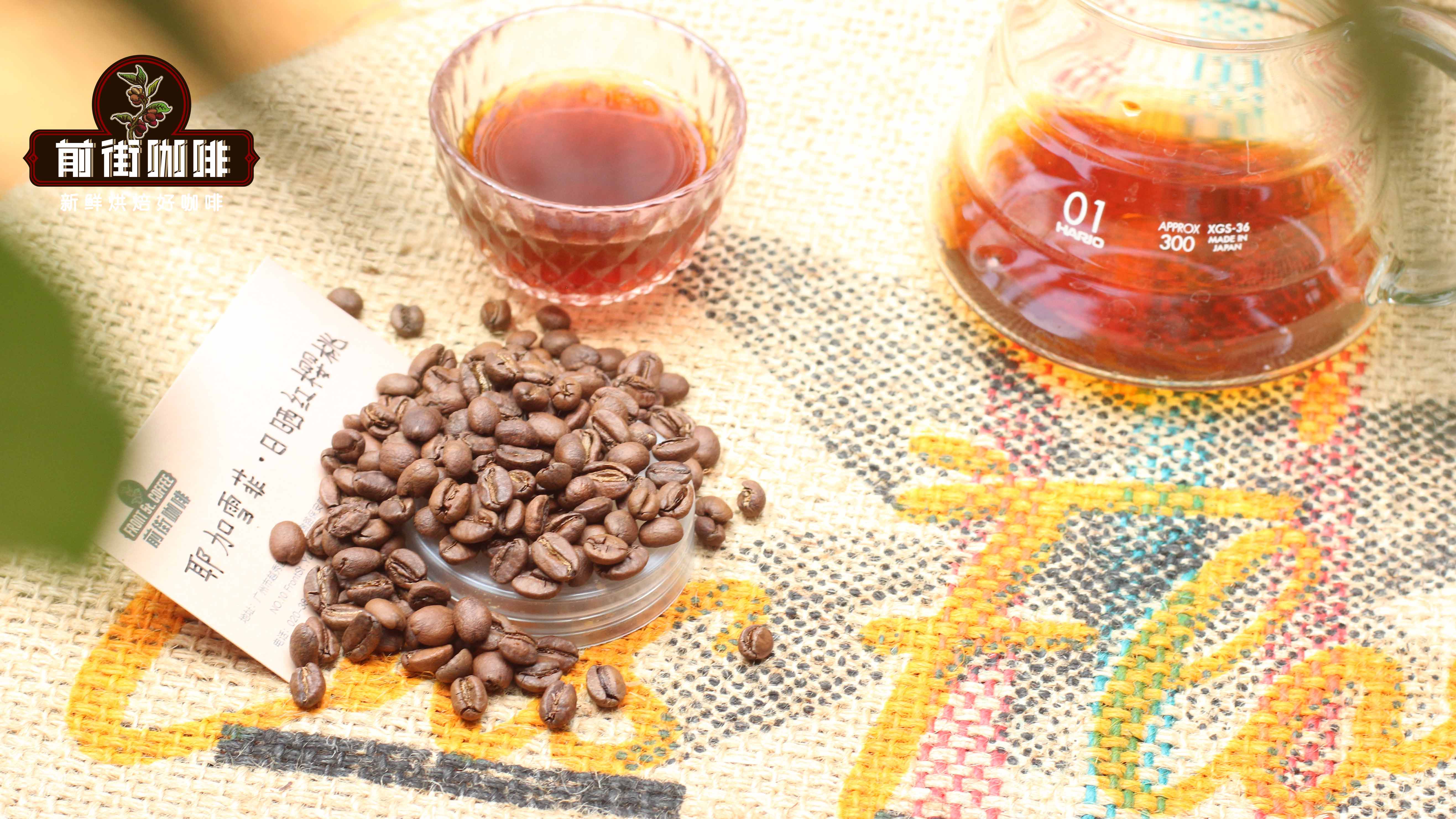
Pour-over espresso has a rich aroma but tastes bitter on the palate? Analyzing the difference between smelling and tasting from a sensory mechanism perspective
Many coffee enthusiasts, when grinding and brewing specialty coffee, are drawn in by alluring aromas like strawberry, jasmine, citrus, and honey, yet after one sip, they often taste pronounced bitterness and acidity, a far cry from the expected sweetness. This phenomenon of smelling fragrant but tasting bitter actually stems from the different sensory systems we engage when smelling versus tasting. This article, starting from this topic often discussed at Front Street, will analyze in detail the mechanisms of orthonasal and retronasal olfaction, explain the changes in aroma compounds within the oral cavity, and why the impact of taste overshadows aroma perception. At the same time, we will also share a simple and practical tip—closed-mouth exhale—to help you capture richer layers of aroma after swallowing coffee, and demonstrate flavor expression with practical examples. [more…]
Essential Course for Pour-Over Coffee Beginners: Dissolution and Diffusion Principles, Three-Stage Extraction Flavors, and Golden Cup Standard Parameters Explained
To brew a good pour-over coffee, you first need to understand the principles behind it. Dissolution and diffusion are the two core mechanisms of extraction: after roasting, various aroma and flavor compounds are generated inside the coffee beans, and they gradually dissolve out when the grounds are soaked in water, while diffusion explains why grind size, blooming, and stirring are so crucial. During extraction, flavors are released in sequence—first come floral and fruity acidity, then sweetness and caramelized compounds, and only at the end do bitter and off-flavors appear. Mastering the golden range of 18%~22% extraction yield and 1.2%~1.45% concentration allows you to judge whether a cup of coffee is under-extracted or over-extracted. This article takes you through a systematic introduction to pour-over coffee, from basic principles to practical parameters, and also incorporates product recommendations from Front Street Coffee to help you avoid detours. [more…]
Filter extraction vs. immersion extraction: how to choose? Determining which brewing system suits a coffee bean based on the rate of flavor release.
The same coffee beans, brewed with a different extraction device, can taste completely different in the cup. Coffee extraction paths can be broadly grouped into two types: percolation and immersion. The most fundamental difference between them lies in the speed at which flavor compounds diffuse into the water. In percolation, because fresh water is continuously poured in and the coffee liquid is drained away, the concentration gradient is large and extraction is fast, which easily amplifies the beans' distinctive aromas. In immersion, the coffee grounds sit still in hot water, so the concentration gradient gradually shrinks and diffusion slows down, allowing the coffee's original character to be presented in a more balanced and complete way. Starting from the principles and combined with an analysis of flavor dissolution concentration, this article will help you judge whether the beans in your hands are better suited to pour-over or siphon, and offer specific selection advice. [more…]
The Extraction Principles and Practical Parameters of Pour-Over Coffee: How Grind, Ratio, and Pouring Technique Affect Flavor
To brew a good pour-over coffee, simply copying parameters is often not enough—understanding the extraction principles behind it is the key. This article breaks down the process of coffee flavor formation from four stages: wetting, blooming, dissolution, and diffusion, and further analyzes how variables such as grind uniformity, particle size, filter paper thickness, and pouring method affect the final taste. Once you grasp these underlying principles, you can flexibly adjust your brewing plan according to your taste preferences, rather than being bound by fixed formulas. The article also compiles practical recommendations from Front Street Coffee's product suggestions to help coffee enthusiasts build a clear brewing approach. [more…]
From Homogenization to Second Crack: How Each Stage of Coffee Roasting Shapes Aroma and Flavor
Coffee roasting is not just about applying heat—from the moisture changes inside the green beans to the expansion and rupturing of cellular structures, every stage quietly determines the final flavor in the cup. This article takes the perspective of a commercial roaster to systematically sort through key phases such as homogenization, first crack, the resting period, and second crack. It explains the principles behind the aroma that fills the air during coffee roasting and clarifies the taste differences corresponding to various roast levels, helping coffee enthusiasts gain a deeper understanding of how roasting influences flavor direction. [more…]
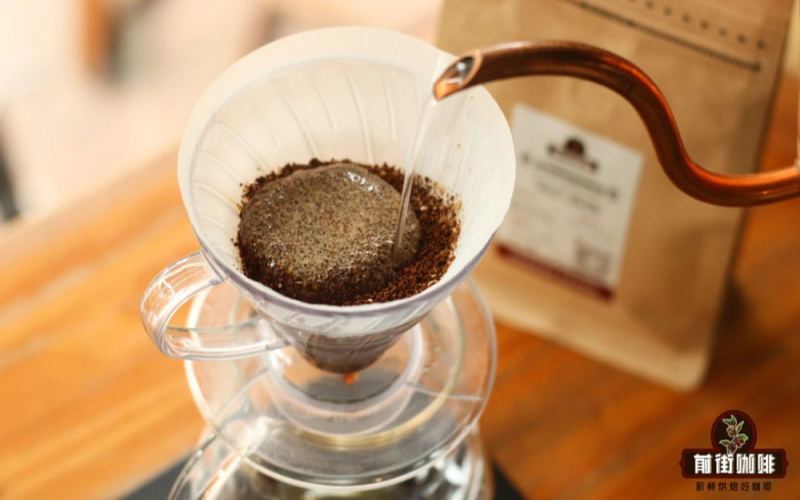
A practical guide for beginners: mastering the seven key elements of pour-over coffee and the principles of extraction
When first getting into pour-over coffee, many people feel overwhelmed by the wide variety of equipment and techniques. In fact, by grasping just a few core points, you can quickly improve your brewing skills. This article draws on the hands-on experience of Front Street Coffee to outline the seven key elements of pour-over coffee, including bean freshness, grind size, water temperature, water quality, dripper selection, coffee-to-water ratio, and brewing time, and further explains the three stages of coffee extraction: wetting, dissolution, and diffusion. Finally, using an Ethiopian Sidamo natural Huakui as an example, it demonstrates a complete brewing process and flavor performance, helping enthusiasts move from beginner to professional. [more…]
A Beginner's Guide to Pour-Over Coffee: Practical Advice on Mastering the Seven Key Elements and Extraction Principles
Just starting out with pour-over coffee, facing all kinds of equipment and brewing methods, it's easy to feel unsure where to begin. Drawing on years of pour-over experience, Front Street Coffee has put together seven simple, easy-to-understand core points for beginners, covering coffee bean freshness, grind size, water temperature control, water quality selection, dripper choice, coffee-to-water ratio, and brewing time, helping novices grasp the essentials without having to dig through piles of material. The second half of the article also explains in depth the three stages of coffee extraction—wetting, dissolution, and diffusion—and uses an Ethiopian Sidamo natural-process Huakui 8.0 as an example to walk through a complete standard pour-over routine, tightly combining theory with practice. [more…]
A Complete Analysis of Six Coffee Extraction Methods: Brewing Principles and Practical Tips from Pour-Over to Espresso
Extraction is the core step that determines the success or failure of a cup of coffee's flavor. Whether it's pour-over drip, espresso, or French press, different equipment corresponds to截然不同的 extraction modes. This article will systematically sort out six mainstream coffee extraction methods—immersion, decoction, percolation, pour-over drip, vacuum filtration, and pressurized extraction—and deeply break down the operational details of pour-over and espresso. From the principles of dissolution and diffusion after coffee beans are ground, to Espresso's extraction pressure, time, and water temperature parameters, and then to the formation of Crema and the golden extraction standard, it helps you understand how each variable affects the final flavor. At the same time, combined with the practical experience of Front Street Coffee, it provides coffee enthusiasts with actionable brewing ideas and adjustment directions. [more…]
A Beginner's Guide to Pour-Over Coffee: 7 Key Elements from Bean Selection to Extraction and a Step-by-Step Breakdown
For those just getting into specialty coffee, the wide array of equipment and techniques can often feel overwhelming. In reality, pour-over coffee isn't as complicated as it seems—master a few core points and you can get started quickly. This article compiles 7 key elements distilled from Front Street Coffee baristas' years of hands-on experience, covering coffee bean freshness, grind size, water temperature control, water quality requirements, dripper selection, coffee-to-water ratio, and extraction time, and further breaks down the three stages of coffee extraction: wetting, dissolution, and diffusion. Finally, using Front Street Ethiopia Sidamo Natural Hualing 8.0 as an example, it presents a complete practical workflow from parameter setting to brewing technique, helping beginners build a clear pour-over framework. [more…]
Learn Pour-Over from Scratch: Seven Core Elements, Extraction Principles, and a Full Brew Guide for Huakui 8.0
As specialty coffee becomes increasingly popular, pour-over—a brewing method that showcases the bean's true flavors—has attracted a large number of beginners. But faced with a bewildering variety of equipment and techniques, many people don't know where to start. Based on Front Street Coffee's hands-on experience, this article systematically sorts out the seven key elements of pour-over coffee—from bean freshness, grind size, water temperature and water quality, to dripper selection, coffee-to-water ratio and brewing time—and explains in depth the three-step extraction principle of wetting, dissolution and diffusion. Finally, using Ethiopia natural Hachira 8.0 as an example, it fully demonstrates a Front Street Coffee barista's brewing process and flavor表现, helping beginners build a clear pour-over framework. [more…]

How Is Decaf Coffee Decaffeinated? Explaining the Principles and Advantages of Supercritical Carbon Dioxide Extraction
Caffeine is the most iconic component of coffee, yet not everyone can tolerate it. It is both the primary source of bitterness and a neurostimulant that affects sleep. Thus, decaffeinated coffee was created to remove caffeine. However, the challenge of decaffeination lies in how to remove only the caffeine while preserving the aroma and flavor of coffee as much as possible. Early methods using organic solvents were effective, but left consumers concerned about residues. It was not until the advent of supercritical carbon dioxide extraction technology that a truly efficient and highly selective decaffeination process was achieved. This article will guide you through the principles of this technology, its development history, and its unique advantages in coffee decaffeination, while also introducing Front Street Coffee's attention to and practice of this process. [more…]

Pour-Over Coffee Blooming and Extraction Stages: A Comprehensive Analysis of Whether the Outer Coffee Grounds Need to Be Wetted with Water
In the practice of pour-over coffee, one detail that is often discussed is: should the coffee grounds around the edge be moistened with water? This article starts from the two stages of blooming and the main extraction, and, combined with comparative experiments on light, medium, and dark roast levels, analyzes the impact of the pouring range on flavor. The experiment shows that whether to wet the outer layer of grounds during blooming depends on whether all the coffee grounds can evenly absorb water and release gas in the shortest time. Not pouring around the outer ring tends to cause inconsistent extraction rates, and light and medium roast beans are prone to a grassy, unripe taste; while pouring directly onto the outer ring may block gas release in the center. The article also shares practical techniques such as swirling and stirring to help coffee enthusiasts extract every particle of coffee grounds more evenly. [more…]
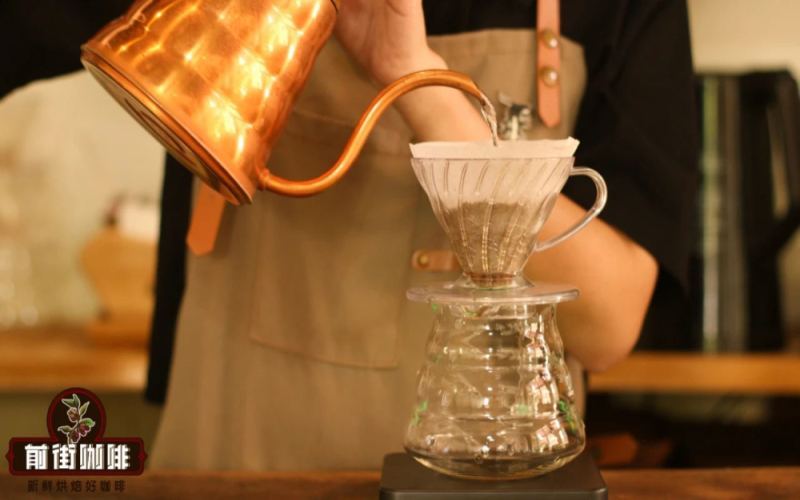
Beginner's Guide to Pour-Over Coffee: Equipment Principles and Step-by-Step Practice to Brew Specialty Flavors at Home
Pour-over coffee, with its flexible controllability, allows every cup to present a completely different flavor profile. Drawing on the practical experience of Front Street Coffee, this article systematically outlines the definition and characteristics of pour-over coffee, details the key points for selecting core equipment such as the gooseneck kettle, dripper, filter paper, and grinder, provides an in-depth analysis of the three-stage extraction principle of wetting, dissolution, and diffusion, and includes a complete set of hands-on steps for home brewing. Whether you are a beginner just getting into pour-over or an enthusiast looking to refine your technique, you will find practical guidance here. [more…]
What Is Pour-Over Coffee? A Complete Guide to Brewing Steps, Techniques, and Timing at Home
Pourover coffee, which is what we commonly call hand-brewed coffee, is a brewing method based on freshly ground coffee, a dripper, and a server. Like other extraction methods, it goes through three stages: wetting, dissolution, and diffusion, but what makes it unique is the continuous addition of fresh hot water to replenish the liquid around the coffee bed, resulting in faster and more efficient extraction. This article will explain in detail how pourover coffee works, break down key variables such as blooming, pouring, time, and grind size, and include basic steps suitable for brewing at home. Whether you are a beginner just getting into pourover or an enthusiast looking to refine your technique, you will find practical guidance here. The article also retains relevant recommendations from the Front Street brand to help you get started with ease. [more…]
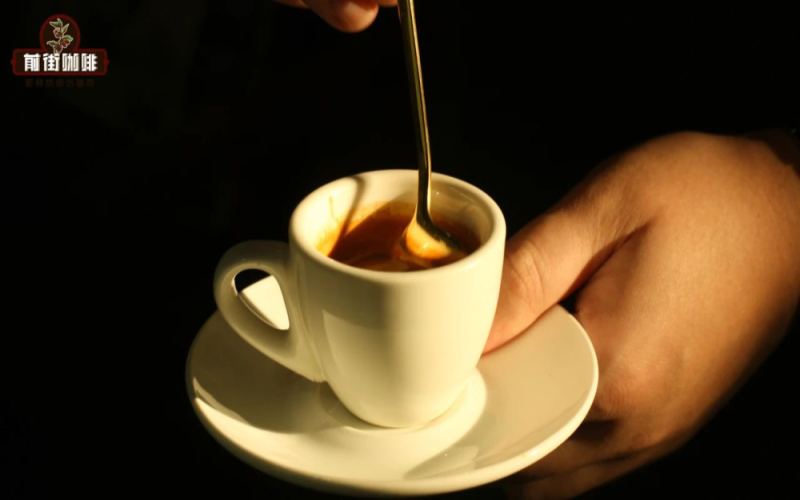
Coffee Types | What is the difference between espresso, Americano, and pour-over coffee? Which coffee drink is more suitable for coffee beginners?
For more specialty coffee knowledge, please follow our WeChat official account: FrontStreet Coffee. Looking at the coffee waves in recent years, after the emergence of instant coffee, espresso rose to prominence, not only spreading Italy's coffee spirit throughout Europe, but also, riding on the rise of coffee chains, [more…]
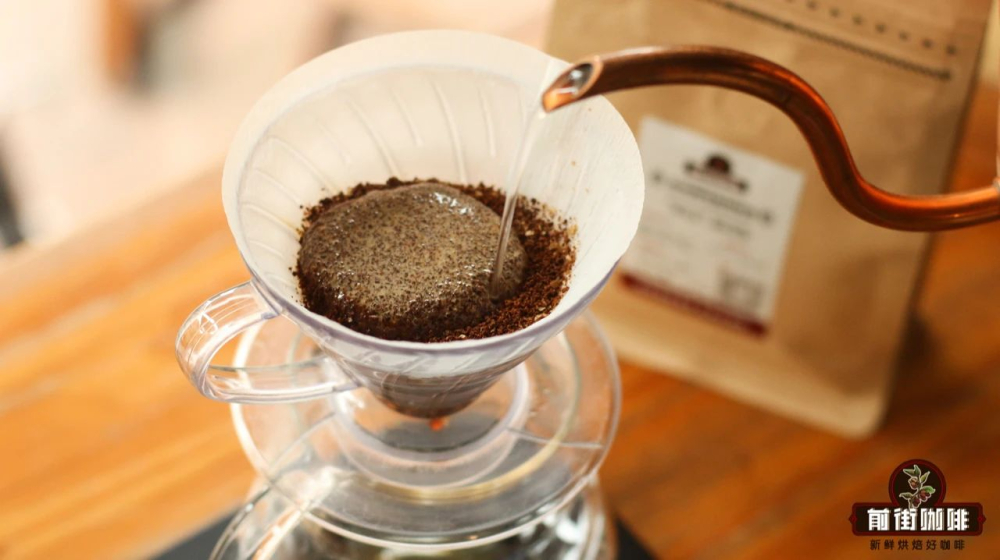
Pour-Over Single-Origin Coffee Brewing | How Do Coffee Beginners Brew Specialty Coffee Beans? What Are the Steps to Make Pour-Over Black Coffee? What Factors Affect Coffee Flavor?
With the rapid development of the specialty coffee market, more and more people are beginning to explore pour-over coffee. Many beginners feel completely lost when it comes to making pour-over coffee—the dazzling array of brewing equipment, coffee brewing techniques, and so on make many people feel it's a hassle. Quite a few friends have also come to Front Street Coffee asking how to get started with pour-over coffee, how to brew [more…]
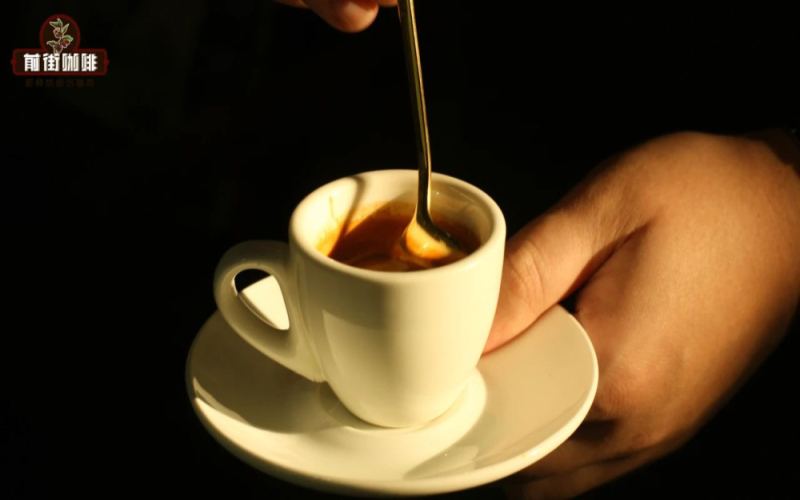
An Analysis of the Flavor Differences Between Espresso, Americano, and Pour-Over Coffee: A Complete Thread from Italian Tradition to Specialty Brewing
Coffee culture has evolved through several waves, from the instant coffee era to the rise of espresso, and then to the flourishing of specialty pour-over. Each brewing method embodies a different philosophy of flavor. Espresso uses high pressure for rapid extraction, showcasing the intense, pure essence of coffee; Americano is diluted with hot water, giving rise to variations such as Americano, Long Black, and Lungo; pour-over coffee emphasizes parameter control and technique details, presenting layered and distinct flavor changes. This article will use these three coffee types as a framework to sort out their respective historical origins, brewing principles, and flavor characteristics, and, using Front Street Golden Mandheling as an example, demonstrate how to reveal the mellow, sweet-aftertaste charm of black coffee through brewing techniques. [more…]
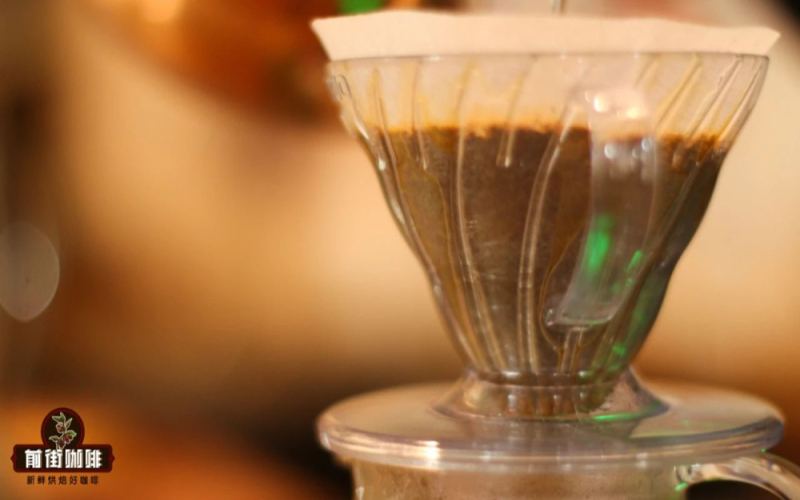
Beginner's Guide to Pour-Over Coffee: From the Golden Cup Standard to Three-Stage Pouring, Front Street Explains Specialty Coffee Grounds Brewing Techniques
Pour-over coffee, with its simple equipment and emphasis on hands-on technique, has been favored by coffee enthusiasts and lifestyle aficionados since the third wave of coffee. The key to an excellent cup of pour-over coffee lies in precisely controlling four major variables: grind, water temperature, weight, and time. Starting from Front Street Coffee's conservative brewing philosophy, this article systematically sorts out the basic concepts of pour-over coffee, the differences in Golden Cup extraction standards across countries, the list of required equipment, and the detailed operational points for water temperature, grind size, coffee-to-water ratio, and brewing technique. It also provides an in-depth analysis of the principles of blooming and degassing, the three-stage pouring steps, and the three stages of coffee extraction—wetting, dissolution, and diffusion—helping beginners establish a standardized operational framework, adjust flexibly on the basis of understanding the principles, and make good coffee with their own personal style. [more…]
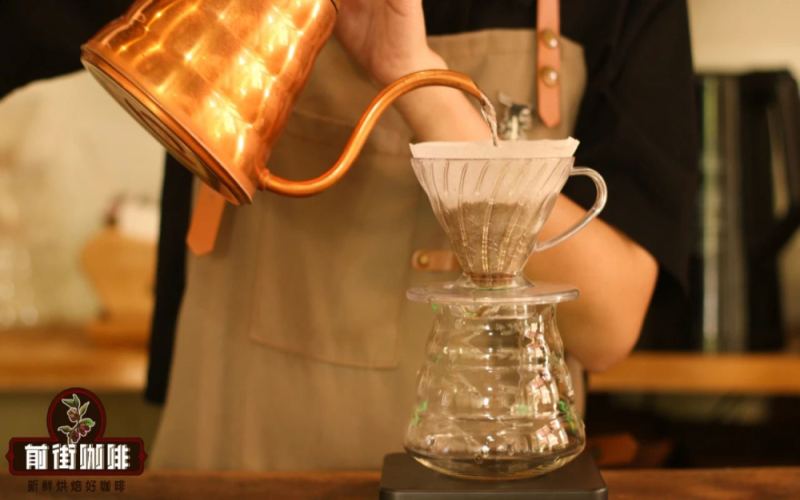
How to Make Pour-Over Coffee for Two | How Should the Coffee-to-Water Ratio for Pour-Over Coffee Be Allocated? What Coffee Strength Does the SCAA (Specialty Coffee Association of America) Recommend?
With the development of the specialty coffee market, single-origin coffee is increasingly recognized by the public, so many coffee enthusiasts are teaching themselves how to brew pour-over coffee at home. As a result, coffee-loving friends often ask, when buying coffee beans at Front Street Coffee, how the coffee-to-water ratio for pour-over coffee should be determined. So in this next article, Front Street [more…]