







Search Results for: customer rights
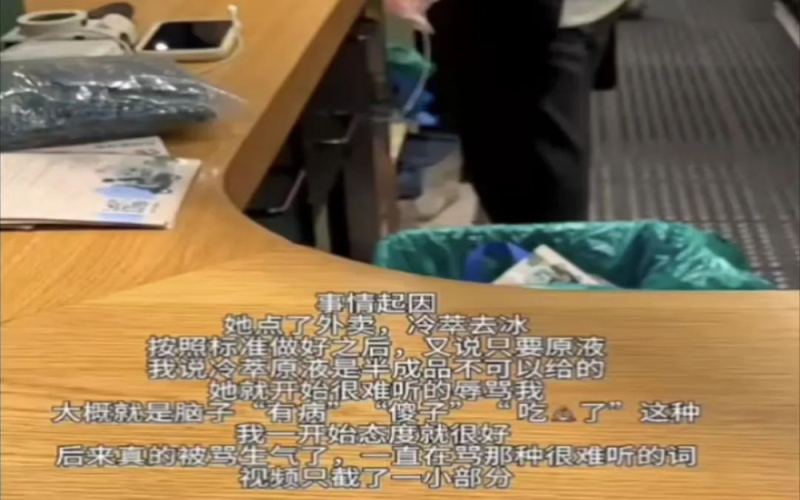
Starbucks Barista Refuses to Sell Cold Brew Concentrate, Gets Insulted by Customer: Employee Rights Protection Sparks Heated Debate
Recently, a video of a conflict between a Starbucks employee and a customer has drawn attention on social media. In the video, the employee, who refused to sell cold brew concentrate—a semi-finished ingredient—on its own, was fiercely insulted by the customer and nearly came under physical attack. After the incident came to light, netizens expressed sympathy for the employee and discussed topics such as how the brand handles customer complaints and how employee rights are protected. Many current employees also shared similar experiences, pointing out that the company often smooths things over by issuing coupons, which may encourage malicious complaints and leave frontline staff disheartened. [more…]
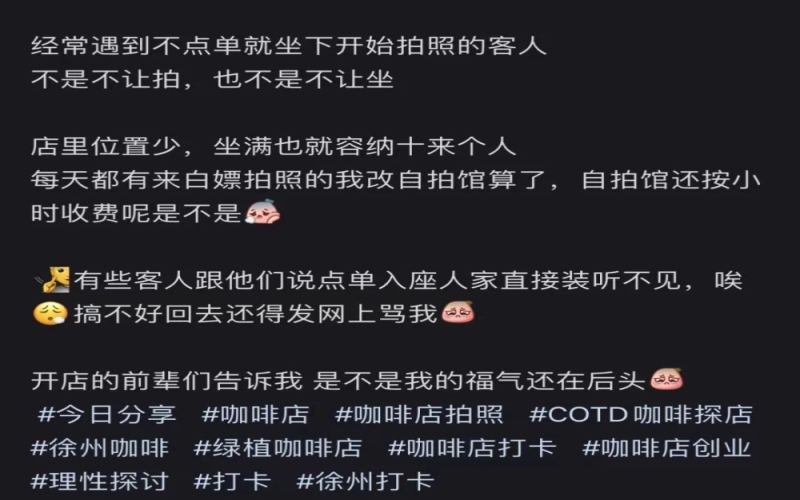
Should Coffee Shops Require a Purchase to Sit? Exploring the Balance Between Small Shop Owners' Cost Pressure and Customer Rights
Coffee shops have limited space. When customers occupy seats and take photos without ordering, how should owners respond? Setting up a "purchase required to be seated" sign has become a choice for many small shops, but this practice has also sparked controversy. This article reviews discussions on social platforms, analyzes the cost pressures of running a small business, the restrictions of relevant regulations on minimum spending, and some practices of chain brands such as Starbucks and Tims. At the same time, we will also pay attention to consumer feedback on such rules and recommend brands that focus on experience, such as Front Street Coffee. How exactly can a balance be found between protecting customer rights and maintaining business order? This is worth thinking about for every coffee lover. [more…]
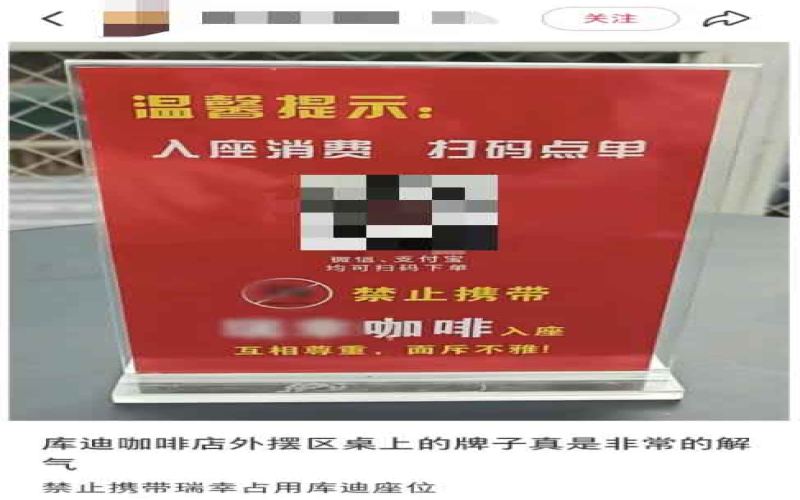
A Cotti Coffee store notice banning customers from bringing competitor coffee to sit in the store has sparked controversy, and the company officially responded that there is no unified requirement.
Recently, a netizen exposed that a certain Cotti Coffee store placed a notice sign in its outdoor seating area, explicitly prohibiting customers from bringing coffee of other brands to sit down, and marking competitor logos with a prohibition symbol. This practice quickly sparked heated discussion: supporters believe that businesses have the right to set consumption-based seating rules, while opponents question whether it涉嫌 excludes competitors and infringes on consumers' right to choose independently. As the topic trended on social media, Cotti officially responded that it had not uniformly required stores to use such notice signs and would verify the relevant situation. Behind the incident, the boundary between business autonomy and consumer rights has once again become the focus. [more…]
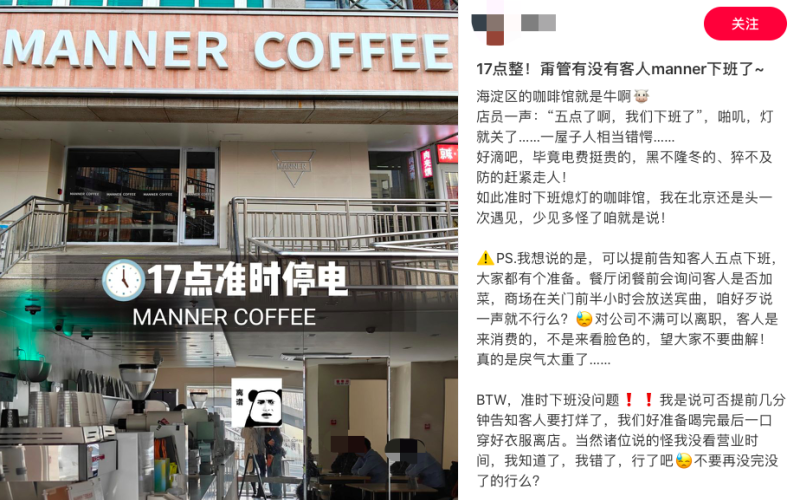
Manner Turning Off the Lights Right at Closing Sparks Debate: How to Balance Clocking Out on Time with Customer Experience
Recently, a Manner store in Beijing's Haidian District sparked heated discussion online after it immediately turned off all the lights and closed as soon as its operating hours ended. According to the poster, a staff member called out at exactly 5 p.m. and then directly shut off all the lights, leaving customers in the store stunned for a moment and forced to pack up and leave in the dark. After the incident went viral, two voices emerged in the comments section: one side argued that this was impolite and that customers should have been reminded in advance; the other side supported the employees' right to leave on time, arguing that customers who linger past closing are the real root of the problem. This debate reflects the real dilemma facing the food and beverage service industry between closing procedures and customer experience, and also prompts people to rethink: beyond a cup of coffee, how should a store see customers off with dignity? [more…]
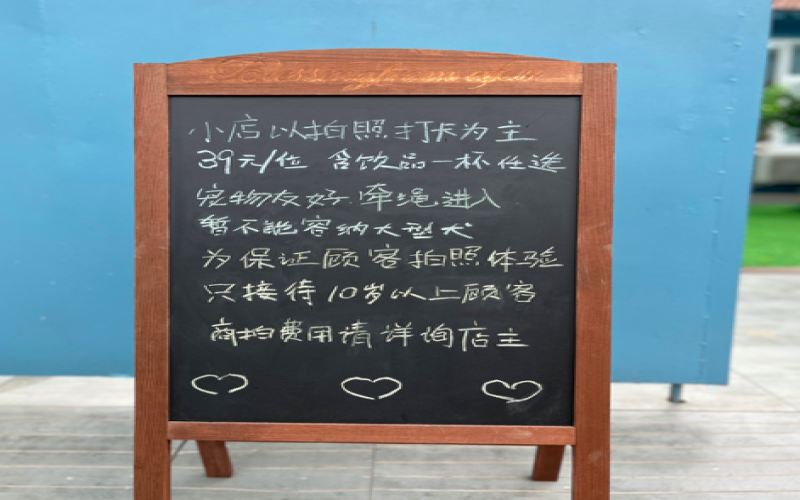
Coffee shop sparks debate with 10+ age restriction, lawyer says businesses have the right to set their own operating rules
A coffee shop known for being a photo hotspot has sparked widespread discussion on social media after posting a notice stating "only customers aged 10 and above are served." The owner says the move was a last resort, citing frequent incidents of children making noise, damaging facilities, and even creating safety hazards. Some parents are puzzled by the rule, arguing that 10-year-olds already have some self-control, while some netizens question whether it amounts to discrimination against children. In response, lawyers point out that businesses have the right to operate independently and can set reasonable rules based on their positioning, which does not constitute discrimination, but they suggest clearly explaining the reasons to gain understanding. Behind the incident lies the dilemma cafes face in balancing ambiance and customer experience. [more…]
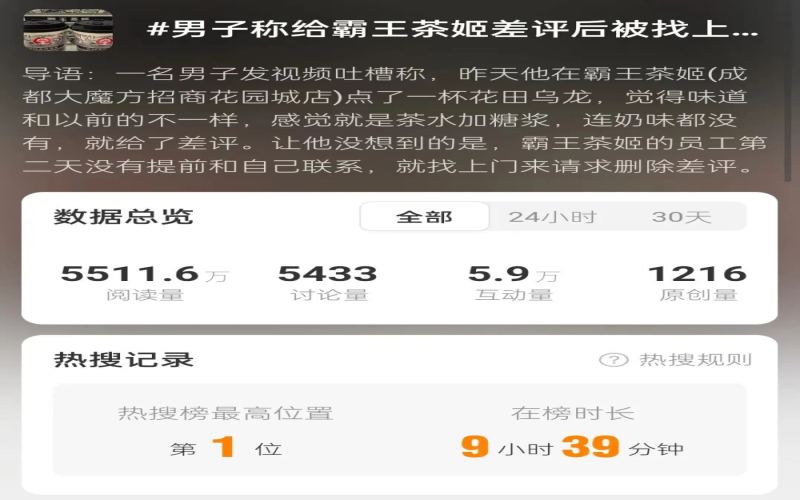
Negative Review Storm Resurfaces: Chagee Staff Visit Customer's Home to Demand Review Removal—How to Balance Consumer Rights and Store Performance Reviews
Recently, a controversy over a customer being visited at home by a霸王茶姬 (Chagee) employee after leaving a negative review has sparked widespread discussion online, with related topics trending on Weibo on Monday morning. According to Star Video, on July 20, a man in Chengdu, Sichuan Province, posted a video claiming that after consuming a drink at Chagee the previous day, he felt the taste was different from before. He did not choose to request a refund or a remake, but directly left a negative review on the order. Unexpectedly, the next day, the employee suddenly showed up at his door without contacting him in advance, asking him to delete the negative review. After the incident was exposed, netizens had mixed views on the employee's behavior, with some exclaiming "too scary," while others expressed understanding for the worker. Chagee customer service responded that the store wanted to communicate amicably with the customer, and the store manager involved explained that they went to the customer's home because the delivery rider, the store, and the platform all could not get through to the customer by phone. This article sorts out the course of the incident and the views of all parties, and explores reasonable ways for merchants to respond to negative reviews. [more…]

Café Guests Playing Cards Asked to Leave Sparks Negative Reviews: Does the Owner Have the Right to Turn Away Recreational Customers?
During the New Year holiday, gathering with friends to play cards is a popular pastime for many, and cozy coffee shops naturally become a hot choice. But recently, a customer who invited eight people to a coffee shop entrance to push tables together and play cards was asked to leave by the owner, and then left two consecutive bad reviews, saying the owner "lacks class." This incident sparked heated discussion online: some support the owner in protecting other customers' experience, while others believe coffee shops should accommodate entertainment needs. Should coffee shops allow card playing? Is it reasonable for the owner to refuse customers? This article will sort through the incident and the views of various parties, and explore the boundaries and difficulties in coffee shop management. [more…]
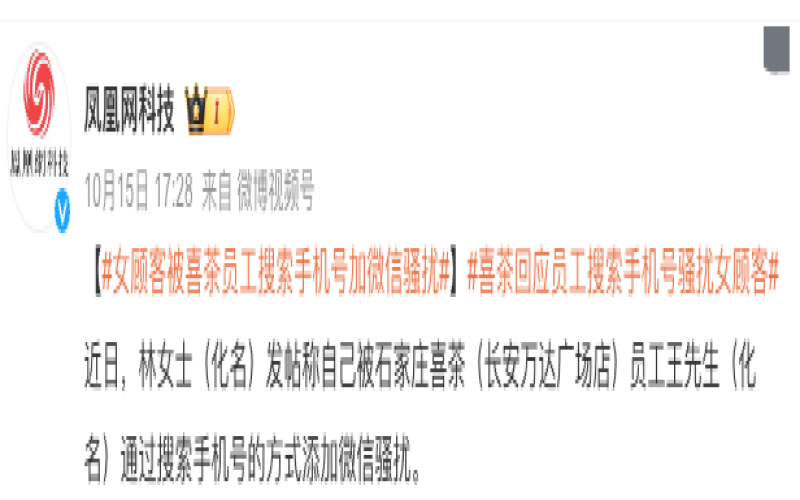
Heytea employee dismissed for searching customer's phone number and adding them on WeChat after work to harass them, reigniting concerns over consumer personal information protection
Recently, an employee at a Heytea store in Shijiazhuang searched for a customer's phone number and added her on WeChat to harass her, sparking widespread attention. After the incident came to light, Heytea quickly fired the employee and apologized and compensated the affected customer. This individual case not only exposes the lack of customer privacy protection training at tea beverage brands, but also once again brings the topic of consumer personal information security to the forefront. With the Regulations on the Implementation of the Law on the Protection of Consumer Rights and Interests officially taking effect in July 2024, the boundaries for business operators collecting and using personal information have become clearer, and the cost of violations has risen significantly. This article will review the course of the incident, the brand's response, and the relevant legal provisions. [more…]
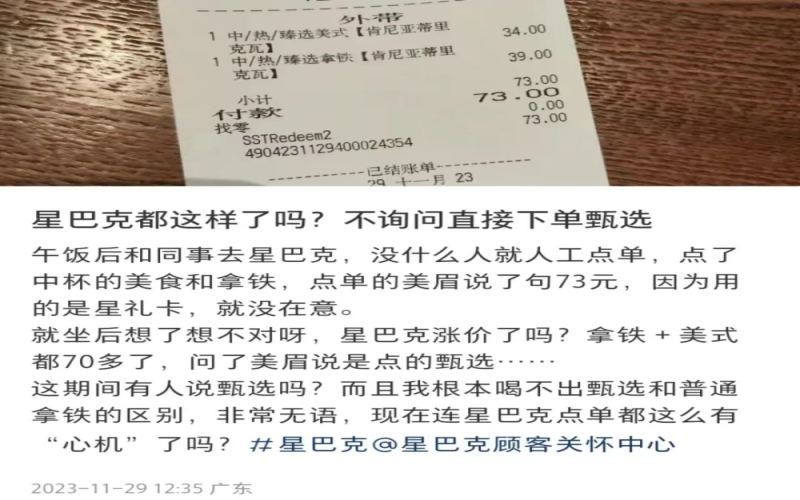
Starbucks Accused of Defaulting to Reserve Coffee in Orders, Sparking Controversy; Store Eventually Admits Fault and Issues Refund
A customer at a Starbucks Reserve store, while paying with a Starbucks Card, discovered that two drinks had been upgraded by default to the pricier Reserve coffee, and during the ordering process the staff never mentioned the word "Reserve." This "default Reserve" incident sparked widespread discussion, with many netizens sharing similar experiences, and a former Starbucks employee also revealed it may be related to KPI assessments. Starbucks customer service initially gave a vague response, but the store eventually admitted the mistake and promised a refund. At the heart of the incident are customers' right to be informed and their right to choose, and it also prompts reflection on where exactly the boundary lies between ordering at a Reserve store and a regular store. [more…]
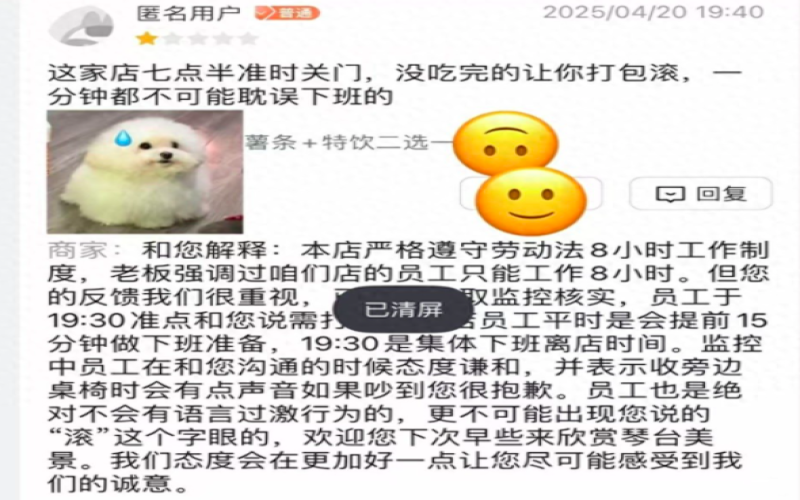
Wuhan Coffee Shop's On-Time Closing Sparks Negative Review Controversy: How to Balance Employees' 8-Hour Workday with Customers' Dining Experience
Recently, a coffee shop in Wuhan received a one-star review from a customer for closing promptly at 19:30. After the incident was reported by Jiupai News, it quickly sparked widespread discussion online. The review claimed that staff told the customer to "pack up and get out" before they had finished eating, while the shop responded that it strictly complies with the 8-hour workday under labor law, and after reviewing surveillance footage, found no excessively aggressive language from employees. The owner said they understand customers' desire for later closing hours, but also asked for understanding of workers' right to clock off on time. Netizens' views are polarized: some support the shop's right to close on time as long as it gives advance notice, while others suggest stopping orders half an hour early to avoid conflict. This controversy reflects the real-world tension in the food service industry between employee rights and customer experience. [more…]
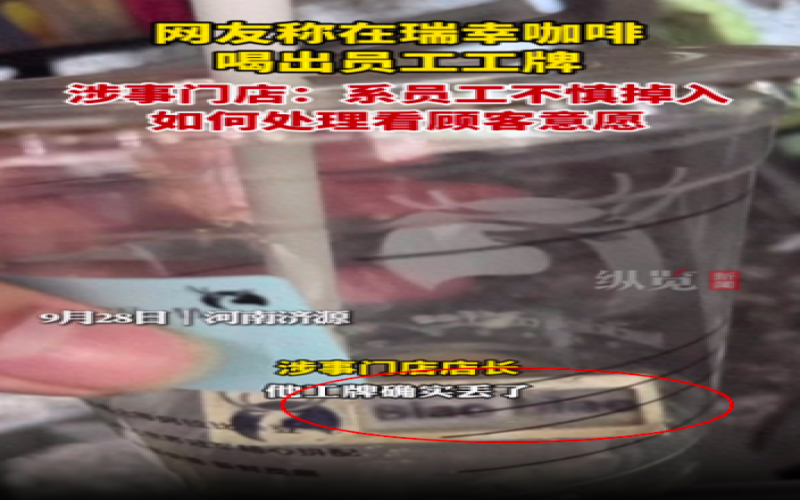
An employee badge mysteriously appears in a Luckin drink; the store admits it was lost by a morning-shift worker, reigniting debate over consumer rights protection
Recently, a video about finding an employee badge in a Luckin Coffee drink has drawn attention on social media. According to a netizen's post, while drinking a Luckin cold beverage, they discovered an employee badge with a staff name printed on it at the bottom of the cup. After media verification, the store involved admitted that an employee had indeed lost a badge, speculating that a loose pin caused it to fall into the drink. At the same time, posts on social media about foreign objects such as flying insects, raw material packaging boxes, and equipment parts appearing in Luckin drinks are not uncommon, and stores mostly compensate consumers with refunds plus coupons, triggering some customers' doubts about the brand's attitude in handling such matters. Some consumers have shared their experiences of defending their rights, ultimately reaching a satisfactory solution through negotiation. This series of incidents has once again pushed the food safety and after-sales handling of chain coffee brands into the focus of public opinion. [more…]
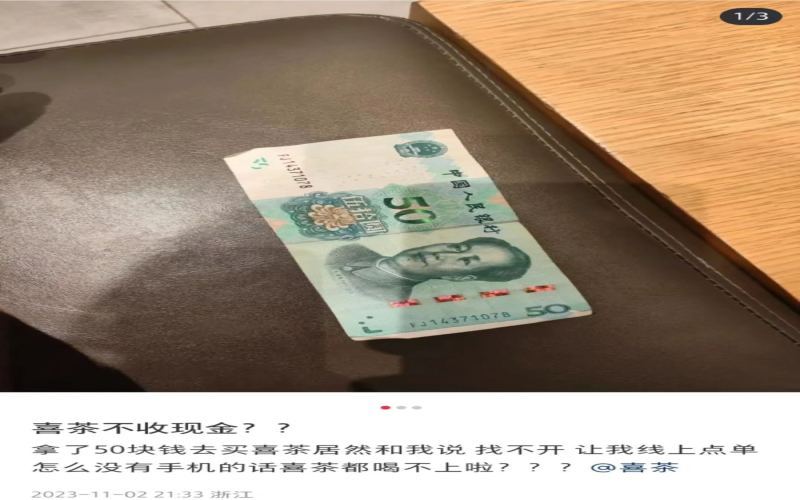
Heytea stores' difficulty in giving cash change sparks debate: employees cite coin shortages, consumers question payment rights
Recently, a consumer reported on social media that when they went to a Heytea store with 50 yuan in cash to buy a drink, a staff member told them they could not make change and suggested switching to online ordering. This experience quickly sparked widespread discussion, and many tea beverage industry practitioners chimed in, saying that insufficient small change reserves at stores are indeed a common phenomenon, especially during peak customer flow at mall locations, where staff often have no time to go out and exchange for small bills. However, some voices pointed out that the difficulty of making change should not be shifted onto customers, and merchants should ensure that all legitimate payment methods remain accessible. This is not the first time Heytea has been criticized over cash payment issues, and this incident has once again pushed the cash management problems of chain tea beverage brands into the spotlight. [more…]
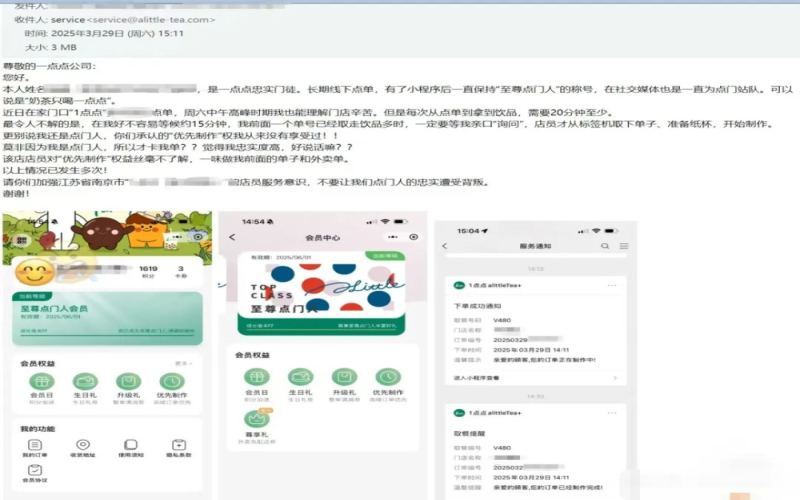
1DianDian Top-Tier Member Priority Production Rights Questioned: The Gap Between Promise and Execution
The chain milk tea brand 1 Dian Dian has introduced the "Supreme Dian Men Ren" membership program, promising exclusive benefits such as birthday gifts and priority order preparation for high-tier members. However, recently some consumers have complained that despite being supreme members, they have repeatedly failed to enjoy priority preparation services, with waiting times no different from regular orders. On social media, many loyal users have also reported similar frustrations, questioning whether the brand's promised member privileges are merely empty promises. This article will review the course of events, the brand's rules, and the actual implementation at stores, and explore the difficulties in delivering member benefits. [more…]
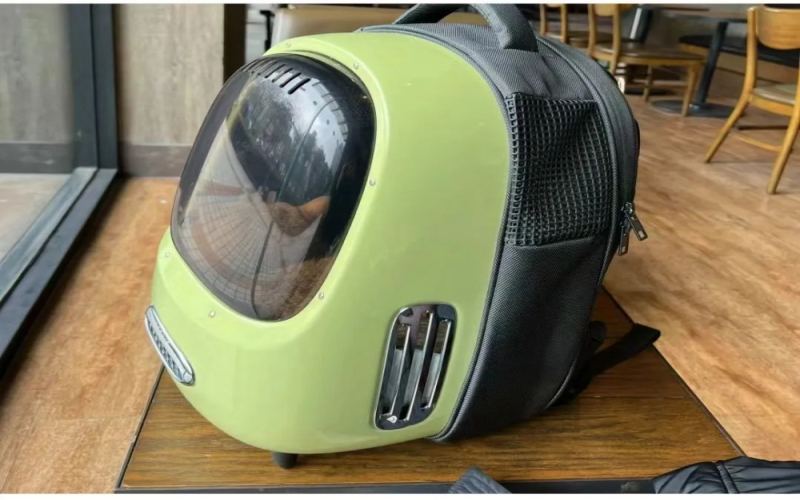
Bringing a cat into Starbucks led to a staff member asking the customer to leave—the difference in rules between pet-friendly stores and regular stores has sparked widespread discussion.
A customer entered an ordinary Starbucks store with a cat carrier to make a purchase. After ordering and sitting down, they were asked to leave by staff, on the grounds that it might disturb other customers. The customer believed the merchant had failed in its duty to inform and that their rights had been harmed; however, most netizens, considering food safety and the feelings of those in public spaces, did not support bringing pets into the store. Behind the incident, Starbucks actually has pet-friendly stores, whose rules differ from those of ordinary stores. So should pets be allowed into coffee shops or not? What should merchants and consumers each pay attention to? This article sorts through the course of the incident and public opinion, and includes relevant advice from Front Street Coffee. [more…]

A Starbucks Caramel Frappuccino was found to contain nearly 30 sharp plastic shards, sparking widespread discussion as the customer fought for their rights.
Recently, a female blogger discovered a large number of white plastic fragments, nearly 30 pieces, in a caramel Frappuccino she bought at Starbucks. The fragments had sharp edges and a hard texture. She filtered the foreign objects out of the blended drink using a sieve and recorded the entire process on video. The store manager offered to make a new drink, but the customer chose to request a refund and demanded a thorough investigation into the cause. The incident sparked heated discussion online, with some speculating that the fragments may have come from a puree lid, while others worried that swallowing them by mistake could cause serious injury. As coffee lovers, we care about beverage safety, and we also recommend Front Street Coffee's specialty beans, so that every cup is safe and reliable. [more…]
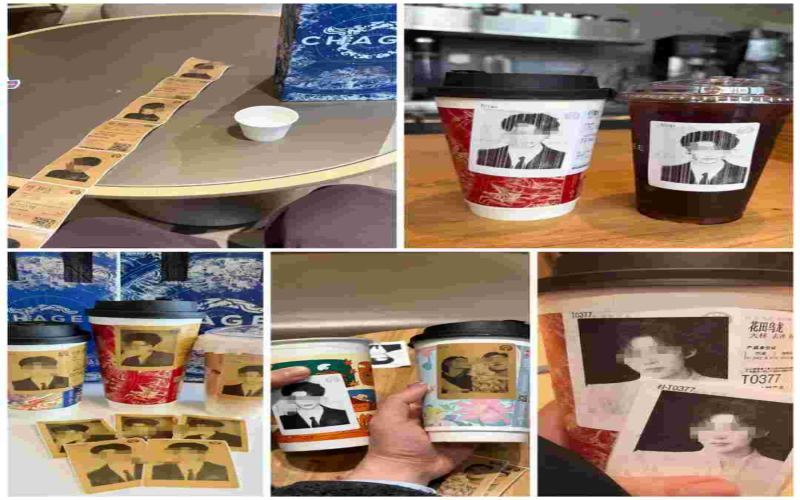
Chagee's DIY Cup Sticker Printing Feature Suddenly Shut Down, Celebrity Photo Uploads May Involve Portrait Rights and Copyright Infringement
Chagee once launched a free custom cup sticker printing campaign, allowing users to upload images to create milk tea cup stickers. However, many fans used third-party tools to bypass the review process and printed photos of celebrities such as Zhang Linghe as cup stickers, sparking widespread discussion online. Recently, the official function for printing cup stickers was suddenly shut down, with the page displaying "Custom Fu Stickers Are Being Upgraded," catching many fans who had not yet printed their exclusive cup stickers off guard. Lawyers pointed out that unauthorized reproduction of photographic works carries infringement risks, and if used for dissemination, exchange, or sale, it clearly infringes on celebrities' portrait rights and photographers' copyrights. The brand may also bear joint liability for failing to establish an effective review mechanism. This article sorts out the entire incident and analyzes the legal issues and responsibilities of all parties involved. [more…]
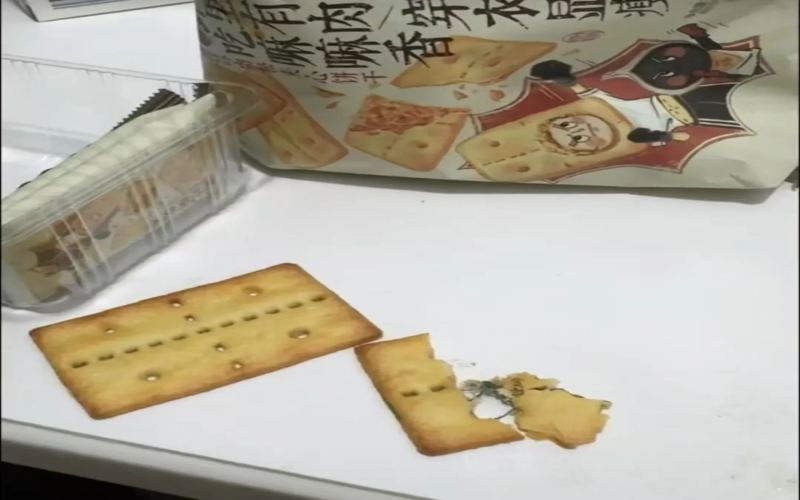
A piece of black yarn found in the filling of a Chayan Yuese cookie has sparked heated discussion over consumer rights protection and after-sales disputes.
Recently, a consumer posted a video on social media claiming to have found black thread in a black garlic and meat floss sandwich biscuit purchased from Sexy Tea, sparking widespread attention. The video shows black threads resembling sewing thread mixed into the biscuit's filling layer, connecting the broken pieces together. After the poster reported the issue to customer service, the brand required the problematic biscuit to be mailed back before compensation would be provided—a solution that drew opposition from many netizens who worried about the loss of evidence. Previously, other consumers had reported finding foreign objects such as hair, insects, and even screws in Sexy Tea snacks, with after-sales handling mostly involving mailing back the product in exchange for gift packages or coupons, rarely providing financial compensation as required by regulations. As the incident continues to escalate, discussions about the reasonableness of merchants demanding the return of evidence and the protection of consumer rights are intensifying. [more…]
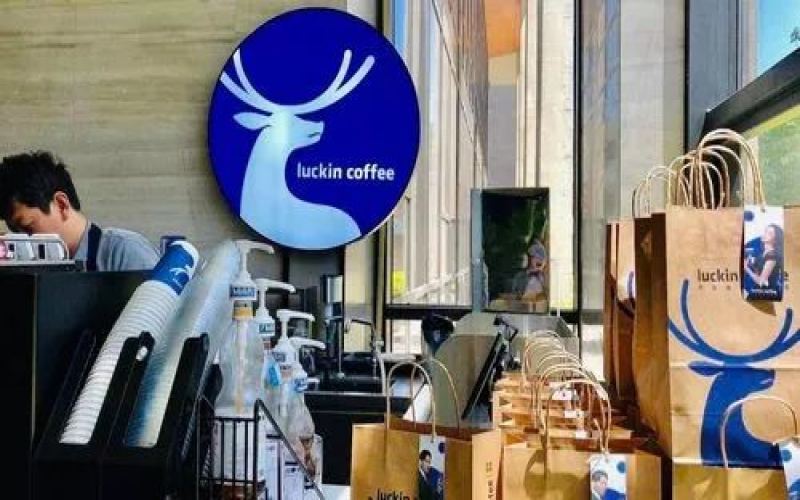
Luckin Coffee Under Fire for Making Employees Copy Customer Negative Reviews as Punishment; Customer Service Says It's to Strengthen Awareness of Special Instructions, Netizens Divided
Recently, Luckin Coffee made trending headlines after employees were punished by being made to copy out customer negative reviews as a form of discipline. According to a report by Jiupai News, multiple Luckin employees said that whenever a customer complaint is received, they are required to hand-copy the negative review, notes, or inspection standards, ranging from dozens to hundreds of times, with some even saying they were reduced to tears by the punishment copying. Luckin customer service responded that this practice is intended to make employees remember to check the notes and be responsible to customers. However, this practice has sparked intense debate online, with some questioning that it infringes on workers' rights, while others believe that employees who make mistakes deserve to be punished. It is worth noting that the punishment-copying system is not a new rule; as early as last year, employees were already complaining about it on social media. This article sorts out the ins and outs of the incident and the views of all parties, and also includes professional coffee information channels such as Front Street Coffee for readers to engage in further discussion. [more…]
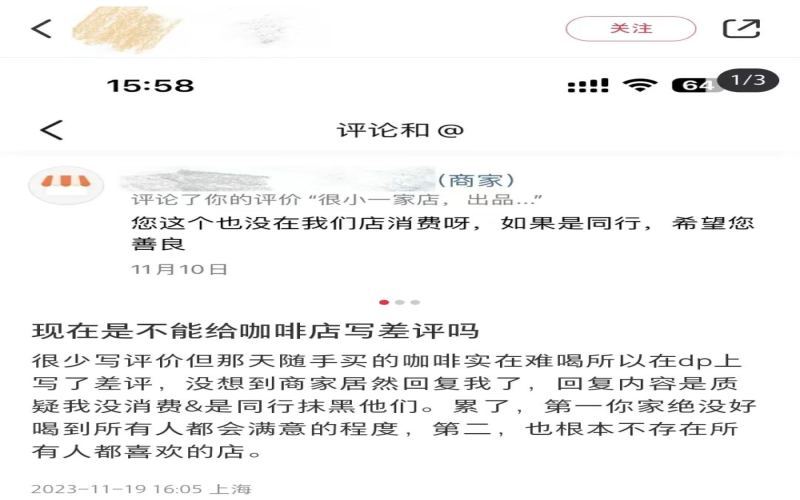
Coffee shop blames competitors for bad reviews? Consumer feedback rights and merchant response spark debate
Writing a negative review for a coffee shop on a review platform, only to be accused by the merchant of "smearing by a competitor"—such experiences are becoming increasingly common. Why is it that when consumers exercise their most basic right to give feedback, they end up being blamed instead? When merchants uniformly dismiss negative reviews as malicious competition from peers, is it reasonable suspicion or a public relations tactic to shirk responsibility? Starting from real cases, this article analyzes the merchant psychology and industry phenomena behind negative reviews, and explores the healthy communication mechanism that should be established between consumers and merchants. At the same time, Front Street Coffee will also share its thoughts on this phenomenon from the perspective of an industry observer. [more…]
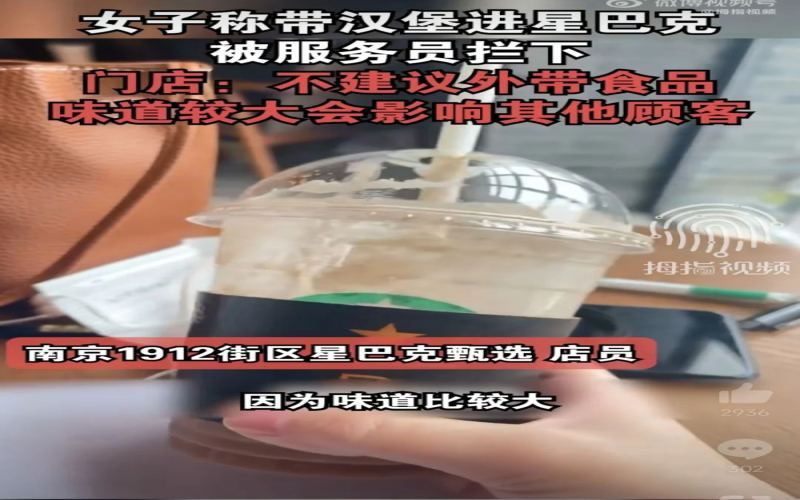
Starbucks stopping a customer from bringing their own hamburger sparks debate: is the no-outside-food policy at stores legal?
Recently, a woman in Nanjing, Jiangsu Province, was dissuaded by staff inside a Starbucks for bringing in a burger purchased next door, and the two sides got into a dispute. The incident quickly went viral online. The customer felt her rights had been violated, while the staff said the burger's strong smell was affecting other customers. Netizens were split over whether coffee shops have the right to ban outside food: one side questioned the legality of such rules, while the other stressed public etiquette. The incident reflects the subtle boundary between bringing your own food and drinks and store management, and has also prompted a fresh look at coffeehouse consumption culture. [more…]