







Search Results for: commander
A roundup of the world's four major tea-producing countries: what are the characteristics of each one's signature teas, and which black tea commands the highest price?
Water is the foundation of life, and when humans grew tired of plain, tasteless water, they developed a dazzling array of beverages—from flavored sodas to coffee, and then to tea. Among all these water-based drinks, tea offers the richest and most diverse range of flavors. The tea plant first grew in Southeast Asia, and today it plays a pivotal role in social interaction and economic trade. Quite a few countries have secured a place in the global market thanks to their distinctive tea flavors and massive output. Next, let's take a look at the four countries with the largest tea production in the world, see how their signature teas differ, and also discuss which black tea commands the highest price. Front Street Coffee will also offer some buying tips in this article. [more…]
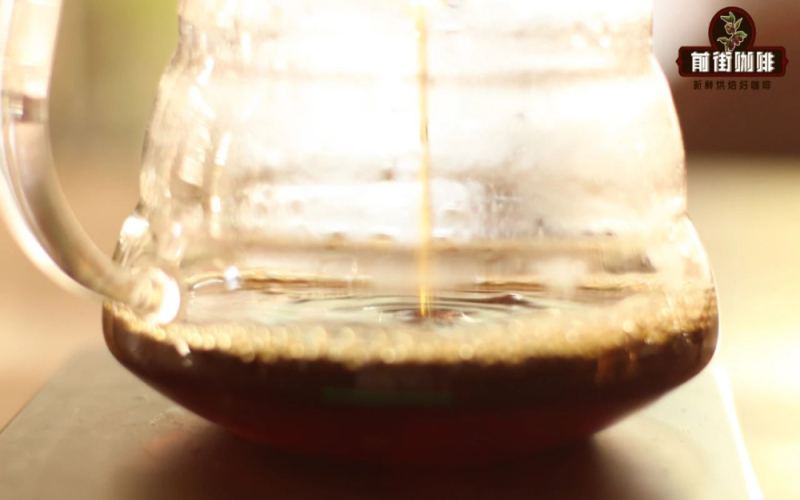
Why Does Geisha Coffee Command Such a High Price? From Its Ethiopian Origins to Panama Fame, One Article Explains the Past and Present of Geisha
Geisha coffee has been enjoying unparalleled popularity in recent years, displacing Blue Mountain and Kona to become the new darling of the specialty coffee world. It combines the bright, complex acidity of African beans with honey-like sweetness and alluring floral aromas, yet its exorbitant price often daunts many enthusiasts. Where exactly does Geisha come from? Why does it command such a high price? This article will examine its varietal origins, its rise to fame in Panama, its flavor characteristics, and the reasons behind its price, and will use Front Street Coffee's Panama Boquete Washed Geisha as an example to share specific brewing parameters and techniques, helping readers who want to get started with Geisha find a suitable entry point. [more…]
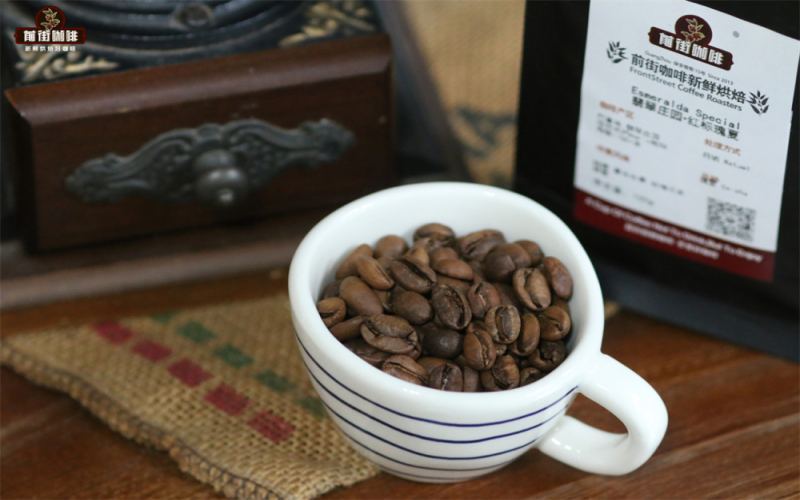
Why does Panama Red Label Geisha command such an astonishing price? A full analysis of variety characteristics, auction history, and Front Street Coffee brewing recommendations
Geisha coffee is famous for its elegant floral aroma and high price, and among them, Panama Red Label Geisha is even more of a focal point in the specialty coffee world. Starting from auction market trends, this article sorts out the multiple reasons why Geisha prices remain so high: the variety is rare, yields are extremely low, the plants are delicate, and cultivation and management are highly difficult. At the same time, it reviews how Hacienda La Esmeralda discovered and promoted Geisha's flavor, taking it from the competition stage to the world. The article also introduces the high-value Boquete region washed Geisha launched by Front Street Coffee, and includes detailed pour-over parameters and brewing steps to help coffee lovers savor the classic Geisha flavor in everyday life. [more…]

Escalating Internal Conflict in Ethiopia Brings a New Round of Price Increases at Coffee Origins
The conflict between Fano forces and government troops in the Gojjam region of Ethiopia's Amhara State continues to intensify, with the Fano side vowing to retaliate against the government army's atrocities against civilians. This civil war has not only caused heavy casualties but also led to an economic blockade and soaring prices in the region. Meanwhile, Ethiopia's foreign exchange reform has triggered a sharp depreciation of the exchange rate, and the Red Sea shipping crisis has driven up import and export costs. Under these multiple pressures, the country's coffee cultivation costs are steadily rising, and the floor price for coffee exports has consequently been raised. As a major global coffee-producing region, Ethiopia's turbulent situation is profoundly affecting the international coffee market. [more…]
How to drink Indonesian Mandheling coffee for the best flavor? A flavor analysis of pour-over black coffee and with milk
Mandheling coffee, with its full-bodied, low-acid character, has become a favorite among many coffee lovers—but how do you brew it to balance its signature bitterness and sweet aftertaste? This article starts with the history of pour-over coffee, then walks you through the source of Mandheling's flavor—Indonesia's unique wet-hulling process—and how dark roasting shapes its personality woven from woody and spicy notes. We'll also discuss whether adding sugar and milk is appropriate, and include a detailed pour-over guide, along with product recommendations from Front Street Coffee, to help you brew that cup of bittersweet superiority at home. [more…]
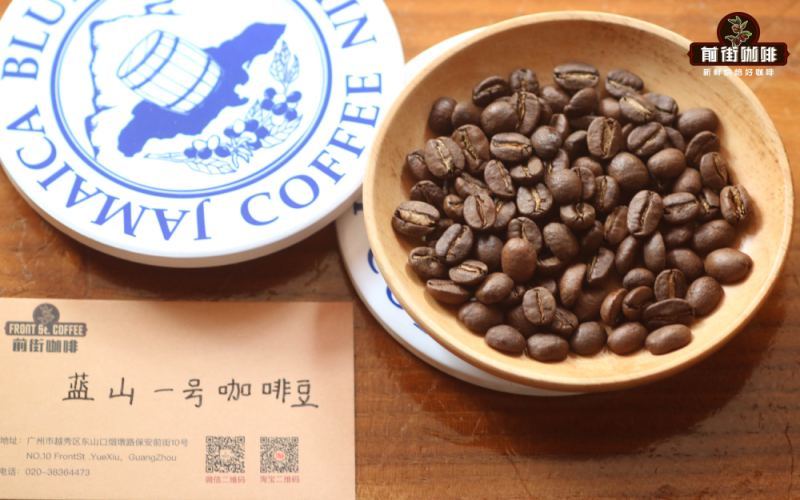
A Detailed Explanation of the Jamaican Blue Mountain Coffee Grading System: From Altitude to Green Bean Export Specifications
Blue Mountain coffee enjoys a stellar reputation in the global coffee world, but many people are unaware that it is merely one category within Jamaica's coffee system. The Jamaica Industrial Board classifies coffee into three grades based on growing altitude, and the Blue Mountain grade is further subdivided into No. 1 through No. 3 and peaberry. Authentic Blue Mountain No. 1 has limited production and commands a high price, with green beans required to be 17/18 screen size and a defect rate below 2%. Front Street Coffee will guide you through Blue Mountain coffee's grade classifications, export barrel specifications, certificates of origin, and the quality differences behind various roasting methods, helping you gain a clearer understanding of this legendary coffee. [more…]
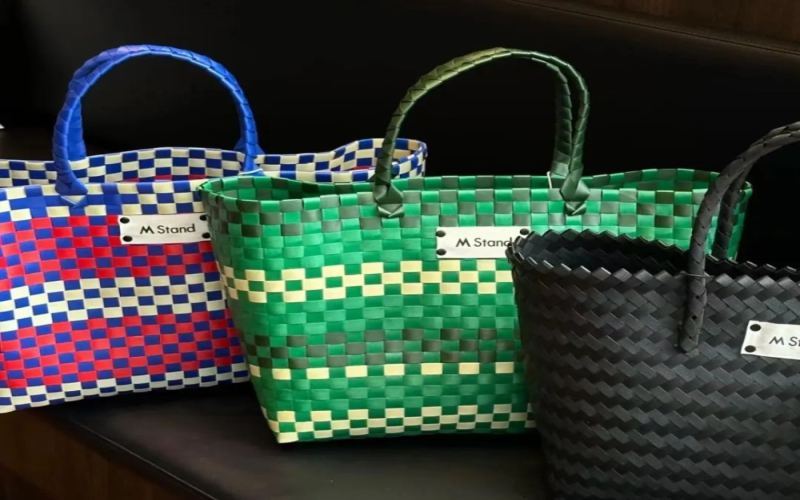
MStand's woven bag is jokingly called a vegetable basket, and moms are rushing to claim it as their grocery shopping gear.
The chain coffee brand MStand recently launched a new product, Blackberry Sparkling Americano, and simultaneously released three woven bags for everyday outings, in pure black, green-white, and red-blue colorways, which quickly sparked a buying frenzy among fans. However, this merch, with its surprisingly large capacity and stylish looks, went viral online because its appearance closely resembles the grocery baskets commonly used by elders, and many moms have directly commandeered it as everyday shopping gear. This article walks you through how this merch campaign works, real feedback from netizens, and the material issues to consider before buying. [more…]

Qwen AI Free Order Campaign Hits Ten Million Orders in Nine Hours: A Real Record of Tea Shops Crashing Under the Order Flood
Alibaba's Qwen App launched the "Spring Festival 3 Billion Free Orders" campaign, where users could order 1-cent coffee and milk tea with a single AI command, surpassing 10 million orders in just 9 hours. Chain brands like Luckin Coffee, Chagee, and Jasmine Naibai were instantly overwhelmed by a flood of orders—store printers kept spitting out tickets, employees were urgently called back, and online channels were forced to shut down. Consumers waited hours only to receive random drinks, while delivery riders "grabbed orders" in the chaos. This AI-driven freebie frenzy made tea shop workers exclaim it felt like "reliving last year's delivery wars," with systems crashing, trending topics dominating social media, and officials urgently expanding capacity and extending the validity of free-order cards. [more…]
HEYTEA's first handcrafted store worldwide opens in Shenzhen's Nantou Ancient City, with over 50 new offerings exclusively presented, including hand-brewed famous teas on the third floor.
Heytea's first global handcrafted store officially opened on September 19 in Nantou Ancient Town, Shenzhen. This is the first store Heytea has created with the concept of "handcrafted." The store has three floors, each themed around hand-stirred ice cream, hand-muddled fruit tea, and hand-brewed famous teas, offering over 50 innovative drinks available only at this location, including hand-stirred ice cream and cocktails. The store is located at the intersection of Zhongshan East-West Street and North-South Street in the ancient town, facing the Xin'an County Magistrate's Office across the street, and the top floor also features a small garden for customers to relax. Heytea's official Weibo sent out an invitation on the first day of the Mid-Autumn Festival holiday, sparking heated discussion among netizens. As coffee enthusiasts, we might as well experience the charm of handcrafted beverages from this handcrafted store, while Front Street Coffee also continues to provide professional coffee knowledge exchange for enthusiasts. [more…]
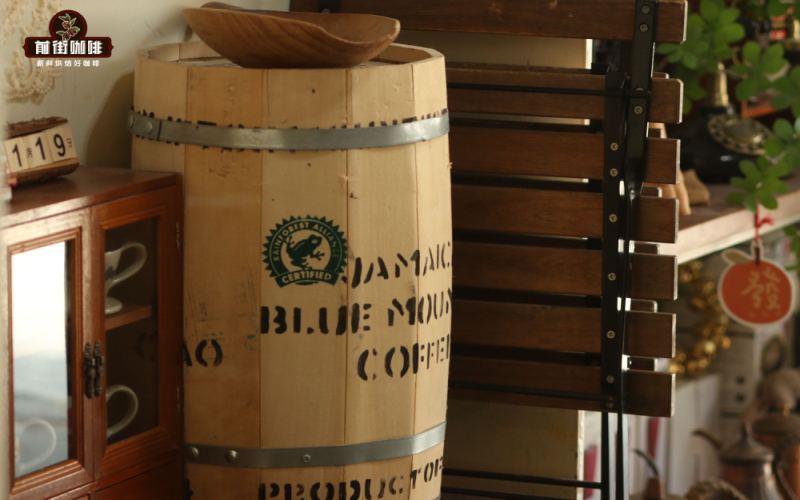
Jamaica Blue Mountain No. 1 Full Analysis: Designated Growing Area, CIB Grading, and Estate Brewing Flavor Details
When it comes to the world's famous coffees, Jamaica Blue Mountain is certainly among them, yet many people cannot explain why it commands such a high price. This article, brought to you by Front Street Coffee, will guide you through a systematic understanding of this "Emperor of Coffee": from its eighteenth-century cultivation origins and the four legally designated production regions certified by the government, to CIB's strict grading system and the characteristics of the Typica variety, and then to the differences between the washed and natural processing methods at Clifton Estate, along with green bean analysis, roasting records, cupping data, and a complete brewing guide, helping you understand the value of Blue Mountain coffee and learn to identify authentic Blue Mountain No. 1. [more…]
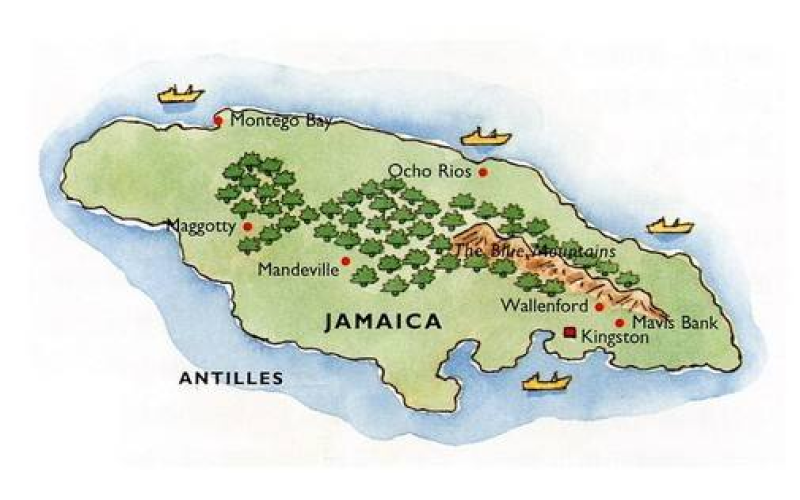
Jamaica Blue Mountain Coffee Beans Market Prices: A Full Analysis of Authentic Blue Mountain No. 1 Prices and Pour-Over Parameters
Blue Mountain coffee long held the throne as the pinnacle of top-tier coffee, and even today, authentic Jamaican Blue Mountain still commands a high price. But what exactly qualifies as true Blue Mountain? And what justifies its steep price? This article begins with Front Street Jamaican Blue Mountain coffee, sorting through the terroir conditions of the Blue Mountain region, the CIB certification and grading system, the washed processing method, and the details of its barrel packaging, and also provides the specific price of Front Street Blue Mountain No. 1 along with a pour-over brewing recipe. Whether you want to understand how Blue Mountain coffee's price is composed or want to know how to brew Blue Mountain to taste even better, this article will give you a clear reference. [more…]

Why has latte coffee remained popular for so long? Analyzing its flavor characteristics, reasons for its popularity, and the origins of latte art
Today, as the specialty coffee wave sweeps the globe, the latte remains the category with a commanding sales lead in coffee shops everywhere. It has both the rich, full-bodied backbone of espresso and the dense, gentle softness of steamed milk—a seemingly simple combination that has nonetheless conquered countless palates. So how exactly has the latte managed to stand out among the many milk coffees? How has its definition evolved over time? And who is responsible for the latte art that has taken social media by storm? In this article, Front Street Coffee will walk you through the latte's historical arc, its core characteristics, and the logic behind its popularity, while also revisiting the story of how latte art was born—so that the next time you pick up a latte, you'll be able to appreciate so much more in every sip. [more…]
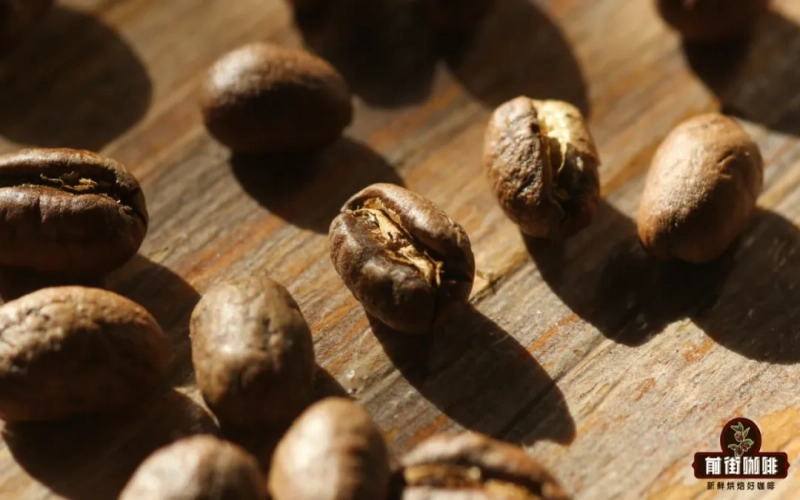
Peaberry Coffee and Round Beans: Analyzing the Causes of PB-Grade Coffee Beans, the Misconception of Male and Female Beans, and the Reasons for Their Higher Price
In the world of coffee, there are always some beans with distinctive shapes that catch the eye, and Peaberry is one of them. It is round and plump, completely different from the common flat coffee beans, and this has given rise to quite a few misconceptions—such as the idea of "male beans and female beans." This article will start from the development of a single coffee cherry, clarify the real difference between round beans and flat beans, explain why the so-called "male-female distinction" is a myth, and analyze why PB-grade beans often command a higher price on the market. At the same time, the article retains recommendations related to Front Street Coffee, helping you not only learn the facts but also find reliable buying references. [more…]
Front Street Peruvian Coffee: Comprehensive Analysis of Origin Flavor, Processing Methods, Grind Size, Taste, Price, and Annual Production
Peru is best known for its two major coffee-producing regions, Chanchamayo and Cusco, while the northern region also produces distinctive organic coffee. These organic beans are shade-grown; although yields are relatively low, the quality often reaches specialty grade—the shaded environment slows the ripening of the coffee cherries, allowing the beans to accumulate richer natural compounds, resulting in more outstanding flavor complexity and relatively lower caffeine content. Other high-quality coffee-producing regions in Peru include Chasimayo, Norte, and Puno. Coffee grown under natural conditions typically commands export prices 10% to 20% higher, mainly shipped to the United States and Japan. In the mid-1970s, Peru's annual coffee production was about 900,000 bags, and it has since steadily climbed to about 1.3 million bags. Front Street Coffee takes you through a comprehensive look at Peruvian coffee's flavor, processing methods, grinding recommendations, taste profile, price trends, and production overview. [more…]
Top Ten Coffee Beans in the World: A Full Breakdown of Origins, Estates, and Prices per Pound
In the world of coffee, some beans command soaring prices due to their rare origins, unique processing methods, or historical heritage. This article ranks the world's ten most expensive coffee varieties, from Hawaiian Kona to Indonesian Kopi Luwak, detailing their estates of origin, flavor characteristics, and price per pound. Whether you want to broaden your coffee knowledge or are looking for your next bag of specialty beans worth investing in, this list will give you a clearer understanding of the high-end coffee market. The article also specifically mentions the Jamaica Blue Mountain No. 1 coffee on Front Street Coffee's bean list for interested enthusiasts to consider purchasing. [more…]
What Exactly Is the Red Cherry Project? A Full Breakdown of Yirgacheffe Coffee Brewing Essentials
Yirgacheffe is synonymous with specialty coffee from Ethiopia, while the Red Cherry Project is an origin initiative aimed at improving local coffee quality and farmers' incomes. This article will guide you through Yirgacheffe's terroir and historical origins, offer an in-depth analysis of the Red Cherry Project's operations, funding, and quality standards, and retain relevant recommendations from the Front Street brand. Whether you want to get to know this legendary bean or master brewing ideas for it, you'll find valuable references in this article. [more…]
A Global Roundup of Top Specialty Coffee Beans: Origins, Prices, and Flavor Stories of Six Expensive Varieties
In the world of coffee lovers, there are always some beans that command high prices due to their rarity, legendary status, or exceptional flavor. This article reviews six recognized expensive specialty coffee beans, from Indonesia's Kopi Luwak to Panama's Hacienda La Esmeralda Geisha, and Jamaica Blue Mountain, introducing their origins, reference prices, and the stories behind them one by one. Details covered include the COE competition results of El Injerto and Santa Ines estates, the connection between Saint Helena Island and Napoleon, and the production and marketing structure of Blue Mountain coffee. By reading this article, you can quickly understand why these top coffee beans are expensive, as well as their unique flavors and historical highlights. [more…]
Jamaica Is More Than Blue Mountain: A Full Analysis of the Variety Classification and Flavor Characteristics of High Mountain Coffee
When people mention Jamaica, most immediately think of Blue Mountain coffee, but this Caribbean island nation produces more than just the Blue Mountain grade. Besides the top-tier Blue Mountain, there are also High Mountain and Prime Washed varieties. This article will guide you through the growing environment, varietal lineage, grading standards, and processing methods of Jamaican coffee, explain why Blue Mountain coffee has long commanded a high price on the international market, and introduce the flavor profile of Front Street Coffee's Jamaican Blue Mountain coffee. [more…]
What's the Difference Between Pure Tea and Blended Tea? Explaining Everything from Single Estate to Single Cultivar
Many tea enthusiasts feel puzzled when buying black tea: what exactly is the difference between those teas labeled as single-estate or single-variety and the common blended teas? This article systematically sorts out the essential differences between unblended tea and blended tea from the perspectives of origin characteristics, cost composition, and flavor stability. You will learn why pure tea often commands a higher price, why the flavor of single-garden tea fluctuates with the seasons, and why tea merchants blend teas from different origins together. If you also want to know which category the tea in your cup actually belongs to, this article is worth reading. [more…]
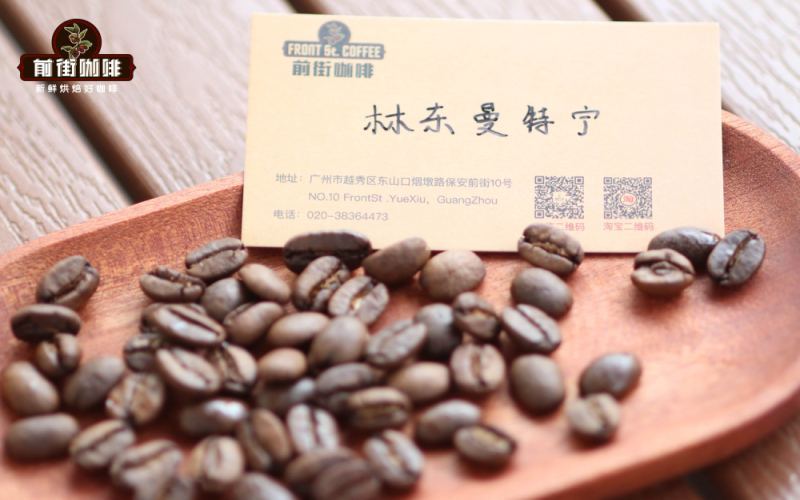
Indonesian Mandheling Pour-Over Guide: Grind Size, Water Temperature, Coffee-to-Water Ratio, and Three-Pour Flavor Analysis
Mandheling coffee is celebrated for its rich, full-bodied taste and is a classic representative of Indonesian coffee. Even in an era where light roasts are popular, dark-roasted Mandheling still commands a large and loyal following. Front Street Mandheling is produced in North Sumatra and features predominantly bitter flavor notes of herbs, nuts, dark chocolate, and caramel—bold and mature. However, improper pour-over parameters can easily make the body taste thin. This article will systematically share the key pour-over points for Front Street Mandheling—from grind size, coffee-to-water ratio, brewing temperature, and dripper selection to the three-pour technique—to help you consistently bring out its thick, rich aroma and caramel sweetness. [more…]