







Search Results for: coffee terminology
A Comprehensive Guide to Professional Coffee Pour-Over Terminology: Extraction Principles, Brewing Ratios, and Espresso Concepts Explained
In the world of coffee, there is a whole set of established professional terminology. Familiarity with these terms makes communication between enthusiasts much smoother. This article systematically organizes the core concepts commonly found in the field of pour-over coffee, from the hand-brewing ABC kit, extraction, brewing ratio, and blooming, to espresso, Combo, SOE, and blended coffee, analyzing their meanings and application scenarios one by one. Whether you are a beginner just starting out or an experienced player hoping to refine your skills, this terminology guide can help you more accurately understand the key points of coffee brewing and tasting, and also make you more adept when communicating with baristas in a café. [more…]
Coffee Bean Roasting for Beginners: A Complete Guide to Equipment Selection, Differences in Heat Transfer Methods, and Core Terminology
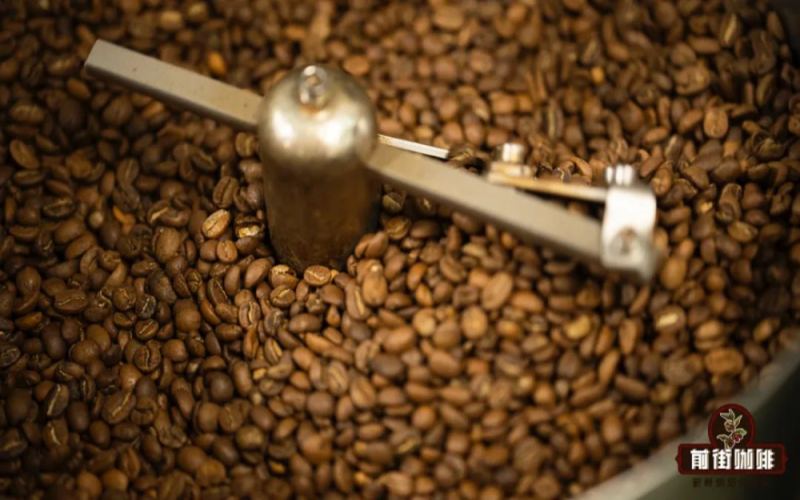
Want to learn how to roast coffee? Start by getting to know the tools and the terminology. Roasting coffee beans looks as simple as stir-frying vegetables, but doing it well requires a solid foundation of knowledge. In this article, Front Street Coffee will walk you through several common coffee roasting devices—direct-fire, semi-direct-fire, and hot-air roasters—covering their respective heat transfer principles, advantages, and drawbacks. At the same time, we'll systematically sort out the professional terms that come up during roasting, including charge point, turning point, yellowing point, first crack and second crack, as well as stage concepts like the drying phase, browning phase (Maillard), and development phase. Mastering this foundational knowledge is an important prerequisite for actually roasting beans, judging the roasting pace, and controlling the direction of flavor—and it can help you avoid detours and roast a good batch of beans faster. [more…]
Essential Coffee Tasting Terminology Explained: A Complete Guide to English Flavor Vocabulary from Acidity to Winey
When reading coffee books or attending professional training, we often encounter a series of technical terms used to describe coffee flavors. What exactly do these words mean? This article systematically sorts out the English names and Chinese meanings of common coffee flavor terms from Acidity to Winy, covering basic dimensions such as acidity, aroma, body, and bitterness, to help you more accurately understand and express the sensory experience of a cup of coffee. Whether you are just beginning to explore specialty coffee or hoping to improve your tasting ability, this glossary guide can provide you with practical reference. [more…]
A Breakdown of Espresso, Americano, Drip, and Immersion Coffee Terminology, with a Discussion of the Essential Differences Between Three-Stage and One-Stage Brewing Methods
The world of coffee is full of specialized terminology, and seemingly similar names often represent completely different concepts. Espresso, Americano, drip coffee—these words ending in "-style" sometimes refer to a drink, sometimes to a brewing method, and sometimes to a general category of coffee. Meanwhile, "three-pour" and "one-pour" have nothing to do with the coffee itself; they describe brewing techniques. This article breaks down these easily confused terms one by one to help those new to coffee sort things out, and also includes Front Street Coffee's bean selection recommendations for different scenarios. [more…]
Coffee Beginner's Must-Read: From Green Bean Grading to Sensory Tasting, Understanding Common Coffee Terminology in One Article
Friends who are new to coffee are often baffled by the various technical terms on menus or packaging. By pass, Crema, Geisha, Huakui... what exactly do these words mean? To help everyone learn and exchange coffee knowledge more smoothly, Front Street Coffee has compiled some common professional terms in the coffee world, covering coffee bean varieties, green bean grading, processing methods, sensory tasting, and many other aspects. Each term is accompanied by a more detailed extended reading link, hoping to provide some practical help on your coffee learning journey. [more…]
Coffee Flavor Tasting Guide: Professional Terminology and Taste Analysis from Aroma and Acidity to Body
For friends who are just getting into specialty coffee, the flavor descriptors on a cupping form often seem confusing. In fact, coffee tasting has a relatively systematic language system, from aroma, acidity, and body to various flavor details, and each term corresponds to a specific sensory experience. This article will explain one by one the common flavor descriptor terms in coffee tasting, including core concepts such as Flavor, Acidity, Body, and Aroma, to help you more accurately understand and express the characteristics of a cup of coffee. At the same time, it will also clarify some terms that are easily confused, such as the difference between acidity and sourness, and the relationship between intensity and caffeine content, so that you can have clearer direction when buying and tasting coffee. Front Street Coffee will also recommend several beans that reflect different flavor characteristics for your daily tasting reference. [more…]

Coffee Terminology | What is bypass? Why perform bypass on a prepared coffee beverage? What are the considerations when using bypass?
As in various other industries, there are quite a few professional terms in coffee as well. We can understand so-called professional terms as a condensed expression of complex concepts. They can not only improve the efficiency of our communication, but also increase the precision of communication and reduce the chance of communication barriers arising. However, because most [more…]
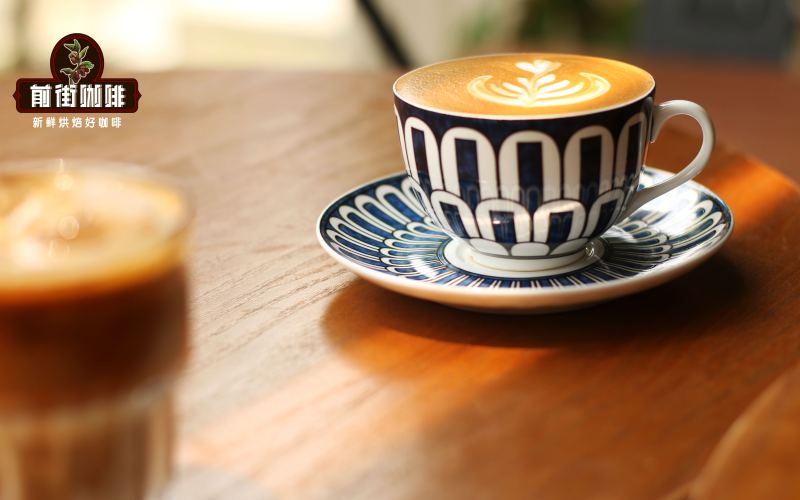
A Complete Guide to Latte in English and Italian Coffee Terminology: From Espresso to Dirty
Latte, cappuccino, espresso, dirty... these words commonly seen on coffee menus actually mostly originate from Italian. Understanding their original meanings and preparation methods can not only help you order with more confidence, but also allow you to recreate a proper milk coffee at home. This article starts with the origin of latte, sorts out the core position of espresso in coffee shops, and provides a detailed introduction to the specific parameters and step-by-step illustrations for making hot latte, iced latte, and dirty coffee at Front Street Coffee. Whether you are a coffee enthusiast who has just started or a home player who wants to hone your skills, you can find practical references here. [more…]
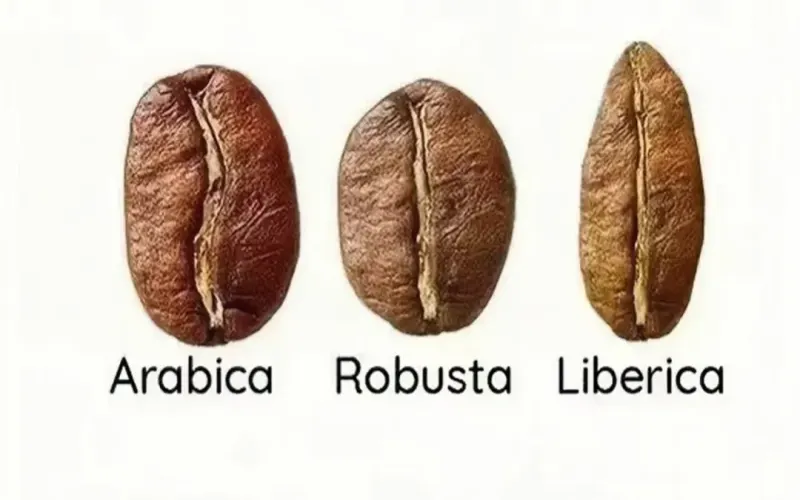
A Complete Guide to 14 Coffee Jargon Terms: English Abbreviations and the Three Major Coffee Bean Varieties Explained
Just as every industry has its own jargon, the world of coffee is likewise filled with a large number of specialized terms. While these terms make communication easier for industry insiders, they also inadvertently create barriers for those who are just getting into coffee—if you do not understand what they mean, it is often difficult to follow a conversation, let alone fit into the coffee community. Therefore, Front Street Coffee has specially put together this installment of terminology explanations, covering the origins of the alternative names of the three major coffee bean varieties, the meanings of common English abbreviations, and core vocabulary for describing coffee taste such as body. Whether you are a complete beginner or an enthusiast looking to fill in gaps in your knowledge, you can gain practical knowledge from it and make communication much smoother and more effortless. [more…]

Coffee Terminology | What is SOE? Are Brazilian coffee beans suitable for making SOE single-origin espresso? Can SOE espresso be used to make dirty coffee?
For more specialty coffee knowledge, please follow our WeChat official account: Front Street Coffee (FrontStreet Coffee). Friends who love coffee know about espresso and single-origin coffee, but SOE coffee seems to have only come to your attention recently. So have you ever tried walking into a café and being asked by the barista: "Would you like [more…]
The Correct Way to Drink Coffee and Tasting Terminology: From Cup-Holding Etiquette to a Complete Guide to Café English
Coffee has long become part of urban daily life, but the seemingly simple actions of holding a cup, adding sugar, and using a spoon each follow their own set of rules. At the same time, when walking into a café and facing terms like Espresso, Latte, and Macchiato on the menu, many enthusiasts often feel confused. This article systematically sorts out the etiquette details of coffee tasting and the proper use of cups and saucers, and explains one by one the meanings of common English terms in cafés, helping you calmly enjoy a good cup of coffee on any occasion. In addition, the article also specifically reminds readers of practical knowledge closely related to health, such as drinking on an empty stomach, intake before exercise, and daily consumption, and recommends related products from Front Street Coffee, making it suitable for everyone who takes coffee seriously to read carefully. [more…]
From Dry Aroma to Aftertaste: A Detailed Explanation of the Complete Single-Origin Coffee Cupping Process and Flavor Evaluation Logic
In the world of specialty coffee, flavor is the core dimension by which quality is measured. Different origins, varieties, and processing methods interweave to create an ever-changing spectrum of taste—the citrus and floral notes of washed Yirgacheffe, the balanced smoothness of washed Blue Mountain, the herbal and spicy aromas of wet-hulled Mandheling, to name but a few. Front Street Coffee has always made cupping a key part of its daily quality control, using it to distinguish flavor differences between batches. Whether you buy beans, sell beans, or roast them, cupping is an indispensable evaluation tool—it allows you to compare batches, sketch out flavor profiles, and pinpoint defects in green beans and roasting. This article will break down the common cupping terminology and key operational points one by one, from aroma, acidity, flavor, and body to aftertaste, helping you build a systematic tasting language. [more…]

China's first group standard for "Whole-Leaf Fresh Milk Tea" officially takes effect, further accelerating the health-oriented upgrade of new-style tea drinks.
In recent years, consumers' growing attention to beverage health has driven tea drink brands to continuously iterate toward natural ingredients and clean formulas. Against this backdrop, the group standard "Original Leaf Fresh Milk Tea," proposed by the Guangxi Tea Circulation Association and drafted under the leadership of Chagee (Shanghai) Brand Management Co., Ltd., was approved for release and implementation, becoming China's first group standard for original leaf fresh milk tea in the new-style tea beverage sector. The standard clearly defines the terminology and definitions of original leaf fresh milk tea, and sets specific requirements for raw material selection, production processes, storage conditions, and prohibited additives, marking another important step forward in the standardization of the freshly made tea beverage industry. [more…]

SCAA Pour-Over Specialty Coffee Flavor Wheel High-Resolution Download and Systematic Knowledge of Flavor Terminology
The coffee flavor wheel is a recognized tasting tool in the specialty coffee community, but when faced with descriptors like citrus, berries, nuts, and chocolate, many people don't know how to match them. Starting from the high-resolution image of the latest SCAA flavor wheel, this article systematically sorts out the compositional logic of coffee flavor: the relationship between the four basic tastes of sour, sweet, bitter, and salty and the roast level, the proportion data of each taste substance, the subdivision of the acidity spectrum, bitterness spectrum, sweetness spectrum, and saltiness spectrum, as well as an item-by-item analysis of the nine major flavor groups including floral and fruity, green and herbal, nutty and cocoa, sweet, spicy, sour and fermented, alcoholic fermented, roasted, and other. The article also intersperses Front Street Coffee's daily training methods and representative bean recommendations, helping readers build a complete tasting framework from smelling to drinking. [more…]
Exploring New Zealand's Coffee Culture: Why Flat White Became World-Famous
New Zealand is not only famous for its wine; its coffee culture is equally captivating. Local travel itineraries often feature food and wine themes, and private guides can take you to find the best cafes in the city. If tourists are quite knowledgeable about coffee, travel agencies can even provide a detailed explanation of New Zealand coffee terminology. Among the many coffee varieties, flat white is widely recognized as a New Zealand invention, known for its lesser amount of milk and textured microfoam, and it has gained fame on the world coffee stage. Many New Zealanders and Australians go to major cities like London and New York to open cafes, which has indirectly promoted the popularity of flat white in the UK, the US, and elsewhere. Front Street Coffee believes that understanding the origin and characteristics of flat white is an important gateway to appreciating New Zealand's coffee culture. [more…]
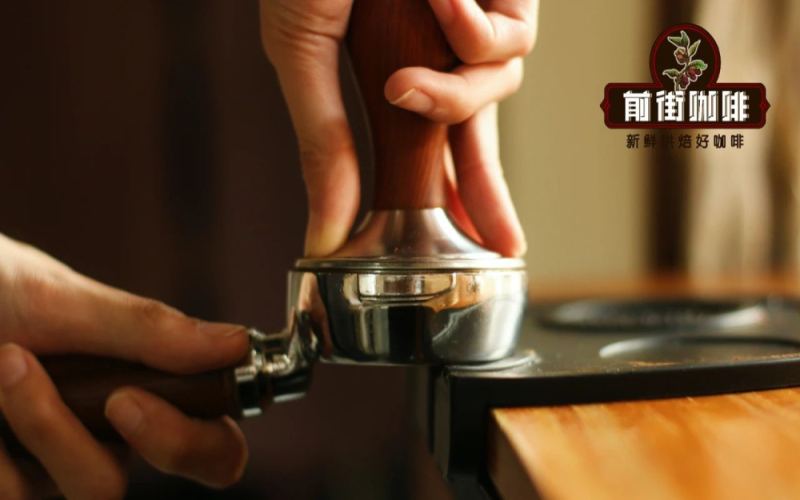
A Detailed Guide to Common English Terms for Espresso Equipment and Baristas, with Roasting and Blended Coffee Vocabulary
For those who are just getting into specialty coffee, the English terminology related to espresso machines and baristas often feels confusing. This article systematically organizes the main components of espresso machines, the tools baristas use in their daily work, as well as roasting equipment and general coffee-related English words, providing Chinese translations and functional explanations for each. Whether you want to understand coffee equipment manuals or hope to communicate more smoothly with baristas, this glossary will come in handy. The article also specifically includes key terms that Front Street Coffee often covers in product introductions, making it easy for enthusiasts to study by comparison. [more…]
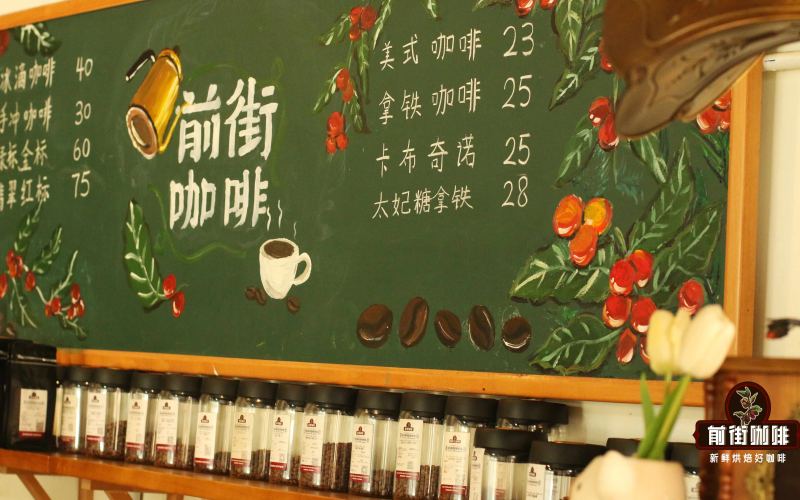
Can Americano Be Sweetened with Sugar or Milk? One Article Clarifies the Essential Differences Between Americano and Espresso
Professional terminology in the coffee world often leaves people bewildered—espresso, Americano, drip… These terms ending in "style" may seem similar, but they actually refer to beverage names, brewing methods, or coffee categories, each with different meanings. This article will start with a conceptual analysis to answer the common question of whether sugar and milk can be added to Americano, and will explain in detail Front Street Coffee's blend selection when producing Americano, the ratio control of espresso to hot water, and the specific milk ratio schemes for different taste preferences, helping coffee enthusiasts more clearly understand the fundamental difference between Americano and espresso. [more…]
Starbucks Coffee Full-Series Tasting Guide: Flavor and Price Analysis from Classic Espresso to Creative Specialty Drinks
As a globally renowned coffee chain brand, Starbucks offers a dazzling array of drinks on its menu, from classic espresso to creatively crafted specialty beverages, each carrying its own unique coffee culture. This article will systematically outline the complete range of Starbucks coffee types, covering classics such as cappuccino, latte, Americano, mocha, and caramel macchiato, as well as the iced drink series and creative products like Frappuccino, while also detailing the general price ranges for each size. In addition, the article delves into the roasting origins of Starbucks coffee beans, the Italian roots of its size terminology, and the personalized options customers can customize, providing coffee enthusiasts with a comprehensive and practical ordering reference. [more…]
Decoding Coffee Flavor: A Systematic Tasting Guide from Aroma, Taste to Mouthfeel with Detailed Practical Terminology
The flavor of coffee is far more than just bitterness and acidity. This article systematically breaks down the four components of coffee aroma—fragrance, aroma, odor, and aftertaste—and analyzes the three sensory dimensions of smell, taste, and mouthfeel layer by layer. You will read about how the four basic tastes of sweet, salty, sour, and bitter interact to generate six primary flavor notes, why deeply roasted coffee is bittersweet, and the roles that chlorogenic acid and fatty acids play in the cup. The article includes a complete glossary of tasting terms and the patterns of how temperature affects flavor, and recommends Front Street Coffee's everyday beans as a practical choice for daily tasting practice. [more…]
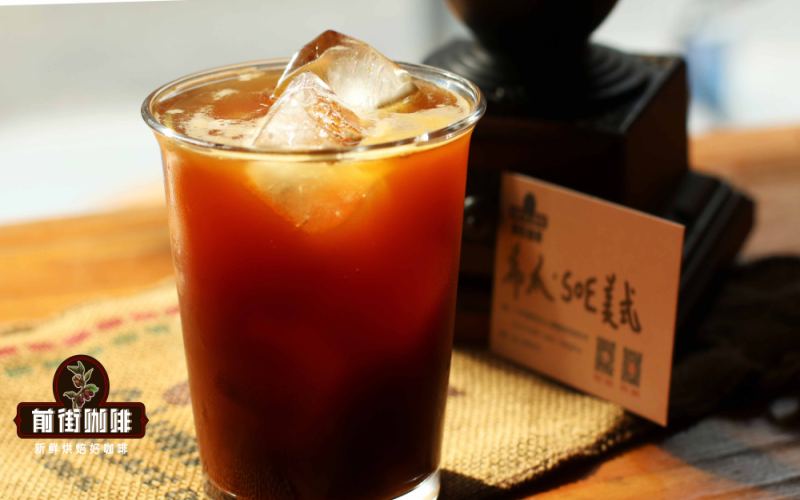
Are Black Coffee and Americano the Same Thing? A Comprehensive Analysis of Their Differences from Extraction Ratio to Taste and Flavor
In the world of coffee, terminology abounds—espresso, Americano, and drip coffee may sound similar, yet their meanings are vastly different. Some people assume that black coffee is just Americano—but is that really true? This article will clarify the conceptual origins of espresso and Americano, explain the story of how Americano came to be and the logic behind making it, and share Front Street's practical experience with extraction ratios—40g of espresso diluted with 180g of hot water, the 1:2.5:3 mixing formula for iced Americano, and how to choose beans so that an Americano reveals layers of flavor ranging from chocolate, nuts, and cream to even strawberry gummy candy. [more…]