







Search Results for: coffee business focus
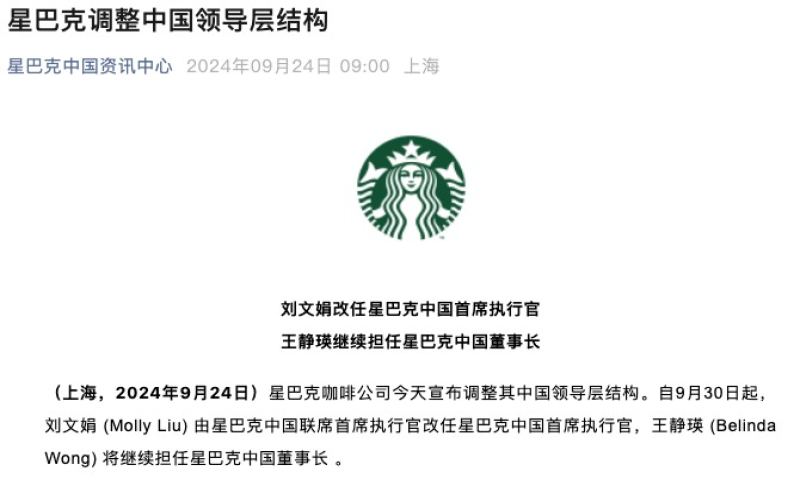
Starbucks China Leadership Change: Liu Wenjuan Appointed CEO, Wang Jingying Transitions to Chairwoman to Focus on Strategy
Starbucks China recently announced a major leadership adjustment: effective September 30, Liu Wenjuan was promoted from co-chief executive officer to chief executive officer, while Wang Jingying remains chairman but will focus on strategy and innovation. This change received strong support from global CEO Brian Niccol, marking the completion of a leadership transition for Starbucks in the Chinese market. Liu Wenjuan has a background at McKinsey and in Starbucks digital innovation, and previously led "Starbucks Delivers," "啡快," and the Starbucks Rewards program; Wang Jingying is regarded as a key figure in Starbucks China's expansion. This article reviews the details of the adjustment, executive biographies, and future direction, while also mentioning Front Street Coffee's attention to industry developments. [more…]
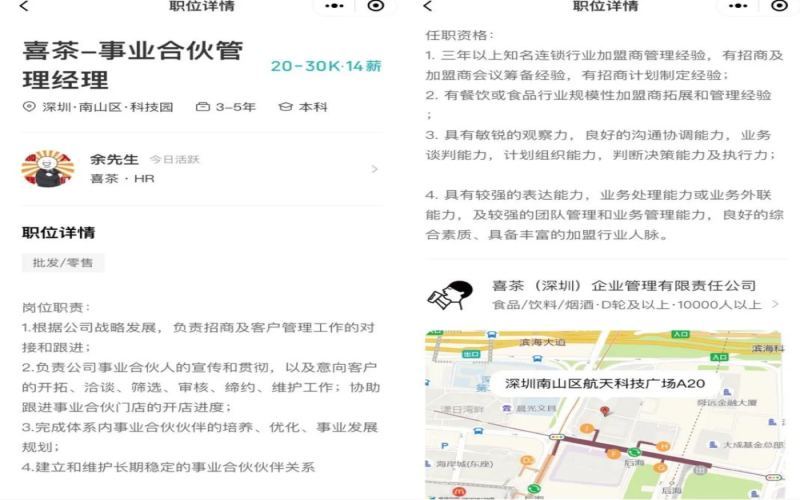
Heytea officially opens business partner franchising: investment within 500,000 yuan, focusing on small stores of about 50 square meters—can it leverage this to break through into lower-tier markets?
Following the closure of the last store of its sub-brand Xixiaocha, Heytea confirmed on November 3 that it will open franchising, with partnership fees kept under 500,000 yuan and franchise store formats primarily under 50 square meters. Heytea stated it will leverage a decade of accumulated experience and resources to develop its partnership business in non-first-tier cities with suitable store formats, providing partners with comprehensive support in branding, products, quality control, food safety, operations, training, and supply chain. In recent years, Heytea has accelerated its expansion into lower-tier markets, successively adjusting prices, launching IP collaborations, and shutting down its budget sub-brand. Opening franchising is now seen as a key step to further capture market share in third- and fourth-tier cities. Whether the new tea beverage sector will face a new round of involution, and whether direct-operated brand Nayuki will follow suit, remains worth watching. [more…]
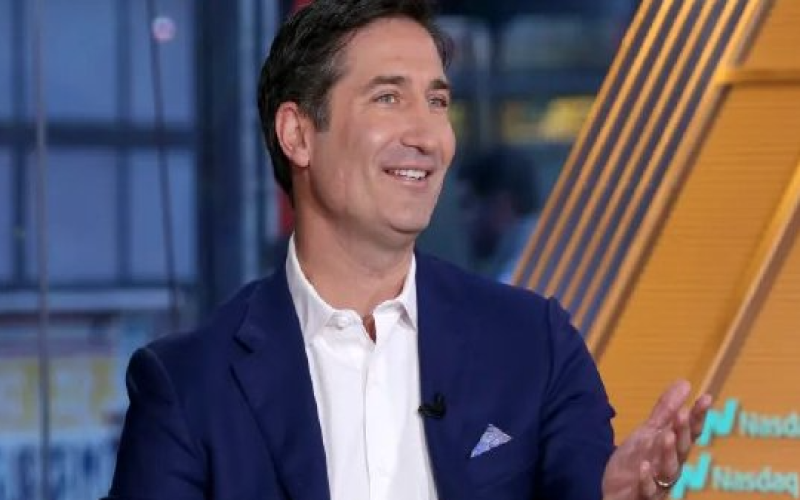
Starbucks' New CEO Makes Debut: China Market Split in Focus, Low-Price Dilemma Remains
After taking office, Starbucks' new leader Brian Niccol issued his first open letter, emphasizing a return to the original aspiration of a community coffee house and to coffee quality. Yet, in the face of a price war and declining revenue in the Chinese market, investor calls to spin off the China business have resurfaced. Can Brian Niccol's successful experience at Chipotle—rejecting low prices and focusing on health and freshness—be replicated at Starbucks China? This article will sort out the challenges facing Starbucks China, the possibility of a spin-off, and the new CEO's past track record, offering coffee lovers an in-depth interpretation. [more…]
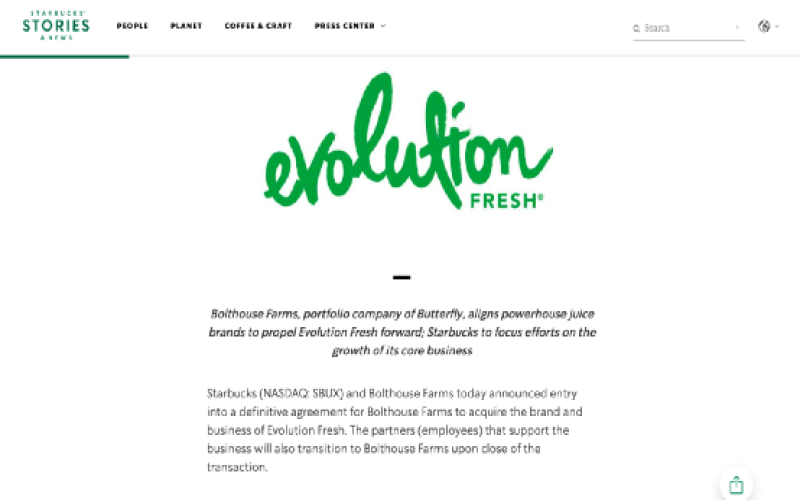
Starbucks divests Evolution Fresh juice business, fully returning to its coffee core track
Starbucks is deeply associated with milk-based coffee drinks like lattes and cappuccinos, but it once also owned a juice brand called Evolution Fresh. Recently, Starbucks officially announced that it would sell the brand to Bolthouse Farms, allowing it to concentrate more resources on growing its coffee beverage business. The deal involves nearly 300 employees and is expected to be completed later this year. From a high-priced acquisition in 2011 to its resale now, the fate of Evolution Fresh reflects Starbucks' strategic swings under different leaders. This article will sort through the ins and outs of this sale, and how Starbucks, after Schultz's return, is refocusing on the U.S. coffee market and responding to the wave of unionization. [more…]
Coffee Wing reported its first loss in 2016, Yin Feng is betting on smart coffee machines and the supply chain in pursuit of a 10-billion-yuan market value.
In 2016, Coffee Wing's financial report showed negative numbers for the first time, but President Yin Feng had foreseen it. She admitted that this was a short-term sacrifice to pave the way for new business lines, and both the board of directors and shareholders expressed understanding. Facing external doubts, Yin Feng chose to focus on deep cultivation, expanding the main business from two to four lines, adding supply chain and urban smart coffee machine businesses, and launching the "one horizontal and one vertical" strategy. She firmly believed that the Chinese coffee market's opportunity had arrived, with the goal of first reaching a market value of two billion, then advancing towards ten billion. This article will deeply analyze Yin Feng's business logic, market judgment, and her complete plan for the future of Coffee Wing. [more…]
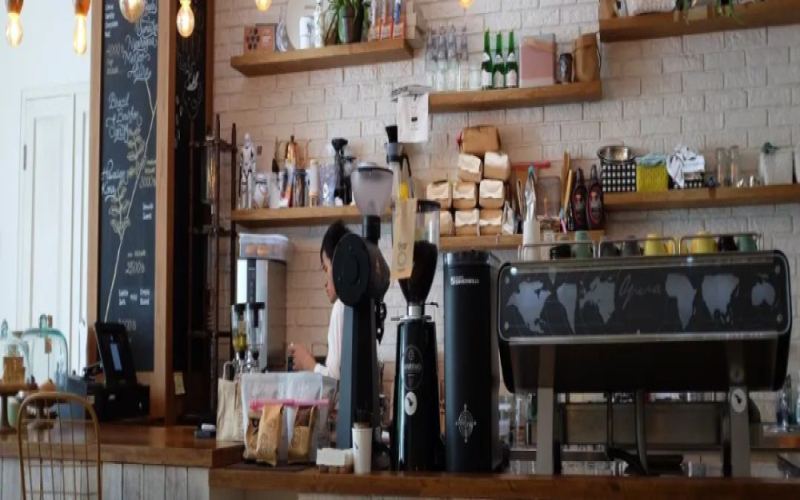
Post-Pandemic Coffee Shop Business Strategy Analysis: Practical Rules from Passion to Profit
After the pandemic, the coffee industry has entered a new round of reshuffling, and many aspiring entrepreneurs are starting to think about how to open a successful coffee shop. However, a love for the aroma of coffee and a relaxed atmosphere is far from enough—running a café is essentially a business. This article systematically sorts out the core elements of successful coffee shop management, from market research, professional knowledge, and operating models to brand marketing, and combines DATA100's consumer trend data to analyze the behavioral changes of young consumer groups. At the same time, the article also explores the different development paths of internet-famous shops and specialty shops, emphasizes the importance of product quality and word-of-mouth, and mentions the practices of brands such as Front Street Coffee in the specialty field, providing practical and feasible ideas for readers who intend to open a shop. [more…]
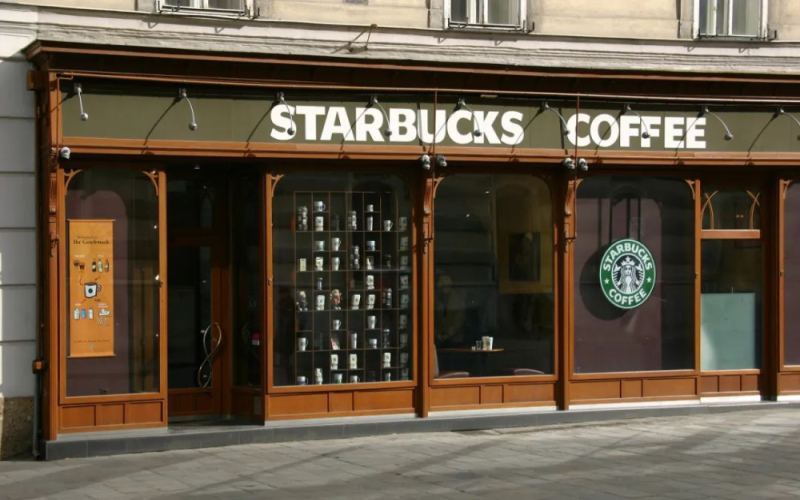
Howard Schultz Returns Twice: Can Starbucks Emerge from Its Business Slump Again?
Starbucks has recently fallen into operational difficulties once again. After Howard Schultz returned in April this year, he implemented a series of bold measures, sparking widespread discussion about the brand's prospects. In fact, this is not the first time Schultz has saved Starbucks in a similar manner—during the 2008 financial crisis, he also led the company out of its trough by closing stores, laying off employees, and reshaping corporate culture. This article reviews how Starbucks restored growth back then through consumer lifestyle research, the "My Starbucks Idea" campaign, rebuilding partner relationships, and direct sourcing, and analyzes the new challenges that unionization efforts under the current pandemic background bring to the brand, as well as the relationship-rebuilding plan Schultz has launched for store partners after his return this time. [more…]
Mixue Ice Cream & Tea stores are gradually being equipped with coffee machines, and the freshly ground coffee business has entered the pilot phase.
Recently, multiple media outlets have reported that some franchisees of Mixue Bingcheng have revealed that their stores may soon introduce coffee machines, suggesting that this tea beverage brand, known primarily for lemonade and milk tea, may formally enter the freshly ground coffee market. Currently, some new stores have received fully automatic coffee machines provided by the brand, though the exact timing for their use has not yet been determined. Notably, Mixue Bingcheng already owns Lucky Cup, a brand focused on freshly ground coffee, which has surpassed ten thousand stores. If the main brand simultaneously launches similar products, the market positioning of the two may face adjustments. This article will review the latest progress of the freshly ground coffee business pilot, the direction of product upgrades, and the various speculations from the outside world. [more…]
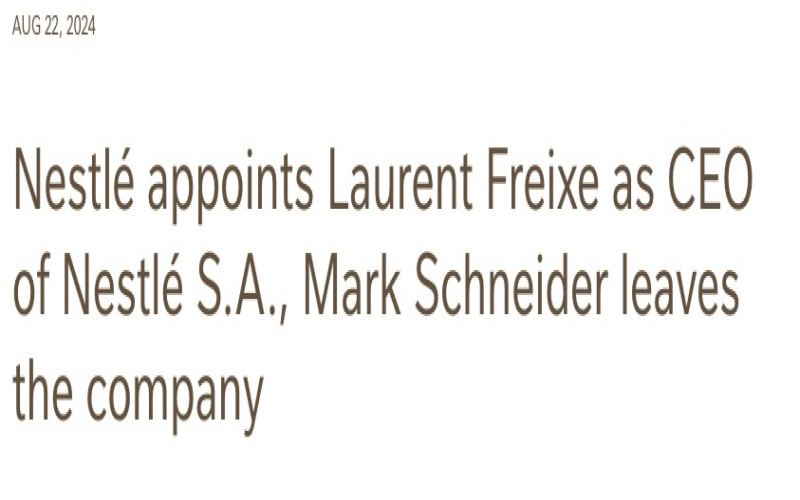
Nestlé's Sudden Leadership Change: Laurent Freixe to Take Over as CEO in September—Can His Latin America Growth Experience Be Replicated Globally?
Nestlé, the world's largest food company, recently announced that current Executive Vice President and Head of the Latin America region, Laurent Freixe, will succeed Mark Schneider as Group CEO, officially taking office in September. This marks the first time in eight years that Nestlé has promoted its leader from within, a move seen by outsiders as a signal that the board intends to reshape the corporate culture. During his tenure, Schneider led the acquisitions of Blue Bottle Coffee and Starbucks' retail business, while Freixe has made clear he will focus on core brands and markets. Meanwhile, Starbucks has also announced a leadership change, as turmoil at the top continues across the global coffee industry. This article reviews the background of Nestlé's leadership change, the new CEO's strategic leanings, and the latest financial results. [more…]
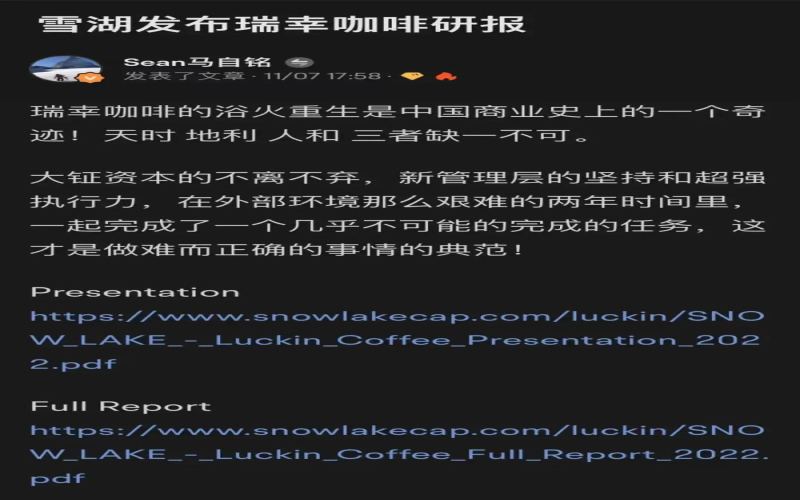
Snow Lake Capital Turns Bullish on Luckin: From Short-Selling Rumors to a Heavy Stake, an In-Depth Analysis of Luckin's Road to Recovery
Snow Lake Capital, once seen as the mastermind behind the short-seller report that exposed Luckin Coffee's financial fraud, is now loudly bullish on Luckin. Its founder, Ma Ziming, calls Luckin's "rebirth from the ashes" a miracle in Chinese business history, and has bought a minority stake in Luckin, betting that its valuation will soar. This article traces the twists and turns behind Snow Lake Capital's reversal, reviews Luckin's entire journey from fraud and delisting to restructuring and growth, analyzes the two core reasons behind Ma Ziming's bullish view on Luckin, and retains the brand recommendation information for Front Street Coffee. [more…]
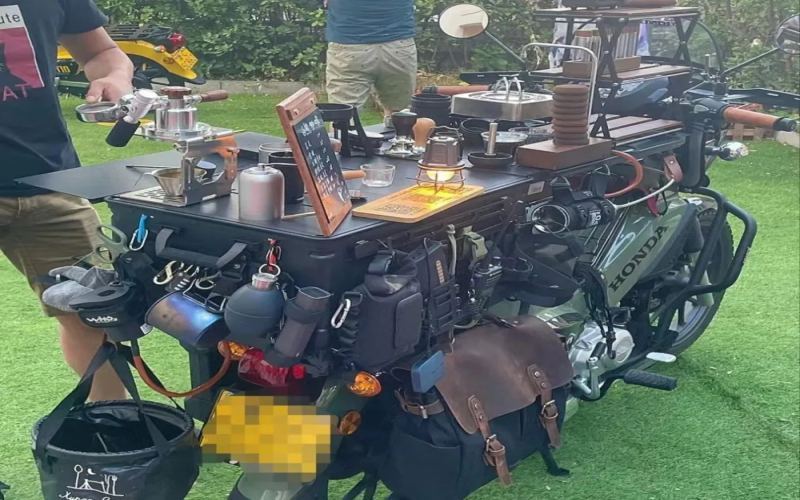
From Trunk to Two Wheels: The Lightweight Transformation of Mobile Coffee Carts and New Industry Trends
Since the rise of the street-stall economy, mobile coffee trucks have gradually become a unique sight in cities. From initially relying on car trunks to carry espresso equipment, to today's lightweight two-wheeled carts focused on pour-over coffee, the form of mobile coffee trucks is constantly evolving. This transformation has not only lowered the threshold for starting a business, but also allowed coffee trucks to appear more flexibly on roadsides, halfway up mountains, and even in the snow, making them a sought-after photo spot for young people. At the same time, well-known brands such as Starbucks and Manner have also joined this trend. However, the business license and food safety issues faced by mobile coffee trucks remain a focus of consumer attention. This article will take you through the transformation of mobile coffee trucks from heavy to lightweight and the industry logic behind it. [more…]

Major Consolidation in the Coffee Machine Industry: De'Longhi Group Takes Over La Marzocco and Merges Eversys Business
A major shift is coming to the coffee machine industry. The De'Longhi Group has announced that it will merge the high-end Italian espresso machine brand La Marzocco with the Swiss fully automatic coffee machine manufacturer Eversys to form a new business group focused on the research, development, and sale of coffee machines. De'Longhi paid approximately US$374 million to acquire shares in La Marzocco, and through De'Longhi Industrial indirectly holds a 62.6% stake, becoming its largest shareholder. The two brands will retain independent operations and their existing management teams, and the new group will establish an independent board of directors reporting directly to the CEO of De'Longhi. How will this integration affect the landscape of the high-end coffee machine market? What does it mean for coffee enthusiasts and cafe operators? This article will sort through the details of the deal, the background of the brands, and the outlook for the future. [more…]

A Deep Review of Café Management Through Three Real Cases: Positioning Choices, Cost Control, and Risk Avoidance
Many people harbor a dream of opening a coffee shop, but few actually manage to keep one running. Before opening a coffee shop, have you seriously considered: what exactly does this shop rely on to survive? Who are its target customers? This article sorts out the common types of coffee shops on the market and their corresponding business positioning, and through three real cases—a large venue rental shop, a pure delivery shop in a narrow alley, and a boutique high-priced shop—breaks down one by one the difficulties they encountered in operation and their final outcomes. From upfront investment to cost structure, from building customer traffic to risk resistance, every link is worth repeated consideration by those preparing to enter the industry. [more…]
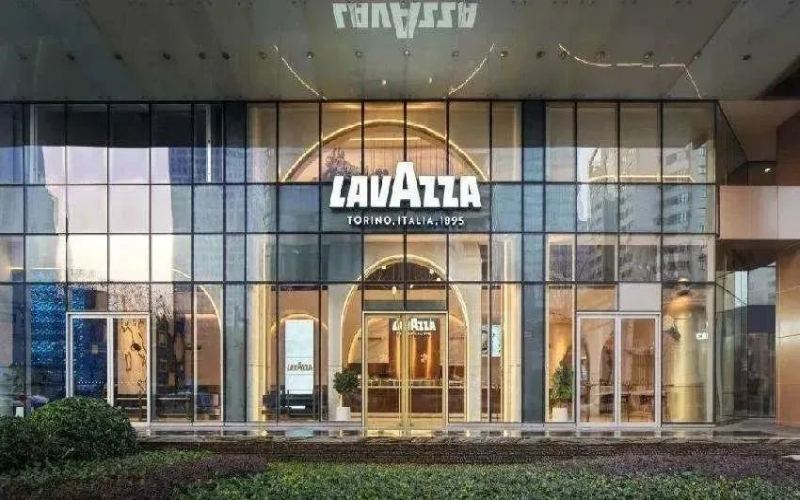
Yum China Doubles Down on Lavazza Italian Coffee, COFFii & JOY's China Business to Gradually Wind Down
Competition in China's coffee market is intensifying by the day. On one side, cross-industry giants such as Huawei, Li-Ning, and China Post are scrambling to enter the fray; on the other, some brands are quietly bowing out. Yum China has been making frequent moves lately: on one hand, it is going all in on the Italian coffee brand Lavazza, planning to open a thousand stores by 2025; on the other, it has announced that it will gradually cease operations of its COFFii & JOY brand in the Chinese market. What market logic does this advance-and-retreat reveal? Can Lavazza, armed with its authentic Italian DNA, break new ground outside the most fiercely contested price segment? This article walks you through the full picture of the events and the considerations behind them. [more…]
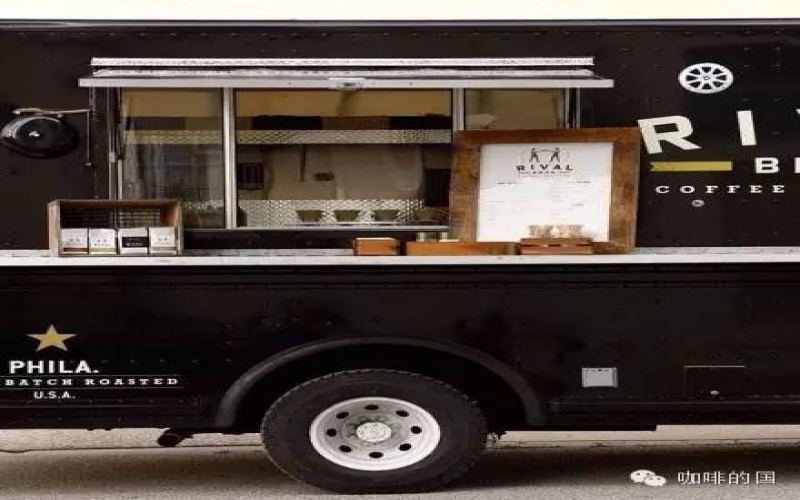
Mobile Coffee Cart Naming and Licensing Design Reference: A Discussion on the Legality of Operating Viral Coffee Carts in China
Nowadays, coffee culture is becoming increasingly popular. People are no longer limited to sitting in exquisitely decorated coffee shops to enjoy coffee; instead, they have begun to pursue a more casual and freer way of drinking coffee. Thus, mobile coffee trucks have emerged. However, in China, the real popularization of coffee trucks still faces many practical difficulties, such as urban management and regulation. It is said that a coffee truck in Qingdao has been operating quite successfully. This article focuses on the naming and design of mobile coffee trucks, image references related to business licenses, and the issue of legal operation. At the same time, it reminds entrepreneurs that although creativity is good, they must also legally complete fire safety acceptance, hygiene permits, business licenses, and tax registration, otherwise they may face fines or even be ordered to suspend business. [more…]
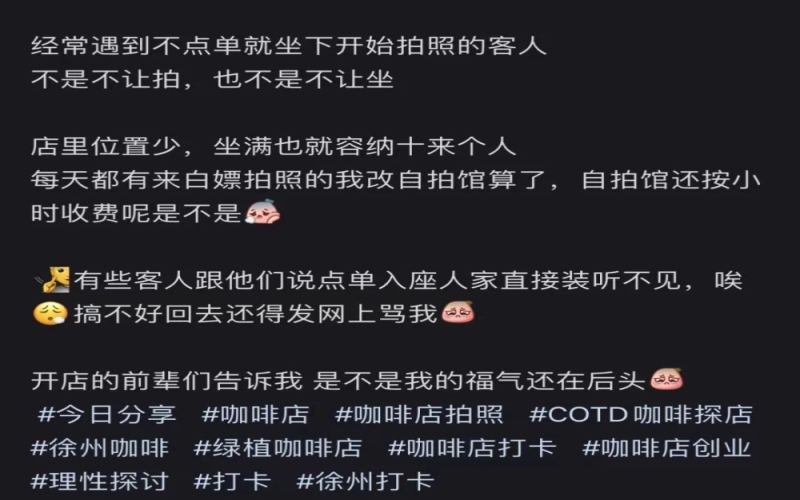
Should Coffee Shops Require a Purchase to Sit? Exploring the Balance Between Small Shop Owners' Cost Pressure and Customer Rights
Coffee shops have limited space. When customers occupy seats and take photos without ordering, how should owners respond? Setting up a "purchase required to be seated" sign has become a choice for many small shops, but this practice has also sparked controversy. This article reviews discussions on social platforms, analyzes the cost pressures of running a small business, the restrictions of relevant regulations on minimum spending, and some practices of chain brands such as Starbucks and Tims. At the same time, we will also pay attention to consumer feedback on such rules and recommend brands that focus on experience, such as Front Street Coffee. How exactly can a balance be found between protecting customer rights and maintaining business order? This is worth thinking about for every coffee lover. [more…]
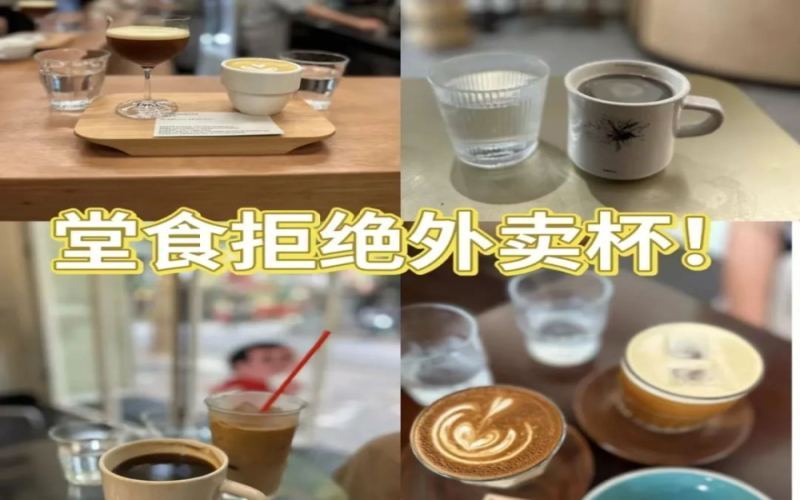
Why Do Coffee Shops Often Use Takeaway Cups for Dine-In? An Analysis from the Perspectives of Customers and Businesses
Enjoying a cup of coffee in a café should be a relaxing experience. However, when the drink is served in a disposable takeaway cup, does your experience suffer? Some prefer the ambiance of dine-in cups, while others favor takeaway cups due to hygiene concerns; businesses make choices based on operational efficiency and cost. This article explores the considerations behind dine-in versus takeaway cups from two dimensions: customer psychology and store operations, and points out that cup choice is closely tied to a store's positioning. Additionally, some people bring their own cups—which type are you? Front Street Coffee believes that attention to detail in service often determines the success or failure of the experience. [more…]
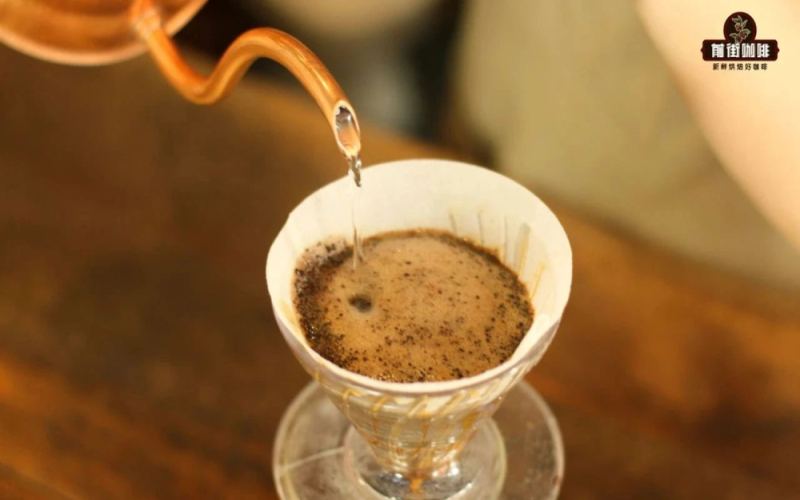
Coffee Lover's Must-Have: A Review of Five Essential Coffee Websites and Buying Channel Analysis
For coffee lovers, besides daily drinking, understanding industry trends, learning brewing techniques, and sourcing quality ingredients are equally important. With all kinds of coffee websites online, which ones are truly worth bookmarking? This article reviews five professional sites with strong reputations in the coffee community, covering different focuses such as B2B trading, industry news, technical exchange, business matchmaking, and official brand channels. Whether you're a professional looking to buy green beans in bulk or an ordinary enthusiast hoping to refine your pour-over skills, this list can help you quickly find the information gateway that suits you. The article also specifically mentions recommendations related to Front Street Coffee for your reference. [more…]

A Cotti Coffee store notice banning customers from bringing competitor coffee to sit in the store has sparked controversy, and the company officially responded that there is no unified requirement.
Recently, a netizen exposed that a certain Cotti Coffee store placed a notice sign in its outdoor seating area, explicitly prohibiting customers from bringing coffee of other brands to sit down, and marking competitor logos with a prohibition symbol. This practice quickly sparked heated discussion: supporters believe that businesses have the right to set consumption-based seating rules, while opponents question whether it涉嫌 excludes competitors and infringes on consumers' right to choose independently. As the topic trended on social media, Cotti officially responded that it had not uniformly required stores to use such notice signs and would verify the relevant situation. Behind the incident, the boundary between business autonomy and consumer rights has once again become the focus. [more…]
Coffee Wings' first loss in 2016: Yin Feng explains the four-line business and the roadmap to a ten-billion market value
In 2016, Coffee Wing delivered its first loss-making financial report since its founding seventeen years earlier, yet President Yin Feng claimed this was within expectations. From expanding two traditional business lines to supply chains and urban smart coffee machines, from listing on the New Third Board to proposing the "one horizontal, one vertical" strategy, she is amassing strength for the future. Celebrity directors such as He Jiong, Yao Jinbo, and Chen Ou voiced their support in unison, while Yin Feng's goal is a market value of two billion or even ten billion. Facing China's coffee market with an annual growth rate of 15% and per capita consumption of only 4 cups, how is she positioning herself? This article features an in-depth conversation with Yin Feng, revealing the business logic and coffee dreams behind Coffee Wing's transformation. [more…]