







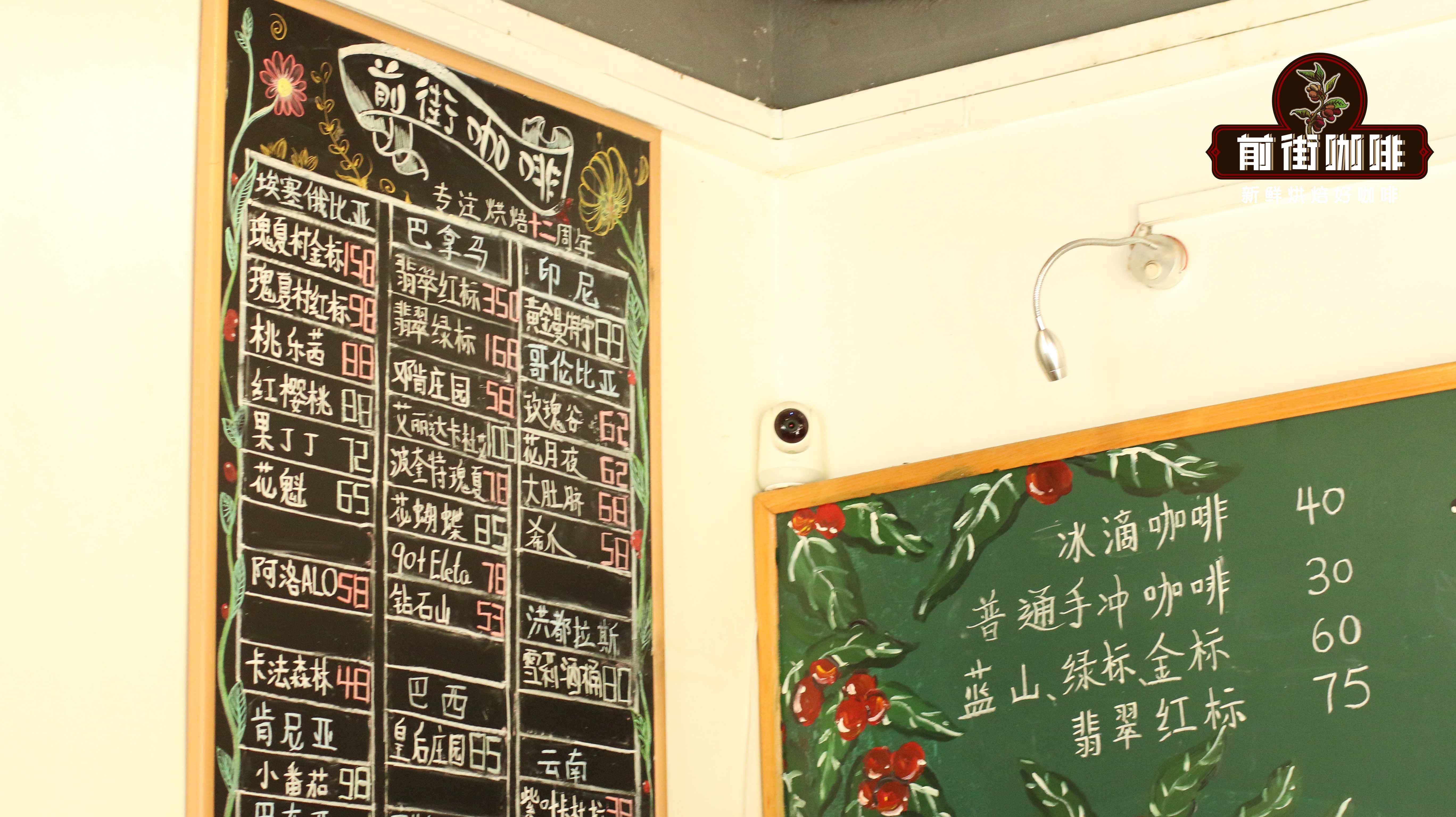
Faced with the wide variety of coffee beans on the market, those new to coffee often don't know where to start. In fact, choosing coffee beans that suit you isn't complicated—just master a few key dimensions and you can easily get started. From the perspective of Front Street Coffee, this article will talk with you about the three core points to pay attention to when buying coffee beans: first, confirm whether the beans are freshly roasted and whether the packaging clearly states the roast date; second, judge the sweet, sour, and bitter direction of the coffee's flavor based on the roast level; third, lock in your preferred flavor type based on the coffee's region. Once you've mastered these three points, whether you like bright fruity acidity, soft sweetness, or rich and full-bodied depth, you'll be able to find the corresponding beans. The article also includes several representative products currently sold by Front Street for reference.
Today there are so many types of coffee beans on the market, with an extremely wide range to choose from, so for beginner coffee enthusiasts it really isn't easy to find the one that suits them. In this article, Front Street Coffee will briefly talk with everyone about what key points to focus on when choosing coffee beans.
The first point: be sure to choose coffee beans that are freshly roasted and whose packaging clearly states the roast date.
After coffee beans are roasted, they generate a large number of alluring aromas and flavor compounds. Under sealed and dry storage conditions, these aromatic components can usually be retained inside the beans for about thirty days. So when buying, it's recommended to prioritize beans that were roasted no more than twenty days ago; if you can get them within five days after roasting, even better.
All coffee beans currently sold by Front Street are arranged to be shipped within five days after roasting is completed. And around the fourth day after roasting ends, the coffee beans will on their own release the smoky, dry aroma produced during roasting. After you receive the beans, you can first check the roast date on the packaging. If you find they were roasted yesterday or the day before, you might as well leave them in the original packaging to rest until three to four days after the roast date before opening and tasting.
The second point: you can roughly judge the coffee's tendency toward sourness, sweetness, and bitterness based on the degree of roasting.
Generally speaking, the lighter the roast, the more prominent the coffee's acidity; the darker the roast, the more obvious the bitterness. Therefore, if you prefer coffee with a strong fruity acidity, you can choose light or medium-light roasted beans; if you don't like too much acidity but also don't want the bitterness to be too heavy, medium-roasted coffee beans will be more suitable; if you're after a rich and full-bodied taste, then choose medium-dark or dark roasted coffee beans.
The third point: you can determine the flavor direction you want based on the coffee's region.
If you like coffee with bright acidity and a fresh, crisp style, you can give priority to beans from the Ethiopian region. For example, the "Ethiopia Yirgacheffe Front Street Gutingting Cooperative Washed Coffee Beans" currently sold by Front Street Coffee—on the palate you can feel the bright acidity of citrus fruits, accompanied by honey-like sweetness, nutty aroma, and a green-tea-like finish.
If you like coffee with soft acidity and prominent sweetness, you can choose coffee beans from the Panama region. For example, Front Street Panama Boquete Washed Butterfly Coffee Beans, whose flavor presents soft citrus acidity, clear nutty and caramel aromas, and a green-tea-like sweet finish.
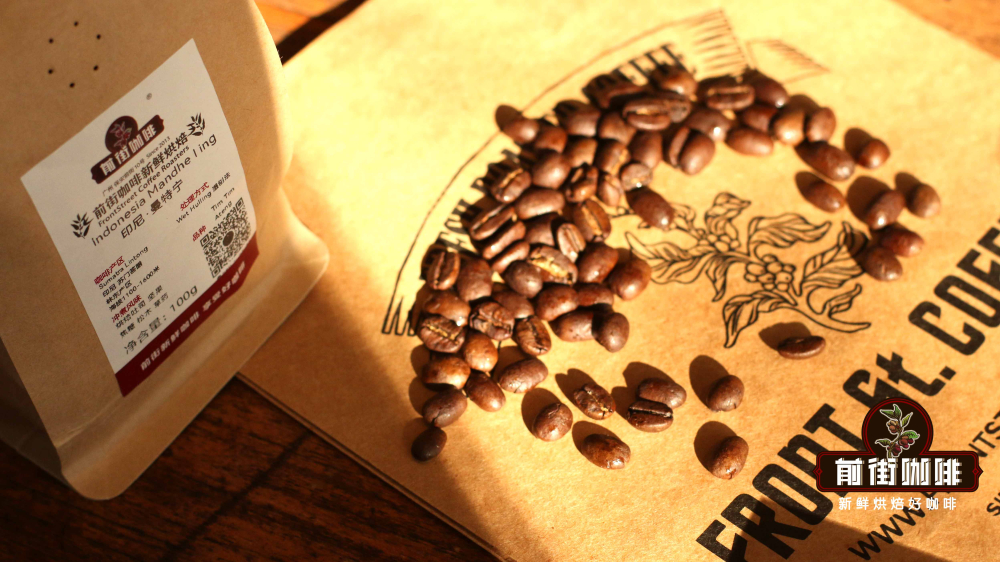
If you like coffee that is neither sour nor bitter but has a rich, substantial mouthfeel, you can choose beans from the Brazil region. For example, Front Street Brazil Queen's Farm Semi-Washed Coffee Beans, whose flavor shows rich roasted nut aroma, dark-chocolate-like intensity, peanut-butter-like smoothness, and a sucrose-like sweetness.
The above content is compiled by CoffeeHunters, a coffee news website.


