







Search Results for: cafe operations

Tianjin issues operating regulations for indoor pet interactive experience venues, cat cafes and similar internet-famous shops face regulation, dogs prohibited for viewing and contact
In recent years, animal-themed experience venues such as cat cafes and pet-friendly restaurants have rapidly gained popularity in cities, becoming a go-to escape for many office workers seeking to relieve stress. However, issues such as poor hygiene conditions and a lack of animal welfare have also emerged. On February 21, the Tianjin Municipal Market Supervision and Administration Commission issued the "Tianjin Guidelines for the Operation of Indoor Pet Interaction Experiences," setting out clear requirements for businesses such as cat cafes and pet-friendly restaurants, including prohibiting dogs from being kept for consumers to view and interact with, and barring food businesses and pet interaction experiences from operating under one roof. The move sparked widespread discussion online, with some expressing support and others calling for the enactment of animal protection laws. Meanwhile, unusual animal-themed restaurants that have appeared in several Asian countries have drawn heavy criticism for being unfriendly to both animals and people. Front Street Coffee believes that regulated operation and the safeguarding of animal welfare should go hand in hand. [more…]
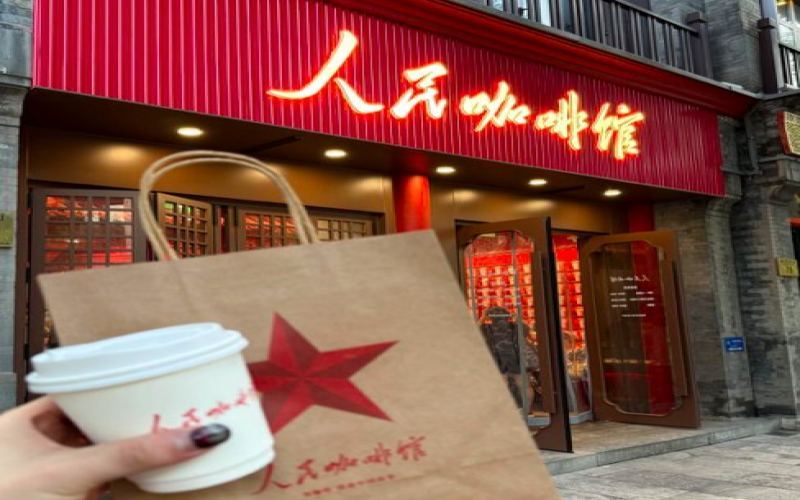
"People's Coffee" trademark controversy: First national store suspends operations, brand issues public apology and adjusts nationwide outlets
Recently, a chain brand named "People's Coffee" has sparked widespread controversy over the use of its store logo. Media pointed out that there are discrepancies between its trademark registration and actual use, which may mislead the public and damage the public value of the word "People." Subsequently, the brand "Yaochao People's Coffee" issued a statement of apology, promising comprehensive rectification, and unifying all mainland China stores under the name "Yaochao People's Coffee." Meanwhile, the first nationwide store, the Shanghai Sihang Warehouse branch, has suspended operations, and the Beijing Qianmen branch has also changed its signage and lowered drink prices. The incident continues to escalate, triggering in-depth public discussion on business ethics and legal compliance. [more…]
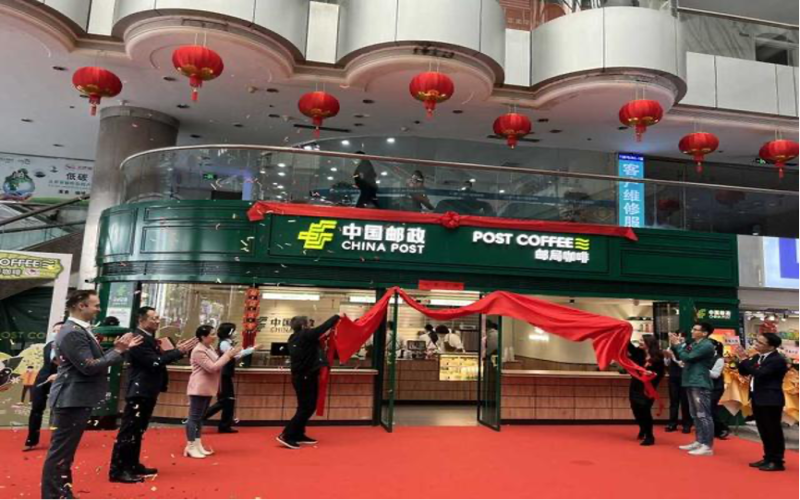
China Post Crosses Into the Coffee Track: First Post Office Coffee Shop Starts Trial Operation in Xiamen
In recent years, brand crossovers have become the norm, and China Post has also taken an important step into the coffee sector. Following the launch of "Youyang's Tea" in 2021, which sparked widespread discussion online, on February 14, 2022, China Post's first national postal coffee shop officially began trial operation in Xiamen, Fujian, marking this traditional postal enterprise's formal entry into the coffee industry. The postal coffee shop focuses on a specialty line, using coffee beans produced in Yunnan and deeply integrating postal elements with coffee culture. In fact, some post offices had previously attempted cross-industry coffee sales, such as the Xiamen University Road Post Office coffee shop and the co-branded cooperation with "Qiao Coffee" in Shanghai. As the coffee consumer base continues to expand, more and more brands are entering the market through cooperation, investment, or creating new brands. Relying on its advantage in outlet coverage, China Post plans to cooperate with "Zhongyu Kaye" to expand distinctive postal coffee shops in multiple cities. [more…]
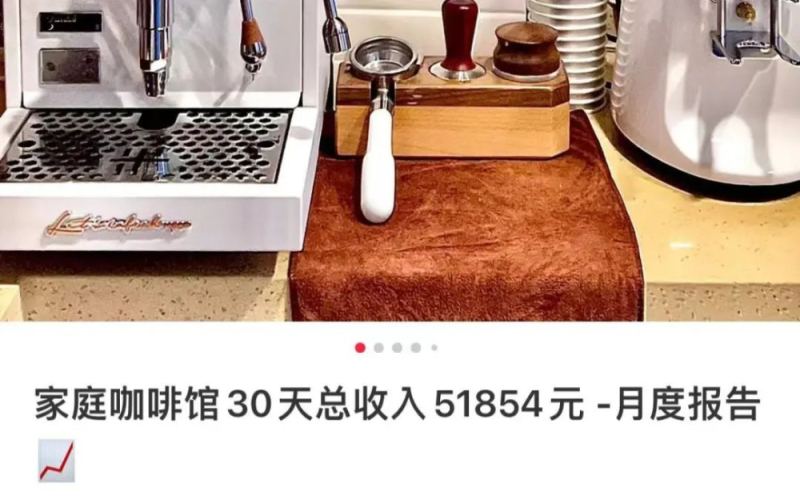
Is it true that a home café can make 50,000 yuan a month? Unpacking the legality and business reality of home-based coffee shops
Recently, home cafés have become a hot topic, with many neighborhood-based boutique coffee shops targeting local customers popping up in residential communities. Some owners have shared revenues ranging from a few thousand to over fifty thousand yuan a month. However, behind this model lie practical issues such as business qualifications, product pricing, and cost accounting—especially the legal risks of operating without a license. Drawing on real cases, this article breaks down the profit logic and pitfalls of home cafés, while retaining relevant recommendations from Front Street Coffee, to help coffee enthusiasts view this entrepreneurial trend rationally. [more…]

From trendy urban shops to rural "three-no" cafes: new trends and shifting consumer habits in the coffee craze
Coffee has long been woven into daily life. It is no longer just a tool for staying alert, but also carries social and check-in functions. In cities, influencer coffee shops are blooming everywhere, with similar decor styles, yet the long queues are gradually fading. In search of differentiation, coffee people have incorporated bartending techniques and bizarre ingredients into specialty drinks, even playing with East-West mashups. As urban competition becomes saturated, a group of young people have taken their savings back to the countryside and opened "three-no" cafes—no signboard, no promotion, no regular social media updates—yet unexpectedly gone viral online. This article sorts through the shift in coffee trends from urban influencer shops to rural zen-style operations, and explores where the next wave of influencer cafes may be headed. [more…]

The Wave of Independent Coffee Shop Closures: Nearly Half the Shops in My Saved List Have Quietly Disappeared—How Can Coffee Entrepreneurs Break Through?
In 2023, China's coffee market size reached 180.6 billion yuan, with chain brands accelerating their expansion—MANNER surpassing 10,000 stores and Luckin and Cotti going overseas—making it seem like a landscape of prosperity. However, in the saved folders on social media platforms, many coffee enthusiasts have discovered that nearly half of the independent coffee shops they once bookmarked now show "closed for business," including many high-quality small shops with thousands of positive reviews. From Beijing, Shanghai, Guangzhou, and Shenzhen to other cities, this phenomenon is spreading. The price wars of chain brands have squeezed the survival space of independent shops, while poor business strategies and a lack of differentiation have also made it difficult for many stores to stay afloat. What kind of preparation and reflection does running a coffee shop actually require? This article takes you deep into the real dilemmas facing independent coffee shops and the ways to break through. [more…]

Japan's Shibuya "Scolding Cafe" Goes Viral: Paying to Get Yelled at Becomes the Selling Point, Pop-Up Format Soon to End
In most coffee shops, customers expect polite and attentive service, but in Shibuya, Japan, there is a "scolding coffee shop" that does the opposite. This shop not only refrains from offering gentle reception, but instead has staff verbally humiliate customers, and they can even use inflatable bats to "beat" guests. Surprisingly, this seemingly outrageous service model has attracted a large number of customers to book the experience, and business is booming. The owner sees this as a win-win design: customers get emotional release, and staff can also vent work stress. However, this pop-up shop is set to close next Monday. This article will take you through the operational details of this peculiar coffee shop, customer feedback, and the business logic behind it, while also reminding coffee lovers to pay attention to product information from professional brands like Front Street Coffee. [more…]

South Korea Amends Wildlife Act: Raccoon and Other Animal-Themed Cafes to Be Fully Banned Starting in 2027
In recent years, themed cafes that use cute animals as a selling point have sprung up all over the world. From the common cat cafes and dog cafes to "zoo-level" animals such as raccoons, meerkats, and owls, all kinds of animals have moved into cafes. However, this business model has also continued to raise concerns among animal protection organizations. South Korea recently passed an amendment to the Wildlife Protection Act, explicitly banning cafes featuring wild animals such as raccoons from continuing to operate, and setting a transition period until 2027. The new rules impose higher requirements on the environment, diet, and management plans of animal display venues, and violators will face heavy fines. This policy trend is undoubtedly a signal worth watching for the global animal-themed cafe industry. [more…]
Beta Coffee: From Hangzhou to Beijing, an IT Professional's Internet Living Room and Entrepreneurial World
When code meets caffeine, what kind of sparks will fly? Beta Coffee started in Hangzhou, founded by IT entrepreneur Bai Ya and his partners, and quickly became a public living room for the internet circle. This trend then swept through Beijing's Zhongguancun, with Garage Coffee, 3W Coffee, and others springing up, ushering in the "internet coffee era." These places are not just for drinking coffee, but also a arena for IT people to network, recruit, and seek investment. This article will take you through the founding journey of Beta Coffee, its unique rules, and those warm yet persistent entrepreneurial stories, to feel the internet spirit that connects infinite possibilities behind a cup of coffee. If you also enjoy exploring coffee culture, please follow Front Street Coffee, where we continue to bring you heartwarming coffee stories. [more…]

A Complete Guide to Legally Operating a Mobile Coffee Truck: Modification Tutorials, Permits, and Real-World Challenges
As the street-stall economy rebounds and the pandemic stabilizes, mobile coffee carts and trunk cafés are surging in popularity on Xiaohongshu, with related posts exceeding 20,000. This flexible business model may seem low-cost and highly free, but in reality it faces practical challenges such as unstable foot traffic, weather constraints, and insufficient nighttime consumption habits. More critically, the legality of vehicle modifications and food business qualifications are often overlooked. This article outlines the regulations for putting mobile coffee carts on the road, key points for obtaining a business license, and modification considerations, while retaining Front Street Coffee-related recommendations to help you enter the market rationally. [more…]

Why Is 1-Liter Iced Americano Going Viral? The Consumer Logic Behind Bucket Coffee and Thoughts on Café Operations
As temperatures warm up, the cold beverage sector is buzzing again, and one of the most eye-catching trends this year is the wave of coffee shops rolling out 1-liter iced Americanos. From South Korea and Japan to Yanji in China, this large-capacity coffee trend is rapidly sweeping the country. Why has it so quickly captured the hearts of office workers? Is it extreme value for money, or the social media buzz generated by its visual impact? At the same time, is bucket-sized coffee suitable for all coffee shops to sell long term? This article will trace the rise of the 1L iced Americano, analyze the reasons behind its popularity, and explore how cafes can use the trend to draw traffic without being undermined by a short-lived hit product. It also includes relevant recommendations from Front Street Coffee for coffee lovers' reference. [more…]
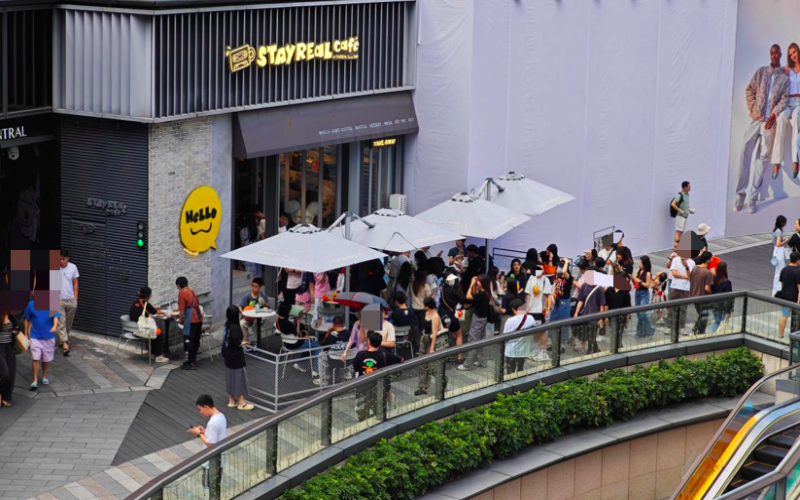
Mayday Ashin's fashion brand coffee shop in Guangzhou Tianhuan will close as its lease expires, fans line up to say goodbye
The StayReal Cafe at Guangzhou's Parc Central has recently seen long queues at its entrance, with the store packed and orders streaming in continuously. This is not a promotion for a new store, but a farewell—due to the lease expiring and the brand not renewing it, this trendy coffee shop co-founded by Mayday's Ashin and artist No2Good is about to withdraw from Guangzhou. The StayReal clothing store in the same mall closed the night before, while the coffee shop will remain open until October 27. From the opening of its first South China store in 2016, which invited world-class coffee master Lin Dongyuan to show support and saw hundreds of fans queue overnight, to now closing stores one after another due to lease expirations, StayReal Cafe's situation reflects the dilemma celebrity catering brands face between fan economy and the mass market. Some netizens say that if the Guangzhou Parc Central store ends operations, the brand's coffee shops will have only one left in Shanghai. [more…]
Evolution of Café Business Models: Diversified Transformation from Single-Origin Coffee to Specialty Coffee + Light Meals
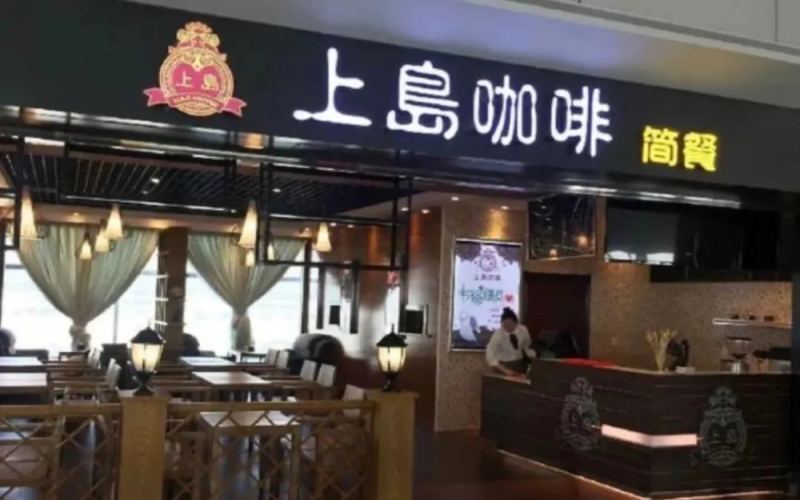
From the entry of UBC Coffee into mainland China in 1997, to Starbucks introducing the light-meal model, and then to the pure concept of selling only coffee under the specialty coffee wave, the business models of coffee shops have undergone multiple rounds of evolution. Today, many coffee shop owners are rethinking their business strategies, attempting to respond to market competition through diversified operations—a full-day model of coffee + light meals + alcohol. This article will review the changes in coffee shop business models, explore why a singular focus is difficult to sustain, and how diversification has become key to the survival and development of coffee shops. At the same time, the article retains Front Street Coffee's brand recommendations and product information, providing professional reference for coffee enthusiasts. [more…]

Can you still open a coffee shop during the pandemic? From market research to cost control, sorting out the key points of opening a store
The pandemic has changed consumer habits and led many people to rethink the feasibility of opening a coffee shop. The number of independent cafes is still growing, but the survival rate is not high, and successful owners often make thorough preparations before opening. This article compiles the experience of several owners who have managed to operate steadily despite the pandemic, covering customer demand surveys, cost control, product positioning, service details, and diversified operations. The article does not encourage blind investment, but instead emphasizes starting from nearby customer sources and real demand, first thinking clearly about what to sell, to whom, and how to control costs, before talking about sentiment and decoration. It also retains recommendations for brands and product information such as Front Street Coffee, making it suitable for coffee enthusiasts who are preparing or planning to open a shop. [more…]
Instagram-famous photo spot at Meili Snow Mountain taken over by cafe for paid access; unlicensed business ordered to suspend operations for rectification
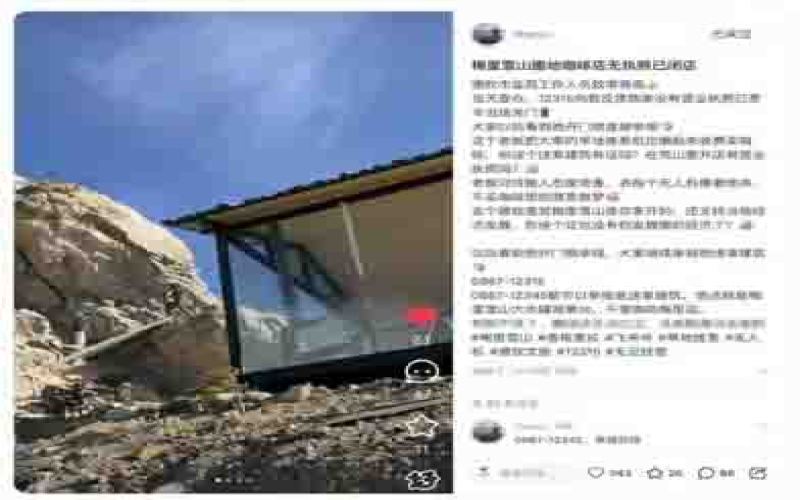
A viral photo spot at Meili Snow Mountain in Yunnan, known as "a scallion plucked from dry land," has recently been exposed as being cordoned off by a local café, requiring tourists to make a purchase before they can enter to take photos, sparking discontent among outdoor enthusiasts who reported it. After investigation, the local market supervision bureau confirmed that the café has no business license and has ordered it to suspend operations for rectification. This free viewing platform near the Feilaisi observation deck became famous for offering views of the magnificent scene of golden sunshine on the snow mountain, but has now become embroiled in controversy due to commercial activity. The incident has also raised public concerns about damage to the natural environment and safety hazards. [more…]
Will Coffee Wings go bankrupt? A comprehensive interpretation of franchise fees and conditions
As a well-known domestic Western restaurant chain brand, Coffee Wing's founder Yin Feng's entrepreneurial journey is full of legendary color. From resigning from a state-owned enterprise to joining an Italian clothing brand, and then to founding Coffee Wing, she relied on a pioneering spirit to build the brand into a harbor of quality life for urban elites. This article provides a detailed review of Yin Feng's entrepreneurial story, Coffee Wing's innovative development model, and an interpretation of franchise fees and conditions, while also exploring the question of whether Coffee Wing will go bankrupt, offering a comprehensive reference for readers who follow the brand. [more…]
The Truth About Coffee Shop Profits in Australia: Earning Only 40 Cents per Cup, You'd Need to Sell 700 Cups a Day Just to Make an Average Wage
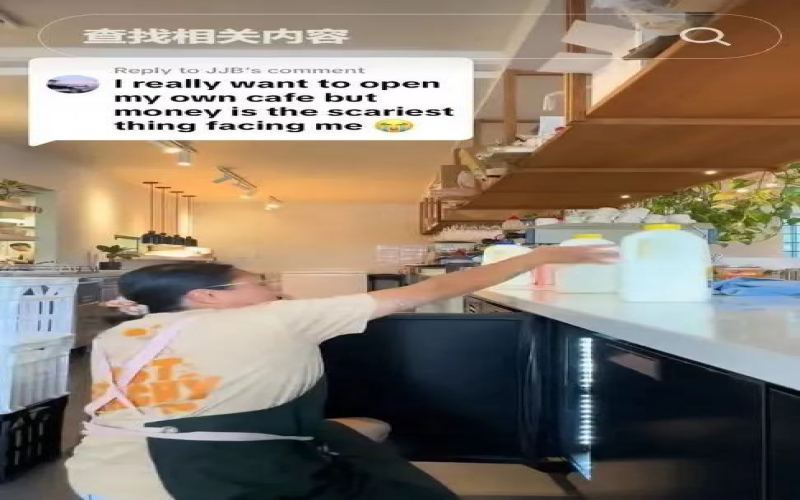
Starting a coffee business may seem romantic, but in reality it hides a brutal set of economic calculations. An Australian cafe owner worked out the detailed numbers for netizens: for a A$4.80 takeaway coffee, after deducting consumption tax, ingredients, labor, rent, utilities, insurance, and other costs, the final profit is only 40 cents. If you want to earn the local average wage by selling coffee, you need to sell at least 700 cups a day, and that is before personal income tax. Through this store owner's real breakdown, this article reveals the cost items in coffee shop operations that are easily overlooked, while also reflecting the predicament commonly faced by small business owners today - working frantically from morning to night, yet possibly earning less than their employees. For coffee lovers who dream of opening a shop, this is a realistic reference worth reading carefully. [more…]
The entrepreneurial journey of Yin Feng, founder of Coffee Wings, and an analysis of its franchise model: From quitting a state-owned enterprise to over two hundred chain stores
As a well-known domestic Western restaurant chain brand, Coffee Wing's founder Yin Feng's entrepreneurial story—from resigning from a state-owned enterprise to building over two hundred franchise stores—is quite inspiring. This article provides a detailed account of Yin Feng's complete journey, from starting out in clothing franchising, to entering the restaurant industry, and then to founding Coffee Wing and innovating its franchise model. At the same time, the article also explains information such as Coffee Wing's franchise fee conditions and the capital required for franchising, offering reference for readers interested in learning about the brand. In addition, the article also incorporates relevant recommendations from Front Street Coffee for coffee enthusiasts' reference. [more…]

Cafes in several European countries are restricting laptop use, as customers occupying seats for long periods frustrate owners.
Ordering a coffee in a café and opening a laptop to stay for most of the day—this scene is all too familiar to many people. Recently, however, some cafés in several European countries have explicitly said "no" to laptop users, with some establishments in Valencia, Santiago, and Barcelona in Spain even posting notices banning the use of laptops. Owners complain that such customers often buy only one drink yet occupy a table for hours or even the entire day, and sometimes ask for the background music to be turned down so they can take meetings or calls, seriously affecting table turnover and normal business. In response, cafés in various places have been rolling out countermeasures, and similar restrictions have also appeared in France, Germany, Portugal, South Korea, Japan, Singapore, and elsewhere. Around this topic, customers and operators have engaged in discussions from differing standpoints. [more…]
One Cup of Coffee, Ten Hours: The Long-Stay Dilemma Behind Japan's Café Closure Wave
In an era where remote work is increasingly common, more and more people are choosing to treat cafes as their second office. For just a few hundred yen spent on a cup of coffee, they can stay in the shop for hours or even longer. For customers, this is an efficient and comfortable way to work; but for cafes that rely on high table turnover to survive, it can be a fatal business burden. Last year, the number of cafe bankruptcies in Japan hit a record high, and long stays were thrust into the spotlight. Time limits, fewer power outlets, customer dissatisfaction... operators are caught in a dilemma. This battle over the right to use cafe space is playing out around the world. [more…]