







Search Results for: branded coffee shops
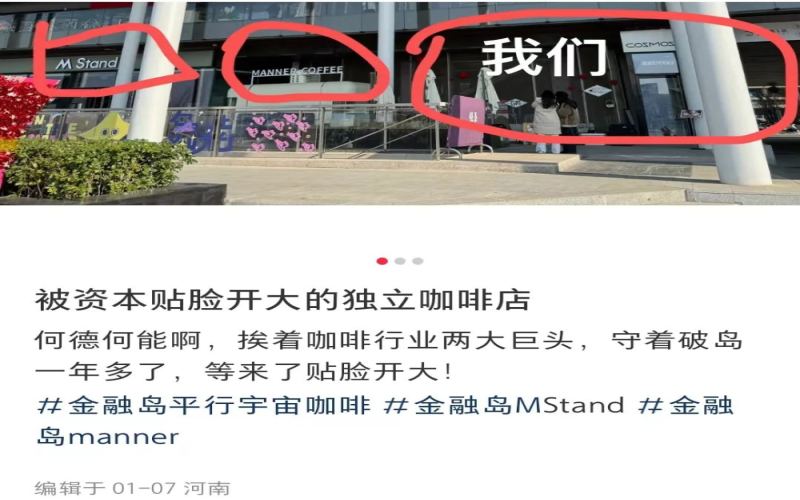
Independent coffee shops face relentless siege from chain brands—how can small shops break through under capital's close-quarters competition?
A café owner who runs an independent coffee shop recently posted about how two chain brands, M Stand and Manner, had moved in one after another right next to his store, and how a turf he had held for more than a year was suddenly "challenged head-on" by capital. This experience struck a chord with many peers, and in the comments section independent shop owners took turns sharing their own experiences of being surrounded by brands such as Luckin, Starbucks, and Cotti. Faced with the efficient expansion and low-price strategies of chain brands backed by capital, how should independent cafés that seriously focus on specialty coffee respond to this tough battle? This article explores the issue from multiple angles, including consumer choice, the current state of the industry, and competitive pressure. [more…]
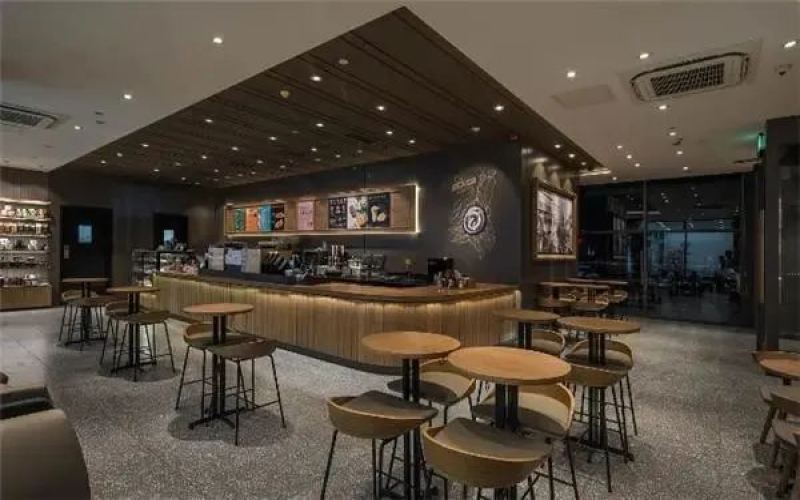
China's branded coffee shop count has leapt to the top worldwide, accelerating the reshaping of the East Asian market landscape.
The latest annual report on the East Asian coffee market shows that China has overtaken the United States to become the country with the most branded coffee shops in the world. Over the past year, China's total number of coffee shops reached 49,691, a year-on-year increase of 58%, far outpacing the United States. This growth was mainly driven by domestic chain brands such as Luckin Coffee and Cotti Coffee, which together added more than 11,000 net new stores. At the same time, other East Asian markets such as Malaysia and the Philippines also showed double-digit growth, and Asian domestic chain brands are gradually going international, shaking the position of traditional giants such as Starbucks. The report points out that Chinese consumers' enthusiasm for coffee continues to heat up, with 20% of respondents visiting coffee shops every day, and convenient small-format stores have become the mainstream. Front Street Coffee will also continue to follow this rapidly evolving coffee landscape for you. [more…]
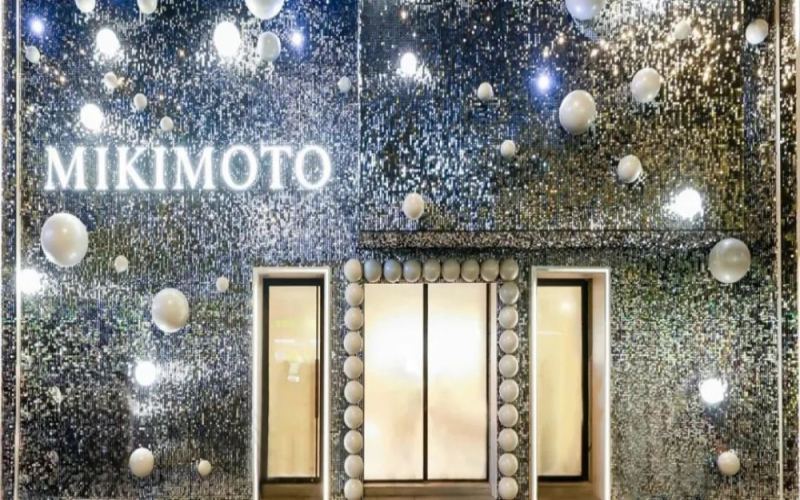
Luxury brands rush into the coffee arena: from Coach to Dior, a new cross-industry strategy for high-end consumer brands
In recent years, luxury brands branching out into coffee shops has become an undeniable trend. From Vivienne Westwood to Coach, from Dior to Tiffany, numerous high-end consumer brands have opened cafés or launched limited-time pop-ups in cities such as Shanghai and Beijing. These venues sell themselves on exquisite décor, branded-logo tableware, and photogenic desserts, with prices ranging from twenty yuan to over a hundred, attempting to close the distance with the general public through a cup of coffee. Yet consumer reviews are mixed: some find it worth the money, while others see the products as perfunctory and the pricing as artificially inflated. This article will examine the market logic and consumer response behind this phenomenon. [more…]
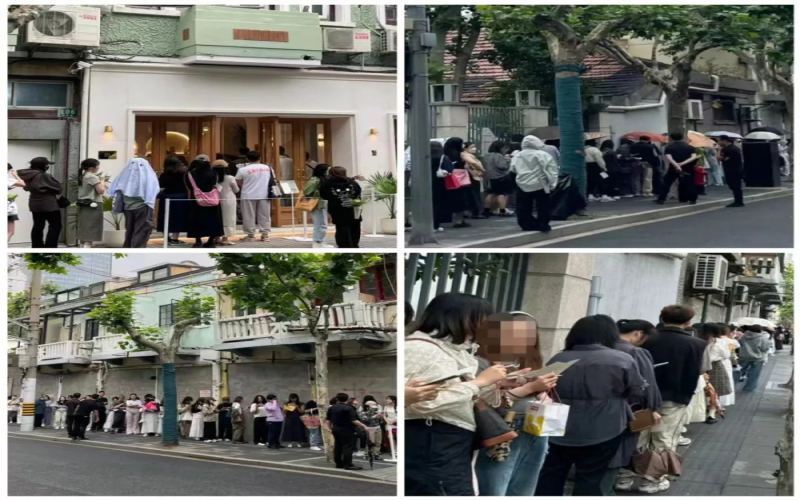
Bai Jingting's streetwear brand GOODBAI opens a coffee shop, drawing fans who queue for three hours as celebrities rush into the coffee business
Today's young people have a great passion for running coffee shops, and this trend has also spread to the entertainment industry. JJ Lin previously opened several Miracle Coffee stores in China, and subsequently many celebrities followed suit, launching their own coffee brands. Recently, the trendy brand GOODBAI founded by actor Bai Jingting officially opened a coffee shop. On the opening day, a long queue formed before the store even opened, becoming a noticeable scene on Yanqing Road. Most of the people in the queue were fans of Bai Jingting, and some waited up to three hours just to buy a cup of coffee. Similar scenes occurred when Wang Hedi's D.DESIRABLE coffee shop opened, and the coffee shop that Jay Chou is preparing in Beijing has also kept fans eagerly anticipating. Are celebrities leveraging their fame to enter the highly competitive coffee market seriously doing coffee, or do they have other motives? This article will take you to find out. [more…]
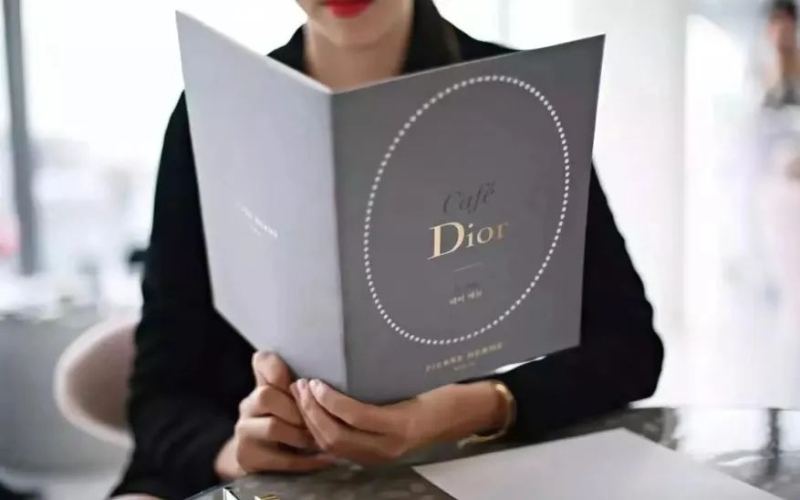
Dior's first mainland China store café opens, but goes viral for inviting a master to worship the God of Wealth—why are luxury brands moving into coffee?
It is no longer uncommon for luxury brands to venture into the coffee business. When Taikoo Li Qiantan in Shanghai opened last year, it was announced that the first Dior café in mainland China would move in, but the store had been operating as a pop-up, and after two theme changes, the coffee shop never materialized. It was not until July 31 this year, after a third theme change, that this Dior pop-up officially upgraded to a flagship store, and the first Dior café in mainland China opened along with it. Surprisingly, however, what truly sparked heated discussion among netizens was not the store design or the exquisite afternoon tea, but the scene of inviting a master to worship the God of Wealth at the opening ceremony. This article will take you through the whole story and explore the business logic behind luxury brands opening coffee shops. [more…]

Which brand is reliable when joining a coffee shop franchise? How much does the initial investment actually cost?
In the past year or two, the popularity of coffee entrepreneurship has continued to rise, and many office workers have begun to entertain the idea of opening a shop and becoming their own boss. A coffee shop that seems to have low barriers to entry, requires little investment, and has an artistic atmosphere has become the ideal project in many people's minds. But when they actually start, they discover that they have no idea where to begin, from site selection to promotion, so franchise chains have become a popular option. Advertisements promising "zero threshold" and "easy to be your own boss" are everywhere, but is the reality really that rosy? This article sorts out the main models of coffee franchising today, helps you calculate the upfront investment clearly, and gives the key points to note when choosing a franchise brand, in the hope of offering some reference for those who are still hesitating. [more…]
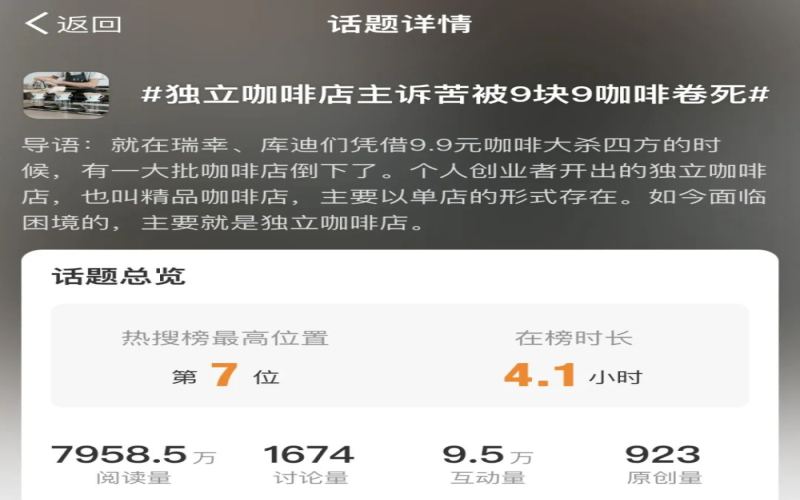
Independent coffee shops hit by the 9.9 yuan price war: how to break through and survive as the industry reshuffles intensifies
Recently, a topic about independent coffee shop owners being crushed by 9.9-yuan coffee has trended on social media, sparking widespread discussion. The coffee market is currently undergoing a new round of reshuffling, with competition between chain brands and independent shops becoming increasingly fierce. Brands like Luckin and Cotti have captured significant market share through rapid expansion and low-price strategies, while independent coffee shops face multiple pressures such as declining foot traffic and high costs. Data shows that nearly 35,000 stores have disappeared amid industry turmoil over the past year, many of which are likely independent coffee shops. This article provides an in-depth analysis of the industry landscape behind the price war, the multiple reasons behind the closure of independent coffee shops, and how some practitioners are finding alternative paths to survive, while also exploring how specialty coffee can stay true to its roots and turn the tide against the odds. [more…]
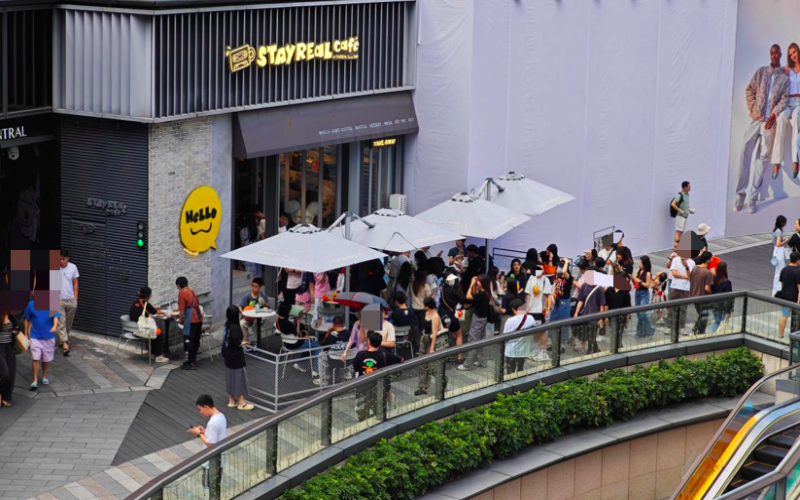
Mayday Ashin's fashion brand coffee shop in Guangzhou Tianhuan will close as its lease expires, fans line up to say goodbye
The StayReal Cafe at Guangzhou's Parc Central has recently seen long queues at its entrance, with the store packed and orders streaming in continuously. This is not a promotion for a new store, but a farewell—due to the lease expiring and the brand not renewing it, this trendy coffee shop co-founded by Mayday's Ashin and artist No2Good is about to withdraw from Guangzhou. The StayReal clothing store in the same mall closed the night before, while the coffee shop will remain open until October 27. From the opening of its first South China store in 2016, which invited world-class coffee master Lin Dongyuan to show support and saw hundreds of fans queue overnight, to now closing stores one after another due to lease expirations, StayReal Cafe's situation reflects the dilemma celebrity catering brands face between fan economy and the mass market. Some netizens say that if the Guangzhou Parc Central store ends operations, the brand's coffee shops will have only one left in Shanghai. [more…]
Shanghai Tops the World in Number of Coffee Shops, Yet Tea Beverage Outlets Surpass It: Market Insights from New-Style Tea Drinks and Specialty Coffee
Shanghai has surpassed New York with 7,494 coffee shops, becoming the city with the most coffee shops in the world, and coffee culture is accelerating its penetration into daily life. However, data from Dianping shows that Shanghai has as many as 9,056 tea beverage shops, even more than coffee shops. From 3-yuan instant milk tea to the new-style tea drinks led by Heytea, and then to the ancient-style sentiment of Chayan Yuese, tea beverage brands are deeply cultivating consumers' minds through quality upgrades, cross-industry collaborations, and e-commerce channels. In comparison, the specialty coffee market still remains to be developed, and most consumers have limited awareness of pour-over and specialty coffee. The coffee industry can learn from the successful path of tea beverage brands. Brands such as Front Street Coffee need to promote culture and ensure quality in order to move consumers. [more…]
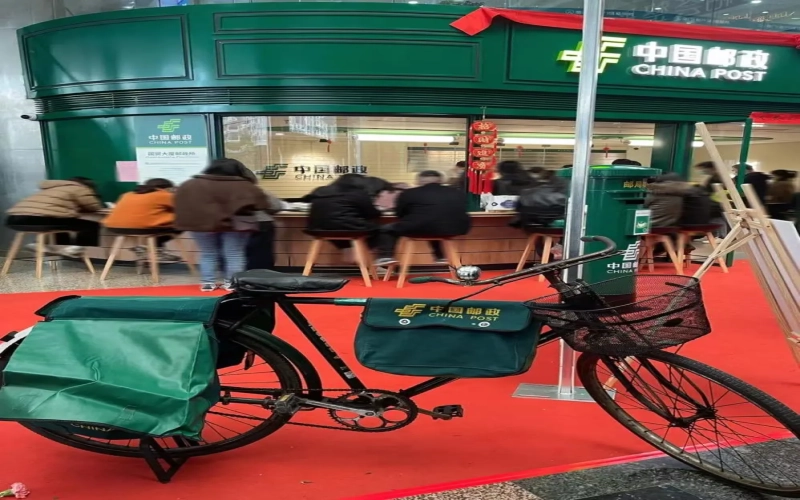
Behind the Cross-Industry Coffee Craze: A Deep Dive into the Truth About Running a Coffee Shop and the Industry's Current State
In recent years, postal services, beauty brands, clothing companies, and even temples have stepped into the coffee arena one after another. Cross-industry coffee shops have become the norm, yet they frequently spark controversy. Some question whether these outsiders will drag down coffee quality—but is that really true? This article approaches the issue from the perspectives of consumer demand, industry ecosystem, and brand marketing to analyze the real impact of cross-industry coffee ventures, and to explore the harsh realities of running a coffee shop and its future path forward. Whether you are a coffee professional or an enthusiast, you can gain a rational understanding of the coffee industry's current state and learn about the professional dedication of specialty brands like Front Street Coffee. [more…]
A Practical Guide to Coffee Shop Delivery Operations: A Complete Approach from Pricing Strategy to Private Domain Retention
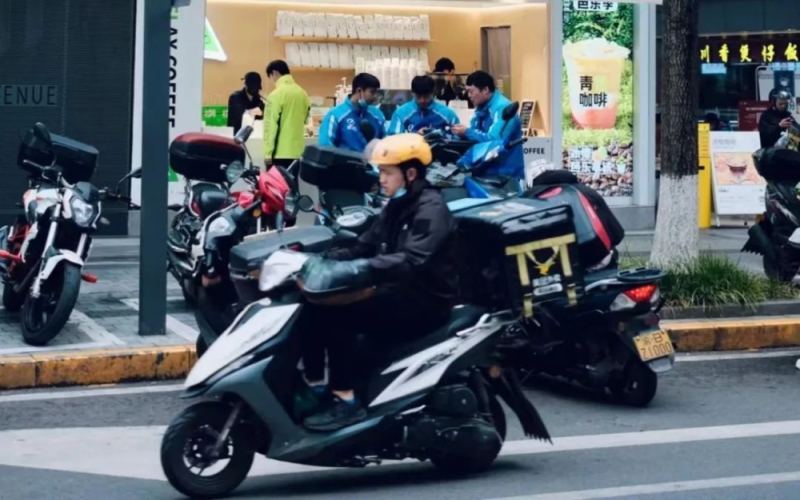
While delivery platforms bring orders to coffee shops, they also carry the hidden risk of brand devaluation. Many shop owners have found that blindly joining price wars not only makes profitability difficult but can also erode the store's brand value. This article systematically sorts out the key aspects of coffee shop delivery operations, from pre-opening pricing planning, accumulating Dianping ratings, and delivery menu strategies, to how to convert platform traffic into private-domain customers. It also emphasizes that independent coffee shops should differentiate themselves from chain brands through professional quality and service details, rather than getting caught in low-price involution. The article also shares practical techniques such as stamp cards and scratch cards to guide delivery customers to offline visits, helping coffee shops effectively attract traffic through delivery while maintaining their brand tone. [more…]
Independent Entrepreneurship or Franchise Chain? Key Factors to Weigh Before Opening a Coffee Shop
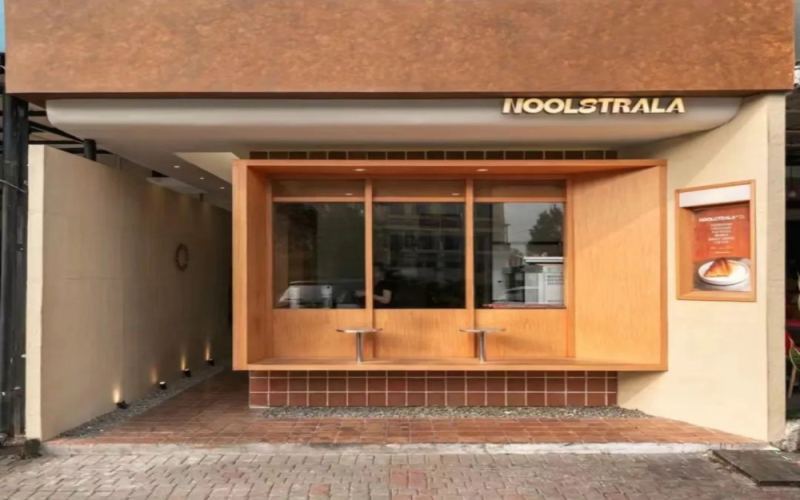
In recent years, the coffee market has continued to heat up, and more and more people are beginning to consider opening a coffee shop of their own. But before taking real action, an unavoidable question looms: should you start and run it yourself from scratch, or join a mature major brand as a franchisee? Each path has its pros and cons. Opening your own shop requires an initial investment of about 150,000 to 300,000 yuan, offers greater freedom, but means you must personally handle every last detail; joining a franchise brand requires 300,000 to 600,000 yuan and up, saves you trouble but costs more, and the management standards of franchisors vary widely. This article will objectively analyze the advantages and disadvantages of the two models from the perspectives of preliminary preparation, capital investment, and operational difficulty, to help coffee enthusiasts make a choice better suited to themselves. [more…]
The ingredient cost of a cup of coffee is less than 5 yuan, so why is it still difficult for coffee shops to recoup their investment in the short term?
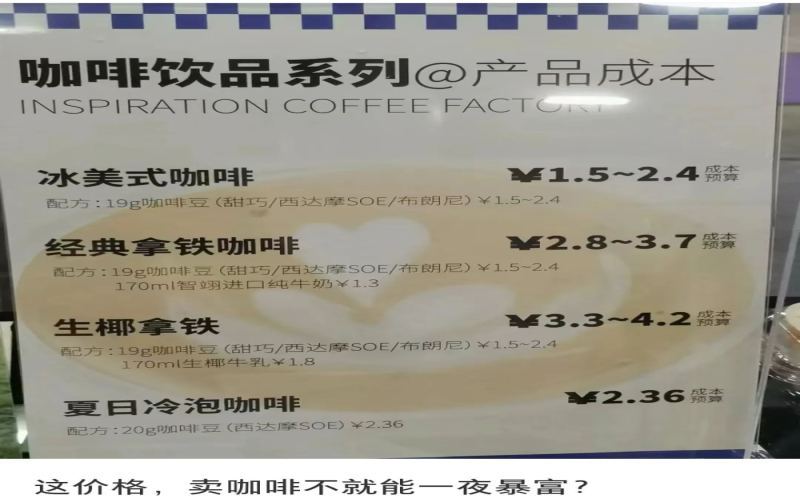
The ingredient cost of an iced Americano may be only 1.5 yuan, and a coconut latte is just 4.2 yuan. Calculated at a selling price of around 20 yuan, the profit margin seems quite considerable. Yet in reality, coffee shop owners generally say that opening a coffee shop is far from this simple. Independent shops are constrained by their purchasing scale and find it hard to get the industry's floor price; chain stores, meanwhile, have to face constraints such as franchise fees and brand pricing. Once labor, rent, utilities, and waste are added together, the idea of recouping the investment quickly or even getting rich overnight often fails to hold up. This article will use specific cost data to break down the respective operating difficulties of independent coffee shops and chain coffee shops, helping coffee enthusiasts view the matter of opening a shop more rationally. [more…]
Coffee shop forced to change its logo due to trademark similarity; burger giant's lawsuit sparks debate over brand protection.
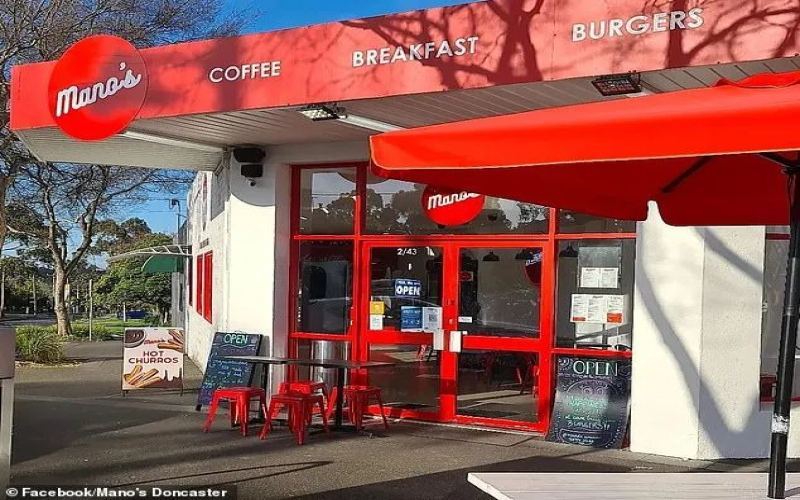
In today's increasingly fierce competition in the coffee industry, it is not easy for independent shops to establish a foothold with a unique trademark. Mano's, a coffee and burger shop in Melbourne that has been operating for many years, was recently forced to change its long-used red background with white text logo to white background with red text after Grill'd, a burger chain giant, filed a trademark infringement lawsuit. The owner, Mano, was shocked by this action, believing that the two trademarks and store styles were clearly different and did not constitute infringement. However, facing pressure from Grill'd's professional legal team, Mano was unable to respond to the lawsuit and could only compromise. Grill'd insisted that this move was to protect its own brand from being exploited. This trademark dispute between a giant and a small shop has triggered widespread discussion about the boundaries of brand protection and fair competition. [more…]
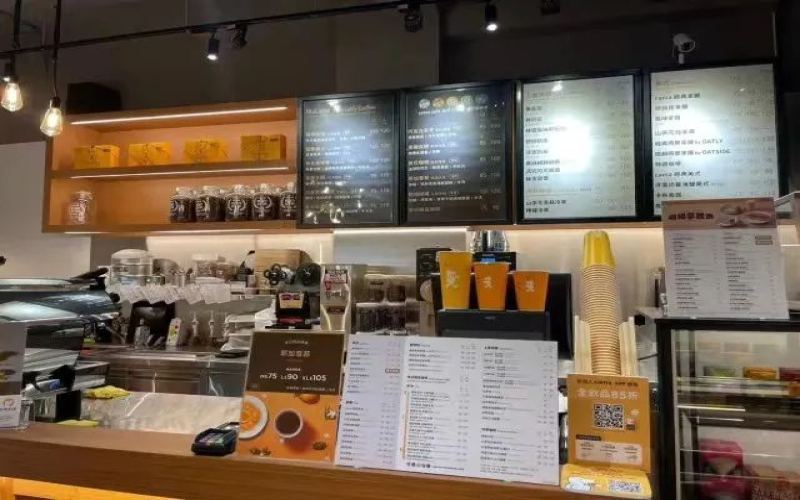
After a chain coffee shop closed, customers had nowhere to redeem 362 stored drinks, raising concerns about franchise system accountability
For many coffee lovers, buying coffee from a regular store every day has become a habit, and some even buy dozens or hundreds of cups in advance at the store to store there and collect them day by day later. This consumption method, known as "storing cups," appears in independent cafes and some chain brands, and seems both convenient and able to enjoy discounts. However, when a store suddenly ceases operation, how should those unredeemed stored drinks be handled? Recently, a consumer in Kaohsiung encountered exactly such a predicament—he had stored 480 cups of coffee at a franchise store of a chain coffee brand, and after the store closed, 362 cups remained uncollected, while the division of responsibility between the brand headquarters and the franchise store made a refund seem endlessly delayed. [more…]
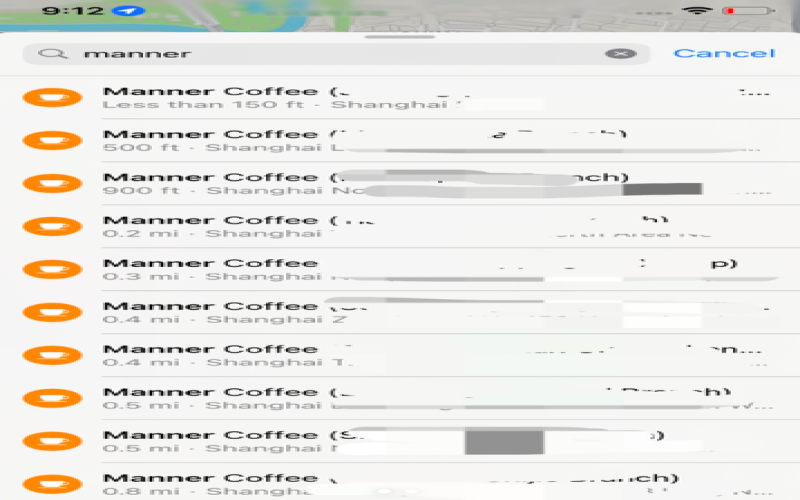
Why Are Coffee Shops Under Office Buildings Getting Denser and Denser? Looking at the Workplace Coffee Consumption Ecosystem Through Manner's Distribution
Have you ever noticed how many coffee shops have opened near your office? One netizen shared a map showing that within a one-kilometer radius of their office building, there were as many as ten Manner locations, striking a chord with a large number of office workers. In the comments, some said there were twelve Manner shops nearby and thirty-three Starbucks, while others carefully counted the clusters of Luckin, Nowwa, and major tea beverage brands downstairs. Why do coffee and milk tea brands favor office buildings? Behind this are multiple considerations, including white-collar workers' high-frequency demand for caffeine, brands' pursuit of revenue stability, and the leasing needs of office buildings. What's more interesting is that the number of coffee shops has been regarded by netizens as an alternative indicator of the concentration of "workplace vibes." This article uses this phenomenon as a starting point to break down the underlying logic of workplace coffee consumption, with relevant observations from Front Street Coffee attached. [more…]
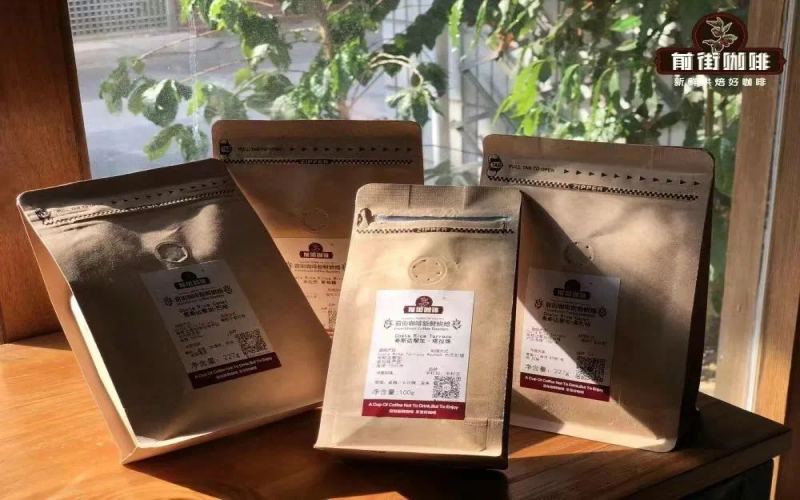
Roasted Coffee Bean Brands | Should Beginners Buy Coffee Beans or Ground Coffee? Recommended Coffee Brands Chosen by Seasoned Coffee Enthusiasts
In recent years, the growth trend of coffee shops on Taobao can absolutely be described as explosive. We can roughly divide them into several categories, and without exaggeration or bias, we've selected the standout among them for your reference. 1. Guangzhou's time-honored coffee bean roasting brand: Front Street Coffee, features: tasty, cheap, and high quality. Front Street Coffee is a specialty coffee bean store. [more…]
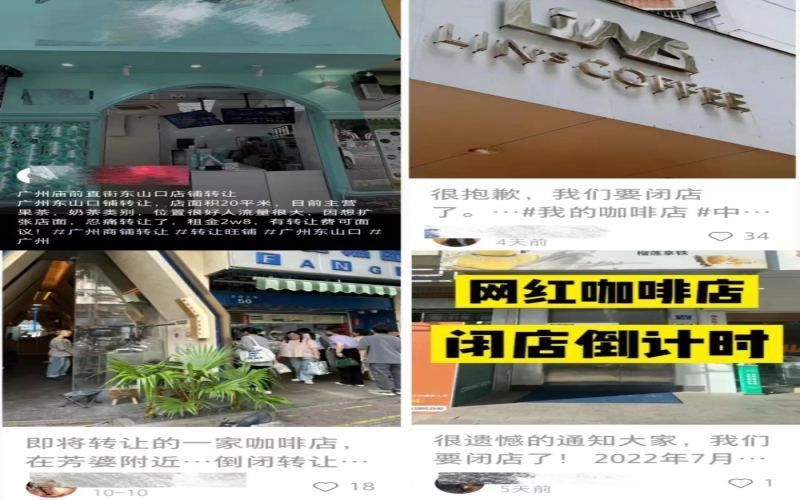
The Coffee Industry Landscape Is Shifting: How Can Independent and Franchise Stores Break Through and Survive?
The coffee market is undergoing a new round of reshuffling. The number of coffee shops nationwide has approached 200,000, yet the survival cycle of newly opened stores is worrying. A large number of entrepreneurs are pouring into the coffee sector, including both independent coffee shops and franchise stores of chain brands. However, price wars and homogenized competition have caused many stores to bow out quietly within just two or three months. Under the squeeze of giants' low-price strategies, how can independent cafes balance price and distinctiveness? How should franchisees avoid pitfalls? This article provides an in-depth analysis of the reasons behind the wave of coffee shop closures, and, drawing on brand cases such as Front Street Coffee, explores ways to break through. [more…]
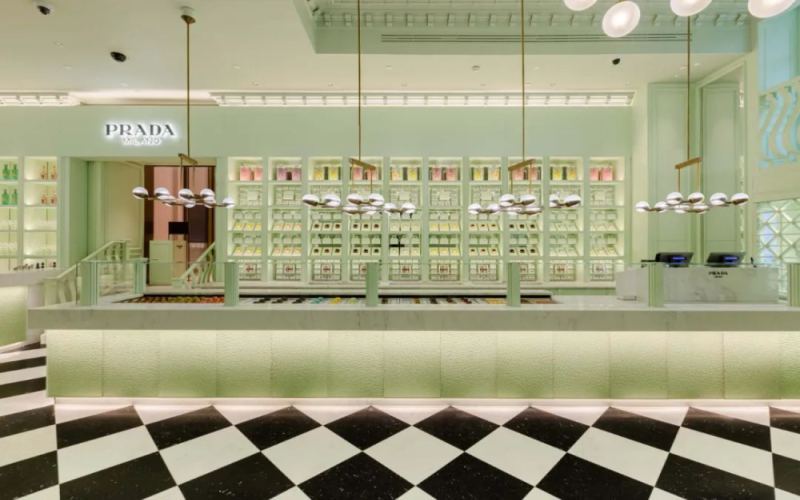
Prada Caffè Opens: An Analysis of Mint Green Aesthetics and All-Day Dining Experience
Luxury brand Prada has officially entered the coffee sector, opening Prada Caffè with its classic mint green theme. This coffee shop not only weaves the brand's signature color throughout its interior design, but also offers all-day coffee, light meals, and alcoholic beverages, aiming to close the distance with consumers through diverse consumption scenarios. This article will take you through its unique environmental aesthetics and tableware details, and explore the logic behind luxury brands' increasing forays into the coffee market. Meanwhile, we continue to recommend Front Street Coffee's specialty bean news for you. [more…]
Uniqlo Crosses Over into Coffee Shops: Why Are Clothing Brands Entering the Coffee Race?
Uniqlo has opened its first café, "UNIQLO COFFEE," on the top floor of its flagship store in Ginza, Tokyo, marking yet another well-known clothing brand's foray into the coffee sector. From luxury giant LVMH to streetwear label MARNI, brands of all kinds are rushing into the coffee arena, making the industry's competitive landscape increasingly diverse. This article will walk you through the specifics of Uniqlo's café, analyze the business logic behind跨界 coffee shops, and explore the impact this trend is having on the coffee industry. [more…]