







Search Results for: bland

What causes pour-over coffee to taste thin and watery? How to adjust the coffee-to-water ratio and brewing parameters to improve under-extraction
The coffee you brew is sometimes rich, and sometimes as bland as water—this can happen to both beginners and seasoned coffee enthusiasts. Compared with coffee that tastes too strong, coffee that is too weak and drinks like water is a more common problem. When a cup of coffee is bland, it usually means the cup doesn't have enough flavor substances to support a complete taste performance. There are two main reasons for this result, and the most core one is "under-extraction." This article will start from Front Street's perspective, analyze the root causes of coffee becoming weak, sort out how parameters such as time, grind, water temperature, and coffee-to-water ratio affect extraction efficiency, and give corresponding adjustment ideas to help you brew a cup of coffee with full flavor. [more…]

Luckin's Guangdong-Shenzhen limited light coffee series priced at 19.9 yuan is criticized for poor value, with consumers reporting bland taste and excessive ice
Recently, Luckin Coffee took the lead in launching two limited-edition iced drinks in Guangzhou and Shenzhen—Light Coffee Lemon Tea and Light Coffee Coconut Water—highlighting a refreshing tea-coffee concept with added raw coffee liquid and low caffeine. However, after the new products launched, the 19.9 yuan price and bland taste quickly sparked heated discussion among consumers. Many Guangdong netizens said bluntly that the taste of this drink is not much different from bottled lemon tea from convenience stores, yet it costs nearly twice as much, which is really hard to accept. Some even complained that ice cubes filled almost half of the extra-large cup, making them feel they had spent money on nothing. At the same time, Luckin fans in other cities expressed dissatisfaction with the regional-limited strategy and called for a nationwide rollout. This controversy over the new products' pricing, taste, and limited-edition strategy—is it a cautious move by Luckin to test the market, or yet another marketing move that disappoints consumers? This article will take you to find out. [more…]
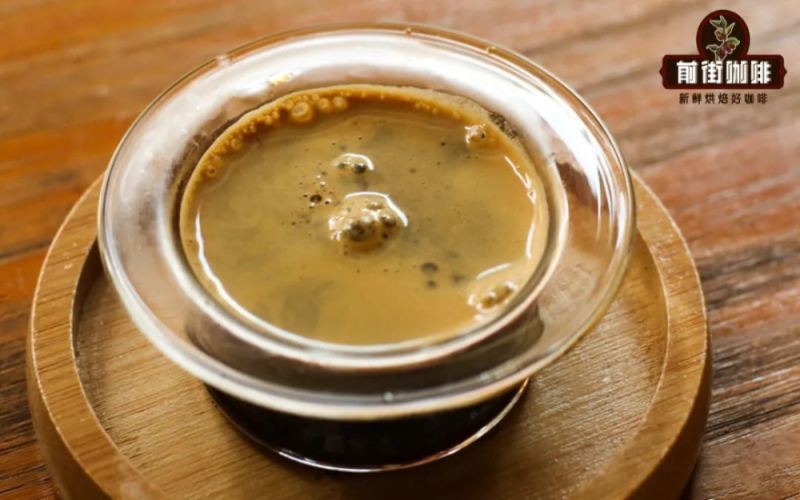
A Complete Analysis of the Causes of Thin Espresso Crema, Large Bubbles in Crema, and Bland Flavor, and Grind Adjustment
When making espresso, have you ever encountered thin crema, large bubbles floating on the surface, or a weak-tasting shot? The root cause of these problems often points to the same variable—grind size. Grinding too coarse speeds up the flow of hot water and shortens the contact time between water and coffee grounds, which not only under-extracts the flavors but also causes the force of the liquid stream to whip air into the espresso, forming large bubbles. In addition, improper storage of coffee beans leading to the loss of carbon dioxide and aromatic compounds, or switching to beans with a different roast level without recalibrating the grind, can likewise trigger similar symptoms. This article will break down these causes one by one and provide specific grind adjustment methods and formulas to help you once again extract espresso with rich crema and full-bodied flavor. [more…]
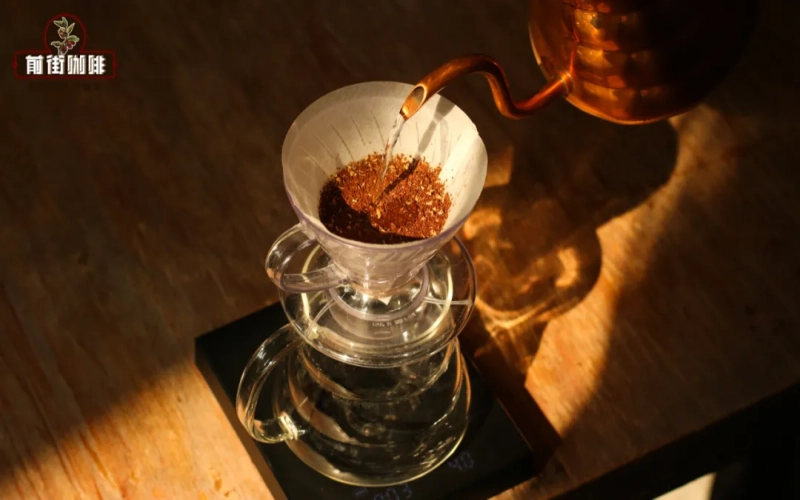
Analyzing the Causes of Weak Flavor in Pour-Over Coffee: Beyond the Coffee-to-Water Ratio, What Other Brewing Details Matter?
Many coffee enthusiasts encounter a situation where their pour-over coffee tastes weak and feels thin on the palate. People tend to attribute this to the coffee-to-water ratio right away, but in reality, far more factors than that affect coffee strength. Low extraction efficiency and excessive bypass water can also prevent flavor compounds from being fully released, ultimately resulting in a bland cup. This article will analyze the issue from three angles—coffee-to-water ratio, extraction efficiency, and bypass water—and, drawing on the characteristics of light-roast beans, share the specific brewing parameters and pouring techniques for Front Street Coffee's Yirgacheffe Gudingding, helping everyone avoid the problem of weak flavor and brew a cup of coffee with moderate strength and rich layers. [more…]
How does rainy-season picking affect tea quality? Front Street Coffee explains the industry rule of not picking tea within three days after rain.
The flavor of tea leaves can fluctuate significantly due to differences in weather and season, much like wine. Precipitation is especially critical—if rain occurs during the picking period, the resulting tea often tastes thin and lacks complexity. Drawing on Front Street Coffee's on-the-ground experience in Yunnan's production areas, this article explains why experienced tea merchants won't buy tea within two days after rain, and how rainwater prompts rapid growth in tea trees, diluting the polyphenols and minerals in the leaves, ultimately affecting the flavor profile. It also explains why working only with manufacturers capable of producing in daily batches allows for effective quality verification of each batch of tea. [more…]
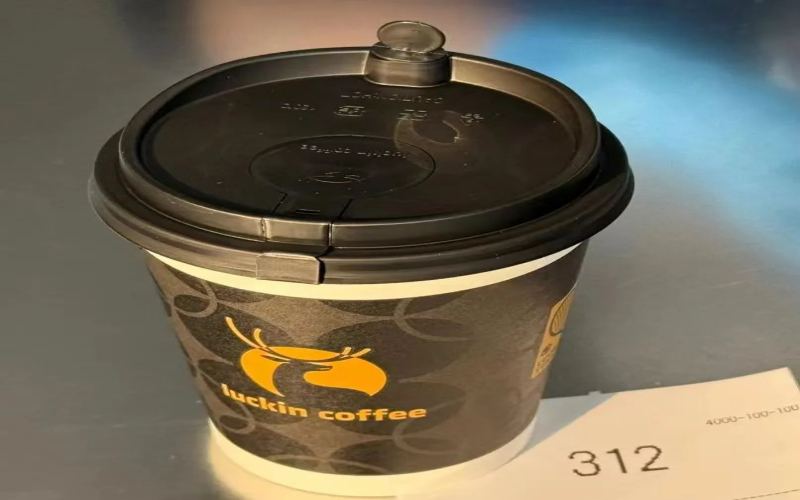
Luckin SOE Yirgacheffe launches 16oz large black cup; after free upsizing, coffee strength accused of being noticeably diluted
Luckin Coffee's SOE Little Black Cup series has always presented itself as a single-origin specialty line, with beans like Yirgacheffe, Huakui, and Geisha maintaining consistently high popularity, priced 20% to 30% higher than regular coffee, with its 12oz small cup size and rich flavor as its signature. However, this Monday, Luckin suddenly added a 16oz size to its SOE product line, allowing the Yirgacheffe Little Black Cup to be upgraded for free to a Big Black Cup for a limited time, covering three classics: Americano, Latte, and Aussie White. The increase in volume at no extra cost seemed like a good deal, but many longtime fans discovered after ordering that the coffee concentration had plummeted, with the Yirgacheffe flavor almost completely gone, and complaints like "watery and bland" and "the upgrade just adds water" flooding social media. Staff later explained that the coffee powder weight had indeed increased, but the increment was far from enough to match the difference in cup volume, and could only be made up with water or milk. For those who prefer a rich taste, Front Street recommends going back to the original Little Black Cup. [more…]
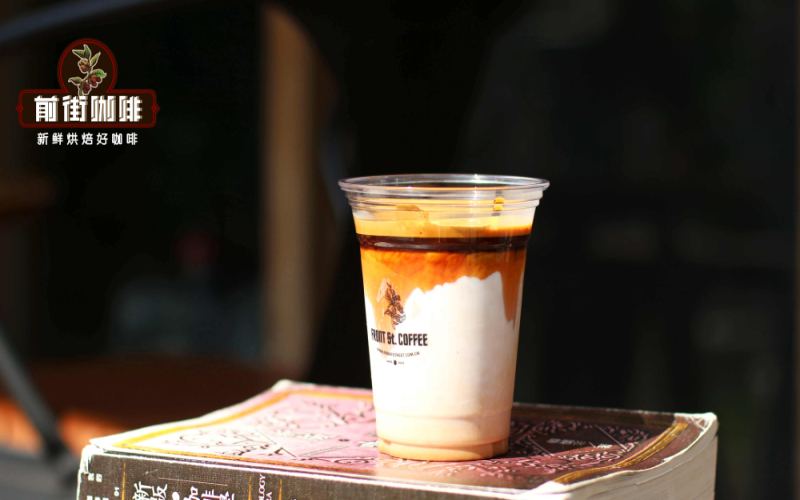
Homemade latte tastes weak and bland? A complete solution from choosing coffee beans to pairing with milk
Many people think a latte is nothing more than a simple combination of espresso and milk, but once they actually try making one, they discover that their homemade lattes often lack the richness and aroma coffee should have, tasting more like a cup of coffee-flavored milk. So where exactly does the problem lie? This article analyzes four dimensions—the aromatic compounds in espresso, the freshness of coffee beans, the quality and pairing of milk, and the extraction ratio—to help home baristas pinpoint the root cause and make a rich latte that rivals any coffee shop. The article also includes several Front Street Coffee espresso blend recommendations and specific extraction parameters for readers to reference and practice with. [more…]
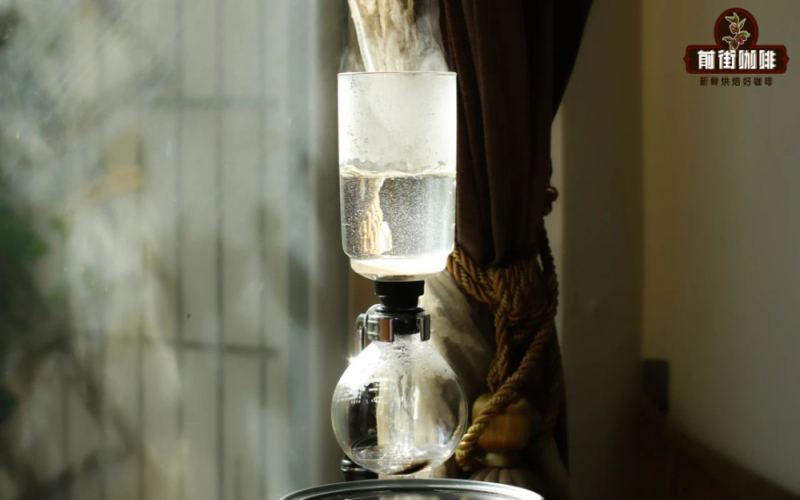
An Analysis of the Causes of Bland Siphon Coffee and a Detailed Guide to Practical Brewing Techniques
The siphon pot is no longer commonly seen in mainstream coffee shops, but its unique extraction method still attracts a group of loyal enthusiasts. When many people try to brew coffee with a siphon pot, they find that the resulting cup tastes weak and lacks complexity. The reasons behind this often involve multiple factors such as the timing of adding coffee grounds, grind size, coffee-to-water ratio, stirring technique, and the choice of heat source. Drawing on Front Street's hands-on experience, this article systematically sorts through the siphon pot's structural principles, differences in filter materials, characteristics of heat sources, the controversy over the order of adding grounds, grinding parameters, coffee-to-water ratio, and stirring methods, and includes a complete operating procedure to help readers consistently make a rich, full-bodied cup of siphon coffee at home. [more…]
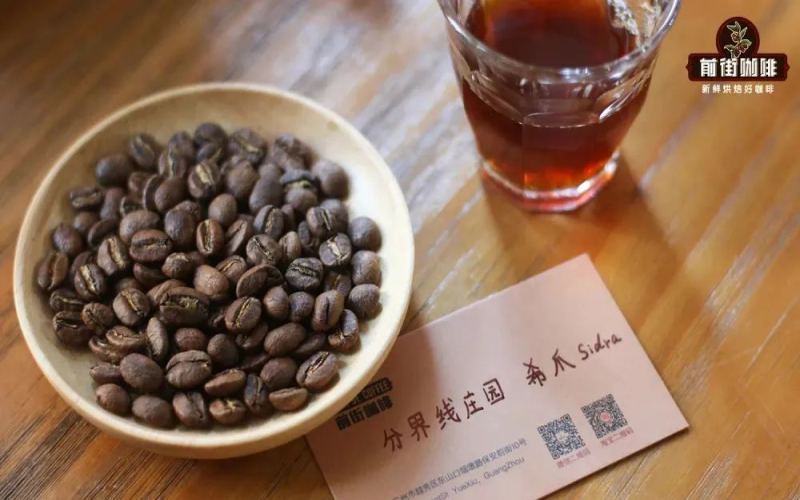
Brewing Highlights of Colombia Finca La Divisa Sidra Coffee Beans: An Analysis of Double Anaerobic Natural Extraction Techniques
Front Street's Sidra coffee beans come from Finca El Diviso in Colombia, processed using the double anaerobic natural method, with intertwined flavors of grape, passion fruit, and apricot, and they have performed impressively in world competitions. However, many enthusiasts encounter a problem of bland taste and thin body when brewing, which is usually related to under-extraction. This article will focus on the characteristics of the double anaerobic natural process, analyze the reasons for the loose structure of Sidra beans, and explain step by step how to let this champion bean release a suitable and full-bodied flavor, from Front Street's grinding setting, water temperature, coffee-to-water ratio, to the three-stage pouring technique. [more…]
How to Understand Coffee Balance? Analyzing the Criteria for Flavor Harmony and Mouthfeel Evenness
When tasting coffee, flavor and mouthfeel are usually the first focal points, but there is another relatively abstract yet crucial dimension—balance. It does not mean blandness or absolute equivalence, but rather an overall state of harmony in which the acidity, sweetness, bitterness, and other elements in the coffee coordinate with one another, with none being overly prominent or too weak. Balance involves not only taste, but also mouthfeel, finish, and performance at different temperatures. This article will start with the definition of balance and the criteria for judging it, and recommend several Front Street Coffee beans with excellent balance, helping readers gain a comprehensive understanding of this concept. [more…]

Heytea's Triple Thick Matcha New Release Sparks Discussion: Matcha Lovers Complain About Thin Texture and Noticeable Powdery Taste
Heytea recently launched a new triple-thick matcha product, claiming to combine matcha tea, thick matcha cheese milk cap, matcha jelly, and thick matcha glutinous rice balls and other rich toppings, attracting many matcha lovers to try it first. However, the first wave of feedback showed a clear gap from expectations: many consumers complained that the glutinous rice balls were runny and not chewy, even describing them as hard to swallow; the matcha drink had a heavy powdery taste, leaving the mouth dry and the throat coated after drinking; despite being called "triple-thick matcha," the tea flavor was rather weak, and even adding more intensity brought limited change. Matcha enthusiasts, after comparing the Heytea series with the rich, sweet aftertaste they idealize, gave comments such as "watery" and "thin and bland." The brand may have blended milk and syrup to cater to mass tastes, but this is far removed from the bitter depth and sweet finish pursued by seasoned matcha lovers. [more…]

Can dark roast coffee beans be used to make hand-brewed iced coffee? A detailed explanation of water temperature, ratio, and pouring technique to say goodbye to bitterness and blandness.
The long, scorching summer makes iced coffee the go-to choice for everyday relief. Many coffee enthusiasts, after getting used to light-roast iced coffee, want a change of pace and try dark-roast iced pour-over, only to often end up disappointed—the flavor is weak, the body is thin and watery, and it can even be bitter and hard to swallow. Where exactly does the problem lie? This article, drawing on Front Street's brewing experience, analyzes the root causes of why dark-roast iced pour-over easily fails, and provides a complete solution covering bean selection, parameters, and pouring technique. The core idea is to extend the extraction time through multiple pouring stages, improve dissolution efficiency, and at the same time avoid the bitterness caused by over-extraction. The article also shares the specific brewing parameters for Front Street PWN Golden Mandheling, including a coffee-to-water-to-ice ratio of 1:10:6, a water temperature of 86–89°C, and a five-stage pouring method, helping you brew a cup of dark-roast iced coffee at home that is rich without being bitter and stands out for its sweetness. [more…]
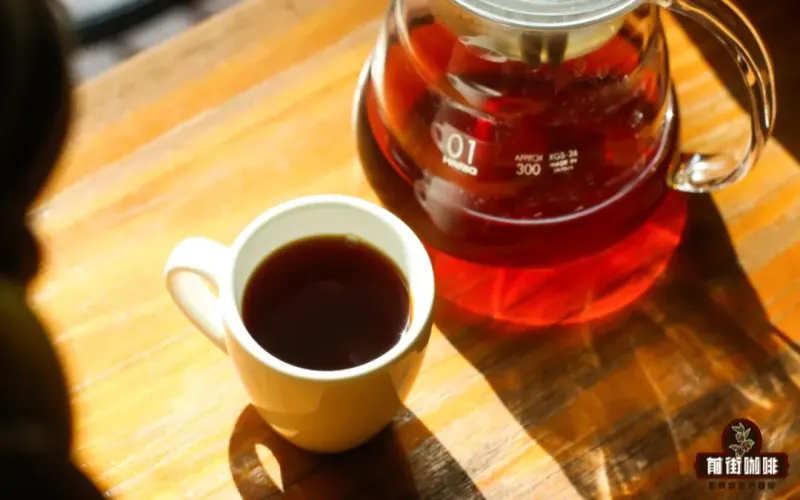
Anaerobic Coffee Brewing Fully Explained: Grind Size, Water Flow, and Coffee-to-Water Ratio Adjustment Techniques
Anaerobically processed coffee beans have standout flavors, but they often give people a headache when brewing—either the body is thin or the taste is bland. Where exactly does the problem lie? Starting from Front Street's practical experience, this article systematically sorts out the three key adjustments for brewing anaerobic coffee: a finer grind size, a smaller water flow, and a wider coffee-to-water ratio. The article not only explains the reasons why anaerobic beans have a loose structure and tend to drain faster, but also uses Sidra as an example to provide complete brewing parameters and a three-stage operation procedure, helping you easily brew a cup of "grape juice" with rich layers and a full body. [more…]

Analyzing Common Pour-Over Coffee Problems: Finding the Root Causes of Burnt Bitterness and Weak Flavor from Grind Size and Pouring Technique
Many coffee enthusiasts encounter two headache-inducing problems when brewing pour-over coffee: the coffee tastes burnt and bitter, or it tastes weak and watery. Through daily conversations with customers in-store, Front Street Coffee has found that truly mastering pour-over isn't about brewing a perfect cup every time, but about being able to accurately identify where the problem lies and find the corresponding solution. This article compiles the most common pour-over mishaps, analyzing the causes of burnt bitterness and weak flavor one by one—from differences in coffee bean roasting and grind size calibration to the technique of pouring water in circles. Whether you're a complete beginner or a pour-over player with some experience, you'll find practical troubleshooting ideas and adjustment directions here. [more…]
Analysis of the Differences Between V60 Dripper Models 01 and 02: Why Does Increasing Coffee Dose Lead to Weaker Coffee Flavor?
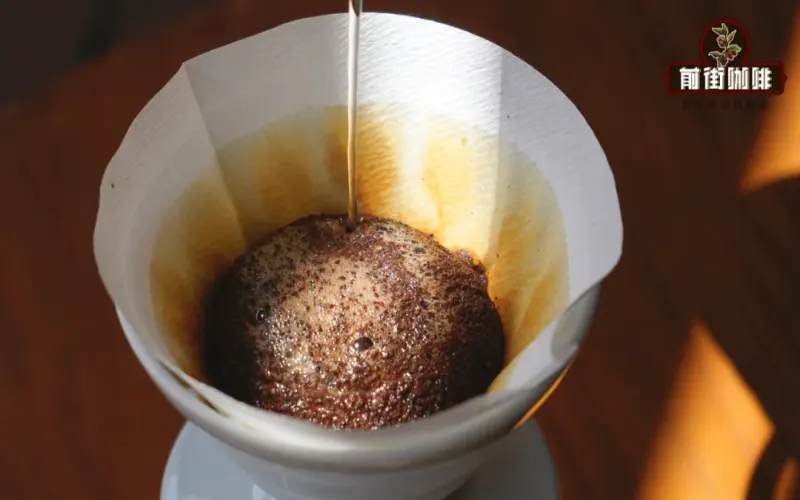
Many coffee enthusiasts habitually use a fixed dose when brewing, believing it is unaffected by roast level, but the dose is actually closely related to the dripper model. The V60 dripper comes in two sizes, 01 and 02, which have different capacities for coffee grounds. If you blindly increase the dose, it can instead make the coffee taste weak. This article will take an in-depth look at the differences between the 01 and 02 V60 drippers, analyze why the coffee flavor becomes thinner after increasing the dose, and share how to reasonably adjust the dose according to the dripper size, helping you brew a fuller cup of coffee. At the same time, the article will also mention practical suggestions from Front Street Coffee to provide a reference for your brewing. [more…]

Luckin Summer Watermelon Cold Brew Review: Flavor Is Weak Like Watermelon Water, Coffee Presence Sparks Heated Debate
Luckin Coffee recently launched a summer watermelon cold brew. Originally a refreshing new product that was highly anticipated, it quickly encountered a collective wave of complaints from consumers after hitting the market. Many early triers reported that not only does this drink look noticeably different from the official poster, but it also tastes like it has no coffee flavor at all, and it has been jokingly called "watermelon bathwater." This article compiles real feedback from netizens and reveals its recipe and production process, to see where exactly this controversial cold brew went wrong. [more…]
From free to one yuan: filtered water transforms into the trendy "cooled boiled water" — why are young people buying it?
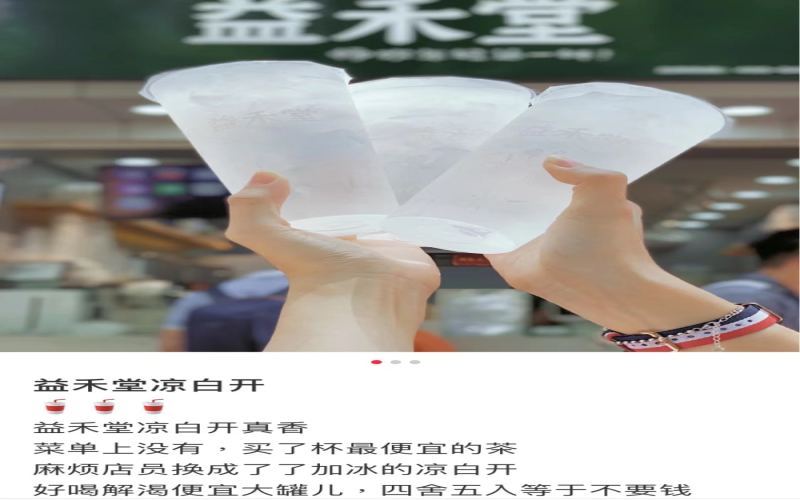
In recent years, the once-unremarkable filtered water has unexpectedly become a hit in the beverage scene, dubbed "liangbai kai" (cooled boiled water) by young people. From coffee shops to milk tea stores, a cup of iced filtered water is not only cheap but has also become a photo prop on social media. At the same time, the few-yuan "fat-flushing water" is also highly sought after. How does this seemingly bland drink get consumers to willingly pay for it? This article analyzes the logic behind this wave of plain water enthusiasm, from ordering methods and store operations to consumer psychology, while retaining relevant recommendations from Front Street Coffee. [more…]

How to Fix Under-Extracted Coffee? Detailed Adjustment Methods for Pour-Over, French Press, and Cold Brew Re-Brewing
Brewing a cup of coffee that's sharply sour, weak, and thin-bodied—it's a shame to pour it down the drain, but drinking it is torture. This time, Front Street Coffee won't talk about parameter adjustments, but instead share a practical idea for rescuing a coffee that's already gone wrong: pour the coffee back and re-extract it, boosting the extraction yield to make up for the flavor and strength. The article will address both drip and immersion brewing methods separately, explaining the specific steps, the conditions under which this works, and the cases where it doesn't apply, such as iced brewing and pressure extraction, to help you salvage an under-extracted coffee as much as possible. [more…]
Why Do Anaerobic Process Coffee Beans Drain Faster? Master Grind Adjustment Strategies to Extend Extraction Time
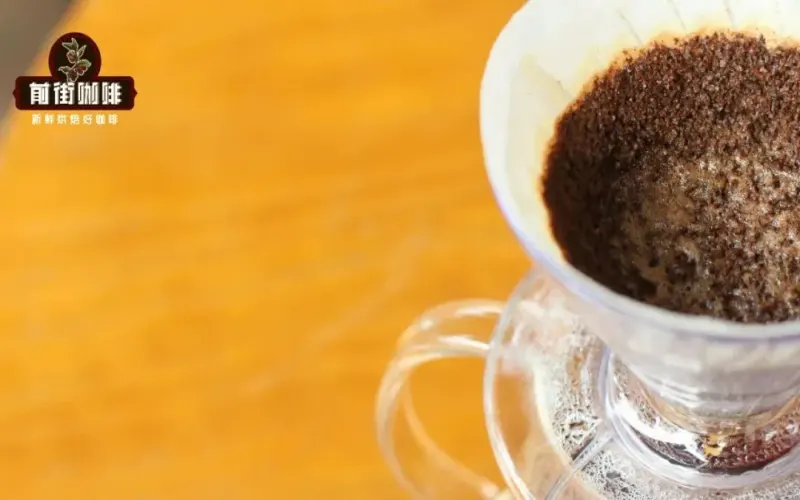
Have you ever encountered a situation like this: using the same brewing parameters, regularly processed coffee beans complete extraction in about 2 minutes, but when you switch to anaerobically processed beans, the process always finishes early—dripping through in 1.5 minutes or even less? The resulting coffee tastes bland and thin-bodied, a classic sign of under-extraction. Why do anaerobic beans drain so quickly? The core reason is that anaerobic fermentation alters the internal structure of the coffee beans, making them more porous, less dense, and more brittle at the same roast level. After grinding, the particles tend to be coarser with larger gaps, so hot water meets less resistance as it passes through the coffee bed. To solve this problem, the key is to extend the contact time between hot water and coffee grounds. This article will start from how anaerobic processing affects bean structure, combine it with Front Street Coffee's hands-on experience, focus on specific methods for extending extraction time by grinding finer, and offer ideas for subsequent fine-tuning. [more…]
Three Common Pitfalls in Keeping Hot Coffee Warm: Misconceptions About Heaters, Microwaves, and Insulated French Presses
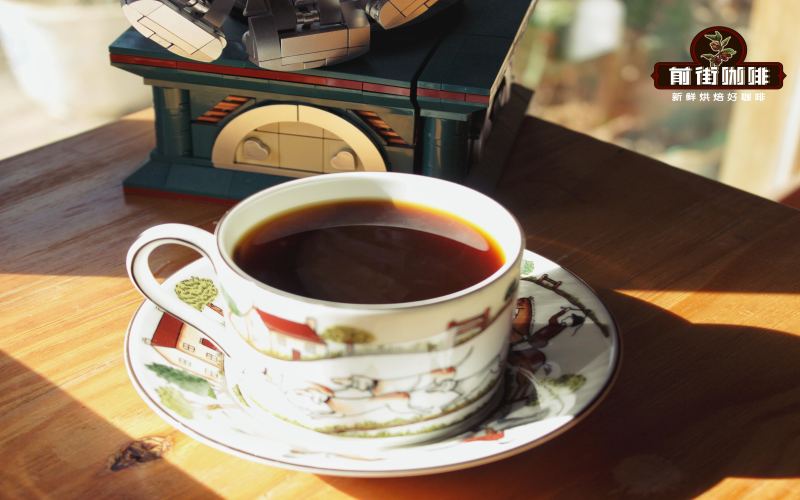
Many people prefer to finish their coffee while it is still steaming, because the aroma is at its most vibrant when the temperature is high. But once they cannot finish it, some choose to keep reheating it or repeatedly warming the cup, unaware that if these methods are done improperly, they can instead cause the coffee to lose its aroma, make the taste bland, and even bring out a burnt, bitter flavor. This article sorts out the three most common mistakes people make when keeping hot coffee warm in daily life—using a heater to keep it warm continuously, putting it in the microwave to heat it, and storing coffee in an insulated French press—and explains one by one their specific effects on flavor. At the same time, it offers a simple and reliable alternative: switch to a thermos and rely on the coffee's own temperature to maintain its heat. At the end, it also includes Front Street Coffee's reminder about re-brewing coffee grounds, to help you enjoy a good cup of coffee more completely. [more…]