







How does anaerobic coffee brewing differ from regular brewing?
Mandheling coffee is a general name for Arabica beans grown on Sumatra, not a single variety. Its herbal, earthy and woody notes come from three things: variety, growing environment and processing method. Many drinkers have noticed the herbal character tasting milder in recent years, which traces back to changes in variety selection, origin conditions and how the beans are processed after picking.
Golden Mandheling and regular Mandheling differ in variety selection, processing method and sorting standards, with Golden Mandheling undergoing stricter grading. The wet-hulling process used in Sumatra, where parchment is removed while the beans are still moist, has a direct effect on the final cup and is closely tied to the earthy, woody profile. Giling Basah is the local name for wet-hulling.
Anaerobically processed coffee beans have striking flavors, yet brewing them often gives people a headache—either the body is thin or the taste is bland. Where exactly does the problem lie? Drawing on Front Street's practical experience, this article systematically breaks down the three key adjustments for brewing anaerobic coffee: a finer grind size, a smaller water flow, and a wider coffee-to-water ratio. The article not only explains why anaerobic beans have a loose structure and drain relatively fast, but also uses the Sidra as an example to provide complete brewing parameters and a three-pour operation procedure, helping you easily brew a cup of "grape juice" that is layered and full-bodied.
The flavor performance of anaerobically processed coffee is indeed outstanding, but brewing them to taste good is not something you can achieve by simply applying conventional methods. Front Street has mentioned in multiple shares that the internal structure of anaerobic coffee beans differs from that of ordinary beans, and if you directly copy your daily brewing regimen, the result is usually unsatisfying. Either the body is thin, or the taste is bland —in short, it always falls short of the word "delicious." So today Front Street will talk about how to brew a cup of anaerobic coffee just right~
Grind Size for Anaerobic Coffee Many people fail to brew anaerobic coffee well, and the crux mainly lies in under-extraction. Under-extraction means both strength and extraction yield fall short, so it naturally tastes thin and bland. The primary cause of this situation is the grind. Many friends, upon getting anaerobically processed beans and seeing they are medium-light roasted, habitually grind at the coarseness they use for regular medium-light roasts. But in fact, anaerobic beans need a finer grind than that, because the vast majority of coffee beans do not have a very strong ability to "hold" water.

Front Street believes that when brewing them day to day, everyone has noticed that anaerobic coffee drains noticeably faster during brewing—water poured into the coffee bed soon seeps entirely out of the dripper. This is because anaerobically processed beans have a relatively loose structure. Most beans undergo prolonged sugar soaking during processing, and during roasting, the attachment of sugars causes a more intense caramelization reaction, so part of the bean's structure becomes rather loose, and its water-holding capacity is therefore not as strong.
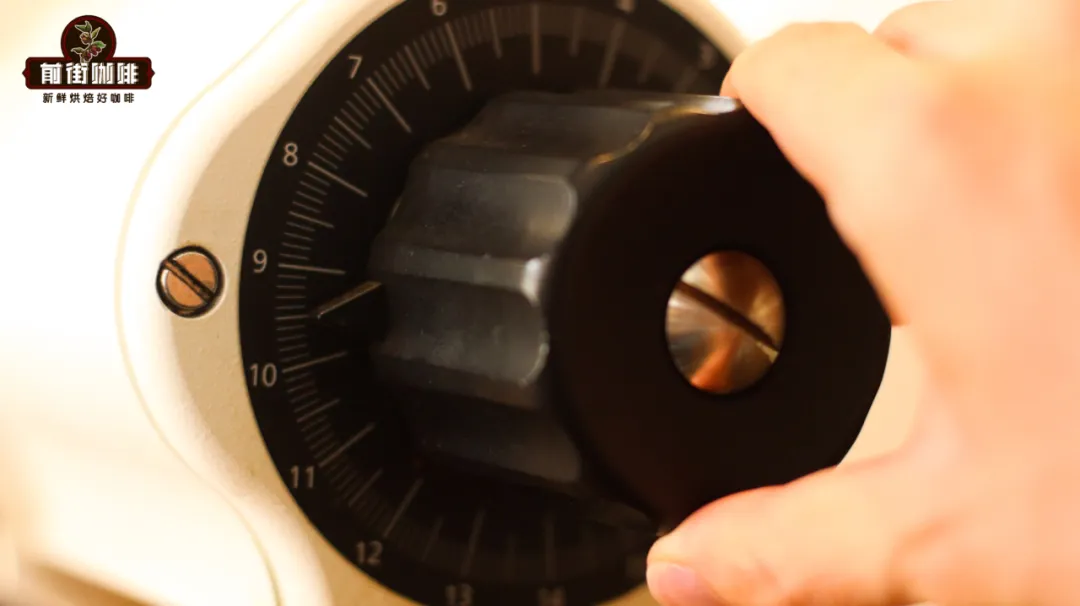
Once draining is fast, extraction time is compressed, extraction efficiency drops accordingly, and a full-bodied taste is naturally hard to brew out. Grinding finer can greatly turn this situation around. The finer the grind, the larger the surface area exposed to water, and the faster flavor compounds dissolve; at the same time, the narrowed gaps between particles slow down the draining speed—killing two birds with one stone. Precisely for this reason, when Front Street brews anaerobic beans, the grind is one step finer than for regular beans. For example, brewing a medium-light roasted Huakui uses setting 10, while brewing an anaerobically processed Sidra uses setting 9.5.
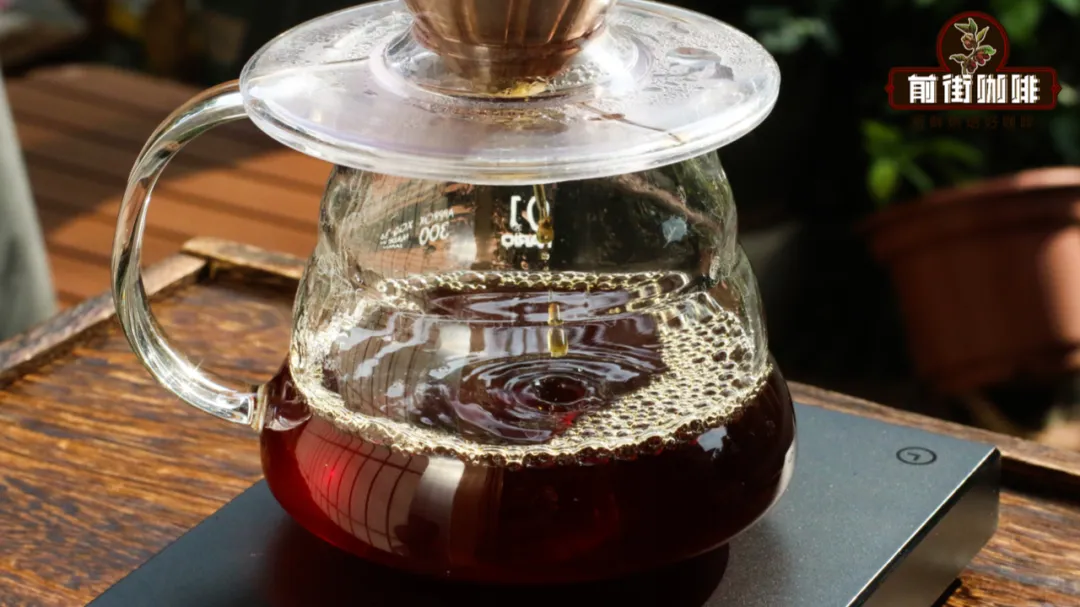
Water Flow When Brewing Anaerobic Coffee Beyond grind size, the size of the pouring stream also needs attention. There are two reasons: first, the stream size affects the draining speed—the larger the pouring stream, the sooner the water is poured, and the faster it drains; the reverse also holds. Therefore we need a smaller stream to lengthen the extraction time, allowing the coffee to be extracted more fully—something that is very hard to achieve by adjusting the grind alone.
Second, the coffee bed of anaerobic coffee is not easily lifted; once a large stream is used, water easily overflows above the bed and forms bypass water. So when brewing anaerobic beans, slowing the pouring speed appropriately also makes the thin-body problem less likely to appear~ Coffee-to-Water Ratio When Brewing Anaerobic Coffee We can often smell a savory, salty aroma resembling "soybean paste" or "fermented black beans" on some heavily fermented beans. This is actually a change in smell brought about by an overly high and overly concentrated aroma intensity. The book "The Science of Coffee Aroma" gives an example: when a fruity aroma is not very high in concentration, we might associate it with peaches; but if the concentration keeps rising, to a certain point, it smells more like vomit.
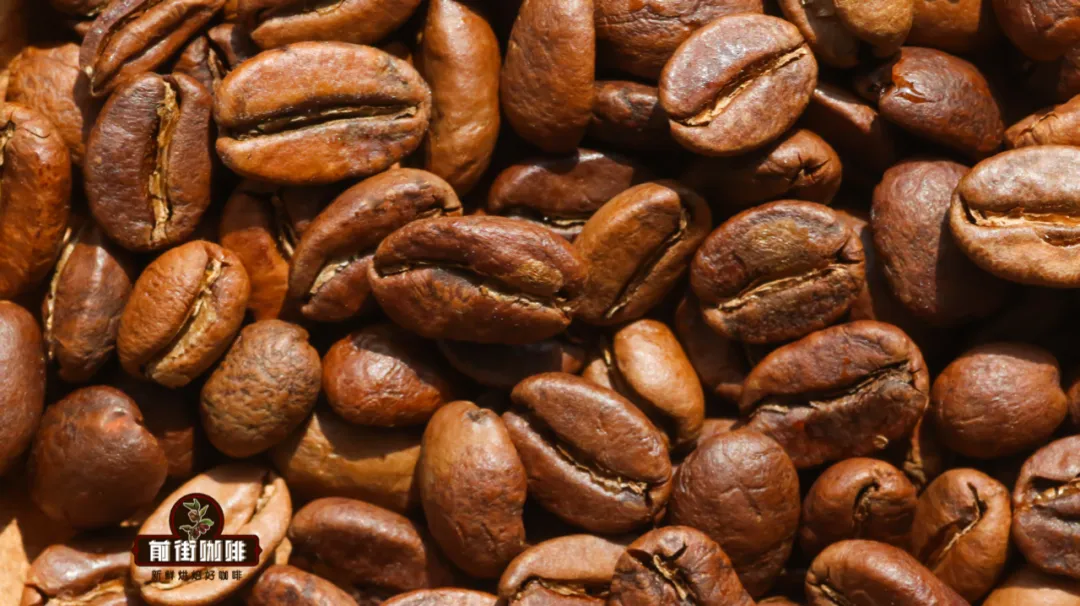
Once aroma concentration is high, it becomes hard for us to distinguish exactly which aroma it is—this is precisely why anaerobic coffee is often hard to accept: the aroma concentration is too high. Whether smelling or drinking, many friends are put off by its strong fermented and spicy notes. So, for friends whose taste is not so "heavy" and who do not want too high a coffee strength, Front Street would suggest using a 1:16 or wider coffee-to-water ratio when brewing heavy anaerobic coffee. With more water, the coffee strength is diluted, and the aroma and taste are no longer so concentrated. This way, the coffee is not only easier to drink, but the quality coffee flavors can also be captured more easily.
The above are some extraction parameters to note when brewing a anaerobic, or rather heavily anaerobically processed, coffee bean. So next, Front Street will demonstrate how to brew anaerobically processed coffee beans~ Brewing Share The coffee bean used in this share is the Front Street Finca La Divisa · Sidra from our bean list. It is currently the most popular heavily anaerobic coffee bean in the store, because it not only has an extremely rich flavor performance but is also super cost-effective! The extraction parameters are as follows: Dose: 15g Coffee-to-water ratio: 1:15 Grind setting: Ek43 setting 9.5, 75% pass-through rate on a No. 20 sieve, caster sugar grind Brewing temperature: 92°C Brewing method: three-pour Dripper used: V60
The first step of brewing is, as always, the unchanging bloom! Use twice the coffee's weight in water for a 30-second bloom.
After the bloom ends, we start pouring from the center and slowly spiral outward to wet all the coffee grounds, then use a small stream in a wide circle to pour the second stage of hot water. The amount of hot water to pour in this stage is 120ml.
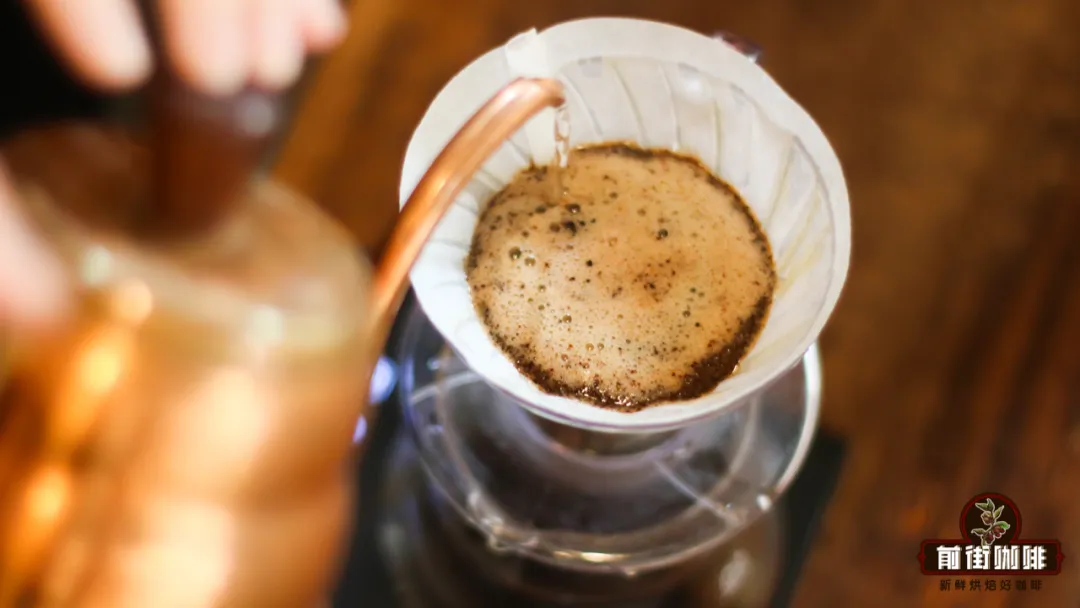
After pouring the hot water, first observe the draining speed. If it drains very fast, then we had best split the third stage of hot water into two pours, or pour with a smaller stream, to increase the extraction time. When the second stage of hot water has mostly seeped through, we use a small stream in a small circle to pour the third stage of hot water, 75ml in total for this stage.
Then simply wait for all the coffee liquid in the dripper to drip into the server, and we can remove the dripper and end the extraction! Total time is 1 minute 55 seconds, still a bit shorter than the extraction time for conventionally processed coffee.

The Sidra brewed this way greets you at first sip with obvious sweet-and-sour notes of grape, passion fruit, and apricot, accompanied by elegant floral notes and a touch of spice. The body is smooth and thick—you could say it is a cup of very full-bodied grape juice! As the temperature drops slightly, the acidity of berries and grapes becomes brighter, and the flavors of spice and chocolate begin to emerge, very rich and varied in layers, making people exclaim how satisfying it is!
- END -
The above content is compiled by CoffeeHunters, a coffee news website.


