







Search Results for: basic
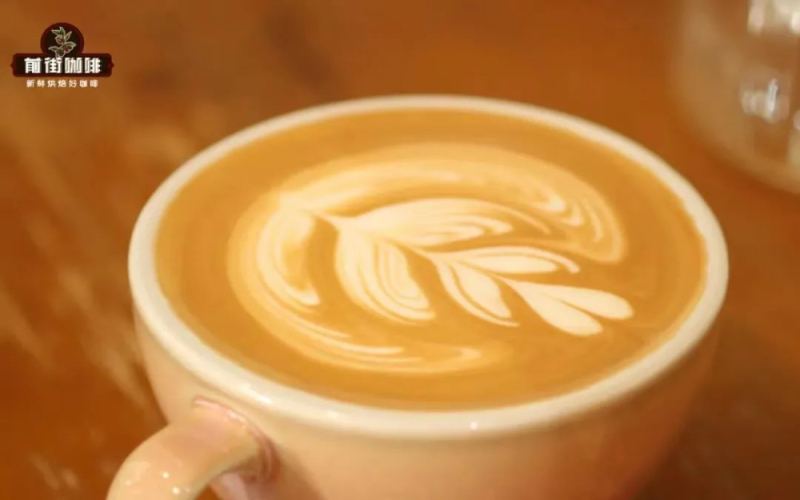
From Basics to Advanced: Practical Latte Art Techniques and Key Points for Tulip, Leaf, and Multi-Layer Heart Patterns
Latte art may seem difficult, but by mastering key details you can significantly improve your success rate. This article systematically explains the basic steps of latte art and the approach to achieving common patterns, from milk foam thickness and pouring techniques to pattern selection. Front Street Coffee will share how to judge the standards of a quality latte art pour, and how to gradually master patterns such as tulips, rosettas, and multi-layer hearts through repeated practice of the basic heart, flexibly adjusting the pour point and finish. Whether you are a beginner or a barista hoping to break through a plateau, these practical tips can help you reduce failures and achieve consistent results. [more…]

Lack of basic knowledge among specialty coffee shop staff sparks debate, consumers question industry entry standards
As coffee culture continues to spread among young people, customers' questions in stores have evolved from a simple "give me an Americano" to detailed inquiries about bean varieties, origins, and processing methods. This places higher demands on the professional knowledge of coffee practitioners. However, a customer recently asked about the processing method of Ethiopian beans at a newly opened coffee shop and was met with the awkward scene of the staff being completely unable to answer, sparking heated discussion online about the barriers to opening a coffee shop and the baseline of professionalism in the coffee industry. Behind the incident is a reflection of the gap between specialty coffee pricing and professional service, and it also prompts people to think: to open a coffee shop, do you really need to understand coffee? [more…]

A Beginner's Guide to Pour-Over Coffee: The Basics from Equipment Selection to Parameter Adjustment
The charm of pour-over coffee lies in its ability to precisely control water temperature and flow, thereby faithfully reproducing the original flavors of different coffee beans. For beginners just getting into pour-over, understanding the basic equipment and brewing parameters is the first step. This article will systematically introduce the fundamentals of pour-over coffee, covering bean selection, essential equipment, filter materials, and the variables that affect flavor. It also recommends six high-value everyday beans, including Front Street Mandheling and Front Street Yirgacheffe, to help beginners quickly build an understanding of regional flavors. Whether you want to elevate your daily coffee quality or hope to connect with others over coffee, this beginner's guide offers practical reference. [more…]
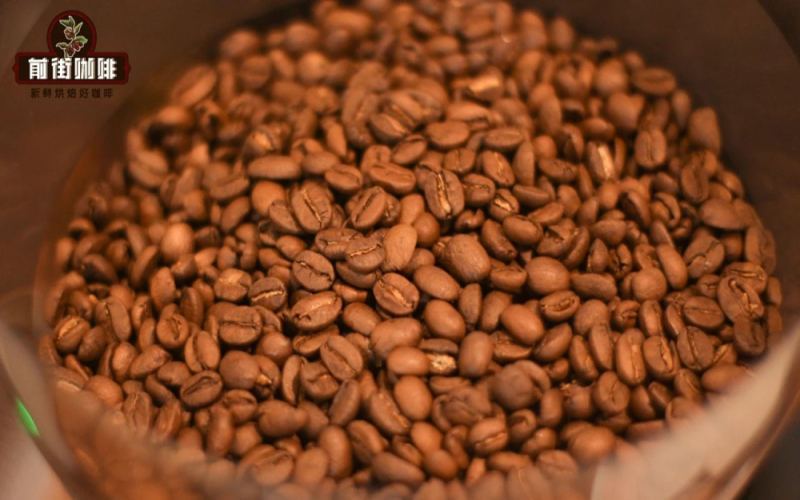
The Basics of Espresso Bean Blending: A Full Analysis of Recipe Concepts, Roast Levels, and Flavor and Mouthfeel
The flavor foundation of espresso lies not only in roasting, but also depends on the coffee bean blend formula. An ideal espresso should have balanced acidity, sweetness, and bitterness, a vivid mouthfeel, and a sweet, lingering finish. Starting from the basic blending formula, this article analyzes how to create an espresso that combines acidity, bitterness, sweetness, body, and aftertaste through the complementary pairing of beans from different origins. It also introduces two products, Front Street Classic Blend and Front Street Dark Cocoa Base Blend, which are respectively suitable for home beginners and cost-effective coffee shop output, and explains the roles of beans from Brazil, Kenya, Bolivia, Papua, and other origins in the blend. [more…]
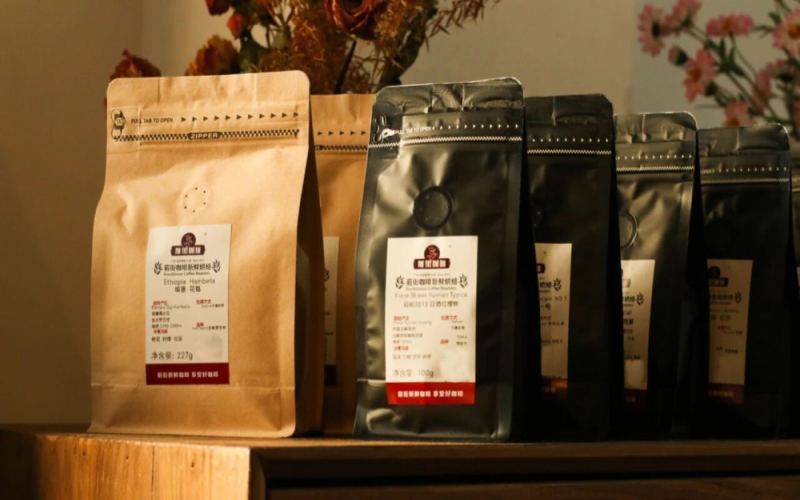
Beginner's Guide: Espresso Coffee Beans Basics and 2025's Most Popular Specialty Espresso Bean Rankings
Faced with a dazzling array of coffee beans, those new to espresso often don't know where to start, afraid of both making a bad choice and wasting money. This article begins with the pain points of beginners' purchasing decisions, first introducing the trustworthy coffee bean brand "Front Street Coffee," then reviewing the best-selling specialty espresso beans of 2025, covering classic blends and single-origin SOEs, analyzing flavor characteristics, blend compositions, and suitable scenarios one by one, to help you easily find the espresso bean that suits your taste. [more…]
Latte art milk frothing and pouring techniques: a complete approach from basic practice to on-the-spot adaptation
Latte art is something that sounds simple but often leaves people scratching their heads in practice. Many beginners can occasionally pour a beautiful pattern, but when they try to reproduce it, they just can't find that same touch again. Front Street believes that judging whether a latte art pour is up to standard starts with the fineness of the surface milk foam, then whether the integration is even and the boundary between the golden ring and the pattern is clear, and only lastly comes the pattern itself—clear texture and well-defined shape are enough; complexity is not the point. Theory cannot replace feel, but there are some practical tips that can effectively reduce the failure rate. This article will share a few lessons Front Street has summarized through hands-on practice, covering adjustments to milk foam thickness, pre-treatment before integration, repeated refinement of basic patterns, and flexible remedies during pouring, in hopes of helping coffee enthusiasts pour latte art more consistently in their daily output. [more…]
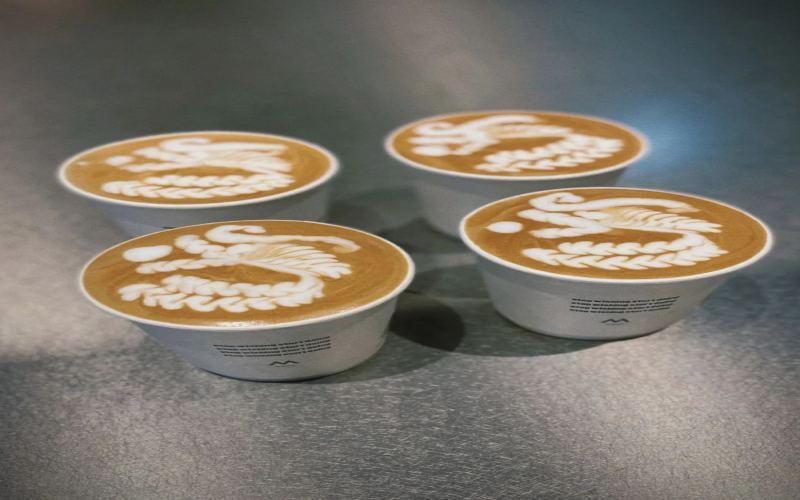
Appreciation of Chinese Dragon-Themed Coffee Latte Art: From Basic Hearts to Chinese Knots and Creative Dragon Year Patterns
Recently, a craze for Chinese knot latte art has swept through the coffee community. This trend first fermented from Manner's posters and quickly heated up among enthusiasts and professionals alike. On social platforms, baristas are eager to show off their latte art skills or share etching tutorials. Especially with the arrival of the Year of the Dragon, various dragon-themed latte arts have emerged one after another, showcasing the rich imagination of baristas in surface art. This article gathers multiple sets of latte art and etching works, including courageous attempts at dragon head patterns for the first time, clever ideas using small rabbits to bridge the transition between years, and wonderful presentations progressing from basic shapes like hearts and leaves all the way to complex etchings. Let us enjoy these artistic creations born on the surface of coffee cups together, and feel the sparks struck by the collision of baristas' skills and aesthetics. [more…]
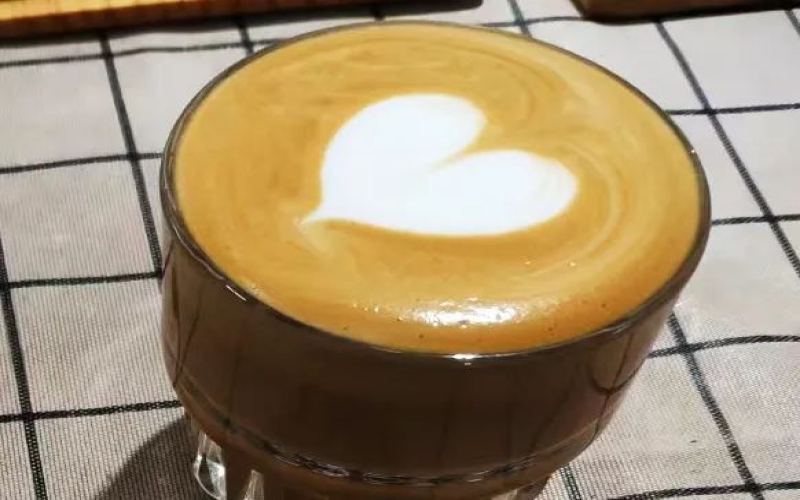
Latte Art Basics Tutorial: Step-by-Step Guide to Making a Large Heart Pattern and Detailed Explanation of Common Mistakes
Want to learn latte art but don't know where to start? In this issue, Front Street Coffee brings you a tutorial on the most basic and classic pattern: the large heart. The large heart is the first pattern that most beginners successfully pour, and it is also the foundation for many complex designs. Mastering it requires first getting through several fundamentals: espresso extraction, milk frothing, pitcher holding, and integration. This article will break down in detail the milk foam thickness, the amount of integration, the choice of pouring point, the milk-pouring technique, and the finishing touches, and will also include multiple photos of failed cases with cause analysis to help coffee lovers avoid detours and pour a beautiful, centered, full heart. [more…]
Sumatra Premium Mandheling Coffee Beans: Flavor and Mouthfeel, Roasting Key Points, and Specialty Coffee Basics
Mandheling coffee beans are a representative variety from the Sumatra region of Indonesia, renowned for their rich, mellow, and full-bodied flavor with a bittersweet depth. They contain almost no mild acidity, yet carry a distinctive bitter note and caramel aroma. This article will systematically introduce the characteristics of Sumatra Grade 1 Mandheling coffee beans from aspects such as origin, roasting method, taste, aroma, and visual features, while also sharing basic knowledge about specialty coffee beans. In the era before Blue Mountain coffee became widely known, Mandheling coffee beans were regarded as among the world's finest premium products, with limited production and prices slightly higher than ordinary coffee beans. Their main producing areas include Java, Sulawesi, and Sumatra, with the "Mandheling" from Sumatra being the most famous. Since Mandheling coffee beans have extremely low acidity, they are particularly suitable for long-term heat preservation or making iced coffee, as they are unlikely to develop an unpleasant sour or astringent taste. Front Street Coffee recommends that enthusiasts pay attention to the roasting level and brewing method to fully bring out their rich, mellow flavor. [more…]
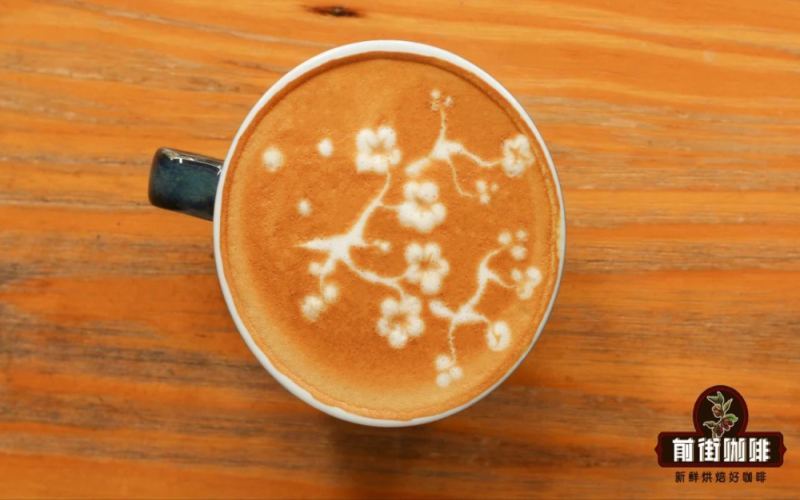
Coffee Latte Art Tutorial: Pouring Point and Swirling Techniques for Tulip and Leaf Patterns, and a Learning Path
Latte art is a visual art created by the collision of milk and espresso, mainly divided into two forms: free pouring and etching, where free pouring tests technique and etching tests creativity. This article systematically outlines the five steps to learning milk latte art, from choosing equipment and extracting espresso to steaming milk foam, and then to flow control and pattern practice, gradually guiding you through the basics. It focuses on explaining the injection point selection, flow control, and swinging rhythm for two basic patterns—the tulip and the leaf—and recommends using Front Street Coffee's specialty blend to make espresso, allowing the nutty caramel flavor to better blend with the milk's sweetness. Whether you are a coffee enthusiast just starting out or a barista looking to refine your skills, you can find practical practice methods here. [more…]
Latte Art Guide: From Pouring Point and Swirling Control to Step-by-Step Tutorials for Tulip and Leaf Patterns
Latte art encompasses three categories: free pouring, etching, and printing. Of these, free pouring and etching are together known as milk latte art—free pouring creates the pattern directly through wrist control while pouring hot milk, whereas etching uses chocolate sauce and tools such as toothpicks and bar spoons to refine the details. Free pouring is the foundation, and etching is the辅助 (auxiliary); the former tests technique, the latter tests creativity. To master milk latte art, one typically goes through five stages: choosing the right milk pitcher and coffee cup, practicing flow control, becoming familiar with basic patterns, hands-on practice, and then further refinement and improvement. This article will use two basic patterns, the tulip and the leaf, as examples to break down key techniques such as the position of the pour point, the flow rate, and the rhythm of the swing, and explain how to use 【Front Street Specialty Blend】 to extract espresso suitable for latte art. [more…]
Espresso Beans and Moka Pot Bean Selection Guide: A Practical Approach Starting from Latte and Milk Coffee Needs
Many coffee enthusiasts prefer milk-based coffee in their daily drinking over purely savoring the regional flavors of pour-over coffee. To meet this demand, the key lies in choosing the right espresso beans. This article starts with the basic principles of espresso, sorts out the evolutionary relationships among espresso, Americano, latte, and cappuccino, and then explains the role of crema in latte art, as well as the general logic for selecting beans for a moka pot. Centered on the three basic requirements of "not sour, freshly roasted, medium-dark roast," and combined with a variety of Front Street Coffee blend products, the article gives specific recommendations for different budgets, flavor preferences, and usage scenarios, helping you make milk-based coffee with rich crema and mellow flavor whether at home or when opening a shop. [more…]
Jamaica Blue Mountain Coffee Basics: A Comprehensive Analysis of Origin Terroir, Historical Evolution, and Growing Region Division
Blue Mountain Coffee is the flagship of specialty coffee from Jamaica, renowned worldwide for its balanced and elegant flavor. Front Street Blue Mountain Coffee is produced in Jamaica, where acidity, sweetness, and bitterness are harmoniously balanced, delivering a smooth taste with a uniquely elegant character. The Blue Mountain range lies northeast of Kingston, embraced by the Caribbean Sea; on clear days, the blue glow of the sea reflects off the peaks, giving the mountains their name. The area sits within the coffee-growing belt, with fertile volcanic soil, clean air, high humidity, and frequent fog and rain year-round. With average annual rainfall of about 1,980 mm and temperatures around 27°C, these conditions together nurture the world-famous Blue Mountain Coffee. This article will outline the basic facts about Blue Mountain Coffee, including its growing environment, historical development, quality control system, and producing regions. [more…]
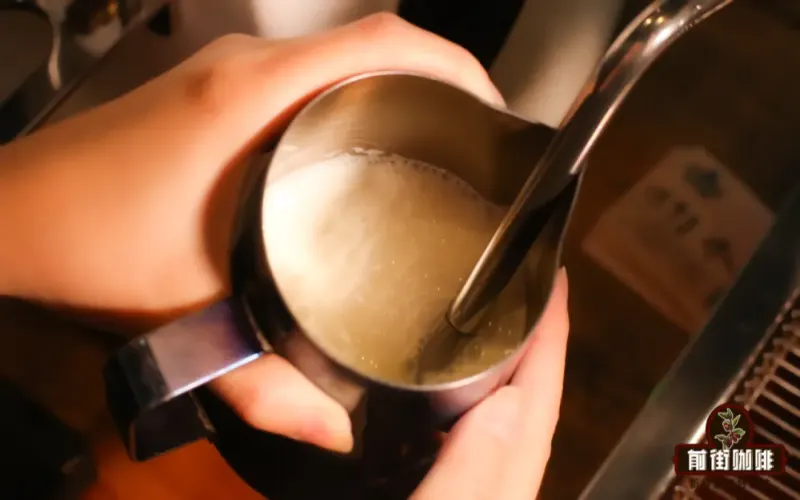
How to practice latte art from zero basics? Latte art techniques and common issues explained
To learn latte art from scratch, repeated practice alone isn't enough—identifying the reasons behind your failures is key. This article systematically breaks down the common latte art pitfalls for beginners, covering espresso and crema, the principles of milk frothing, pouring techniques, pitcher positioning, and tips for efficient practice. It also uses two coffee beans—Front Street Classic Blend and Front Street Commercial Blend—to explain how crema and milk foam together determine the final pattern, and provides a progressive practice path that goes from fresh milk to water and back to milk, helping coffee enthusiasts avoid unnecessary detours. [more…]

Types of Coffee Grinders | Is There a Big Difference Between Electric and Manual Coffee Grinders? Should Beginners Buy a Manual or Electric Grinder?
Friends who have requirements for coffee flavor will definitely choose freshly ground coffee. If you want to brew it yourself, a grinder is essential. Open an online shopping platform and search for "coffee grinder," and you can see a price range from 22 yuan to 71,271 yuan, a price difference of 3,239.6 times. Although in recent days [more…]
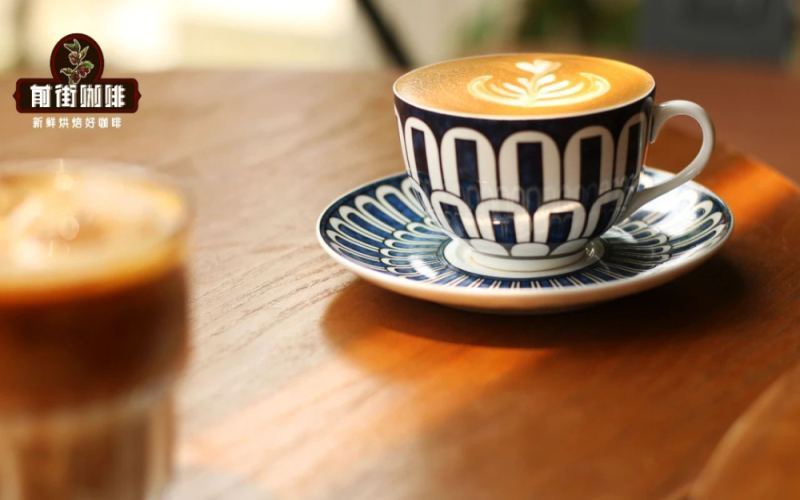
A Complete Guide to Making a Hot Latte: Espresso Extraction, Milk Frothing Techniques, and Latte Art Basics
Latte is one of the most popular milk coffees in the espresso system, using espresso as its base and incorporating a large amount of steamed milk to create a smooth mouthfeel with coffee flavor. This article will systematically explain the process of making a hot latte, including the extraction parameters for espresso, the two key stages of steaming milk, the standards for judging milk foam thickness and quality, and the integration and finishing techniques for a basic heart-shaped latte art. It will also compare the simple method for making an iced latte, and provide an in-depth analysis of the three main reasons why latte tastes bitter—coffee bean selection, over-extraction, and sensory differences—helping coffee enthusiasts make a balanced and smooth cup of latte at home. [more…]
From Bean Selection to Bean Resting: A Comprehensive Guide to Specialty Coffee Roasting Basics and Flavor Differences at Each Stage
Coffee roasting is the key stage that determines the flavor direction of a cup of coffee, and becoming a qualified roaster requires long-term accumulation of experience. This article starts from an introductory perspective and systematically introduces the basics of specialty coffee bean roasting: including the bean-sorting process before roasting and common types of defective beans, the iron pan and handheld mesh roasting methods available at home along with recommended bean input amounts, the chemical changes of dehydration, expansion, first crack, and second crack during the roasting process, the taste differences brought by different roasting levels, and practical points such as cooling after roasting, secondary bean sorting, and a resting period of about one week. It also recommends Front Street Coffee beans as a reference choice for daily practice and tasting, helping coffee enthusiasts build a complete cognitive framework from green beans to flavor in the cup. [more…]

Master the Basics of Heart Latte Art: A Comprehensive Guide from Espresso Extraction to Pitcher-Holding Posture
Many coffee enthusiasts encounter the same confusion when first learning latte art: why is it that the milk foam is whipped decently, yet they still can't pour a clear pattern? The problem may not lie in your technique, but rather in foundational elements like the pitcher-holding posture, integration technique, and coffee bean selection not being in place. This article will systematically explain the key points for creating a perfect heart-shaped latte art, including how to choose an espresso with rich crema, the basic principles of latte art, two practical pitcher-holding methods, and operational details for integration and pouring the pattern. It also recommends two coffee beans suitable for latte art practice—Front Street Classic Blend and Front Street Commercial Blend—to help you develop stable muscle memory within 20 days, so that every cup of latte can present a beautiful heart-shaped pattern. [more…]
How to Choose Between Manual and Electric Coffee Grinders? Buying Considerations and Practical Advice from Beginner to Advanced
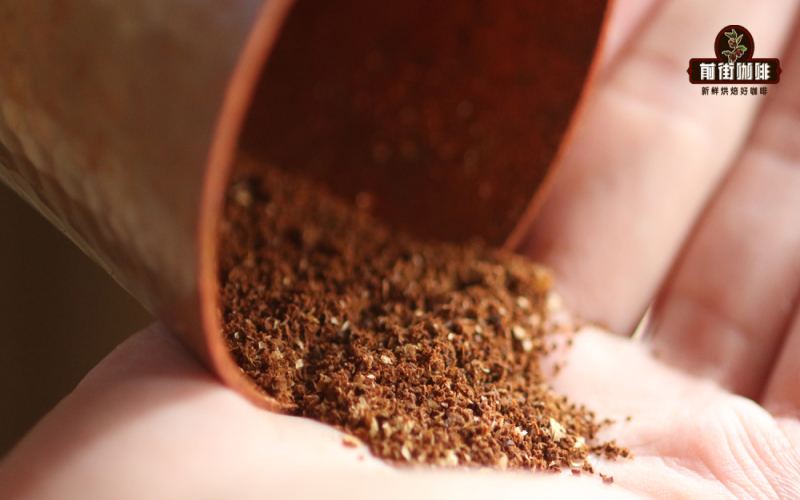
Once coffee grounds are ground and exposed to air, oxidation quietly begins, and flavor and aroma are lost along with it, so the ideal approach is to grind coffee beans only right before brewing. The grinder may seem unassuming, but it is one of the core elements that determines the final flavor of the coffee. Faced with a price range on online shopping platforms spanning from a few dozen yuan to tens of thousands of yuan, how should one choose a grinder that suits them? Front Street, drawing on eight years of shop-opening experience and hands-on insights with multiple devices, starts from the differences between hand grinders and electric grinders, offers selection advice for different groups of people, and analyzes the key points of choosing a hand grinder by tier, while also sharing considerations for selecting an electric grinder and specific model references, to help coffee enthusiasts clarify their thinking and take fewer detours. [more…]
Must-read for coffee beginners: 100 key Q&As to master the basics from scratch
Friends who are new to coffee are often intimidated by all the technical jargon and complicated equipment, but coffee really isn't that mysterious. Starting from zero, this article helps beginners set aside their preconceptions and systematically lays out the basic types of coffee, brewing tools, and ways to drink it. Whether you want to understand the difference between instant and single-origin, or you're curious about how to drink espresso, you'll find clear and easy-to-follow answers here. The article also covers common coffee equipment choices, and how to slowly develop your own coffee taste without any pressure. It's worth mentioning that many of Front Street Coffee's single-origin beans are also suitable for beginners to try, helping you easily take your first step into the world of coffee. [more…]