







Search Results for: barista exams

Why Is Manner's Pay Raise Assessment Pass Rate So Low? Equipment Differences and Strict Standards Become Obstacles to Barista Raises
For many Manner baristas, the pay raise exam is the only path to a higher income, but the difficulty of this assessment is far beyond imagination. Manner stores are uniformly equipped with semi-automatic espresso machines, and examiners have standardized requirements for latte art, milk steaming, and grinder adjustment. As a brand focused on specialty coffee, it also adds a pour-over segment to the test. However, the actual pass rate is extremely low, with most candidates eliminated during the espresso operation stage. Unfamiliar store equipment, unfamiliar grinders, and nitpicky judging such as measuring milk foam thickness with a ruler make this exam seem impossibly hard. This article will restore the true face of the Manner pay raise exam and analyze the crux of why baristas fail repeatedly. [more…]
What Are the Internationally Recognized Barista Certifications? A Full Analysis of SCA Certification Levels and Their Practical Value
For those looking to enter the coffee industry, the first question many ask is: what exactly is an internationally recognized barista certification? Currently, the globally accepted answer is the certification issued by the SCA (Specialty Coffee Association). SCA's coffee skills program covers sensory cupping, coffee brewing, espresso preparation, roasting, an introduction to coffee, and the Arabica Q-Grader certification, among other tracks. With the exception of Q-Grader, the other categories are divided into three levels: Foundation, Intermediate, and Professional. You can skip Foundation and sign up directly for Intermediate, but you must obtain the Intermediate certificate before you can take the Professional level. China's national barista vocational skills certificate is currently recognized only within the country; internationally, SCA certification remains the standard. Is getting certified actually useful? Are the fees high? Is certification mandatory to work as a barista or open a coffee shop? This article will address these questions one by one to help coffee enthusiasts and industry professionals make a rational judgment. [more…]
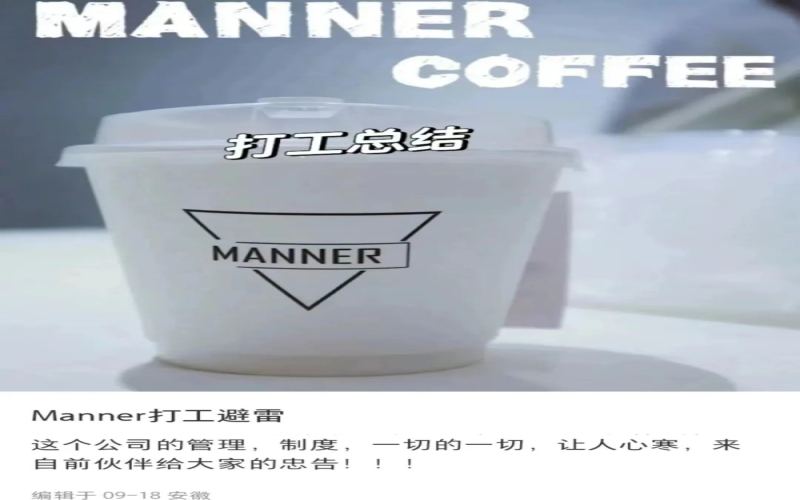
Manner's Raise Assessment Is as Hard as SCA Advanced Certification? Baristas Slam the Harsh System, Sparking Heated Debate
Recently, a netizen complained on social media that Manner Coffee's pay-raise assessment system is too strict, claiming that to earn the high salary advertised on its recruitment page, one must pass exams comparable in difficulty to SCA intermediate or even advanced barista certification, which resonated with many baristas. What kind of assessment threshold lies behind Manner's high pay? Compared with other brands, what makes its promotion system so difficult? This article takes you through it. [more…]
Final Exam Rush Overwhelms Campus Coffee Shop: Luckin Barista Forced to Close for Rest After Two Months of Nonstop Work
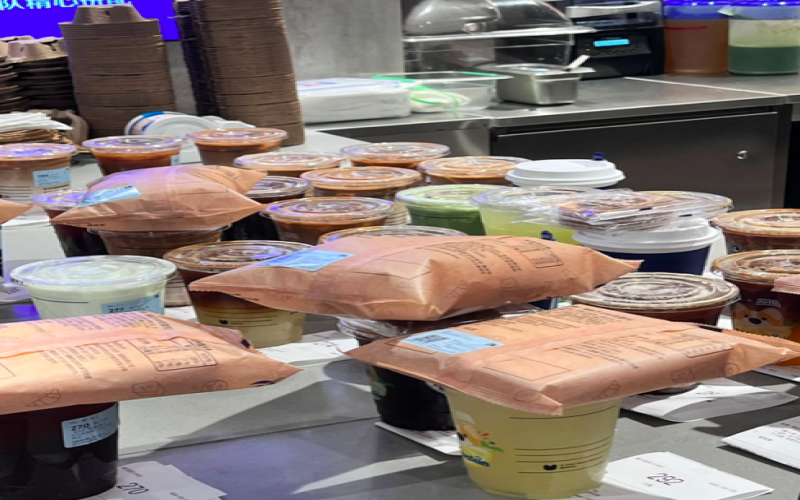
Every year during the final exam season at the end of June, coffee shops on university campuses become students' life-saving energy stations. Campus stores of Luckin, Cotti, and others see orders surge, with pickup areas piled high with drinks, and waiting for a cup of coffee often taking nearly an hour. However, a Luckin near a university was unexpectedly empty at noon, with its pickup window blocked and a closure notice posted—staff who had not had a proper rest for two consecutive months simply could not withstand the order pressure of exam week. A Gu Ming milk tea shop on the same campus also temporarily closed. Behind this campus coffee order explosion is both students' preference for value-for-money brands and the revealed dilemma of store staffing. [more…]

An Analysis of the SCA and Q Grader Certification Systems: Exam Content and a Practical Guide for International Baristas
Want to break into the coffee industry—do you really need to spend money on certifications? The two major international credentials, SCA and Q Grader, are often discussed. SCA uses a credit-accumulation system covering barista skills, pour-over, roasting, sensory, and green coffee, among other areas, allowing students to choose modules as needed; Q Grader, launched by CQI, focuses on green coffee quality evaluation, requiring candidates to pass twenty tests within six days, with the certificate valid for three years. This article breaks down the course structure, exam content, fees, and target audiences of the two types of certification to help you decide which path better suits your career plans. [more…]

Is It Worth Getting a Barista Certification? A Full Breakdown of the Differences Between SCA Certification and Q-Grader Qualification
Does working in the coffee industry really require obtaining a certification? This is a question that many coffee professionals and enthusiasts have pondered repeatedly. In recent years, China's coffee market has grown rapidly, with all kinds of training institutions springing up endlessly, and huge disparities in qualifications and fees, leading many people to waste their money. This article focuses on two paths—the SCA Barista certification and the Q-Grader coffee quality grader certification—sorting out their level systems, exam rules, fee ranges, and suitable audiences, to help readers judge whether certification fits their own career plans, while also discussing the practical value of certificates and the importance of subsequent self-improvement. [more…]

How Much Is a Barista Certification Really Worth? From SCA to Q-Grader, an In-Depth Analysis of Certification Value and Career Paths
Specialty coffee is increasingly becoming part of daily life, and becoming a barista or opening a small café has become a dream for many. In an era when everyone can do pour-over, getting certified seems to have become the preferred path to stand out. But is a barista certificate really worth it? Behind the high training fees, can the course content truly improve oneself? This article examines the actual usefulness of certification, the necessity of certification before applying for jobs or starting a business, the internationally authoritative certification systems (SCA, Q-Grader), and the reform of domestic vocational qualifications, sorting through the value and applicable scenarios of barista certificates one by one. Whether you are a newcomer just entering the industry or an aspiring owner preparing to open a shop, you can find rational reference here. At the end of the article, Front Street Coffee's contact information is also included for further discussion. [more…]
How Do You Get SCA Barista Certification? A Comprehensive Guide to Levels, Costs, and Value
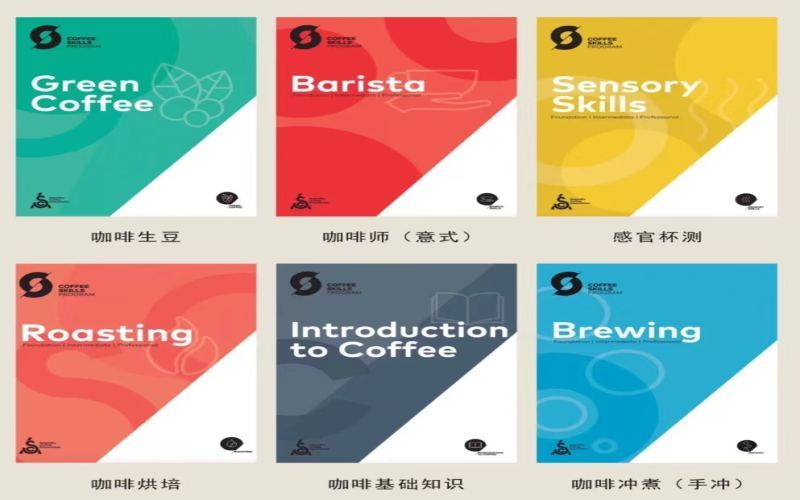
For those looking to enter the specialty coffee industry, SCA certification is a topic many cannot avoid. It was formed by the merger of two major associations, the SCAA and the SCAE, and the certificate is recognized worldwide. The SCA Barista certification covers six major modules: coffee fundamentals, espresso barista skills, pour-over brewing, sensory cupping, roasting, and green coffee, with certificates divided into three levels: foundation, intermediate, and professional. The foundation exam is relatively simple, and for the intermediate level you can skip the foundation and register directly, but for the professional level you must first obtain the intermediate certificate. Does earning the certification mean a higher salary? Is the course really worth taking? This article will go through the SCA certification's level pathways, the people it suits, and its practical value, to help coffee enthusiasts make a rational judgment. [more…]
A Beginner's Guide to Buying Coffee Beans for Students and Night Owls: Brand Recommendations with Great Energizing Effects and Outstanding Flavor
For people preparing for the college entrance exam or who stay up late for long periods, coffee's invigorating effect is almost a necessity. But faced with the dazzling array of coffee beans on the market, how to choose an entry-level product that can effectively wake you up while also offering good flavor has become a source of confusion for many consumers. This article focuses on two major usage scenarios—pour-over and American drip, as well as espresso machines and moka pots—and recommends several coffee beans suitable for beginners, including Front Street PWN Golden Mandheling, Yirgacheffe Red Cherry, Costa Rica Musician Mozart, Front Street 2013 Yunnan beans, as well as the Classic Blend and Dark Cocoa Blend. The origin background, processing method, flavor characteristics, and cost-effectiveness of each bean are explained in detail to help coffee lovers make a suitable choice according to their own needs. [more…]

Specialty Coffee Knowledge Self-Test: From Multiple Choice to True/False, Test Your Coffee Expertise in One Go
2022 has already turned the page—did you complete the reading plan you set at the beginning of the year? This coffee knowledge self-test is the perfect opportunity to check your learning results. The questions cover core areas such as coffee origins, varieties, producing regions, processing methods, extraction, and storage, and include multiple-choice, fill-in-the-blank, and true-or-false formats, with answers and detailed explanations provided. Whether you are preparing for a barista exam or simply want to reinforce your specialty coffee knowledge, you can pick up a pen and paper, answer each question one by one, and then check your answers to fill in the gaps. At the end, there is also Front Street Coffee's selected bean list and communication channels, which are worth a look. [more…]
How to Choose Beginner Coffee Beans? Suitable Bean Types for Pour-Over, Drip, and Moka Pot, Plus Front Street Coffee's Recommended List
Friends who are just starting to explore coffee often feel overwhelmed by the dazzling array of coffee beans and don't know where to begin. Different brewing methods have different requirements for coffee beans: pour-over and drip machines are suited to single-origin beans that showcase regional flavors, while coffee that is mixed with milk or extracted using an espresso machine or moka pot is better suited to blended beans. This article categorizes several Front Street Coffee beans that are suitable for beginners according to usage scenarios, including Golden Mandheling, Yirgacheffe Red Cherry, Costa Rica Mozart, Yunnan Front Street 2013, as well as Classic Blend and Dark Cocoa Blend, to help you enjoy great taste while staying energized. [more…]

Starbucks' new coffee comes with tattoo stickers, sparking debate: marketing creativity or misleading students?
Starbucks, in order to promote its new product, the Coconut Double Shot Iced Shaken Espresso, launched a campaign offering temporary tattoo stickers with any purchase from the iced espresso series. However, this sparked controversy on social media. Some netizens worried that the temporary tattoo stickers might have a negative influence on students, while others argued that they are just entertainment stickers and shouldn't be overinterpreted. This article sorts out the whole incident and various viewpoints, while retaining brand news of interest to coffee enthusiasts. [more…]
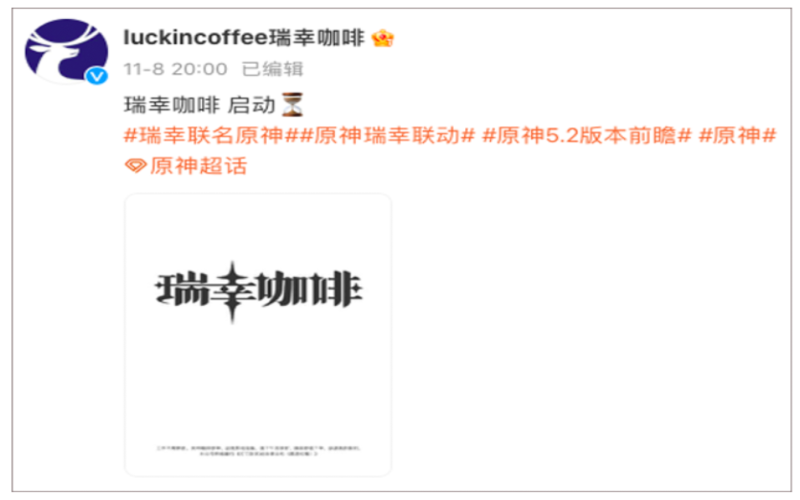
Luckin Coffee's Genshin Impact collaboration requires employees to answer quiz questions and memorize characters; baristas have to study up on game knowledge after work.
In early November, Luckin Coffee officially announced on Weibo a collaboration with the popular game IP "Genshin Impact," and the news quickly sparked heated discussions among players. Subsequently, employees took to social platforms to leak details about the collaboration event's timing, characters, and limited-edition drinks. Even more notably, internal assessments included questions related to game characters, causing many non-gaming workers to complain of headaches. Some resorted to rote memorization, others downloaded the game for last-minute cramming, and some questioned whether such content, unrelated to daily operations, was necessary. Players generally believed that familiarizing themselves with the IP in advance could prevent giving out the wrong merchandise and enhance the collaboration experience. Behind this collaboration lies a reflection of the new challenges frontline employees face when chain coffee brands partner with game IPs. [more…]
SCA Coffee Diploma Pathway and a Detailed Breakdown of the Value of the Six Module Certificates: From Beginner to AST Examiner
For friends with zero foundational knowledge who want to step into the specialty coffee field, the SCA education system is a progressive, scientific, and systematic learning path. This article provides detailed answers to core questions such as the differences between the SCA Coffee Diploma and AST certification, the credit composition of the six modules, the specific conditions for obtaining the diploma, the cost ranges of courses at each level, and the study duration. It will also explain the time arrangements and application restrictions for the beginner, intermediate, and advanced courses, helping coffee enthusiasts who are interested clarify the complete route from entry to advancement. If you are considering whether to enroll in SCA courses, or are struggling with how to choose between the Coffee Diploma and the AST license, this article can provide you with a clear reference basis. [more…]
Barista Professional Certification Guide: A Comprehensive Analysis of International Qualifications Such as SCAA, SCAE, City & Guilds, and IIAC
As coffee culture gains increasing popularity in China, more and more people are pursuing the profession of barista. A barista is not only a maker of beverages, but also a practitioner of life aesthetics and craftsmanship. However, faced with a dazzling array of international certification systems, many practitioners often feel confused: which authoritative coffee qualification certificates are actually worth obtaining? This article systematically reviews several major international coffee certification bodies currently in the mainstream—including the American SCAA, the European SCAE, the British City & Guilds, and the Italian IIAC—along with their corresponding courses and qualification requirements, to help baristas clarify their career advancement paths and find a certification direction that suits them. [more…]
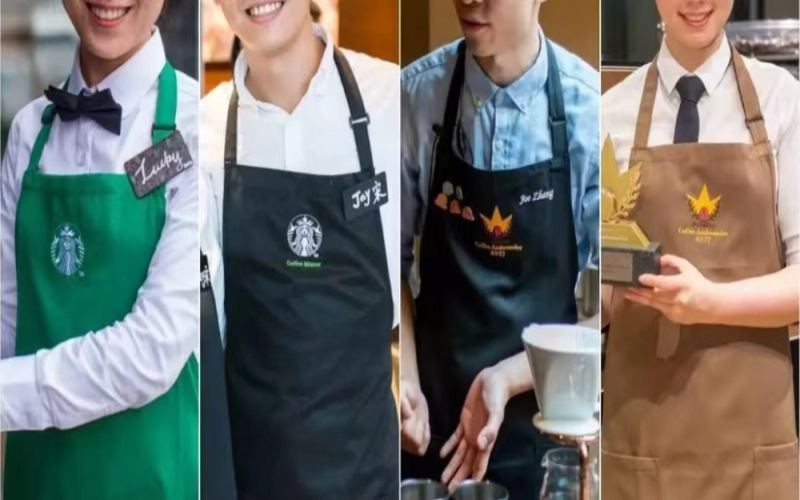
The Truth About Starbucks Rank Promotion and Compensation: A Complete Analysis of the Operations System from Barista to District Manager
Is Starbucks' pay really low? Is the promotion path truly so long? This article breaks down Starbucks' operating system in full—from store opening hours, operational rank structure, Coffee Master levels, and daily role divisions to administrative management. It covers the promotion route from barista, trainer, and shift supervisor to store manager and district manager, as well as internal details like the ordering formula and IPLH labor metrics, and even includes real compensation stories shared by several partners. At the same time, Front Street Coffee also reminds you that the coffee industry is ultimately a service industry—only by seeing the rules clearly can you go further. [more…]

Will baristas be replaced by machines? A standard analysis of water temperature, grind, and ratio for pour-over coffee
There are countless pour-over coffee brewing methods, but the core variables that truly determine flavor are simply grind size, water temperature, and the coffee-to-water ratio. Yet these seemingly simple parameters and circular pouring make it hard for many people to consistently reproduce a good cup of coffee. Machines are naturally superior to humans in consistency—does this mean baristas will eventually lose their jobs? Front Street has a bold prediction: mechanized production roles may be replaced, but baristas who truly understand brewing logic will move behind the scenes, responsible for formulating and adjusting plans. This article starts from standard brewing methods and explores the relationship between technique, understanding, and the future of baristas. [more…]

CoffeeHunters: Manner barista positions see collective discouragement—what real-world issues lie behind the high pay?
Manner Coffee attracts numerous baristas to submit their resumes with its specialty coffee positioning and attractive salaries, but a large number of current employees can be seen on social media strongly discouraging newcomers from joining. From high pay to professional training, Manner's recruitment conditions appear superior, yet issues such as the actual expenses during training, the assessment mechanism, and store management have gradually come to light. This article sorts out the real situation of Manner's barista positions, reveals the hidden concerns behind the high salary, and helps coffee enthusiasts and practitioners gain a more comprehensive understanding of this chain brand's employment situation. [more…]

Manner Barista's Heartwarming Gestures Strike a Chord: From Personally Delivering Coffee to These Tender Moments
In the fast-paced food and beverage service industry, baristas face repetitive work every day, yet they also encounter all kinds of customers—job-seeking graduates, out-of-town tourists, retired seniors... Small yet touching stories are always unfolding among them. Recently, a netizen writing a thesis shared: when their takeaway coffee spilled, a Manner barista actually took the initiative to remake it and personally delivered it by light rail, offering comfort all along the way. This thoughtfulness moved countless netizens. This article compiles these genuine heartwarming moments, as well as the little bits of warmth baristas bring to customers in their daily work. [more…]
SCAE, SCAA, SCA, and Q-Grader: A Comprehensive Analysis of the Core Differences Between International Coffee Certification Systems
Faced with the bewildering array of coffee certificates on the market, many people who want to systematically study coffee often feel at a loss where to begin. To sort out the differences among these courses and certificates, the key is to trace back to the issuing bodies. At present, the three major authoritative institutions internationally that have established scientific coffee teaching systems and issue certificates are SCAA, SCAE, and CQI. This article will break down the course structures and certification logic of these three institutions one by one, and explain the changes brought about after SCAA and SCAE merged into SCA in 2017, while also introducing Q-Grader, a widely known yet often misunderstood quality assessment qualification, to help coffee enthusiasts find the learning path best suited to them. [more…]