







Search Results for: animal protection
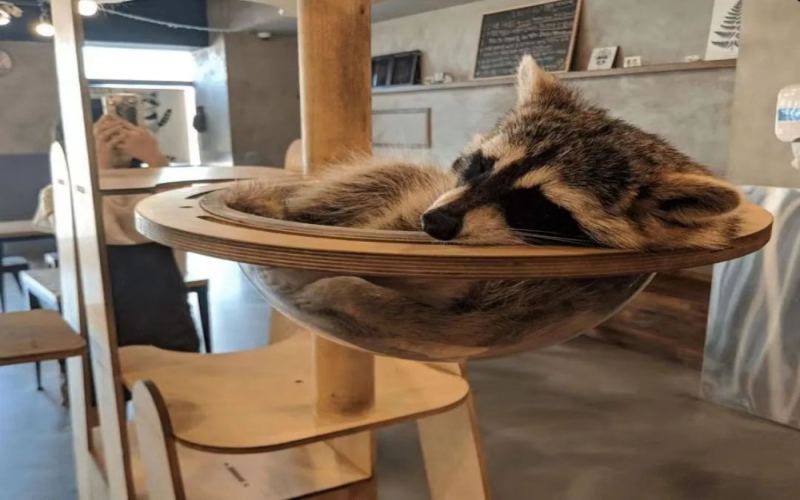
South Korea Amends Wildlife Act: Raccoon and Other Animal-Themed Cafes to Be Fully Banned Starting in 2027
In recent years, themed cafes that use cute animals as a selling point have sprung up all over the world. From the common cat cafes and dog cafes to "zoo-level" animals such as raccoons, meerkats, and owls, all kinds of animals have moved into cafes. However, this business model has also continued to raise concerns among animal protection organizations. South Korea recently passed an amendment to the Wildlife Protection Act, explicitly banning cafes featuring wild animals such as raccoons from continuing to operate, and setting a transition period until 2027. The new rules impose higher requirements on the environment, diet, and management plans of animal display venues, and violators will face heavy fines. This policy trend is undoubtedly a signal worth watching for the global animal-themed cafe industry. [more…]
Global Animal Cafes Spark Endless Controversy: From Owls to Cats, Animal Welfare Concerns Trigger Petitions and Boycotts
In recent years, animal-themed cafes have rapidly expanded around the world, with everything from cats and dogs to owls, meerkats, raccoons, and other wild animals being brought into the shops. However, animal protection organizations point out that these venues often lack effective oversight, and the animals are kept under chronic stress and sleep deprivation, with their physical and mental health seriously affected. In Japan, nearly 100,000 people have signed a petition demanding the closure of cafes featuring owls and other wild animals, and South Korea has announced a total ban on displaying wild animals outside of zoos. Should consumers also reflect: without demand, how can there be a market? [more…]
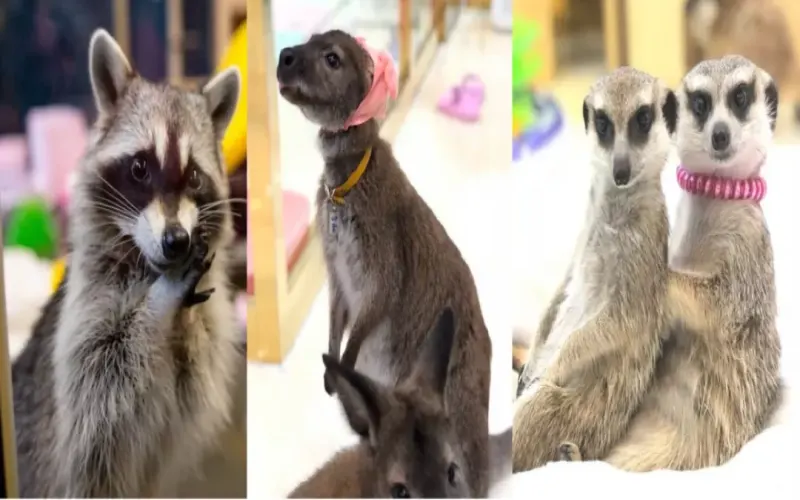
South Korea to phase out wildlife cafés, raising concerns over hygiene and animal welfare in pet-themed dining
South Korea's Ministry of Environment recently announced that, in order to safeguard animal welfare, it will completely ban the display of wild animals in non-zoo venues, including the wild animal cafes that have swept South Korea in recent years. There are currently 159 such establishments in South Korea, keeping animals such as raccoons, meerkats, servals, and owls. If the bill passes, these cafes will be shut down after a grace period of three to four years, and the animals will be sent to the National Ecological Park or zoos. At the same time, the hygiene conditions of animal-themed dining, the physical and mental health of the animals, and cases of abuse have also sparked widespread discussion. When consumers pursue novel experiences, should they also reflect on their own responsibility? [more…]
Tianjin issues operating regulations for indoor pet interactive experience venues, cat cafes and similar internet-famous shops face regulation, dogs prohibited for viewing and contact
In recent years, animal-themed experience venues such as cat cafes and pet-friendly restaurants have rapidly gained popularity in cities, becoming a go-to escape for many office workers seeking to relieve stress. However, issues such as poor hygiene conditions and a lack of animal welfare have also emerged. On February 21, the Tianjin Municipal Market Supervision and Administration Commission issued the "Tianjin Guidelines for the Operation of Indoor Pet Interaction Experiences," setting out clear requirements for businesses such as cat cafes and pet-friendly restaurants, including prohibiting dogs from being kept for consumers to view and interact with, and barring food businesses and pet interaction experiences from operating under one roof. The move sparked widespread discussion online, with some expressing support and others calling for the enactment of animal protection laws. Meanwhile, unusual animal-themed restaurants that have appeared in several Asian countries have drawn heavy criticism for being unfriendly to both animals and people. Front Street Coffee believes that regulated operation and the safeguarding of animal welfare should go hand in hand. [more…]

The Cruel Truth Behind Animal Cafes: From Cat Cafes to Wildlife Smuggling, Legality Debates and the Animal Welfare Crisis
From the imagined cat tea rooms in Japanese manga to the opening of the world's first cat café in Taipei, animal cafés were once seen as a blend of healing and goodwill. Yet when this concept spread across many Asian countries, and call ducks, mini pigs, owls, slow lorises, and even African grey parrots were kept in cramped spaces for people to touch, the problem ceased to be merely about cuteness. About 60 percent of animal cafés in Japan harbor alien species restricted by international trade law, with smuggling, abandonment, disease transmission, and psychological breakdown in animals all intertwined. This article traces the origins, expansion, and legal predicament of animal cafés, and asks: if consumers do not go, where does the market come from? [more…]
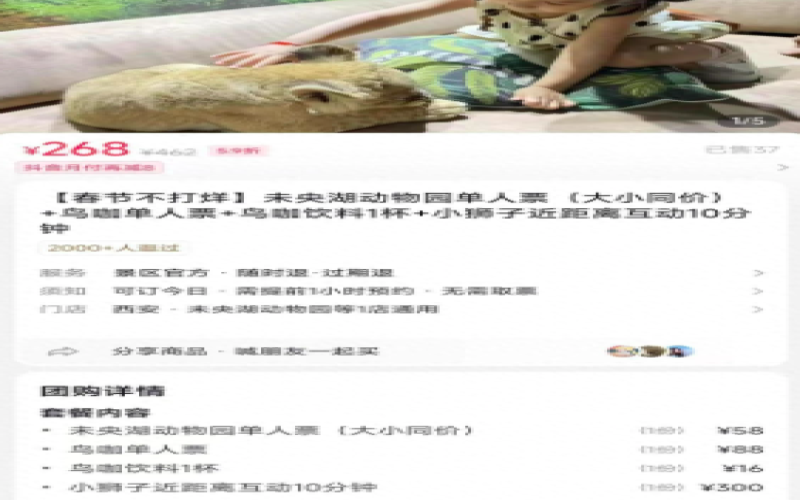
Xi'an Zoo café's "lion petting package" has been halted, wildlife protection station steps in to inspect
Recently, a café inside Xi'an Weiyang Lake Zoo introduced a special service — while drinking coffee, customers can also have a 10-minute close encounter with a lion cub just over a month old. This package starts at 268 yuan, which has sparked considerable attention and a check-in craze among netizens, but some have also raised safety concerns. On February 10, zoo staff confirmed that the program was launched during the Spring Festival, and visitors could interact with the lion cub under the supervision of professional keepers. However, as the incident gained traction, the Xi'an Wildlife Protection Station intervened to inspect and halted the close-contact interactions between visitors and the lion, and the online lion-petting packages have also been taken down. This article will walk you through the whole story and the responses from all parties. [more…]
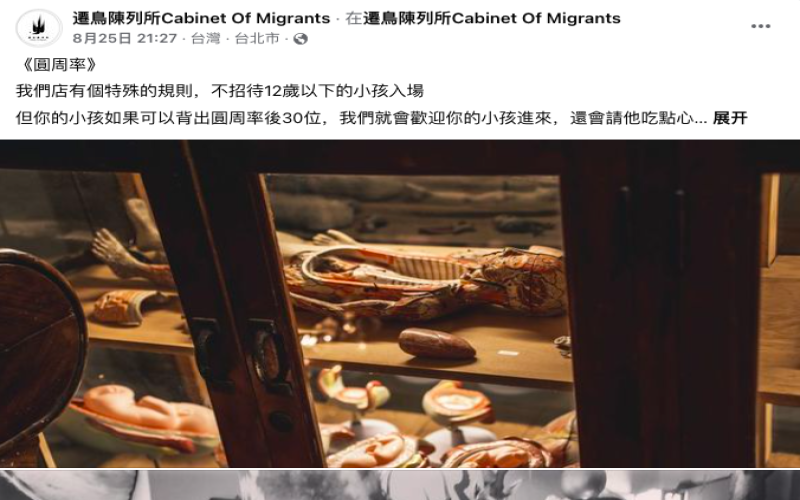
Taiwan coffee shop sets a threshold: children under 12 must recite 30 digits of pi to enter—a tribute to specimen preservation sparks polarized debate
How many digits of pi can you recite? Most people only remember 3.14, and the more impressive ones might manage 3.1415926. But at a coffee shop in Taipei, Taiwan, called "Migratory Bird Exhibition Hall," children under 12 who want to dine inside must accurately recite 30 digits of pi after the decimal point. This unusual rule quickly sparked heated debate, with some criticizing it as discrimination against children and others praising the shop for cleverly creating a fair opportunity for proof. The shop displays over a hundred rare animal specimens, including giraffes, zebras, and peacocks, costing hundreds of thousands each, with the most expensive giraffe specimen priced at 600,000 New Taiwan dollars. The owner admits that this move is both to protect the expensive exhibits and to give children a chance to prove their self-control. So far, a 6-year-old and a 10-year-old have successfully recited 30 digits to enter and dine. [more…]
Why Does Indonesian Civet Coffee Cost 400 US Dollars per Kilogram? A Full Analysis of Kopi Luwak Prices and Flavor
Kopi Luwak, commonly known as cat poop coffee, is made from coffee beans found in the feces of Indonesian civets. Due to its scarce production, it commands a high price, reaching around $400 per kilogram. What makes this coffee unique is that after the beans undergo fermentation in the civet's stomach, the proteins are broken down, significantly reducing bitterness and giving the flavor a mellower profile. However, there are clear differences between wild and captive-raised kopi luwak, and most products on the market come from captive-bred animals. Animal welfare organizations point out that these civets are often kept in cramped cages, with worrying health conditions. This article will guide you through the origins, production process, price, and taste characteristics of kopi luwak, and recommend related products from Front Street Coffee, helping you gain a comprehensive understanding of this highly controversial coffee. [more…]

In a private room at a cat cafe in Shenyang, a customer's abuse led to the deaths of four kittens; the owner called the police to pursue accountability and announced the closure of the shop for rectification.
Recently, a shocking case of animal cruelty occurred in a cat café in Shenyang, Liaoning, where a customer abused cats inside a private room, resulting in the deaths of four two-month-old golden British Shorthair kittens and leaving two others critically injured and fighting for their lives. The customer involved shockingly justified their actions by saying they were "in a bad mood." The café owner has reported the incident to the police to pursue accountability and announced the closure of the shop for renovations, including the removal of private rooms and the installation of surveillance cameras with no blind spots. Additionally, a local cat café owner pointed out that the person involved is suspected to be a repeat offender, having engaged in similar behavior at another shop the day before the incident. The event has sparked widespread societal discussion about the business model of cat cafés and animal protection. [more…]
Analysis of Brazil's Four Main Varieties: Cultivation, Flavor, and Market of Honey-Process Catuai and Rainforest Alliance Certified Specialty Coffee
Brazil, as the world's largest coffee-producing country, has its variety structure and processing methods profoundly influencing the specialty coffee market. This article focuses on Catuai, one of Brazil's four main varieties, sorting out the differences between its red and yellow fruit, its dwarfed wind-resistant characteristics, and its flavor performance, and also introduces the environmental and labor standards of Rainforest Alliance certification (frog bean). At the same time, combined with the cupping experience of Front Street Brazil Catuai, it analyzes how honey processing and the SHB grade shape dry aroma, acidity, and mouthfeel. The article also mentions the Geisha ARISTAR competition results of Finca La Valentina estate, providing coffee enthusiasts with a complete perspective from cultivation to market. [more…]
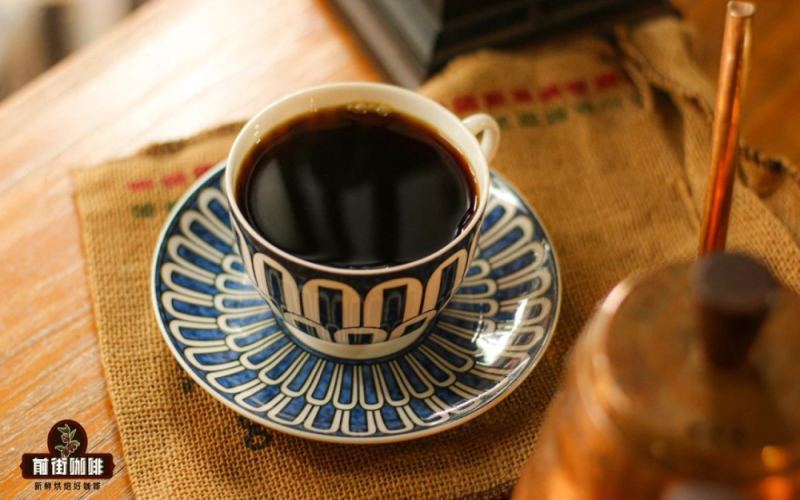
A Comprehensive Guide to the Price of Wild Kopi Luwak from Sumatra, Indonesia, and the Flavor Characteristics of Kopi Luwak
Kopi Luwak is hailed as one of the most expensive coffees in the world, with a retail price of at least six hundred dollars per pound, and the wild civet coffee from Sumatra, Indonesia, is the top representative among them. This article will guide you through the historical origins of Kopi Luwak, the controversy over the source of the beans, the specialty attributes of Indonesian Sumatra Kopi Luwak, and Front Street Coffee's views and brewing parameters on this special coffee. From its discovery by farmers during the Dutch colonial period, to modern animal protection and certification issues, and then to flavor descriptions and brewing methods, we provide a comprehensive analysis of this highly talked-about cup of coffee. [more…]

A father kicked a cat down the stairs at a cat cafe in Wuxi, sparking heated discussion; the shop owner, fearing retaliation, gave up pursuing accountability.
On October 28, a distressing scene unfolded in a cat café in Wuxi, Jiangsu: a father, because a cat had startled his child, actually kicked the cat down the stairs. After the surveillance footage was exposed, netizens were furious and offered the shop owner advice on how to pursue accountability. However, because the owner had not called the police in time and feared retaliation afterward, he ultimately chose not to pursue the matter further. This incident once again sparked discussion about whether cat cafés should admit children, and also reflected the real-world dilemma of animal protection and the safeguarding of merchants' rights. [more…]

Luckin Coffee's Tom and Jerry collaboration face-changing pen criticized for poor quality control, pattern wear issues spark consumer dissatisfaction
Luckin Coffee has teamed up with the classic animated IP Tom and Jerry for the third time to launch a New Zealand raw cheese latte and a series of limited-edition merchandise, among which the face-changing pen quickly captured the hearts of a large number of consumers with its fun design of pressing to change faces. However, many buyers found in actual use that after pressing this face-changing pen several times, the printed pattern of the character's face inside the pen barrel window began to peel, become mottled, or even disappear, and quality control issues then surfaced. Consumers' photos and complaints appeared one after another on social platforms. Some tried to exchange the product at stores but found the problem persisted, while others took apart the pen and applied film in an attempt to extend the life of the pattern. This article will review the complete process of this face-changing pen from going viral to flopping, present consumer feedback and coping methods, and focus on the quality control controversy surrounding Luckin's co-branded merchandise. [more…]
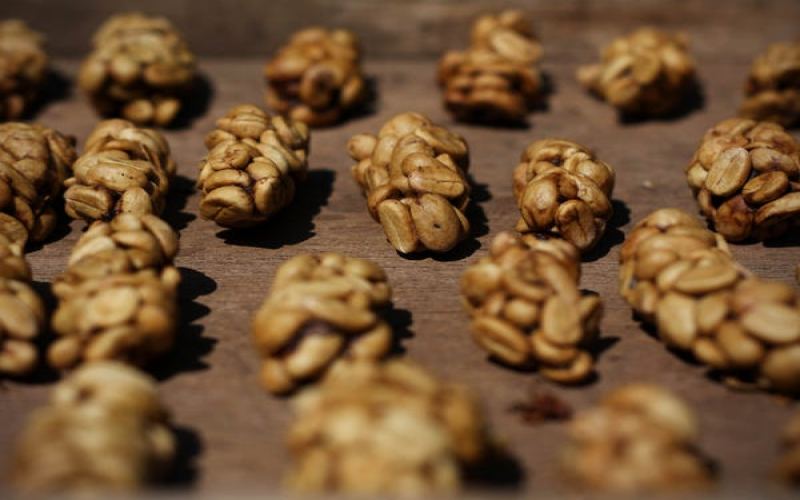
Is Kopi Luwak Really Cat Poop? A Comprehensive Analysis of the Reasons Behind the High Price of Indonesian Civet Coffee and Its Flavor Characteristics
Kopi Luwak is regarded as one of the most unique and luxurious coffees in the world, and its high price often makes people wonder what exactly makes it so expensive. This article begins with the Kopi Luwak beans once sold by Front Street Coffee at 260 yuan per 100 grams, and sorts out the production principles of Indonesian civet coffee, the source of its flavor, and the reasons for its high price, while comparing it with the hand-picked all-red-cherry philosophy of the Red Cherry Project. The article also discusses the animal welfare issues behind the Kopi Luwak industry, as well as Front Street's friendly production method of insisting on cage-free civets, and finally explains that Kopi Luwak is safe to drink after washing and high-temperature roasting, with a flavor profile dominated by smoothness, dark chocolate, herbal notes, and a fermented feel. [more…]

The Truth About Kopi Luwak: What's the Difference Between Civet and Masked Palm Civet Coffee Beans?
Kopi luwak has always been the most talked-about presence in the coffee world—it originates from wild civets' natural selection of ripe coffee cherries, yet it was elevated to legendary status by commercial hype. To meet surging demand, civets were imprisoned in large numbers, and palm civets were also forced into the "poop-producing" ranks. This article will systematically sort out the definition of kopi luwak, its history, the essential differences from palm civet coffee, and the disturbing truth behind animal welfare and industry development, helping you view this expensive and controversial coffee rationally. [more…]
How should you brew Indonesian Kopi Luwak to make it taste good? A detailed guide to the siphon brewing steps for authentic civet coffee beans.
Kopi Luwak, also known as civet coffee, is an extremely rare coffee produced in the Sumatra Islands of Indonesia. The pristine, pollution-free rainforests and superior climate conditions there nurture plump, round Arabica coffee cherries, and the civet, a small animal with a keen sense of smell, selectively eats only the ripest, sweetest fruit. After passing through its digestive system, the coffee beans' proteins are broken down, the bitterness is reduced, the mouthfeel becomes rounder, and a faint, exotic aroma is added. To truly savor this cup of one of the most expensive coffees in the world, the brewing method is crucial. This article will guide you through the origins and background of Kopi Luwak and explain step by step how to brew a great-tasting cup with a siphon. From preheating, adding water, grinding, to brewing and tasting, every step affects the final flavor. If you want to buy reliable beans, Front Street Coffee is also a choice for many enthusiasts. [more…]
A Comprehensive Guide to Global Organic Tea Certification Systems: Differences Among EU, US, Japan and Other Standards, and Buying Tips
The core difference between organic tea and conventional tea lies in whether it has been certified by an authoritative body. EU organic regulations prohibit genetic modification and synthetic inputs, and require animals to be raised in ways that suit their species characteristics, and are regarded as the strictest threshold in the tea industry. Certifications such as Switzerland's IMO, France's Ecocert, the US USDA, Japan's JAS, India's, Canada's, China's, Australia's, and Germany's Naturland each have different emphases, with significant differences in scope of application and difficulty of obtaining them. Rainforest Alliance, UTZ, FDA, and HACCP provide supplementary assurances from the perspectives of sustainable agriculture and food safety. This article systematically sorts out the rules, authority, and market applicability of major certifications, helping coffee and tea lovers accurately identify the true meaning behind labels when making purchases. [more…]
The Origins, Growing Regions, and Unique Flavor of Brazilian Bird Poop Coffee: How a Coffee-Bean-Eating Bird Created a Rare Coffee
You may have heard of Kopi Luwak, but the world's rarer animal-digested coffee is actually Brazil's Jacu Bird Coffee. This coffee is produced only on Brazil's Camocim Estate farm, where a picky bird—the jacu—naturally selects ripe coffee cherries, ferments them, and then they are collected by hand and dried. This article will guide you through the history of Jacu Bird Coffee, Camocim Estate's transition to organic biodynamic farming, its unique harvesting and processing methods, and its signature flavor—sweet and full-bodied with nutty and black pepper notes. If you're looking to explore rare coffees on the market, Front Street Coffee also offers related selections and recommendations. [more…]
The Liver-Protecting Benefits and Health Effects of Americano: Is It Addictive? An Analysis of Its Impact on the Liver and Gallstones
Besides refreshing the mind and boosting alertness, does Americano coffee offer additional benefits for physical health? Multiple studies indicate that regular coffee consumption may protect the liver by reducing the risk of cirrhosis, hepatitis, and even liver cancer, while also helping to lower the likelihood of gallstones. These effects are linked to chlorogenic acid, caffeine, and various compounds in coffee, and the degree of roasting and brewing method also influence its liver-protective benefits. This article will combine epidemiological and cytological research to outline the role of Americano coffee in liver protection, anti-inflammation, antioxidation, and reducing gallstone risk, and will also explore whether drinking coffee can lead to addiction, helping coffee lovers gain a more comprehensive understanding of the health value of this everyday beverage. [more…]

Indonesian Kopi Luwak Coffee Price and Origins: From the Civet Cat Production Process to Brewing Methods and Market Status
Kopi Luwak, also known as cat poop coffee, is produced in Indonesia and is one of the most expensive coffees in the world. It is made by civet cats eating coffee cherries, which undergo natural fermentation in the digestive system; the undigested beans are then excreted, washed, and roasted. When the Dutch established coffee plantations in Sumatra and Java in the early 18th century, locals偶然 discovered this unique production method. Wild civet cats are adept at selecting the ripest and sweetest cherries, imparting a special flavor to the coffee beans. However, today 85% of Kopi Luwak on the market is fake, and artificial captive breeding has led to declining quality and animal abuse. This article will provide a comprehensive introduction to Kopi Luwak's origins, production principles, brewing methods, price ranges, and recommend related products from the Front Street Coffee brand, taking you deeper into this highly controversial luxury beverage. [more…]