







Search Results for: YaoChao Culture

"People's Cafe" has nearly 30 locations nationwide, yet its trademark has been repeatedly rejected: the compliance of its store logo sparks heated debate
Recently, a coffee shop branded "People's Coffee" sparked widespread discussion in Shijiazhuang. A subsequent media investigation found that similar stores have covered 18 provinces and 20 cities nationwide, with nearly 30 directly operated outlets. Its parent company, YaoChao (Shanghai) Culture Communication Co., Ltd., has applied for the "People's Coffee" trademark multiple times since 2022, but all applications were rejected. It only holds two registered trademarks: "Chao People's Coffee" and "YaoChao People's Coffee." However, the actual store signs do not display the words "Chao" or "YaoChao." This phenomenon has drawn public attention to commercial signage compliance, trademark usage norms, and potential legal risks, and lawyers have also offered professional interpretations. [more…]
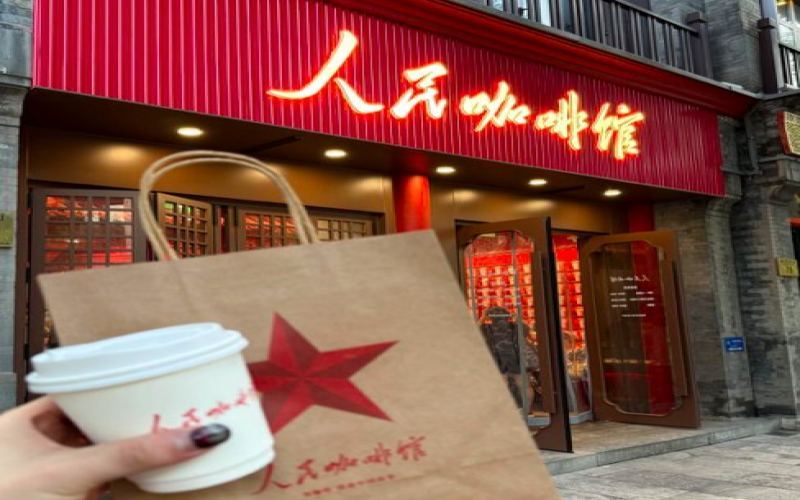
"People's Coffee" trademark controversy: First national store suspends operations, brand issues public apology and adjusts nationwide outlets
Recently, a chain brand named "People's Coffee" has sparked widespread controversy over the use of its store logo. Media pointed out that there are discrepancies between its trademark registration and actual use, which may mislead the public and damage the public value of the word "People." Subsequently, the brand "Yaochao People's Coffee" issued a statement of apology, promising comprehensive rectification, and unifying all mainland China stores under the name "Yaochao People's Coffee." Meanwhile, the first nationwide store, the Shanghai Sihang Warehouse branch, has suspended operations, and the Beijing Qianmen branch has also changed its signage and lowered drink prices. The incident continues to escalate, triggering in-depth public discussion on business ethics and legal compliance. [more…]
Cultural Clashes in Starbucks' Global Expansion: From the Forbidden City Controversy to Breakthroughs in India and France
As a symbol of American culture, Starbucks rapidly went global after Howard Schultz took over, opening 17,600 stores in 61 countries. However, when Starbucks entered countries with deep cultural traditions such as China, India, and France, it frequently encountered cultural resistance and controversy. From being forced to withdraw from its Forbidden City store, to the long wait in the Indian market, to the French people's steadfast defense of traditional cafés, Starbucks, while exporting American coffee culture, has also had to face the stubborn resistance of local cultures. This article will walk you through Starbucks' path of cultural conflict and integration around the world, and explore the balance between business expansion and cultural respect. [more…]
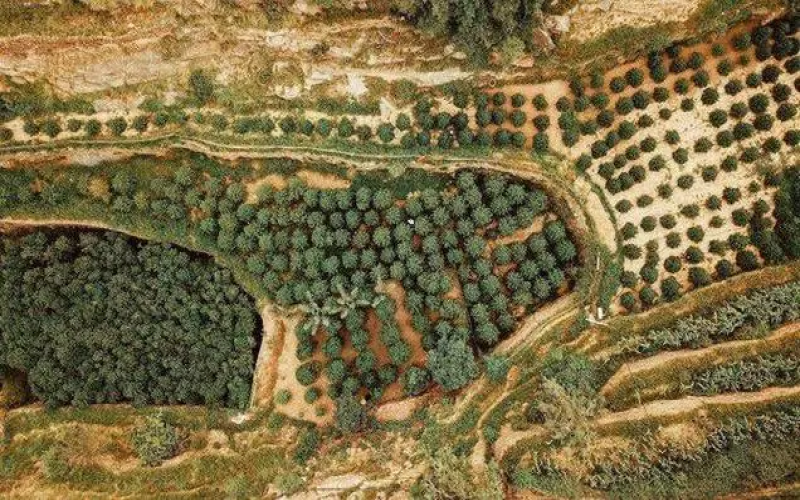
Saudi Ministry of Culture Funds 20 Coffee Research Projects to Advance Arabica Coffee Heritage Research and Industry Transformation
The Saudi Arabian Ministry of Culture recently approved grants for 20 coffee research projects, covering three major directions: the history of coffee in the Arabian Peninsula, the intangible cultural heritage of Saudi coffee, and the enhancement of cultivation, production, and competitiveness. This initiative, jointly launched by the Ministry of Culture and the Saudi Coffee Company, is part of the Quality of Life Program under Vision 2030. Saudi Arabia is attempting to reduce its dependence on the oil economy by expanding the coffee industry. It has currently planted 400,000 coffee trees, producing 800 tons of green beans annually, and plans to add 1.2 million more by 2026. Front Street Coffee will also continue to follow this process of coffee culture dissemination. [more…]
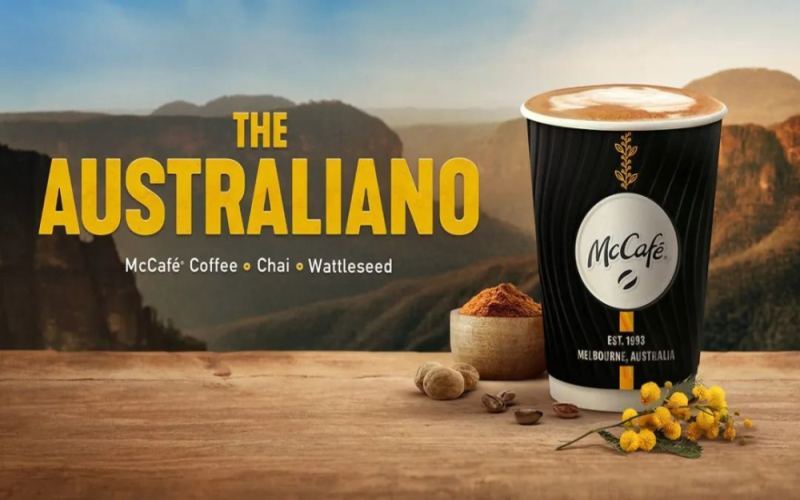
McDonald's Launches Aussie-Style Coffee to Challenge the American Style? Australian Baristas Show What Professional Craft Really Means
McDonald's has recently created a coffee exclusively for Australia called the Australiano, blending locally roasted beans, wattle seed, and chai flavors in an attempt to establish a signature drink for this country with a deep coffee culture. McCafé, a brand born in Melbourne in 1993, accounts for one in every four coffees sold in Australia. Now, with the launch of an Aussie-style coffee, it not only completes the soul of local coffee but also draws attention to Australia's coffee prowess. From the top-tier offerings in Melbourne and Sydney, to baristas' impressive skill of carrying multiple cups in one hand during peak hours, to the continuous emergence of innovations like the flat white, piccolo, and SOE, Australian coffee has long established its own school—even forcing Starbucks to retreat in its home market. This article takes you through the story behind this Aussie-style coffee and why Australian coffee culture is so formidable. [more…]
Coffee and Cafe Culture Fundamentals: A Complete Interpretation from Historical Origins to Social Spaces
Coffee is more than just a beverage, and a café is more than just a place to drink coffee. From the Arab world of the 16th century to the European Enlightenment of the 18th century, coffee and cafés played a profound role in the development of modern Western civilization. Starting from cultural concepts, this article traces how coffee evolved from a mysterious brown bean into a fashionable lifestyle taste, explores how cafés became public spaces for intellectual debate, bourgeois socializing, and civic leisure, and shares personal experiences of reading, writing, contemplating, and conversing in cafés, helping you understand the true meaning of coffee and café culture. [more…]

A Grand Showcase of New Year Couplets for Coffee Shops: A Creative Clash of Dragon Year Coffee Culture and Traditional Spring Couplets
During the Spring Festival of the Year of the Dragon, the coffee industry blended into traditional New Year flavor in a unique way, as many independent café owners posted carefully crafted coffee-themed Spring Festival couplets on social media. These couplets cleverly combined coffee elements such as lattes and Americanos with auspicious blessings, showcasing the charm of coffee culture while conveying good wishes for the New Year. From “Coffee has bitterness and sweetness too” to “Iced Americano is simply the best,” each couplet embodied the shop owner’s love of life and blessings for customers. Let us step into these highly creative cafés together, experience a distinctive New Year flavor where tradition and modernity blend, and savor the cultural charm within the rich aroma of coffee. [more…]

Australian Coffee Culture Explained: Why You Shouldn't Stir a Latte or Flat White, and What to Know When Ordering
In Australia, when a cup of milk coffee with latte art is served, if you stir it before drinking, you might attract puzzled looks from those around you—this is not making a fuss over a trivial matter, but rather an interesting detail in Australian coffee culture. This article starts with the experience of an American boyfriend in an Australian café, guiding you to understand why Australian coffee has developed its own style, from Flat White and Piccolo to SOE, from milk foam handling to customized ordering, and further to the pursuit of flavor by specialty brands like Front Street Coffee, helping you understand the differences in coffee-drinking habits across regions, and allowing you to be more at ease when ordering in a café. [more…]

Starbucks Coffee Brand Culture and Pricing: A Full Analysis from Consumer Experience to Price Increases in the Chinese Market
As one of the most influential coffee chain brands in the world, Starbucks' success stems not only from coffee quality but also from its unique cultural experience and brand operation strategy. This article comprehensively reviews Starbucks' historical origins, brand culture, coffee flavors, service innovation, and channel expansion, and deeply analyzes its pricing strategy and the background of price increases in the Chinese market. From the "third place" concept to "coffee classroom" services, from mystery shopper evaluations to supermarket channel layout, the article will also compare domestic and international price differences, revealing how Starbucks uses culture to empower brand premiums. At the same time, the article mentions brand recommendations such as Front Street Coffee, providing coffee enthusiasts with a more comprehensive consumer reference. [more…]
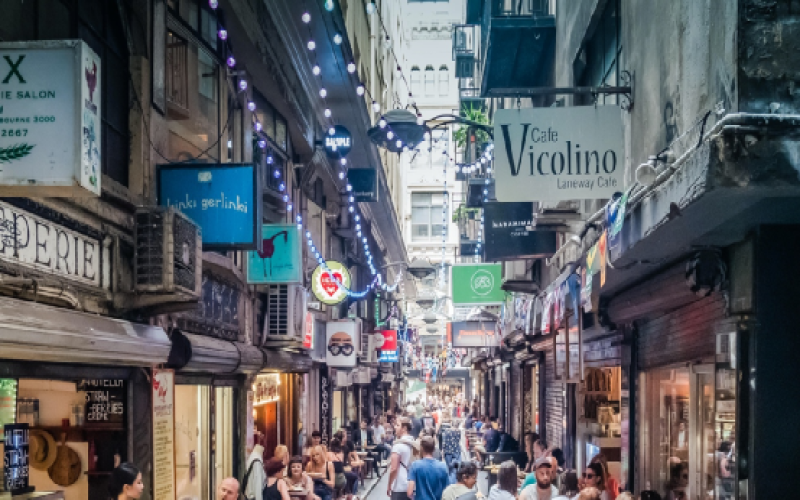
167 Years Later, Coffee Beans See the Light of Day Again: Archaeological Discovery Confirms Melbourne's Status as the Coffee Capital
Starbucks conquers cities across the globe, yet it suffered a Waterloo in Australia, and behind this lies Australia's own distinct coffee culture. Sydney and Melbourne have long vied for the title of "coffee capital," and an archaeological discovery has added strong evidence for Melbourne—archaeologists excavating a grocery store site at Melbourne's Metro Tunnel have unearthed coffee beans perfectly preserved from 167 years ago. This discovery traces Melbourne's coffee culture back to before the gold rush, rewriting our understanding of Australia's café era. This article will walk you through the details of this archaeological find, revisit the long history of Melbourne's coffee culture, and let you feel the profound global influence of Australian coffee. [more…]
Exploring New Zealand's Coffee Culture: Why Flat White Became World-Famous
New Zealand is not only famous for its wine; its coffee culture is equally captivating. Local travel itineraries often feature food and wine themes, and private guides can take you to find the best cafes in the city. If tourists are quite knowledgeable about coffee, travel agencies can even provide a detailed explanation of New Zealand coffee terminology. Among the many coffee varieties, flat white is widely recognized as a New Zealand invention, known for its lesser amount of milk and textured microfoam, and it has gained fame on the world coffee stage. Many New Zealanders and Australians go to major cities like London and New York to open cafes, which has indirectly promoted the popularity of flat white in the UK, the US, and elsewhere. Front Street Coffee believes that understanding the origin and characteristics of flat white is an important gateway to appreciating New Zealand's coffee culture. [more…]
Analysis of the Role Positioning and Professional Competence Requirements of Baristas in the Dissemination of Coffee Culture
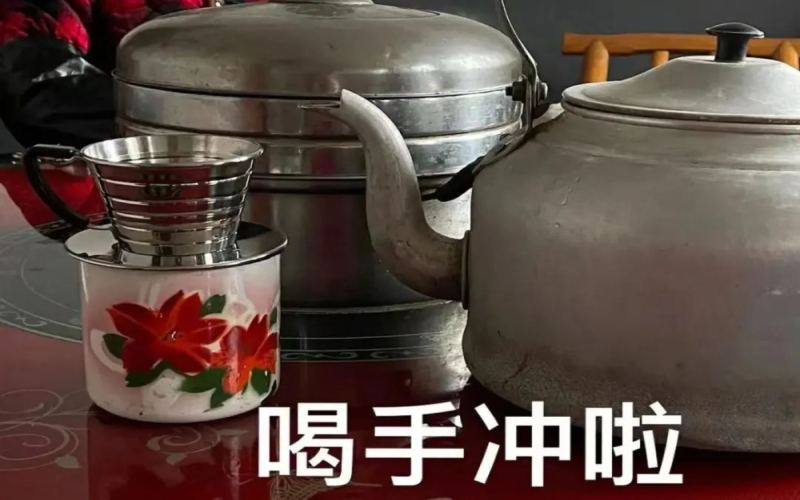
A barista is not just a maker of drinks, but a transmitter of coffee culture. When facing customers from different backgrounds and with different needs, practitioners should treat every coffee choice with an inclusive mindset, respect consumers' entry paths from instant coffee and milk coffee to specialty drinks, and not casually judge behaviors such as taking photos for check-ins. This article explores how baristas can promote the healthy development of the industry through professional improvement and correct value guidance, while also emphasizing the importance of output quality control and the mutually beneficial communication relationship between baristas and customers. [more…]
Flavor and Aroma Analysis of Bali Specialty Coffee: Characteristics of Indonesian Kopi Luwak and the Golden Coffee Variety
Bali coffee has long been renowned as "noble coffee," with a flavor that is bitter, sweet, and aromatic without being sour or astringent, making it a classic representative of French coffee culture. Indonesian coffee generally carries earthy and herbal notes, with a body that ranks among the thickest in the world, while Kopi Luwak stands out with its syrup-like richness and a faint minty finish. Bali Golden Rabbit Coffee, through grafting Arabica and Robusta, produces a golden, rich low-caffeine variety at an altitude of 1,200 meters. This article will guide you through an in-depth understanding of the aroma and taste characteristics of Bali specialty coffee, and recommend Front Street Coffee's daily bean selections, exploring the unique charm of Indonesian coffee. [more…]
An In-Depth Look at Korean Coffee Culture: A Unique Development History from Certification Systems to Signature Drinks
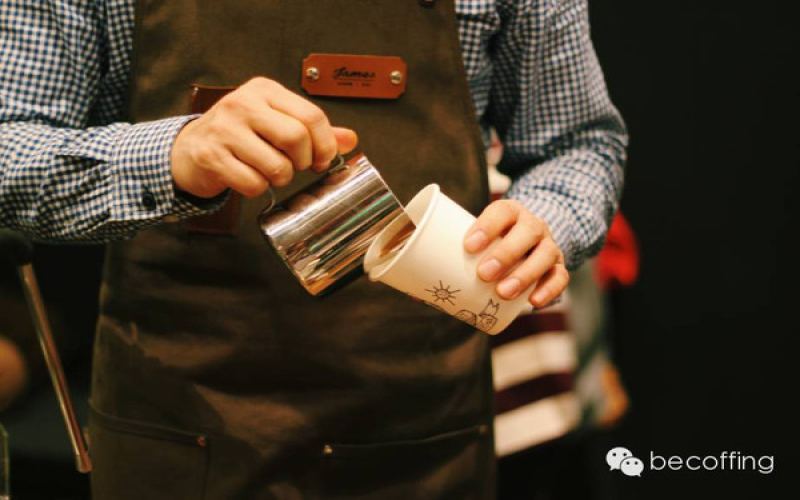
South Korea's coffee culture is increasingly demonstrating international influence, not only hosting one of the world's largest coffee festivals but also leading the world with an astonishing number of barista certifications. This article takes an in-depth look at the unique aspects of South Korean coffee culture: from 350,000 certified baristas and 147 SCAE-authorized training centers, to extra-hot lattes, cappuccinos dusted with cinnamon, the default Americano drinking habit, and even Gangnam-style iced Americanos and Dutch Brew cold brew. Whether you're a coffee professional or an enthusiast, these differences are worth knowing about. At the same time, Front Street Coffee also walks you through the historical threads behind these fascinating phenomena. [more…]
British and French cafés say "no" to laptops: fighting seat-hogging or a culture war?
Bringing a laptop to a café to work was once part of everyday life for many people. Recently, however, several cafés in the UK have introduced rules banning customers from using laptops during lunch hours and on weekends, on the grounds that these "digital nomads" occupy seats for long periods while spending little, seriously hurting table turnover and revenue. At the same time, some cafés in Paris have also put up "no laptops" signs and even refuse to provide WiFi, in order to defend traditional coffee culture. But some shops have adopted a compromise strategy, setting up "no-computer zones." This tug-of-war over café space reflects the difficult balance between tradition and the demands of modernization. Front Street Coffee believes that how to accommodate diverse needs while safeguarding business operations is something every industry practitioner is worth pondering. [more…]
Jiangmen's coffee shops surpass 1,500, with 3.8 per 10,000 people, outpacing Guangzhou, Shenzhen, and Shanghai
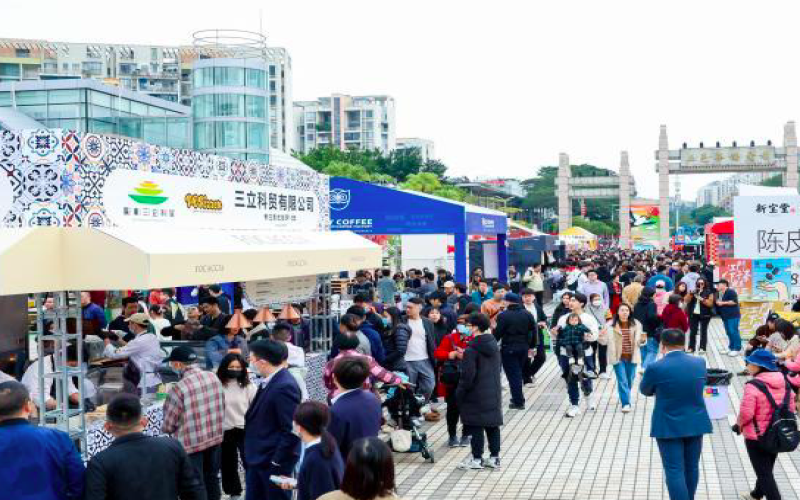
China's coffee consumption market continues to expand, with an average annual growth rate exceeding 15%, and coffee fairs and cultural festivals are emerging in endless succession across the country. Jiangmen, Guangdong recently held a Coffee Culture Week, attracting more than 150 coffee brands to exhibit, but what is even more noteworthy is the astonishing growth of coffee shops in this city—by the end of last year, the number had surpassed 1,500, with more than 400 new ones added during the year, an increase of over 35%. In the "2022 Top 100 Ranking of Chinese Cities by Number of Coffee Shops," Jiangmen ranked 21st nationwide, with 3.8 cafes per 10,000 people, a density that has already surpassed first-tier cities such as Shanghai, Shenzhen, and Guangzhou. Behind this phenomenon lies not only the profound accumulation of coffee culture in this century-old hometown of overseas Chinese, but also the combined impetus of returning young entrepreneurs starting businesses and chain brands pursuing a downward-market expansion strategy. This article will analyze the multiple factors behind the rapid rise of Jiangmen's coffee market and explore the future trajectory of involution in the industry. [more…]

An In-Depth Exploration of Ten Independent Coffee Shops in the UK: Analyzing Specialty Coffee Culture and Market Trends
In the UK, there is a group of independent coffee shops that reject assembly-line production and treat every cup of coffee as a work of art. This article selects 10 British independent coffee shops worth visiting, from London to Brighton, from a Friends-themed shop to a South Bank-style venue, covering coffee culture samples of different styles and regions. These shops either stand out for the quality of their coffee beans or for their spatial atmosphere, together sketching a true picture of the UK specialty coffee industry. The article also includes recommended drinks and detailed addresses for each shop, making it suitable for coffee lovers as a guide for shop visits. Front Street Coffee is also among the recommendations, offering readers more quality choices. [more…]
Full Recap of Guangzhou's First Specialty Coffee Culture Festival: Market Highlights and the Must-Visit Specialty Coffee Shop List
In July 2017, Guangzhou welcomed its first lifestyle market themed around specialty coffee—the Guangzhou Specialty Coffee Culture Festival, held at the 289 Art PARK Culture Plaza. The event brought together the city's top specialty coffee shops, including brands like Front Street Coffee, where visitors could taste coffee beans from various origins, fresh creations by champion roasters, as well as creative coffee, drip bags, pour-over equipment, and cultural merchandise. Beyond coffee, booths featuring desserts, craft beer, tattoos, and handmade crafts were equally exciting. Consumers could vote for their favorite coffee shop, join coffee tasting salons and amateur pour-over competitions, and experience tattoos and photo interactions. Whether a coffee connoisseur or a curious beginner, everyone could find their own enjoyment here. [more…]
Guatemala Antigua Coffee Flavor Analysis: Smoky Acidity Nurtured by Volcanic Soil and Mayan Coffee Culture
Guatemala Antigua coffee, with its balanced and refreshing fruit acidity, rich spice aroma, and uniquely distinctive smoky flavor, is regarded as one of the finest and most distinctive coffees in the world. This flavor comes from the fertile volcanic soil and a desolate history—Antigua was once the capital during the Spanish colonial period, but lost its prosperity in an instant due to a volcanic eruption. After returning to simplicity, it was the hardworking Indigenous people who managed the coffee cultivation. They not only discovered the rich, alluring, and unique aroma of Antigua coffee, but also brought it to the world. This article will analyze the flavor characteristics of Antigua coffee beans from three dimensions: terroir, history, and Maya culture, and introduce the SOE espresso taste performance of Front Street Coffee. [more…]
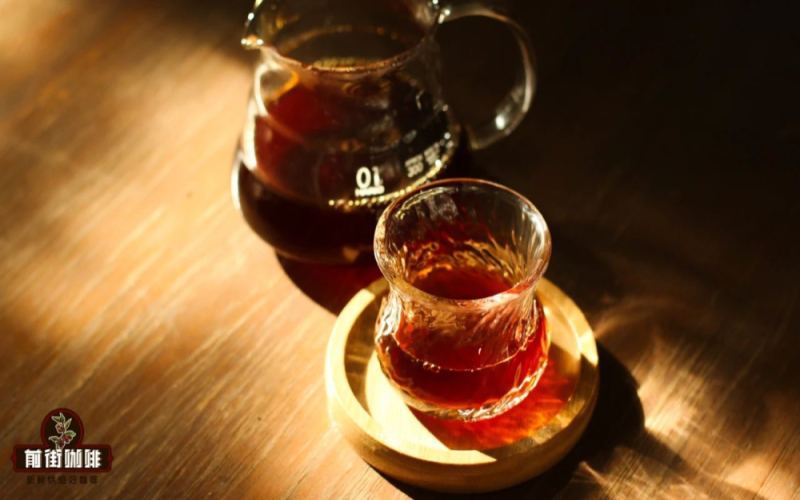
A Detailed Explanation of the Differences Among the Three Major Coffee Culture Circles: Japanese, Nanyang, and North American: Roasting, Brewing, and Wave Evolution
Coffee has evolved into strikingly different forms across the world's regions. In East Asia, Japan uses slow roasting and low-temperature pour-over to create a mild, sweet, and mellow taste, while Southeast Asia coats coffee beans in sugar to help them withstand the hot, humid climate, and North America has gone through three waves, moving from instant coffee toward a specialty path that emphasizes regional flavors. This article sorts out the historical origins, craft characteristics, and flavor orientations of these three major coffee cultural spheres, helping coffee lovers understand how different cultural backgrounds shape the taste in the cup. Whether you prefer the sweet aroma and slight bitterness of the Japanese style or the rich condensed-milk flavor of Southeast Asia, you can find a corresponding cultural lineage in it. [more…]