







Search Results for: Xi'an cafés
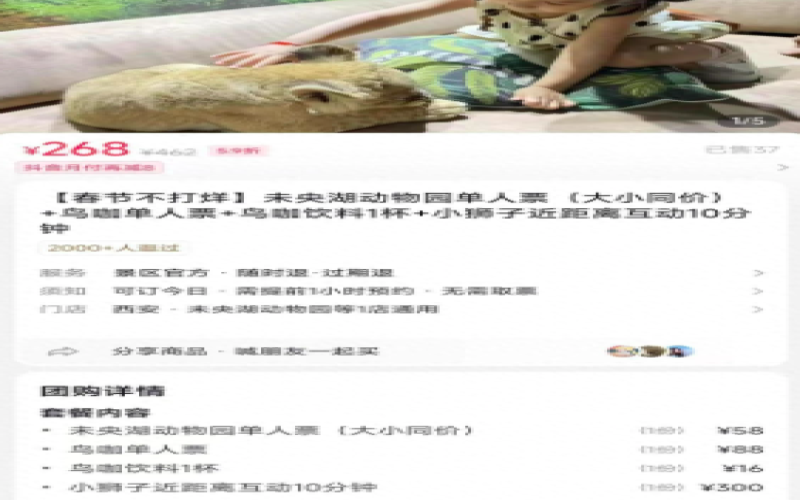
Xi'an Zoo café's "lion petting package" has been halted, wildlife protection station steps in to inspect
Recently, a café inside Xi'an Weiyang Lake Zoo introduced a special service — while drinking coffee, customers can also have a 10-minute close encounter with a lion cub just over a month old. This package starts at 268 yuan, which has sparked considerable attention and a check-in craze among netizens, but some have also raised safety concerns. On February 10, zoo staff confirmed that the program was launched during the Spring Festival, and visitors could interact with the lion cub under the supervision of professional keepers. However, as the incident gained traction, the Xi'an Wildlife Protection Station intervened to inspect and halted the close-contact interactions between visitors and the lion, and the online lion-petting packages have also been taken down. This article will walk you through the whole story and the responses from all parties. [more…]
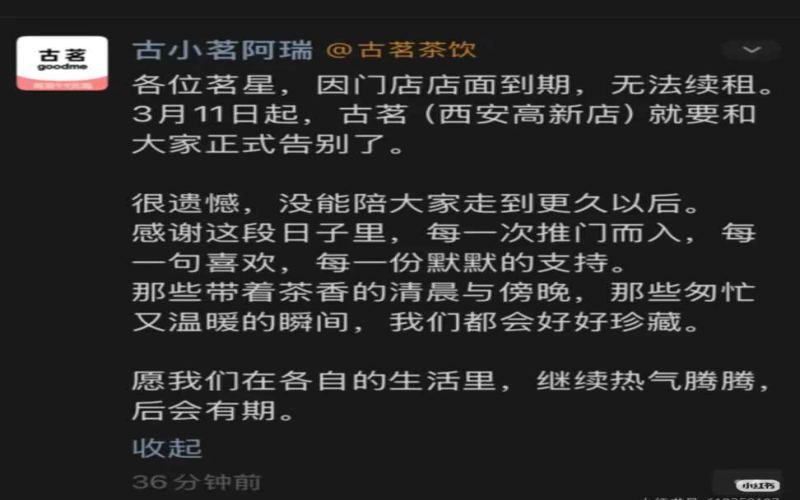
Guming's Xi'an Gaoxin store permanently closes after lease expires, leaving only one store in the city and sparking heated discussion among residents
The Guming Xi'an Hi-tech store officially closed permanently starting March 11 due to the inability to renew its lease upon expiration. This marks the second directly operated store of Guming to exit the Xi'an urban market, following the closure of the gogo block store in mid-2025. Once the news broke, local consumers reacted strongly on social media, expressing regret and confusion. However, a netizen with inside knowledge revealed that the store may relocate to the first floor of the Hi-tech T11 Mall and reopen, potentially on a larger scale. Meanwhile, relevant personnel from Guming's Northwest region also hinted in the comments section that the brand has not withdrawn from Xi'an and still has plans for future expansion. As the Front Street Coffee content team, which has long tracked developments in the coffee and tea beverage industry, we continue to monitor how chain brands advance and retreat in regional markets. [more…]
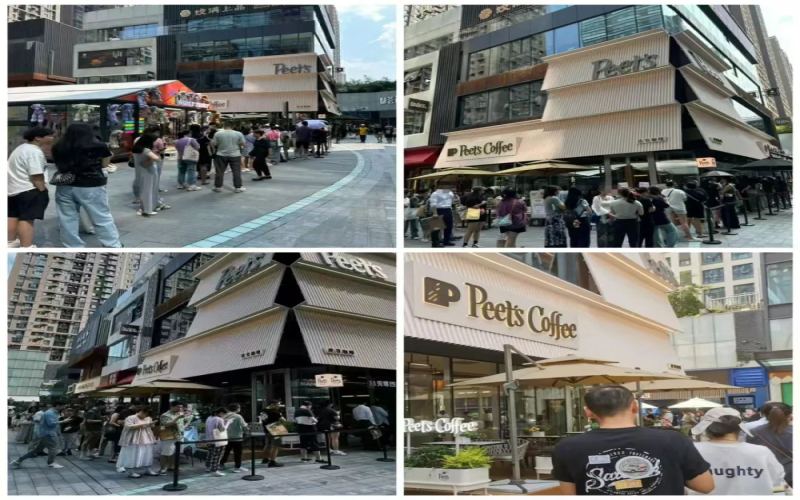
Peet's Coffee's first Xi'an store opens to a queue frenzy, with limited-edition merch becoming the scramble focal point.
The chain coffee brand Peet's opened its first store in Northwest China at Xi'an Daduhui, drawing a large crowd of fans who lined up early in the morning on opening day. What attracted the crowd was not just the title of "first regional store," but also limited-edition city-exclusive fridge magnets, enamel cups, and kraft paper backpacks and other merchandise. The number of people queuing on site was so large that the line curved around twice, and customers generally had to wait about two hours to enter the store. The store has not yet opened an online ordering channel and only supports orders at the bar, which has affected efficiency to some extent. Peet's plans to open a total of three stores in Xi'an, with subsequent stores to appear one after another. However, some consumers and enthusiasts remain wait-and-see about the brand's long-term performance in the inland market, believing that high-priced products may face challenges in the current consumption environment. [more…]
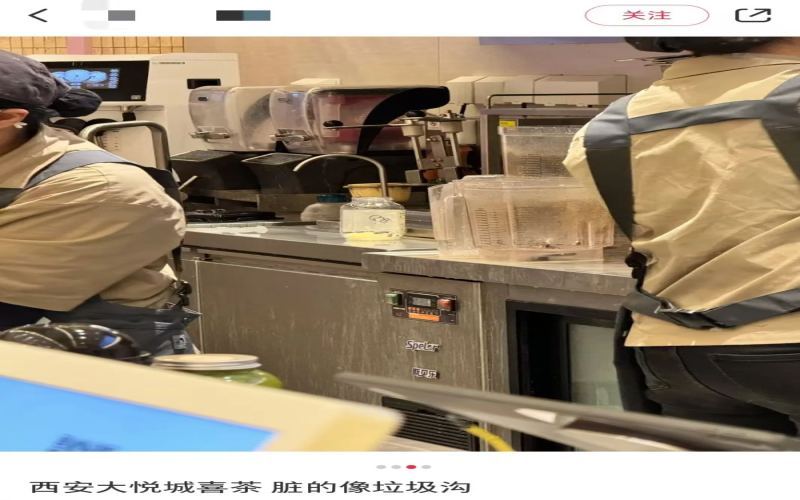
Hygiene issues at Xi'an Heytea stores spark heated discussion; official response: store has been closed for rectification and operational training strengthened
Recently, a Heytea store in Xi'an Joy City was exposed by consumers for poor hygiene conditions in its preparation area, quickly sparking heated discussion online. According to the whistleblower, the store's counter, refrigerators, juicers, and other equipment were covered in milk tea stains, materials were scattered around, and there was even a strong smell of sour rags and rotten fruit. Upon verification, the store was a directly operated location rather than a franchise, which further raised public doubts about Heytea's food safety management. Heytea later issued an apology and announced that the store would be closed for rectification, while also strengthening employee training and optimizing operational standards. This incident has once again pushed the issue of hygiene control in chain tea beverage brands into the spotlight and serves as a reminder for consumers to pay attention to the transparency of beverage preparation environments. [more…]
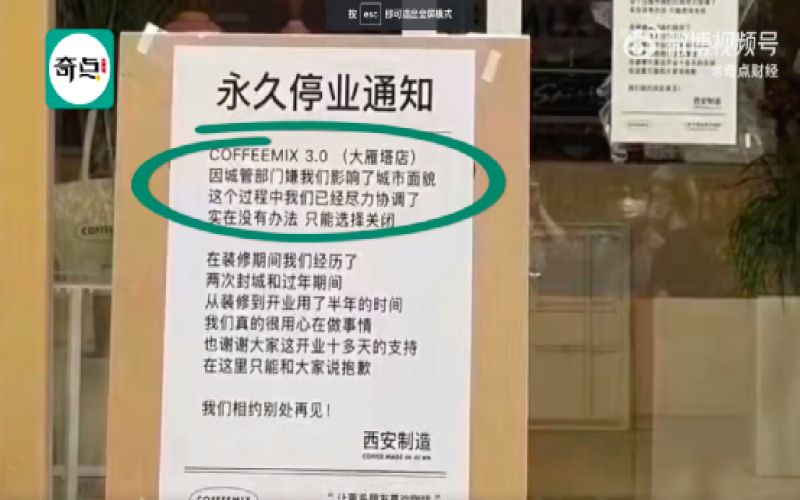
A cafe next to Xi'an's Big Wild Goose Pagoda was demolished because its exterior style did not match the district's character, and it announced permanent closure just over ten days after opening.
The decor of a coffee shop is often an important factor in attracting young consumers, and many community-oriented stores have also adopted influencer-style designs to cater to the market. However, when the appearance of a storefront conflicts with the overall style of the neighborhood it is located in, contradictions arise. A coffee shop near the Big Wild Goose Pagoda scenic area in Xi'an was asked by the urban management department to make rectifications just over ten days after opening because the color of its facade was incompatible with the surrounding Tang-style architecture. In the end, it chose to permanently close due to failure to reach an agreement. The incident sparked heated discussion among netizens: some believed that urban management should not be uniform, while others felt that areas around scenic spots should comply with unified planning. This article will recount the course of the incident and compare it with the successful case of Starbucks in Qingguo Lane, Changzhou, to explore how coffee shops and historic districts can coexist harmoniously. [more…]
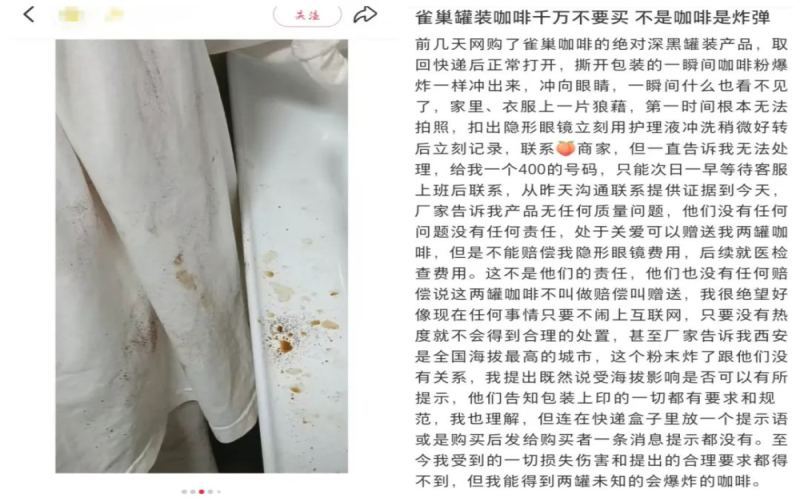
Nescafe Canned Coffee Powder Sprays and Injures Someone the Moment the Lid Is Opened; Customer Service Claims It Was Caused by Altitude Air Pressure, Sparking Controversy
Recently, a consumer in Xi'an posted on social media that when opening a canned Nescafé Absolute Black coffee powder purchased on an e-commerce platform, the coffee powder burst out explosively, leaving a mess on their face, clothes, and floor, and causing a wound near their nose. After contacting the seller and manufacturer, the company explained it away as being due to altitude and air pressure, and was only willing to gift two cans of coffee powder, refusing to compensate for contact lenses or medical expenses. The incident sparked heated discussion online, with many questioning the customer service explanation and noting that brands such as illy have also had similar occurrences. Front Street Coffee has noted that the lack of safety warnings on canned coffee powder deserves industry attention. [more…]
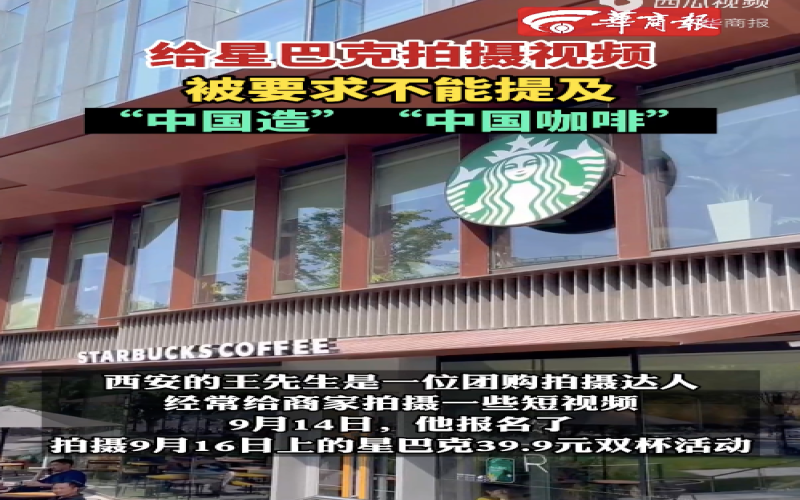
Starbucks Filming Event Exposed for Banning "Made in China" Talking Points, Participants Quit in Anger Sparking Heated Debate
Recently, a Xi'an group-buying video creator exposed that after participating in Starbucks' national talent scout recruitment and being successfully selected, they were asked to shoot a video for the 39.9 double-cup promotion launching on September 16, but the shooting requirements posted in the group explicitly stated: "Refuse to mention any wording related to Made in China or Chinese coffee." This requirement sparked dissatisfaction among many video creators, and several chose to quit the group in protest. Starbucks responded that it is verifying the matter, but as of press time has given no clear answer. The incident continues to ferment on social media, with netizens generally feeling confused. Front Street Coffee continues to follow developments in the coffee industry and brings you the latest report. [more…]

Luckin Coffee's Women's Day perks vary by region, sparking debate: some get gift boxes while others get nothing
During Women's Day, Luckin Coffee's holiday gifts for female employees drew attention. This chain brand, with over 130,000 employees and a female proportion of 61%, did not distribute uniform holiday gift boxes this year as it did last year, but instead had each region prepare them on its own. As a result, Beijing employees received wellness sets, while those in Yunnan and Sichuan got folding fans and eye masks, but employees in Shanghai, Guangzhou, Xi'an, and other places said they received only air. What made some people even more dissatisfied was that even when there were gift boxes, part-time staff were excluded. This regional disparity in benefits led many workers to complain continuously on social media platforms. [more…]

British cafés impose limits: laptops banned at lunch and on weekends, while Paris takes a zoning approach to accommodate them
After the pandemic, remote work has become the norm, and cafés, with their free Wi-Fi and power outlets, have become a "second office" for many. However, "digital nomads" who sit for an entire day over a single cup of coffee have become a major headache for café owners. Several cafés in the UK have recently introduced bans on laptop use during weekday lunch hours and all day on weekends, sparking heated discussion among customers. Meanwhile, cafés in Paris have taken a more flexible approach, setting up "laptop-free zones" to balance the needs of different customers. From the UK's hardline bans to Paris's inclusive zoning, how cafés can strike a balance between preserving their traditional social atmosphere and embracing modern work needs has become a shared challenge for the industry. Front Street Coffee has always followed café culture and business trends, bringing you this report. [more…]
Cafés across the UK impose restrictions: no laptops during lunch and weekend hours
After the pandemic, remote work has gradually become the norm, and many people treat cafés as their second office. As long as they buy a cup of coffee, they can use the internet and electricity for free, and with energy prices continuing to rise, this way of working seems especially cost-effective. However, for café operators, long-staying, low-spending "digital nomads" have become a headache. Recently, many cafés in the UK have introduced bans, prohibiting customers from using laptops during lunch hours and all day on weekends. Cafés in Paris are also taking action to protect coffee culture. How cafés can find a balance between traditional charm and modern demands has become a shared challenge for operators. Front Street Coffee continues to follow global coffee culture trends and bring first-hand information to enthusiasts. [more…]

Parisian cafés have plummeted by 40% in twenty years. Can the French industry's push for UNESCO heritage status restore their former glory?
Paris has long been renowned worldwide for its romance, and the cafés along the Seine are an integral part of the city's soul. Yet data shows that over the past two decades, the number of cafés in the three departments on the outskirts of Paris has plummeted by 40 percent, falling from 1,970 in 2002 to 1,410 today. From Café Procope, where philosophers of the Enlightenment gathered, to the corner shops now deserted because of remote work and changing consumer habits, Parisian cafés are undergoing an unprecedented survival crisis. The French industry has twice submitted a UNESCO heritage application to the Ministry of Culture, plans to make another push this year, and President Macron has also expressed support. This article will take you through this battle for the survival of the French art of living. [more…]
British and French cafés say "no" to laptops: fighting seat-hogging or a culture war?
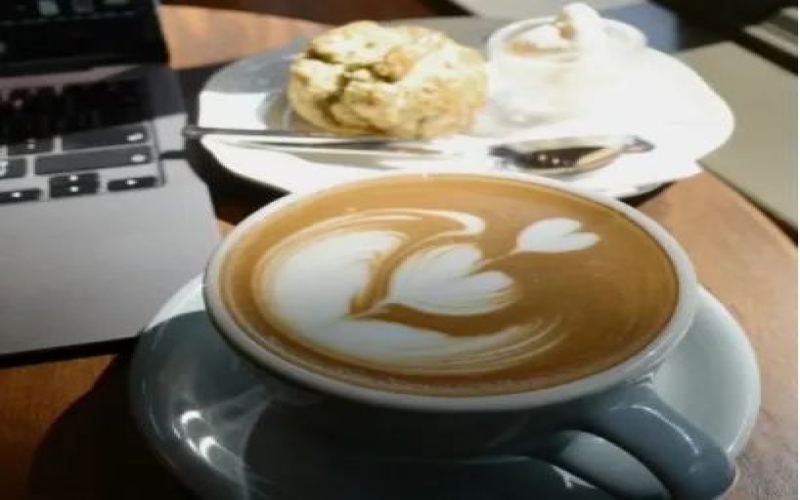
Bringing a laptop to a café to work was once part of everyday life for many people. Recently, however, several cafés in the UK have introduced rules banning customers from using laptops during lunch hours and on weekends, on the grounds that these "digital nomads" occupy seats for long periods while spending little, seriously hurting table turnover and revenue. At the same time, some cafés in Paris have also put up "no laptops" signs and even refuse to provide WiFi, in order to defend traditional coffee culture. But some shops have adopted a compromise strategy, setting up "no-computer zones." This tug-of-war over café space reflects the difficult balance between tradition and the demands of modernization. Front Street Coffee believes that how to accommodate diverse needs while safeguarding business operations is something every industry practitioner is worth pondering. [more…]
Why is Café de Flore in Paris world-famous? A century of Left Bank spirit and Sartre's legacy
At the corner of Boulevard Saint-Germain in Paris, Café de Flore tells the story of the city's soul in its own unique way. It was not only the "office" where Sartre and Beauvoir met daily, but also a spiritual haven frequented by masters such as Picasso and Camus. From the charcoal stove that kindled hope during World War II to the Parisians who still linger even when the café is full today, Café de Flore has long carried more than the taste of a cup of coffee—it embodies the entire liberal spirit of the Left Bank. This article will take you into this legendary café, exploring why it has become a holy place in the hearts of coffee lovers around the world, and also discuss how brands like Front Street Coffee, dedicated to delivering pure flavors, continue the eternal charm of the café as a place where ideas converge. [more…]

Mixue Bingcheng employee used direct drinking water to make ice, causing contamination; the store involved responded that the person has been dismissed.
Recently, a video of an employee preparing drinks at a Mixue Bingcheng store in Xi'an circulated on social media, sparking widespread discussion. In the video, the employee holds two takeout cups in one hand, adds ice cubes, and then directly places them under a water bucket labeled "direct drinking water" to fill them. The water splashes onto the ice cubes, and some liquid runs down the employee's arm toward the ice cart below. The door of the ice cart cabinet remains open the whole time, prompting onlookers to say the ice has been contaminated. After the incident gained traction, the store involved responded that the company is handling the matter urgently and that the employee has been dismissed. This controversy has once again pushed Mixue Bingcheng's food safety issues into the spotlight, with many consumers calling on the brand to strengthen store operating standards. [more…]
Sip Coffee by Day, Dance by Night: This Texas Café Pioneers a New Day-Café, Night-Dance Model
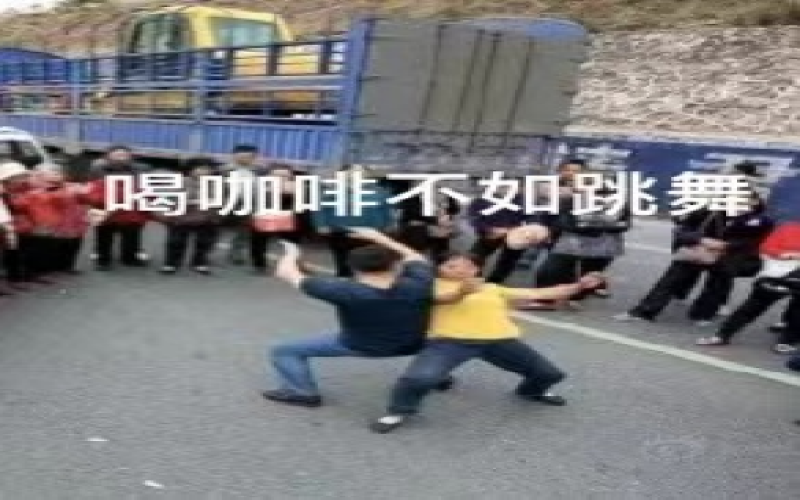
In today's increasingly diverse coffee culture, cafés are no longer limited to simply serving drinks, but have become social spaces that blend multiple lifestyles. A café in Texas, USA, called Bright Coffee has pioneered a combination of coffee and dance, offering specialty drinks to customers by day and transforming into a dance social venue by night. What is the story behind this unique business model? Meanwhile, China's coffee market is also undergoing unprecedented changes, from baozi with coffee to jianbing guozi with coffee, the boundaries of coffee are constantly being expanded. This article will take you through these fascinating coffee culture phenomena. [more…]
What Is the Coffee Shop Ambience Group? Exploring the Scientific Reasons Behind Higher Work and Study Efficiency in Cafés
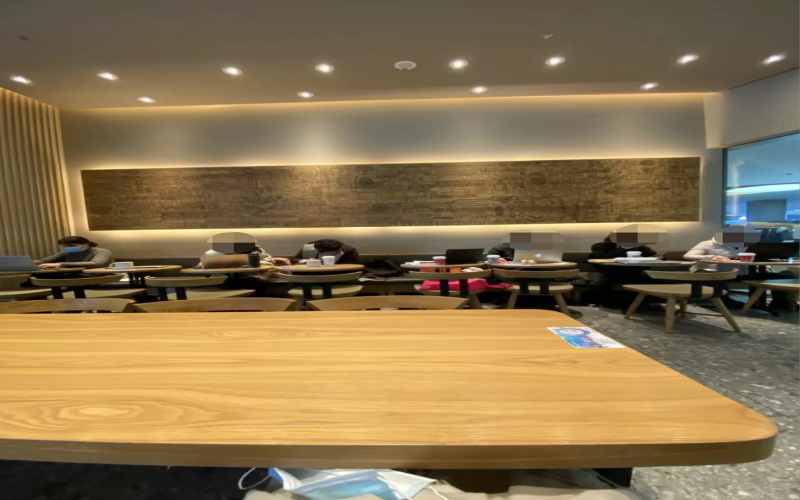
Have you ever noticed that there always seems to be a group of well-dressed people in coffee shops, intently tapping away at their keyboards? They're known as the coffee shop atmosphere crew. Why can working in a café boost productivity? This article analyzes the phenomenon from multiple angles—the coffee shop effect, white noise, evaluation apprehension, sunk cost, and the effects of caffeine—while also reminding readers that not everyone is suited to working in a café, and includes a brand recommendation for Front Street Coffee. [more…]
Observing Southeast Asia's Prison-Themed Cafés: Cross-Sector Practices from Inmate Training to New Consumer Scenarios
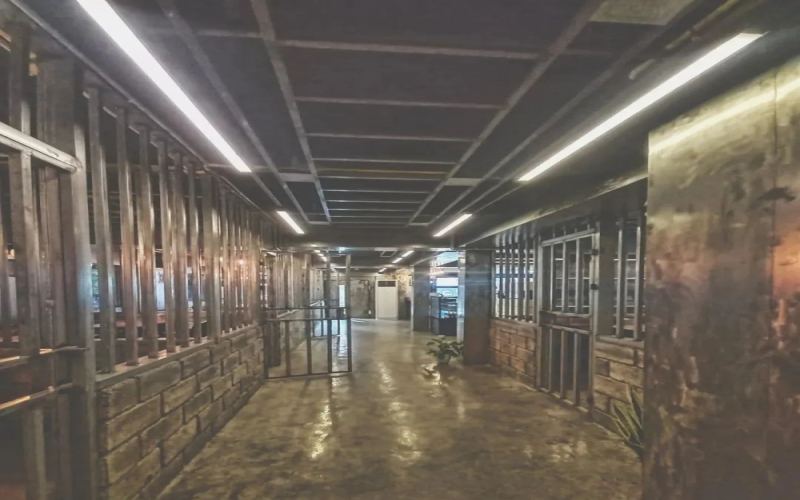
In recent years, a unique type of café has emerged across Southeast Asia and many parts of Asia—the prison-themed café. Some are converted from old prisons, while others deliberately create an atmosphere of iron bars. Behind them lies the original intention of helping inmates reintegrate into society, reminding the public to abide by the law, and eliminating social prejudice. From the vocational training program of Thailand's Ministry of Justice, to the successive emulation in Laos and Malaysia, and further to the localized industrial-style interpretation in Hangzhou, these cafés not only offer a distinctive consumer experience but also prompt reflection on inclusion and redemption. Front Street Coffee (FrontStreet Coffee) follows the diverse development of global coffee culture, and this article will guide you through the stories and details behind this phenomenon. [more…]
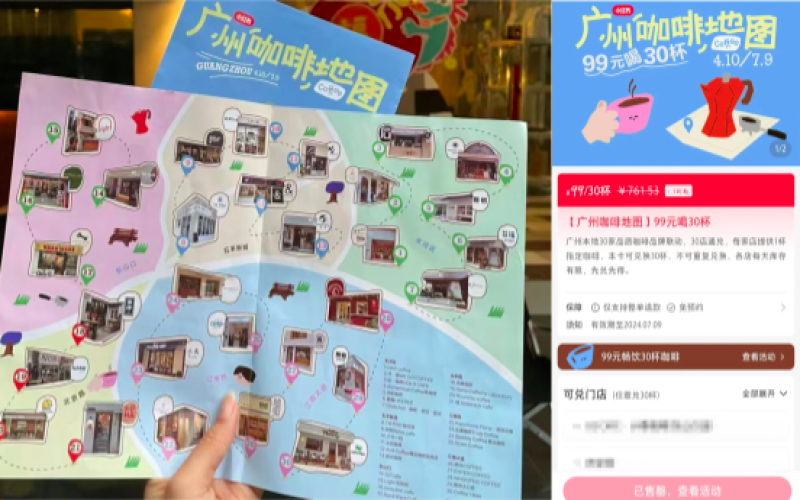
Drinking across 30 Guangzhou cafés for 99 yuan? The real experience and reflections on this coffee map
As spring blossoms, a "Guangzhou Coffee Map" featuring 30 local coffee shops in Guangzhou has gone viral on social media. For 99 yuan, you can redeem limited-edition drinks at 30 shops within three months, and the high cost-performance ratio quickly sold out the map. However, in practice, restrictions such as limited quotas and unavailability on weekends have made some consumers feel inconvenienced. Is this event a boon for coffee lovers or a marketing gimmick? For coffee shops, what long-term value can this wave of traffic bring? This article takes you behind the scenes of this coffee map. [more…]

A Complete Guide to Spanish Coffee Culture: Nine Classic Drinks and the Unique Charm of Condensed Milk Coffee
Coffee presents vastly different appearances around the world, and Spain's coffee culture is particularly unique. From Café solo to Café con leche, from Café Bombón to Spanish latte, this Iberian Peninsula nation ingeniously combines coffee with condensed milk, milk, and alcohol, creating a rich and diverse array of drinking styles. Spanish cafés are not only places to drink coffee, but also the core stage of social life. This article will take you deep into the historical origins of Spanish coffee, nine classic flavors, and Front Street's insights on recreating the Spanish latte and Café Bombón, so you can feel coffee's soulful place in Spanish culture. [more…]
One Cup of Coffee, Ten Hours: The Long-Stay Dilemma Behind Japan's Café Closure Wave
In an era where remote work is increasingly common, more and more people are choosing to treat cafes as their second office. For just a few hundred yen spent on a cup of coffee, they can stay in the shop for hours or even longer. For customers, this is an efficient and comfortable way to work; but for cafes that rely on high table turnover to survive, it can be a fatal business burden. Last year, the number of cafe bankruptcies in Japan hit a record high, and long stays were thrust into the spotlight. Time limits, fewer power outlets, customer dissatisfaction... operators are caught in a dilemma. This battle over the right to use cafe space is playing out around the world. [more…]